The California Garden Spider That Is Actually Protecting Your Plants
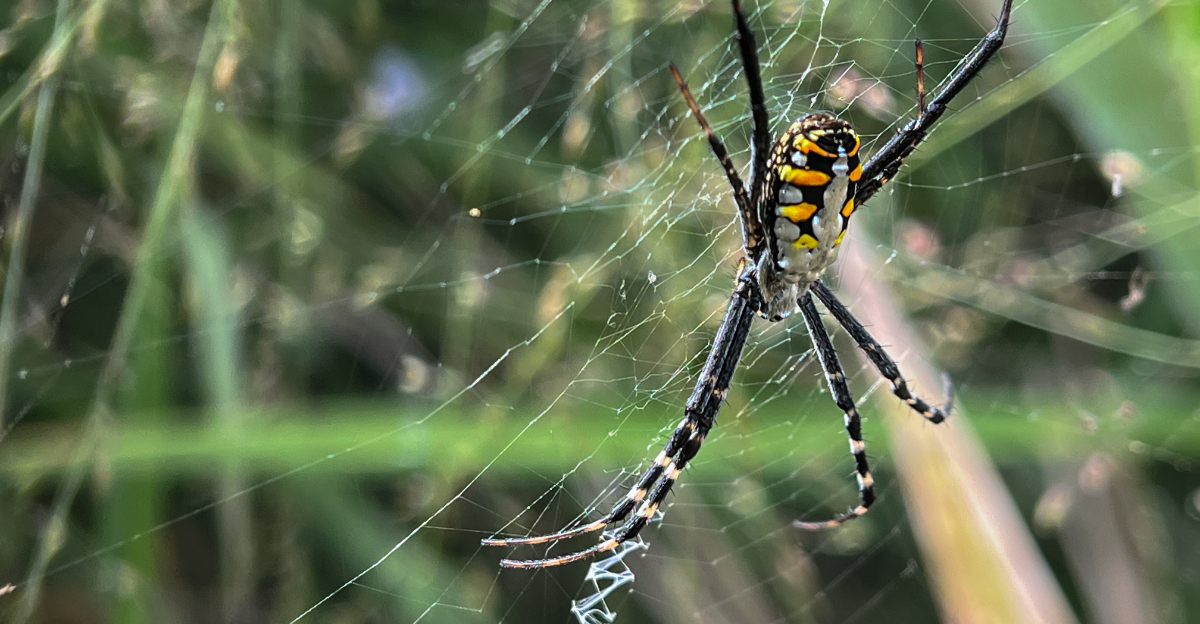
A bright yellow spider in the garden can stop you in your tracks. Its web is big, its body is bold, and its size can make it look more alarming than helpful.
But this colorful visitor is often one of the best signs of a healthy California yard. Instead of harming your plants, it spends its days catching insects that chew leaves, bother flowers, and crowd tender growth.
That makes it a quiet helper in vegetable beds, flower borders, and sunny corners where bugs gather. The key is knowing how to recognize it before fear takes over.
Once you understand what this spider is doing, it becomes much easier to leave it alone and let it work. Your garden may already have a tiny pest patrol hiding in plain sight.
1. Yellow Garden Spiders Catch Pests Before They Reach Your Plants
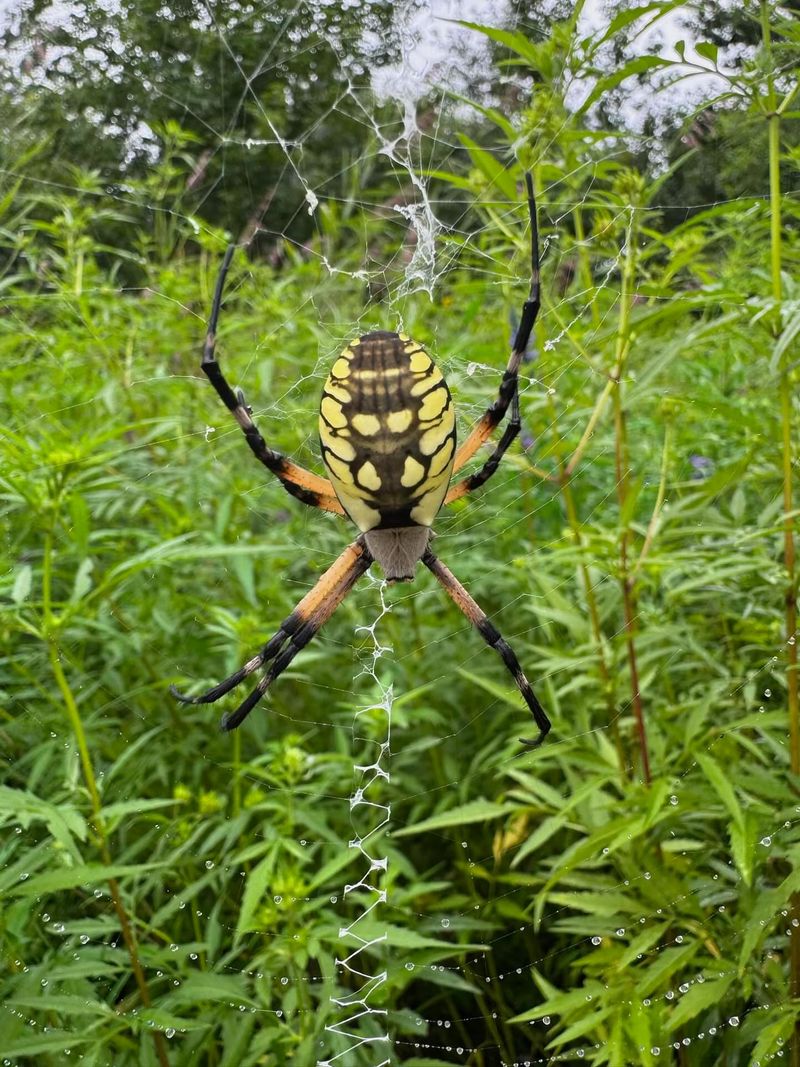
Long before a grasshopper or a moth can land on your lettuce, the yellow garden spider is already on patrol.
Positioned right in the middle of its web, this spider acts like a first line of defense for your entire garden.
It does not wait for pests to reach your plants. It intercepts them in the air.
The spider builds its web in open spaces between plants, near flowers, and along garden edges. These are the exact flight paths that insects use when moving through your yard.
Any bug that flies or hops into that space gets caught almost immediately. The spider wraps it up fast and the threat to your plants is gone.
Studies have shown that a single yellow garden spider can catch dozens of insects every week.
Over a full growing season, that adds up to hundreds of pests removed from your garden without any work from you. No spraying, no trapping, no checking.
Many gardeners do not realize how many bugs fly through their yard each day. Most of those bugs are looking for a leaf to chew or a stem to damage.
Having a spider web in the right spot stops a good number of them cold. It is quiet, constant, and completely free pest control running all season long.
2. That Big Web Is A Natural Pest Trap
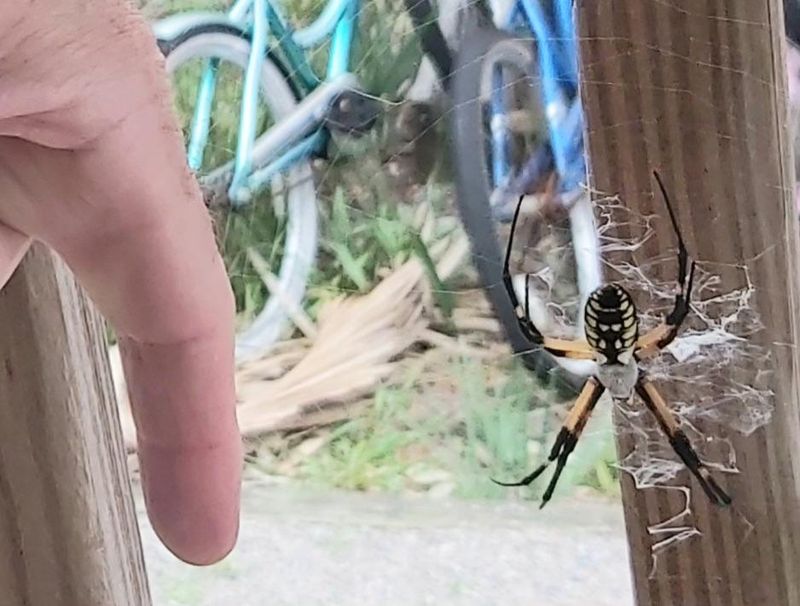
That wide, round web you spotted stretching across your garden bed is not just impressive to look at. It is a fully functional pest trap that works around the clock.
The yellow garden spider rebuilds or repairs its web almost every single day, keeping it sticky and ready to catch anything that flies into it.
The web can span up to two feet across. That is a lot of coverage for a backyard garden.
Flies, gnats, small moths, beetles, and even mosquitoes all get caught in it regularly. Once stuck, the spider moves quickly to wrap the prey in silk and neutralize it before it can escape.
What makes the web extra effective is its placement. The spider chooses locations with good airflow and high insect traffic.
It knows, instinctively, where bugs are most likely to travel. That smart placement means the web catches more pests than a randomly placed trap ever could.
Your California Garden Changes Every Week. Your Plan Should Too.
Gardening in California changes quickly throughout the season. Every Friday you’ll receive a simple weekly plan showing exactly what to plant, prune, fertilize, harvest, and protect so you never miss the right timing.
Over the course of a warm season, one web can remove a surprising number of harmful insects from your garden. Aphid-eating flies, plant-damaging beetles, and leaf-chewing moths are all fair game.
You get a cleaner, healthier garden without adding anything artificial to your soil or plants. That big web is earning its keep every single day.
3. The Zigzag Pattern Makes This Spider Easy To Recognize
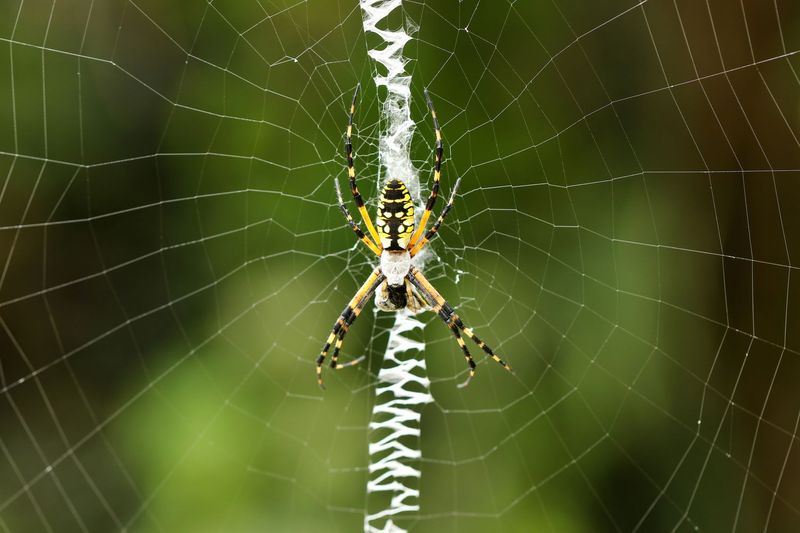
Few spiders in our state are as easy to identify as the yellow garden spider, and that zigzag is the reason why.
Right down the center of the web, the spider weaves a bold white pattern called a stabilimentum.
It looks like a thick, stitched line running top to bottom, and it stands out clearly against any background.
Scientists are not completely sure why the spider makes this pattern. Some think it helps attract insects by reflecting ultraviolet light.
Others believe it makes the web more visible to larger animals like birds, so they do not accidentally fly through it and destroy it. Either way, it is one of nature’s most recognizable designs.
The spider itself is just as distinctive. Females have a large body with bright yellow markings on a black background.
Their legs are banded in black and orange. They can reach about an inch in body length, which makes them look quite impressive hanging in the center of that big web.
Males are much smaller and usually go unnoticed. They build smaller webs nearby and tend to stay out of sight.
Most of the time, when someone spots a yellow garden spider, they are looking at a female. Once you know what to look for, you will start spotting them everywhere in late summer and early fall across the state.
4. It Helps Control Flies, Moths, And Other Garden Insects
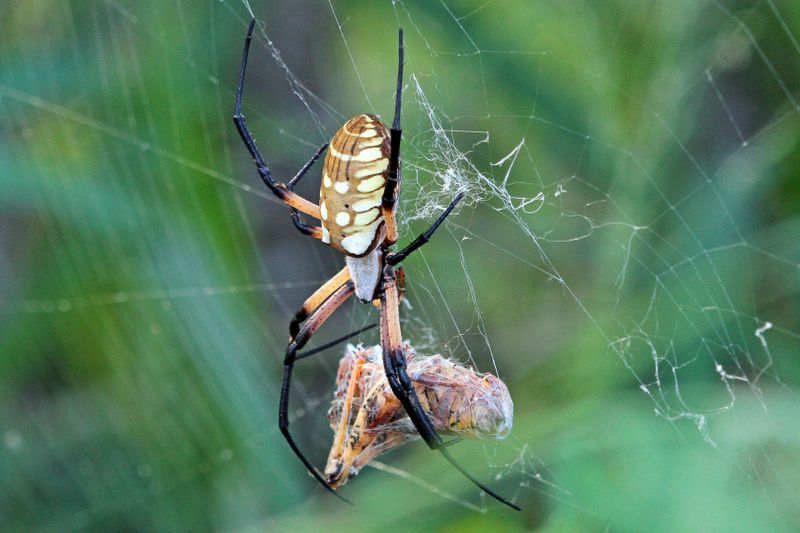
Flies are one of the most frustrating insects for any gardener. They hover around fruit, spread bacteria, and lay eggs that turn into larvae that damage roots and leaves.
The yellow garden spider catches flies regularly, pulling them right out of the air before they can cause any harm.
Moths are another major problem in vegetable gardens. Adult moths lay eggs on plant leaves, and those eggs hatch into caterpillars that chew through entire crops.
Catching a moth in a web before it lays eggs can prevent hundreds of caterpillars from ever appearing on your plants. That is a huge benefit from one single catch.
Beyond flies and moths, this spider also catches leafhoppers, aphid-spreading insects, small beetles, and various flying bugs that damage crops. It is not picky.
If it flies into the web, it becomes a meal. That broad appetite makes the spider an incredibly useful partner for any gardener who wants fewer pests without using chemicals.
Organic gardeners especially love having yellow garden spiders around. They fit perfectly into a chemical-free approach to pest management.
No sprays, no powders, no pellets. Just a spider doing what it has always done.
For anyone trying to grow food or flowers without synthetic pesticides, this spider is worth protecting and encouraging throughout the growing season.
5. This Spider Looks Scary But Usually Stays Out Of Your Way
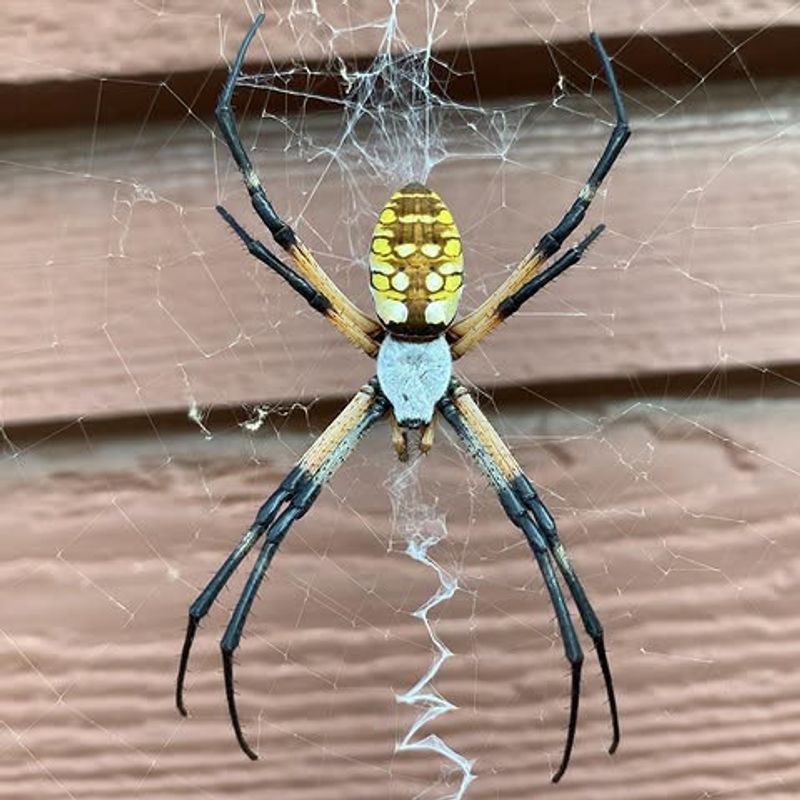
Let’s be honest. A spider the size of a quarter with bold yellow and black markings is going to get a reaction.
Most people back away fast when they first see one. That response is completely natural, but it is also worth reconsidering once you know how calm this spider actually is.
Yellow garden spiders are not aggressive. They do not chase people or pets.
They do not wander into homes looking for trouble. They stay on their webs and focus entirely on catching insects.
If you brush against the web by accident, the spider will likely retreat to the edge and wait for things to calm down.
Biting is extremely rare. A yellow garden spider will only bite if it is grabbed or directly threatened.
Even then, its venom is very mild and causes little more than brief local irritation in most healthy people. It is far less of a concern than a bee sting for the average person.
Knowing this makes it much easier to share your garden space with one. You can water your plants, weed your beds, and harvest your vegetables without worrying about the spider.
Just give the web a wide berth and go about your day. The spider will do the same. It is one of the most low-maintenance garden helpers you will ever have.
6. Seeing One Means Your Garden Has A Working Food Web
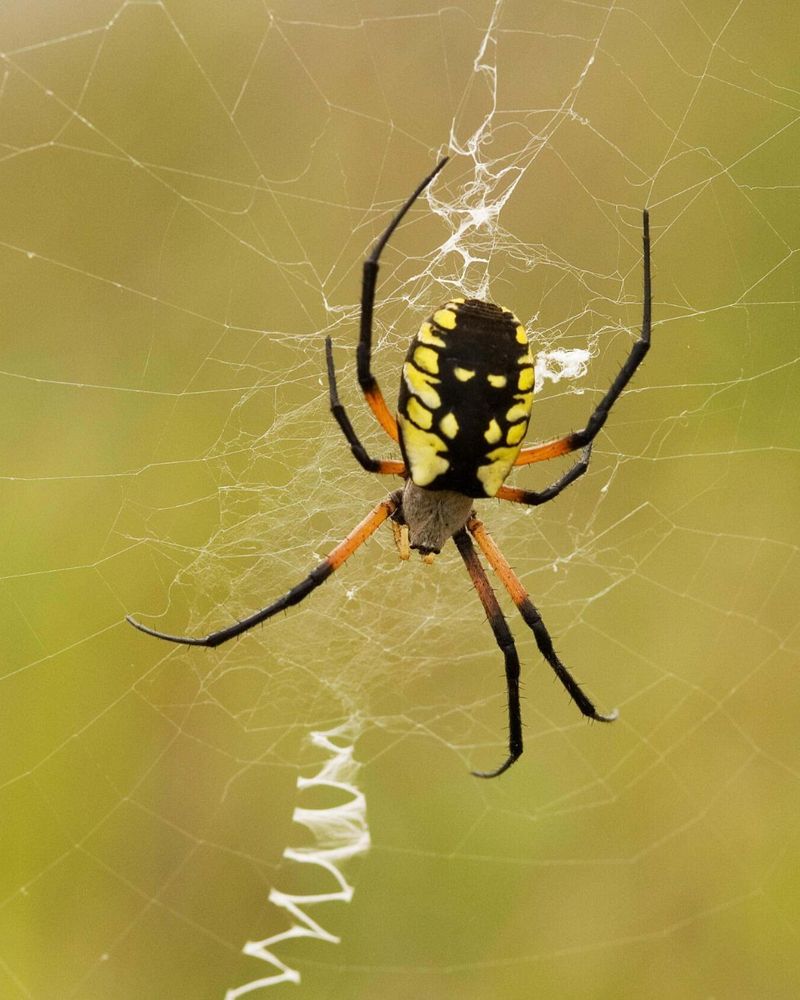
Spotting a yellow garden spider in your yard is actually a sign worth celebrating. Healthy ecosystems support predators, and predators only show up where there is enough prey to sustain them.
A spider setting up its web in your garden means insects are present, plants are growing, and nature is doing its job.
A working food web means different creatures are filling different roles. Bees pollinate flowers.
Beetles break down organic matter. Insects feed spiders.
Spiders keep insect populations in check. When all of those roles are filled, the garden runs more smoothly and needs less intervention from you.
Gardens that rely heavily on pesticides often lose this balance. Chemicals remove not just the bad bugs but also the good ones.
When the good bugs disappear, pest populations can actually rebound faster because their natural predators are gone. Keeping spiders around helps maintain that balance naturally.
Gardeners who pay attention to biodiversity tend to have fewer pest problems over time. Every spider, beneficial insect, and bird that visits your yard adds another layer of protection.
The yellow garden spider is one of the most visible signs that your garden has reached a healthy, self-regulating state. When you see one, take it as a compliment.
Your garden is doing something right, and this spider is proof of that.
7. Don’t Spray The Web If You Want Free Pest Control
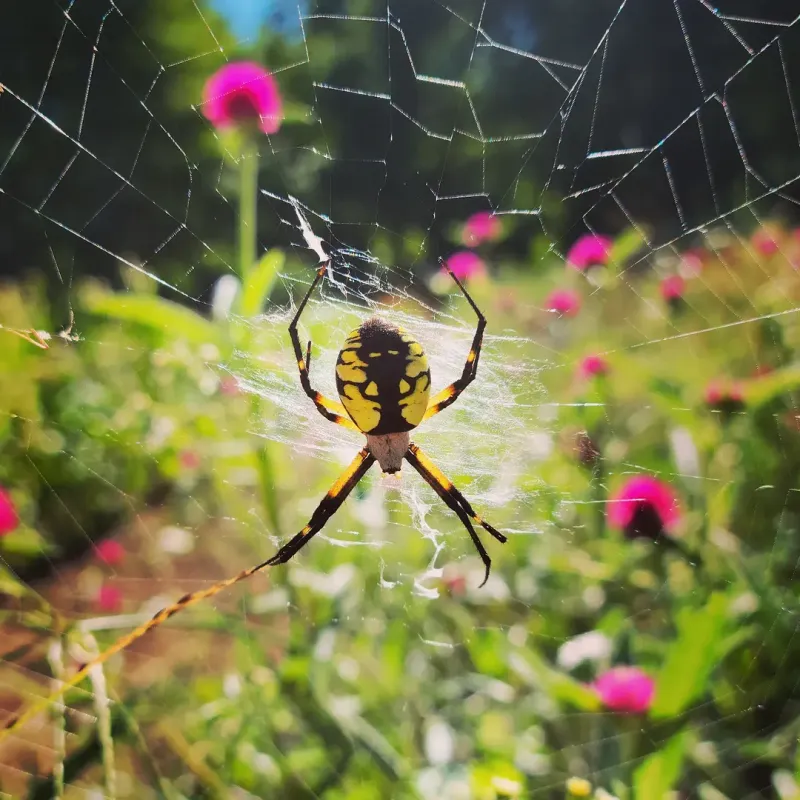
Reaching for a pesticide spray when you see a large spider web is a common reaction. It feels like solving a problem.
But spraying that web actually creates a bigger one. You remove a natural predator and leave the door wide open for plant-damaging insects to move in unchecked.
Pesticide sprays do not just affect the spider. They linger on plants and in the soil.
They can affect bees that visit your flowers, beneficial beetles that live in your mulch, and other helpful creatures that keep your garden in balance. One spray can disrupt weeks of natural pest management.
The yellow garden spider costs you nothing. It does not need to be fed, watered, or maintained.
It showed up on its own because your garden offered the right conditions. Letting it stay means you get ongoing pest control with zero effort and zero expense throughout the whole growing season.
If you are worried about accidentally walking into the web, simply note where it is and adjust your path slightly. Most webs are anchored in spots that are easy to avoid once you know they are there.
A small detour around a spider web is a fair trade for a garden with fewer pests. Protect the web and the spider will protect your plants.
It really is that straightforward.
8. Move The Web Only If It Blocks A Walkway
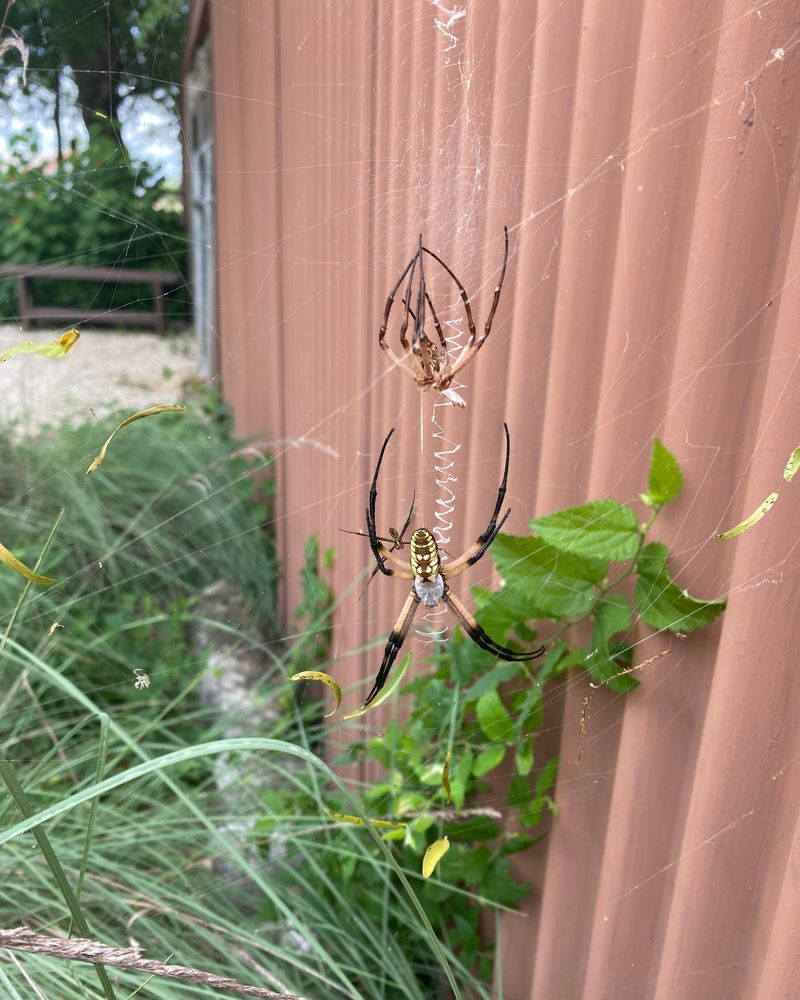
Sometimes a yellow garden spider picks a spot that is right in the middle of a path or doorway. That is the one situation where moving the web actually makes sense.
But even then, there is a right way to do it that keeps the spider safe and lets it keep working for your garden.
Use a long stick or a pair of garden gloves to gently detach the anchor points of the web. Move it slowly to a nearby shrub, fence post, or garden stake.
Try to keep the web as intact as possible during the move. The spider will feel the vibration and may retreat, but it usually returns to its web within minutes.
Choose a new location that still has good airflow and is close to where insects travel. Near flowering plants, along garden borders, or between taller vegetable plants are all solid spots.
The spider will likely repair and reinforce the web in its new location within a day or two.
Avoid moving the web more than once. Repeated disruptions stress the spider and may cause it to abandon the site entirely.
If you can find a permanent spot nearby that works for both of you, everyone benefits. The spider gets a stable home, and you get a clear path plus an active pest trap just a few feet away from your most important plants.