8 Signs Your California Soil Needs Attention Before Fall Planting
Every September, a gardener in Sacramento kneels by the same tired bed, seed packets in hand, ready to plant without a second thought.
The soil has been trying to tell her something for years. She’s just never stopped to listen.
Hard ground. Puddles that linger for days. Leaves that look pale for no obvious reason at all.
Something underneath every one of those small annoyances has a specific cause, and once you know what to look for, fixing it becomes far less mysterious than it seems.
Curious what your own soil might be trying to say before you plant another round of seeds this fall? The answer starts with a garden hose and water that refuses to soak in.
1. Water Pools Instead Of Soaking In
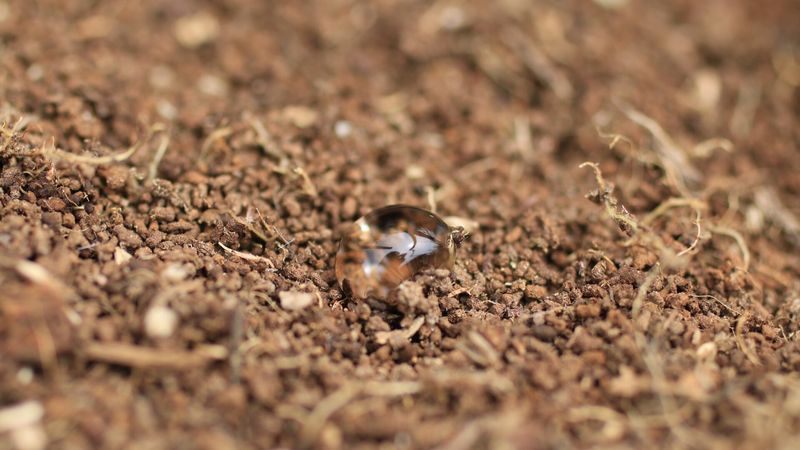
A long summer in Riverside, and the garden hose runs for five minutes while the water just beads up and slides toward the sidewalk.
It looks like the soil is refusing a drink, and in a way, it is. Gardeners call this water repellency, or hydrophobic soil.
Soils can become water repellent when waxy compounds from decaying plant material coat the soil particles.
Dry sandy soils, soil under old mulch, and ground that burned in a wildfire are common trouble spots in California. Once these soils dry out completely, they can shed water like a raincoat.
Checking is simple.
Pour a cup of water slowly onto dry soil and watch closely. If droplets sit on top for more than a few seconds or roll away, you have a repellency problem worth fixing before you plant.
Start by breaking up the top inch or two with a rake or hand cultivator so water has cracks to enter.
Water slowly in short cycles, letting each round soak in before the next one. Mixing in compost helps too, because it adds organic matter that holds moisture instead of pushing it away.
Keep soil from drying out completely once you fix it, since bone-dry soil is where the problem returns.
A layer of fresh mulch over moist ground can help. Your fall seedlings will thank you with roots that actually find water.
2. Soil Feels Hard Even After Watering
Here’s a quick test you can do this afternoon.
Grab a long screwdriver or a wire flag, water your bed deeply, and wait a day. Then push the tool straight down into the soil.
In healthy soil, it should slide in several inches without much of a fight.
If you have to lean your whole body weight on it, or it stops cold a few inches down, your soil is compacted. Compacted soil squeezes out the air spaces roots need to breathe and grow.
California’s clay soils are especially easy to pack down.
Walking on beds, parking wheelbarrows in the same spot, or digging when the ground is soggy all crush the soil structure. In some parts of the Central Valley, a natural hardpan layer can also block roots and water.
You can also tell by feel.
Your California Garden Changes Every Week. Your Plan Should Too.
Gardening in California changes quickly throughout the season. Every Friday you’ll receive a simple weekly plan showing exactly what to plant, prune, fertilize, harvest, and protect so you never miss the right timing.
When you step on the bed, does it feel like a sidewalk instead of a sponge? Does your trowel bounce off rather than bite in?
To loosen things up, dig or fork the soil only when it is moist but not wet.
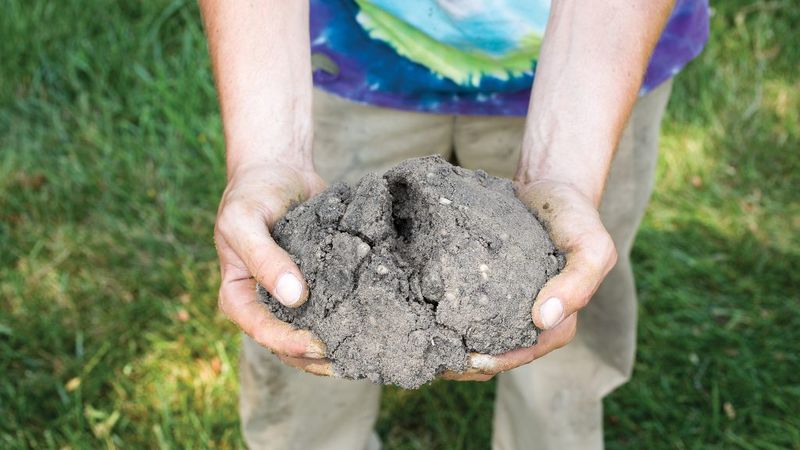
A handful should crumble, not smear like clay dough. Work in several inches of compost to give the soil a looser, crumbly texture over time.
Most importantly, stop the problem from coming back.
Create stepping stones or paths so feet stay off growing areas.
3. Plants Look Pale Without An Obvious Cause
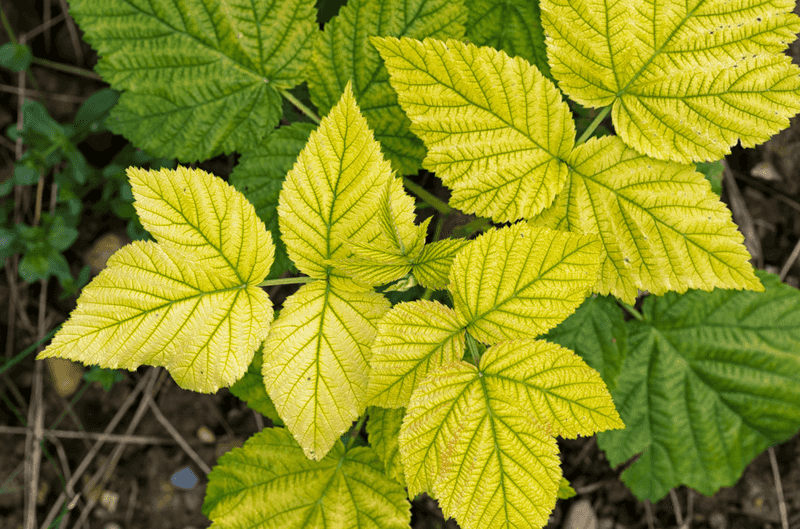
You watered on schedule, you checked for bugs, and still your tomato plant looks washed out, like a photo left in the sun.
Pale or yellow leaves are one of the most common questions gardeners run into. Often, the soil is quietly running low on something.
The trick is to look at which leaves turn yellow first.
When older, lower leaves fade while new growth stays green, nitrogen deficiency is a likely suspect. Plants move nitrogen from old leaves to feed new ones when supplies run short.
A different pattern shows up on young leaves at the tips of branches.
If the newest leaves turn yellow while the veins stay green, you may be seeing iron chlorosis. This is common in California’s alkaline soils, where iron is present but locked up in a form plants cannot absorb.
Before you grab fertilizer, rule out other causes.
Soggy soil, root damage, and cold weather can all cause yellowing too. Overwatering is a frequent culprit that looks a lot like hunger.
The best next step is a soil test.
Home kits give a rough idea of pH, but a lab test gives more reliable numbers for nutrients and pH. With results in hand, you can add the right amendment instead of guessing.
Fall is a great time to fix these issues.
4. Weeds Take Over Faster Than Anything Else
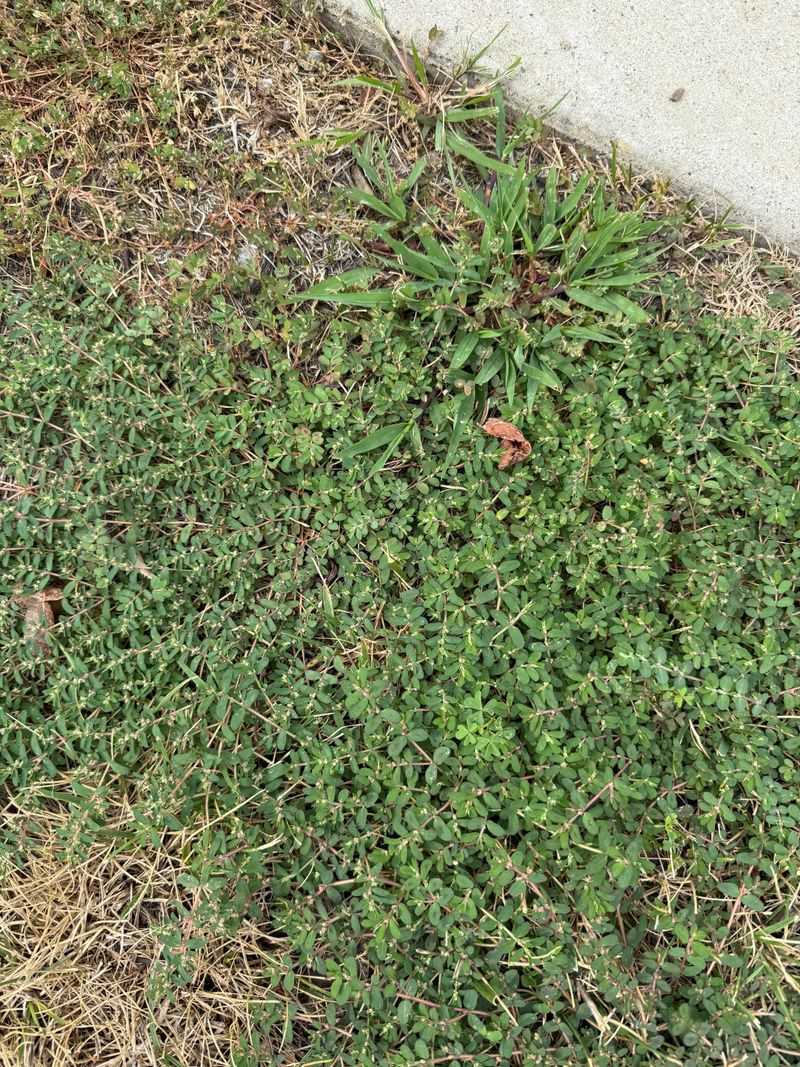
Weeds are nosy neighbors that tell you a lot about your yard if you listen.
Certain types show up where soil conditions suit them better than your vegetables. Instead of just pulling them, take a minute to notice who moved in.
Prostrate knotweed is a great example.
The flat, wiry weed loves packed paths and hard ground where other plants struggle. Knotweed and annual bluegrass rank among weeds that thrive in compacted soil, so a carpet of them hints that your soil needs loosening.
Yellow and purple nutsedge tell a different story.
These grassy-looking weeds with triangle-shaped stems often spread in areas that stay wet or drain poorly. If nutsedge is winning, check your irrigation and drainage before planting anything new.
Some weeds are linked to soil pH, but be careful with that idea.
Sheep sorrel is often connected with acidic soil, yet many California soils lean alkaline, and weeds can grow in a wide range of conditions. Treat weeds as clues, not proof, and confirm with a soil test.
Take a quick survey this week.
Walk your beds, jot down the three most common weeds, and look them up on a weed identification resource. Patterns will start to jump out.
5. Drainage Stays Slow After Every Rain
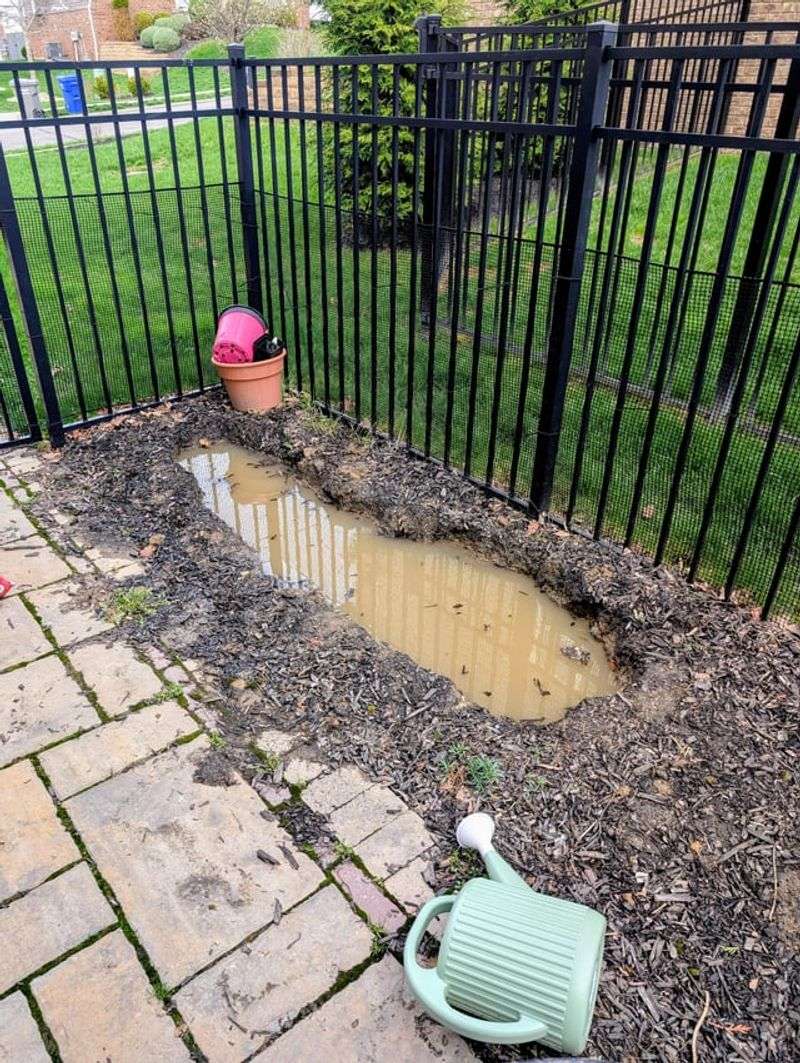
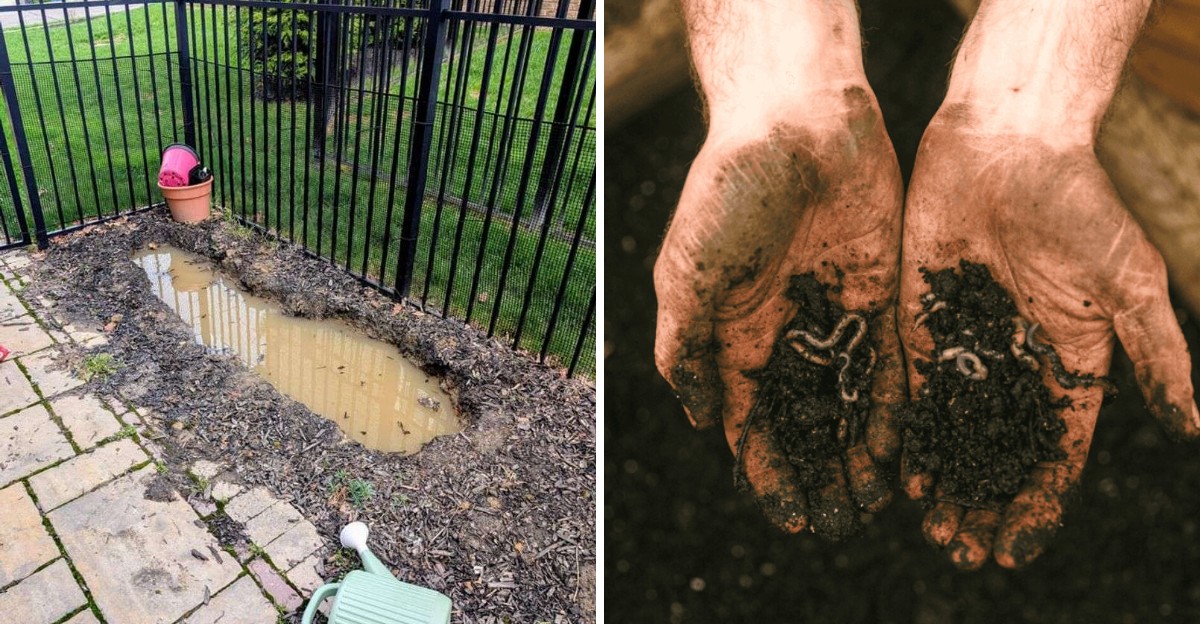
Two days after a winter storm, a puddle still sits in the corner of your raised bed, looking like a tiny pond.
That puddle is a warning. Roots sitting in waterlogged soil can run out of oxygen and rot, and fall is exactly when California’s rainy season begins.
A simple percolation test tells you how serious the problem is.
Dig a hole about one foot deep and one foot wide, fill it with water, and let it drain completely. Then fill it again and measure how fast the water level drops.
Soil draining less than about one inch per hour generally counts as slow.
If water is still standing many hours later, plants that hate wet feet, like rosemary, lavender, and many fruit trees, will struggle. Heavy clay and buried hardpan layers are the usual reasons.
Luckily, you have options.
Raised beds or mounded rows lift roots above soggy ground. Adding compost over several seasons improves soil structure so water moves through more easily.
For a hardpan layer, you may need to break through it with a digging bar or auger so water can escape downward.
Avoid mixing sand into clay, since a small amount can make the soil even denser. Organic matter is the safer choice.
6. A White Crust Signals Salt Buildup
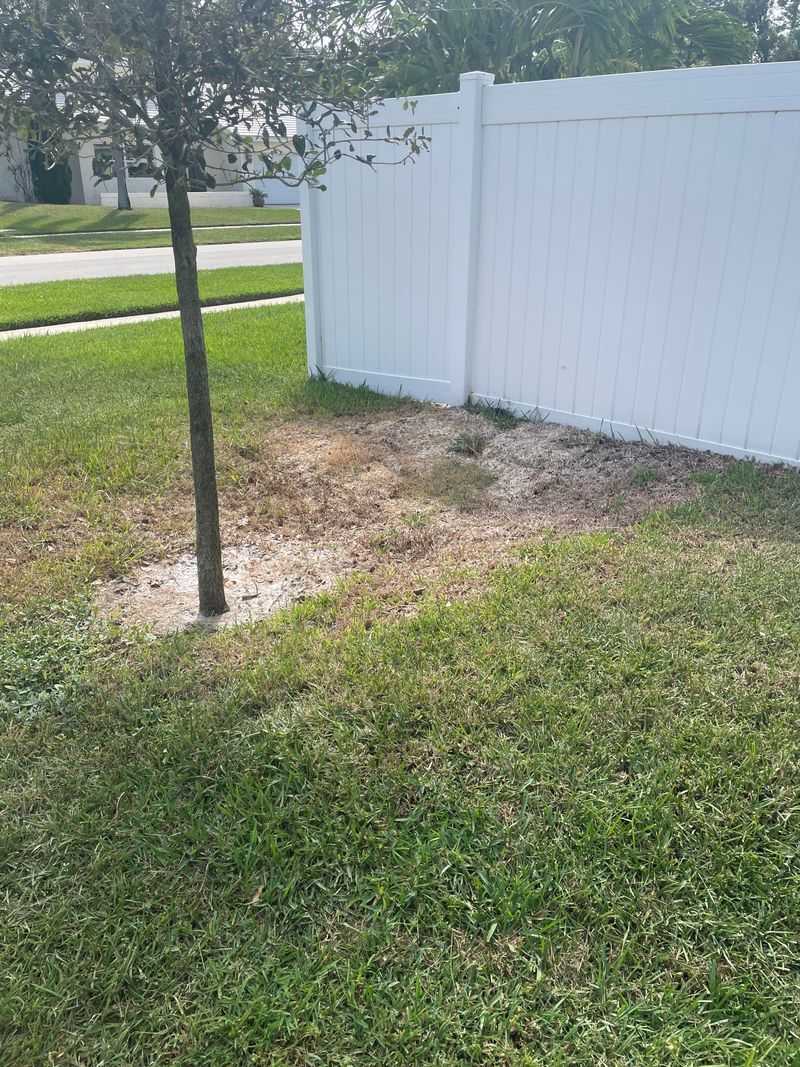
Ever noticed a chalky white film on your soil that looks almost like frost on a warm day?
That crust is often salt. In dry parts of California, it’s a surprisingly common sight.
Salts build up when water evaporates from the surface and leaves minerals behind.
Irrigation water in many California areas carries dissolved salts, and low rainfall means those salts rarely get washed deeper. Fertilizers and some manures can add even more.
Besides the white crust, check your plants.
Salt damage often shows up as brown, crispy edges and tips on leaves, even when the soil is moist. Plants may also look stunted because salty soil makes it harder for roots to pull in water.
Containers and drip-irrigated beds are frequent problem spots.
Drip systems keep a small area wet, and salts collect at the outer edge of that wet zone. Look for crust around the rim of pots and along the edges of drip patterns.
The fix is called leaching.
Water deeply and slowly so extra water flows down past the root zone, carrying salts with it. Good drainage is a must for this to work, so check that first.
Winter rains help by rinsing salts naturally, which is another reason fall planting works so well here.
7. Few Earthworms Means Poor Soil Health
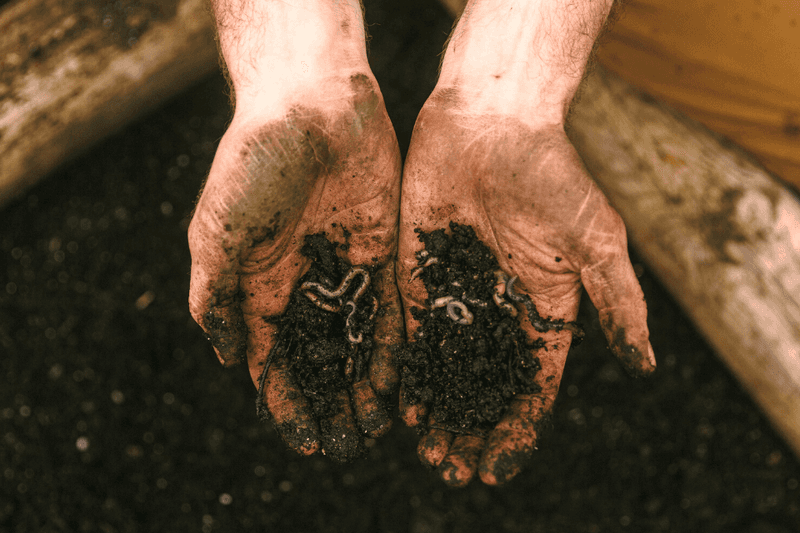
Grandparents who gardened often judged soil the old-fashioned way, by turning over a shovelful and counting worms.
Turns out they were onto something. Earthworms tunnel, mix in organic matter, and leave behind rich castings, so their presence is a handy sign of living, healthy soil.
Try this simple check on a mild day when the soil is moist.
Dig out a block of soil about one foot square and one foot deep, then break it apart on a tarp. Count every worm you find.
A common gardener’s rule of thumb says ten or more worms in that block signals healthy soil, while very few suggests trouble.
Treat this number as a rough guide rather than an official standard, since worm activity changes with season, moisture, and soil type. Hot, dry summer soil in California naturally has fewer worms near the surface.
If worms are scarce, the soil may be low in organic matter, compacted, or too dry.
Feed the soil with compost and mulch, which gives worms food and shelter. Limit digging and heavy chemical use.
Check again in spring after changes settle. More worms usually means better soil for everything you grow.
8. Cracks Appear Across The Surface When Dry
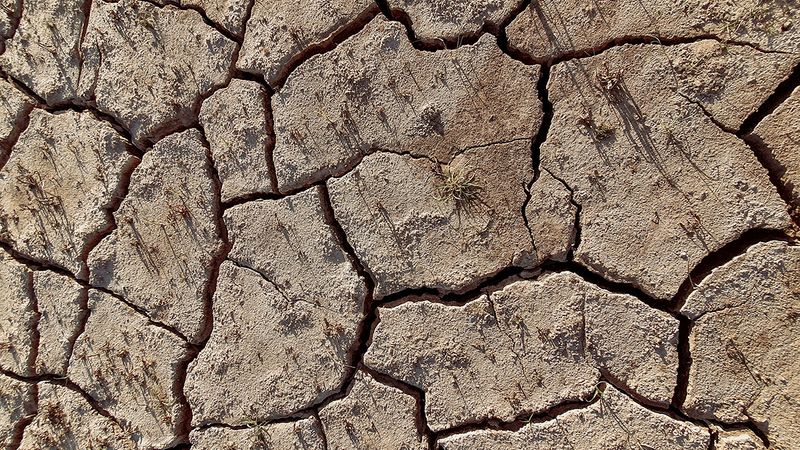
Walk out to a garden bed after a stretch of hot, dry weather, and a network of deep cracks running across the surface tells its own story about what’s happening below.
That cracking pattern is a classic sign of heavy clay soil losing moisture unevenly. Clay particles shrink as they dry, pulling apart from each other and leaving gaps that can run surprisingly deep, sometimes several inches into the ground.
Those cracks might look harmless, even a little dramatic in a photo, but they cause real problems for anything growing nearby.
Fine roots that cross a crack can tear as the soil shifts, and the gaps themselves let water rush straight down past the root zone during the next irrigation or rainstorm instead of soaking in evenly.
Established plants with deep, well-anchored roots usually tolerate this shrink-and-swell cycle better than young seedlings, whose shallow, developing roots are far more vulnerable to the mechanical stress of soil pulling apart underneath them.
This pattern shows up most in California’s expansive clay soils, particularly across parts of the Central Valley and inland Southern California, where summer heat bakes the ground for months without any relief from rain.
A simple fix starts with keeping the soil from drying out completely in the first place. Mulch spread two to three inches deep slows evaporation from the surface and reduces how dramatically the ground swings between wet and bone dry.
Working compost into the top several inches improves the soil’s structure over time, giving clay particles more organic material to cling to and reducing the severity of shrinkage during future dry spells.
If cracks have already formed before a fall storm arrives, a light watering beforehand can help close some of the largest gaps gradually, rather than letting the first heavy rain rush straight through cracks that go unaddressed all season.