Small Cone-Shaped Holes Appearing Overnight In Indiana Lawns Point To A Nighttime Digger
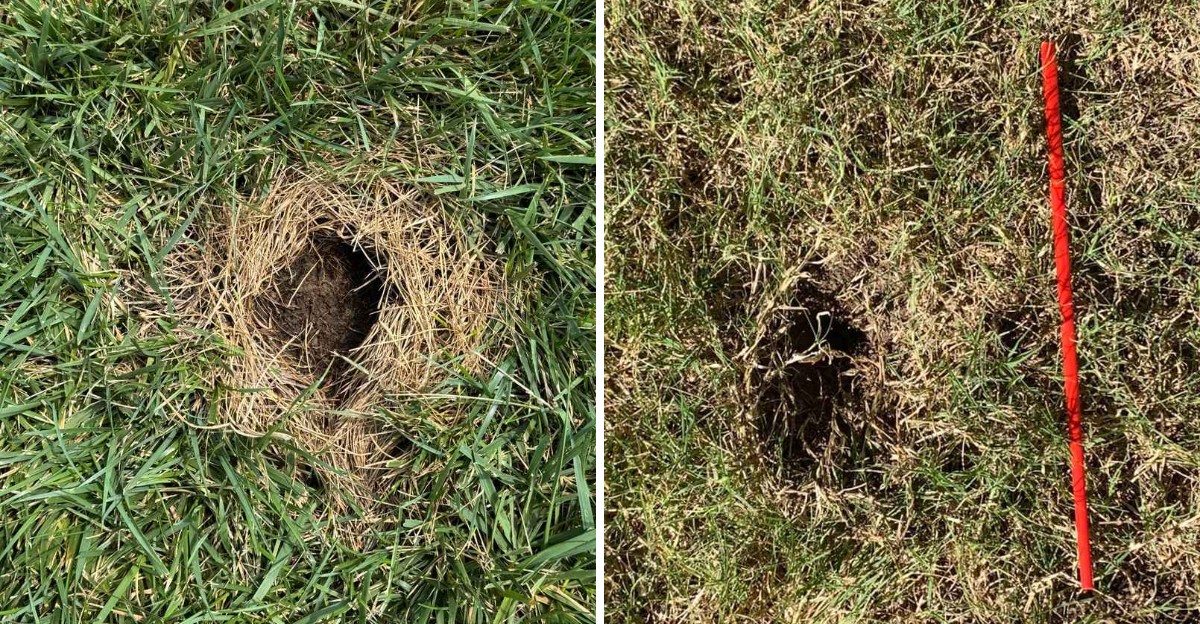
A hungry visitor can poke dozens of neat little holes in a lawn between midnight and sunrise, then waddle off before anyone wakes up.
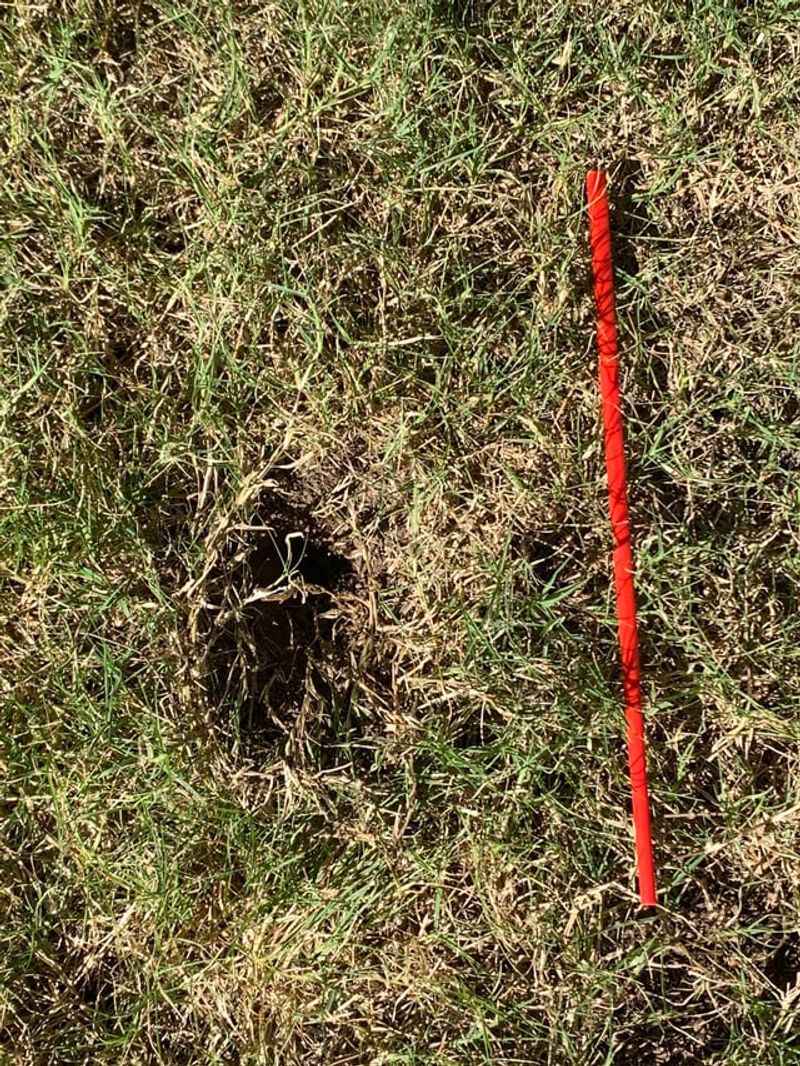
Each hole is roughly the size of a coffee mug, about three or four inches wide. Many have a tidy cone shape and a little ring of loose dirt around the edge. It almost looks like someone went across the yard with a garden trowel.
I’ll admit it, the first time I found them in my Indiana yard, I blamed the kids next door. Then I noticed the holes kept showing up on dewy mornings, right after a warm rain.
Truth is, the culprit isn’t after your grass at all. It wants something hiding just under the roots. So who is out there digging while you sleep, and what exactly is it hunting for?
Those Tidy Little Lawn Holes Come With A Signature Smell Nearby
Morning coffee in hand, you step outside and spot a dozen fresh pockmarks scattered across the grass. Nothing was there at dinner time.
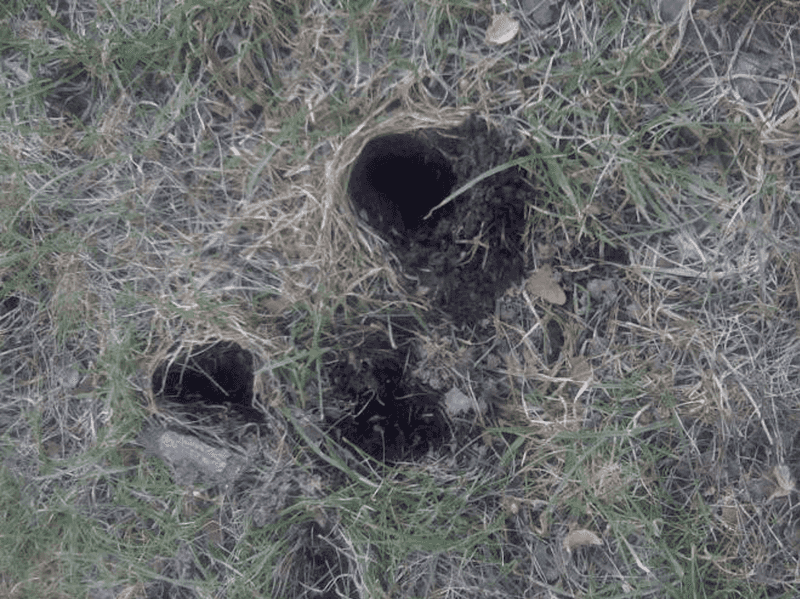
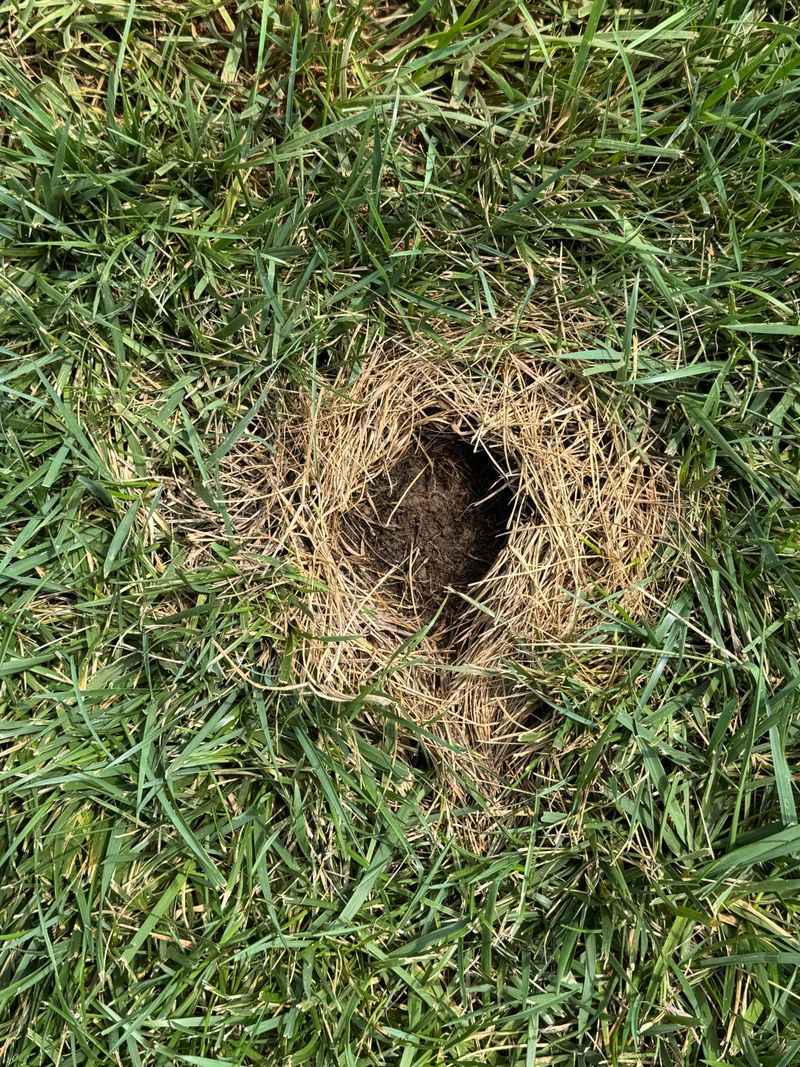
The shape is your first big clue. These holes are small, neat, and shaped like a cone, usually three to four inches across and about as deep. Many have a loose ring of soil kicked up around the rim, almost like a tiny crater.
Notice what is missing, too. You will not see raised tunnels, big piles of dirt, or long strips of torn turf. The grass around each hole is mostly left in place.
Timing matters as well. The holes appear overnight, which tells you the digger works in the dark. Wet weather often makes things worse, since rain pulls insects and worms closer to the surface.
Sometimes there is one more hint drifting on the breeze. A faint musky odor near the porch or deck on a still evening is a strong sign of who has been visiting.
Take a few photos of the holes before you rake them in. Measuring a couple with a ruler helps you match the damage to the right animal, which makes every later step easier.
Striped Skunks Are The Usual Midnight Lawn Diggers
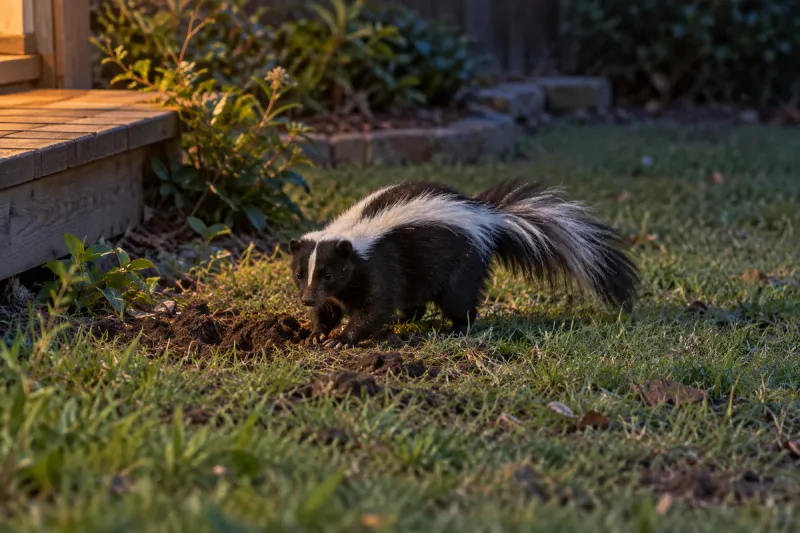
Meet your most likely suspect with a white stripe down its back. Striped skunks are the top cause of small cone-shaped lawn holes across Indiana.
Skunks are surprisingly careful diggers. They sniff the ground, find a grub or beetle larva below, and use their long front claws to scoop a quick, narrow hole. Then they move a few feet and repeat, which explains the scattered pattern.
They work mostly at night and rest by day under decks, sheds, porches, or brush piles. That is why you rarely catch them in action.
Fun fact: a skunk usually gives several warnings before spraying. It may stamp its front feet, hiss, or raise its tail first. Backing away slowly at that point is wise.
Skunks also help gardeners in quiet ways. They eat grubs, beetles, crickets, and even mice. Some folks decide a few holes are a fair trade for free pest control.
If you want proof, sprinkle a thin layer of flour near fresh holes in the evening. Skunk tracks show five toes on each foot, with long claw marks on the front prints. A cheap trail camera works even better.
White Grubs Under The Grass Are The Real Dinner Bell
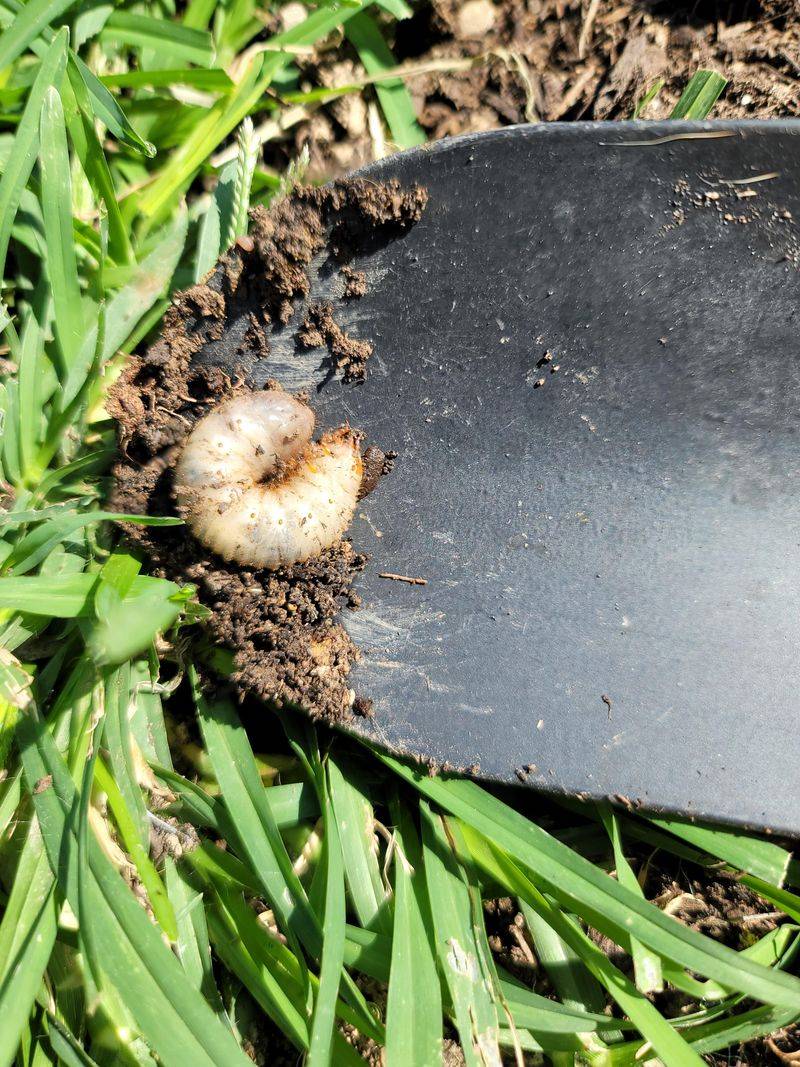
Peel back a square of sod near the holes and you may find the real reason for all this digging. Curled white grubs, shaped like the letter C, are a skunk favorite.
White grubs are the young stage of beetles. In Indiana, common ones include Japanese beetles, June beetles, and masked chafers. Adult beetles lay eggs in the lawn during summer, and the hatching grubs chew on grass roots just below the surface.
To check your lawn, cut three sides of a one-foot square with a spade and fold the turf back. Count the grubs you see in the top few inches.
Purdue University guidance suggests that around ten or more grubs per square foot can damage turf in a healthy lawn. Fewer than that usually is not a big worry for the grass itself.
Here is the tricky part. Even a small number of grubs can attract a hungry skunk, so animal digging may begin before the grass shows trouble.
Grubs are not the only menu item. Earthworms, cutworms, and other soil insects also draw diggers, especially after rain. A lawn full of worms is healthy, yet it can still tempt a nighttime visitor.
Late Summer And Fall Bring A Burst Of Backyard Digging
Ask any longtime Hoosier gardener and you will hear the same story. The holes seem to pop up most from late summer into fall.
There is a solid reason. Grubs that hatched in midsummer grow fat by August and September and feed close to the surface. Skunks and raccoons, meanwhile, are trying to bulk up before colder weather.
In much of the state, peak digging often runs from August through October. Northern Indiana may see things wind down a bit earlier as soil cools, while southern counties can stay active a little longer.
Spring brings a second, smaller round. Grubs that spent winter deeper in the soil move back up as the ground warms, and skunks follow them.
Rainy spells and watering also play a role. Moist soil pulls grubs and worms upward, so you may notice a fresh batch of holes after a soaking storm.
Knowing this calendar helps you plan. If you found holes last fall, mark your calendar now. That gives you time to check for grubs in midsummer and act before the busiest digging season starts again.
Raccoons Rip Up Sod Instead Of Poking Neat Holes
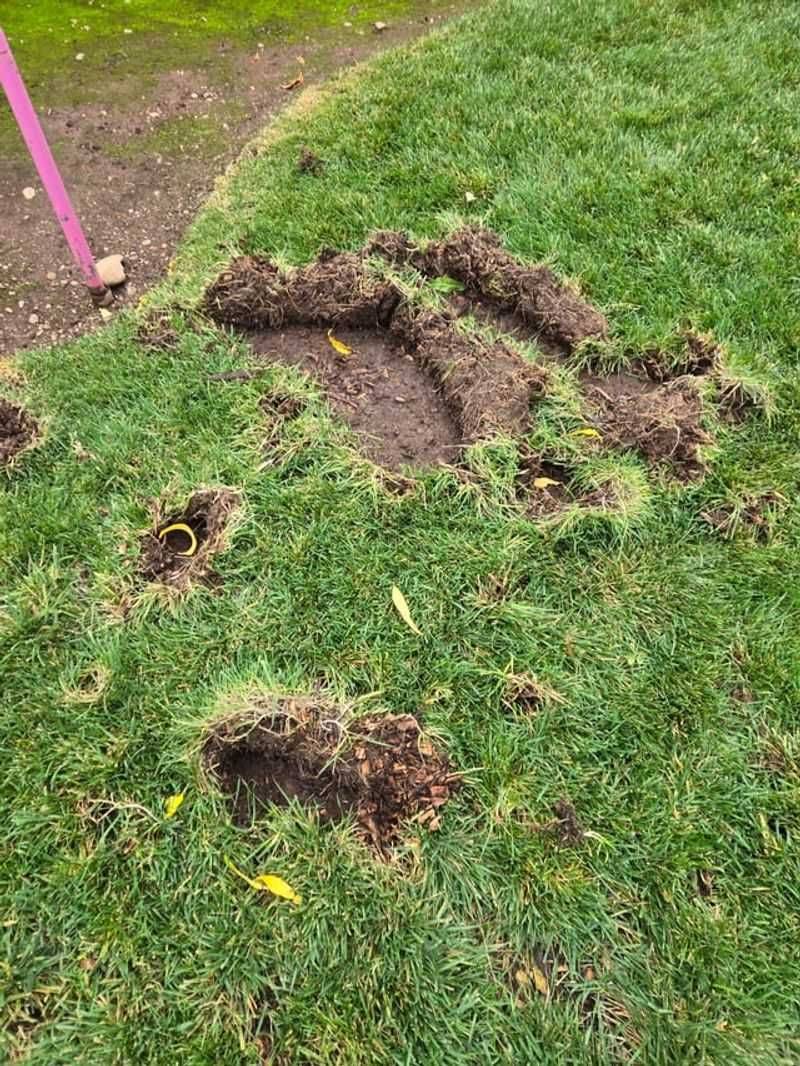
Raccoons have a very different digging style. Where a skunk pokes, a raccoon rolls back the whole rug.
Those clever front paws work almost like hands. Raccoons grab the edge of the turf, flip it over like a pancake, and pick grubs from the roots underneath. The result is messy patches of upturned sod, sometimes a foot or more across.
Newly laid sod is a favorite target. The roots have not anchored yet, so it peels up easily. Many homeowners find whole strips rolled back after just one night.
Here is a handy rule of thumb. Neat, scattered cone holes point to skunks, while flipped chunks of grass point to raccoons. Sometimes both visit the same yard.
Tracks help confirm things. Raccoon prints look like tiny human hands, with long, spread-out toes. Look for them in mud near downspouts or along garden edges.
If raccoons are flipping fresh sod, gently press the pieces back down and water well right away. The roots can often recover. Securing trash cans and bringing pet food inside at night also makes your yard far less inviting.
Moles, Opossums, And Armadillos Leave Different Clues
Not every lawn hole belongs to a skunk, so a little detective work pays off. A few other animals sometimes get blamed.
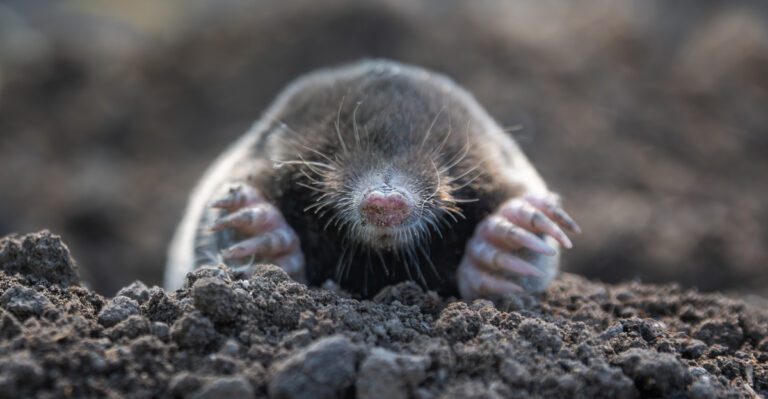
Moles are the most common mix-up. They live underground and leave raised tunnels and volcano-shaped mounds of soil, not open cone holes. They mostly eat earthworms, so grub treatments often fail to stop them.
Opossums, Indiana’s only native marsupial, will nibble on grubs and insects too. Their claws are better for climbing, though, so they usually make only shallow scrapes rather than lots of holes.
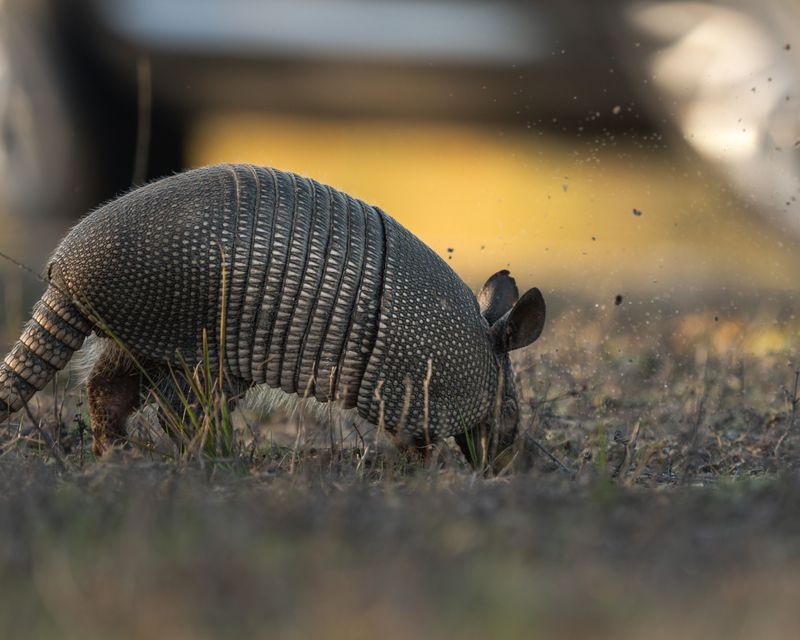
Armadillos dig cone-shaped holes that look a lot like skunk work. However, they are not typically found in Indiana, and sightings are rare. A skunk is a far more likely answer in your yard.
Tiny pits in dry, sandy spots under eaves are another story. Those are usually antlion larvae, nicknamed doodlebugs, waiting at the bottom for ants to tumble in. Their pits are only an inch or two wide.
Squirrels and birds can leave small holes as well. Squirrels bury and dig up nuts, while starlings and crows probe the turf for grubs during daylight hours.
Cutting Off The Grub Buffet Stops Most Lawn Digging
Take away the snacks and most skunks lose interest. Managing grubs is the most lasting fix for repeat holes.
Timing makes all the difference. Preventive grub products work best when applied from late spring to midsummer, often June or July, before eggs hatch. Water them in after spreading so they reach the root zone.
If grubs are already feeding, a curative product can be used in late summer or early fall. These act faster but work best on young grubs, so August and early September are ideal.
Read every label carefully. Mow first if flowering weeds like clover are blooming, since some products can harm bees and other pollinators. Keep kids and pets off treated grass until the label says it is safe.
Not every lawn needs treatment. If your square-foot checks turn up only a few grubs, you may skip chemicals and simply fill the holes.
Some gardeners try beneficial nematodes, tiny soil worms that attack grubs. Results vary, and they need moist soil to work. Milky spore targets Japanese beetle grubs only, so it will not help with every type.
Motion Lights, Sprinklers, And A Healthy Lawn Keep Diggers Moving On
Small changes around the yard can make your lawn a lot less tempting. Think of it as hanging a polite closed sign.
Start with easy cleanup. Bring pet food inside, pick up fallen fruit, and use tight lids on trash cans. Block gaps under decks and sheds once you are sure no animal is inside, especially in spring when babies may be present.
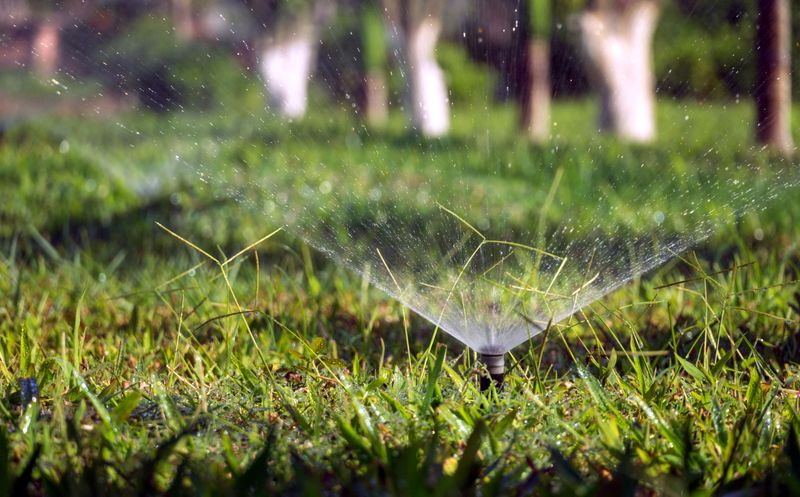
Nighttime surprises help too. Motion-activated sprinklers and lights startle skunks and raccoons, and many move on after a few soggy visits. Scent repellents may work for a while but need frequent reapplication, especially after rain.
A sturdy lawn bounces back faster. Mow cool-season grass at three to four inches and water deeply but less often. Taller grass with deep roots can handle grubs better, and some beetles prefer laying eggs in short, thin turf.
Fill holes by pressing the loose soil back in and adding a pinch of seed if needed.
For animals living under your home or acting oddly in daylight, call a licensed wildlife control professional. Trapping and relocating wildlife has rules in Indiana, so check with the DNR before trying it yourself.