8 Plants That Look Burned After A California Cold Snap But Can Still Bounce Back
Behind a curtain of crunchy brown leaves, a frosted shrub can still have bright green, healthy wood under its bark. One gentle thumbnail scratch along a stem often reveals the truth.
Cold nights are tough on tender leaves. Ice crystals form inside the tissue and burst cells, so foliage turns mushy or scorched a day later. Thicker stems, trunks, and roots usually hold up far better than the soft stuff on top.
My hedge once looked like it spent a week at a tanning salon after a frosty night. Spoiler alert: those ugly leaves are doing your plant a favor, shielding the growth underneath from the next cold spell. As chilly nights creep into California this month, that’s worth remembering.
Patience rarely looks pretty in a winter garden. Still, the shrub that looks worst on a frosty morning can surprise you most once spring warms things up.
1. Bougainvillea

Few plants throw a dramatic tantrum after frost quite like bougainvillea, dropping crinkled brown leaves across your patio overnight. I swear mine looks like a paper bag that got rained on, then left out in the sun.
Native to South America, this vine thrives in USDA zones 9b through 11 and handles a light frost fairly well. Temperatures near 30 degrees often scorch leaves and tender tips, yet the woody canes underneath usually stay alive.
You can check survival with a simple scratch test using your thumbnail on a few older stems. Green tissue under the bark means the cane is still working, while brown and brittle wood shows true damage.
Resist the urge to prune right away, because those ugly leaves shield lower growth from the next cold night. University of California experts suggest waiting until new buds appear in spring before cutting anything back.
Watering needs drop sharply during winter, so let the soil dry out between sessions to protect the roots. Soggy, cold soil causes more trouble for bougainvillea than a few crispy leaves on the canes ever could.
Once warm weather returns, trim off the brittle stems and shape the plant however you like it best. Fresh growth often bursts out quickly, and those bright bracts follow on new wood within several weeks.
Personally, I love that bougainvillea blooms on fresh growth, so a hard spring trim rarely costs you any color. That frost scare might even give you a tidier, fuller plant by the middle of summer.
2. Tropical Hibiscus
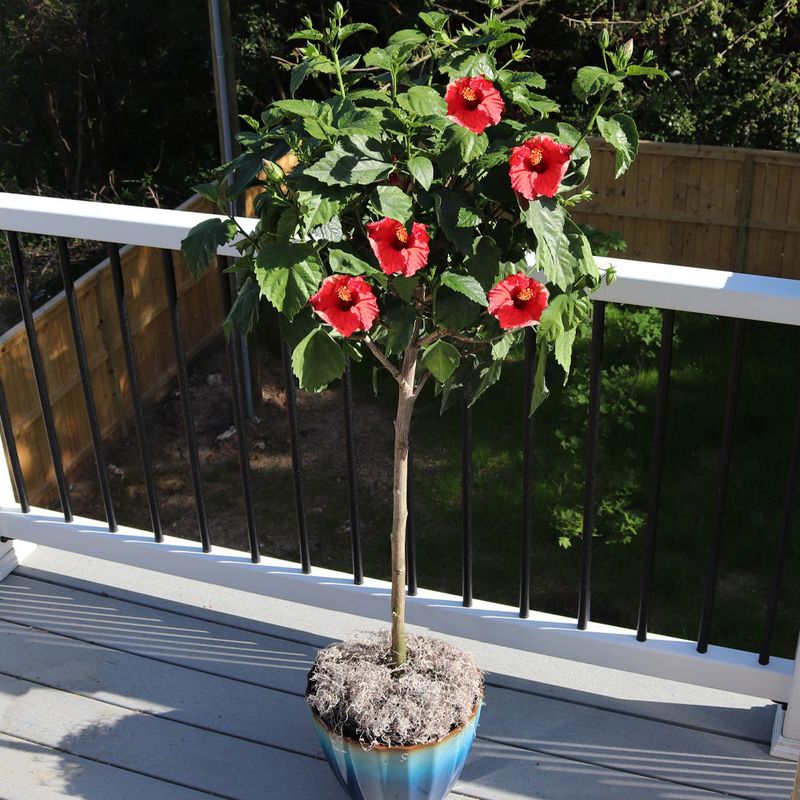
Those dinner-plate hibiscus flowers come from a plant with surprisingly thin skin when cold weather shows up. A single frosty night can leave the leaves yellow, droopy, and spotted with black patches by lunchtime.
Tropical hibiscus, known scientifically as Hibiscus rosa-sinensis, grows best in zones 10 and 11 across warm coastal areas. Leaf damage often starts once temperatures dip into the low thirties, especially on exposed shrubs growing in open spots.
What surprises me most is how fast hibiscus sheds damaged leaves, almost like it wants a clean slate. Bare branches can look grim, but the stems underneath often stay green and flexible through the cold stretch.
Bend a small twig gently between your fingers to test it before you make any decisions about the shrub. A healthy twig bends and stays springy, while damaged wood snaps cleanly and shows dry brown tissue inside.
Keep fertilizer away until warmer days arrive, because feeding now pushes soft growth that frost can easily scorch again. Light, infrequent watering keeps the roots happy without leaving them sitting in cold, waterlogged soil for days.
Potted hibiscus can move under an eave or porch roof whenever another cold night appears in the forecast. Frost cloth draped over in-ground shrubs works nicely too, as long as you remove it each morning.
Wait for leaf buds to swell in spring, then prune back to the first healthy green section you find. Flowers usually return by early summer, and you will forget the ugly winter phase almost immediately.
3. Bird Of Paradise
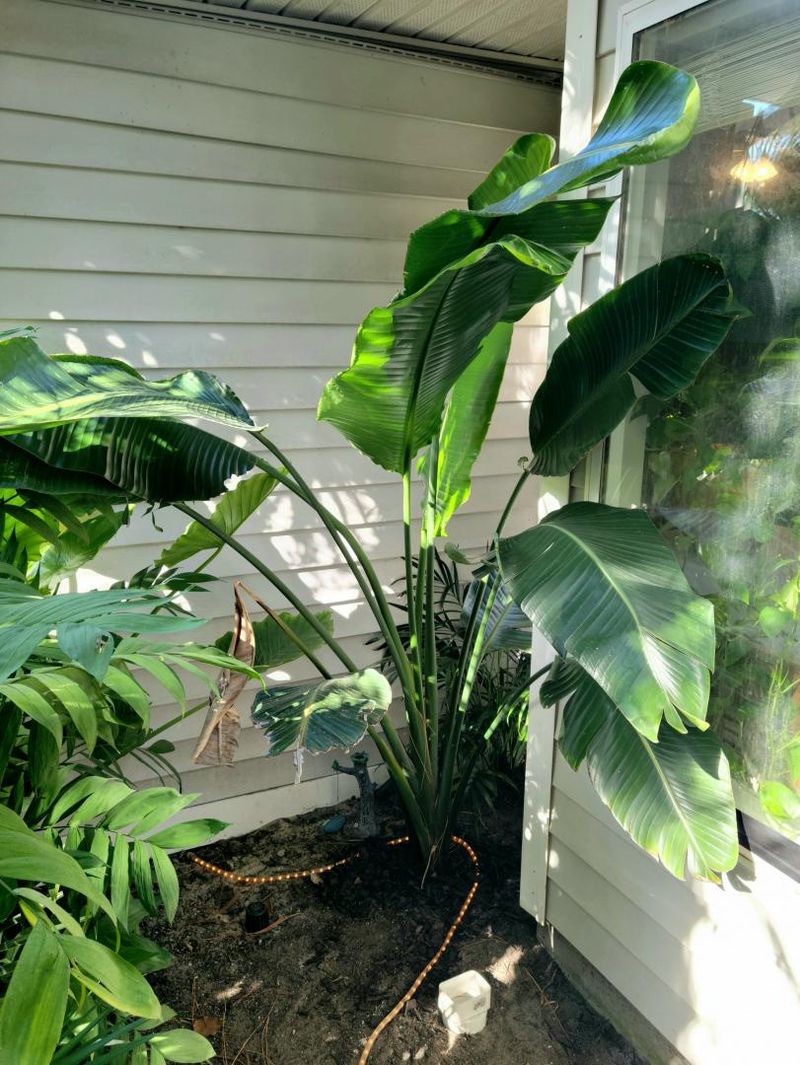
Orange and blue flowers shaped like a tropical bird make Strelitzia reginae one of the most recognizable plants around. Frost can still turn its big paddle leaves brown along the edges and sometimes across whole sections.
Native to South Africa, this clumping perennial handles brief dips into the upper twenties once it is well established. Younger plants and fresh flower spikes struggle more, so they often show the worst damage after cold nights.
I like how tough the thick underground rhizomes are, because they store energy for a fast comeback later. Even when several leaves look scorched, the crown in the center usually pushes out healthy new growth by spring.
Brown, papery leaves should stay attached for now, since they offer some cover against more frosty weather. Cutting them too early exposes the tender center and can invite rot when cold rain soaks into wounds.
Check the crown by pressing gently on the base of each stalk with your fingertips. Firm tissue suggests the plant is fine, while mushy or smelly stalks need removal once the weather warms.
After frost danger passes, cut damaged leaves near the base with clean, sharp pruners for a tidy look. Feeding with a balanced slow-release fertilizer in spring helps the plant rebuild its foliage and future blooms.
Split leaves are normal for bird of paradise, so do not confuse wind tears with frost burn. Natural splitting lets strong breezes pass through the leaves, which keeps the tall stalks from snapping in storms.
4. Jade Plant
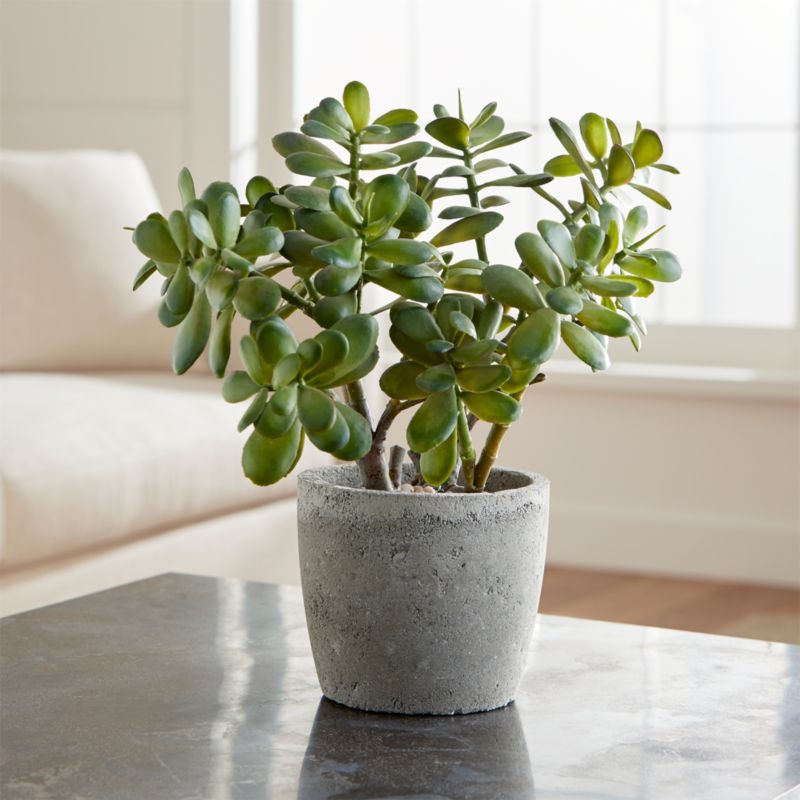
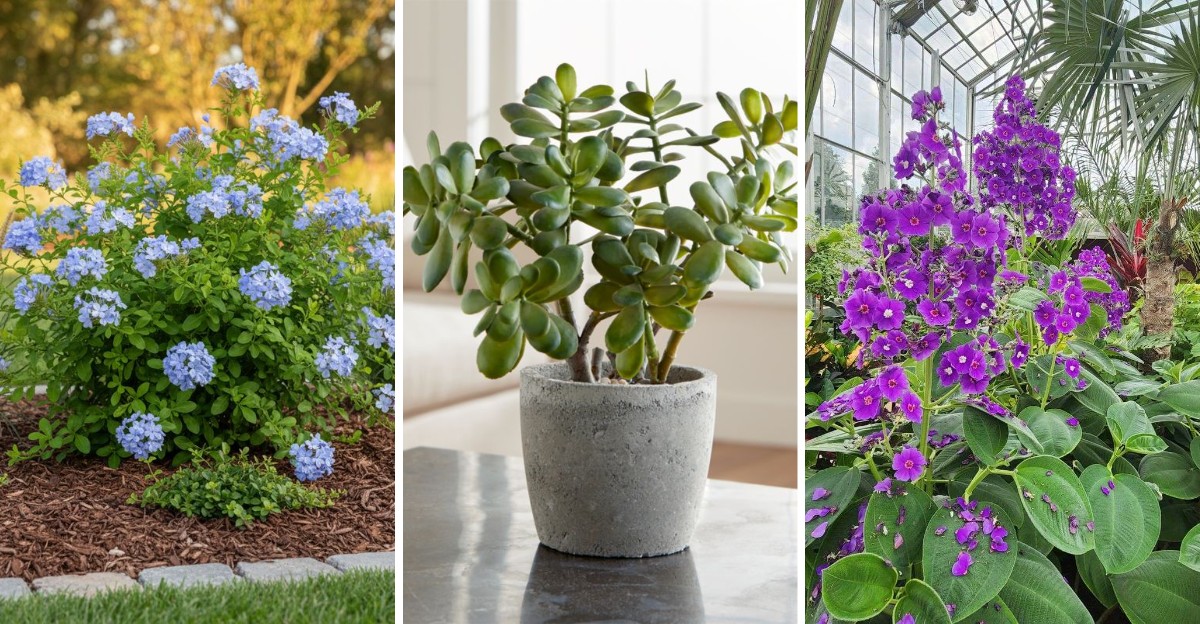
Squishy, see-through leaves on a jade plant can make your stomach drop the morning after a chilly night. Water stored inside those fleshy leaves freezes quickly, which turns them soft and almost glassy looking.
Crassula ovata comes from South Africa and grows outdoors in zones 10 and 11 without much fuss. Light frost usually damages only outer leaves, while thicker trunks and branches often hold up much better.
Honestly, I was ready to toss my first frosted jade before a friend told me to wait it out. Six weeks later, tiny green leaves popped out along the stems, and I felt pretty silly about panicking.
Leave mushy leaves alone for a few days until they dry out and start falling off naturally. Pulling them off too soon can tear the stem skin, which gives fungus an easy path inside.
Skip watering for a while after frost, since damaged succulents rot easily in cold, wet soil. Let the soil dry completely before you give any water, then water lightly and only on warm days.
Once spring arrives, snip any branches that feel soft or shriveled back to firm, healthy wood. Healthy cuttings from the trimmed pieces root easily in dry potting mix, so you get bonus plants too.
Potted jades can move against a south-facing wall, where stored daytime heat helps on clear winter nights. That small shift often keeps leaves plump and green until the cold weather finally moves along.
5. Mexican Bush Sage
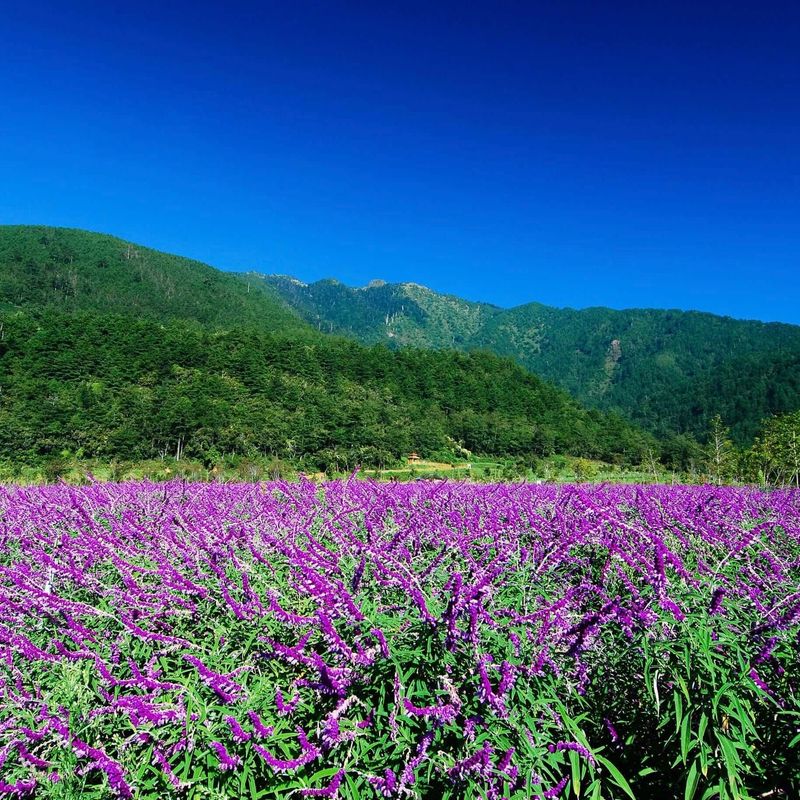
Fuzzy purple flower spikes from Salvia leucantha brighten fall gardens, but frost can flatten them almost overnight. Stems may turn black and floppy, leaving a sad heap where a bushy hummingbird magnet once stood.
Mexican bush sage is native to Mexico and Central America and grows well in zones 8 through 10. Many gardeners treat it as a perennial that naturally rests in winter, so top growth loss is common.
You’re in for a big surprise if you wait, because new shoots usually rise from the crown each spring. The roots shrug off cold far better than the soft, leafy stems that took the hit.
Leaving the blackened stems standing for a few weeks offers some protection to the crown below. Once you spot fresh green shoots near the base, cut the old stems down to a few inches tall.
Many gardeners cut this salvia back hard every year anyway, so frost simply moves up the schedule. A fresh start often produces a tidier plant that does not sprawl across your walkway by autumn.
Water sparingly during the cool months, since this drought-tolerant plant dislikes soggy winter soil. Well-drained ground keeps the crown healthy, while heavy clay that stays wet can lead to root rot.
Hummingbirds and bees will thank you when those velvety purple spikes return later in the year. I love watching hummingbirds work through the blooms, and that payoff makes a messy winter feel worth it.
6. Cape Plumbago
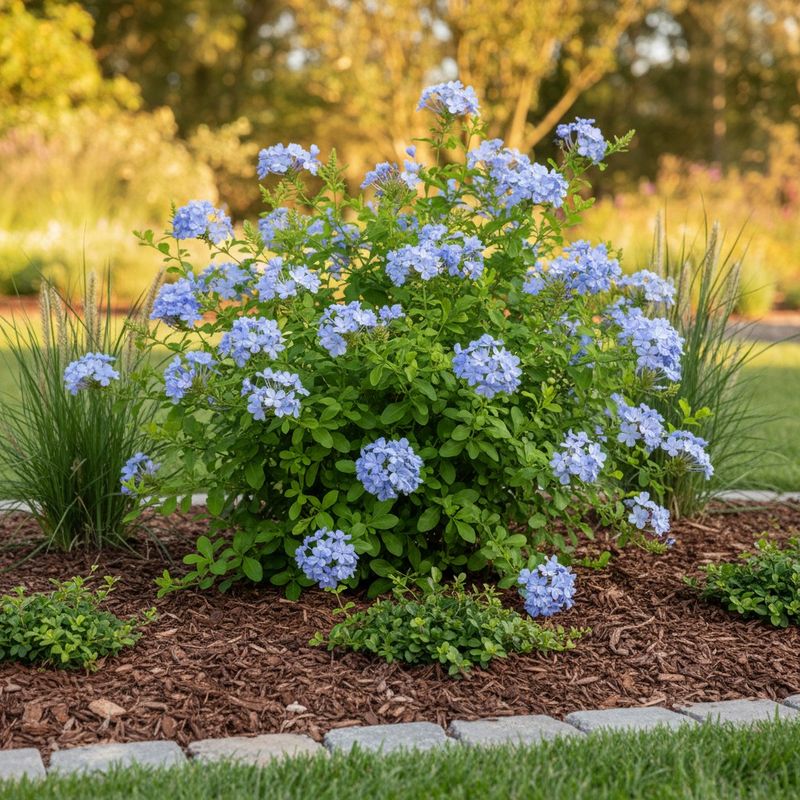
Sky-blue flower clusters cover cape plumbago for much of the year, so a frosted shrub feels like a real shock. Leaves can turn brown and crispy at the tips, giving the whole hedge a singed appearance.
Plumbago auriculata hails from South Africa and grows comfortably in zones 9 through 11 in warm regions. It handles brief cold fairly well, though temperatures in the upper twenties can brown much of the foliage.
Personally, I think plumbago is one of the toughest bounce-back plants in any frost-prone garden. Even when the top looks scorched, the woody base and roots usually stay healthy through short cold snaps.
Hold off on pruning until new leaves start sprouting in spring, which tells you exactly where healthy wood begins. Early cuts can stimulate tender growth that a late frost might burn all over again.
Plumbago tolerates drought once established, so water lightly in winter and let rain handle most of the work. Overwatering cold soil weakens the roots and slows the recovery you are hoping to see.
When spring arrives, cut the shrub back by about a third to remove damaged tips and encourage branching. Fresh stems usually carry flowers within a couple of months, since plumbago blooms on new growth.
Butterflies often visit those powder-blue blooms, which makes the shrub a lovely pollinator stop in warm months. A little patience now brings back that soft blue cloud along your fence by summer.
7. Lemon Tree
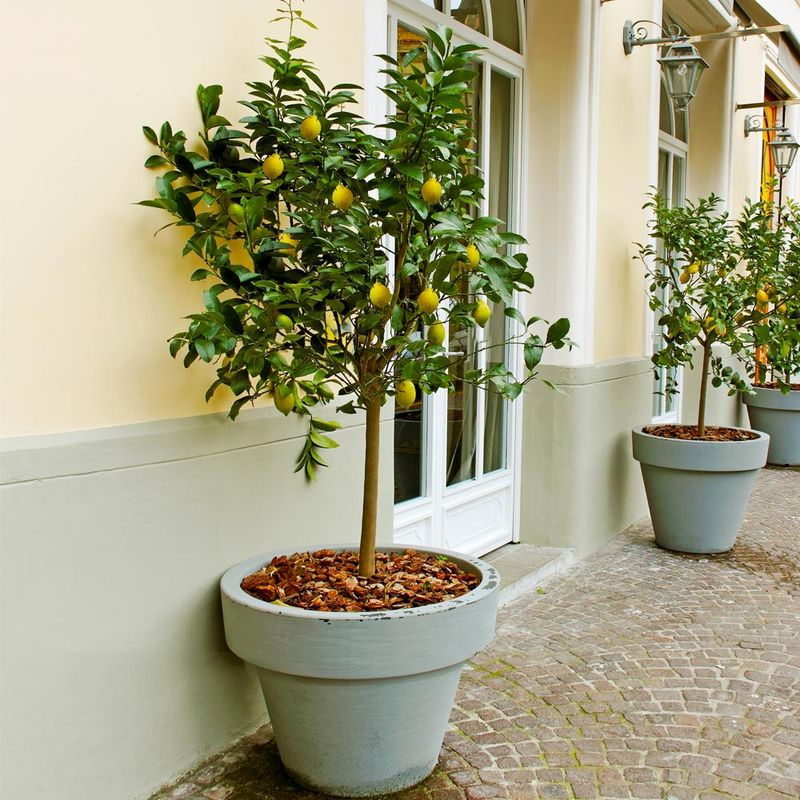
Curled, crunchy lemon leaves after a freeze can make any citrus lover feel heartbroken over morning coffee. Lemons are among the most cold-sensitive citrus, so they often show damage before oranges or mandarins.
University of California citrus experts note that leaves and young twigs suffer first when temperatures fall below about 30 degrees. Larger branches and trunks handle cold better, so a scorched canopy rarely means the whole tree is lost.
Damaged leaves may hang on for weeks before dropping, and that slow process is completely ordinary for frosted citrus. Leave them attached, because they shade inner branches from sunburn after the canopy thins out.
UC guidance recommends waiting until spring growth appears before pruning frost-injured citrus trees. Sometimes it takes until early summer to see exactly which branches survived, so patience pays off here.
Fruit can also freeze inside even when the peel looks fine from the outside. Cut a few lemons open, and if the flesh looks dry or icy, use them quickly or compost them.
Watering the soil a day or two before a cold night helps, since moist ground releases more stored heat. Covering young trees with frost cloth that reaches the ground traps that warmth around the branches.
Many home gardeners also string old-style incandescent holiday lights through the canopy for gentle extra warmth. Personally, I enjoy the glow on chilly evenings, and my lemon tree seems to appreciate it too.
8. Princess Flower
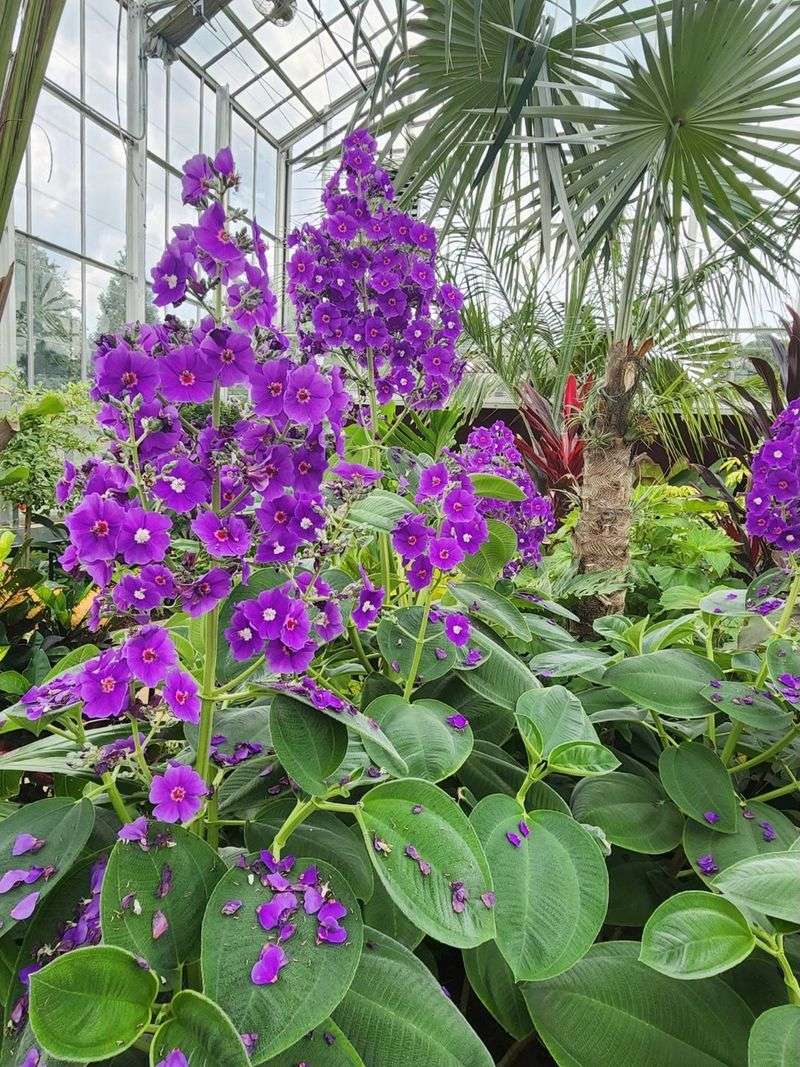
Royal purple blooms with velvety leaves make the princess flower look almost too fancy for a backyard. Unfortunately, frost tends to turn those soft leaves reddish brown and droopy within a day or two.
Tibouchina urvilleana is native to Brazil and grows best in zones 9b through 11 near the coast. Temperatures around freezing can scorch foliage and tender branch tips, especially on young shrubs in open areas.
I can’t imagine a more dramatic shrub for a mild garden, so I give it extra patience after cold nights. Older plants often recover nicely, pushing out fresh leaves from the woody stems once spring warms up.
Scratch a few branches gently to find green tissue before you decide anything about the plant. Healthy green layers under the bark mean those stems will likely sprout again with warmer weather.
Hold off on heavy pruning until new buds show, then trim back to just above healthy growth points. Light shaping after recovery encourages bushier branches, which means more of those gorgeous purple flowers later.
Princess flower prefers slightly acidic, well-drained soil and steady moisture during warm months. In winter, water less often, but do not let the root zone dry out completely for long stretches.
Mulching with a few inches of bark helps protect the roots from chilly soil temperatures. Keep the mulch a few inches from the trunk to prevent rot, and enjoy the purple show when it returns.