Everybody Loves Sweet Corn, but Most New York Gardeners Don’t Realize How Important the Silk Is
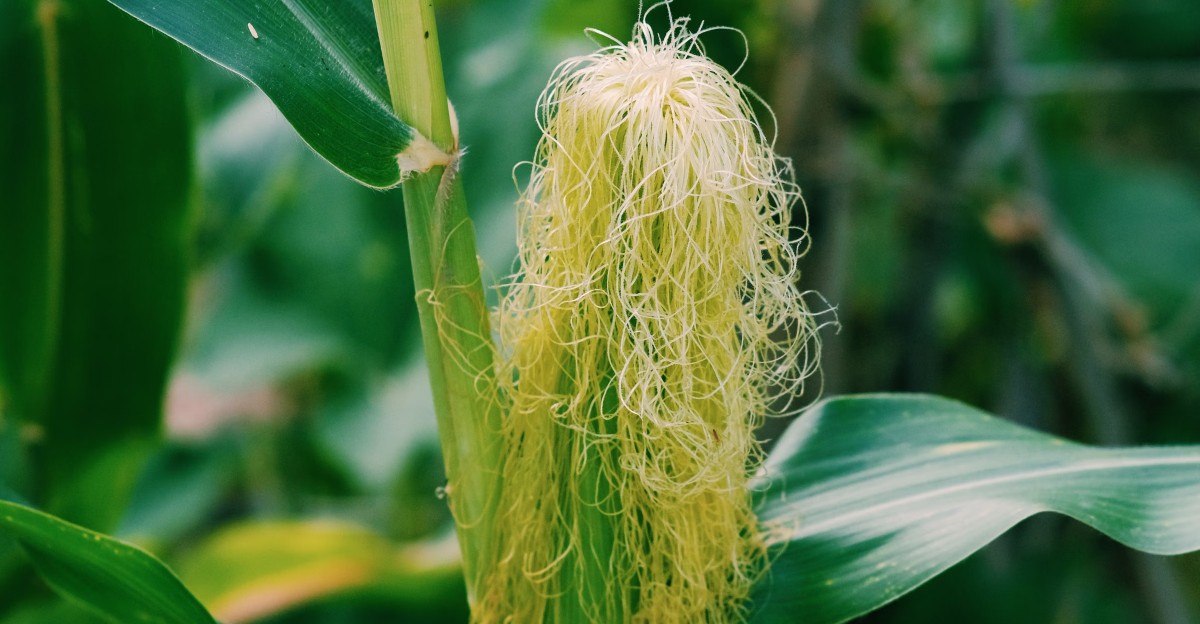
Every kernel on an ear of corn grows from its own private thread. Miss one thread, and that kernel stays an empty little gap on the cob.
I spent two summers blaming my seeds for patchy, gap-toothed ears. My New York garden had plenty of sun, plenty of water, and still those ears looked like a smile missing half its teeth.
The real story was hanging right in front of me the whole time. It was soft, pale, a little sticky, and I used to pull it off and toss it without a second glance. Between you and me, most of us do the same thing at the kitchen sink.
So what if the scruffy part you throw away is the very thing deciding how sweet and full your harvest gets?
Every Corn Silk Strand Is Secretly Tied to One Kernel
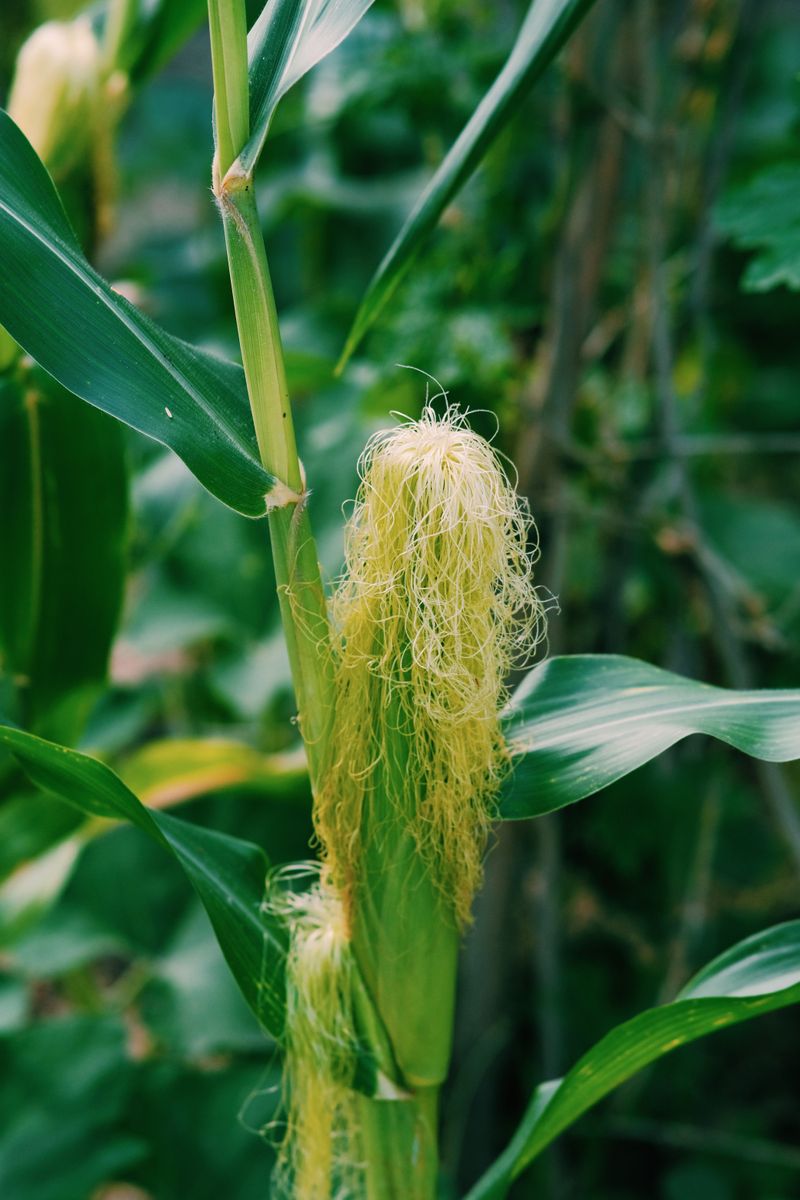
Count the silks on a single ear sometime, and you will be counting future kernels. Each strand is a long style that connects to one ovule tucked inside the husk.
Sweet corn plants carry two kinds of flowers. The tassel at the top is the male flower, and it sheds pollen.
The ear lower on the stalk is the female flower, and the silks are its catching gear.
When a pollen grain lands on a fresh silk, it sprouts a tiny tube. That tube grows all the way down the inside of the strand to reach its ovule.
Fertilization usually wraps up within about 24 hours.
No pollen on a silk means no kernel at that spot. That is why a poorly filled ear has random gaps, or a bare tip, instead of a smooth, packed surface.
Fun fact for the dinner table. A typical ear can hold several hundred kernels, so several hundred silks have to do their job on time.
The silks near the base of the ear tend to emerge first, and the ones at the tip show up last.
Once you see silk as a delivery line instead of fluff, you start treating it with real respect in the garden.
Plant Your Corn in Blocks So Tassel Pollen Finds the Silks

Bees get plenty of credit in vegetable gardens, but corn barely needs them. Wind does most of the work, shaking pollen loose from the tassels and drifting it down onto the silks.
That changes how you should plant. One long, tidy row looks great, yet a breeze can carry much of the pollen right past the ears.
Extension experts recommend planting in a block of at least four short rows side by side instead.
A block keeps the pollen cloud close together. Grains that miss one plant have a fair shot at landing on the neighbor.
The result is fuller ears with fewer bare patches.
Spacing matters too. Most guides suggest seeds about 8 to 12 inches apart, with rows roughly 30 to 36 inches apart.
Crowding them much tighter can lead to smaller ears and more competition for water.
Small space? Even a four-by-four square of plants in a raised bed can work well.
I switched to blocks after my single-row experiment, and the difference showed up the very first August.
One more tip from experience. Plant just one variety in the block, or separate types with different timing, so pollen and silks line up nicely.
Hot, Dry Spells Can Leave Corn Silks Thirsty at the Worst Time
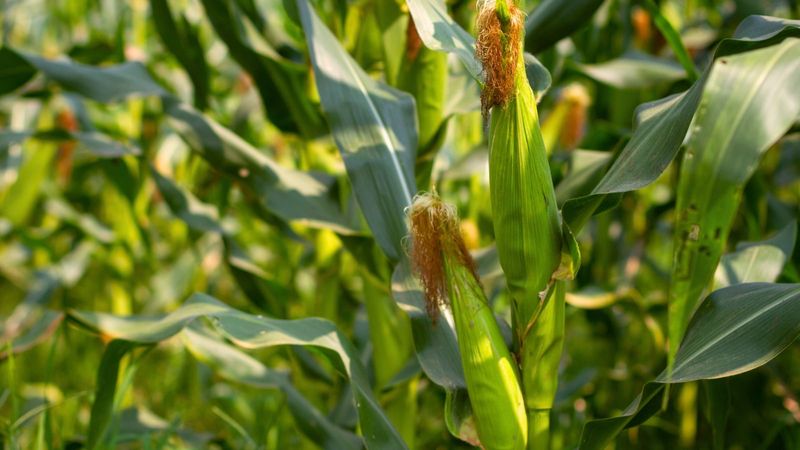
Silks are mostly water, more so than any other part of the corn plant. That makes them the first thing to suffer when July turns hot and dry.
Drought stress can slow silk emergence. Meanwhile, the tassels may keep shedding pollen on schedule.
When the silks finally show up, the pollen party is already over, and the ears fill poorly.
Exposed silks can also dry out in hot, windy weather and stop catching pollen. Very high temperatures, especially in the mid-90s and above, can reduce how well pollen works too.
Those conditions are less common across much of New York than in the Corn Belt, but heat waves do happen.
The fix is simple and practical. Keep soil evenly moist from the time tassels appear until silks turn brown.
Corn generally needs about an inch of water a week, and more during hot spells.
Water deeply at the base rather than spraying the tops. A soaker hose or drip line works nicely.
A layer of straw or shredded leaf mulch helps hold moisture in the soil.
If you only water carefully during one stretch all summer, make it tasseling and silking time. Your ears will thank you.
Corn Earworms and Japanese Beetles Love Chewing on Silk
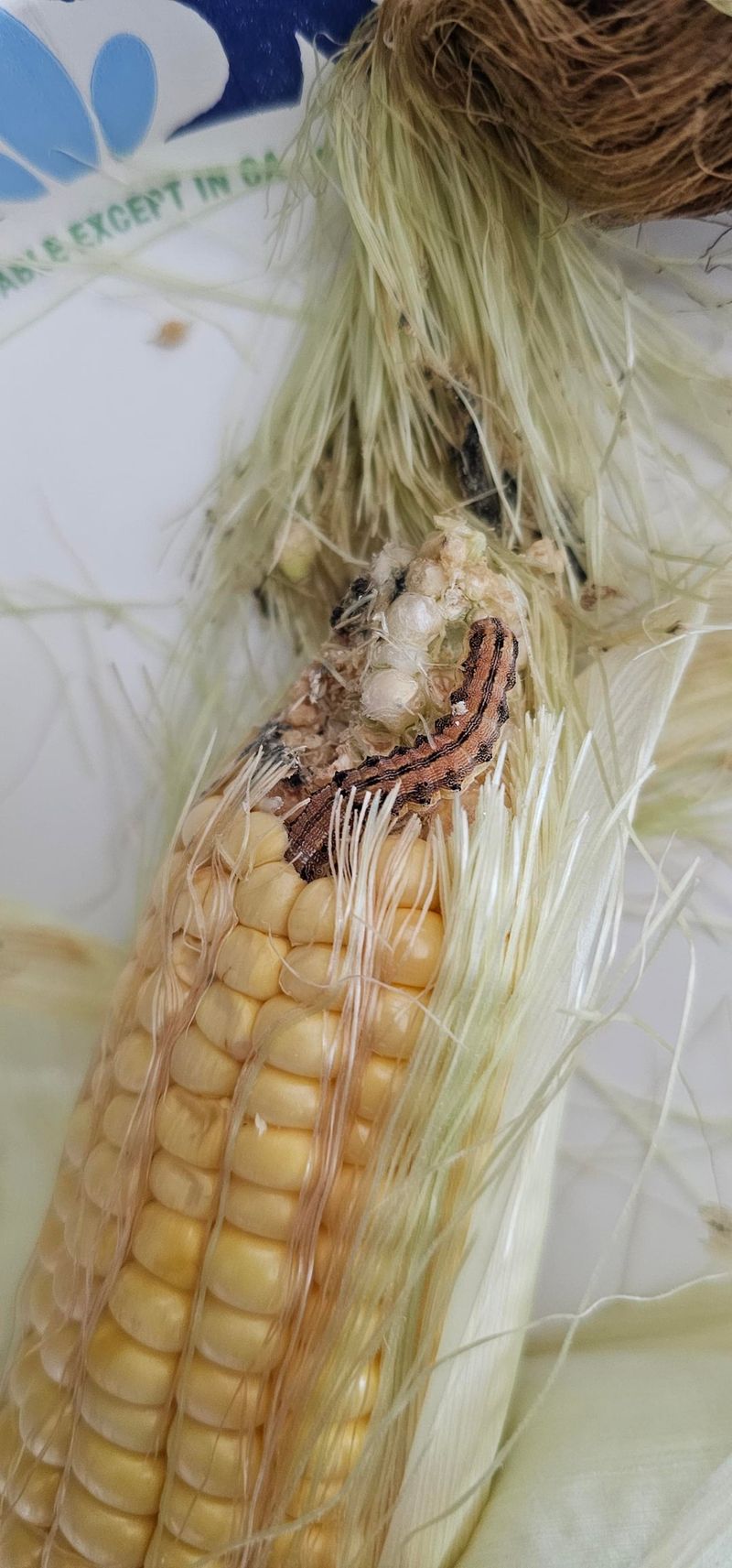
Peel back a husk in late summer, and there is a decent chance a fat caterpillar will stare back at you. That is the corn earworm, one of the most common sweet corn pests in the Northeast.
Earworm moths lay eggs right on fresh silks. The young larvae crawl down the silk channel, nibbling as they go, and end up feeding on kernels near the tip.
Later plantings in New York often see more pressure, since moths tend to arrive from the south as summer moves along.
Japanese beetles cause a different problem. They chew silks down to short stubs.
If that happens before pollination finishes, kernels can go missing.
For earworms, an old home garden trick still works. Apply a few drops of mineral oil to the silks at the ear tip after the silks start to wilt, roughly 5 to 6 days after they appear.
Applying it earlier can interfere with pollination.
For beetles, handpicking into a cup of soapy water in the cool morning helps a lot. Check plants daily during silking.
A little attention during this short window protects both the silks and the sweet harvest that follows.
A Little Hand Pollination Can Fill Out Your Sweet Corn Ears
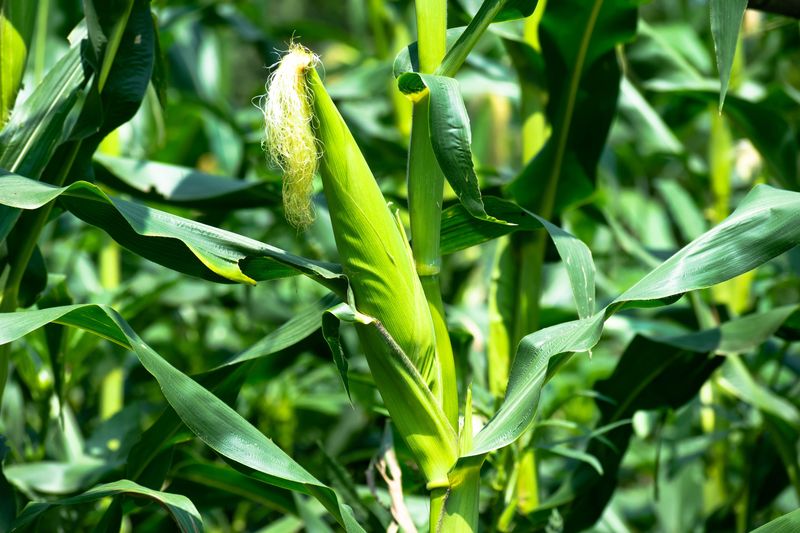
Small plantings sometimes need a helper, and that helper can be you. Hand pollination takes only a few minutes a day and can noticeably improve kernel fill.
Timing is the main trick. Head out in mid-morning, after the dew dries but before the afternoon heat.
That is when tassels usually shed the most pollen.
Give a tassel a gentle tap. If yellow dust drifts off, it is ready.
You can bend that tassel over nearby silks and shake it, or snip a few tassels and rub them over the silks of other plants.
Another easy method uses a paper bag. Shake a couple of tassels into the bag, then sprinkle the collected pollen over fresh, sticky silks.
A soft paintbrush works too if you like precision.
Repeat every day or two while silks look fresh and moist. Most ears are receptive for about a week after silks appear.
Honestly, it feels a little silly the first time, like dusting a plant with fairy powder. Then harvest day comes, and you peel back a husk to find rows packed tight from base to tip.
That moment makes the effort feel completely worth it.
Warm Soil Sets Your Corn Up for a Well-Timed Silking Season

Healthy silks start long before summer. They begin with seeds planted in soil warm enough to give the crop a strong, steady start.
Sweet corn germinates best once soil reaches about 60 degrees Fahrenheit. Supersweet types often want it a bit warmer, closer to 65.
Cold, wet soil can cause slow sprouting or rotting seed.
New York spans roughly USDA zones 3 through 7, so planting dates vary a lot. Long Island and the New York City area often plant in mid-May.
Many upstate gardens wait until late May, and colder spots in the Adirondacks or higher elevations may wait until early June.
A soil thermometer takes the guesswork out of it. Push it a few inches deep in the morning and check for several days in a row.
Variety choice matters too. Pick days to maturity that fit your frost-free season, and consider planting a second small block two weeks later.
Staggered plantings spread out your harvest and give you a backup if heat or pests hit one round during silking.
Get the start right, and the tassels and silks are far more likely to arrive in good shape and good sync.
Browning Corn Silk Tells You When Sweet Corn Is Ready to Pick
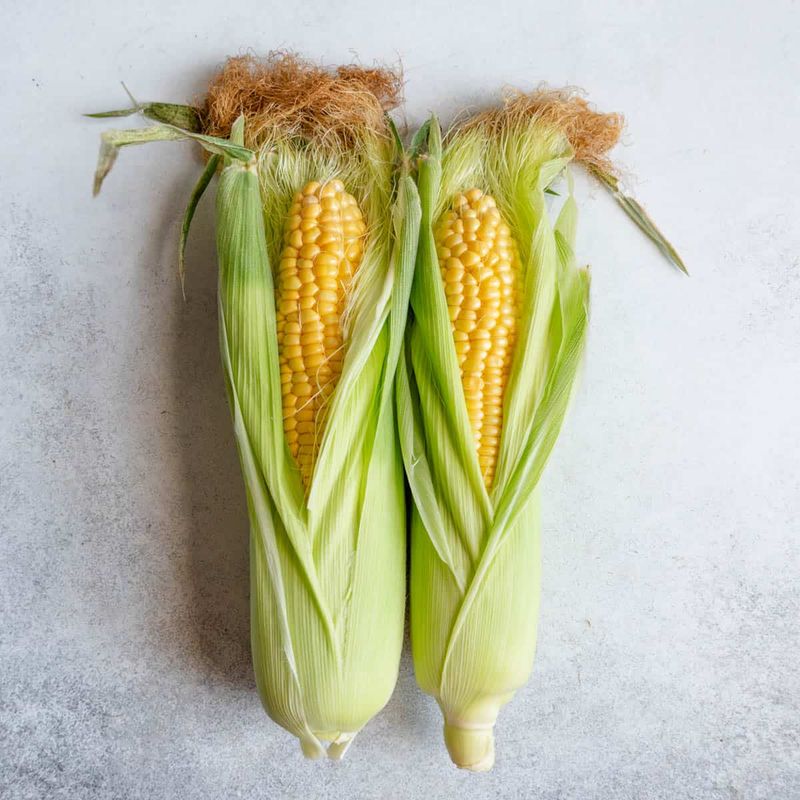
Here is the silk’s final gift. After all that pollination work, it turns into your harvest clock.
Sweet corn is usually ready about 18 to 24 days after the silks first appear. Around that time, the silks dry out and turn brown, while the husks stay green and tight.
The ear should feel full and rounded at the tip.
For a sure answer, peel back a small strip of husk. Press a kernel with your thumbnail.
Milky juice means peak sweetness, clear juice means wait a few more days, and a doughy paste means you missed the best window.
Pick in the cool of the morning if you can. Sugar in many sweet corn types starts turning to starch soon after harvest, so get ears into the fridge or the pot quickly.
A quick tip I picked up the hard way. Jot down the date you first see silks on a calendar or garden tag.
That one note makes timing so much easier.
Next time you shuck an ear, take a second to look at those silks. They guided every kernel into place, and they told you exactly when dinner was ready.