8 Plants That Look Finished After a North Carolina Frost but Are Still Very Much Alive
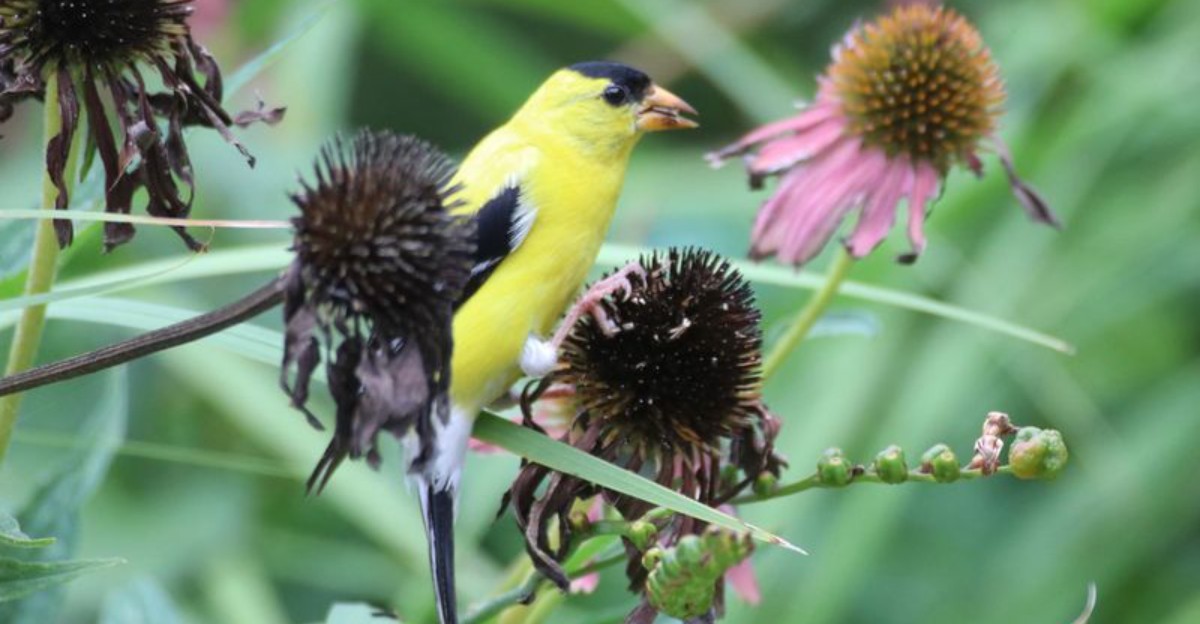
Ice crystals can form between plant cells on a frosty night and pull water right out of soft leaves. By breakfast, those leaves often hang limp and dark, like spinach left too long in a hot pan.
North Carolina gardens usually see their first frost sometime between October and early November, depending on the region. The mountains get chilled weeks earlier, while coastal yards along the sound often hold out much longer.
I’ve always felt that the first frost tests a gardener’s patience more than any heat wave in July. You may be surprised to discover how many brown, slumped plants in your North Carolina beds are only resting underground.
Their roots and crowns stay busy below the surface, storing energy for a fresh start when warm weather returns. So before you grab the shovel and clear everything out, how well do you know what’s sleeping out there?
1. Miss Huff Lantana

One frosty morning, my Miss Huff lantana looked like a pile of crispy brown sticks someone forgot to haul away. Six months later, the same spot held a shrub taller than my waist and buzzing with butterflies.
Lantana camara ‘Miss Huff’ is one of the hardiest lantanas around, rated for USDA zones 7 through 10. That covers most of the Piedmont and coast, though mountain gardeners in zone 6 may struggle to keep it.
Frost blackens the leaves quickly, but the woody base and roots usually stay healthy below ground. I leave those old stems standing all winter because they help shelter the crown from harsh cold.
Wait until new green buds appear in spring before cutting the stems down to about six inches. Miss Huff wakes up late, sometimes not until May, so patience matters more than pruners here.
Once growth starts, the plant can reach four to six feet tall and wide by midsummer. Its flower clusters shift between orange, yellow, and pink, often showing several colors on the same bloom.
Give it full sun and soil that drains well, since soggy winter ground is harder on it than cold. After it settles in, it handles dry spells nicely and rarely asks for extra water.
Deer usually ignore the leaves, which have a strong scent and can upset pets that chew them. Plant it where hummingbirds can find it, and enjoy the parade from late spring until the next frost.
2. Hardy Hibiscus
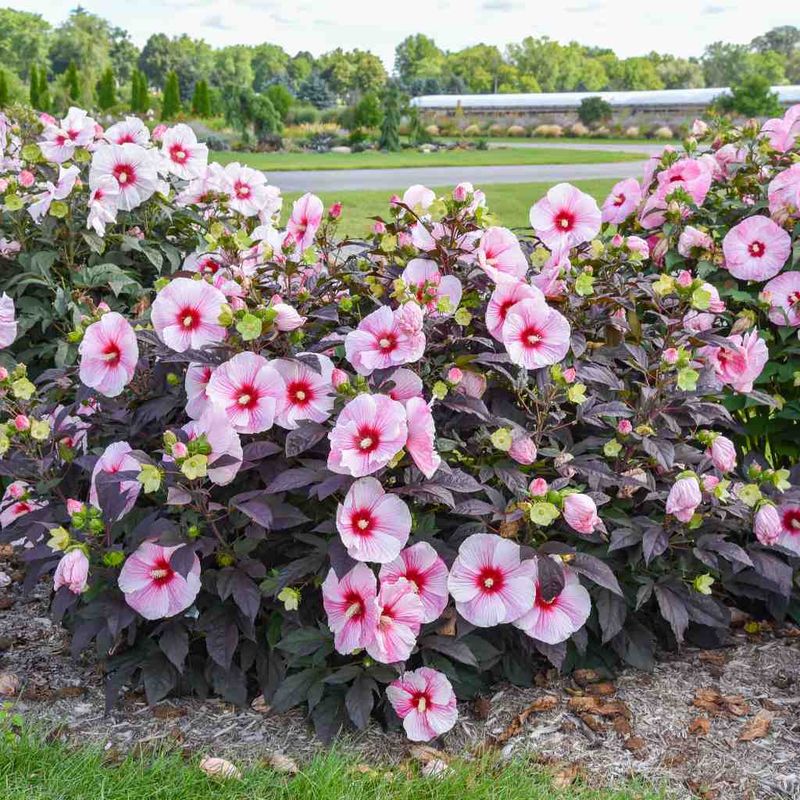
Dinner-plate flowers the size of a frisbee are hard to forget, so empty ground in April feels like a betrayal. Hardy hibiscus is famous for sleeping in, and plenty of gardeners dig it up by mistake.
Hibiscus moscheutos, also called rose mallow, is a native perennial that grows wild in marshes across the eastern states. Frost turns its tall stems brown and woody, while the thick roots rest safely under the soil.
In my garden, new shoots often refuse to appear until late April or even the middle of May. I mark each clump with a sturdy stake so nobody plants something new right on top of it.
Cut the old stems back to about six inches in late winter or early spring before growth begins. Some gardeners leave hollow stems standing through winter because small native bees sometimes nest inside them.
By summer, plants usually stand three to seven feet tall, depending on the variety you choose. Blooms in red, pink, or white open for only a day each, but new buds keep coming for weeks.
Full sun gives the strongest plants and the most flowers, and moist, rich soil keeps them happy. They even tolerate wet spots, so a low corner or rain garden can suit them beautifully.
Watch for Japanese beetles and sawfly larvae, which sometimes chew the leaves into lace during warm months. Hand picking or a strong spray of water mostly keeps those pests under control without harsh products.
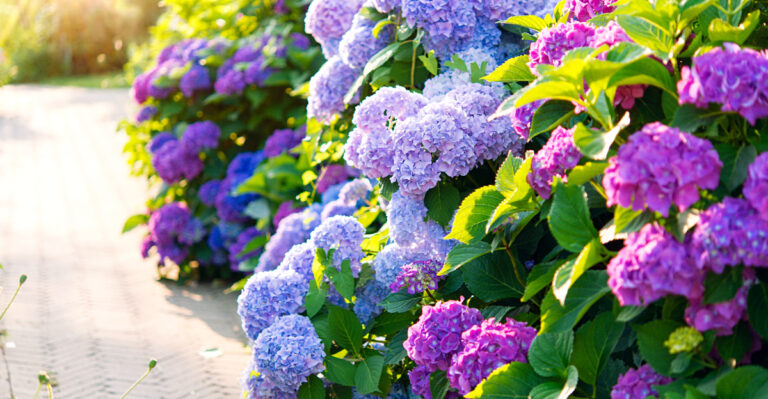
3. Oakleaf Hydrangea
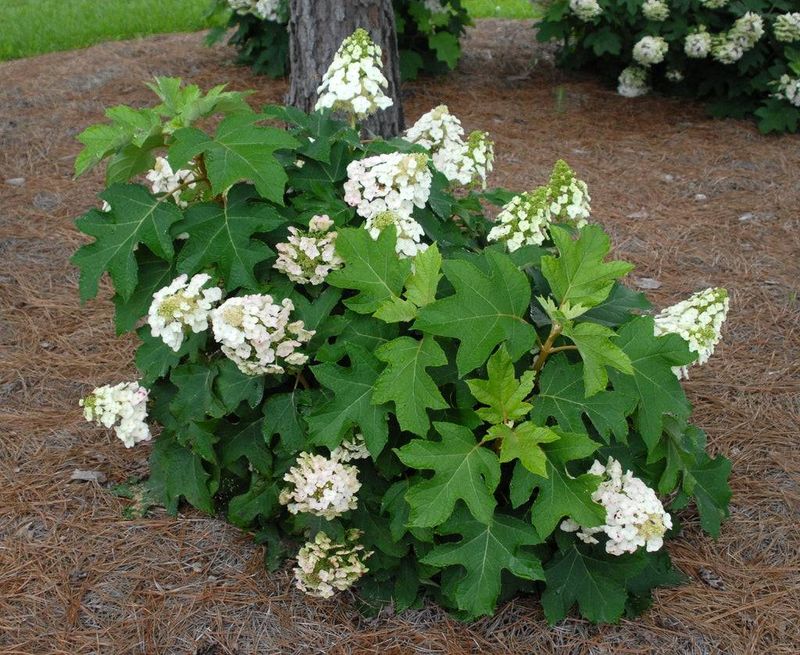
Peeling cinnamon bark is the secret star of oakleaf hydrangea once the big leaves finally drop in winter. Those bare branches might look shabby to a passerby, but I think they look like rustic sculpture.
Hydrangea quercifolia is native to the southeastern United States, where it grows naturally in moist woods and along stream banks. It grows happily in zones 5 through 9, so cold weather rarely troubles the shrub itself.
After frost, the leaves turn deep burgundy and bronze, then fall away over several weeks. What remains is a scraggly frame of stems with dried flower heads, which many folks mistake for a struggling plant.
Resist the urge to trim those branches now, because next summer’s flower buds are already sitting on them. Prune lightly right after blooming ends, since cutting in fall or winter removes the coming flowers.
Most plants reach six to eight feet tall and wide, while dwarf types like ‘Ruby Slippers’ stay smaller. Cone-shaped white flower clusters appear in early summer, then fade to pink and a soft tan.
Morning sun with afternoon shade keeps the leaves from scorching during hot Piedmont summers. Rich, acidic soil that drains well suits it best, because soggy roots lead to rot faster than cold does.
A thick layer of shredded leaves around the base helps hold moisture and protects shallow roots. Late spring freezes can occasionally nip new buds, but the shrub itself usually recovers without much fuss.
4. Lenten Rose
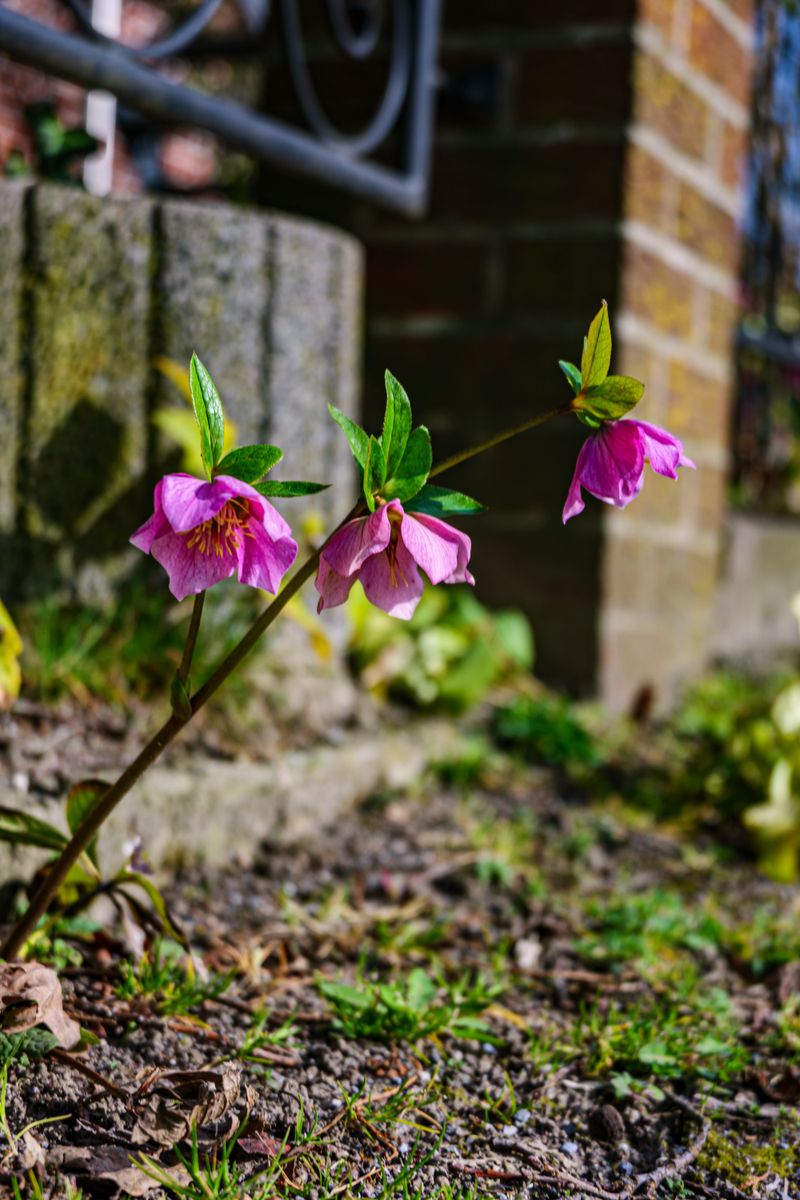
On a hard frost morning, Lenten roses often flop flat on the ground like they fainted overnight. By lunch, once the sun warms the bed, most of them stand right back up again.
That droop is a clever trick, because the stems relax while the plant protects its cells from cold. Helleborus orientalis hybrids handle zones 4 through 9, which suits nearly every corner of the state.
I love walking outside in February to find nodding flowers in plum, pink, cream, and speckled shades. The blooms last for weeks, often stretching from late winter well into the first warm days of spring.
Old leaves can look torn and spotted after a rough winter, which makes the whole clump seem tired. Snip those worn leaves at the base in late winter so the fresh flowers show off without clutter.
Clumps usually grow about one to one and a half feet tall and spread slowly over many years. They seed around gently, and I enjoy finding little surprise seedlings tucked beneath the parent plants.
Plant them in part shade, ideally under deciduous trees that let in winter sun but block summer heat. They prefer rich, well-drained soil, and a little lime helps where ground runs very acidic.
Every part of the plant is toxic if eaten, so keep curious pets and toddlers away from it. That same trait means deer and rabbits mostly leave the clumps alone, which shade gardeners appreciate.
5. Bigroot Geranium
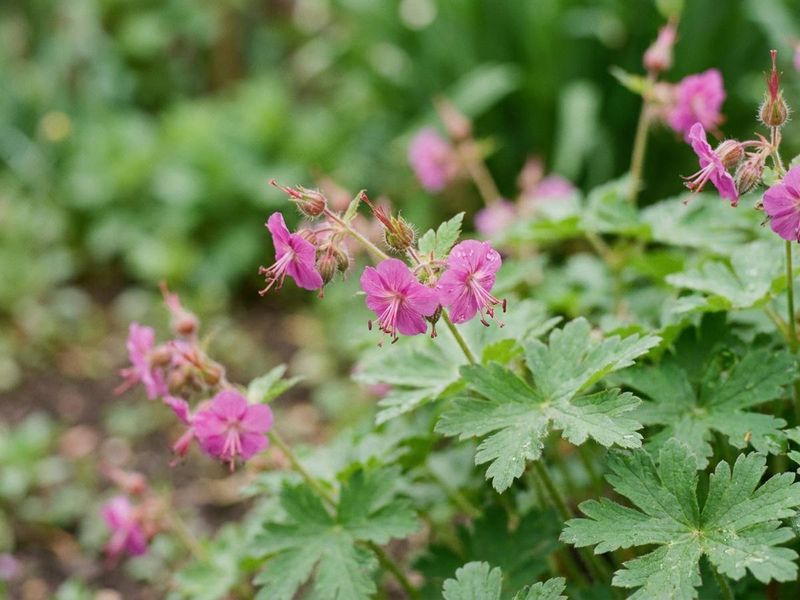
Rub a bigroot geranium leaf between your fingers and you’ll smell something spicy, almost like a fancy soap shop. That fragrance sticks around even after frost turns the foliage rusty red and slightly floppy.
Geranium macrorrhizum gets its name from thick, fleshy rhizomes that creep along just beneath the soil surface. Those chunky roots store water and energy, which helps the plant shrug off both cold snaps and droughts.
In mild winters, plenty of leaves hang on in shades of red and bronze, giving the bed some color. In colder spots, the foliage may thin out and look tattered, but new growth returns each spring.
Mature patches grow about twelve to eighteen inches tall and spread slowly into a thick, weed-blocking carpet. Small pink or magenta flowers appear in late spring, floating just above the scented, lobed leaves.
The way I see it, this is the groundcover for awkward dry shade where other plants sulk. It also handles part sun nicely, though it appreciates afternoon shade during our hot, humid summers.
Well-drained soil is a must, because heavy wet clay can rot those thick rhizomes over time. Tidy up ragged winter leaves in early spring, and the plant fills back in within a few weeks.
Deer and rabbits rarely nibble it, likely because the leaves carry such a strong aroma. Dividing big clumps in early spring is easy, and you can share pieces with friends who need tough plants.
6. New England Aster
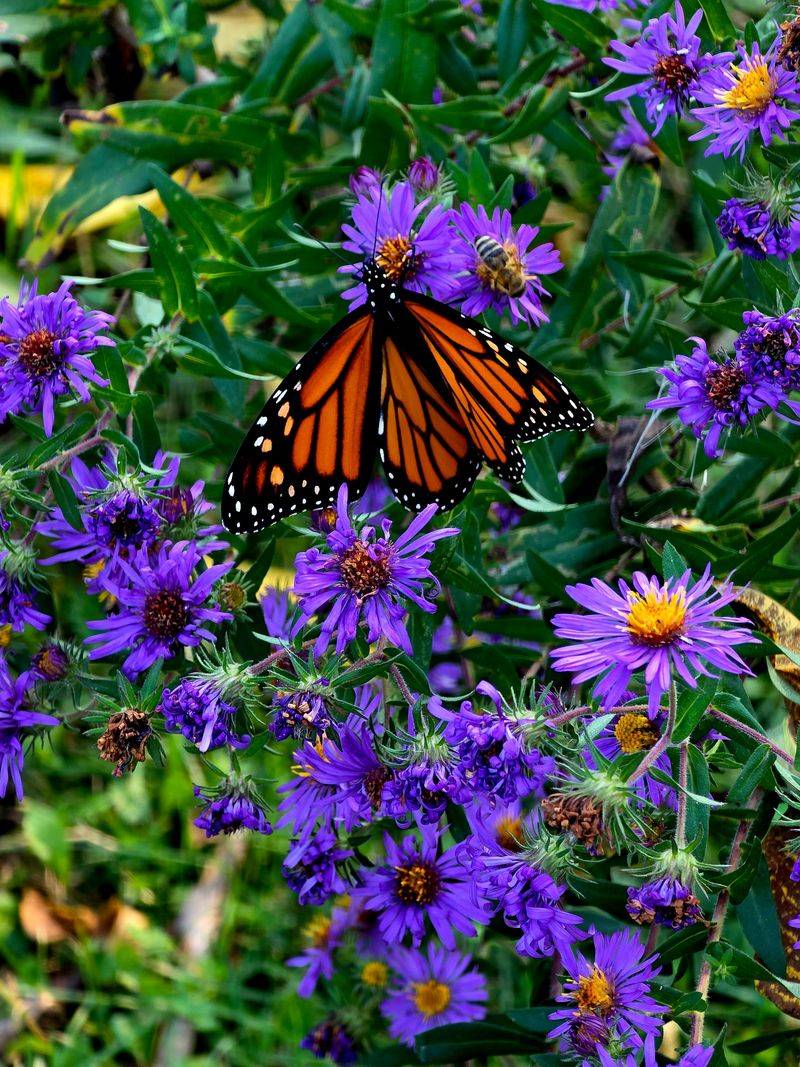
Monarch butterflies heading south in fall often stop to sip from New England asters along the way. Those purple flowers feel like a roadside snack bar for tired travelers right before cold weather arrives.
Symphyotrichum novae-angliae is a native perennial that grows wild in meadows and roadsides across much of the country. It thrives in zones 3 through 8, so frost rarely bothers the deep roots hiding underground.
After a hard freeze, though, the tall stems turn brown and brittle, and the clump looks rather sad. I leave a few stems standing through winter because finches and other small birds visit for the seeds.
Plants often reach three to six feet tall, which can mean flopping in rich soil or partial shade. Pinch the stem tips back by half in late spring, and the plants grow shorter and bushier.
Flowers open from late summer into fall in shades of violet, pink, and occasionally white, with golden centers. Bees love them too, since few other plants offer so much nectar this late in the year.
Give asters full sun and soil that stays fairly moist, since they tolerate clay better than many perennials. Good airflow helps limit powdery mildew, which often shows up on lower leaves during humid weather.
Cut the old stems to the ground in late winter, before fresh shoots push up from the crown. Dividing crowded clumps every few years in spring keeps them vigorous and gives you extra plants for free.
7. Purple Coneflower
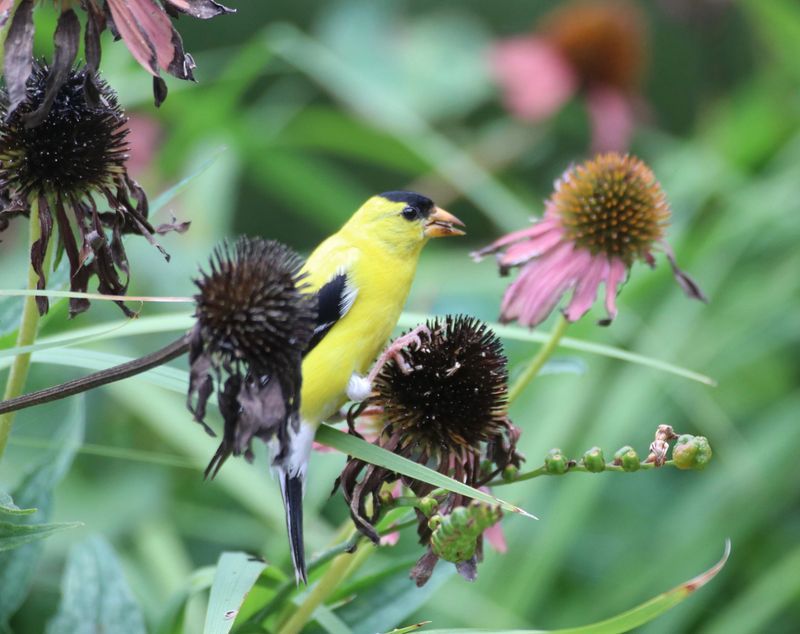
Goldfinches treat a patch of brown coneflower seed heads like a winter buffet, hanging upside down to pluck seeds. Watching them from my kitchen window is honestly one of the best reasons to skip fall cleanup.
Echinacea purpurea is native to the eastern half of the country, including parts of the North Carolina Piedmont. It handles zones 3 through 9, so our winters are no real threat to its sturdy root system.
Frost turns the leaves black and the stems dry and woody, leaving behind spiky cones on tall stalks. Underneath, the crown is resting quietly and preparing a fresh rosette of leaves for early spring.
Most plants grow two to four feet tall, with pink-purple petals drooping gently around a coppery orange center. Blooms usually appear in early summer and keep going for weeks, especially if you snip some spent flowers.
Plant coneflowers in full sun for the strongest stems, although they manage fine with a little afternoon shade. Well-drained soil matters most, since they handle drought far better than winter soggy ground.
Once settled in, the plants rarely need extra water except during long dry spells in their first year. Too much fertilizer can make them floppy, so lean soil often grows a tidier, sturdier clump.
Cut old stalks down in late winter, just before new leaves start to show at the base. Leave a few seed heads around, and you might find volunteer seedlings popping up nearby next spring.
8. Autumn Joy Sedum
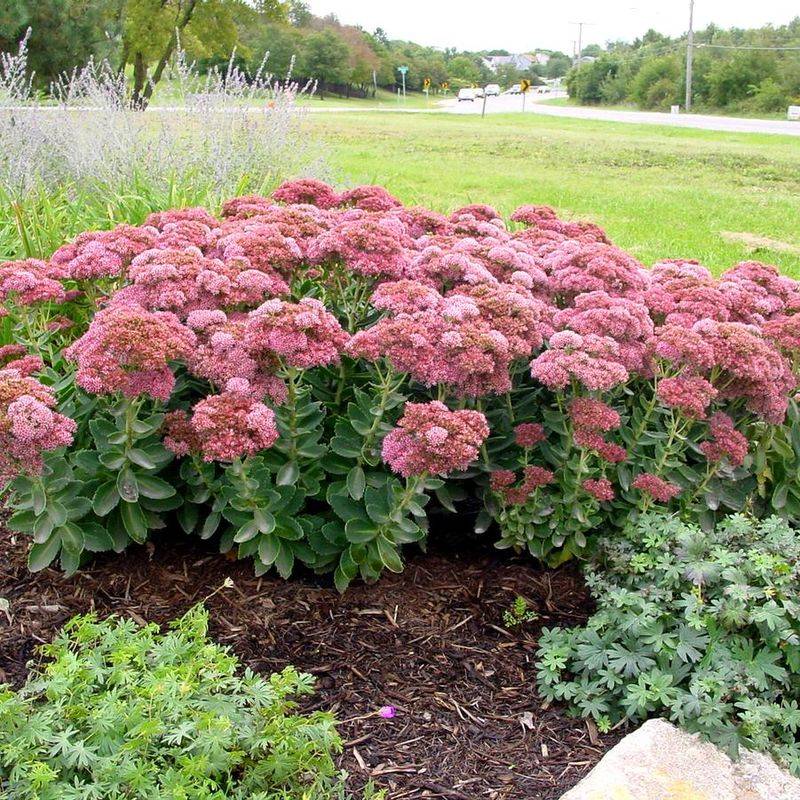
Frost sparkling on the dried flower heads of Autumn Joy sedum looks like a tray of sugared cookies. I keep those rusty brown domes standing all winter just for that glittery view on cold mornings.
Botanists now call this plant Hylotelephium ‘Herbstfreude,’ though most garden centers still label it as sedum. It grows well in zones 3 through 9, which means North Carolina winters barely slow it down.
After a freeze, the thick leaves soften and collapse, and the stems turn tan and papery. The roots stay plump and healthy, and small new buds often sit right at the soil line already.
Look closely in late winter and you may spot tight little rosettes of gray-green leaves near the base. Cut the old stems just above those rosettes, being careful not to snap off the fresh growth.
Clumps usually grow one to two feet tall and wide, with fleshy leaves that hold water like tiny canteens. Flower heads start pale green in late summer, then shift to pink and finally a deep coppery red.
Full sun keeps the stems upright, while too much shade or rich soil makes them sprawl open. Sandy or rocky ground suits it nicely, and heavy wet soil is the quickest way to lose it.
Bees and butterflies crowd the blooms in fall when other nectar sources are fading away. Dividing clumps every few years in spring keeps the centers from flopping and gives you plants to share.