Should You Cut Back Hostas in Fall or Wait Until Spring
Slug eggs can sit through a snowy winter and still hatch in spring. They often hide in one very specific spot, tucked under the soggy leaves of a favorite shade plant.
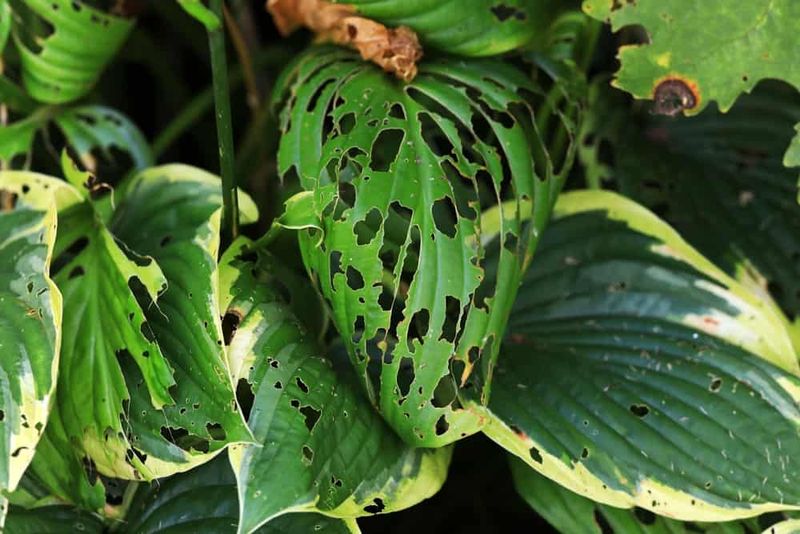
I learned the hard way that my lazy fall cleanup was basically a free hotel for garden pests. Every spring, the holes in my new leaves told the whole story.
Truth is, gardeners argue about this one more than you would expect. Some swear by a tidy autumn trim, while others leave every floppy leaf right where it falls. Both sides have a point, and the right choice depends on what is happening in your own beds.
So what should you do with those slumping, yellow clumps this year? The answer is simpler than the debate suggests, and your timing matters a lot.
Those Floppy Fall Hosta Leaves Are Hiding More Than You Think
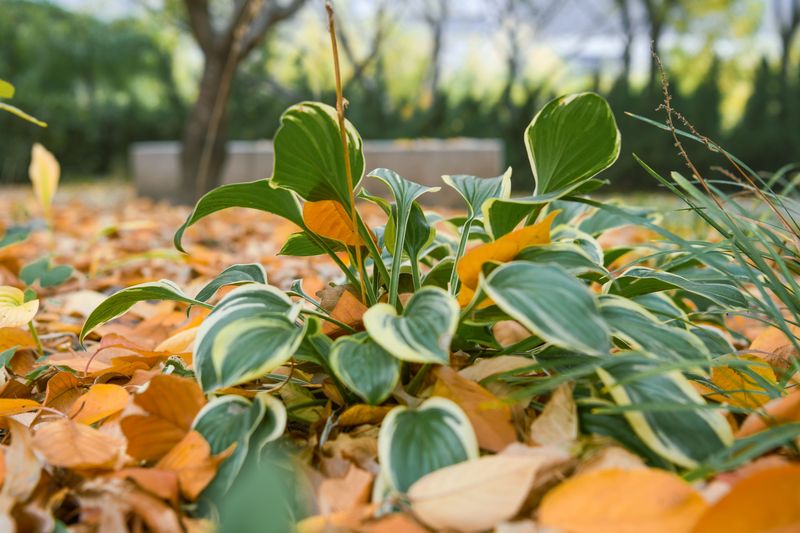
Walk through a shade garden after the first hard frost, and the scene changes overnight. Big green leaves turn mushy, translucent, and flat, like someone let the air out of them.
That collapse is normal. Hostas are herbaceous perennials, which means the tops fade each year while the crown and roots rest safely underground. The leaves have finished their job by then.
What matters is what moves in once the leaves fall. A wet pile of foliage sitting on the crown stays damp and sheltered all winter. That makes it a cozy spot for slugs, slug eggs, fungal spores, and even small rodents.
Many university extension services, including Illinois Extension, point out that garden debris can carry pests and disease over the winter. Hosta leaves are no exception, especially in shady, moist beds where they break down slowly.
So the real question is not just about looks. It is about what kind of guests you want hanging around your plants until spring.
Fun fact: hostas are native to Japan, Korea, and China, where they grow in cool, moist woodland settings. That love of shade and moisture is also what makes their fallen leaves such a soggy mess.
Cutting Hostas Back After Frost Usually Wins
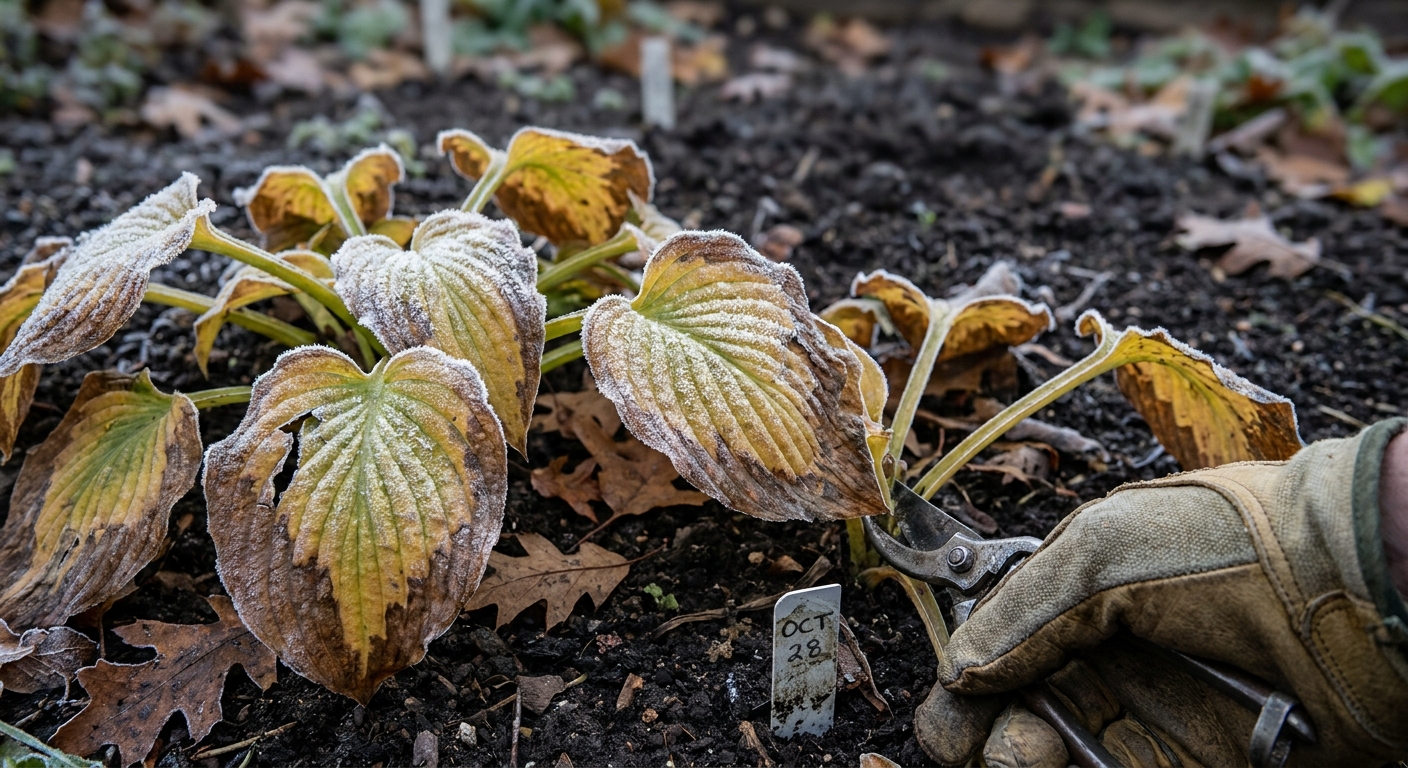
For most gardeners, a fall trim is the smarter move. Once the leaves have yellowed, browned, or flopped after a hard frost, you can cut them down without hurting the plant.
Healthy hostas do not need their old foliage for winter survival. Established clumps are very cold hardy, and many thrive in USDA zones 3 through 8 or 9.
A fall cleanup gives you three big wins. You remove slug hiding spots, reduce disease carryover, and take away shelter that voles like to use. Your beds also look neater during the gray months.
Waiting until spring is not a disaster, though. Plenty of gardeners do it with no trouble, especially when their plants stayed healthy all season. The catch is that spring cleanup has a short window, because new shoots, called pips, can poke up fast.
If you wait too long, you might accidentally snip those fresh shoots while pulling old leaves. That is a frustrating way to start the season.
My rule is simple. If the plants had pests or leaf problems this year, trim in fall. If they looked great and you are short on time, spring works fine too.
Slugs Love Overwintering Under Old Hosta Foliage
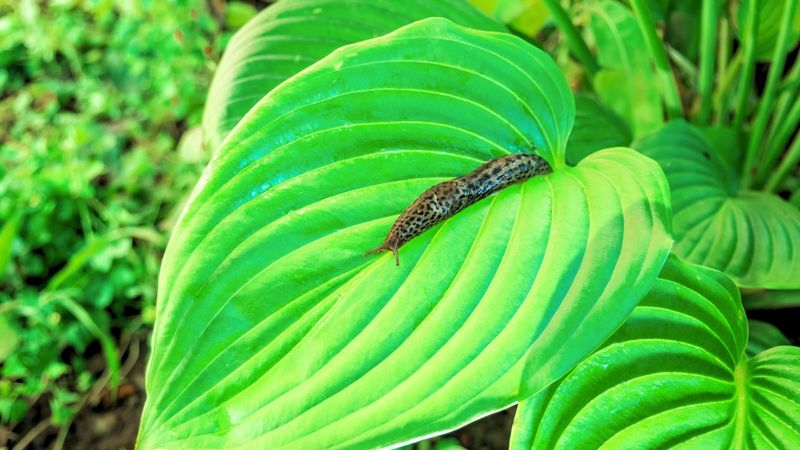
Guilty as charged, I once left every hosta leaf in place and called it natural mulch. By May, my new leaves looked like lace.
Slugs lay clusters of small, clear eggs in moist, protected spots. Old hosta leaves sitting on the soil create exactly that kind of hideout. Many eggs survive winter there and hatch once the weather warms.
Those baby slugs then crawl straight onto the tender new hosta shoots. Young leaves are soft and easy to chew, so the damage often shows up early.
Removing the soggy foliage in fall takes away a big chunk of that shelter. It will not eliminate slugs, but it can cut down on how many show up hungry in spring.
A few extra tricks help too:
Rake away other damp debris near the crowns. Keep thick mulch pulled back a few inches from the plants. In spring, check under boards or pots for hiding slugs and remove them by hand.
Iron phosphate baits are a lower-toxicity option many extension services mention. Follow the label carefully. Pairing a fall cleanup with these steps often makes a noticeable difference.
Spotted or Streaked Hosta Leaves Should Go in the Trash
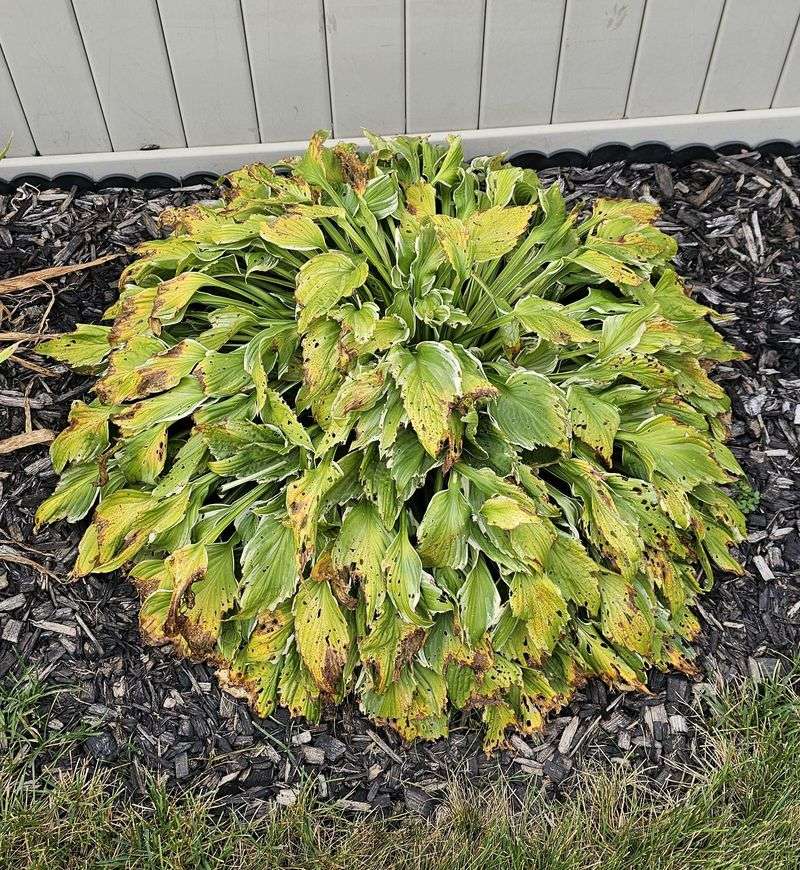
Brown spots, ragged holes, or odd streaks between the leaf veins are clues worth paying attention to. Those marks can point to problems that stick around if you leave the leaves alone.
Anthracnose is a fungal disease that causes tan spots with darker edges. Foliar nematodes are tiny worms that live inside leaves and create brown, wedge-shaped streaks between the veins. Both can overwinter in old plant material.
Hostas can also carry Hosta Virus X, which causes mottled or blotchy color patterns. Extension experts note there is no cure, and infected plants should be removed. Clean your pruners after cutting suspicious plants, since the virus spreads through sap.
For disease-spotted leaves, a fall cleanup is the best choice. Cut the foliage, bag it, and put it in the trash. Skip the compost pile, because many home piles do not get hot enough to break down pathogens.
Wipe your pruners with rubbing alcohol or a diluted bleach solution between plants. That small habit keeps you from spreading trouble around the garden.
Healthy-looking leaves can go into the compost. Only the questionable ones need the special treatment.
Voles Treat Matted Hosta Clumps Like a Winter Snack Bar
Not going to lie, the first time I found a hosta crown hollowed out in spring, I blamed the cold. The real culprit was a vole.
Voles are small, chunky rodents with short tails. They make runways under snow, mulch, and matted leaves, staying hidden from hawks and owls while they feed.
Hosta roots and crowns are juicy and tempting. A thick blanket of collapsed leaves gives voles both cover and a dinner table, which is a terrible combination for your plants.
Clearing that foliage in fall leaves them more exposed, so they often look elsewhere. It is a simple way to make your beds less inviting.
Here are a few more ideas that help:
Hold off on heavy mulch until the ground freezes, so voles settle somewhere else first. Keep grass and weeds trimmed around beds. For prized plants, some gardeners line planting holes with hardware cloth or mix sharp gravel into the soil around roots.
Watch for signs like narrow surface trails in early spring. If a hosta wobbles or lifts easily from the ground, voles may have been dining underneath.
Green Hosta Leaves Still Have Work to Do Before You Snip
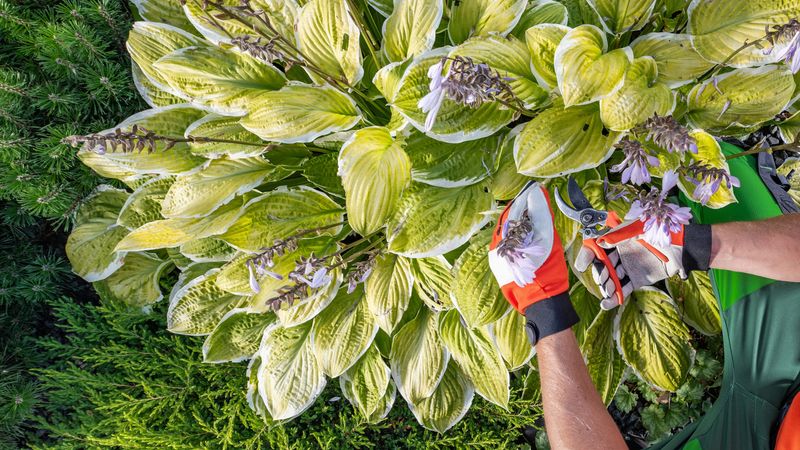
Patience pays off here. Cutting hostas while the leaves are still green robs the plant of food it needs for next year.
During late summer and early fall, leaves keep making energy through photosynthesis. As days shorten, the plant pulls sugars and nutrients down into its roots and crown. That stored energy fuels the big flush of spring growth.
So wait until the leaves turn yellow, brown, or flop over after a hard frost. In many northern states, that happens in October or November. Farther south, it may come later.
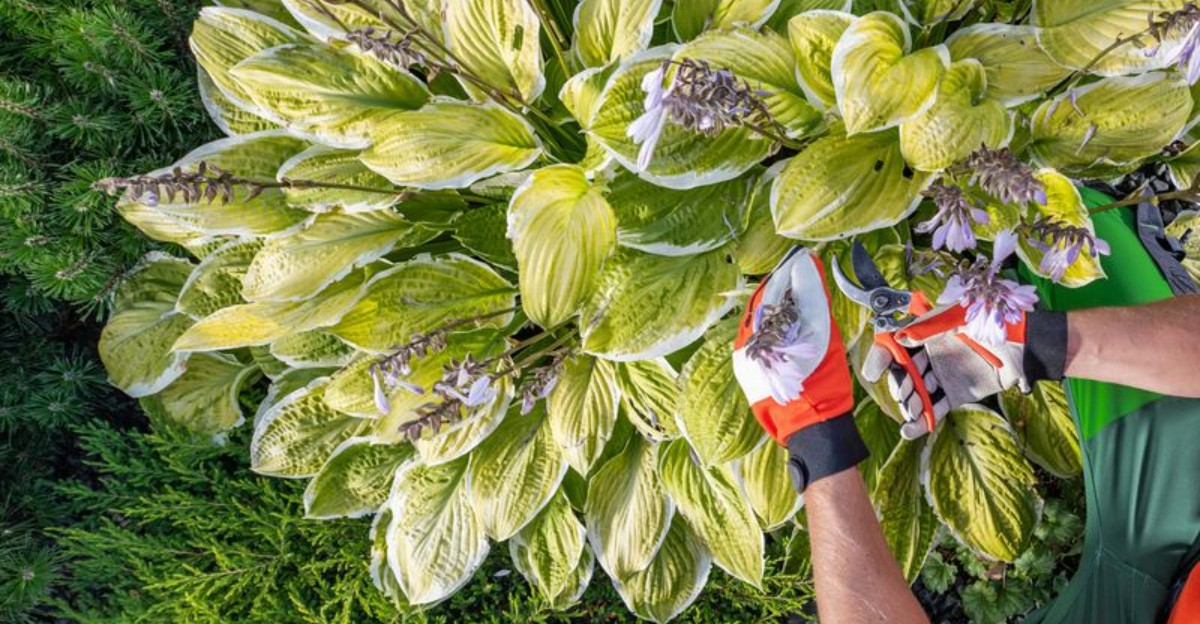
When the time is right, grab sharp bypass pruners or simply pull the leaves if they come away easily. Cut stems to about one to three inches above the soil.
Be careful around the crown, which is the base where new shoots form. Nicking it can open the door to rot. Leaving short stubs also helps you remember where each hosta lives during winter.
Flower stalks are another story. You can snip those any time after blooming ends, since they do not feed the plant much once the flowers fade.
New Hostas and Spring Pips Need a Little Extra Care
Every fall, I give my newest hostas a little extra attention. Established clumps rarely need help, but first-year plants have smaller root systems.
Freeze-and-thaw cycles can push young plants up out of the soil, a problem called frost heaving. A light mulch of shredded leaves or pine needles helps. Spread it after the ground freezes, not before, so voles do not move in early.
In spring, pull that mulch back from the crowns as the soil warms. Leaving it piled up can trap moisture and invite rot around the new shoots.
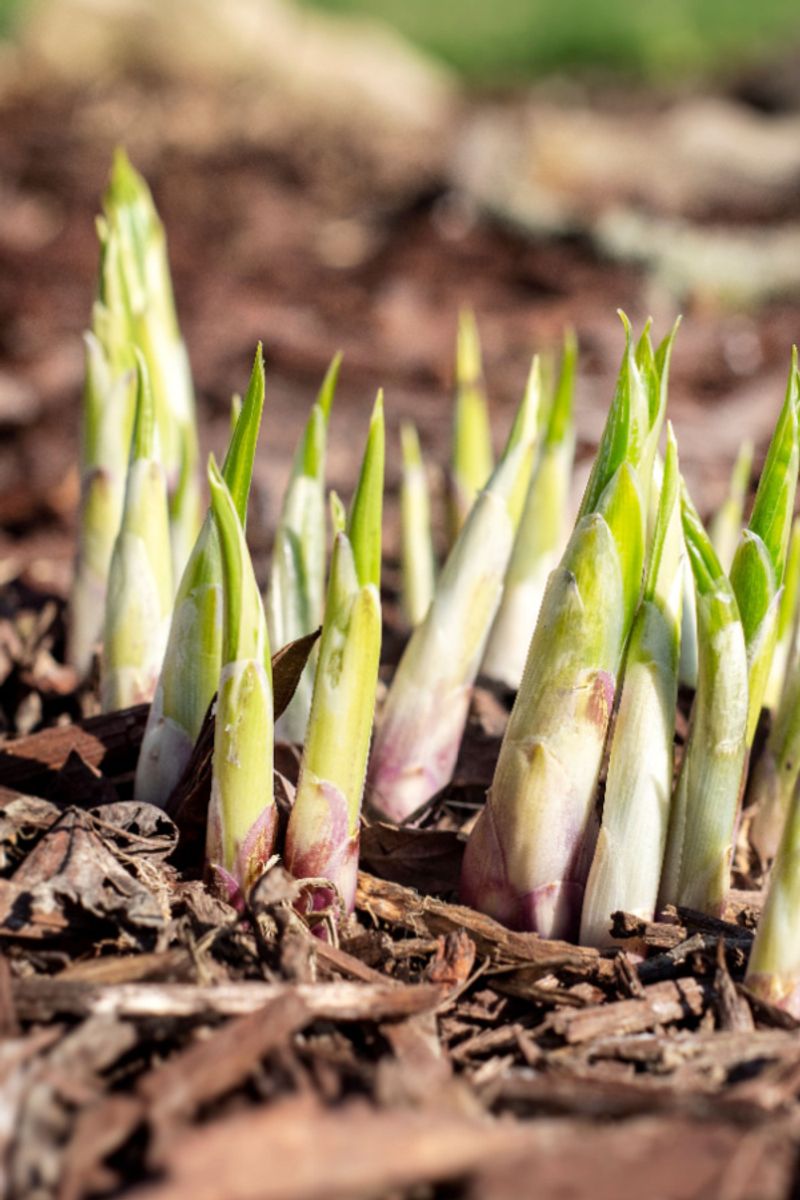
If you choose to wait on cleanup, do it in early spring before the pips appear. Those pointed shoots can show up quickly, sometimes looking like little purple or green cigars.
Spring is also a great time to divide crowded clumps. Hostas bounce back well when split just as shoots emerge.
My takeaway is simple. Trim in fall if your plants had pests, disease, or voles, and wait until spring only if they stayed healthy. Either way, watching your hostas closely tells you more than any rulebook ever will.