Is Fall Really the Right Time to Repot a Thanksgiving Cactus?
In the wild, this holiday favorite skips the dirt and grows high in Brazilian rainforest trees, clinging to bark and mossy branches.
I didn’t expect a cozy windowsill plant to have such an adventurous family history. It lives on rotting leaves, rain, and filtered light instead of desert sand.
Every fall, I get the itch to fuss over my houseplants before the holidays. A fresh pot feels like a gift, right? Truth is, I learned the hard way that good intentions can backfire when buds are forming.
Those flat, claw-shaped stems are busy with a secret project right now. Timing a move to a new pot matters more than most people realize. So should you grab the potting mix this weekend, or wait a little longer?
Those Plump Thanksgiving Cactus Buds Change Everything
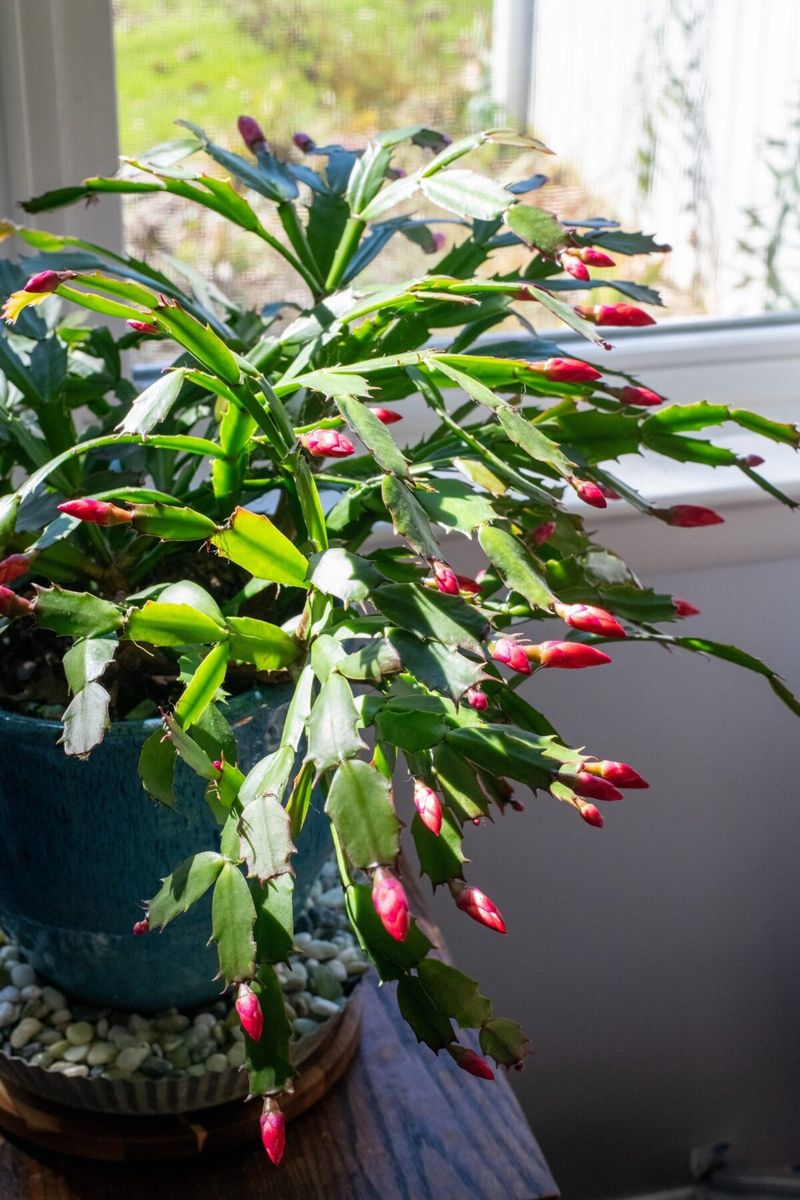
Not going to lie, those tiny pink nubs at the stem tips are the whole reason I own this plant. In fall, a Thanksgiving cactus pours its energy into forming buds. Cooler nights and longer darkness trigger that process, usually from September into October.
Repotting during this window is the problem. Moving the plant disturbs its roots, and stressed roots send a signal that something is wrong. The plant often responds by dropping its buds, sometimes all at once.
So is fall the right time? For most healthy plants, no. University extension experts generally recommend waiting until blooming finishes. A plant with buds or flowers is in performance mode, not moving mode.
There is one fair exception. If your plant is sitting in soggy soil, smells sour, or has mushy stems, root rot may be setting in. In that case, a repot in fall is better than waiting, even if you lose a few buds.
Otherwise, enjoy the show first. Keep the plant in its current pot, give it bright indirect light, and water when the top inch of soil feels dry. Your patience now pays off with a fuller, longer-lasting display of blooms later this season.
Late Winter Is When a Holiday Cactus Welcomes a Bigger Pot
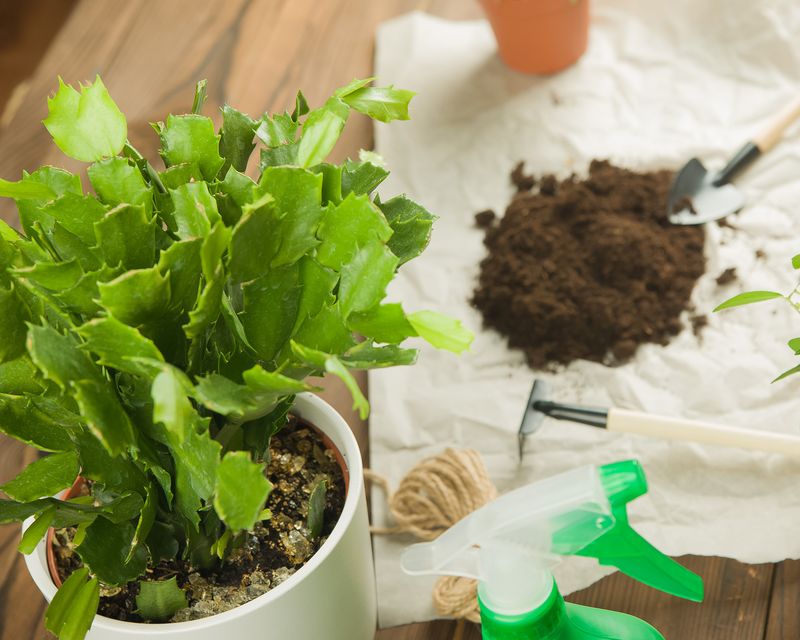
Mark your calendar for the quiet weeks after the final flower drops. Late winter through early spring is the sweet spot for repotting a Thanksgiving cactus. The plant has finished blooming and is getting ready for a fresh round of growth.
Spring and summer are this plant’s active growing season. New stem segments appear, and roots stretch out to explore. Repotting just before that surge lets the roots settle into fresh mix while the plant has energy to recover.
I like to wait about a month after the last bloom fades. That short break gives the plant time to rest before I start poking around its roots. Many gardeners aim for February through April, depending on when their plant finished flowering.
Fun fact for you. In its native Brazilian mountains, this plant’s growth cycle follows seasonal rainfall and temperature changes. Our indoor version still follows a similar rhythm, so working with it makes life easier.
Spring repotting also gives you months to watch for problems. If the plant sulks, you have plenty of time to adjust light or water before next fall’s bud season. That buffer is a huge advantage over a rushed autumn move.
Snug Roots Keep Your Thanksgiving Cactus Blooming Happily
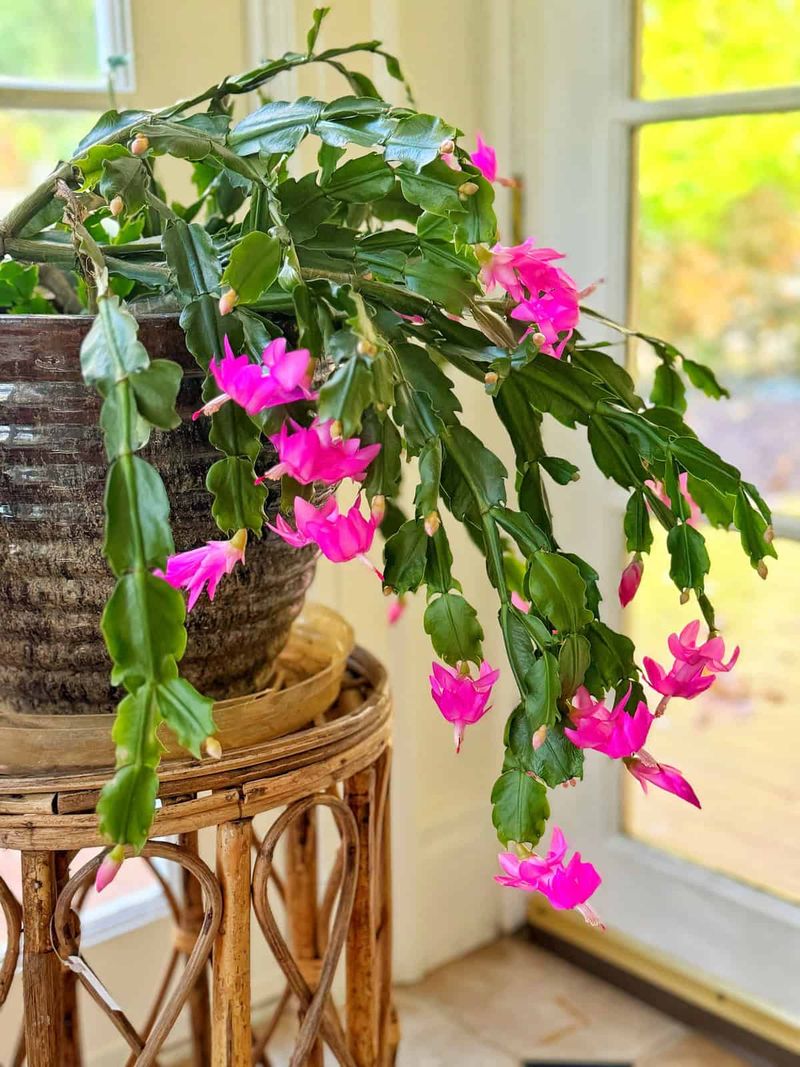
Here’s what gets me about this plant. It actually likes being a little crowded. A Thanksgiving cactus that is slightly root-bound often blooms better than one swimming in a giant pot.
Most holiday cacti only need repotting every few years. Some gardeners go even longer, simply refreshing the top layer of mix. If your plant is flowering well and looks healthy, there may be no reason to repot at all this year.
A pot that is too big holds extra soil, and extra soil holds extra water. Those soggy spots become a breeding ground for root rot. Epiphytic roots are built for airy conditions, not wet mud.
When you do move up, go only one size larger. A new pot one to two inches wider than the old one is plenty. That small jump gives roots a bit of fresh space without drowning them.
I’m the first to admit I once used a huge decorative pot because it looked pretty. The plant grew stems for two years and barely flowered. Lesson learned, and now I choose function first and save the fancy containers for cachepots that slip over a properly sized nursery pot.
Roots Poking From the Drainage Hole Are Sending a Message
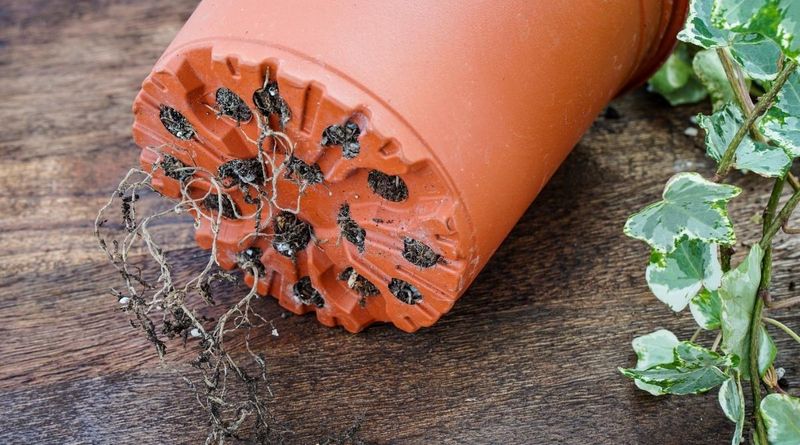
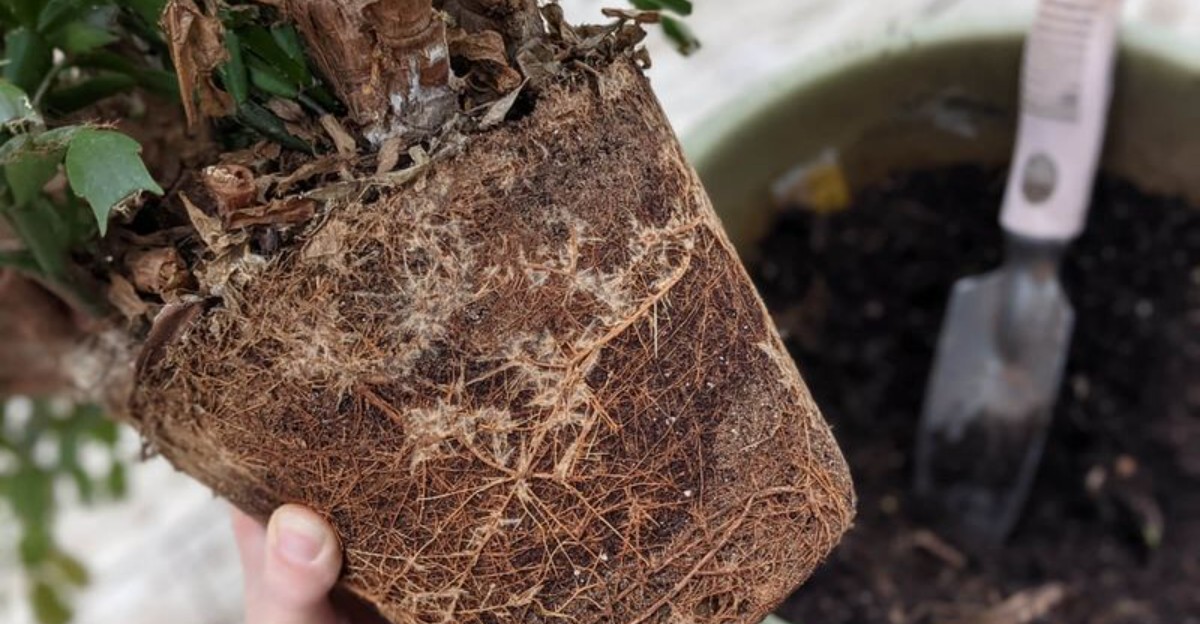
Flip the pot over and take a peek. Roots creeping out of the drainage holes are one of the clearest signs your cactus has run out of room. Roots circling the top of the soil tell the same story.
Other clues are a bit sneakier. Soil that dries out within a day or two of watering often means roots have filled most of the pot. A plant that tips over easily because it is top-heavy may also need a sturdier, slightly larger container.
Slow growth can point to tired soil. Potting mix breaks down over the years, losing its airy texture and nutrients. Even if the plant fits its pot, fresh mix can bring new energy.
Watch for warning signs below the surface, too. Limp, wrinkled, or yellowing stems can mean thirst, but they can also mean rotting roots. Gently slide the plant out and check before you reach for the watering can.
Healthy roots look firm and white or light tan. Brown, mushy roots with a foul smell need attention right away, no matter the season. Spotting these clues early helps you decide whether to repot now or wait until spring.
Chunky, Airy Potting Mix Suits These Tree-Dwelling Cacti
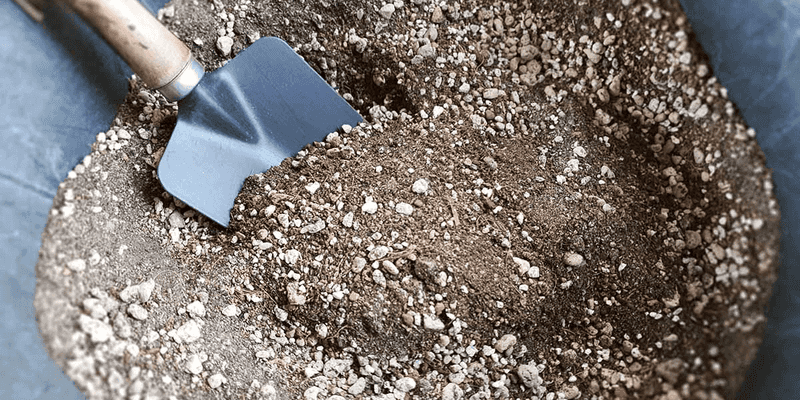
Forget everything you know about desert cacti for a moment. Thanksgiving cacti are epiphytes, which means they grow on trees in humid forests. Their roots expect loose, crumbly material and quick drainage.
Plain garden soil packs down too tightly. Heavy mix stays wet, and roots struggle to breathe. A good blend feels light in your hand and lets water rush through.
I mix my own with a simple recipe. Try about two parts quality potting mix, one part perlite or pumice, and one part fine orchid bark. Many gardeners also use a store-bought cactus mix with extra perlite stirred in.
The bark is my favorite touch. It mimics the decaying plant matter these cacti cling to in the wild. Plus, it adds tiny air pockets that keep roots healthy.
Choose a pot with at least one drainage hole. Terracotta breathes and dries faster, which helps if you tend to overwater. Plastic holds moisture longer, which can suit warm, dry homes.
Skip the old trick of adding gravel to the bottom of the pot. Research shows it can actually raise the water level in the soil. Good mix and a drainage hole do the job far better.
Easing a Thanksgiving Cactus Into Its New Pot Step by Step
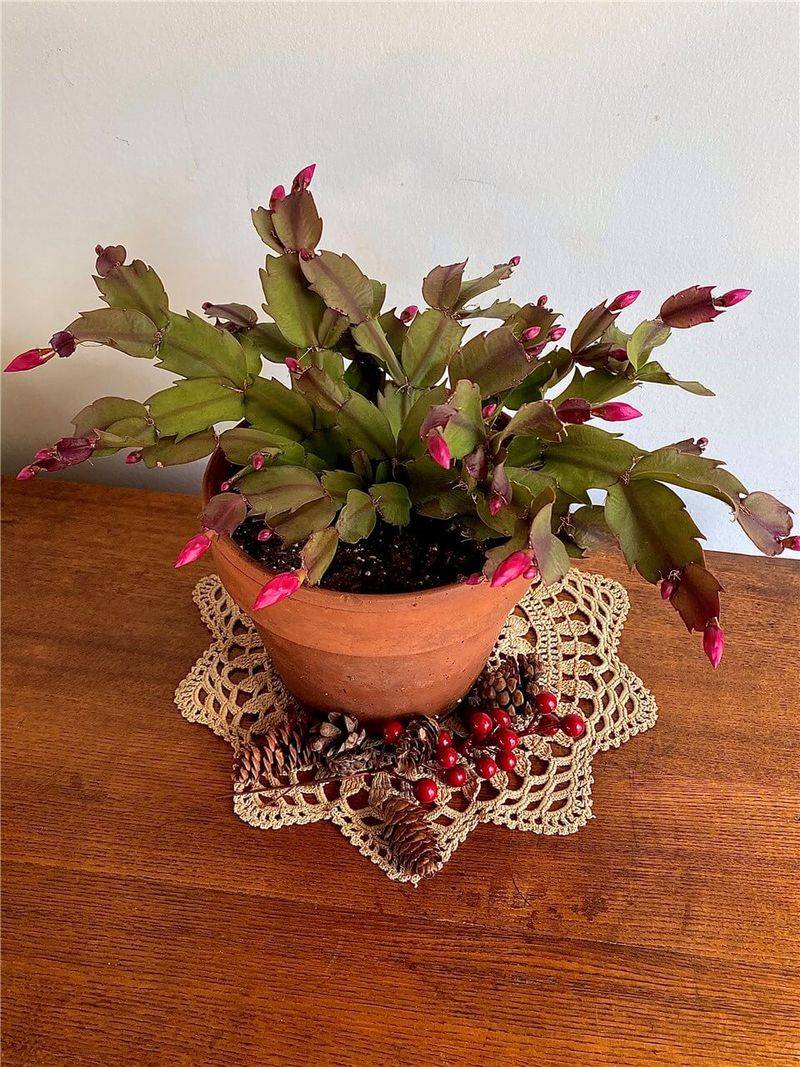
Trust me on this one, slow and gentle wins the day. Those segmented stems snap off easily, so handle the plant by its base. Water it lightly a day before so the root ball slides out more easily.
Tip the pot sideways and ease the plant out. If it sticks, squeeze a plastic pot or run a butter knife around the edge. Loosen the outer roots with your fingers and shake off old, crumbly mix.
Check the roots carefully. Snip any soft, brown, or smelly pieces with clean scissors. Healthy roots can stay just as they are.
Add a layer of fresh mix to the new pot. Set the plant at the same depth it grew before, since burying stems can cause rot. Fill around the sides and tap the pot to settle the mix.
Here’s a bonus. Any stems that break off can become new plants. Let a piece with two or three segments dry for a day, then tuck it into moist mix.
Those cuttings make lovely gifts. Thanksgiving cactus plants have been passed down through families for generations, and some are decades old.
Freshly Potted Holiday Cacti Need a Quiet Recovery Week
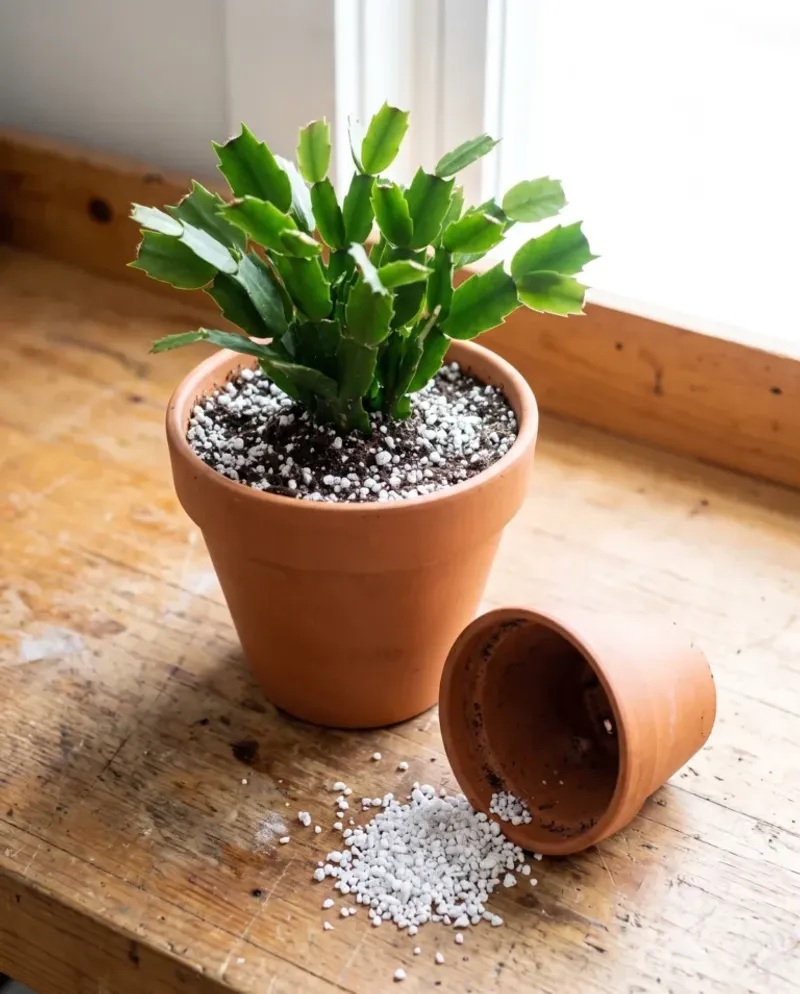
Moving day is hard on everyone, plants included. After repotting, your cactus needs a calm stretch to settle in. A little restraint from you goes a long way.
Some growers water right away to settle the mix. Others wait a few days, especially if they trimmed roots, so cut ends can heal. Either way, let the top inch of mix dry before watering again.
Keep the plant in bright, indirect light. Harsh afternoon sun can scorch stressed stems. An east-facing window or a spot a few feet from a sunny window works nicely.
Hold off on fertilizer for about four to six weeks. Fresh mix often contains some nutrients, and tender roots can burn from extra feeding. Once new growth appears, use a balanced houseplant fertilizer at half strength during spring and summer.
Don’t panic if the plant looks a bit droopy at first. Slight wilting is common transplant stress. It usually perks up within a week or two.
Avoid moving it around the house during recovery. Steady light and temperature help it focus on rebuilding roots instead of adjusting to new surroundings. Calm conditions now set up healthy growth all summer long.
Pointy Stem Claws Reveal Whether You Have a Thanksgiving or Christmas Cactus
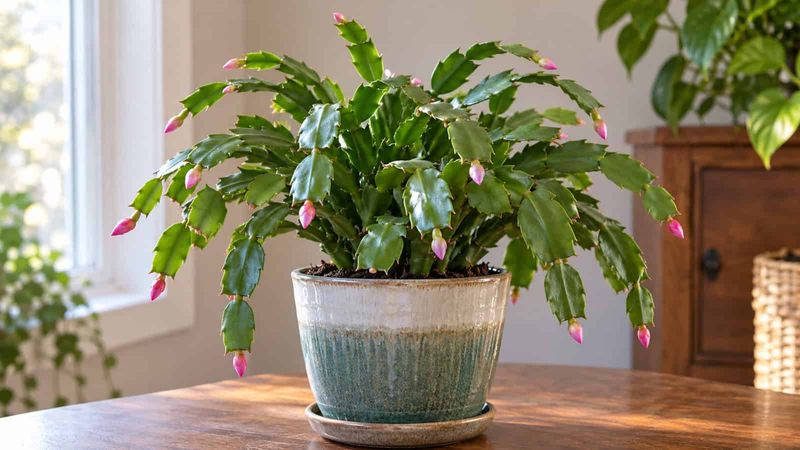
Guilty as charged, I called mine a Christmas cactus for years. Turns out, many plants sold as Christmas cacti are actually Thanksgiving cacti. Stores often label them loosely.
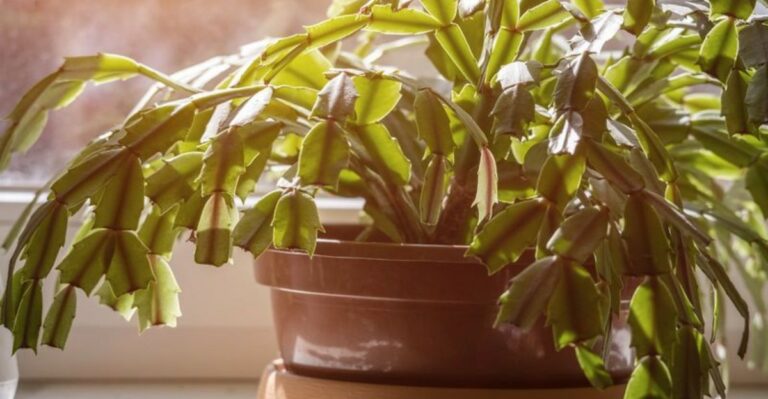
The stems tell the truth. Thanksgiving cactus, Schlumbergera truncata, has pointed, toothy projections on its stem segments, almost like little crab claws. Christmas cactus, Schlumbergera x buckleyi, has smoother, rounded, scalloped edges.
Bloom time offers another clue. Thanksgiving types usually flower from late fall into early winter. Christmas types tend to bloom a few weeks later, and Easter cactus blooms in spring.
Knowing which one you own helps with timing. For both holiday cacti, the best window to repot is after blooming ends. Easter cactus follows a different schedule, so it is usually repotted after its spring flowers fade, often in early summer.
My final takeaway is simple. Let your plant bloom in peace this fall, then repot in late winter or spring only if it truly needs more room or fresh mix. Check the roots, use airy soil, and choose a pot just one size up.
Follow that rhythm, and your claw-stemmed beauty can brighten Thanksgiving tables for many years.