10 Yard Features Some Michigan Towns Are Starting to Restrict
Since June 2026, two floating pond plants sold in garden centers for decades have been illegal to sell across Michigan. A list of shrubs and trees joins them in 2028, and plenty of gardeners have no idea yet.
Pond plants are only one piece of the story, since towns write their own rules about many backyard projects. Chickens, fences, fire pits, and even compost bins can land on a code officer’s desk after one complaint.
I love tinkering with my yard, so learning these rules felt a bit like finding hidden fine print. You may be surprised how much a simple shed or garden bed depends on your exact street address.
Most of these limits aim to protect neighbors and local water, not to spoil your weekend fun in Michigan. So which familiar yard features are drawing the most attention from local planners and township boards lately?
1. Floating Water Hyacinth And Other Invasive Plants Face New Bans
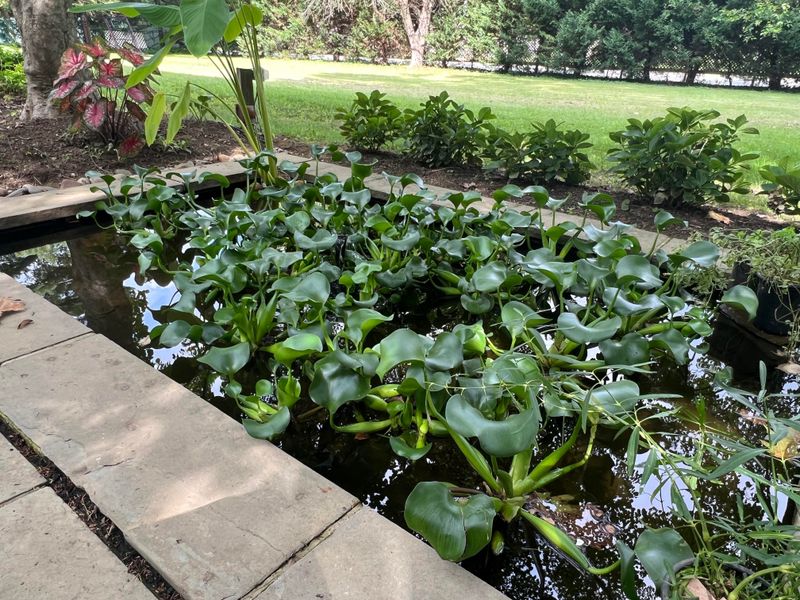
Those glossy purple blooms of water hyacinth look lovely in a backyard pond, yet they are heading toward prohibition. The state banned water hyacinth and water lettuce in June 2026 under its invasive species rules.
Both plants float freely and multiply fast, forming mats that can choke waterways if they escape a garden pond. I understand the appeal, but I now treat them like houseguests who refuse to leave after the party ends.
A second wave arrives in January 2028, adding common buckthorn and glossy buckthorn to the restricted list. Callery pear and Japanese barberry join them too, which surprises people who planted those shrubs years ago.
Once a plant is restricted, selling it or intentionally planting it becomes unlawful, including many named cultivated varieties. Nurseries have time to adjust, but home gardeners should start planning swaps well before those deadlines arrive.
Native alternatives fill the gap nicely, and many support far more insects and birds than the plants they replace. Serviceberry offers spring flowers and summer fruit, making it a cheerful stand-in for a flowering Callery pear.
For hedges, try native ninebark or American hazelnut instead of barberry, since both handle cold winters with ease. In ponds, native pickerelweed adds purple spikes along the edges without the runaway habits of floating invaders.
Regional groups, such as invasive species networks in northwest counties, publish handy lists of plants worth avoiding. I keep one taped inside my shed door, and it has saved me from more than one impulse purchase.
2. Backyard Chicken Coops Come With Strict Hen Limits
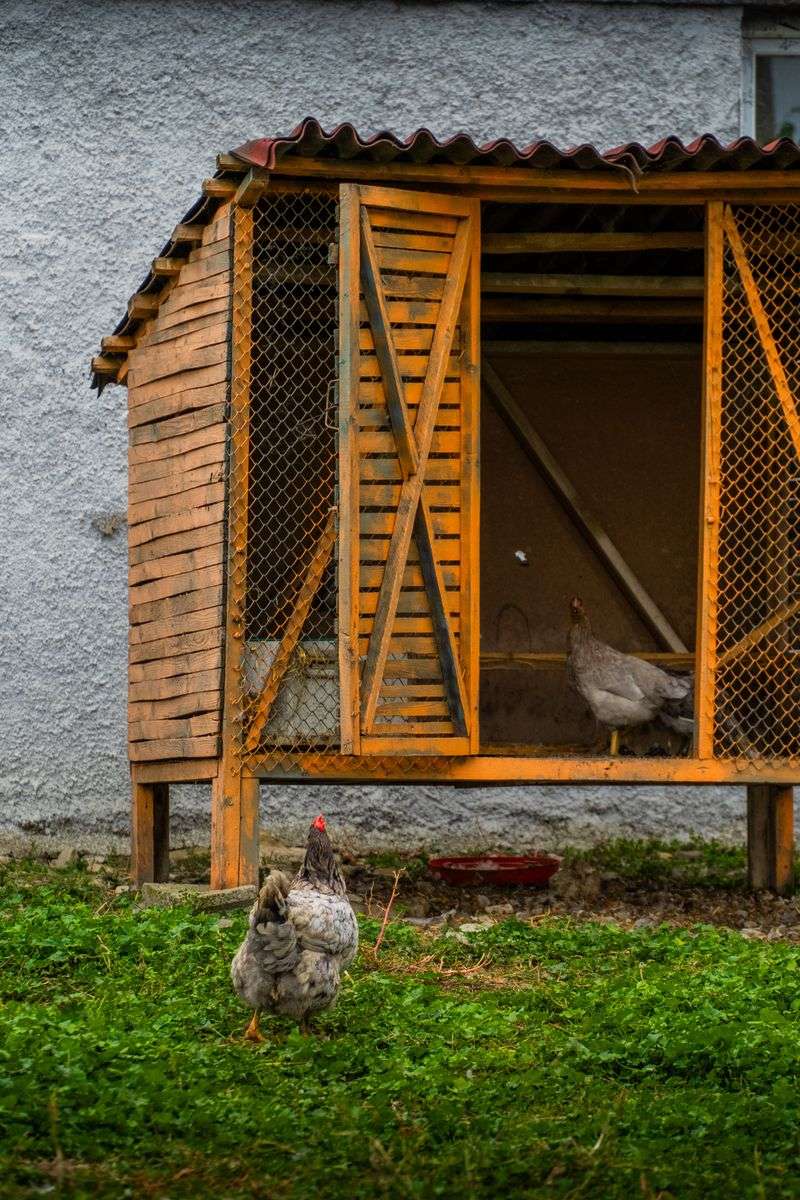
Few things beat the soft clucking of hens at sunrise, until a neighbor calls the city about the rooster. Most towns that allow backyard flocks permit hens only, and roosters are usually the first birds to be banned.
The state has no single backyard chicken law for cities, so each community writes its own set of rules. That patchwork means a coop legal in one suburb could earn a warning letter just a few miles away.
Ann Arbor allows up to four hens with a permit, which is a common limit among larger cities. Lansing also caps flocks at four and requires birds to stay in the rear yard, away from property lines.
Grand Rapids permits a small flock based on lot size, with coops kept in rear yards and set back. Those setbacks protect neighbors from smells and noise, which honestly makes good sense when houses sit close together.
Expect paperwork, since permits and fees are common, along with coop design rules about covered runs and cleanliness. Some cities even require neighbor notification, so a friendly chat over the fence can smooth the process early.
I suggest sketching your coop location on a property map before buying chicks, because moving a coop later is hard. Measure from fences and neighboring houses, then compare those numbers with your local zoning code line by line.
Homeowners associations can add their own bans on poultry, even when the city itself welcomes a few hens. Check both sets of rules first, and your morning omelet will taste even better without a code violation attached.
3. Tall Privacy Fences Face Height Limits In Front Yards
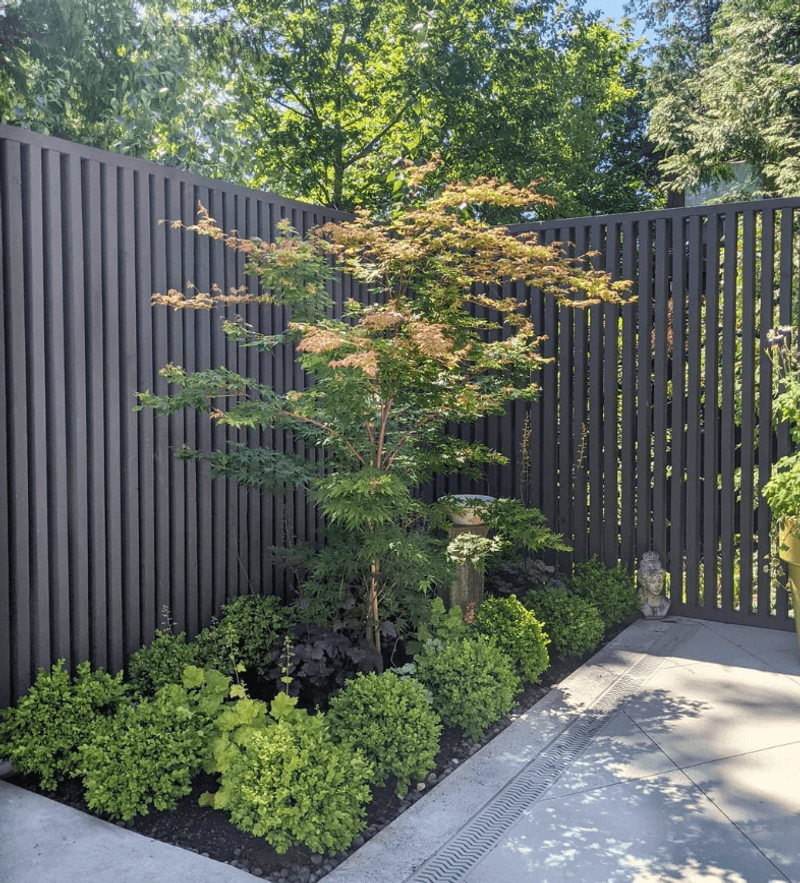
A crisp white picket fence feels charming, but a towering wooden wall out front can trigger a stern zoning letter. Front yard fences draw the tightest limits, often three feet for solid styles and four feet for open designs.
Many people assume a small fence needs no paperwork, and the state building code does exempt many shorter fences. Zoning rules are a separate matter, though, and plenty of cities require a fence permit before any posts go in.
Side and rear yards usually get more freedom, with six feet being a common maximum for privacy fencing. That height works nicely for screening a patio or keeping a curious dog from wandering into the neighbor’s tomatoes.
Some communities go further, limiting front yard fences sharply or prohibiting them on certain residential lots. Corner lots face extra rules too, since fences near intersections can block drivers from seeing kids on bikes.
Setbacks from property lines matter as well, because a fence placed a few inches wrong can spark a lasting dispute. Delhi Charter Township, near Lansing, spells out detailed setbacks for solid fences close to road rights-of-way.
My best tip is hiring a surveyor or locating your property pins before digging a single post hole. Call 811 before digging too, so you avoid striking buried gas lines or cables hidden under the lawn.
A living fence of native shrubs like arrowwood viburnum can offer privacy with fewer height rules in some towns. Still confirm with your zoning office, since hedges near sidewalks or corners may face their own trimming requirements.
4. Parked RVs And Boat Trailers Have Time Limits On Driveways
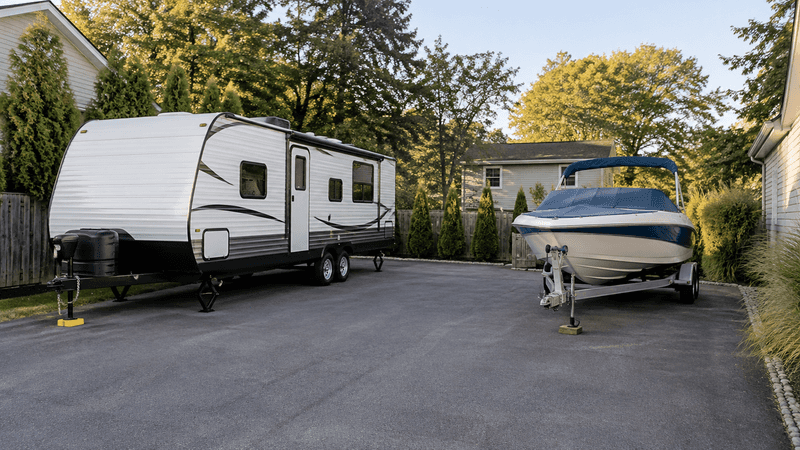
That shiny camper in the driveway screams summer adventure, yet many neighbors see it as a giant white billboard. Plenty of towns limit how long recreational vehicles, boats, and trailers can sit in front of a home.
Trenton, for example, allows RVs in a driveway for up to 72 hours for loading or quick maintenance. That window gives you time to pack coolers and sleeping bags before hitting the road for a lakeside weekend.
Longer storage often must move to rear or interior side yards, usually with setbacks from property lines. Garden City requires RVs stored outside a garage to sit in a rear or side yard, three feet from lines.
St. Joseph asks for outdoor storage in the rear yard on a hard surface after forty-eight hours. The city also requires five feet of space from side and rear lot lines, which protects neighboring garden beds.
Living in a parked camper is another sticking point, since many codes ban hooking RVs to utilities for residential use. Visiting relatives may need a hotel, or at least a cozy guest room, instead of the driveway motorhome.
Some towns also cap how many recreational vehicles may be stored outdoors on a single residential property. Collectors with a boat and a camper should double check before adding a utility trailer to the mix.
From a gardener’s view, gravel or paved storage pads can also smother lawn roots and compact soil over time. Plan the pad carefully, and tuck tall native grasses nearby to soften the view for you and your neighbors.
5. Backyard Fire Pits Need Safe Distances From Homes
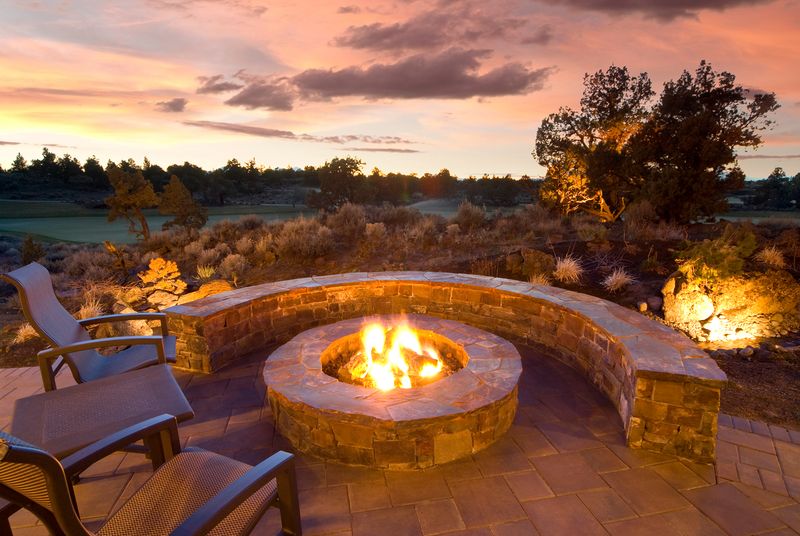
Crackling logs and toasted marshmallows make summer nights magical, but your fire pit probably has a rulebook attached. Most towns regulate recreational fires closely, especially the size of the pit and its distance from structures.
Detroit limits recreational fire pits to a maximum of three feet across, which keeps flames manageable and cozy. Commercial pits with spark screens usually meet requirements, while homemade holes in the lawn may need a permit.
Distance rules vary widely, and Garden City requires fire pits to sit fifty feet from structures or lot lines. That figure surprises many folks with small lots, since it can rule out open fires on narrow suburban parcels.
Burning trash, treated lumber, or piles of yard waste is typically prohibited, even in a properly built pit. Treated wood releases harmful chemicals into the smoke, so stick with clean, dry firewood from local sources.
Buying local firewood also matters for trees, because hauling logs from far away can spread pests like emerald ash borer. Stopping the spread of tree pests protects the shade trees that make our backyards pleasant in July.
Adults must stay with the fire, and a hose, extinguisher, or bucket of water should sit close by. Many codes also ban smoke that drifts into neighbors’ windows, so check the wind before lighting anything up.
I like propane fire tables for tight spaces, since they produce little smoke and turn off instantly. Some cities treat gas units differently than wood fires, so ask your fire department which rules apply to yours.
6. Open Compost Piles Must Stay Contained And Tidy
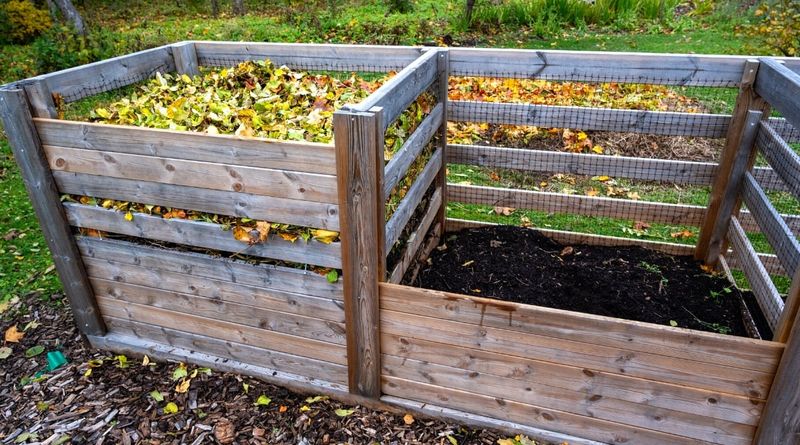
Kitchen scraps turn into crumbly black gold in a good compost pile, but raccoons and rats love that buffet too. Because of odors and pests, some cities now require compost to stay inside enclosed bins rather than open heaps.
Royal Oak asks residents to use enclosed bins and suggests avoiding wooden structures, which can attract rodents over time. The city also advises leaving certain food scraps out, such as meat and dairy that draw unwanted visitors.
Battle Creek sets clear distance rules, keeping compost at least five feet from all adjoining property lines. Piles need twenty feet from the nearest home, and each compost area must stay under sixteen square feet.
Those rules might feel fussy, yet a well-managed pile rarely smells bad or causes trouble for anyone nearby. Odors usually mean too many wet greens, so balance kitchen scraps with plenty of dry leaves or shredded paper.
I save bags of autumn leaves, then toss a handful into the bin after each bucket of scraps. Turning the pile every week or two adds air, which speeds up breakdown and keeps nasty smells under control.
Rodent-resistant bins with lids and fine mesh bottoms are worth the investment if your neighborhood has curious critters. Tumblers also work well on small lots, since they stay off the ground and look tidy from the street.
Larger composting operations fall under state rules, while backyard piles are mostly governed by local municipal codes. Look up your city ordinance before building, and you can enjoy rich garden soil without a single neighbor complaint.
7. Backyard Sheds Often Need A Zoning Permit
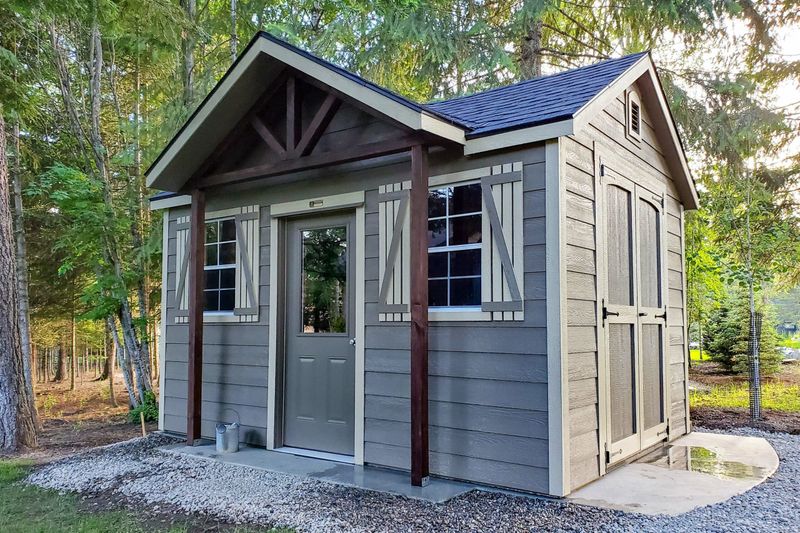
A cute garden shed with flower boxes feels like a weekend project, until you learn about zoning permits. The state residential code exempts many one-story detached sheds under two hundred square feet from building permits.
That exemption does not cover zoning, though, and many cities still want a zoning compliance permit for small sheds. Think of it as two gates, with the building code at one and the local zoning office at the other.
Grand Rapids requires an accessory structure permit, sending smaller sheds through planning and larger ones through building permits. Southfield also requires a residential zoning permit for sheds of two hundred square feet or less.
Anything larger than two hundred square feet typically needs a full building permit, plus inspections along the way. Gazebos and pergolas may fall under the same accessory structure rules, so check before ordering a kit.
Permit applications usually ask for a site plan showing the shed size and its distance from property lines. Some offices also want foundation details, especially for sheds resting on concrete slabs instead of simple gravel pads.
I learned to place my potting shed where it catches morning sun but stays out of the soggy low spot. Good drainage keeps the floor dry, and your seed packets and bagged soil will thank you every single spring.
Many towns also restrict sheds to rear yards and limit their height, so a tall barn style may need approval. A quick phone call to the zoning desk costs nothing and can prevent a costly order to move it.
8. Rain Gardens Need Careful Spacing From Foundations
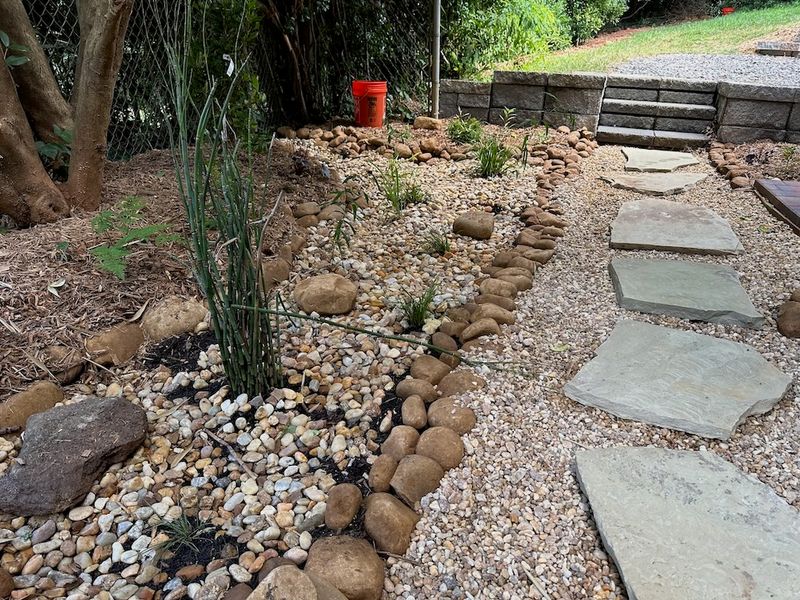
Rain gardens soak up stormwater like a sponge, and butterflies flock to the blooms all summer long. Rain gardens are not banned anywhere I know of, but their location comes with important guidelines that protect homes.
Michigan State University Extension suggests keeping rain gardens at least ten feet from buildings to protect basements. Ann Arbor recommends fifteen feet from foundations, which gives water even more room to soak in safely.
Avoid spots where water already sits for days, since constant ponding signals poor drainage rather than a good site. A simple test helps, so dig a hole, fill it with water, and watch how fast it drains.
Overflow matters too, because excess water should not spill onto sidewalks, steep slopes, or a neighbor’s yard. Directing overflow toward a lawn area or a second shallow basin keeps everyone happy after a heavy summer storm.
Some townships encourage native plantings in landscape buffers, and Watertown Charter Township requires mostly native species there.
That approach pairs nicely with rain gardens, which thrive with deep-rooted natives that handle both wet and dry spells.
Swamp milkweed and blue flag iris handle soggy soil beautifully, while monarchs visit the milkweed for nectar and egg laying. Both plants grow well in much of the Great Lakes region and return reliably each year from hardy roots.
Call 811 before digging, since rain gardens often sit near buried lines leading into the house. I also check with my city first, because a few communities offer rebates or free guidance for rain garden projects.
9. Front Yard Vegetable Gardens Spark Permit Debates
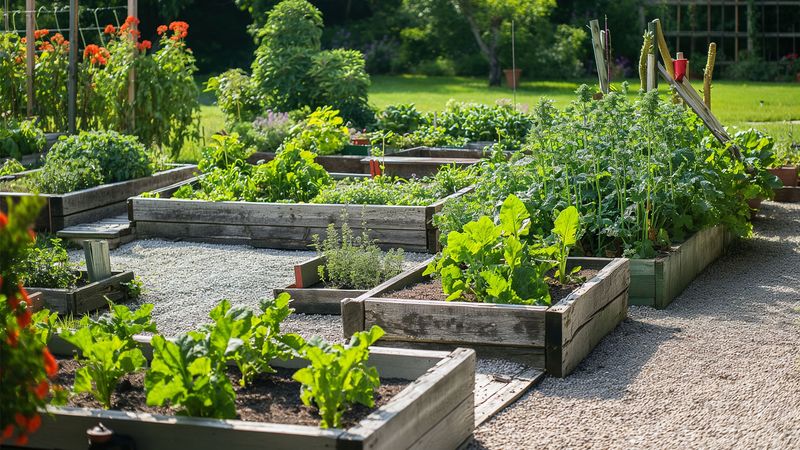
Tomatoes ripening beside the front walk may delight you, but some neighbors still expect a tidy carpet of grass. Front yard vegetable gardens have sparked debates in several cities, and the rules keep changing as attitudes shift.
Berkley and Huntington Woods allow front yard vegetable gardens, though they expect beds to stay neat and weed free. Well-kept beds tend to win over doubters, especially when you share a few extra zucchini with the block.
Redford Township approved rules allowing front yard vegetable gardens, though residents need a permit before planting begins. That approach gives the township a way to address complaints while still welcoming homegrown food in neighborhoods.
Detroit’s weed ordinance exempts flowers and gardens that are maintained and cultivated, even when plants grow tall. In practice, a cared-for vegetable bed usually reads as a garden, while an abandoned patch looks like neglect.
Some towns require a portion of the front yard to stay lawn, or limit plant height near driveways. Tall corn near a corner can block drivers’ views, so keep sightlines open where cars and kids cross paths.
I like edging front beds with low herbs like thyme and parsley, which look polished even in late summer. Raised beds with clean borders also signal intention, and that visual cue matters a lot to code officers.
Before tearing out sod, check your local zoning code and any homeowners association rules about edible landscaping. A quick email to the city clerk can save you from replanting grass in the middle of tomato season.
10. Native Pollinator Meadows Need Clear Borders And Care
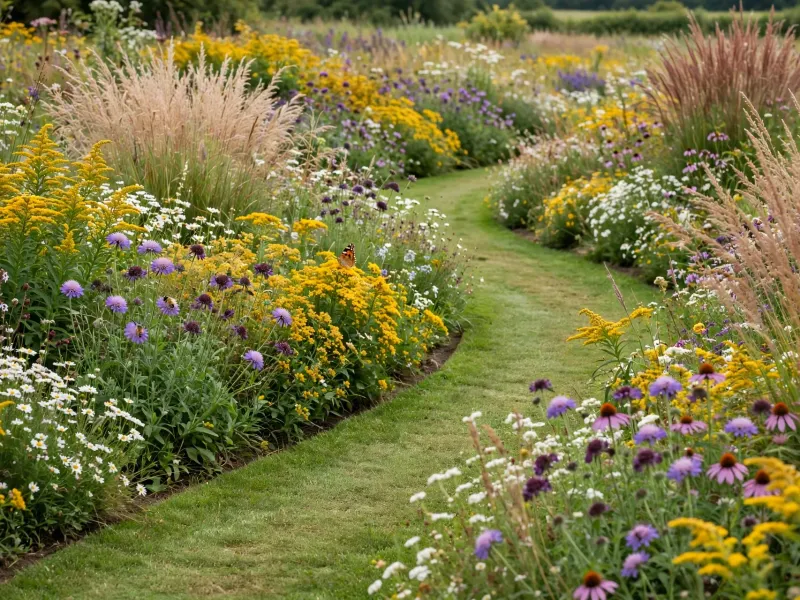
Buzzing bumblebees and swaying wildflowers make a native meadow feel alive, yet some code officers see only tall weeds. Height limits written for lawns have caused headaches for gardeners trying to grow prairie plants in their front yards.
East Lansing updated its ordinances to exempt native gardens and native lawn areas from traditional grass height limits. Plantings must be intentional, clearly bordered, made of species native to southern Lower Michigan, and actively maintained.
That change gives residents a clear path to grow pollinator habitat without worrying about a surprise violation notice. Other towns are reviewing blight rules too, though many still enforce height limits on unmanaged growth.
Borders make a huge difference, so edge your meadow with stone, a mowed strip, or a short decorative fence. Visual cues tell neighbors the planting is on purpose, which often prevents complaints before they ever start.
Wild bergamot and little bluestem suit sunny Lower Peninsula yards and handle dry spells once their roots settle in. Michigan State University Extension and the DNR offer native plant lists suited to different regions and soil types.
Buy plants from reputable nurseries, since the state restricts collecting or selling endangered and threatened native plants. Digging wild plants from roadsides or parks can harm local populations, so leave those treasures where they grow.
Trim stems in spring rather than fall, because many native bees overwinter inside hollow plant stalks. Your meadow will look tidy by June, and the birds will enjoy seed heads through the cold months.