The Tree-Limb Mistake Texas Homeowners Regret After High Winds Blow Through
A tree can look neat and tidy in March and drop a heavy limb on your roof by May. Nobody warned me that the trim I paid for could be the reason.
Arborists see the same pattern after big storms. The trees that hold up best are often the ones people left alone, while the freshly cut ones shed branches like confetti.
Texas throws a lot at our yards, from spring squall lines to Gulf hurricanes and sudden downbursts. I used to blame the wind for every snapped branch, until I learned how much of the weakness starts with a saw.
The most interesting part? The fix costs less than the mistake, and it starts with how you look at your trees. So which cut is quietly setting your shade tree up to fail the next time the sky turns green?
That Fresh Tree Haircut Might Be the Real Problem
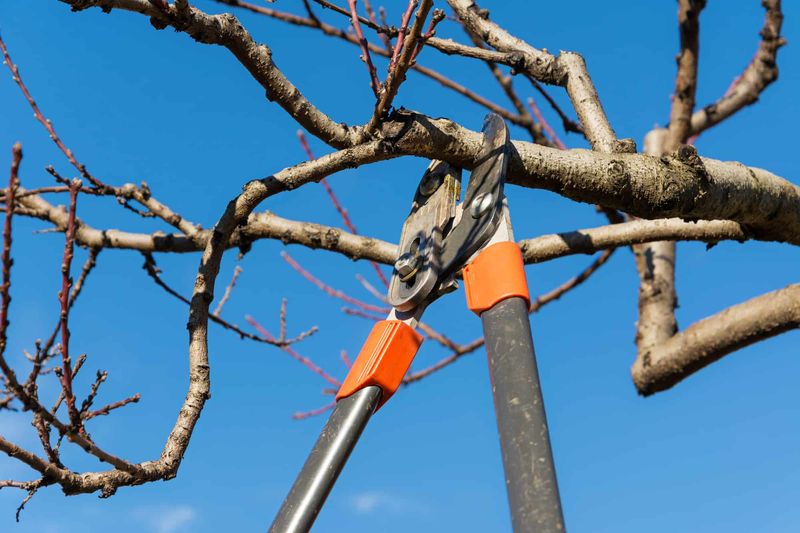
Cutting the top off a big tree feels like a smart safety move. Many folks call it a haircut and assume a shorter tree means less risk when storms roll in.
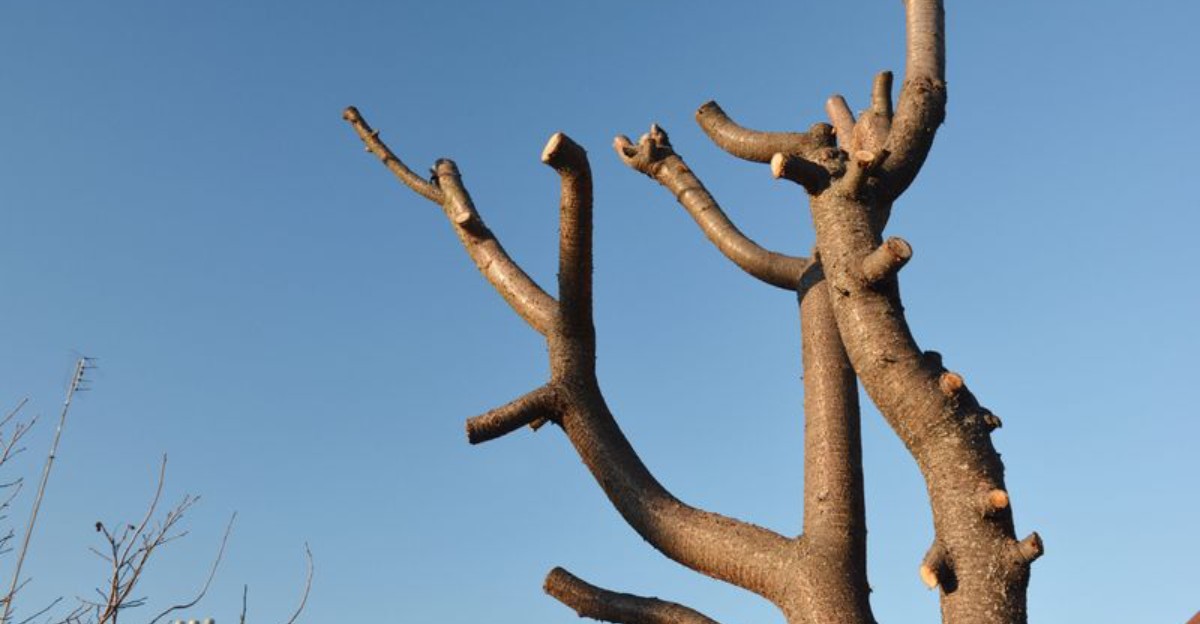
Arborists call it topping, and they warn against it for good reason. Topping removes the main trunk or large limbs and leaves blunt stubs behind.
Texas A&M Forest Service and the International Society of Arboriculture both list it as one of the most harmful pruning habits around.
Trees respond to that shock fast. They push out dozens of thin, quick-growing shoots near each cut, often called water sprouts. Those shoots grow from the outer layers of wood, so they are only loosely anchored to the limb.
Within a few years, the tree can be just as tall as before. Now it carries a crowded tangle of weak branches instead of a few strong ones. Add a 60 mph gust, and those sprouts often snap off in bunches.
Big stubs also tend to rot. Decay creeps inward, hollowing the very limbs that hold up all that new growth. A topped tree can look fuller than ever while getting weaker inside each season.
Topped Limbs Grow Back Weaker and Heavier
Here comes the part that surprised me most. A topped tree does not stay small, and it does not stay cheap to manage.
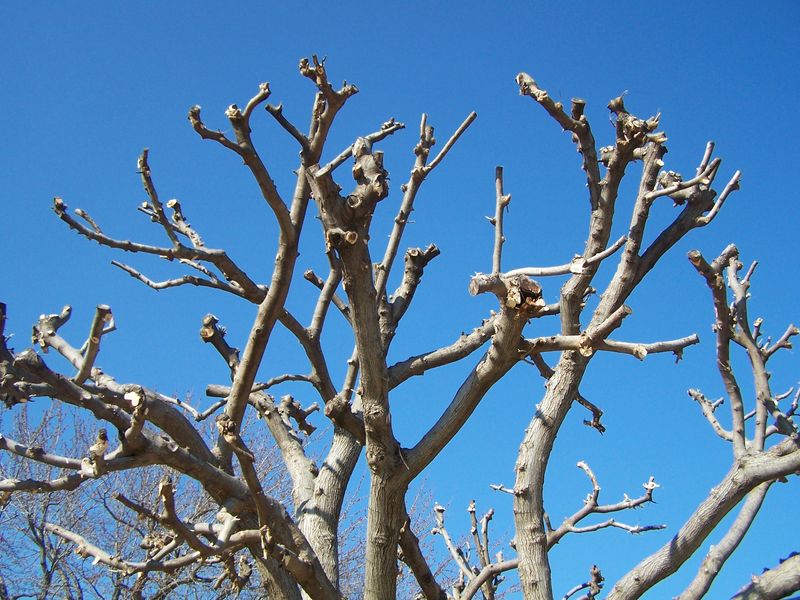
Those fast sprouts can grow several feet in a single season. Since they crowd together at the cut, they catch wind like a sail.
The weight sits right on a wounded stub that may already be decaying, which is a rough combination when a storm hits.
Homeowners usually end up calling the crew back every few years. Each round of topping repeats the cycle, so costs climb while the tree grows weaker. Many arborists note that a topped tree may need repeat work for the rest of its life.
There are other hidden costs too. Removing that much leafy canopy at once starves the tree of the food it makes through photosynthesis.
Freshly exposed bark can also get sunscald in our intense summer heat, which cracks the bark and invites borers.
So the takeaway is simple. If a company offers to top your tree, politely say no. Ask for crown reduction instead, which shortens limbs back to a healthy side branch and keeps the tree’s natural shape and strength in place.
Bare Inner Branches Turn Lion Tailing Into a Wind Lever
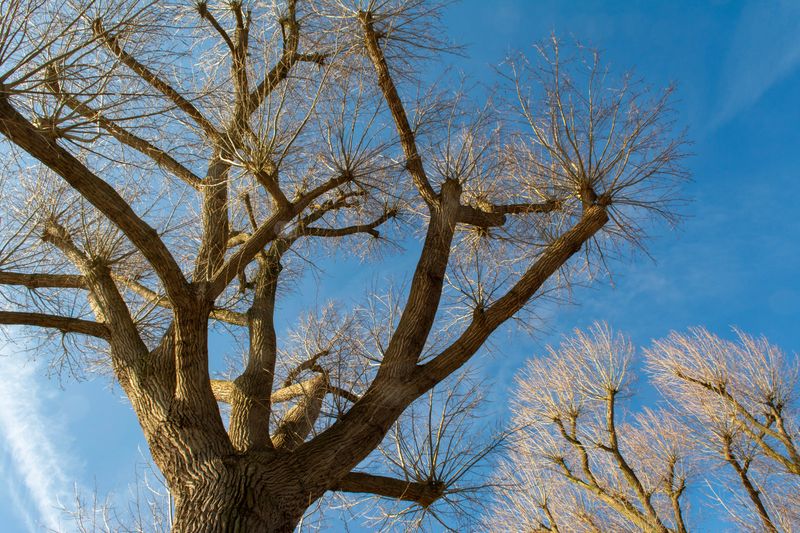
Picture-perfect pruning can backfire. Lion tailing gets its name from the look it leaves behind, with long bare limbs and a puff of leaves at the very end, like a lion’s tail.
Crews sometimes do this to open up a tree or make it look tidy. The trouble is physics. Stripping the inner branches pushes all the weight and wind resistance out to the tips, which turns each limb into a long lever.
When gusts push on that leafy tuft, the stress gathers near the trunk. Limbs that once flexed safely can crack where they attach.
Those inner branches also act like shock absorbers, damping sway, so removing them makes the whole limb whip harder.
Texas live oaks and pecans with long horizontal limbs are especially prone to this kind of failure.
I learned to look up at the inside of the canopy after any trim. If you can see straight down a branch to a tuft at the end, something went wrong.
A healthy limb should keep small branches spread along its length. Good arborists thin evenly through the crown rather than cleaning out the middle. Spread the leaves out, and you spread out the load.
Removing Too Much Canopy Leaves Your Shade Tree Stressed
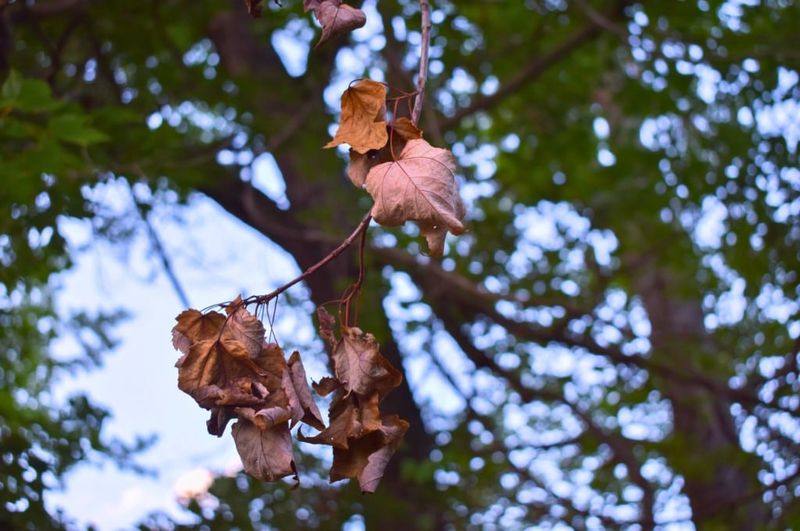
Enthusiasm with loppers is a real thing. I have been guilty of it, trimming one branch, then another, until the tree looked half bald.
Arborists generally suggest removing no more than about 25 percent of a young tree’s live canopy in one season.
For older, mature trees, many recommend far less, often 10 to 15 percent. Leaves are the tree’s kitchen, so every branch you take is food it no longer makes.
An over-pruned tree has to burn stored energy to replace what it lost. That drain can slow root growth, which matters a lot in wind. Roots are the anchor, and a hungry tree does not build strong ones.
Heavy cuts also expose bark to harsh sun and invite pests looking for stressed trees. In drought years, which Texas knows well, the strain stacks up quickly.
A better plan is to spread work over a few years. Remove broken or crossing branches first, then reassess.
If a tree truly needs major work, a certified arborist can phase the job so the tree stays healthy while it gets safer. Patience pays off far more than one dramatic afternoon of cutting.
Cutting Just Outside the Branch Collar Helps Wounds Seal
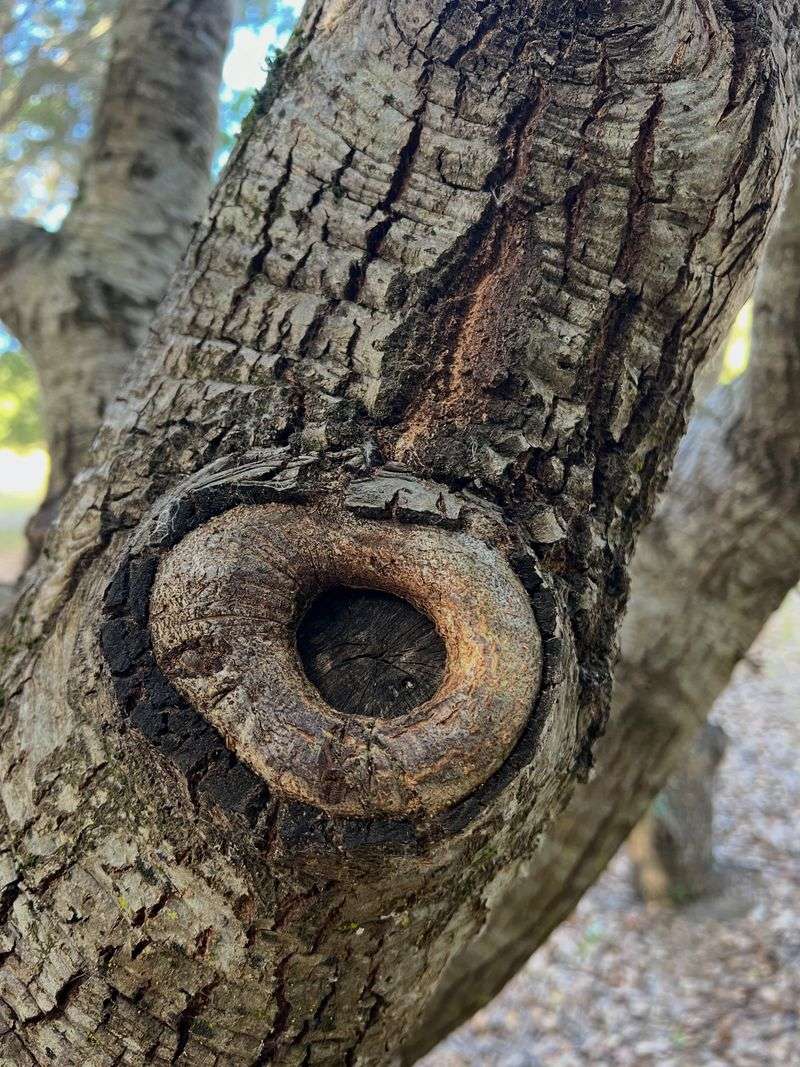
A few inches can make a big difference. Where you place the saw decides whether a tree seals its wound or struggles with it for years.
Every branch has a collar, a slightly swollen ring where it joins the trunk or a bigger limb. That collar holds special tissue that helps the tree wall off damage.
Scientists call this compartmentalization, and Alex Shigo’s research made it a cornerstone of modern pruning.
Flush cuts slice right through the collar, leaving a larger wound the tree has trouble closing. Long stubs go the other way, leaving a dead end that rots before the tree can cover it. Either mistake opens a door for decay fungi and insects.
For heavier limbs, use the three-cut method. Make a small undercut a foot or so out, then cut from the top a little farther out so the weight drops cleanly. Finish by removing the short stub just outside the collar.
That approach prevents bark from tearing down the trunk, which is a common sight after rushed storm cleanup. Clean, sharp tools matter too. A smooth cut helps the tree form a tidy ring of new wood around the wound.
Oak Trees Need a Different Pruning Calendar in Texas
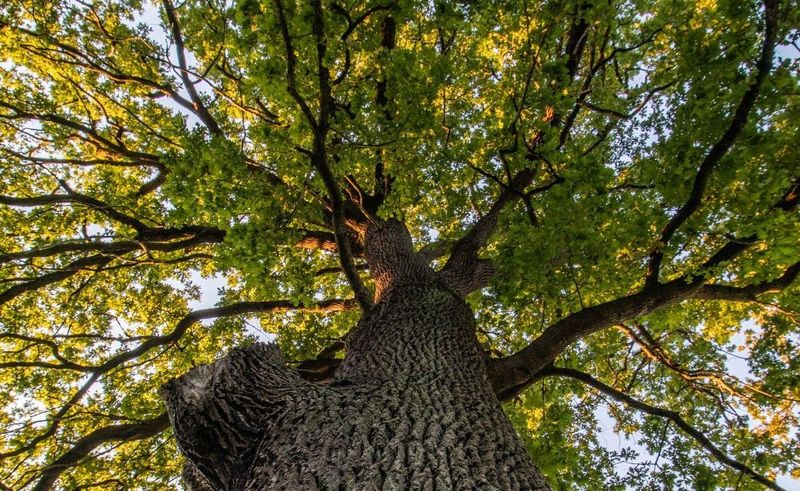
Timing matters more than most people realize, especially if you have oaks. Oak wilt has affected trees across much of Central Texas, and live oaks and red oaks are especially vulnerable.
The Texas A&M Forest Service recommends avoiding oak pruning from February through June. That is when sap-feeding nitidulid beetles are most active. They carry oak wilt spores from infected red oaks and can find a fresh wound fast.
The safest windows are the coldest part of winter and the hottest stretch of midsummer. If a storm snaps an oak limb during the risky season, cleanup cannot wait.
Make the cut clean, then paint every wound and broken surface right away with a latex or pruning paint.
Painting oak wounds is one of the few times experts recommend wound dressing at all. For most other trees, sealants are not needed and may even hold in moisture.
Tools deserve care too. Clean blades between trees, especially if you work on several oaks in one day.
Firewood from infected red oaks can spread the disease, so avoid hauling unknown oak wood home. A little planning keeps one windy day from becoming a neighborhood problem.
Crown Thinning Lets Wind Slip Through Your Shade Tree
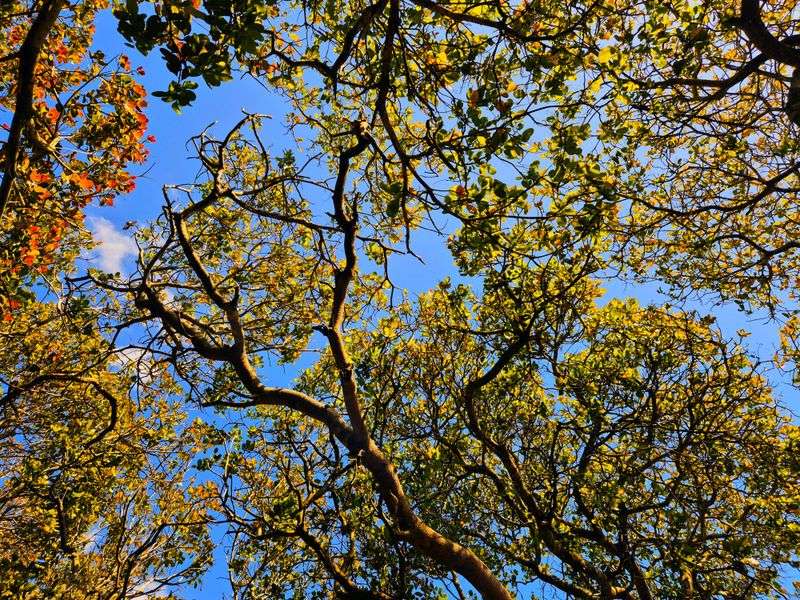
My favorite storm-ready trees look a little airy. Light filters through them in soft patches, and wind can do the same thing.
Crown thinning selectively removes some smaller interior branches throughout the canopy.
Done well, it opens gaps so gusts pass through instead of shoving the whole crown like a sail. The key is balance, taking a modest amount evenly rather than gutting the middle.
Crown reduction is the right tool for limbs that stretch too far. An arborist shortens a long branch back to a side branch that is at least about one-third its diameter. The tree keeps its form, and the limb loses leverage.
Deadwood removal belongs on every list too. Dry, brittle branches tend to fall first and can bring living limbs down with them. Also keep an eye out for cracks, fungal growth, or limbs hanging over the roof.
Hiring help is often the smartest move for big trees. Look for an ISA Certified Arborist with insurance, and ask how they plan to prune.
Anyone who mentions topping or stripping the inside should get a polite thank you and a closed door.
Strong Roots and Young Tree Training Pay Off for Years
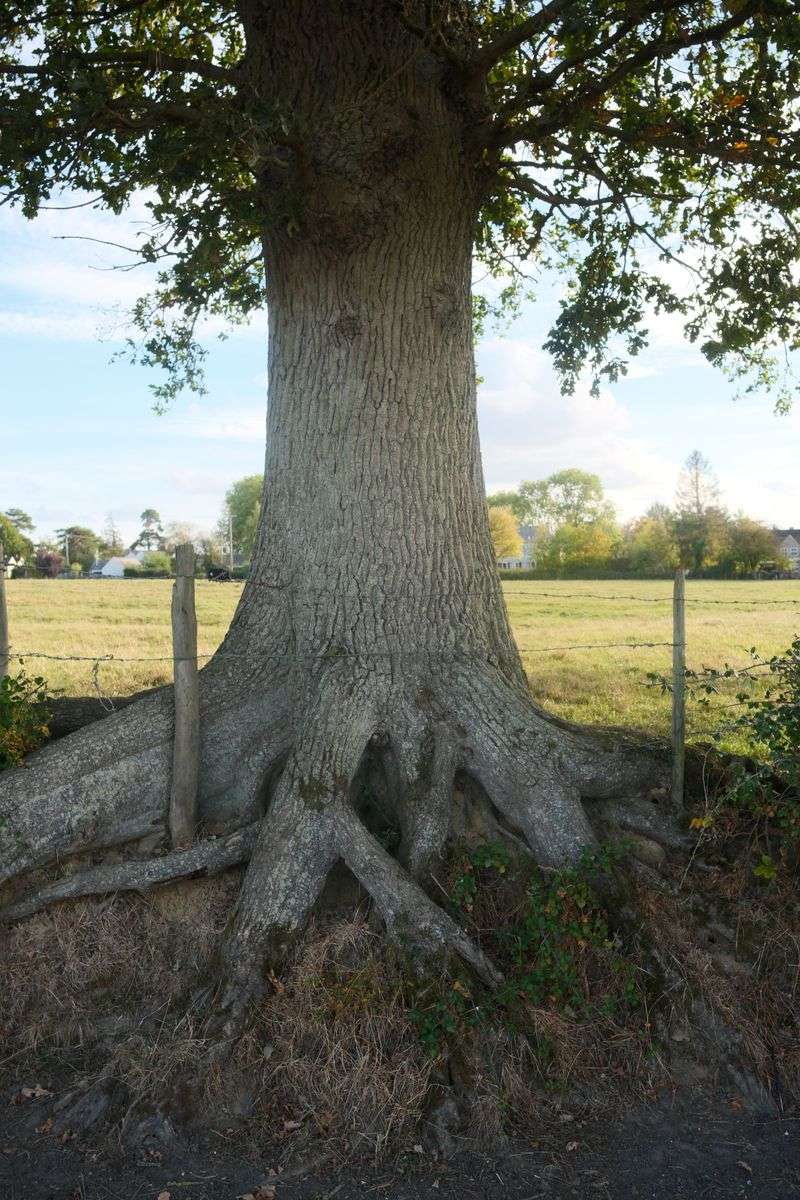
Sturdy trees are built long before the storm forecast shows up. Much of that strength comes from roots and early structure.
Watering deeply during dry spells keeps roots growing wide and healthy. A ring of mulch two to four inches deep helps hold moisture and cool the soil. Keep it pulled back from the trunk so bark stays dry.
Go easy on nitrogen fertilizer. Too much pushes soft, fast growth that bends and breaks easily. Protect the root zone too, since trenching, driveway work, or parking trucks under a tree can weaken its grip on the ground.
Young trees are where you can make the biggest difference. Train them toward one main trunk instead of two competing stems, which often split later. Remove narrow, tight branch angles early, while cuts are still small.
For valuable older trees with weak forks, an arborist may suggest cabling or bracing. It does not fix every problem, but it can add support.
Schedule a quick checkup after major storms as well. Small fixes today can save your fence, your roof, and a tree you love for decades to come.