8 Plants That Look Beyond Saving After A Georgia Frost But Aren’t
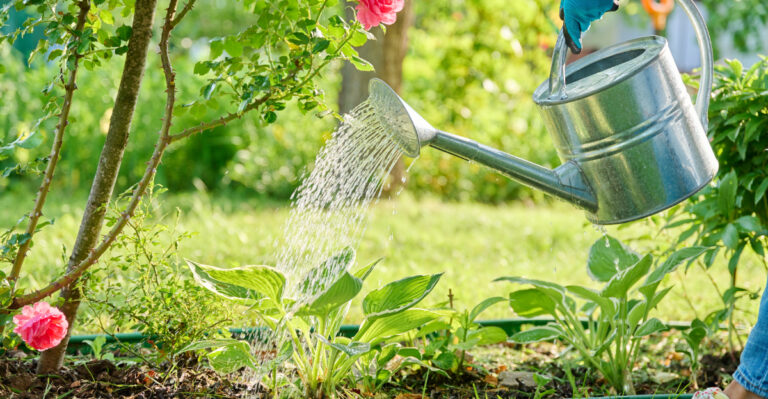
Frost pulls water out of plant cells as ice forms, and soft leaves often collapse into brown mush by morning.
Underground, many perennials keep stored food safely tucked in thick roots that winter air rarely reaches at all.
Georgia winters swing wildly, so a balmy afternoon can turn into a hard freeze before your coffee cools. Gardeners in the mountains and along the coast both wake up to slumped stems and crispy leaves.
I have to admit that I once yanked out a sad-looking clump that would have returned in spring. You might notice the same urge to tidy up, but patience usually pays off in the garden.
A few of the toughest comebacks in your yard come from plants that look the most hopeless right now.
Some of those brown, droopy patches might surprise you with fresh growth if you give them another chance before reaching for the shovel.
1. Hardy Hibiscus
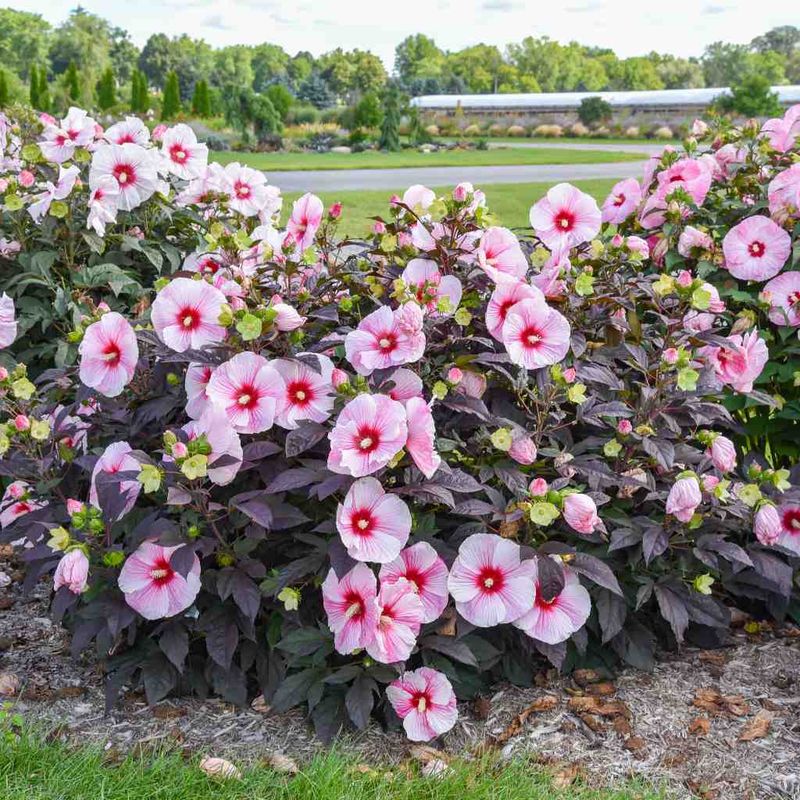
Flowers the size of dinner plates come from a plant that spends winter looking like a pile of brown sticks.
Hardy hibiscus, or Hibiscus moscheutos, drops its leaves after frost and leaves bare stems standing in the bed.
I love how this native wildflower shrugs off cold that would flatten its tropical cousins on the patio. It is hardy in USDA Zones 4 through 9, so every corner of the state is fair game.
Those bare stems are finished for the year, but the crown and roots below stay alive and well. You can cut the old stalks down to about four to six inches once they turn brittle.
Spring is where patience gets tested, because hardy hibiscus is famously slow to wake up. New shoots often stay hidden until late April or even May, long after other perennials are leafing out.
Personally, I mark the spot with a sturdy stake so nobody plants something on top of it. A painted rock or plant label works just as well and keeps eager hands from digging there.
Once growth starts, the stems race upward and can reach four to seven feet by midsummer. Give the plant full sun and steady moisture, since it naturally grows along marshes and wet ditches.
Hummingbirds and big bumblebees visit the giant blooms, which last about a day but keep coming for weeks.
Ugly winter stalks feel like a small price to pay for that kind of summer show.
2. Japanese Fiber Banana
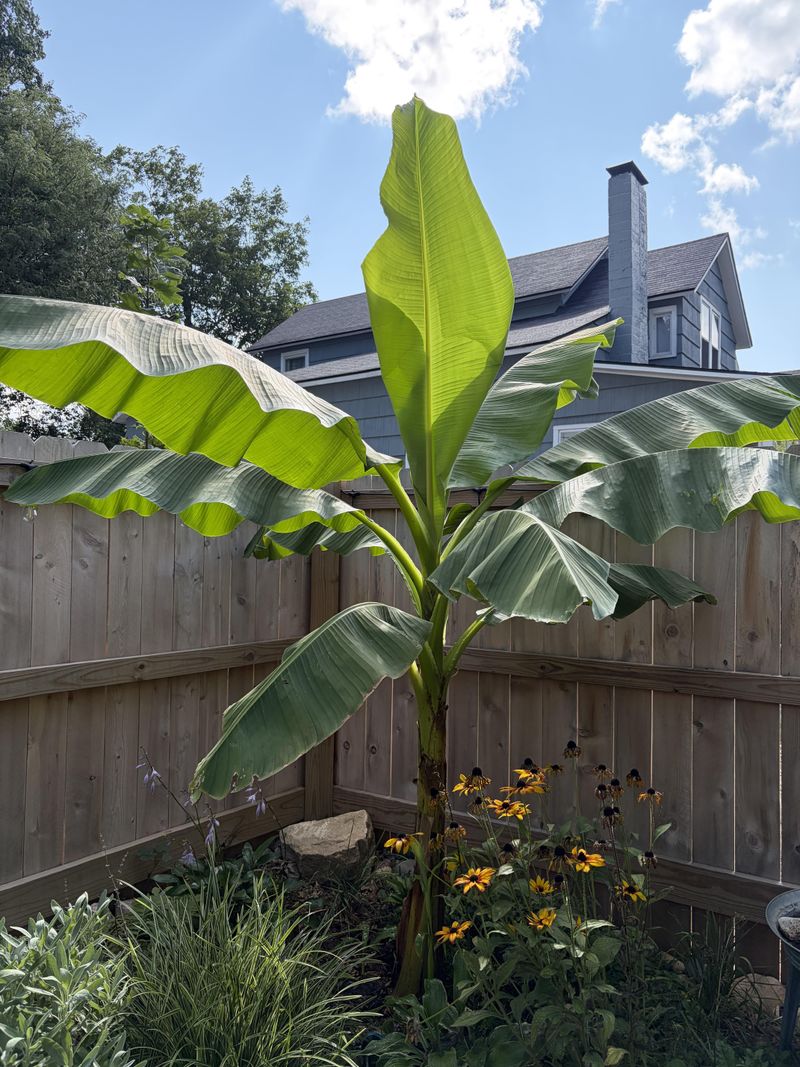
Few sights in a winter garden look sadder than a banana plant draped in limp, brown leaves after one cold night. Those huge paddles turn to slimy curtains so fast that the change feels almost theatrical.
Japanese fiber banana, Musa basjoo, is the cold-hardiest banana you can grow, and it takes this collapse in stride.
Its underground rhizome survives winters in USDA Zone 6 and warmer with a good mulch blanket.
You need to remove the mushy leaves and cut the trunk-like stem down to a foot or two. Pile on shredded leaves or pine straw several inches deep to keep that rhizome snug until spring.
Some gardeners in warmer coastal areas find the stem pulls through with only leaf damage after mild winters. Others in the north Georgia mountains see it melt to the ground but return reliably from the base.
What surprises me most is how fast it rebounds once nights warm up in spring. A plant cut low in winter can tower ten feet or more by late summer if you feed it well.
Rich soil, plenty of water and a sunny spot sheltered from wind keep those big leaves from shredding.
Regular fertilizer during the growing season helps, because this plant is a famously hungry grower.
Do not expect tasty bananas, since the small fruits are seedy and not worth eating at all. The real reward is a jungle feel in your yard that keeps neighbors asking how you pulled it off.
3. Canna Lily
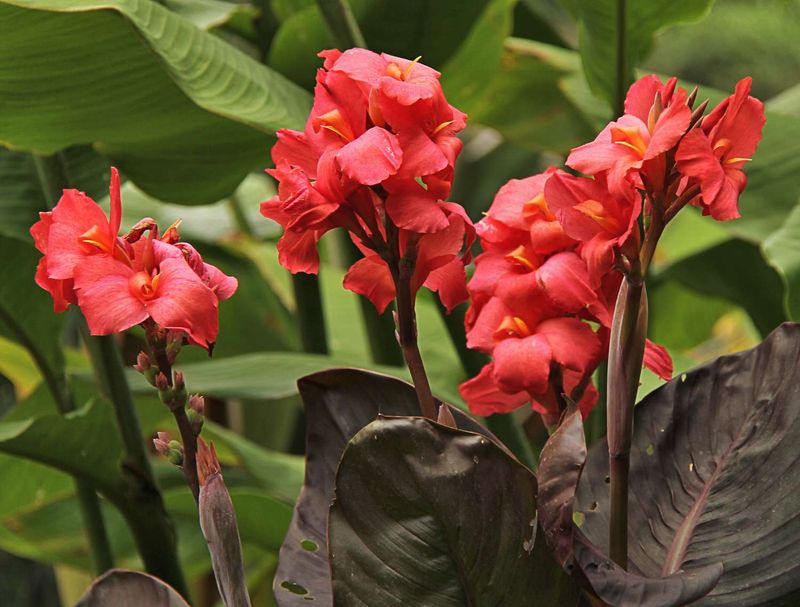
Bold canna leaves turn from glossy green to slimy brown practically overnight once frost settles on the garden. Honestly, the first time I saw it, I figured my favorite summer bed was ruined for good.
Cannas grow from thick rhizomes that store food like a pantry tucked safely under the soil.
Across most of the state, those rhizomes stay in the ground and push up fresh shoots each spring.
Trim the collapsed foliage down to a few inches once it turns brown and soft. That simple cleanup removes hiding spots for canna leaf rollers, a caterpillar pest that overwinters in old leaves.
In colder mountain counties, a thick layer of mulch adds helpful insulation during the hardest freezes. Soggy, poorly drained ground is a bigger threat than cold, since rhizomes can rot in waterlogged clay.
Full sun and rich, moist soil give cannas the energy to bloom heavily from summer into fall. Hummingbirds zip between the bright red and orange flowers on hot afternoons, putting on quite a show.
Clumps spread quickly, so dig and divide them every few years in spring before new growth gets tall. Each piece with a healthy bud can start a brand new patch somewhere else in your yard.
Our native golden canna, Canna flaccida, grows wild in coastal wetlands and handles boggy spots beautifully.
I like mixing it in for a softer, more natural look beside showier hybrid varieties in the border.
4. Mexican Bush Sage
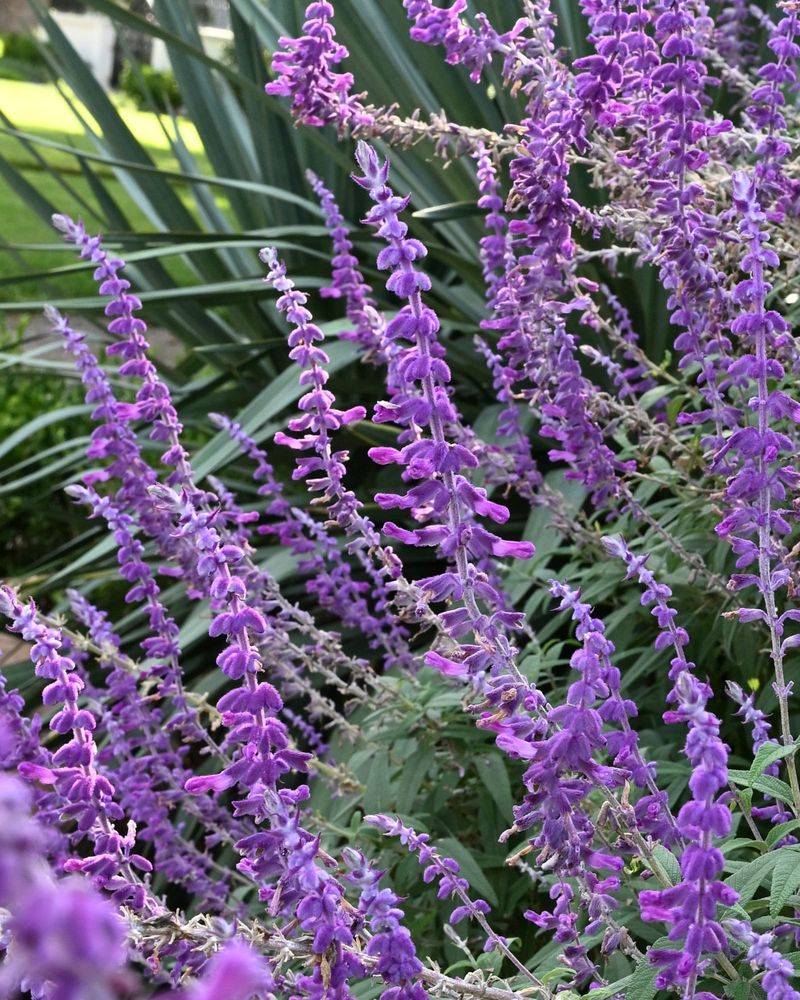
Fuzzy purple flower spikes look like velvet ribbons right up until the first hard frost turns them dark and droopy. Mexican bush sage, Salvia leucantha, can go from showstopper to scarecrow in a single chilly night.
Most sources list it as hardy in USDA Zones 8 through 10, with Zone 7 gardens needing extra care.
In middle and south Georgia, it usually regrows from the base once soil warms in spring.
I believe the biggest mistake is cutting it back too early in fall. Those old stems give the crown some protection, so wait until late winter or early spring before trimming them down.
Northern gardeners can add a few inches of mulch around the base after cleanup for extra insulation.
Good drainage matters even more than mulch, because soggy winter soil often does more harm than cold air.
Once new shoots appear, the plant grows into a soft, silvery mound about three to four feet tall. Pinching tips in early summer keeps it bushier and less likely to flop over when flowers open.
Blooms return in late summer and keep going through fall, just when many gardens start to look tired. Butterflies and hummingbirds love them, especially ruby-throated hummingbirds passing through on their way south.
Full sun and lean, well-drained soil suit this plant better than rich, heavily watered beds. Once settled, it handles dry spells with ease, which makes it a smart pick for low-maintenance borders.
5. Turk’s Cap
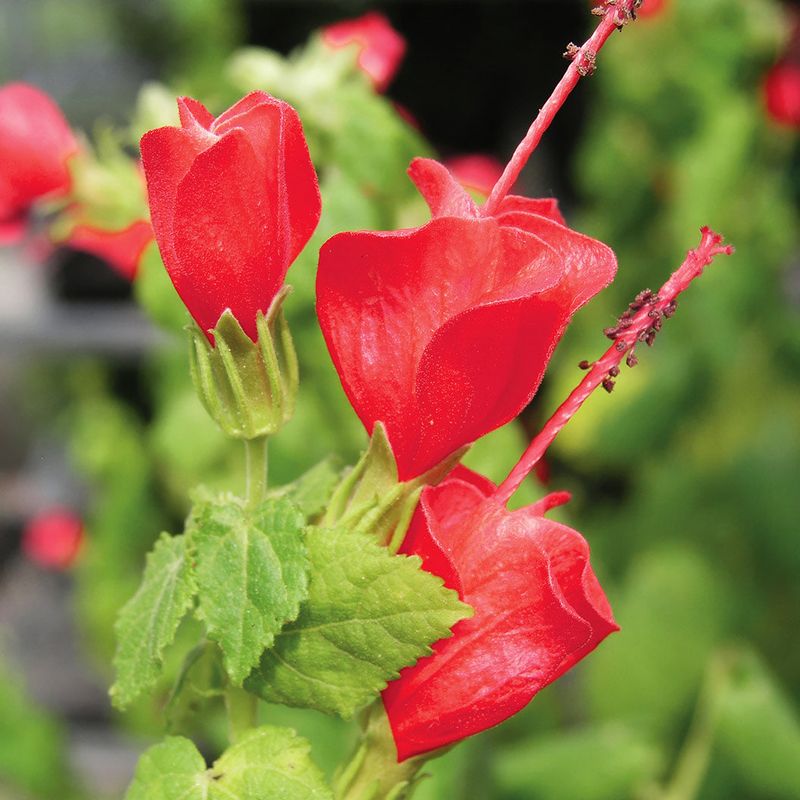
Red flowers that look like tiny twisted turbans hang from this shrub all summer, and they rarely open fully. Turk’s cap, Malvaviscus arboreus var. drummondii, earns its name from those swirled petals that stay tucked closed.
Frost hits its soft stems hard, leaving a tangle of drooping, blackened branches across the bed.
Above ground it looks finished, yet the roots below are just settling in for a winter nap.
Turk’s cap is usually listed for USDA Zones 7 or 8 through 10, depending on the source you check. Southern gardens see it bounce back quickly, while colder spots benefit from a thick mulch layer.
I can’t imagine a more forgiving plant for those tricky, partly shaded corners under tall pines. It handles sun or shade along with clay or sand, which explains why Southern gardeners trade cuttings so freely.
Cut the frosted stems close to the ground in late winter, before new growth shows up in spring. Fresh shoots grow fast and can form a rounded shrub three to five feet tall by summer.
Hummingbirds adore the nectar, and butterflies stop by too when the flowers peak in late summer and fall.
Small red fruits follow the blooms, and birds often snap them up before you notice they ripened.
It is native to parts of the Gulf Coast region, so local wildlife already knows how to use it. Spreading roots can form a patch over time, so give it room or dig out extra shoots each spring.
6. Daylily
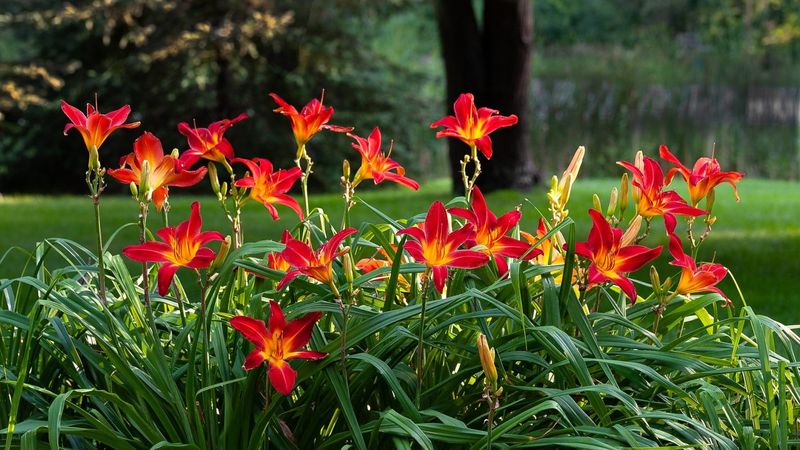
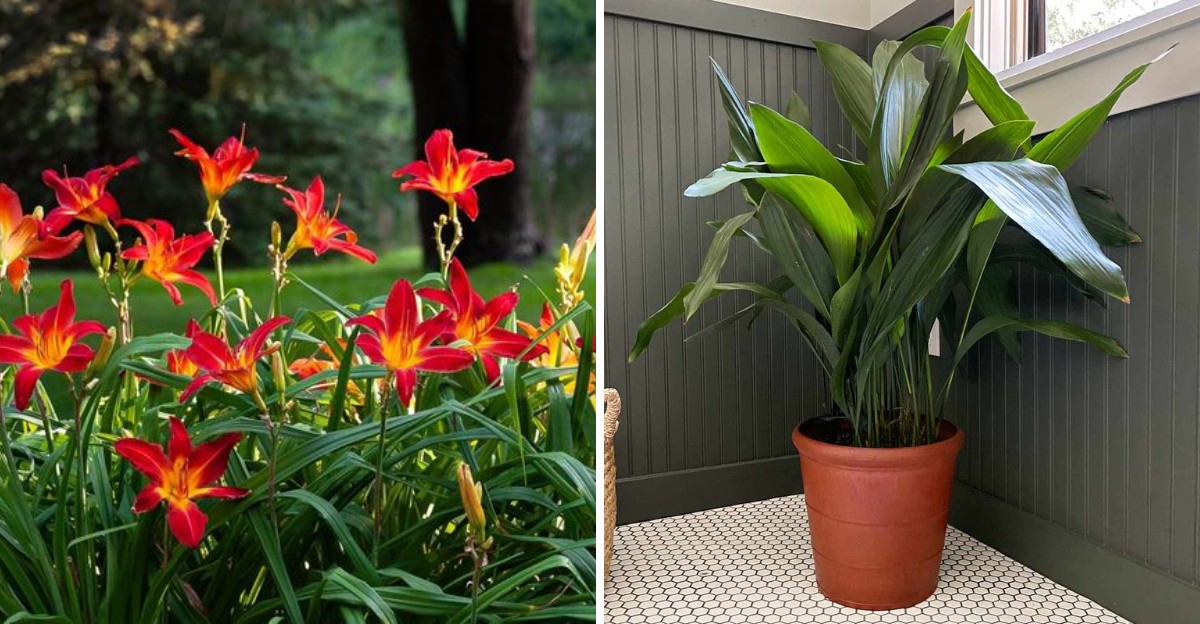
Mushy, flattened daylily foliage after a freeze looks like someone spilled a bowl of soggy spaghetti across your flower bed.
Evergreen and semi-evergreen types keep leaves into winter, so cold snaps can turn them brown and slimy.
Daylilies, members of the Hemerocallis genus, are hardy in USDA Zones 3 through 9, which covers the whole state easily. Their thick, fleshy roots hold plenty of stored energy, and that hidden supply powers a strong spring return.
Dormant varieties simply melt away each fall, leaving bare ground that can fool a new gardener into thinking they vanished. You’re in for a big surprise when bright green fans poke up again as days lengthen.
Clean up the soggy leaves in late winter by pulling or snipping them close to the crown. Removing that mess improves airflow and helps reduce spots where slugs and fungal problems like to hang around.
Daylilies bloom best with at least six hours of sun, though they tolerate light shade in hot regions. Each flower lasts a single day, yet a healthy clump opens new buds for weeks at a time.
Every three to five years, dig and divide crowded clumps when flowering starts to slow down.
Early spring or right after blooming works well, and the extra divisions make wonderful gifts for gardening friends.
One word of caution applies to the old orange ditch lily, which spreads aggressively into natural areas in some regions. Named hybrid cultivars offer more colors and behave much better in a tidy home garden.
7. Purple Coneflower
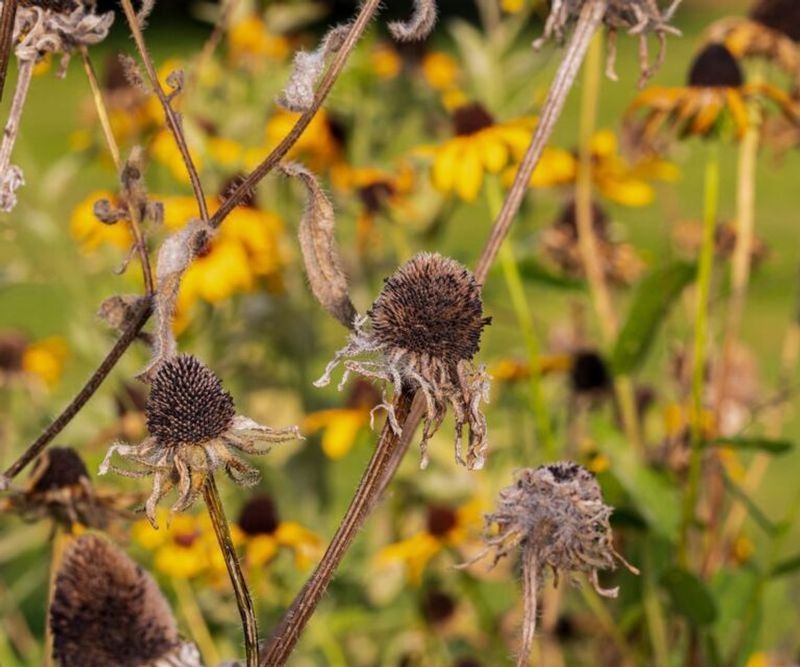
Goldfinches perched on blackened coneflower stalks might be the best argument for leaving a messy garden alone in winter. Those spiky, dark seed heads look sadly scruffy, yet hungry little birds treat them like a free buffet.
Purple coneflower, Echinacea purpurea, is a native perennial hardy in USDA Zones 3 through 9 across much of the country.
Frost turns its stems and leaves brown and brittle, but the roots stay snug and dormant underground.
Personally, I wait until late winter to cut the old stalks down to a few inches above the soil. Waiting lets birds finish the seeds and gives beneficial insects some shelter in the dried stems.
Look closely around the base in late winter, and you may spot a small rosette of fresh leaves. That tiny cluster is your first sign the plant is waking up and getting ready for another season.
Coneflowers prefer full sun and well-drained soil, and they handle summer heat and dry spells once established.
Heavy, waterlogged clay is their main weakness, so raised beds or amended soil help in soggy spots.
Pink-purple petals droop gracefully around a coppery central cone from early summer into fall. Bees and butterflies crowd the blooms on warm days, which makes the plant a pollinator favorite in sunny borders.
Self-sown seedlings often pop up nearby, giving you extra plants without spending a single dime. Move them in early spring while small, or share them with friends who want an easy, cheerful native.
8. Cast Iron Plant
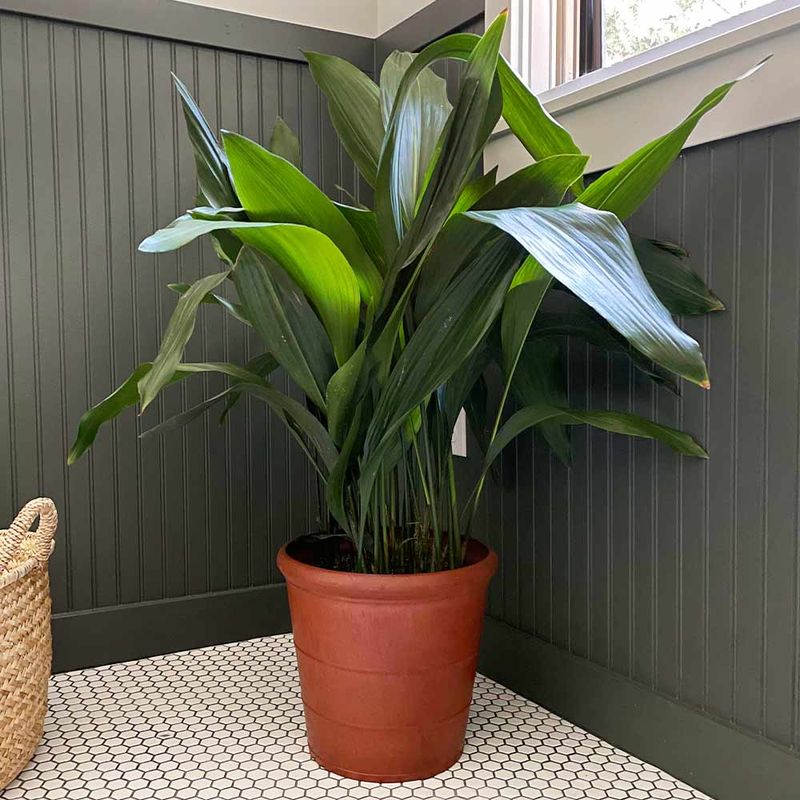
Nicknamed for its toughness, the cast iron plant shrugs off deep shade and dry soil with barely a complaint. So it feels downright shocking when a hard freeze leaves its leathery leaves streaked tan and flopped over.
Aspidistra elatior is hardy in USDA Zones 7 through 11, though temperatures in the single digits can scorch exposed foliage.
Its thick underground rhizomes rarely suffer, so the plant is far tougher than those battered leaves suggest.
You need to be patient here, because cast iron plant grows slowly and new leaves arrive gradually. Trim damaged leaves at the soil line in early spring so fresh shoots have plenty of room and light.
I like leaving the ugly foliage in place until winter ends, since it shields the crown from later cold snaps. Cutting too early can expose tender buds that are already forming just beneath the soil surface.
Plants tucked under evergreen trees or near the north side of a house usually suffer far less damage. Overhead cover traps a bit of ground warmth and keeps frost from settling directly on the leaves.
Shade is a must, since strong sun bleaches and burns the dark green foliage even in mild weather.
Moist, well-drained soil keeps clumps lush, though established plants tolerate dry spells under trees surprisingly well.
A quirky fact makes this plant even more charming, because its small purple flowers bloom right at ground level. They hide under the leaves, and many gardeners grow it for years without spotting a single blossom.