Frost on Your North Carolina Lawn This Weekend? Here’s Why You Should Stay Off It
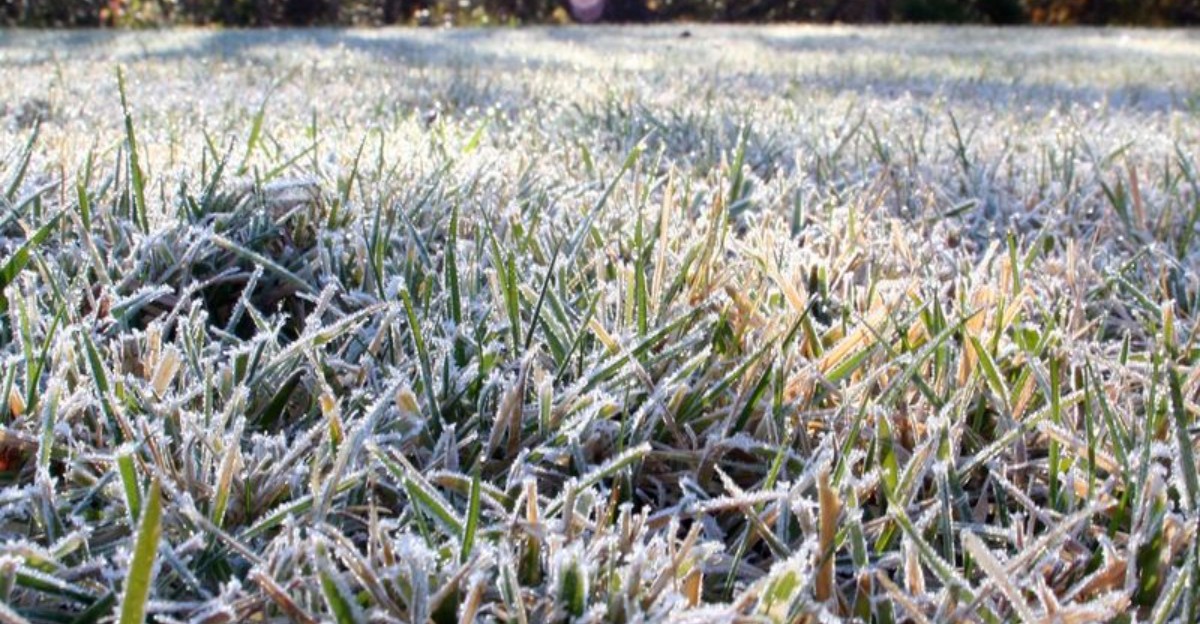
A single walk across a frosty lawn can leave a trail of brown footprints that lingers for weeks. The grass looks sturdy enough, yet each blade is stiff with ice on those crisp mornings.
I find that strange and a little sneaky. Frost forms on clear, calm nights when grass blades lose heat fast and dip below freezing, even when the air stays a bit warmer.
Here in North Carolina, lawns range from dormant Bermuda in the east to busy fescue in the Piedmont and mountains. Both types can show the same tattletale marks after a careless stroll to the mailbox.
The real question is what actually happens inside a frozen grass blade when your boot comes down. The answer sits at the level of tiny plant cells, and it might change how you plan your next chilly Saturday morning.
1. Those Icy Grass Blades Are Hiding a Fragile Secret

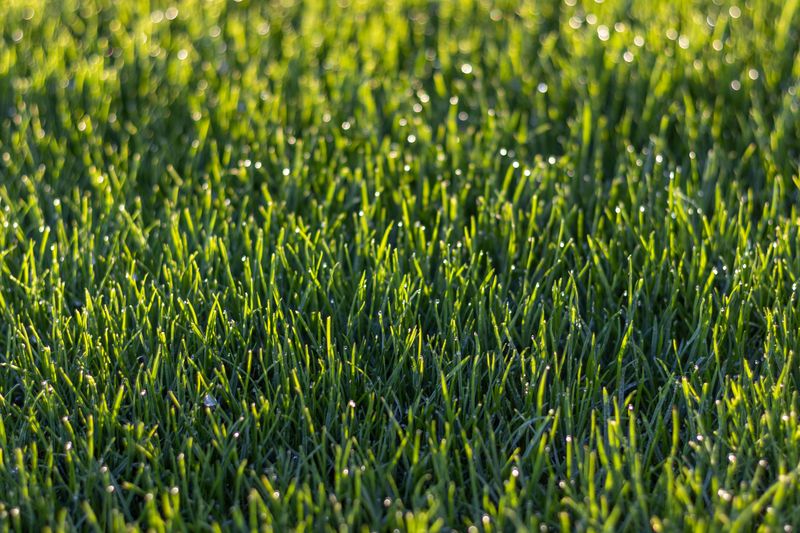
Frost turns your yard into something that looks like it belongs on a holiday card. I love that sparkle as much as anyone. Still, those glittering blades are far more delicate than they appear.
Frost shows up when grass surfaces cool below 32 degrees on clear, still nights. Heat escapes upward with no clouds to trap it, so blades can freeze even when the thermometer on your porch reads a few degrees warmer.
Low spots and open lawns away from trees often frost first. Inside each blade, water in and around the plant cells chills and can freeze.
That ice makes the tissue stiff and brittle, a bit like a frozen lettuce leaf straight from the back of the fridge. Bend a frosty blade and it snaps instead of flexing.
Healthy grass handles a light frost just fine on its own. Plants have natural ways to cope with cold, and most lawns shake off a frosty night once the sun warms things up. Trouble begins when something heavy presses down while that ice is still in place.
That something is usually us. A quick trip to the trash can, a game of fetch with the dog, or a shortcut to the car all count. What happens next is the part most folks never see coming, and it shows up a day or two later.
2. Every Footstep Crushes Frozen Grass Cells
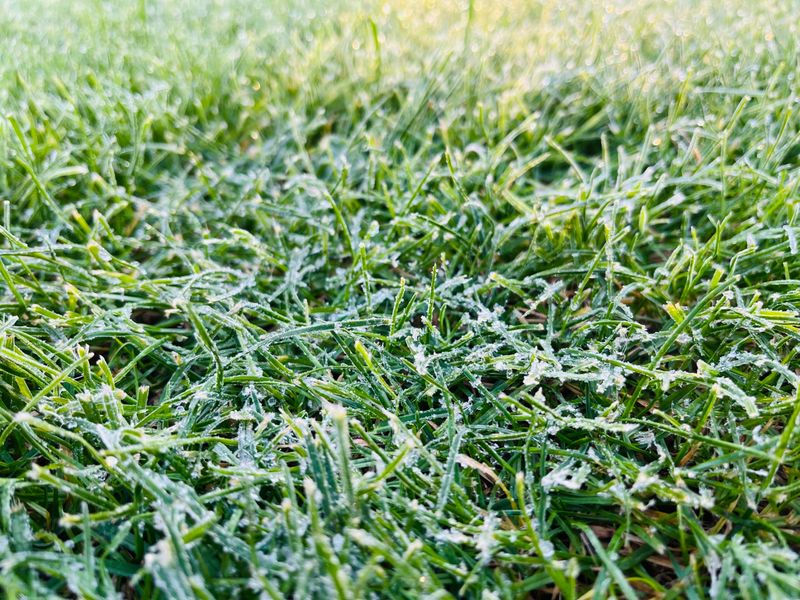
Step on a frozen lawn and you hear a soft crunch. That sound is the giveaway. Those stiff blades are cracking under your weight instead of bending back up. When frozen plant tissue gets crushed, cell walls and membranes rupture.
Turfgrass specialists, including those at university extension services, explain that this physical injury lets the cell contents leak out. Once the ice melts, the damaged tissue cannot recover the way flexible, thawed grass would.
You will not notice much right away. The frost hides everything, and the lawn may look normal for a few hours. Then, as temperatures climb, the crushed spots begin to darken and go limp.
Think of it like stepping on a frozen pea pod compared to a fresh one. The fresh pod squishes and springs back. The frozen one cracks, and once it thaws, it turns mushy and soft.
The fix here could not be simpler. Wait until the frost has melted and the blades feel soft again before you walk on them. On most sunny North Carolina mornings, that happens within an hour or two after sunrise.
Shady areas take longer, so keep an eye on the north side of your house and under evergreens. Frost can stick around there well past breakfast, even when the front yard looks fine.
3. Brown Footprint Trails Show Up a Day or Two Later
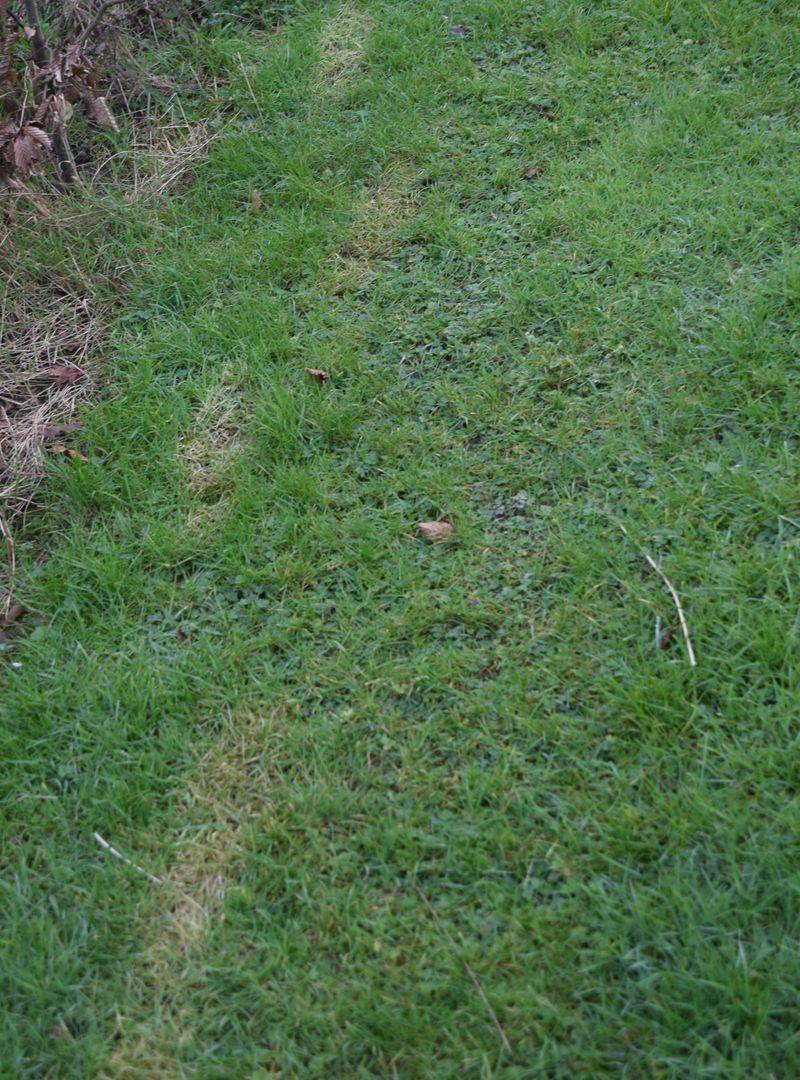
A friend once asked me why her lawn had a perfect brown path from the back door to the shed. She had no idea. Turns out she took that exact route every frosty morning to feed her chickens.
Frost-trampled grass usually shows its injury within a day or two. The marks look like dark, bronze, or straw-colored footprints, often with surprisingly crisp edges.
Sometimes you can even tell which way a person was walking. How long they hang around depends on your grass.
Cool-season lawns such as tall fescue keep growing slowly through much of the winter in the Piedmont and mountains. New leaves can fill in the marks over a few weeks, especially if the crowns at the base survived.
Warm-season grasses are a different story. Bermuda, zoysia, centipede, and St. Augustine go dormant and tan in cold weather across much of the state. Damage on those lawns may simply sit there until spring green-up brings fresh growth.
Mostly, the injury is cosmetic and limited to the leaf blades. Grass is tougher than it looks below the surface. Even so, nobody loves a lawn that looks like a map of every trip they took in January.
A short, polite reminder to family members can save you months of staring at those trails.
4. Hold Off on Mowing and Raking Until the Lawn Mower Can Roll on Soft Grass
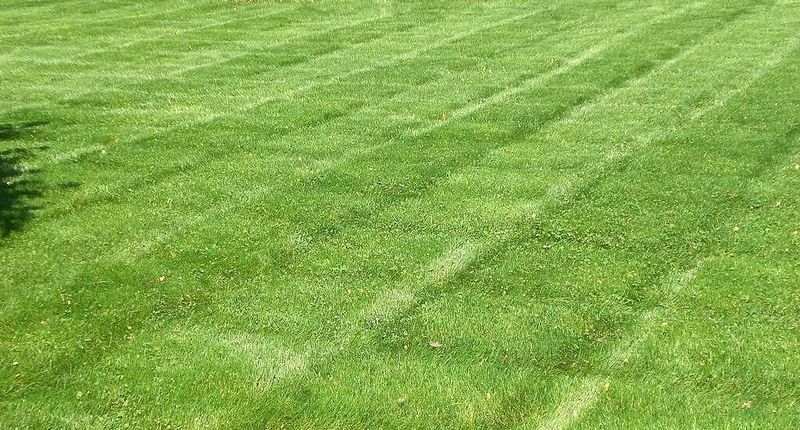
Feet are not the only troublemakers. Mowers, wheelbarrows, leaf blowers on wheels, and even rakes can do the same kind of harm. They just do it over a bigger area.
A mower carries far more weight than a person, and its wheels press down in long, steady strips.
Add spinning blades tearing into brittle, frozen tissue, and you can end up with wide stripes of browned turf. Raking hard on a frosty lawn can also rip and bruise stiff blades.
Fescue lawns in North Carolina may still need an occasional trim in late fall and early winter. Plan those chores for the afternoon. By then the frost is gone, the blades are flexible, and the grass is dry enough for a clean cut.
Leaf cleanup follows the same timing. Fallen leaves left in thick mats can smother grass, so you do want them gone. Just wait until the sun has done its job before you rake or roll anything across the yard.
Delivery drivers and kids on bikes are harder to control, of course. A friendly sign or a cone near a popular shortcut can help on frosty weekends. Small nudges like that go a long way toward keeping your grass looking tidy until spring.
5. Bruised Turf and Packed Soil Invite Weeds Come Spring
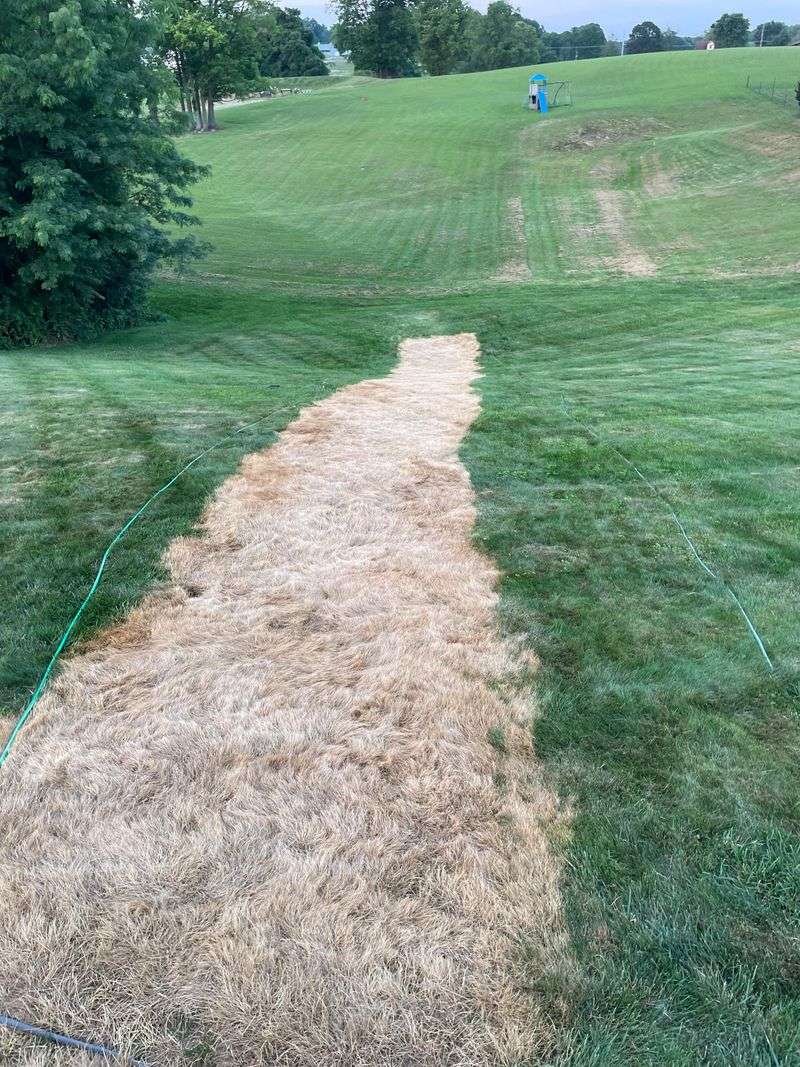
Most frost footprints fade with time. Repeated traffic is where things get trickier. Walk the same path every cold morning and that stretch of lawn takes a beating week after week.
Grass that keeps getting injured uses stored energy to replace lost leaves. Over a long winter, those weakened spots can thin out. Thin turf leaves gaps, and gaps are exactly what winter annual weeds like henbit, chickweed, and annual bluegrass love.
Wet winter soil adds another wrinkle. North Carolina clay compacts easily when it is soggy, and frequent footsteps squeeze out the air pockets roots need.
Compacted soil drains poorly and makes it harder for grass to bounce back once warm weather returns.
Thin, stressed turf can also struggle more with diseases that like cool, damp conditions. Healthy, dense grass resists those problems better on its own. So protecting it now pays off later.
If you already spot a worn path, mark it mentally for spring care. Core aeration during active growth helps loosen compacted soil. For fescue, early fall is the ideal time for aeration and overseeding.
For warm-season grasses, late spring into early summer works best. Patience now means fewer weeds to pull when the weather finally turns pleasant.
6. Stepping Stones and Paved Paths Make Frosty Mornings Easy
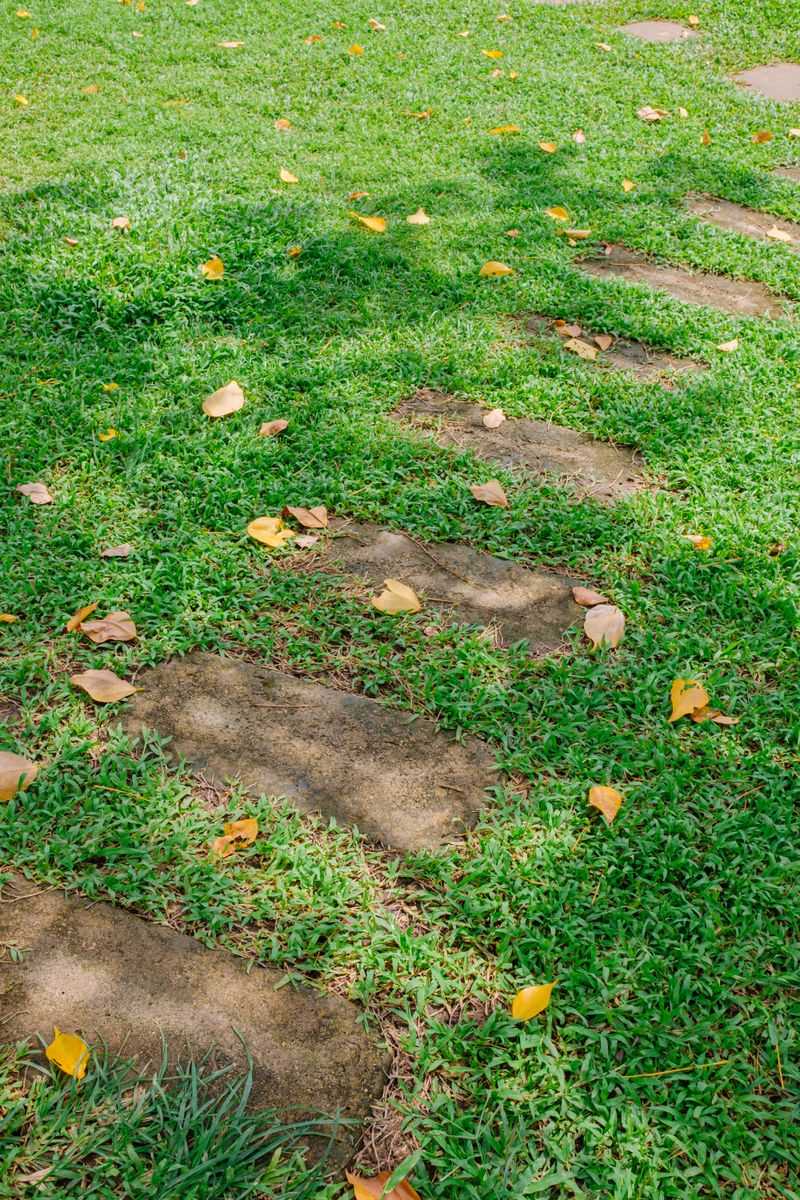
Some of us cannot skip the backyard on cold mornings. Dogs need to go out, chickens need breakfast, and the shed holds the bird seed. Luckily, you have easy options.
Stick to driveways, sidewalks, and patios whenever possible. If a route crosses grass, a row of stepping stones solves the problem for good. You can lay pavers right in the turf so mowers pass over them easily.
For a quick fix, a wide board or a couple of plywood strips can spread your weight over a larger area. It is not pretty, but it works for a single frosty weekend. Just pick them up once the lawn thaws so the grass underneath gets light.
Pets are trickier. Consider taking your dog out on a leash along one small section you do not mind sacrificing, or use a mulched corner of the yard. Spreading traffic around is also better than wearing one path bare.
Check your local forecast the night before. The National Weather Service issues frost advisories for many North Carolina counties during fall and spring.
Clear skies, light winds, and lows in the mid-30s are strong clues that you will wake up to a sparkling lawn. A little planning keeps everyone, including the grass, happy.
7. A Well-Fed Fescue or Dormant Bermuda Lawn Bounces Back Stronger
Frost is a normal part of fall, winter, and early spring in North Carolina. Your lawn has been dealing with it for a long time. The goal is simply to avoid piling extra stress on top.
Fescue lawns benefit most from good fall care. NC State Extension recommends fertilizing tall fescue mainly in fall, with the last feeding typically by late November. Keep mowing at around 3 to 3.5 inches when it needs a trim, which helps protect the crowns.
Warm-season lawns follow a different calendar. Bermuda, zoysia, and centipede should not get nitrogen while dormant, since that mostly feeds weeds. Save fertilizer for after spring green-up, when the grass can actually use it.
Every lawn type appreciates a few basics. Clear away leaf mats, avoid overwatering in winter, and fix spots where water puddles. Damp, smothered turf has a much harder time recovering from any kind of injury.
Honestly, my favorite part of this whole topic is how little effort it takes. Staying off a frosty lawn costs nothing. It just asks for an extra cup of coffee while the sun works its magic.
So enjoy that sparkly view from the window this weekend. Your grass will thank you with a greener, fuller look come spring.