When, Why And How Michigan Gardeners Should Prune A Christmas Cactus
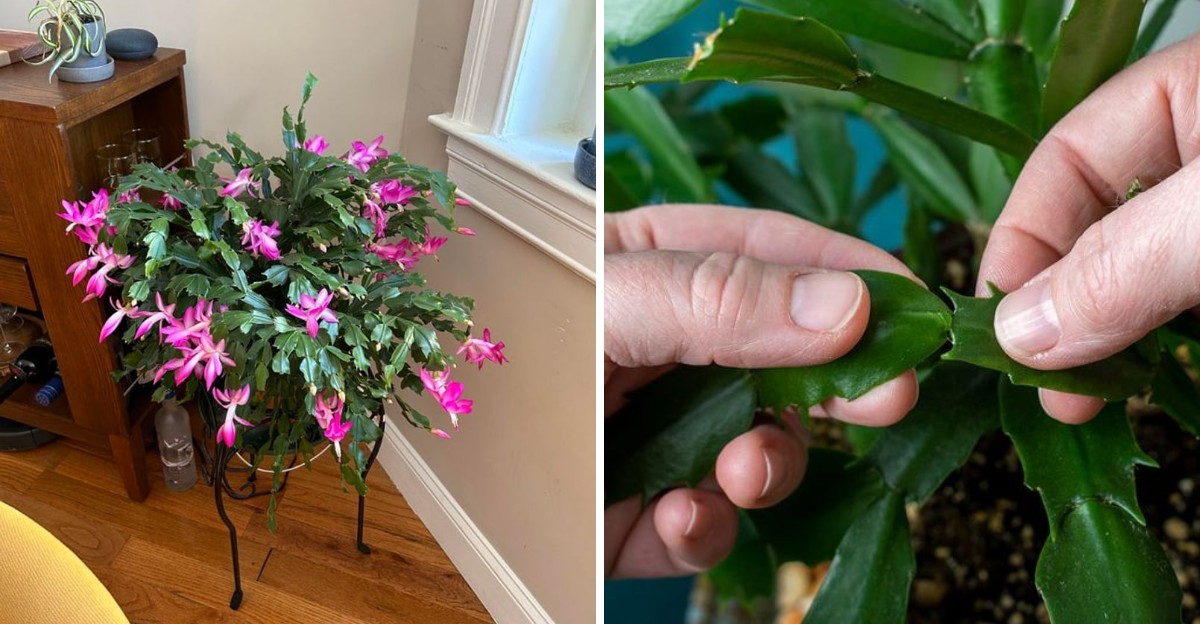
The flat green pads on my favorite holiday houseplant are not leaves at all. They are stems, and each one can snap off and grow into a brand new plant.
That little detail changed how I care for mine. A plant that roots from almost any broken piece is built to handle a haircut, and it often rewards one with more flowers.
What I find interesting is how many Michigan homes have one of these plants passed down from a grandmother. Some are decades old and still blooming on a sunny windowsill every winter.
I can see why people get nervous about taking scissors to a family treasure.
Here’s something worth knowing, though. A few smart cuts at the right moment can turn a floppy, half-bare plant into a full, bud-covered showpiece.
So when is that moment, and where exactly should you snip?
1. Those Flat Christmas Cactus Segments Hold The Secret To More Flowers
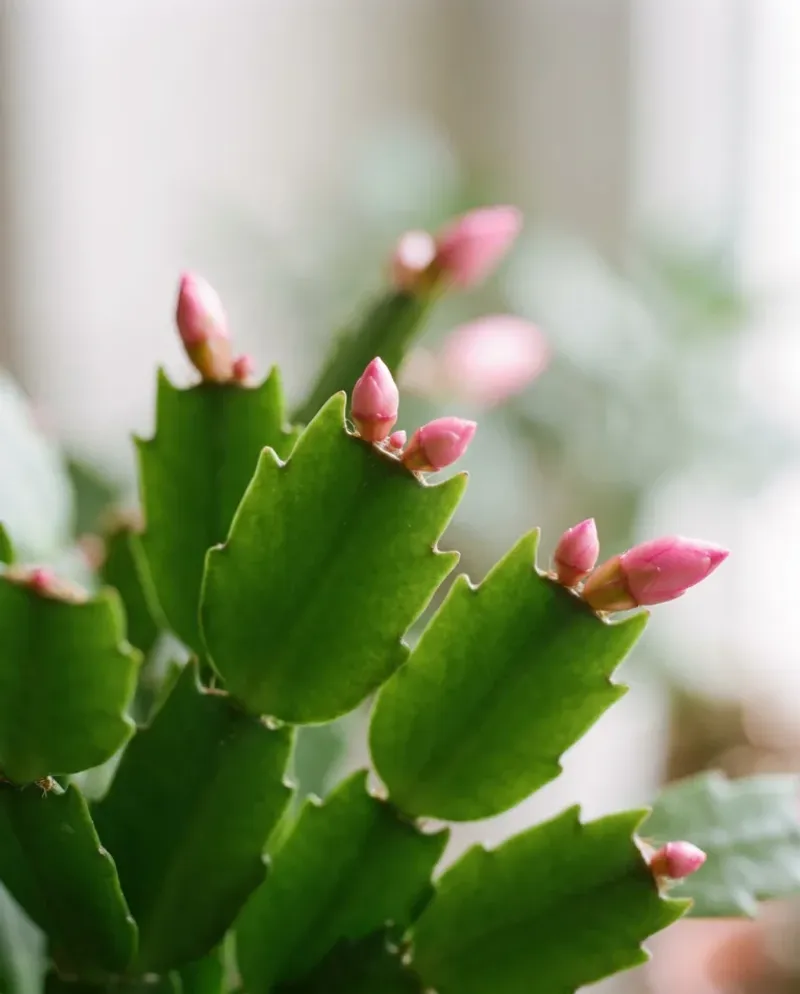
Flowers on a Christmas cactus form at the tips of the stems. Every bloom you see sits at the end of one of those flat, jointed segments.
That simple fact explains why pruning works so well. When you pinch or snip off a segment, the plant usually responds by pushing out two or more new segments from the spot just below the cut.
More stem tips means more places for buds to appear next winter.
I like to picture it as branching math. One long, single chain of segments can only give you one flower at the end.
Cut that chain in the right spot, and you might get two or three branches, each with its own tip ready to bloom.
Pruning also helps the plant look fuller from every angle. Many older plants grow long, dangling arms that are bare near the soil and crowded at the ends.
A trim encourages fresh growth closer to the center, which fills in those empty gaps.
University extension experts describe Christmas cactus as a plant that tolerates pruning well. Since it is a forest cactus from the mountains of Brazil, it grows naturally on tree branches and handles breakage in the wild.
Your kitchen scissors are not much of a shock compared to a falling branch in a rainforest.
So pruning is not about punishing the plant. It is about steering its energy toward a bushier shape and a better holiday show.
2. Prune Your Christmas Cactus Right After The Last Blooms Fade
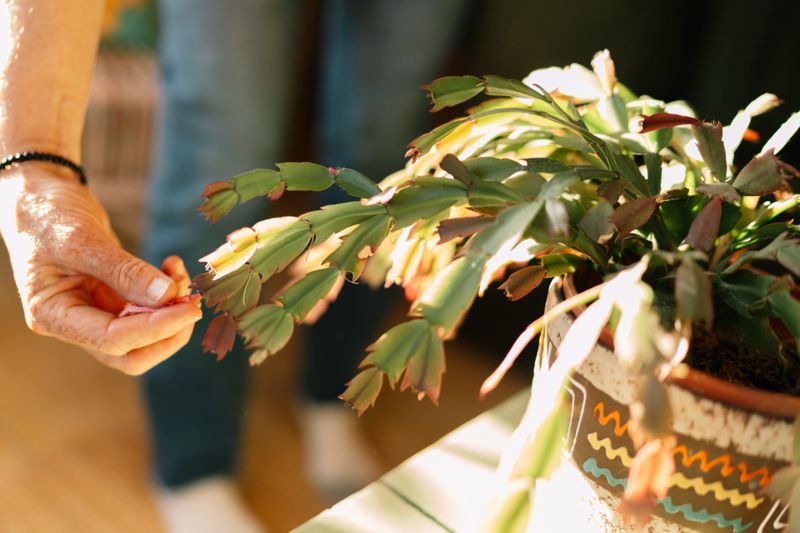
Timing is the part most people get wrong. The best window to prune a Christmas cactus is shortly after flowering ends, usually from late winter into spring.
In most Michigan homes, holiday blooms finish sometime between January and February. That is your cue.
The plant then takes a short rest before starting a new round of active growth as days get longer.
Pruning during this window gives the plant plenty of months to grow new segments over spring and summer. Those new segments need time to mature before fall.
Once they mature, they will be ready to set buds when nights grow long and cool in autumn.
Many experts suggest finishing any major trimming by late spring or early summer. Some gardeners pinch tips lightly into June to keep plants compact.
After that, it is wise to put the scissors away.
Here’s why late cuts cause trouble. Christmas cactus starts forming flower buds in fall, triggered by long nights and cooler temperatures.
If you prune in September or October, you could snip off the very tips that were about to bud.
A handy memory trick works for me. Prune when the snow is still on the ground or when the spring bulbs come up outside.
By the time Michigan apple trees bloom, most of your shaping should be finished.
3. Twist Or Snip At The Joint Between Christmas Cactus Pads
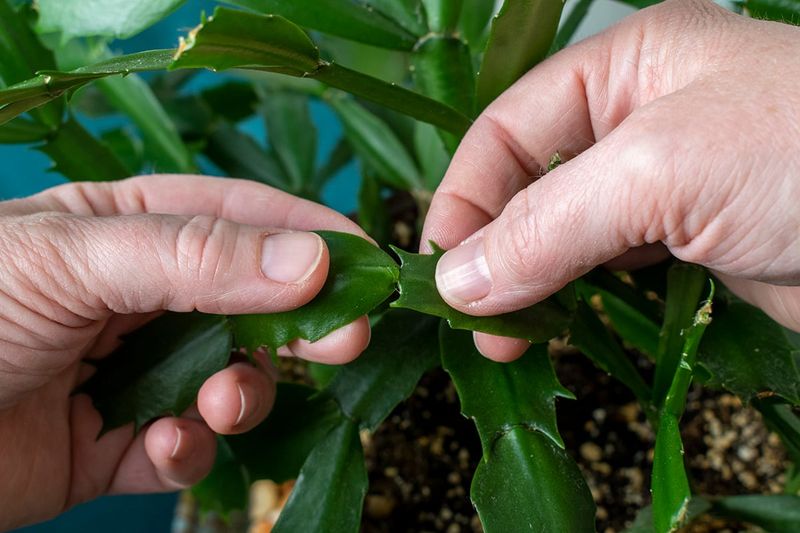
Good news for nervous beginners, you do not need fancy tools. Many gardeners simply use their fingers to remove segments.
Look closely at a stem and you will see narrow joints where one flat pad connects to the next. That pinched spot is where you want to make your cut.
Hold the stem gently above and below the joint, then give a light twist until the segment pops free.
If twisting feels awkward, a pair of clean, sharp scissors or small pruners works too. Wipe the blades with rubbing alcohol first so you do not spread any disease.
Snip right at the joint instead of slicing through the middle of a pad.
How much should you take? A common rule is removing up to one-third of the plant per year.
For many plants, taking just one to three segments off the end of each stem gives a great result.
Work around the whole plant as you go. Turn the pot, step back, and look at the overall shape.
It is easy to get carried away on one side and leave the plant lopsided.
Older plants sometimes have thick, woody, brown stems near the base. Those are normal with age.
Focus your trimming on the green, flexible segments, since woody sections are slower to push out new growth.
4. A Leggy Christmas Cactus Is Begging For A Shape-Up
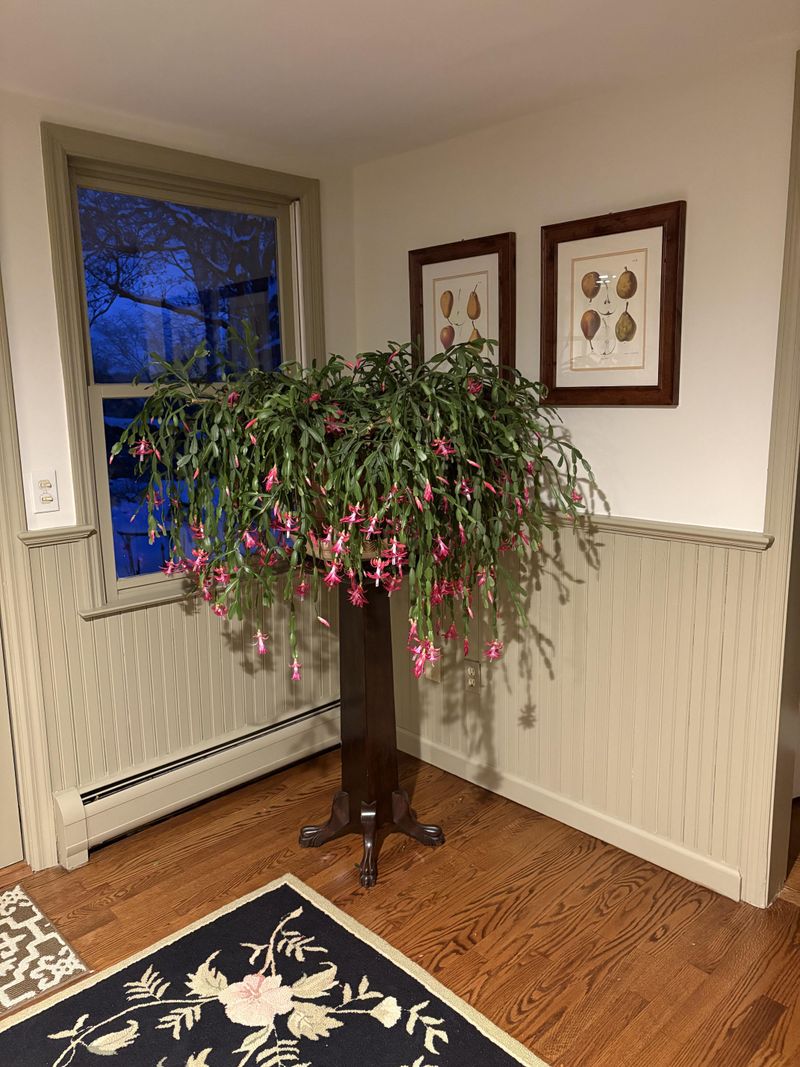
Some plants grow like teenagers, tall and gangly with arms going every which way. A Christmas cactus left alone for years can end up exactly like that.
Leggy growth often shows up as long stems trailing far past the pot, with few branches. You might also notice the plant leaning toward the window.
That lean happens because the stems stretch toward the brightest light.
Pruning fixes both problems. Shortening the longest stems brings the plant back into balance.
Cutting back the side closest to the window helps even things out, especially if you also rotate the pot every week or two.
Heavy stems can also be a safety issue for the plant itself. Long, segment-loaded arms sometimes snap under their own weight.
Trimming reduces the load and lowers the chance of breakage.
Size matters too. Many of us keep these plants on narrow sills, side tables, or plant stands.
A trim keeps an old favorite from taking over the whole windowsill.
One fun bit of history explains why some plants get so big. Christmas cacti are known for living a very long time, and some families have kept the same plant for generations.
A yearly shaping is part of how those heirloom plants stay attractive instead of wild and tangled.
5. Too Much Trimming Can Leave Your Holiday Cactus Bloomless
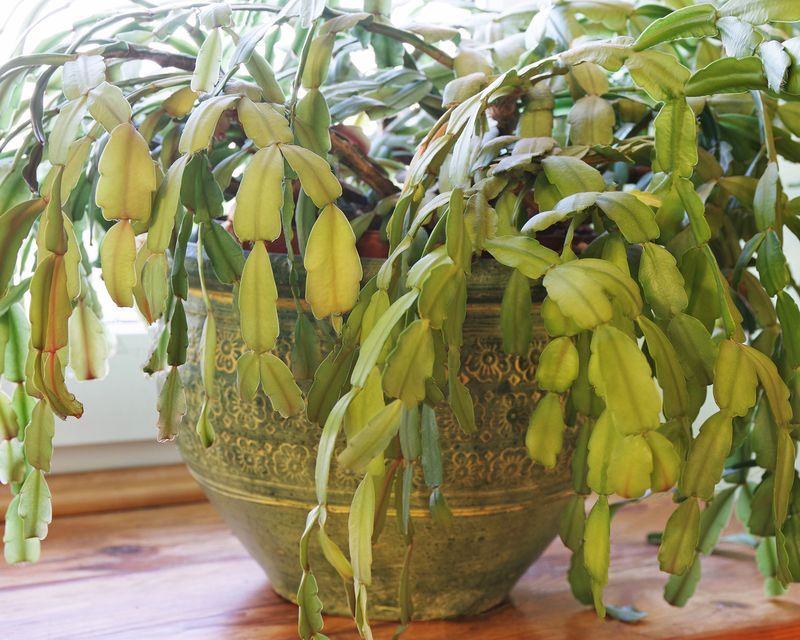
Enthusiasm with scissors can backfire. I learned that the year I chopped a plant down to stubs and got about four flowers the next December.
Removing more than a third of the plant at once can stress it. The plant needs green segments to make food through photosynthesis.
Take away too much, and it spends the whole season recovering instead of building strong new growth.
Late pruning is the other big trap. Any cutting done in fall risks removing developing buds.
If you spot tiny pink or red nubs at the stem tips, leave those stems alone.
Leaving trimmings sitting on the soil is another mistake. Fallen pieces can rot on damp potting mix and invite fungus gnats or other problems.
Pick them up right away, or better yet, save them for new plants.
Dirty tools can spread bacteria and fungus between plants. A quick wipe with alcohol takes seconds.
It is a small habit that saves headaches later.
Finally, avoid pruning a plant that is already struggling from root rot or severe dryness. Fix the watering issue first.
A weak plant needs every healthy segment it has, and shaping can wait until it bounces back.
6. Dense Old Christmas Cactus Plants Love A Little Breathing Room
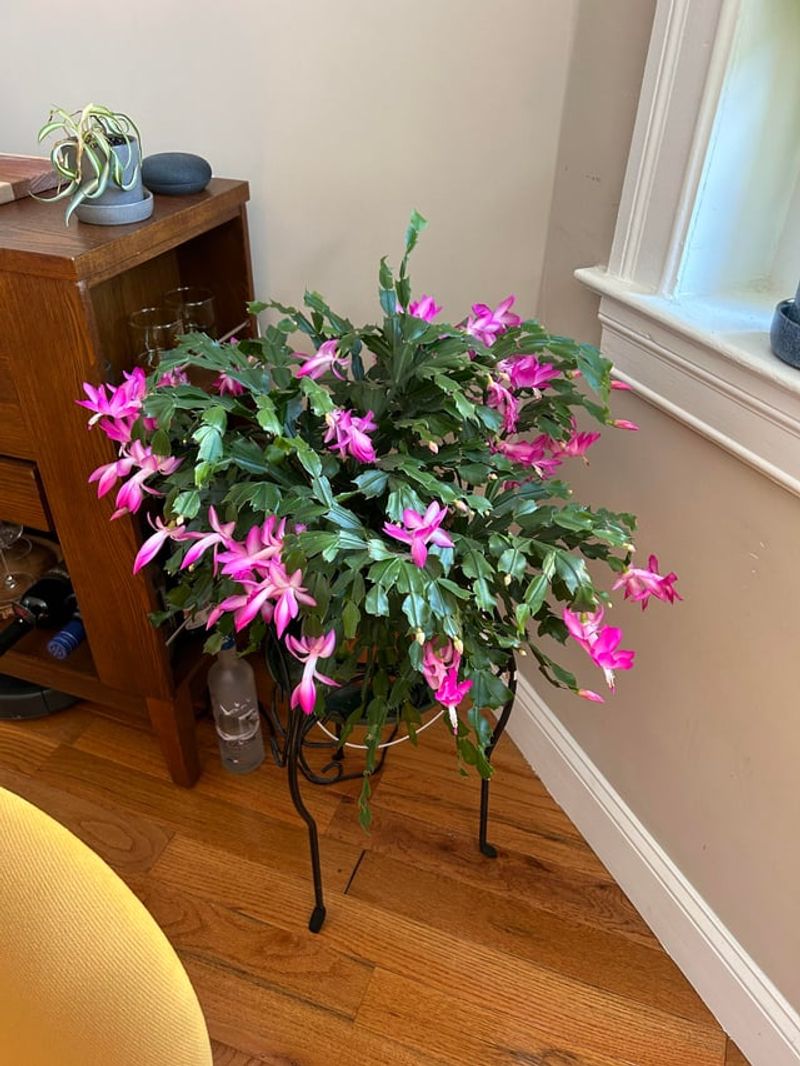
Grandma’s Christmas cactus deserves special care. Big, crowded plants have their own set of needs.
When stems pack tightly together, air cannot move freely through the center. Inside segments may get less light, too.
Over time, the middle of the plant can turn pale, thin, or sparse while the outer stems hog the sunshine.
Thinning helps. Remove a few crowded inner stems or ones that cross over others.
This opens the plant up so light and air reach more of the segments.
Better airflow matters indoors during winter. Michigan homes with furnaces running often swing between dry air and occasional damp spots near cold windows.
Good circulation helps leaves dry evenly after watering and reduces conditions that favor fungal problems.
Big plants also tend to get top-heavy. Thinning a little lightens the load and makes the pot less likely to tip.
Go slowly with old plants. Spread the work over two springs if the plant is very large.
You will still see fresh green segments popping up from the cut points by summer.
One extra tip helps heirloom plants thrive. They do best a little pot-bound, so pruning is often a better way to manage size than moving them into a much bigger container.
7. Those Christmas Cactus Cuttings Can Become Brand New Plants
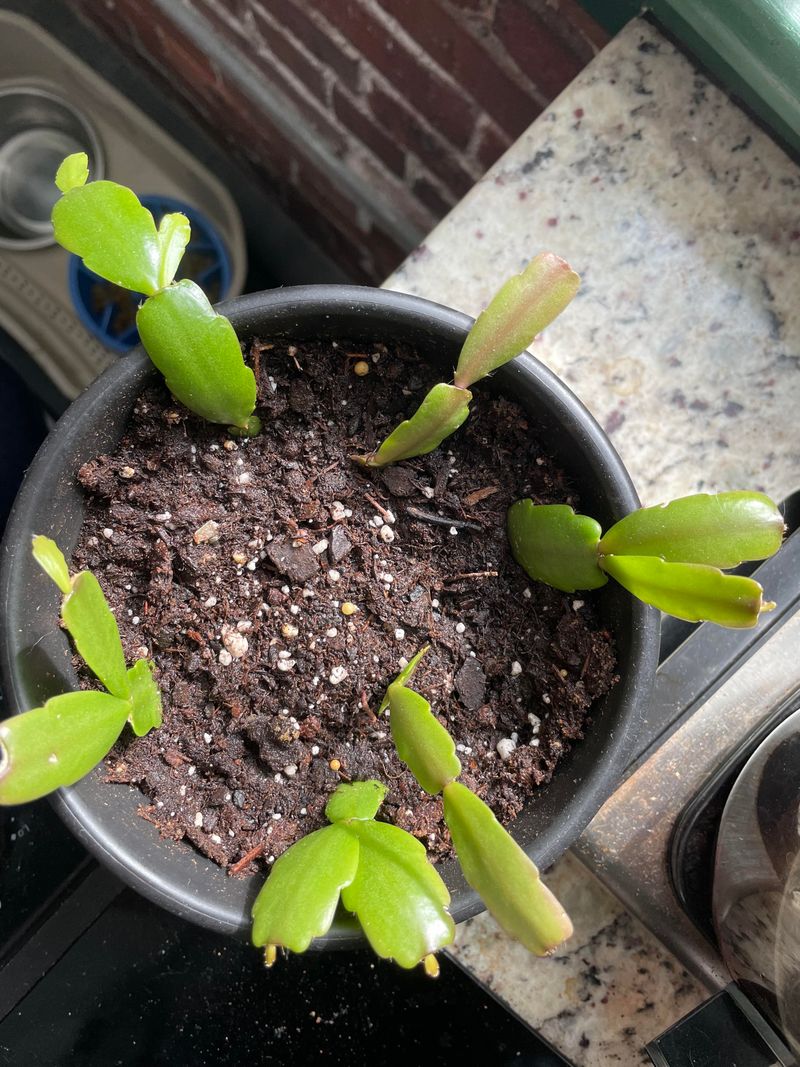
Leftover pieces are a bonus, not trash. A Christmas cactus is one of the easiest houseplants to grow from cuttings.
Pick pieces that are two to five segments long. Set them on a paper towel for a day or two so the cut ends can dry and form a callus.
That step helps prevent rot.
Next, push the bottom segment about an inch deep into a light, well-drained mix. A blend made for cacti or a regular potting mix with added perlite works well.
Planting several cuttings in one small pot gives a fuller look sooner.
Keep the mix lightly moist but not soggy. Bright, indirect light suits them best.
Roots usually form within a few weeks, and you will spot new growth at the tips once they settle in.
Spring timing makes this extra easy. The same window you use for pruning lines up with the plant’s natural growth season.
Warm indoor temperatures help roots develop faster.
I love giving these as gifts. A rooted cutting from a family plant makes a sweet present for a new homeowner or a grandchild.
By next holiday season, some of those young plants may even surprise you with a bloom or two.
8. After The Cut Your Christmas Cactus Needs Fall Darkness To Rebloom
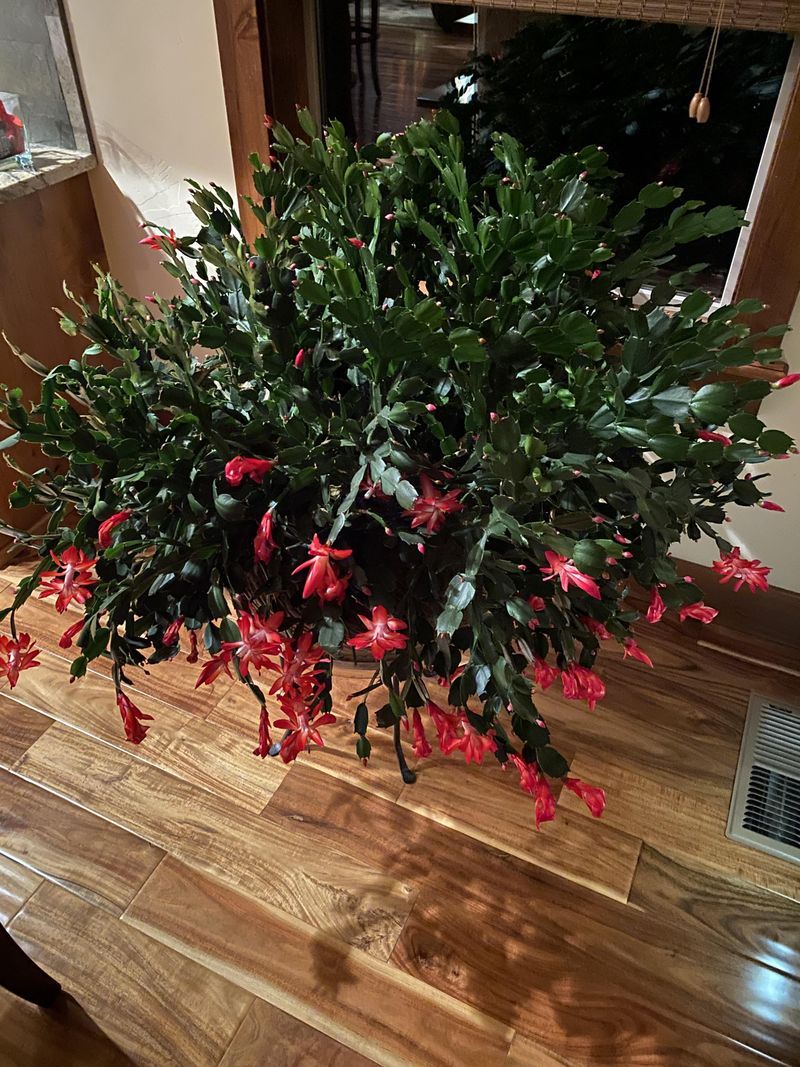
Pruning sets the stage, but care after the cut finishes the job. A well-shaped plant still needs the right conditions to flower.
Through spring and summer, give your trimmed plant bright, indirect light. Water when the top inch of soil feels dry.
A balanced houseplant fertilizer every few weeks during active growth helps new segments fill out.
Many Michigan gardeners move their plants outdoors to a shady porch once nights stay above about 50 degrees. That usually happens in late May or early June.
Bring them back in before frost arrives in fall.
Then comes the bud-setting season. Michigan State University Extension notes that Christmas cactus forms buds when it gets long nights or cool temperatures in fall.
Aim for about 12 to 14 hours of darkness each night or temperatures in the 50s to low 60s.
A spare bedroom with no lamps on at night works nicely. Ease off fertilizer in fall and water a bit less.
Once buds appear, avoid moving the plant around, since sudden changes can cause buds to drop.
Think of the whole year as a cycle. Bloom in winter, prune in late winter or spring, grow in summer, rest in fall.
Follow that rhythm, and your plant can reward you for many holidays.