Simple Tricks Michigan Gardeners Use To Get More Tomatoes Without More Space
More garden space sounds great until you’re actually digging it, amending it, weeding it, and watering it all season long. The good news is that space isn’t actually the limiting factor for most tomato growers.
The plants already in the ground are often capable of producing significantly more than they do, and the gap between average results and really good results usually comes down to a few specific practices.
Michigan gardeners who’ve figured this out aren’t growing bigger gardens. They’re just getting more out of what they already have, through timing, pruning habits, feeding choices, and a handful of small adjustments that stack up over a season.
If your current plants have more potential than they’re showing, these are the tricks worth trying before summer reaches its peak.
1. Grow Tomatoes Vertically Instead Of Letting Them Sprawl
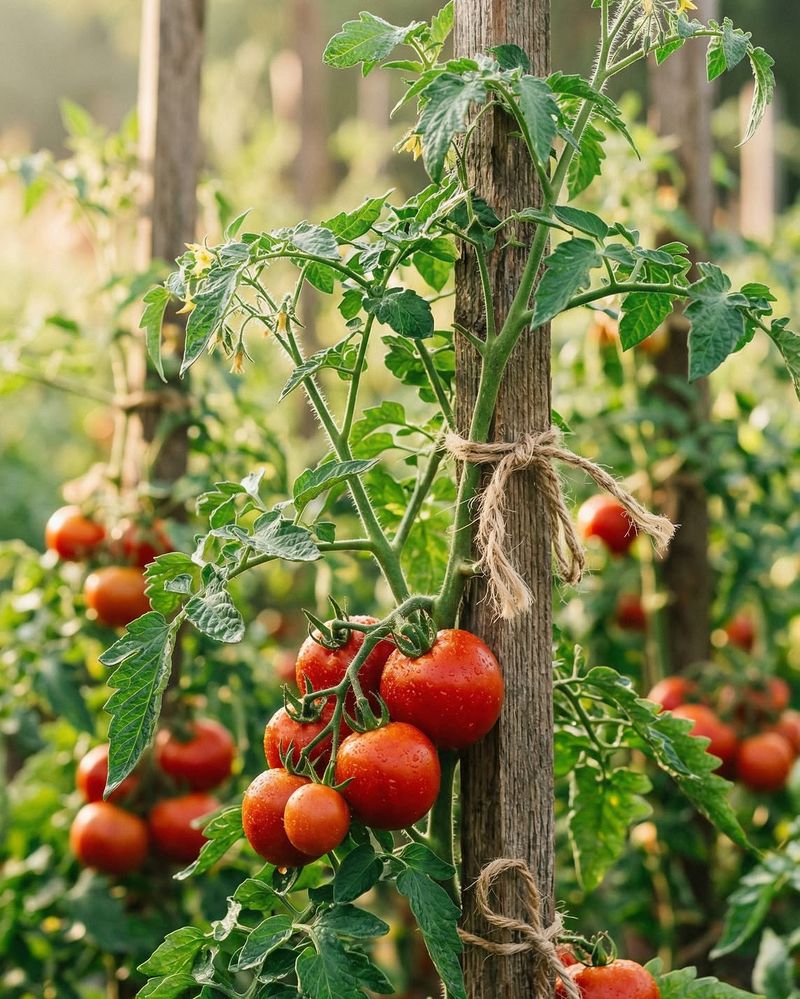
Picture your garden floor completely clear while your tomato plants reach six feet tall, loaded with fruit. Vertical growing is one of the oldest tricks in the book, and gardeners swear by it for good reason.
When plants grow upward instead of outward, you save serious ground space without sacrificing a single tomato.
Tall wooden stakes, bamboo poles, or sturdy metal rods all work great. Drive them at least twelve inches into the soil right when you transplant your seedlings so the roots are not disturbed later.
As your plant grows, loosely tie the main stem to the stake every six to eight inches using soft garden twine or fabric strips.
Training tomatoes vertically also improves airflow around the plant, which matters a lot in our humid summer weather. Better airflow means fewer fungal problems and healthier leaves that can keep feeding the plant all season long.
It is a win in every direction, literally. Indeterminate varieties like Big Boy or Celebrity respond especially well to vertical training.
Once you try this method, you will wonder why you ever let tomatoes crawl along the ground in the first place.
2. Prune Indeterminate Tomatoes Lightly For Better Airflow
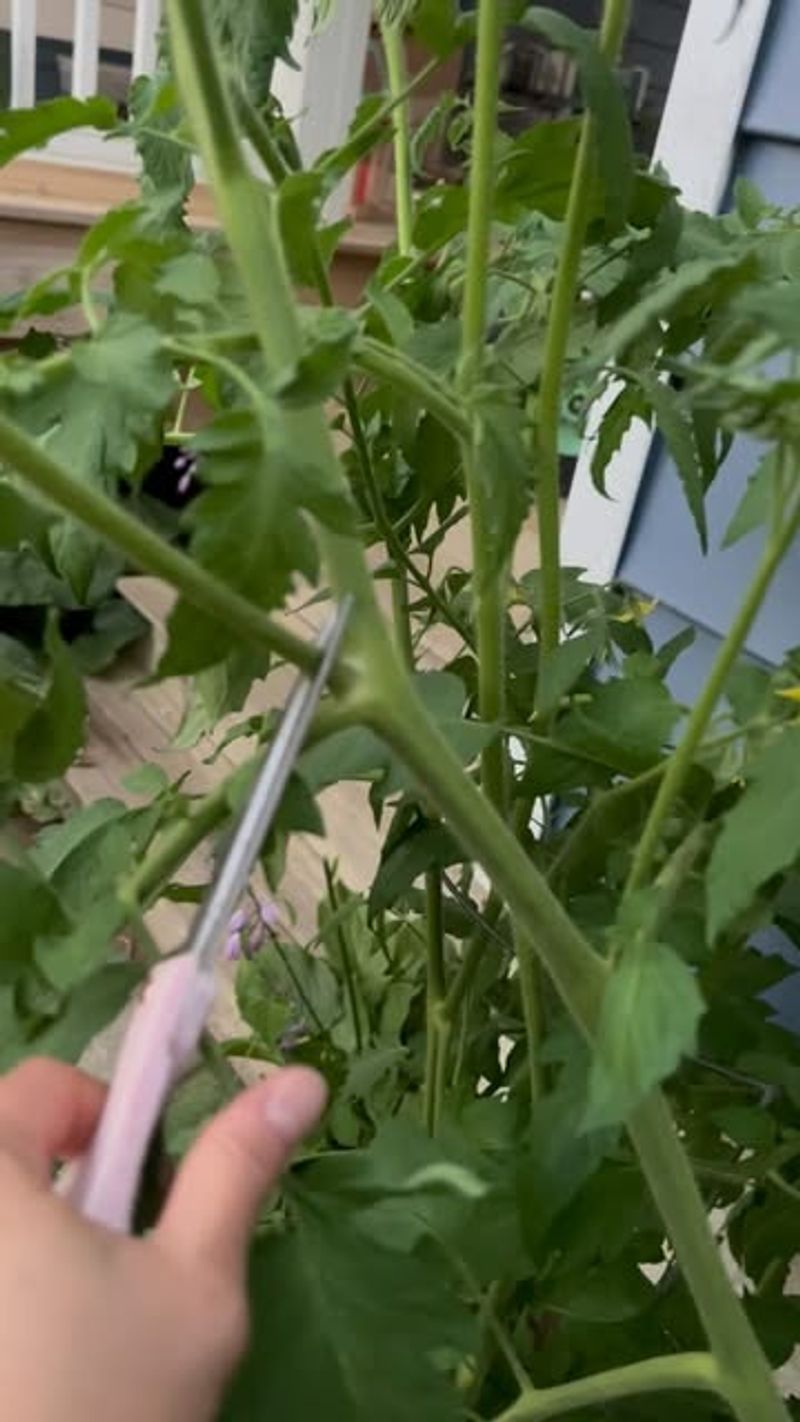
Suckers are sneaky little stems that pop up in the crotch between a branch and the main stem. Left alone, they grow into full branches, and before long your plant is a tangled, leafy mess with more foliage than fruit.
Light pruning keeps things manageable and sends the plant’s energy where you actually want it.
For indeterminate varieties, which keep growing all season, pinch off suckers when they are small, around two inches or less. Use clean fingers or sharp scissors to avoid spreading any bacteria between plants.
You do not need to go overboard. Removing the biggest, most crowded suckers is usually enough to make a noticeable difference.
Michigan summers can get surprisingly muggy, especially in July and August. Dense foliage traps that humidity right against the plant, creating the perfect conditions for early blight and other common fungal issues.
Opening up the canopy with a little pruning lets air circulate freely and keeps the leaves drier between rain showers. The result is a cleaner, more productive plant that stays healthier longer into the fall.
Your Michigan Garden Changes Every Week. Your Plan Should Too.
Gardening in Michigan changes quickly throughout the season. Every Friday you’ll receive a simple weekly plan showing exactly what to plant, prune, fertilize, harvest, and protect so you never miss the right timing.
Many experienced gardeners combine light pruning with vertical staking for a setup that is both space-saving and incredibly efficient throughout the growing season.
3. Use Deep Mulch To Hold Soil Moisture
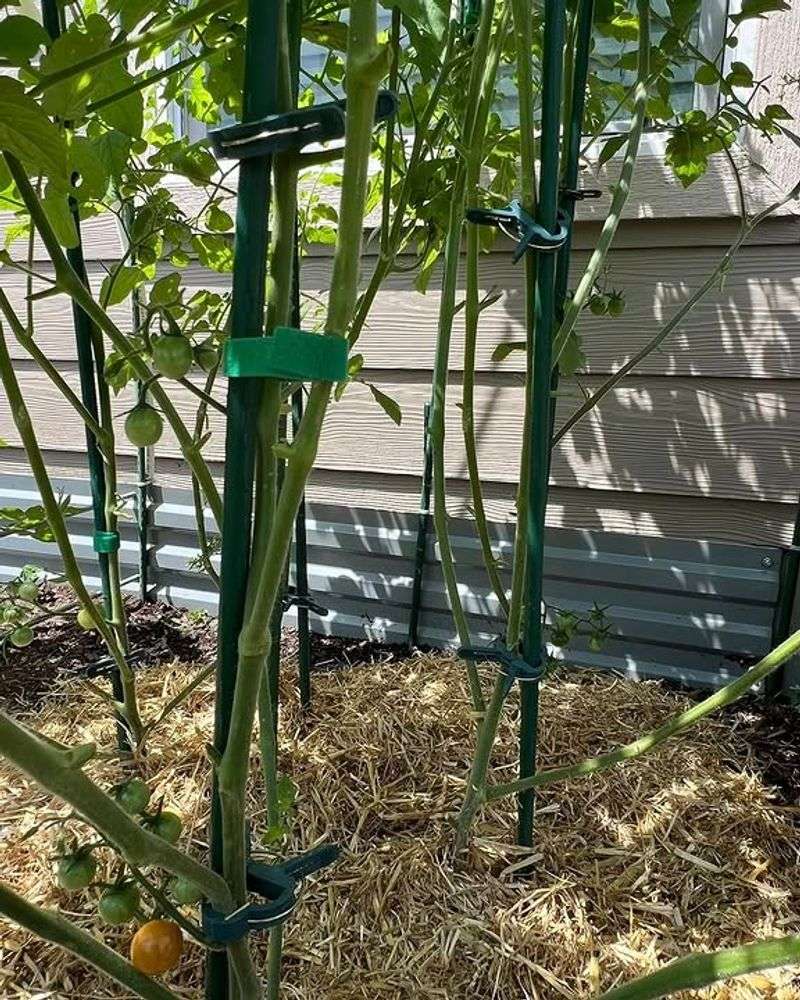
Dry soil is one of the fastest ways to slow down a tomato plant. When moisture levels swing up and down, plants stress out, and that stress often shows up as blossom drop or cracked fruit.
A thick layer of mulch solves this problem almost overnight, and it costs very little to apply.
Straw is the most popular choice among vegetable gardeners. Spread it about three to four inches deep around the base of each plant, keeping it a couple of inches away from the main stem to avoid rot.
Grass clippings, shredded leaves, and wood chips also work well and are often free if you already have them in your yard.
Beyond holding moisture, deep mulch also keeps soil temperatures more stable during Michigan’s unpredictable summer heat waves. Tomato roots thrive when the ground stays consistently cool and moist rather than baking in the afternoon sun.
Mulch also breaks down slowly over the season, adding a little organic matter back into the soil as a bonus. Fewer weeds pop up too, which means less time pulling and more time enjoying your garden.
Applying mulch right after transplanting gives your plants the best possible start from day one.
4. Harvest Tomatoes Frequently To Keep Plants Producing
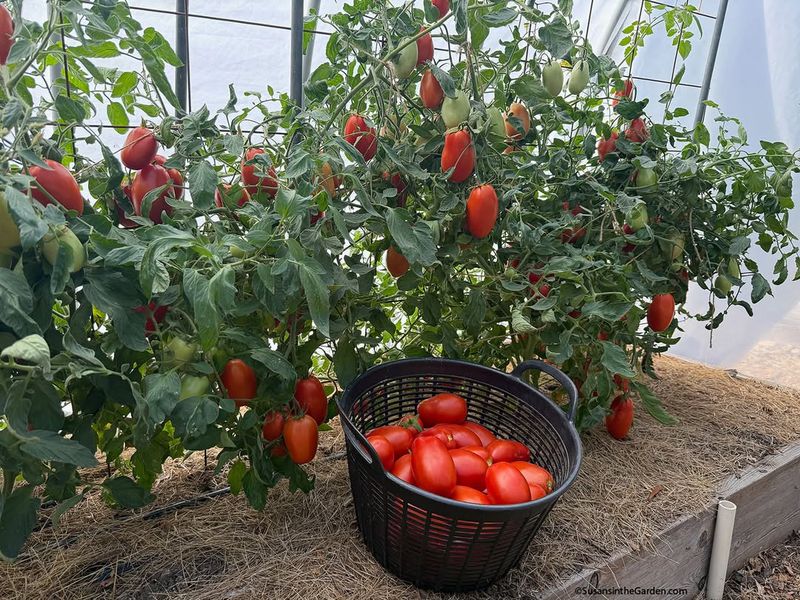
Here is something that surprises a lot of new gardeners: the more often you pick, the more your plant produces. Tomato plants are wired to make seeds, and once a fruit fully ripens on the vine, the plant starts slowing down its production.
Regular harvesting sends a clear signal to keep flowering and fruiting all season long.
Check your plants every two to three days during peak season, which in Michigan usually runs from late July through September. Pick tomatoes as soon as they reach full color and feel slightly soft when gently squeezed.
You can also harvest them when they just start showing color and let them ripen on a countertop indoors. This method actually protects fruit from cracking during heavy rain.
Frequent picking also reduces the weight load on branches and cage supports, which helps prevent breakage during the occasional late-summer storms. Lighter vines are easier to manage and less likely to snap under the weight of too many overripe tomatoes at once.
Keep a basket nearby every time you walk through the garden, and make picking part of your daily routine. You will be amazed at how quickly a consistently harvested plant outproduces one that gets checked only once a week.
5. Remove Lower Leaves Touching The Soil
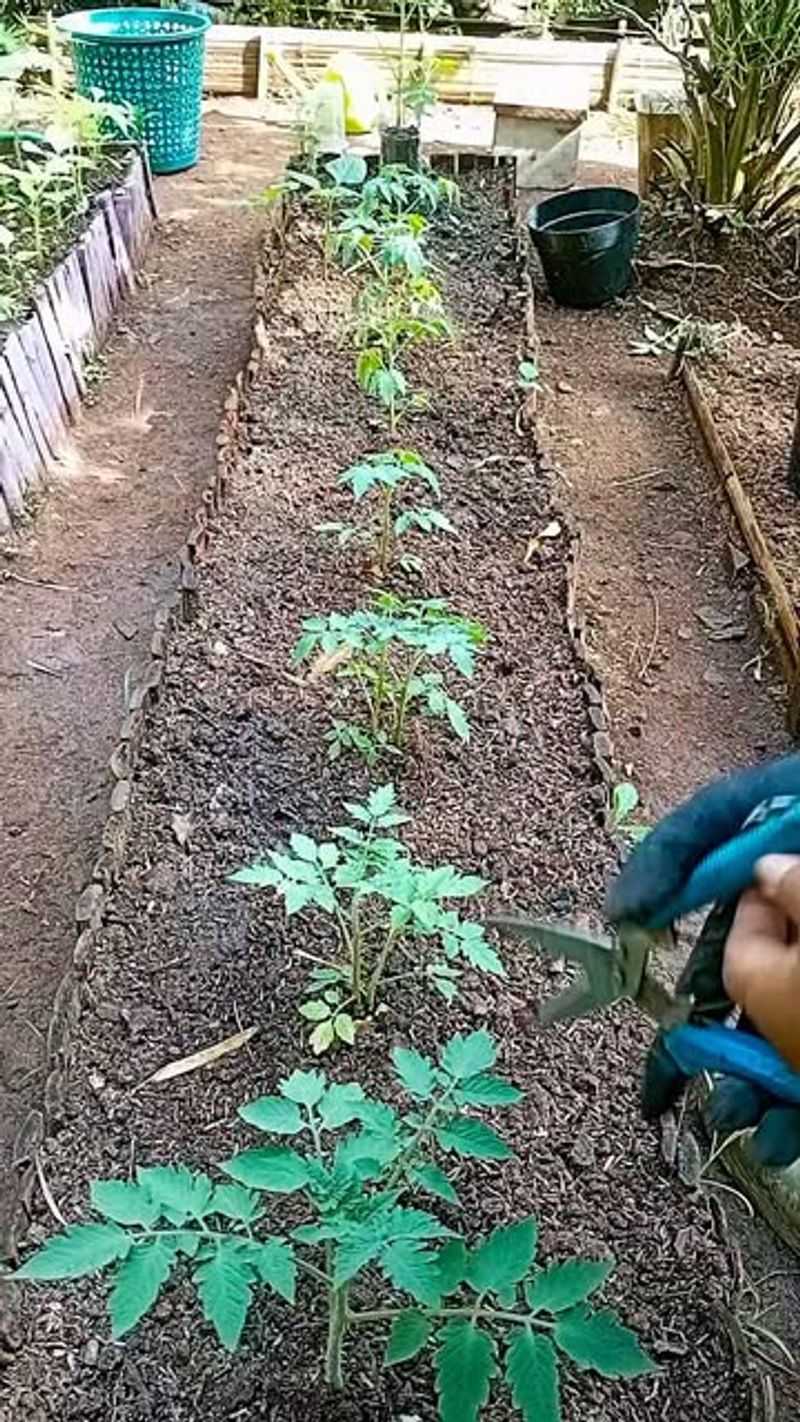
Soil is full of microorganisms, and while most of them are helpful, some can cause real trouble for tomato plants. When lower leaves touch the ground, they act like a bridge, giving soil-borne fungal spores an easy path up into the plant.
Trimming those leaves off is one of the simplest protective steps you can take.
Start removing the lowest leaves once your plant reaches about eighteen inches tall. Use clean, sharp pruning shears and cut the stems close to the main stalk without leaving long stubs.
Aim to keep the lowest foliage at least six to eight inches above the soil surface. This small gap makes a surprisingly big difference in keeping the plant clean and healthy.
Michigan’s spring rains and humid summers create ideal conditions for early blight and Septoria leaf spot, two of the most common tomato problems in the state.
Both diseases spread through water splashing soil onto leaves, so eliminating those low-hanging contact points cuts off one of their main entry routes.
Plants that stay clean at the base tend to stay productive longer, pushing energy into fruiting rather than fighting off disease.
Combine this habit with mulching and you have a powerful one-two combination that protects your plants from the ground up all season long.
6. Use Large Containers For Patio Tomatoes
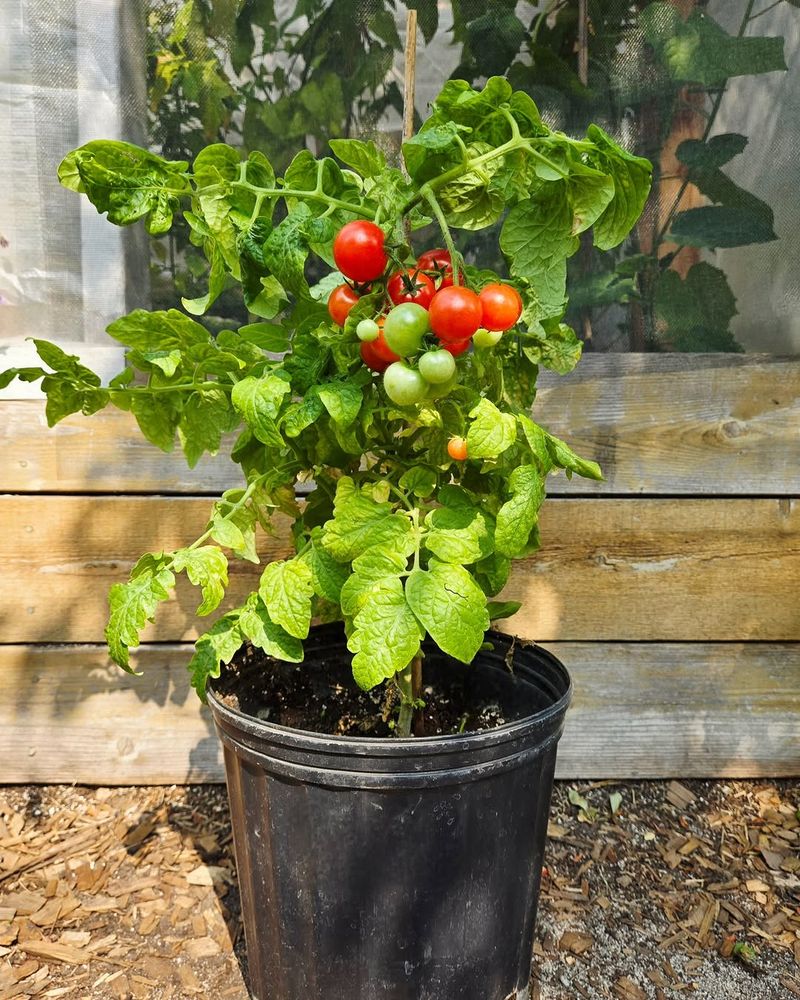
Not everyone has a traditional garden bed, and that is perfectly fine. A large container on a sunny Michigan patio can produce an impressive amount of tomatoes when set up correctly.
The key word here is large. Small pots restrict roots and limit how much water and nutrients the plant can access, so bigger is always better.
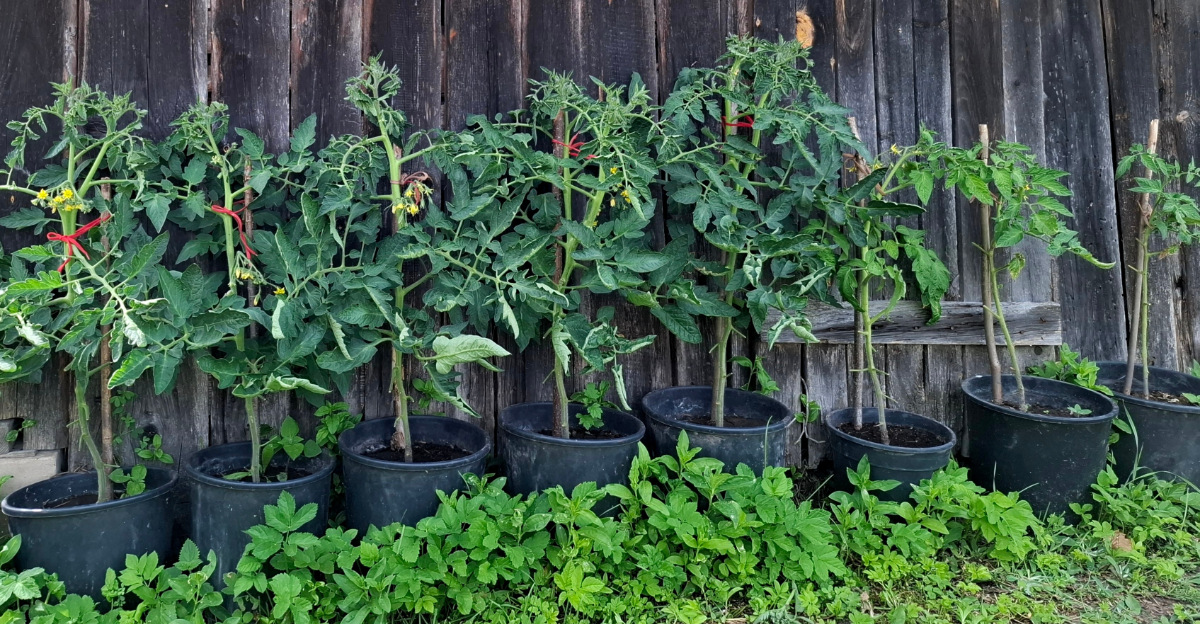
Choose containers that hold at least five gallons, though ten to fifteen gallons gives roots even more room to spread. Fabric grow bags have become very popular because they breathe well and prevent roots from circling the edges.
Fill them with a high-quality potting mix, not garden soil, since garden soil compacts too much in containers and drains poorly.
Compact or determinate varieties work best for container growing. Look for options like Patio, Bush Early Girl, or Tumbling Tom at your local Michigan garden center.
These varieties stay smaller but still produce a generous harvest throughout the season. Because containers dry out faster than ground beds, plan to water more frequently, sometimes every day during hot stretches in July and August.
A slow-release fertilizer mixed into the potting soil at planting time gives container tomatoes steady nutrition without constant feeding. Place containers where they get at least eight hours of direct sunlight daily for the best results.
7. Space Plants For Airflow Instead Of Overcrowding
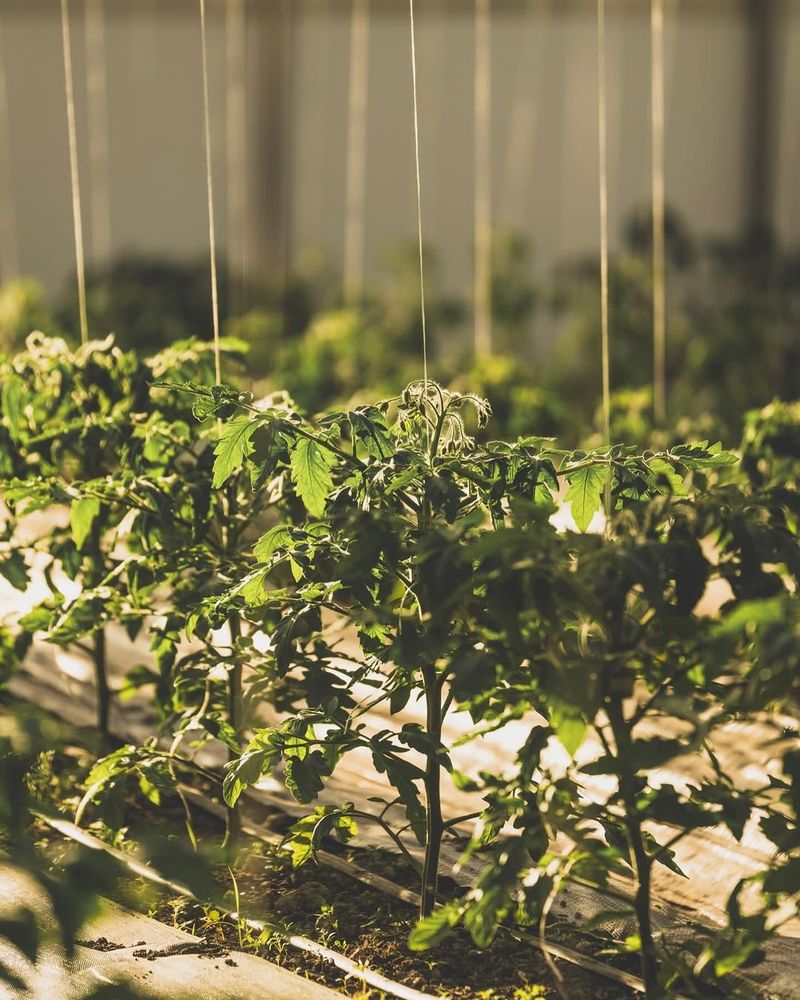
Packing plants too close together feels like a smart use of space, but it usually backfires. Crowded tomatoes compete for water, nutrients, and sunlight, and none of them end up getting quite enough of any of it.
The result is weaker plants, smaller fruit, and a lot of frustration by the end of the season.
Most indeterminate tomato varieties need at least twenty-four to thirty-six inches between plants. Compact determinate types can get away with eighteen to twenty-four inches.
It might look like a lot of empty space early in the season, but by July those plants will fill in beautifully and you will be glad you gave them room.
Proper spacing is especially important in Michigan because of the region’s naturally humid summers. Tightly packed plants trap warm, moist air between their leaves, and that creates a breeding ground for fungal disease.
Spacing them out allows breezes to move freely through the garden, drying leaves faster after rain and reducing the chance of blight taking hold.
If you are working with a raised bed and want to maximize space, try staggering plants in a zigzag pattern rather than straight rows.
This approach fits more plants into the same footprint while still maintaining the airflow each one needs to thrive all the way through harvest season.
8. Water Deeply Instead Of Shallow Sprinkling
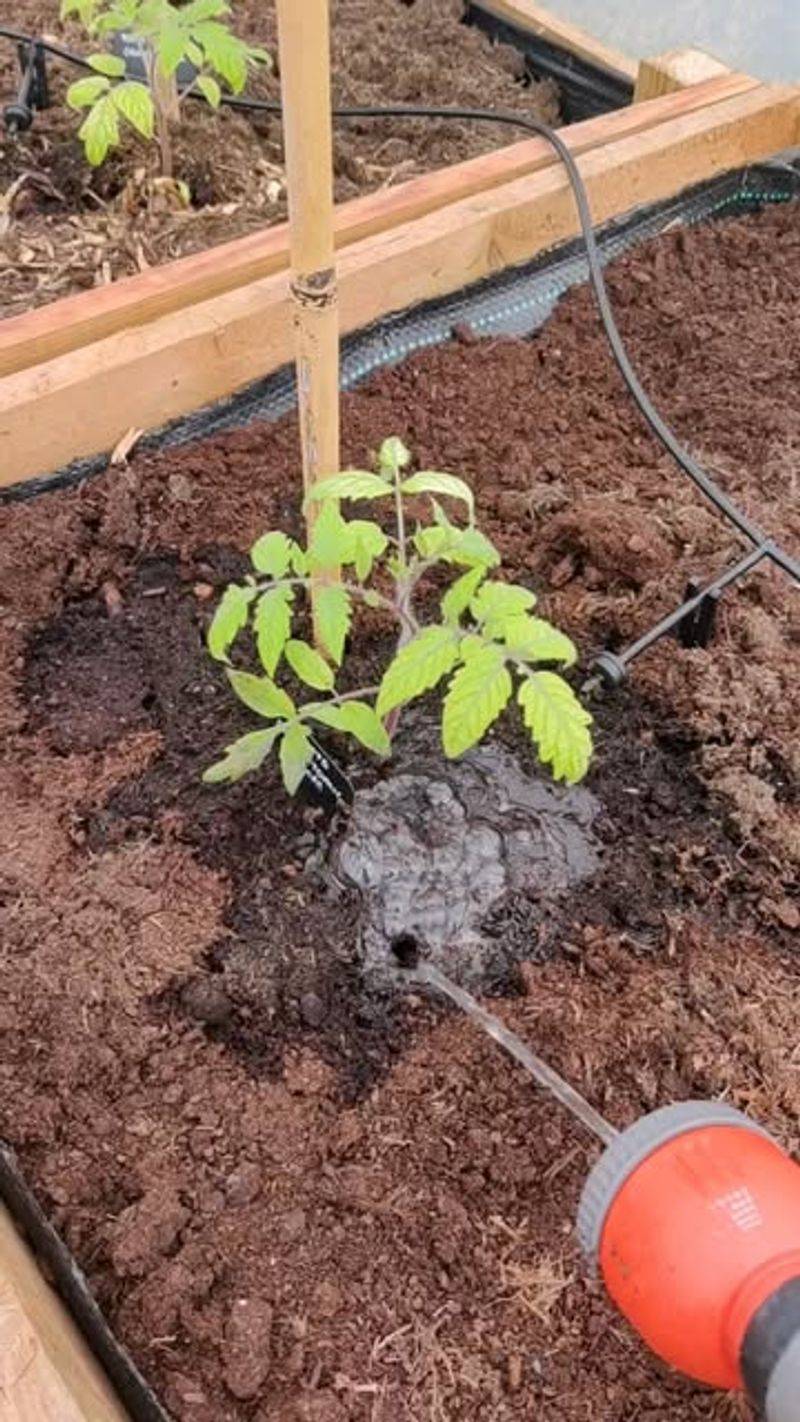
Shallow watering is one of the most common mistakes backyard tomato growers make. When you only wet the top inch or two of soil, roots stay near the surface chasing moisture instead of growing deep where they belong.
Deep roots anchor the plant better and reach water reserves that surface roots never could.
Water slowly and directly at the base of each plant, letting moisture soak down at least six to eight inches into the soil. A soaker hose or drip irrigation system makes this easy and keeps water off the foliage, which helps prevent fungal issues.
Watering two to three times per week during dry spells works better than a little bit every single day.
Consistent watering also prevents blossom end rot, a frustrating condition where the bottom of the tomato turns dark and leathery.
This happens not because of a lack of water itself, but because inconsistent watering prevents the plant from absorbing calcium properly.
Keeping moisture levels steady solves the problem naturally without any sprays or supplements.
In Michigan, early summer can be rainy while late July turns dry and hot, so stay flexible and adjust your watering schedule based on what the weather is actually doing. Stick your finger two inches into the soil. If it feels dry, it is time to water thoroughly.
9. Choose Productive Michigan-Friendly Varieties
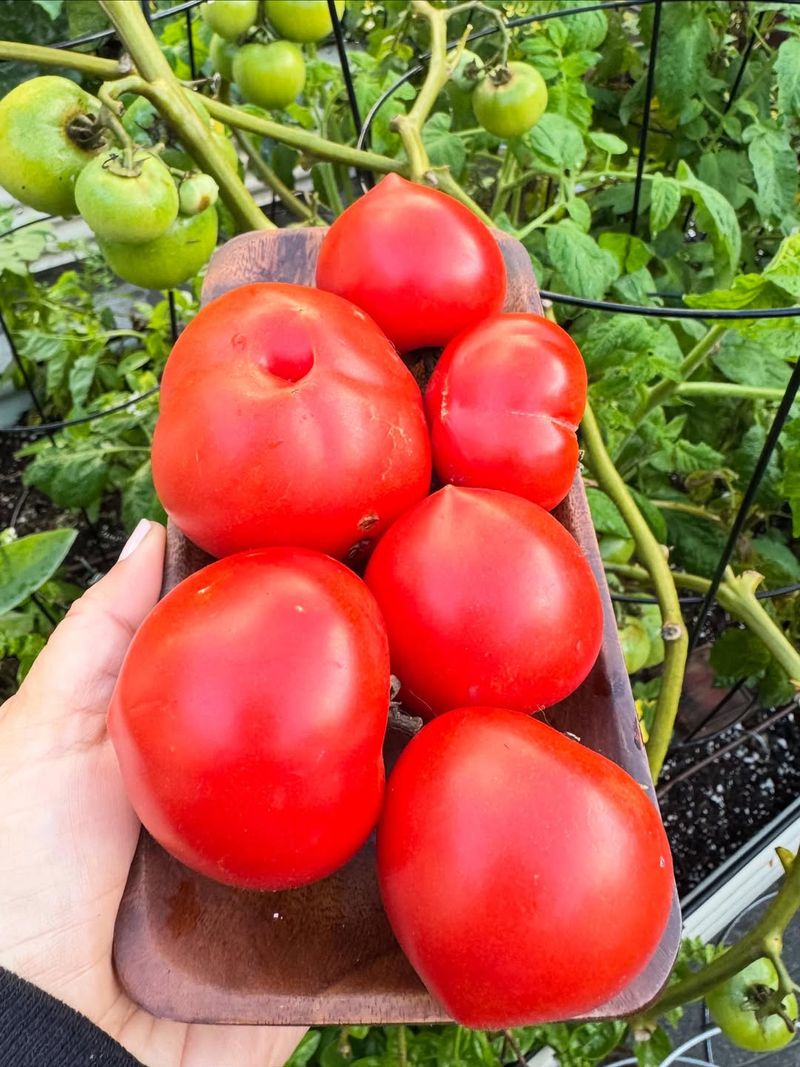
Michigan’s growing season is shorter than gardeners in warmer states enjoy, which means variety selection matters more than most people realize.
Choosing a tomato that needs ninety days to mature when you only have eighty frost-free days is a recipe for disappointment. The right variety works with your climate instead of fighting against it.
Look for varieties with a days-to-maturity rating between sixty and eighty days for the best results in most parts of Michigan. Early Girl, Celebrity, and Jet Star are reliable slicers that consistently perform well across the state.
For cherry tomatoes, Sungold and Sweet Million produce heavily and start early, giving you fruit well before the first fall frost arrives.
Heirloom varieties like Brandywine and Cherokee Purple are popular for their incredible flavor, but they often take longer to mature and can be more sensitive to disease pressure.
If you love heirlooms, try starting seeds indoors six to eight weeks before your last frost date, usually around mid-May for most of Michigan, to give them a head start.
Visiting a local Michigan nursery or farm supply store is a great way to get variety recommendations from people who actually grow in your area.
Local knowledge is incredibly valuable when it comes to picking the right tomato for your specific zip code and microclimate.
10. Use Trellises Along Fences To Save Ground Space
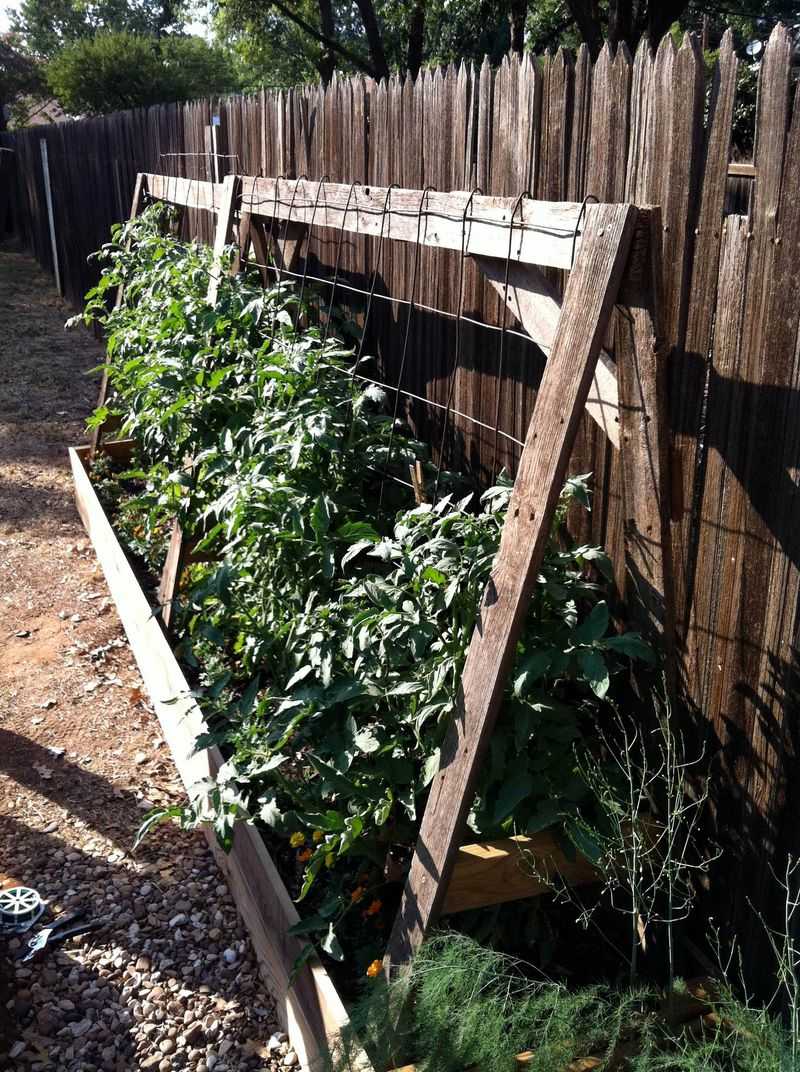
That narrow strip of ground running along your backyard fence is prime real estate most gardeners completely overlook.
A simple trellis system turns that unused edge into a productive growing wall, letting you grow full-sized tomato plants without taking up any of your main garden space. It is one of the cleverest space-saving moves you can make.
Attach wooden lattice panels, wire mesh, or cattle panels directly to an existing fence. The fence itself provides extra stability, so you do not need deep posts or heavy anchors.
Plant your tomatoes about twelve inches out from the fence line so roots have room to spread, and tie the main stem to the trellis as it grows upward.
South-facing or west-facing fences in Michigan catch the most sunlight throughout the day, making them ideal spots for heat-loving tomatoes. The fence also acts as a windbreak, protecting plants during the gusty summer storms that roll through the Great Lakes region.
Indeterminate varieties work especially well in this setup since they keep growing taller and can be trained along the full height of the trellis over the course of the season.
Once you see how much fruit a single fence-line trellis can produce, you will start eyeing every fence in your yard as a future garden opportunity just waiting to be planted.