The Final Fall Lawn Job That Sets How Green Your Spring Lawn Turns Out
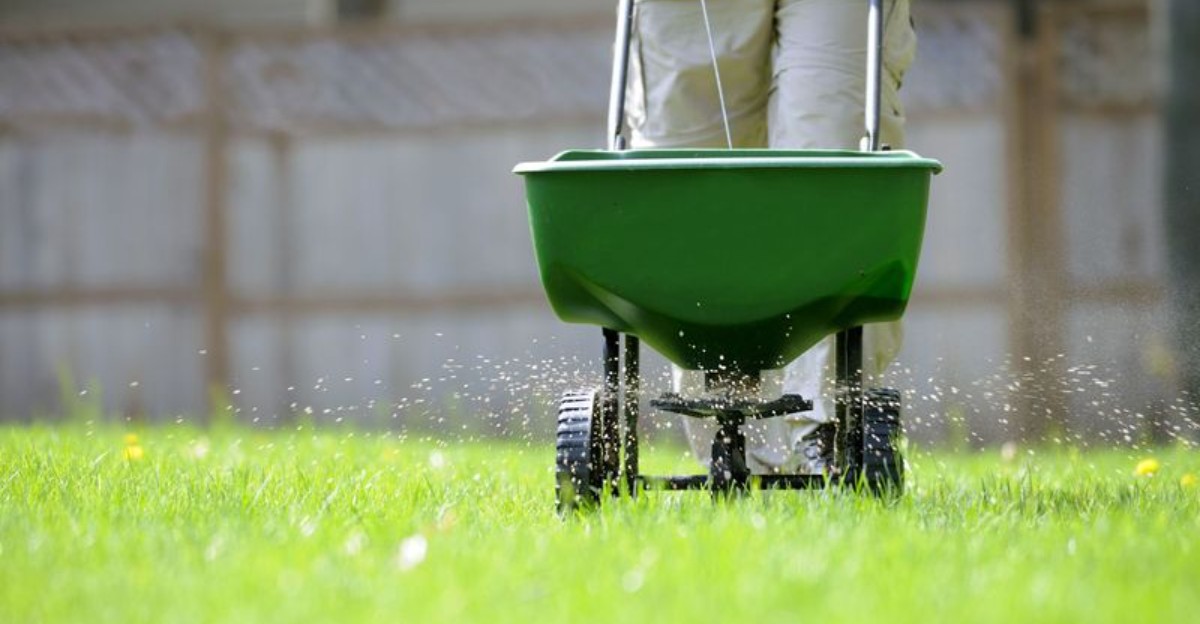
Grass roots keep growing in late fall, even after the blades stop needing a mower. That hidden work happens in cold soil most of us ignore.
I used to think lawn season ended the day I drained the gas from my mower. Truth is, I quit right before the part that matters most for spring color.
Cool-season grass spends those chilly weeks stocking up on stored sugars. Researchers at Michigan State and other universities have studied how late-season care affects spring green-up for years. Some of their results surprised me.
So the lawn that looks sleepy in November is quietly packing a lunchbox for April. What you hand it before the ground freezes shapes that meal. Want to know what most yards are missing right before winter shows up?
The Grass Is Still Busy Long After Your Mower Goes Quiet
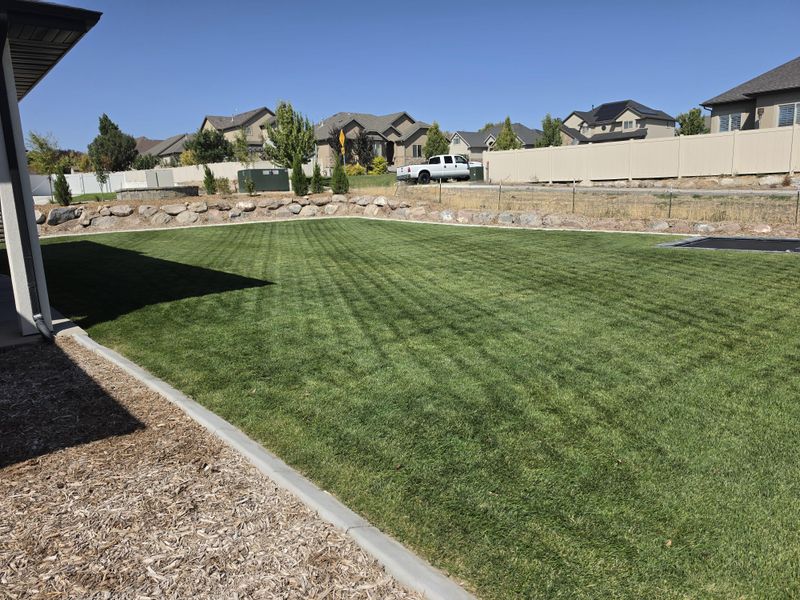
Above ground, a November lawn looks like it clocked out for the year. Below the surface, cool-season grasses like Kentucky bluegrass, tall fescue, and perennial ryegrass keep working.
Roots can keep growing in soil that stays above freezing, even when the air feels raw and blade growth has slowed to a crawl. Turf scientists point out that grass makes sugars through photosynthesis on mild, sunny fall days. With top growth slowing, more of that energy gets stored instead of spent on new leaves.
Those stored carbohydrates work a bit like a pantry. The plant draws on them through winter and again in early spring, when it needs fuel to push out fresh green blades before soil warms up.
I find this part fascinating. A lawn with a well-stocked pantry often greens up sooner and handles winter stress better than one running on fumes.
So the real question for late fall is simple. Is your grass getting what it needs to fill those reserves? For many northern lawns, the answer points to one overlooked chore. It lands right after the last mow, and it can make a visible difference come spring.
A Late Fall Fertilizer Pass Feeds Next Spring’s Green Grass
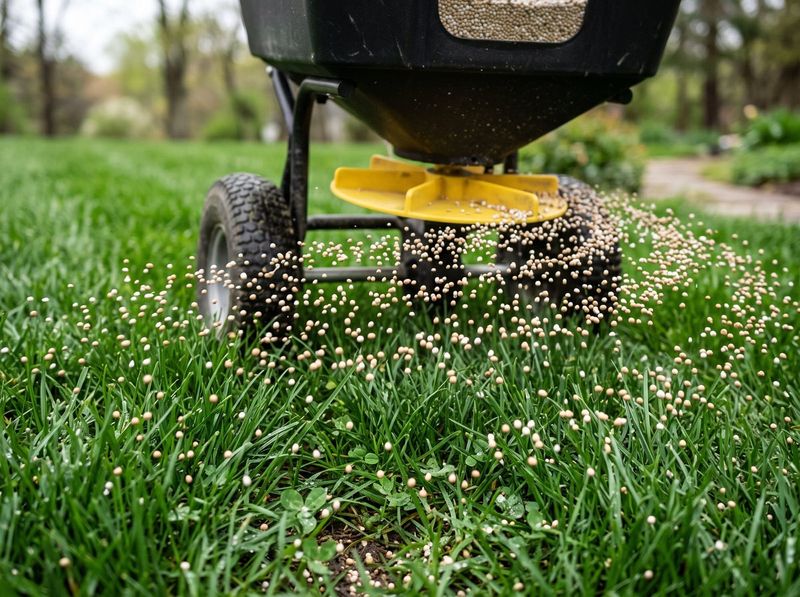
A late fall nitrogen application is the job that tips the scales. Many university extension programs, including Michigan State and Purdue, describe it as one of the most useful feedings for cool-season lawns.
The timing is what makes it work. Grass blades have mostly stopped growing, yet they stay green and keep photosynthesizing. Nitrogen at this stage helps the plant hold its color longer into fall and store more carbohydrates rather than racing out new top growth.
Research summarized by turf programs shows lawns fed this way often green up earlier in spring. Some studies note a head start of a week or more compared with unfed turf, though results vary with weather, grass type, and soil.
I’ll be honest, the first time I tried it, I doubted anything would happen. That April, my front yard turned green while the side yard I skipped stayed tan for days longer.
One important detail matters here. This approach fits cool-season lawns in northern and transition-zone states. Warm-season grasses like Bermuda, zoysia, and St. Augustine in the South go dormant in fall and should not get heavy nitrogen then, since it can raise winter injury and disease risk.
Spreading Before Frozen Ground Arrives Is The Sweet Spot
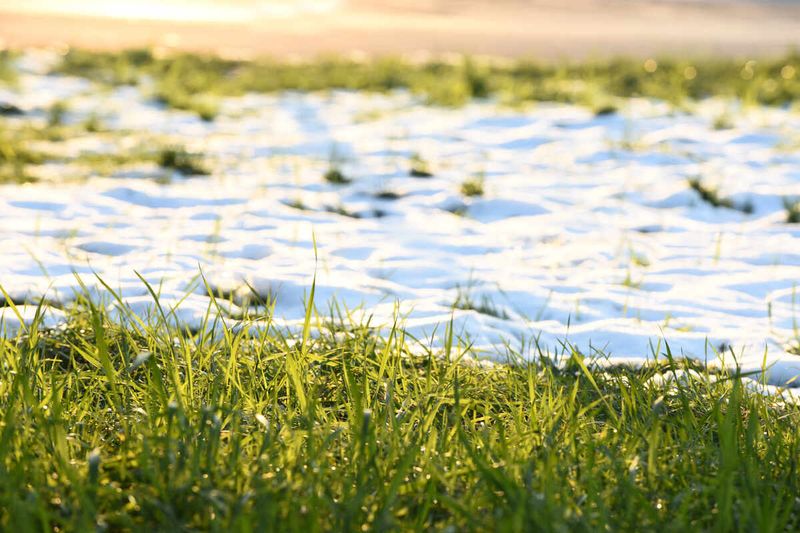
Calendar dates help, but your grass and soil give better clues. Most extension advice puts this feeding after growth slows and you have finished regular mowing, but while blades are still green.
In much of the northern U.S., that window often lands from late October to mid-November. Farther south in the transition zone, it may stretch into late November. The key rule is to apply before the ground freezes.
Frozen soil is a real problem. Fertilizer sitting on frozen ground cannot soak in, so rain or snowmelt can wash it into storm drains, streams, and lakes. That runoff feeds algae instead of your lawn.
Fair warning, some states and towns regulate this. Minnesota, Wisconsin, Michigan, New York, New Jersey, and others have rules limiting fertilizer use on frozen ground or setting seasonal cutoff dates. Check your state and local rules before you fill the spreader.
A simple habit helps me here. I watch the weather forecast for a dry stretch and spread a day or two before light rain. A gentle soaking moves nitrogen into the root zone without washing it away. Also sweep any granules off driveways and sidewalks right away.
Pick A Nitrogen Fertilizer Bag Without Falling For The Label
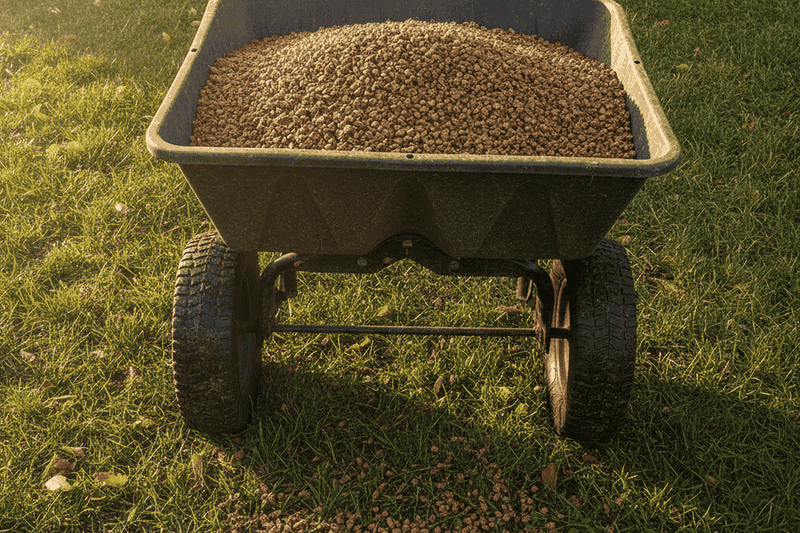
Bags marked winterizer can be confusing. Some older formulas lean heavy on potassium, but many turf researchers now say established lawns mostly need nitrogen at this stage.
Look at the three numbers on the bag. They stand for nitrogen, phosphorus, and potassium. For this late feeding, extension guides often suggest a product where the first number is clearly the highest.
Quick-release nitrogen, like urea or ammonium sulfate, tends to work well late in the season because cool soil slows slow-release types. Many university programs recommend roughly one pound of actual nitrogen per 1,000 square feet, but follow your local extension rate and the bag directions.
Phosphorus deserves a careful look. Many states restrict phosphorus on established lawns unless a soil test shows a need, because it can pollute lakes.
Did you know? A basic soil test through your state extension office often costs less than a bag of fertilizer. It tells you if your yard actually lacks potassium, phosphorus, or lime.
I skipped testing for years and guessed. My test finally showed plenty of phosphorus, so I had been adding something my soil did not need at all.
Matted Leaves On The Lawn Can Undo Your Hard Work
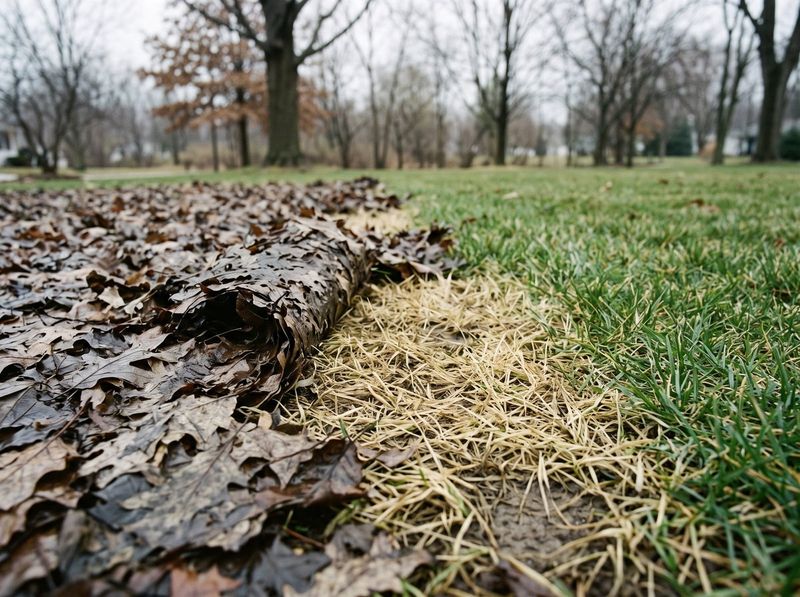
Few things look cozier than a carpet of maple leaves. Unfortunately, grass underneath a soggy layer of them is having a rough week.
Thick, wet leaves block the sunlight your lawn needs to keep making and storing sugars in fall. Left all winter, they trap moisture and can raise the chance of snow mold, which shows up as matted gray or pink patches when snow melts.
You don’t have to rake every single leaf, though. Many extension specialists suggest mulching leaves with a mower when the layer is light. Shredded pieces fall between grass blades, break down, and add a bit of organic matter.
A good rule of thumb is simple. If you can still see plenty of grass after mulching, you are in fine shape. If the yard stays buried, rake or bag some and add them to compost or garden beds.
I made a habit of clearing leaves before my fertilizer pass. Granules reach the soil instead of bouncing off a leafy roof, and the grass gets full sun on those last mild afternoons. It turns two chores into one smooth weekend.
That Last Mower Pass Should Leave Grass At The Right Height
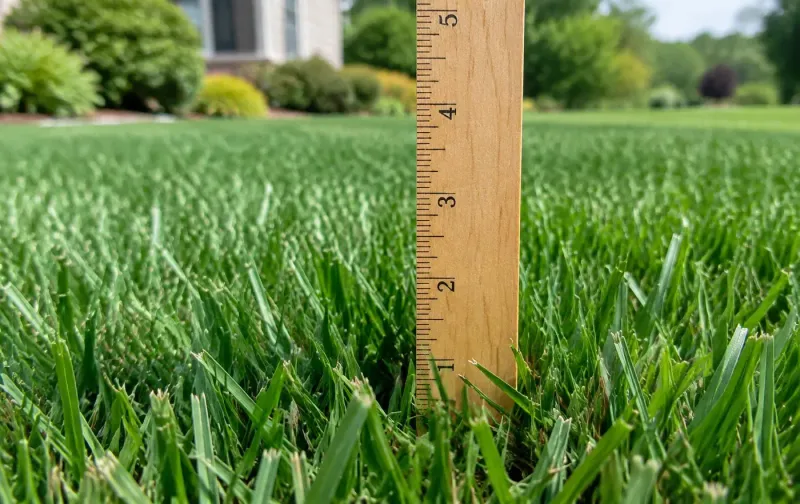
Scalping the lawn on the final mow sounds tidy. In practice, it can stress grass right when it needs energy most.
Many extension sources suggest keeping cool-season grass at about 2.5 to 3 inches for the last few cuts of fall. Some recommend dropping slightly lower than your summer height, but not shaving it down.
Height matters for two reasons. Grass left very long can flop over and mat under snow, which favors snow mold. Grass cut too short has less leaf area for making sugars and can lose more moisture in dry winter wind.
Not going to lie, I used to cut my lawn short in November so I could skip a mow. That spring, thin spots popped up near the windy corner of the yard.
Keep the one-third rule in mind. Remove no more than about one-third of the blade at a time, so lower the height gradually across a couple of mows.
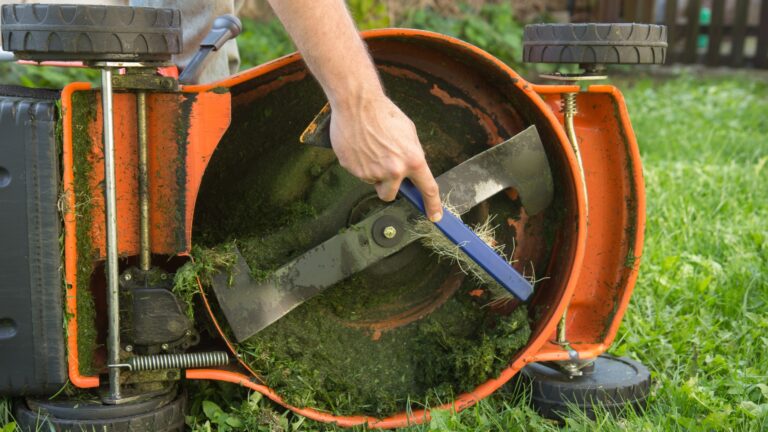
Before storing the mower, sharpen the blade. Clean cuts heal faster and look greener, and you will start spring with a tool ready to go.
Your Spring Green Lawn Starts With A Short November Checklist
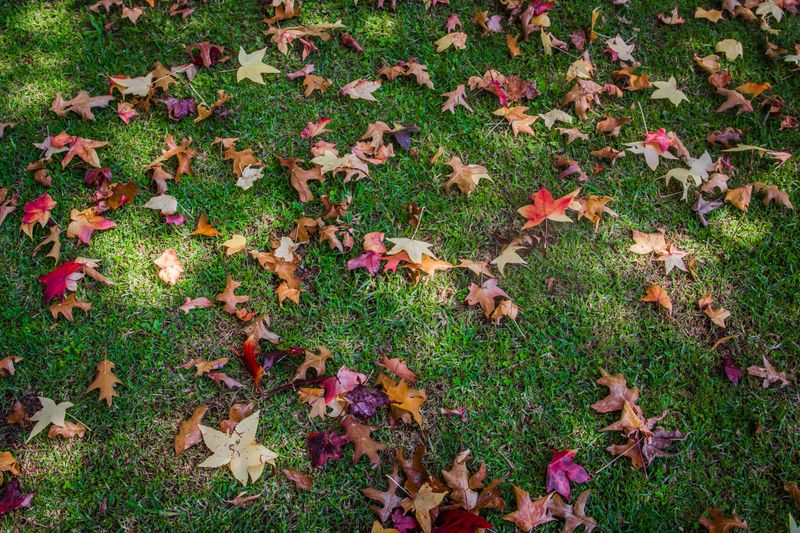
Spring color gets a lot of credit for what really happens in fall. A few simple steps now can pay off in April.
Here is the short version I tape inside my garage door. First, confirm you have a cool-season lawn, since warm-season southern grasses follow a different plan. Next, clear or mulch heavy leaves so sunlight reaches the blades.
Then finish mowing at a moderate height with a sharp blade. Spread a nitrogen-focused fertilizer at your local extension rate while grass is green and the ground is not frozen. Sweep stray granules off hard surfaces.
One more tip helps a lot. Because you fed in late fall, you can often hold off on a heavy early spring feeding. Many extension programs suggest waiting until late spring, since too much early nitrogen pushes leafy growth at the expense of roots.
I’m a sucker for that first warm week when one yard on the block glows bright green. With this routine, there is a fair chance it could be yours.
Got questions about your region? Your county extension office is a free, friendly resource worth a quick call.