When To Pick Citrus In California: Signs Your Oranges, Mandarins And Lemons Are Ripe
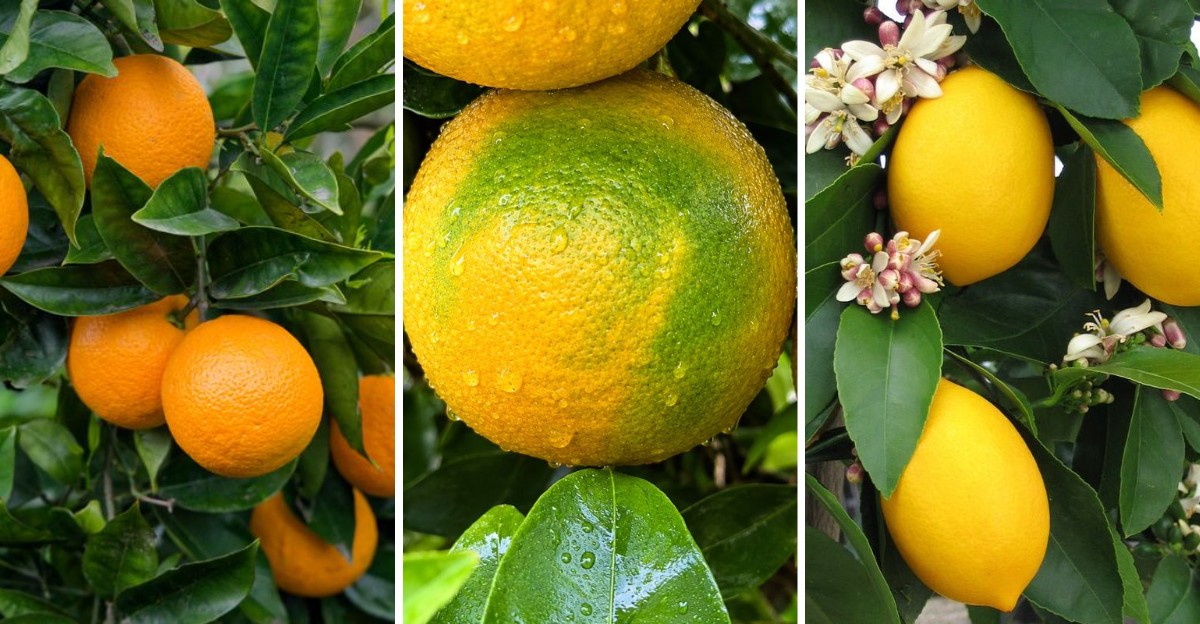
A perfectly ripe fruit hanging in a California backyard can slowly turn green again during hot summer weather. That sneaky color shift fools plenty of gardeners into waiting far too long before they finally pick.
Even stranger, these fruits stop getting sweeter the moment they leave the branch, unlike bananas or avocados. Every bit of sugar has to build up on the tree, so timing your harvest matters more than you expect.
I have to admit that I once picked a whole bowl of bright fruit that made my eyes water. You might notice your own trees teasing you with rich color weeks before the flavor truly catches up.
Luckily, California trees drop plenty of quiet hints if you know where to look and how to taste. So which simple clues actually tell you that sweet, juicy fruit is finally ready for your basket?
1. Citrus Fruit Stops Sweetening Once It Leaves The Tree
Unlike a hard peach on your counter, a picked orange will not gain one more speck of sugar. Citrus finishes all of its sweetening on the branch, which makes your timing the whole secret to great flavor.
I love how this quirk turns the tree into a living storage shelf for weeks or even months. Many varieties hold mature fruit nicely, so you can pick only what you plan to eat that week.
Rushing the harvest is the most common mistake I see among new backyard growers in my area. An early fruit may look bright, yet its juice stays sour and thin no matter how long it sits.
Waiting too long brings its own trouble, because overripe fruit can turn soft, puffy, or dry and pithy inside. Every variety has a different window, and local microclimates can shift those dates by several weeks.
Coastal yards often ripen fruit later than hot inland valleys, since warmth helps sugars build up faster. Keep a simple notebook of picking dates each year, and you will spot your own tree’s rhythm quickly.
Personally, I treat the first few fruits of the season like little experiments rather than a full harvest. One taste tells me more than any chart, and the rest of the crop waits patiently on the branch.
When the flavor finally wins you over, pick steadily instead of stripping the whole tree in one afternoon. Your kitchen stays stocked with fresh fruit, and the remaining citrus keeps its quality right where it grew.
2. Taste Testing One Orange Beats Guessing By Color
Bright orange skin can tell a sneaky story, and I learned that lesson the hard way with my first tree. The fruit looked ready for a magazine cover, yet every single slice made my whole face pucker up.
Cooler fall nights trigger the green rind to change color, but that shift does not raise sugar levels inside. So a fruit can look gorgeous on the outside while the flesh still needs more weeks of sunshine.
University of California experts point to sampling as the most reliable test for home citrus harvests. Pick one fruit from the sunny side of the tree, peel it, and judge the sweetness yourself.
If it tastes sharp or watery, leave the rest alone and try again in about two weeks. Flavor changes slowly, so frequent small samples tell you far more than one big gamble on picking day.
You might notice that fruit from the outer, sun-soaked branches often sweetens before fruit tucked deep inside the canopy. Sample from different spots, and you will learn which part of your tree reaches its peak first.
I like to invite my kids or a friend for these tasting rounds, because extra opinions make it fun. Scoring each fruit from one to five gives everyone a simple way to compare progress across the season.
Once two or three samples in a row taste rich and balanced, you can start harvesting with confidence. That small sacrifice of a few early fruits saves you from a bowl full of sour disappointment later.
3. Heavy Firm Citrus Fruit Hides A Juicy Center
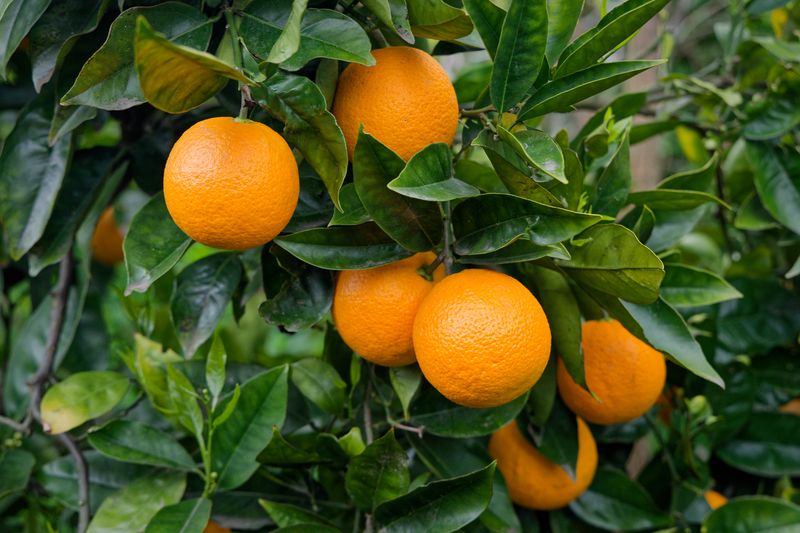
Weight is a surprisingly honest clue, because a ripe orange or mandarin feels heavier than its size suggests. Cup two similar fruits in your palms, and the heavier one usually holds much more sweet juice.
That extra heft comes from plump juice sacs filling the segments as the fruit matures on the tree. A light, hollow-feeling fruit often means dry flesh, either from picking too early or waiting far too long.
Firmness matters too, so give each fruit a gentle squeeze before you reach for your clippers. Good citrus feels solid with only a slight give, while mushy spots suggest it has passed its prime.
Mandarins are a little different, since ripe ones often yield softly and then spring back under your thumb. Their skin tends to loosen over time, though a loose peel alone does not promise great sweetness.
When you find a winner, use clean hand pruners and snip the stem just above the fruit. Twisting gently also works for many oranges, but clipping protects the rind from tearing on thin-skinned types.
Try to leave a tiny green button of stem attached, because that little cap helps the fruit store longer. A torn spot near the stem invites mold, and that ruins a perfect fruit faster than you think.
I have to admit the heft test has become my favorite part of harvest, since it feels almost magical. After a few seasons, your hands will judge ripeness nearly as well as your taste buds do.
4. Sweet Citrus Fragrance Tells You The Fruit Is Ready
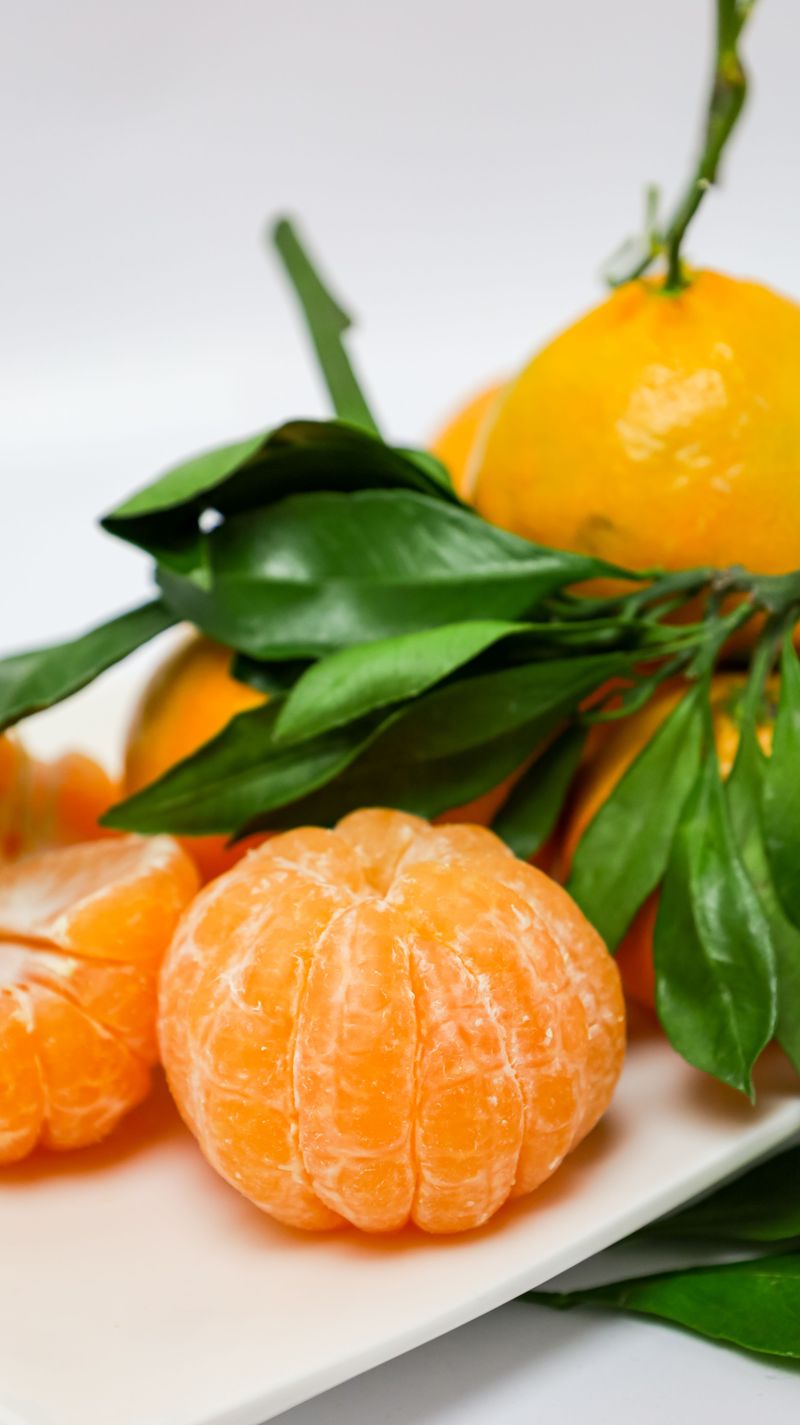
Scratch a ripe mandarin peel with your fingernail, and a burst of sweet perfume practically jumps into the air. That fragrant oil lives in tiny glands across the rind, and it grows stronger as fruit matures.
I love how my whole backyard smells brighter on harvest mornings, especially after a cool and still night. Your nose can pick up those changes before your eyes notice anything different about the color.
Unripe citrus usually smells faint, green, or a bit grassy when you rub the skin with your thumb. Ripe fruit gives off a rich, candy-like scent that hints at the sugar waiting inside each segment.
Fragrance works best as a partner to your other clues rather than as a single deciding test. Combine a strong aroma with good weight and a satisfying sample, and you can harvest without any doubts.
Meyer lemons and many mandarins are especially generous with scent, so they make great practice trees for beginners. Sniff the same fruit once a week, and you will start to notice the aroma building gradually.
Watch out for sour, fermented, or musty smells, since those often signal overripe fruit or hidden decay. Remove those fruits promptly so they do not attract fruit flies or spread rot to nearby branches.
Personally, I think the sniff test is the most relaxing part of checking a tree before breakfast. It takes only seconds, and it turns every walk through the garden into a fragrant little treasure hunt.
5. Navel Oranges Grow Sweeter After Chilly Winter Nights
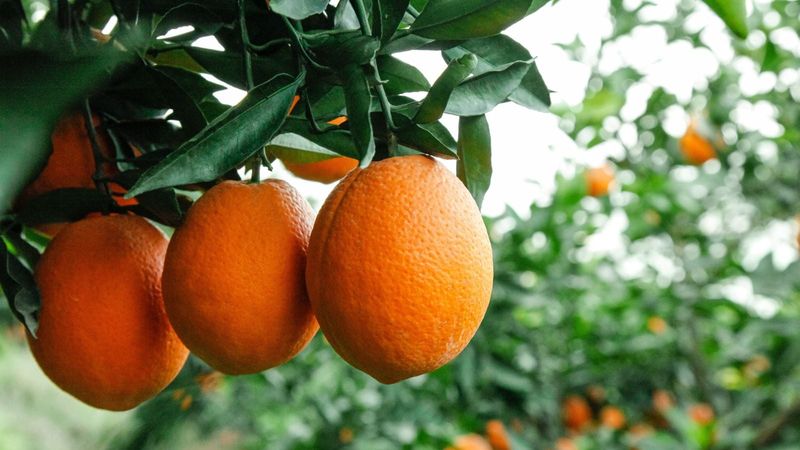
Navel oranges carry a tiny second fruit tucked inside their belly button, which explains that funny bumpy end. Those seedless favorites usually ripen in winter, with harvests in California running from about December into spring.
Around Sacramento, many navels taste best in December and January, and some hold nicely on the tree until March. Warmer southern areas may see fruit sweetening a bit earlier, so local timing can vary by several weeks.
What surprises me most is how a few cold nights in the thirties can boost that sweet flavor. Gardeners often call it a kiss of cold, and it seems to bring the sugar and tang into balance.
Still, navels often color up long before they taste ready, so a bright orange shade can fool you. Look for fruit that feels firm and heavy, then confirm your hunch with one honest sample from the tree.
Some growers ease back on watering a few weeks before harvest to help concentrate the flavor in each fruit. Do this gradually and lightly, because stressed trees can drop fruit or develop split rinds during dry spells.
Navels hang well for weeks after maturing, but they lose quality faster than Valencias once spring warms up. Late fruit may turn puffy or dry, so plan to finish most of your harvest before summer heat arrives.
I like picking navels a handful at a time for lunchboxes and fresh juice throughout the winter months. The tree becomes a slow, sweet pantry, and you rarely need to rush the whole crop at once.
6. Valencia Oranges Turn Green Again In Summer Heat
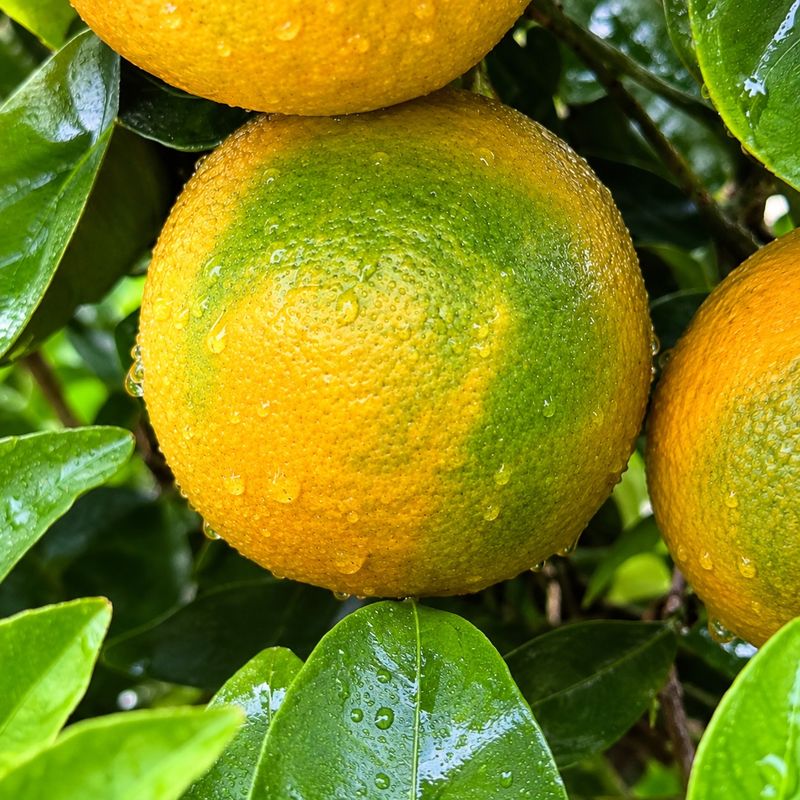
Valencia oranges pull off one of the strangest tricks in the citrus world by turning green after ripening. Warm summer weather lets chlorophyll creep back into the rind, yet the juice inside stays sweet and ready.
This regreening confuses many gardeners, who assume the fruit has somehow gone backward and needs more time. Usually the flavor is at its peak, so a quick taste test settles the question fast.
Valencias are the classic juice orange, and their season runs much later than navels in most home gardens. Harvests often stretch from March into October, with peak picking for many growers between May and August.
Their famous hang time lets fruit sit on the branch for months after maturing without losing much quality. You might even see ripe fruit and fresh blossoms sharing the same tree, which feels like a happy overlap.
That overlap means you should handle branches gently, because rough picking can knock off next season’s tiny developing oranges. Clip each fruit with pruners rather than yanking, and leave that small green stem button attached.
I believe Valencias reward patient gardeners more than any other orange, since waiting usually brings extra sweetness. Fruit picked in early spring often tastes tart, while the same tree by June delivers rich, syrupy juice.
Keep an eye out for fruit that feels soft or lightweight late in the season, since it may be drying. Harvest those first, then enjoy the firm, heavy oranges that still feel full of summer juice.
7. Satsuma Mandarins Need Picking Soon After They Ripen
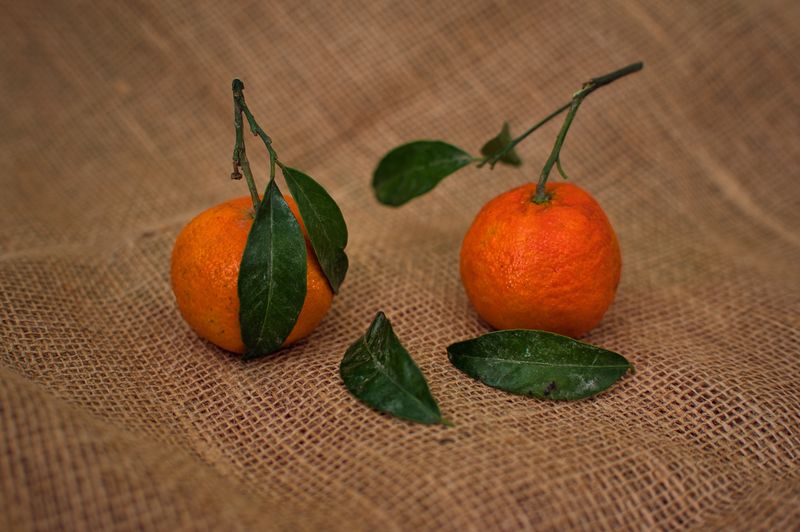
Satsumas peel so easily that you can practically unzip them with one thumb, which makes them a kid favorite. These early mandarins often reach their sweet peak from November through January, just in time for holiday treats.
Unlike many oranges, satsumas do not hold their best quality on the tree for very long after ripening. Leave them hanging much too long, and the flesh can turn puffy and bland surprisingly fast.
Rainy stretches make this problem worse, since extra water can soften the rind and dilute that lovely sweetness. After a storm, check your tree within a few days and pick anything that already tastes ready.
Color can mislead you here as well, because satsumas may taste sweet while patches of green still linger. Cooler coastal gardens often see this, so trust a sample instead of waiting for perfect orange skin.
A ripe satsuma feels heavy for its size and gives slightly before springing back under gentle pressure. The peel loosens as it matures, but that baggy skin alone does not guarantee great flavor inside.
I have to admit that I keep a basket by the back door during satsuma season for quick picking. Snip each fruit carefully, because their thin, loose skin tears easily when you pull and twist too hard.
Picked satsumas keep best in the refrigerator, where they usually stay fresh for a week or two. Share extras with friends promptly, since this crop rewards speed far more than patience in the garden.
8. Gold Nugget Mandarins Stay Tart Until Spring
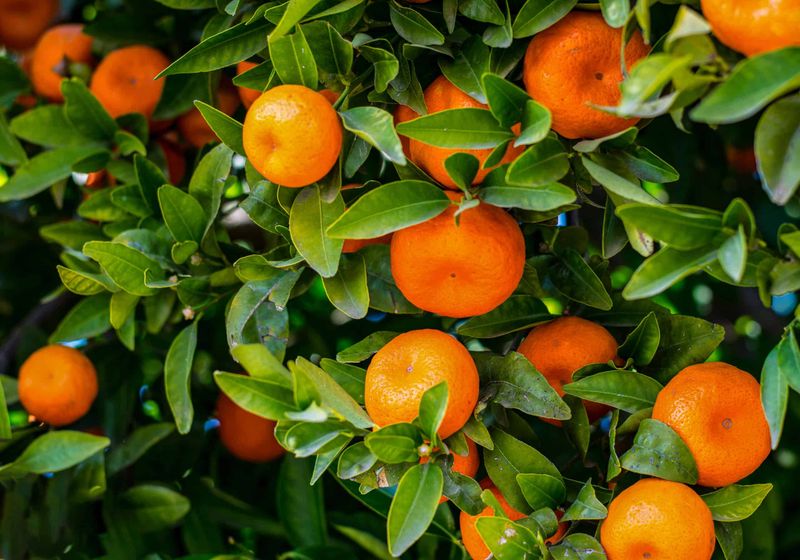
Gold Nugget mandarins look ready by midwinter, but biting one too soon feels like tasting a sour practical joke. This seedless variety often stays tart until March or later, then turns rich and sweet in spring.
Mandarin varieties ripen on very different schedules, which lets one backyard enjoy fresh fruit for months. Clementines usually come in around December and January, while later types like Gold Nugget carry the season forward.
Personally, I think planting a mix of early and late mandarins is the smartest move for any small yard. You avoid one giant flood of fruit and enjoy a steady trickle from late fall into spring instead.
Gold Nugget fruit tends to be bumpy and deep orange, with a sweet flavor many tasters find almost tropical. Its rind color shows up long before the sugar does, so patience pays off with this one.
Mandarins in general sweeten the longer they stay attached, at least until they reach their own peak window. Sample one fruit every couple of weeks starting in late winter, and note how the tartness gradually softens.
Watch for a strong, sweet aroma from the peel, since that perfume often appears right as the flavor improves. A heavy feel and a slight springy give are other reliable signs that your fruit is ready.
Late mandarins share the tree with spring blossoms, so pick carefully to protect those fragrant new flowers. Clip stems close to the fruit, then enjoy a sunny snack when most other citrus has finished.
9. Eureka Lemons Turn Glossy Yellow Almost Year Round
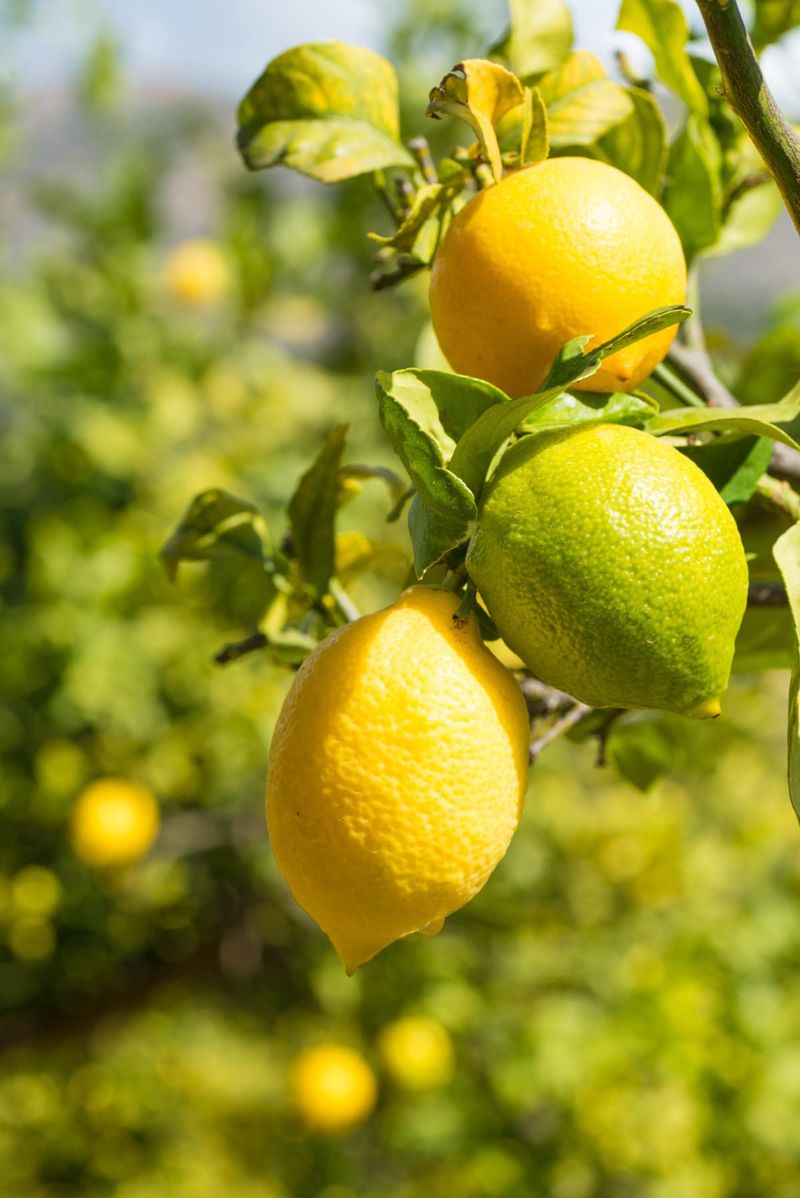
Eureka lemons are the classic grocery store lemon, and a healthy tree can produce fruit nearly all year. In mild California gardens, the heaviest crops usually arrive from late winter through spring and early summer.
Lemons work differently from sweet citrus, because you can use them at many stages from green to yellow. Green fruit tastes sharper and holds less juice, so most cooks prefer waiting for that sunny color.
For the most juice, pick Eurekas when they look fully yellow or yellowish green with smooth, glossy skin. Ripe fruit usually measures about two to three inches long and feels firm when you squeeze it lightly.
Cool weather can speed up the yellow color, but it does not change the lemon’s sour personality inside. That means size and shine matter as much as color when you decide which fruits to clip.
What surprises me most is how long Eurekas can hang after maturing, sometimes for several extra months. The rind may thicken and the acidity can drop slightly, which changes how the lemon behaves in recipes.
Overripe lemons often look dull and wrinkled, or they feel squishy when you press near the stem end. Many growers suggest picking a lemon slightly early rather than letting it linger too long on the branch.
Eureka branches often carry sharp thorns, so wear sturdy gloves and use pruners instead of tugging fruit free. Your forearms will thank you, and the tree avoids torn bark that could invite pests or disease.
10. Meyer Lemons Glow Deep Yellow With A Hint Of Orange
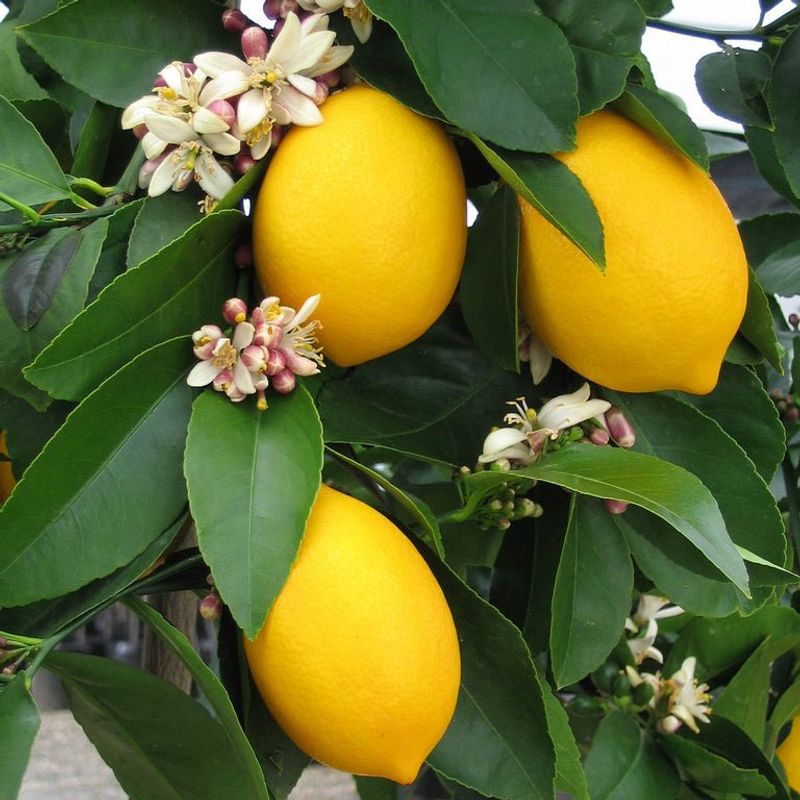
Meyer lemons are believed to be a natural cross between a lemon and a mandarin or orange, originally from China. That mixed family history gives them thin skin and a mellow flavor that feels almost sweet for a lemon.
Their main harvest usually runs from late fall through winter, with many trees producing heavily into early spring. Compact size makes Meyers popular in patio containers, so even small yards can enjoy a steady winter crop.
Wait for the skin to turn a rich egg-yolk yellow, sometimes with a warm orange blush across the rind. Ripe fruit feels firm with a slight give, and the peel releases a sweet floral scent when rubbed.
Picking Meyers while they are still green gives you sharper, more acidic juice than their famous mellow flavor. That can work for some recipes, but most fans wait for full color to enjoy the gentle sweetness.
I can’t imagine a winter kitchen without a bowl of these golden fruits sitting near the stove. Their thin rind makes fantastic zest, though it also bruises and dries out faster than sturdier Eureka skin.
Handle Meyers gently, and clip them rather than pulling, since the delicate peel tears with surprisingly little force. Store picked fruit in the refrigerator, where it generally keeps its quality for a couple of weeks.
Like other lemons, Meyers can hang on the tree for a while, but overripe fruit turns soft and dull. Check your tree weekly during peak season, and you will catch each lemon at its juicy, fragrant best.