Should You Prune Lavender In Fall? What Most Gardeners Get Wrong
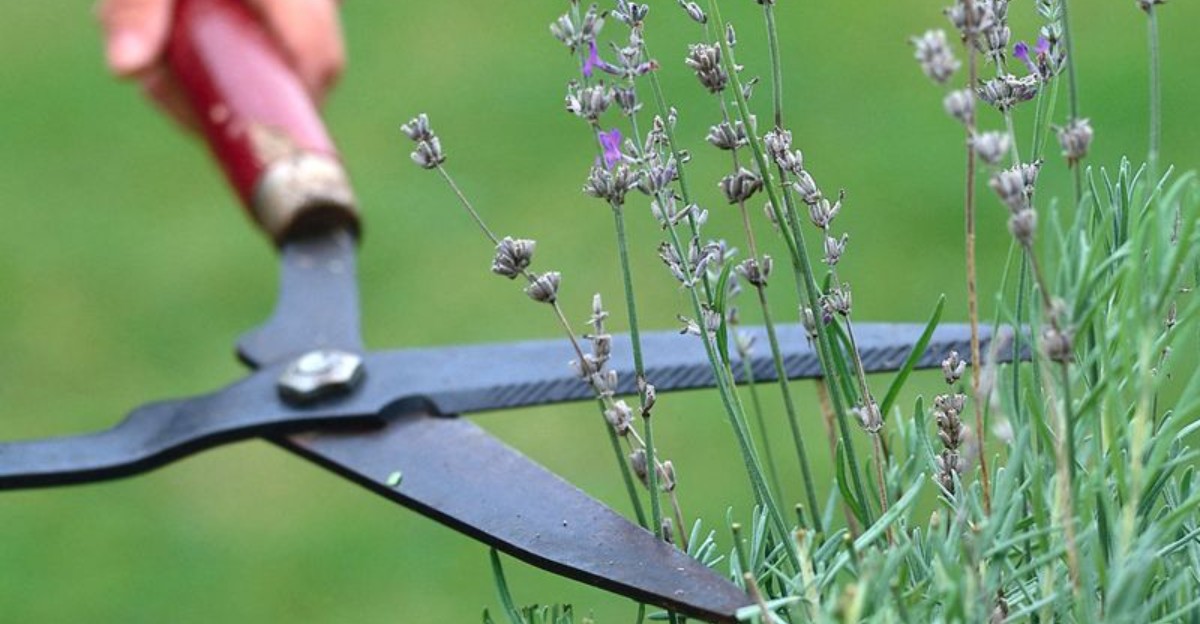
That fragrant shrub by your mailbox rarely sprouts fresh leaves from bare brown wood, however kindly you ask. One overeager snip into those old stems can leave a stubborn bald patch that lasts for years.
Timing matters just as much, because a late trim invites a flush of soft new shoots right before frost arrives. Those tender tips rarely toughen up in time, so cold air and fungus find an easy target.
I learned this the hard way after one cheerful October haircut left my favorite border looking scorched by spring. You might notice similar gaps in your own beds and wonder what went wrong last growing season.
Most of the trouble comes from small habits that feel helpful while you are holding the shears. Which fall chores truly protect your plants, and which ones quietly sabotage next summer’s purple show?
1. Cutting Into Bare Woody Lavender Stems
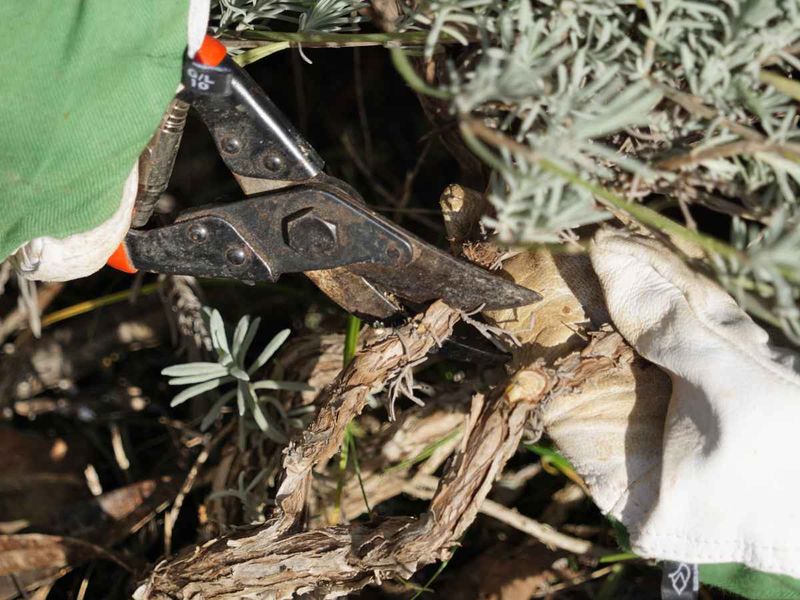
Lavender stems turn brown and woody near the base, and that old wood rarely pushes out new buds. I once sheared a plant down to bare sticks, and it sat there sulking until I replaced it.
Botanically, lavender is a small shrub, so it behaves differently from soft perennials like catmint or salvia. Those plants bounce back from hard cuts, while lavender depends on leafy green growth to restart.
Before you snip, run your fingers down each stem until you feel where gray-green leaves give way to bark. That transition point is your safety line, and every cut should stay comfortably above it this fall.
A good rule from lavender growers is to leave at least two or three sets of leaves on each stem. Those little leaf pairs hold the buds that will become next year’s fresh and fragrant flowering shoots.
Older plants with thick, bare trunks are tricky, because there may be little green left to work with. In that case, trim only the leafy tips and accept a slightly lopsided shape for now.
Many gardeners eventually replace a very woody plant, since older lavender often flowers less and sprawls more. Honestly, starting fresh with a young plant felt easier than nursing my stubborn old shrub along.
2. Trimming Lavender Too Close To The First Frost
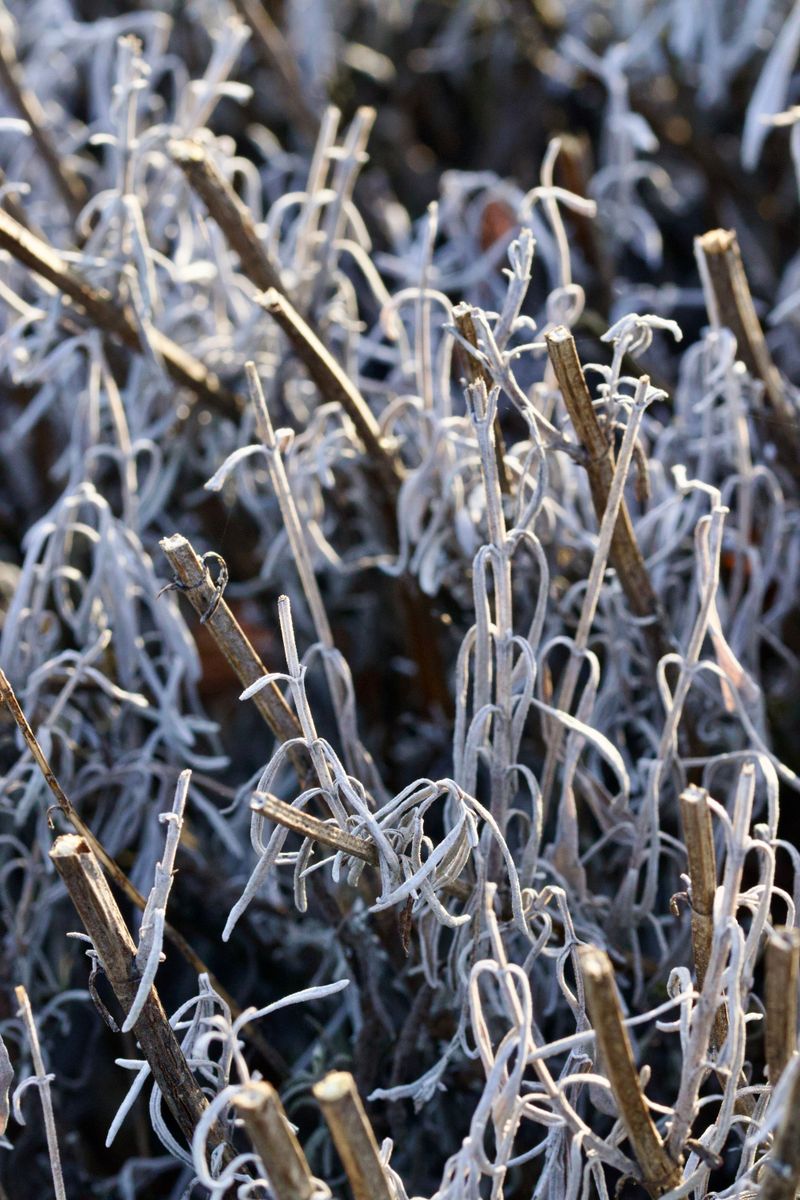
Frost has a sneaky way of finding the softest growth in your garden, and fresh lavender shoots are easy prey. Every cut you make tells the plant to grow, even when winter is just around the corner.
Most lavender experts suggest finishing your trim at least six to eight weeks before your first hard frost. That window gives new leaves enough time to toughen up before freezing nights arrive in earnest.
For many gardeners, that means pruning in August or early September rather than waiting for October cleanup. I used to save lavender for my big autumn tidy day, and my plants paid for it.
Tender tips that get frozen often turn brown and mushy, which opens the door for fungal trouble. Damaged stems can also crack during cold snaps, letting moisture creep deeper into the woody plant.
Look up your average first frost date online through your local extension office or weather service. Then count backward on a calendar and write your pruning cutoff somewhere you will actually see it.
If you already missed the window this year, simply put the shears away and let the foliage be. A gentle shaping after new growth appears in spring is far safer than a rushed autumn haircut.
3. Leggy Lavender That Skipped Its Yearly Trim
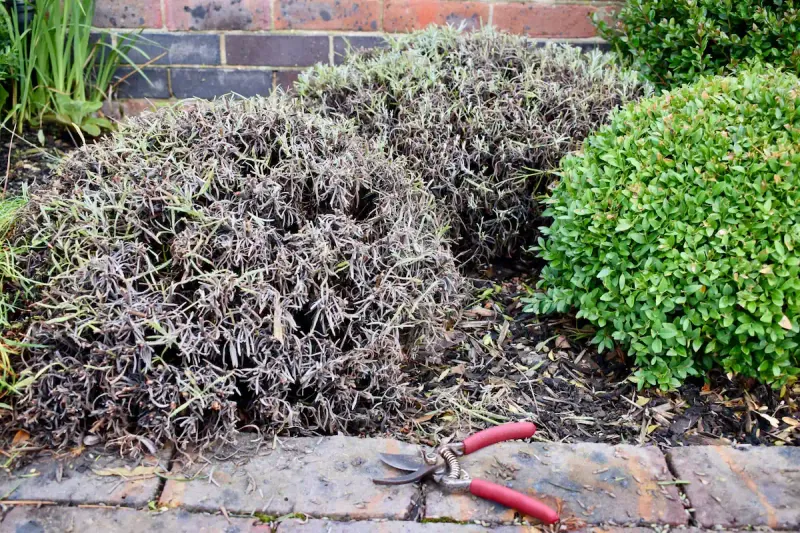
Ever seen a lavender plant that looks like an octopus flopped over the sidewalk with a bald middle? That sprawling mess usually comes from years of skipped pruning, not from bad soil or bad luck.
Without regular trims, lavender stretches upward and turns woody, which often causes the center to split open. Flower spikes get fewer and shorter too, so the plant gives you less color each passing summer.
Plenty of home gardeners actually prune too timidly, snipping only the flower stalks and calling it done. I was guilty of this for years, because cutting into healthy leaves felt strangely rude somehow.
A yearly trim that removes the spent stalks plus a little leafy growth keeps plants compact and full. Many growers shape English lavender into a soft mound, which helps sunlight reach every side evenly.
That rounded dome also lets air move through the foliage, so leaves dry faster after rain or watering. Better airflow means fewer soggy pockets where fungal problems like to quietly settle in and spread.
Start the habit while plants are young, ideally from their very first or second growing season. Young lavender trained early stays tidy longer, and you will thank yourself every time you walk past.
4. Hacking Lavender Down Hard Before Winter
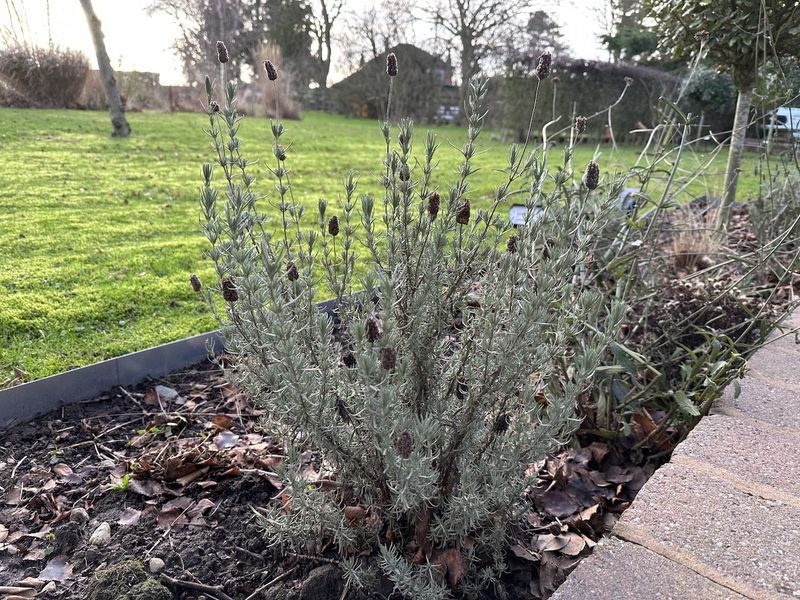
Grabbing the hedge trimmers and giving lavender a buzz cut can feel wonderfully satisfying for about five minutes. The trouble shows up months later, when bare stubs sit through winter with very little protection.
Fall is the season for a light touch, not the dramatic reshaping some gardeners attempt each year. Removing faded flower stalks and a small amount of foliage is plenty for most plants right now.
Leafy growth acts like a cozy coat, shielding the woody core from harsh wind and freezing temperatures. Strip away too much of that coat, and stems become more likely to crack during cold snaps.
Some sources say cutting back about one third of the height is acceptable, but only when done early. Even then, keep plenty of green on every stem so the plant can recover before cold weather.
I now save my heavier shaping for spring, once fresh green shoots show me exactly where growth is active. Seeing those new buds makes it much easier to cut confidently without guessing what survived winter.
Think of autumn pruning as tidying up a cluttered bookshelf rather than remodeling the whole living room. Your lavender will look a bit shaggy until spring, and honestly, that slight shagginess serves a purpose.
5. French And Spanish Lavender Need Gentler Care
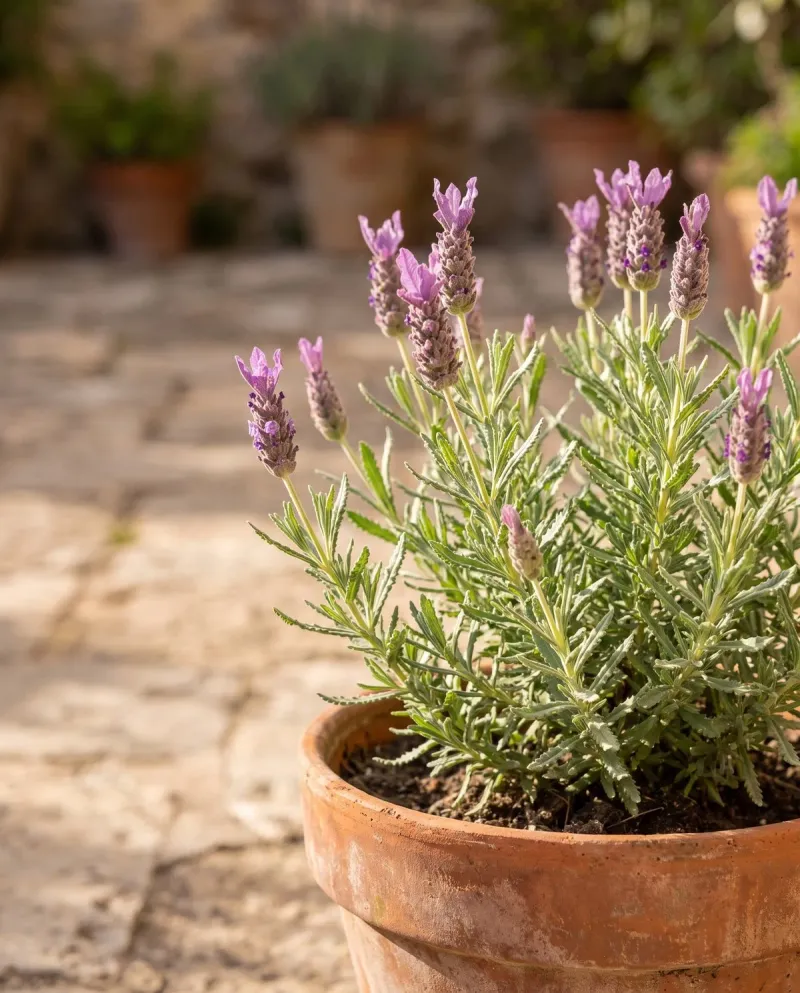
Those adorable lavenders with bunny-ear petals on top are usually Spanish lavender, and they play by different rules. Known botanically as Lavandula stoechas, this type handles cold far less gracefully than common English lavender.
French lavender, or Lavandula dentata, has toothy, frilly leaves and is similarly tender in chilly climates. Both types generally suit warmer zones, roughly USDA 8 and higher, though exact limits vary by cultivar.
In fall, these tender types do best with a simple cleanup of faded blooms and nothing more. Heavy cuts before winter leave them badly exposed, especially where winter nights regularly dip below freezing.
Lavandins, sold as Lavandula x intermedia, include popular varieties like Grosso and Provence with long, sweeping stems. Gardeners in cooler regions often give these hybrids a lighter fall trim and save the main prune for spring.
I had no idea which type I owned until I dug the old plant tag out of a drawer. That little tag changed my whole pruning plan, and my Spanish lavender came through winter looking happier.
If you lost the label, compare leaf shape and flower style with photos from a trusted nursery or extension site. Knowing your variety takes a few minutes, yet it can save you a whole season of disappointment.
6. Pruning Lavender On A Damp Drizzly Day
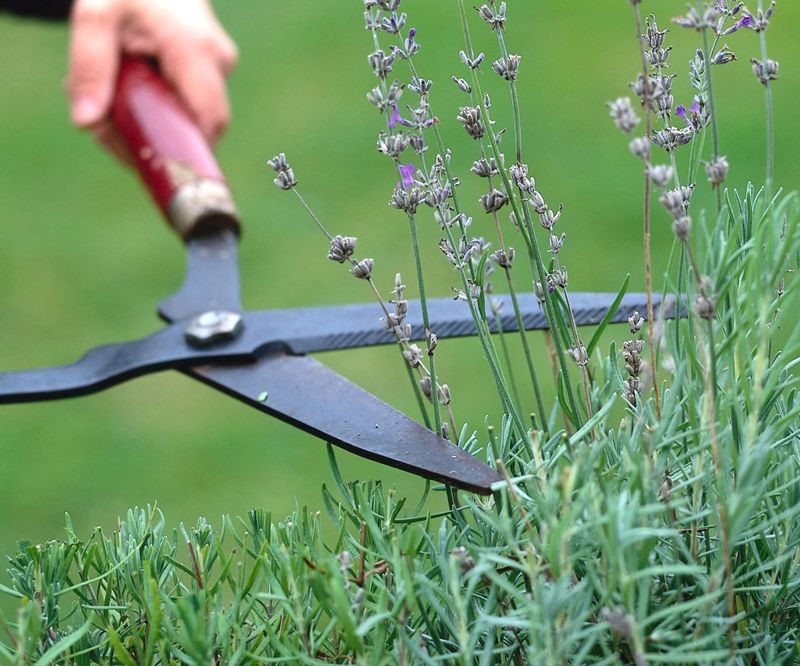
Lavender grew up on sunny Mediterranean hillsides, so it has very little patience for soggy conditions. Fresh pruning cuts on a damp, drizzly afternoon are basically an open invitation for fungal spores.
Every snip leaves a tiny wound, and moisture sitting on that wound helps disease organisms settle right in. Humid air slows healing too, which keeps those cuts vulnerable for longer than you might expect.
The fix is refreshingly simple, so just wait for a dry, sunny day with a little breeze. Midmorning works nicely, after the dew has burned off but before any evening dampness rolls back in.
I keep an eye on the weather app and aim for a stretch of two dry days in a row. That gives the cuts a fair chance to seal before the next rain shower comes rolling through.
Pay attention to the clippings as well, since wet piles left under the plant can trap moisture. Rake them away and toss healthy pieces in the compost, or tuck fragrant bundles into a drawer.
Gardeners in humid southern regions face this challenge more often and may need extra patience between rainy spells. Good drainage and wide plant spacing help a lot, keeping air moving freely around each bushy mound.
7. Dull Rusty Pruners Tearing Lavender Stems
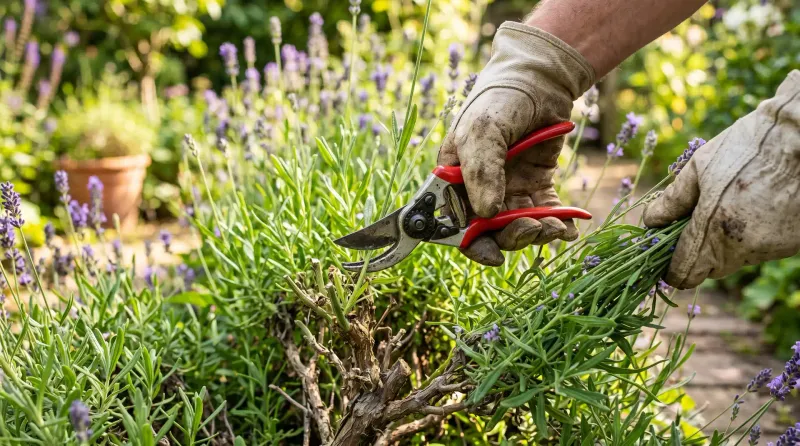
A crisp snip from sharp pruners sounds almost musical, while dull blades crunch and chew through lavender stems. That ragged, torn tissue heals slowly and leaves the plant more open to disease over winter.
Dirty blades cause a different headache, because they can carry fungal spores or bacteria from plant to plant. One infected shrub at the end of the row can quietly share its trouble with every neighbor.
Before I start, I wipe my blades with a household disinfectant and give them a minute to dry. Between plants that look sickly, I repeat the wipe, which takes seconds and saves real heartache later.
Sharpening is easier than many people think, especially with a small handheld sharpener from the hardware store. A few gentle strokes along the beveled edge usually restore a clean, smooth cutting action right away.
For big lavender hedges, many growers prefer hand shears or a sickle to gather and cut stems quickly. Bypass pruners work best for small plants, since they slice cleanly like scissors instead of crushing.
After the job, rinse off sticky sap and dry the blades so rust does not creep in. A drop of light oil on the pivot keeps them opening smoothly for next year’s trim.
8. Watering Lavender Too Much As Fall Arrives
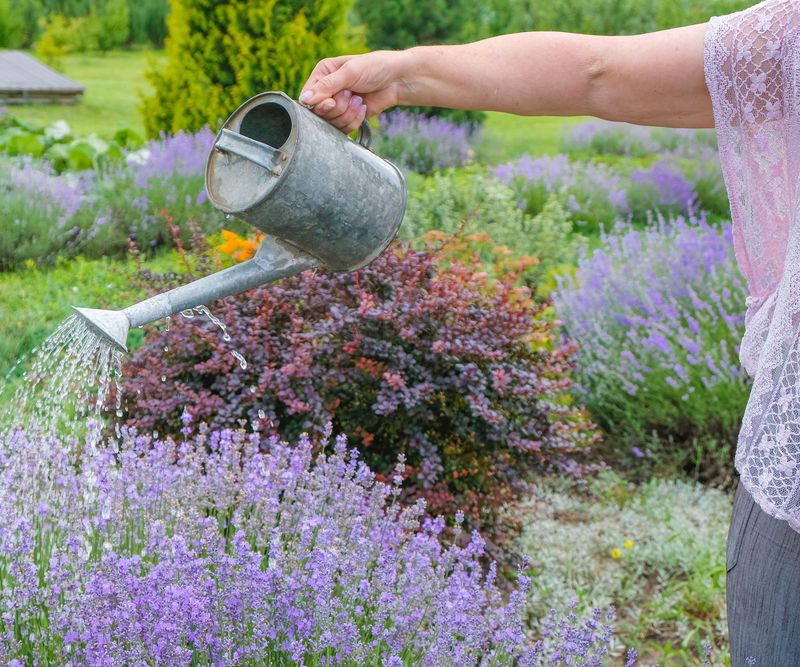
Lavender handles a little neglect far better than too much love from the garden hose, especially in autumn. As growth slows down for winter, the roots simply need far less water than they did in July.
Overwatering during this quiet stretch is a classic mistake, and it often leads straight to root rot. Soggy soil squeezes out oxygen, and lavender roots sitting in cold mud quickly start to decline.
I used to water my lavender on the same schedule as my thirsty tomatoes, which was a poor idea. Yellowing lower leaves and a mushy base were the first hints that I was loving it too much.
Before watering, push a finger a couple of inches into the soil and check for real dryness. Established plants in the ground often get by on rainfall alone once cooler autumn weather settles in.
Drainage matters just as much as watering habits, since heavy clay holds moisture around the crown for days. Planting on a slight mound or in a raised bed helps extra water drain away from the roots.
Skip thick organic mulch piled against the stems, because it can trap dampness right where lavender dislikes it. Many growers use a thin layer of gravel instead, which keeps the crown drier and reflects warmth upward.
9. Checking Your Hardiness Zone Before Pruning Lavender
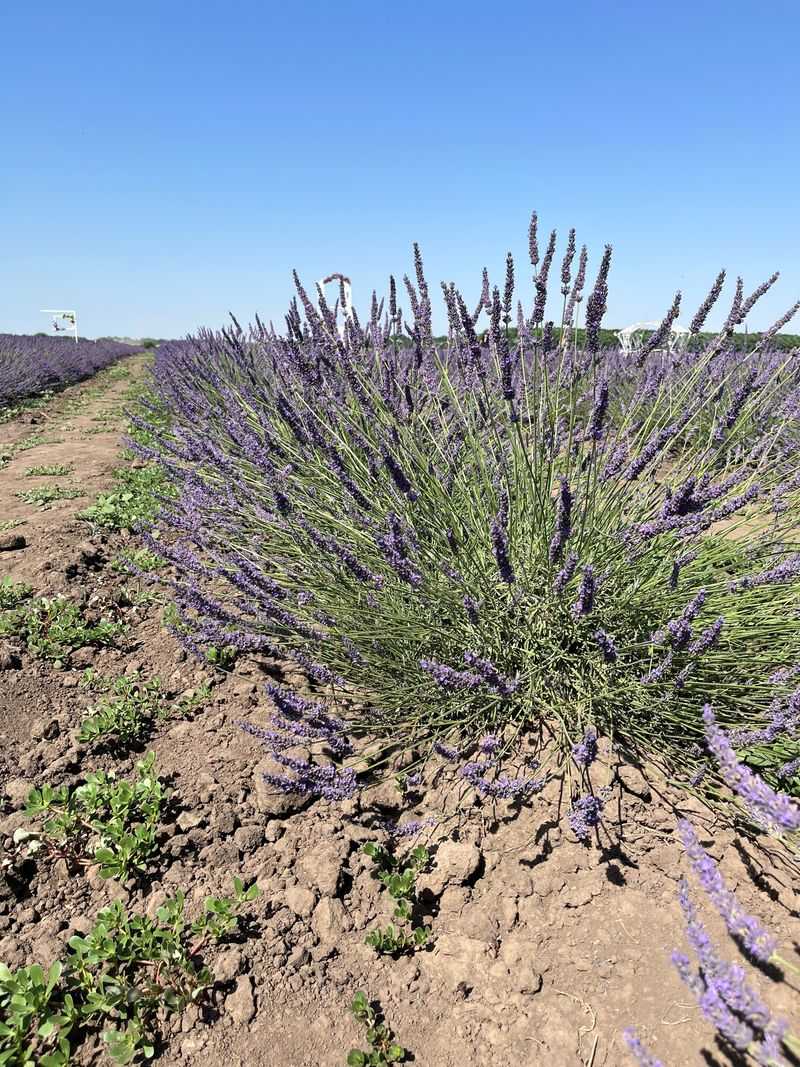
A lavender grower in snowy Vermont and one in balmy Georgia could pick the same plant but follow different calendars. Climate decides when your shears should come out, and a single national pruning date simply does not exist.
In colder areas, roughly USDA zones 4 through 6, the fall pruning window can close by mid-August. Warmer regions in zones 8 through 10 often allow light trimming to continue well into late September.
Southern New Jersey, which sits mostly in zone 7, offers a good middle example for timing. Gardeners there can often prune in late September, while colder New Hampshire gardens usually need an earlier start.
The USDA Plant Hardiness Zone Map lets you type in a zip code and see your zone in seconds. Pair that with your local first frost date, and you suddenly have a reliable pruning deadline.
Microclimates count too, since a sheltered spot near a warm brick wall can behave like a warmer zone. Low corners where cold air pools may see frost earlier than the rest of your yard.
I started jotting frost dates and pruning days in a little notebook, and the pattern became obvious. Your own garden records will teach you more about timing than any generic advice found online.