Can Geraniums Keep Blooming on a Michigan Windowsill All Winter?
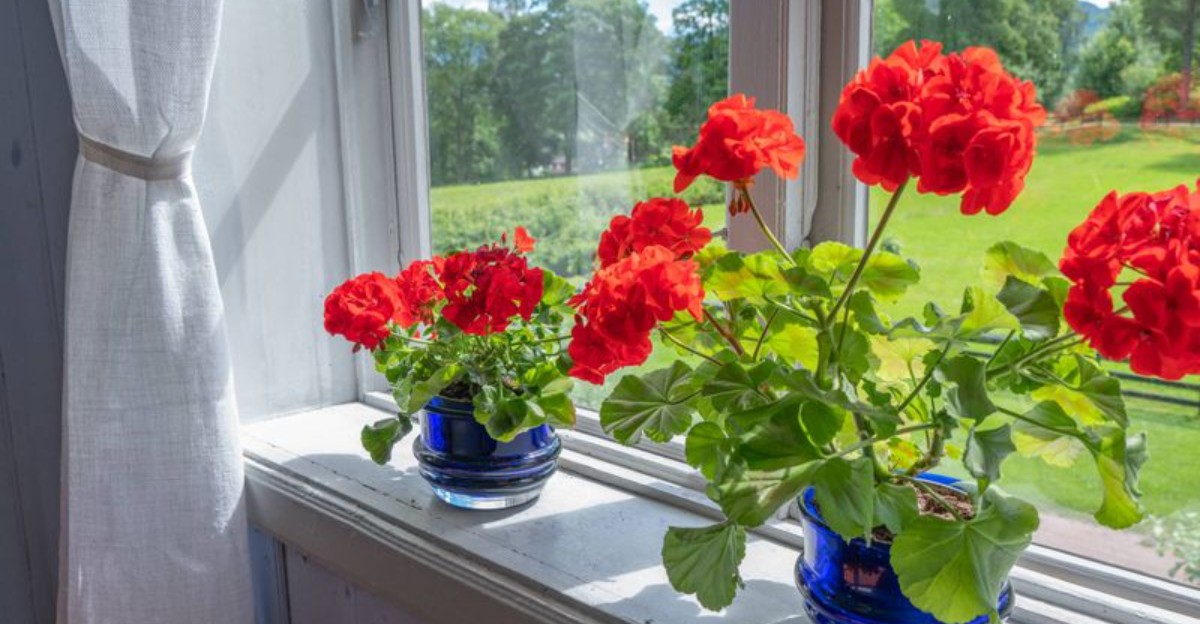
The flower on half the porches in my town has carried the wrong name since 1789. Botanists split it into its own group back then, yet the old label stuck like a garden tag in wet mud.
Truth is, I love it anyway. It came from the warm hills of South Africa, so a Michigan January is about as foreign to it as weather gets. One hard frost outside, and the summer show is over.
Every fall, I carry a few pots inside and hope for the best. Some years they sulk. Other years, a red cluster pops open in February while snow piles up against the glass.
So what makes the difference between a sulky stem and a winter bouquet? I have picked up a few hard-won answers, and one of them surprised me more than the cold ever did.
A Sunny Windowsill Geranium Can Still Surprise You in January
Yes, it can happen. A well-placed zonal geranium can keep pushing out flower clusters on and off through a Michigan winter.
The catch is in the words on and off. Indoor plants rarely match the nonstop show they put on in July. Expect a few bright clusters at a time, with quiet stretches in December and early January when days are shortest.
Those plants are not true geraniums, by the way. They belong to the genus Pelargonium, which hails from southern Africa. Their homeland has mild winters and lots of sun, which explains why they crave bright light and hate frost.
Not every type performs the same. Zonal geraniums, the ones with a dark ring on their leaves, are the most reliable winter bloomers. Ivy geraniums can flower indoors too, though they often take a longer break.
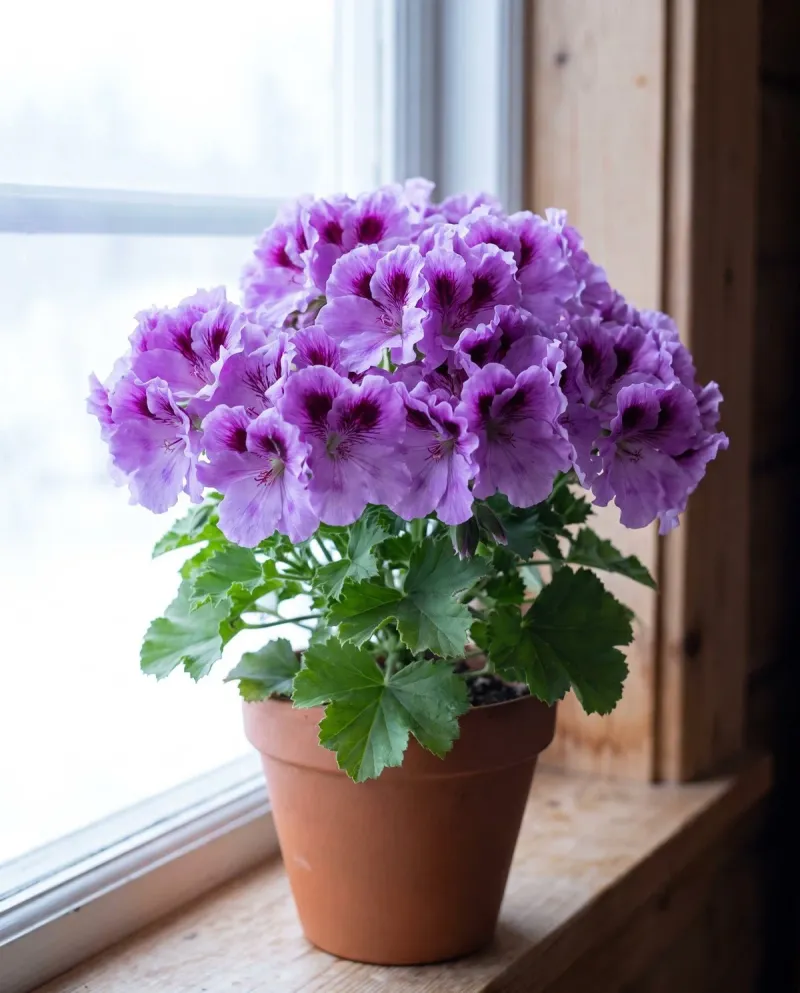
Regal geraniums, sometimes called Martha Washington types, are a different story. They usually need cool nights to set buds, so they tend to save their big show for late winter and spring.
Fair warning, a plant that looks a little tired in November is nothing unusual. Give it a few weeks to settle in before you judge it. Most bounce back once they adjust to indoor life.
South-Facing Windows Give Geraniums Their Best Shot at Flowers
Light is the whole ballgame. I learned this after a winter of tall, floppy, flowerless stems on my kitchen table, three feet from the nearest window.
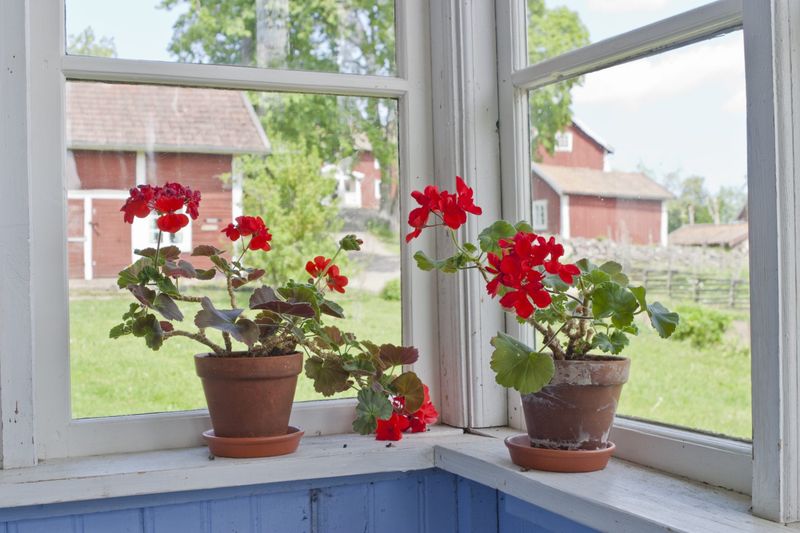
Geraniums are sun lovers. Outdoors they want six or more hours of direct sun, and indoors they still need as much as you can give them. A south-facing window is your best bet, with west-facing as a solid runner-up.
Michigan winters make this tricky. Days shrink to around nine hours of daylight near the solstice, and gray skies are common, especially near the Great Lakes where lake-effect clouds roll in.
Grow lights help a lot. A simple LED fixture set a few inches above the plants and run for 14 to 16 hours a day can keep buds coming even through cloudy weeks. A cheap outlet timer makes this easy to manage.
Turn your pots a quarter turn every week or so. That keeps the plant from leaning toward the glass and growing lopsided.
Watch the stems for clues. Long gaps between leaves and pale green color mean the plant is stretching for light. If you see that, move it closer to the window or add a light right away.
Cool Nights Near the Window Glass Help Geranium Buds Form
Here is a twist I did not expect. Geraniums bloom better when your house is a little chilly at night.
Extension experts often suggest daytime temperatures around 65 to 70 degrees and nights closer to 55 to 60 degrees. That cool dip slows down leafy growth and nudges the plant toward making flowers.
Warm, stuffy rooms tend to produce lanky stems and few buds. Heat registers are another problem, since blasts of dry hot air can crisp the leaves fast.
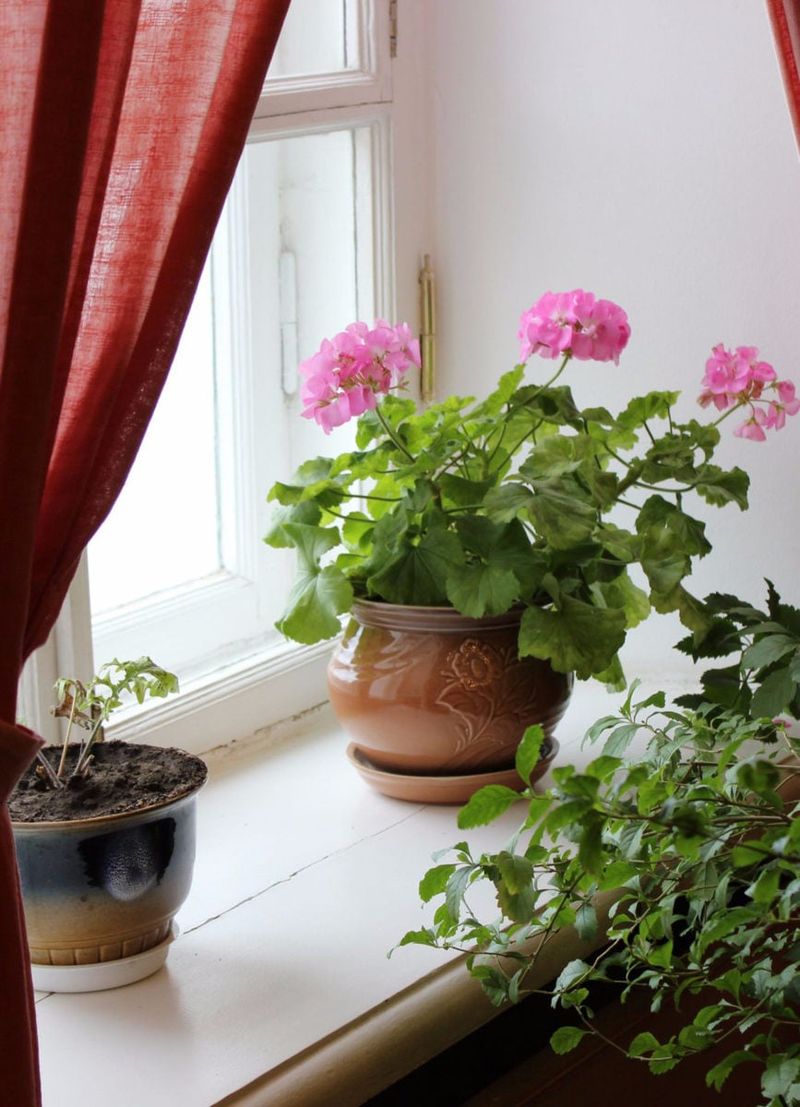
A spot near the glass naturally runs cooler at night, which is a nice bonus. Just keep leaves from touching cold windowpanes during a deep freeze. On those subzero nights, slide the pots back a few inches or tuck a curtain between plant and glass.
Unheated porches and garages are too cold for blooming plants once temperatures drop toward freezing. Geraniums can take the low 40s for a short time, but steady cold will stall them.
Got a cool spare bedroom with a bright window? Lucky you. That room might be the best winter home for your geraniums in the whole house.
A small thermometer near the pots takes the guesswork out of finding the sweet spot.
Let the Potting Mix Dry Out Before You Grab the Watering Can
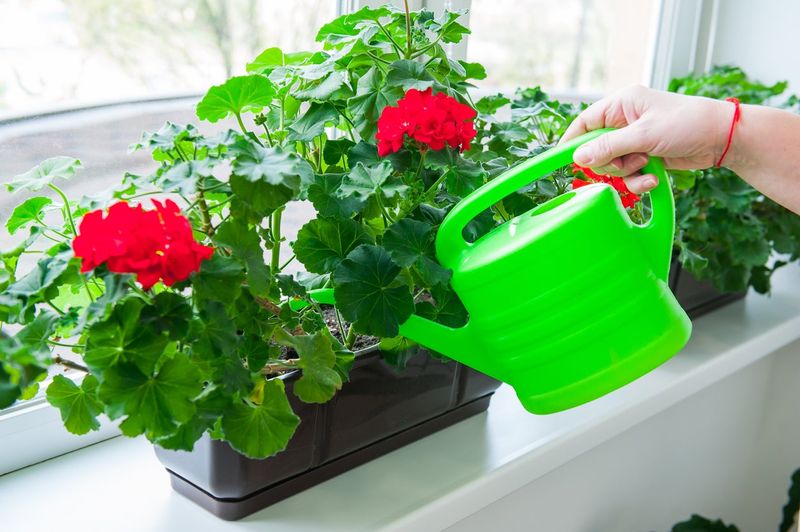
Guilty as charged. My first indoor geraniums struggled because I loved them a little too much with the watering can.
Soggy soil is the most common reason indoor geraniums fail. Their thick stems hold water, and they handle a dry spell far better than wet feet. In cool rooms with weak winter light, the soil stays damp much longer than it does in summer.
Use the finger test. Push your finger about an inch into the mix, and water only when it feels dry. In many homes that works out to every 10 to 14 days, though warmer rooms and grow lights may speed things up.
When you do water, soak the pot until water runs out the bottom. Then dump the saucer so roots are not sitting in a puddle.
Drainage holes are a must. Decorative pots without them trap water and invite root rot.
Lifting the pot is another handy trick. A dry pot feels surprisingly light, while a wet one has noticeable heft.
Yellow lower leaves and soft, dark stems at the soil line often point to overwatering. If you spot those signs, let the soil dry well before watering again.
Trim Leggy Geranium Stems Before Bringing the Pots Indoors
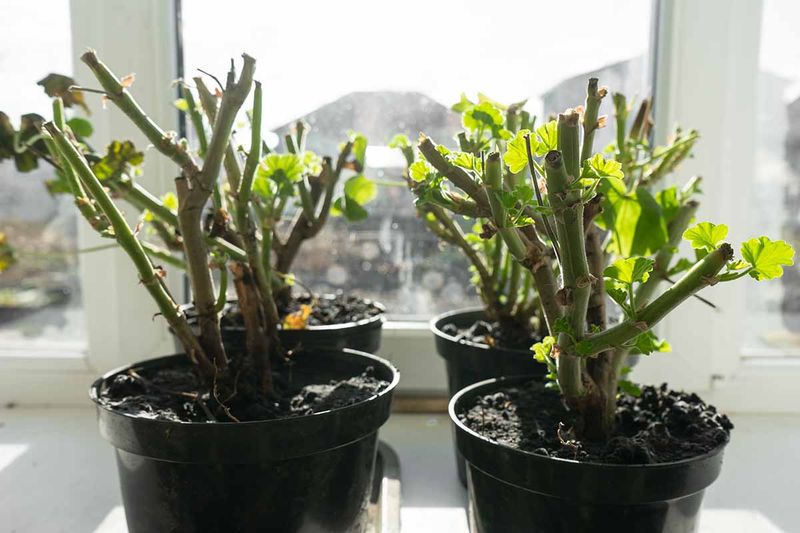
Timing matters more than most folks realize. Geraniums should come inside before the first frost, which often arrives in late September up north and around mid-October in the southern Lower Peninsula.
Watch the forecast in early fall. Once nights dip into the 40s, it is a good time to start moving pots in.
Before they cross the threshold, give them a haircut. Cutting plants back by about one-third to one-half helps them fit indoors and encourages bushier new growth. Snip just above a leaf node, the little bump where a leaf joins the stem.
Plants dug from garden beds need fresh containers. Use a pot just big enough for the roots, since geraniums tend to bloom better when slightly snug. A light, well-drained potting mix works best, and a handful of perlite adds extra drainage.
Rinse the leaves and check undersides for hitchhiking bugs. A gentle spray with the hose a few days ahead can knock off many pests.
Through winter, keep pinching the stem tips that get long. Each pinch encourages side shoots, and more shoots mean more spots for flower buds to form later.
Save those trimmings, too. They root easily.
Go Easy on Geranium Fertilizer Until Late Winter Sunshine Returns
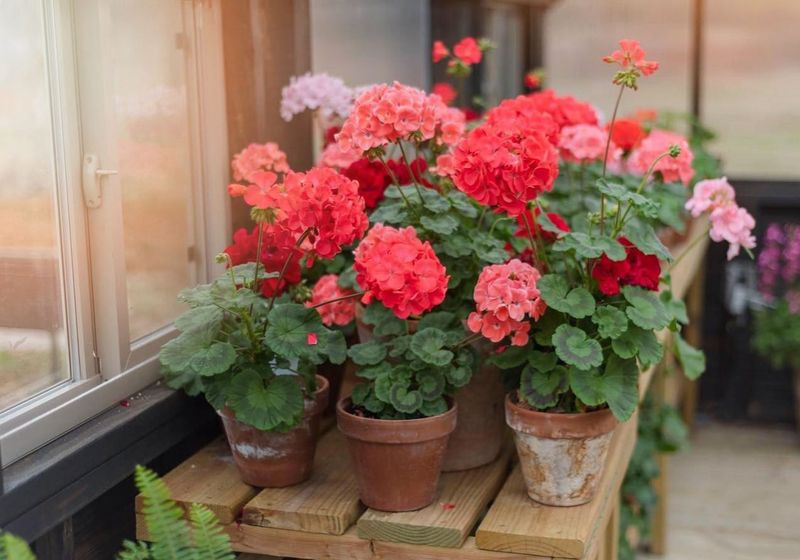
Plant food feels like a kind gesture, but winter geraniums need very little of it.
Growth slows down when light is low. Extra fertilizer during that slow stretch can pile up as salts in the soil, and heavy nitrogen tends to push leaves at the expense of flowers. A white crust on the soil surface or pot rim is a sign salts are building up.
My own routine is simple. I skip feeding in the darkest weeks, then start again in late winter when days lengthen and new leaves appear.
Plants under strong grow lights are the exception. Since they keep growing steadily, a light monthly feeding can help them keep buds coming.
Pick a balanced water-soluble fertilizer, or a bloom formula with a bit more potassium. Mix it at half the label strength. Feeding about once a month is plenty for most indoor plants.
Always water first if the soil is bone dry, then feed. Fertilizer poured onto parched roots can scorch them.
By March in Michigan, the sun climbs higher and your plants will tell you they are ready. Fresh green growth is your cue to step up feeding toward spring.
Whiteflies, Aphids and Gray Mold Love Indoor Geranium Leaves
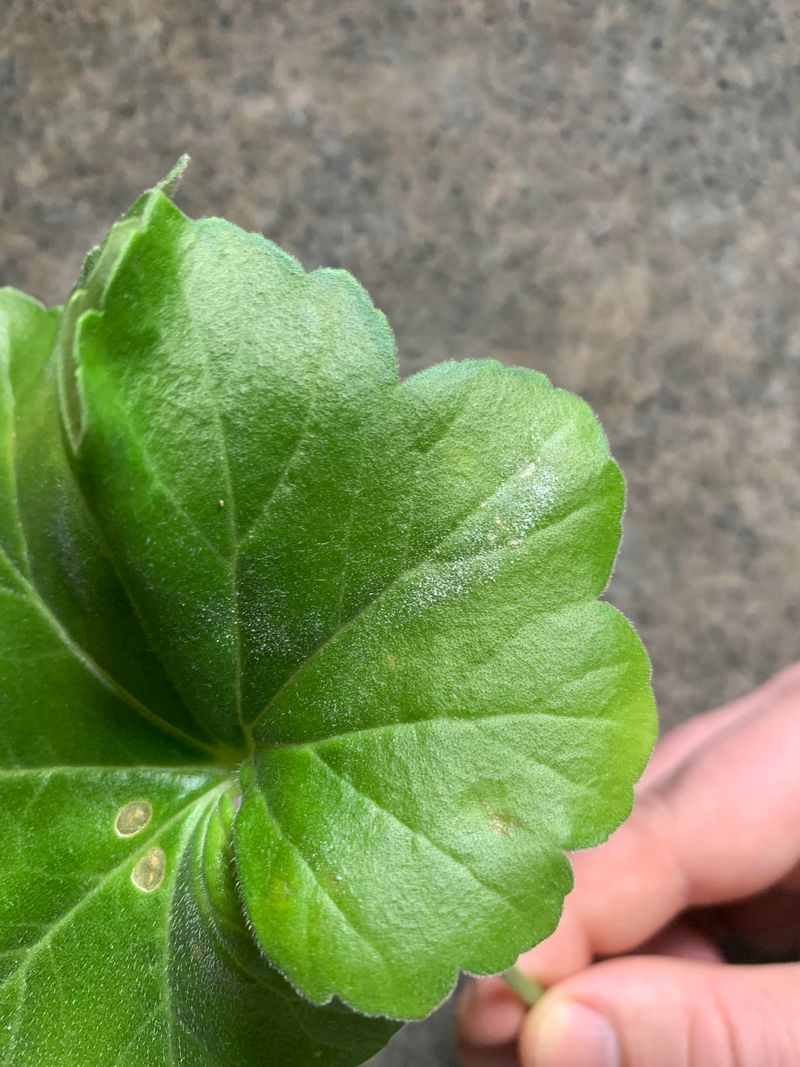
Not going to lie, the first time a cloud of tiny white bugs flew up from my geranium, I jumped.
Whiteflies are one of the most common pests on indoor geraniums. Aphids, mealybugs and spider mites can also show up, especially in warm, dry rooms. Most of them hide on leaf undersides, so flip a few leaves when you water.
Yellow sticky cards placed near the pots help catch whiteflies and show you how many are around. Rinsing plants in the sink or shower knocks off aphids and mites. For stubborn cases, insecticidal soap labeled for houseplants works well when you follow the directions closely.
Gray mold, caused by the fungus Botrytis, is another winter troublemaker. It shows up as fuzzy gray patches on faded flowers and soft leaves, mostly in cool, damp, crowded spots.
Good habits keep it in check. Pinch off spent blooms and yellow leaves promptly, space pots so air can move, and water the soil instead of the foliage.
Some leaf drop right after the move indoors is normal. Plants shed leaves as they adjust to lower light. Steady new growth afterward is a sign your plant is settling in just fine.
Rooted Geranium Cuttings Give You a Head Start on Spring
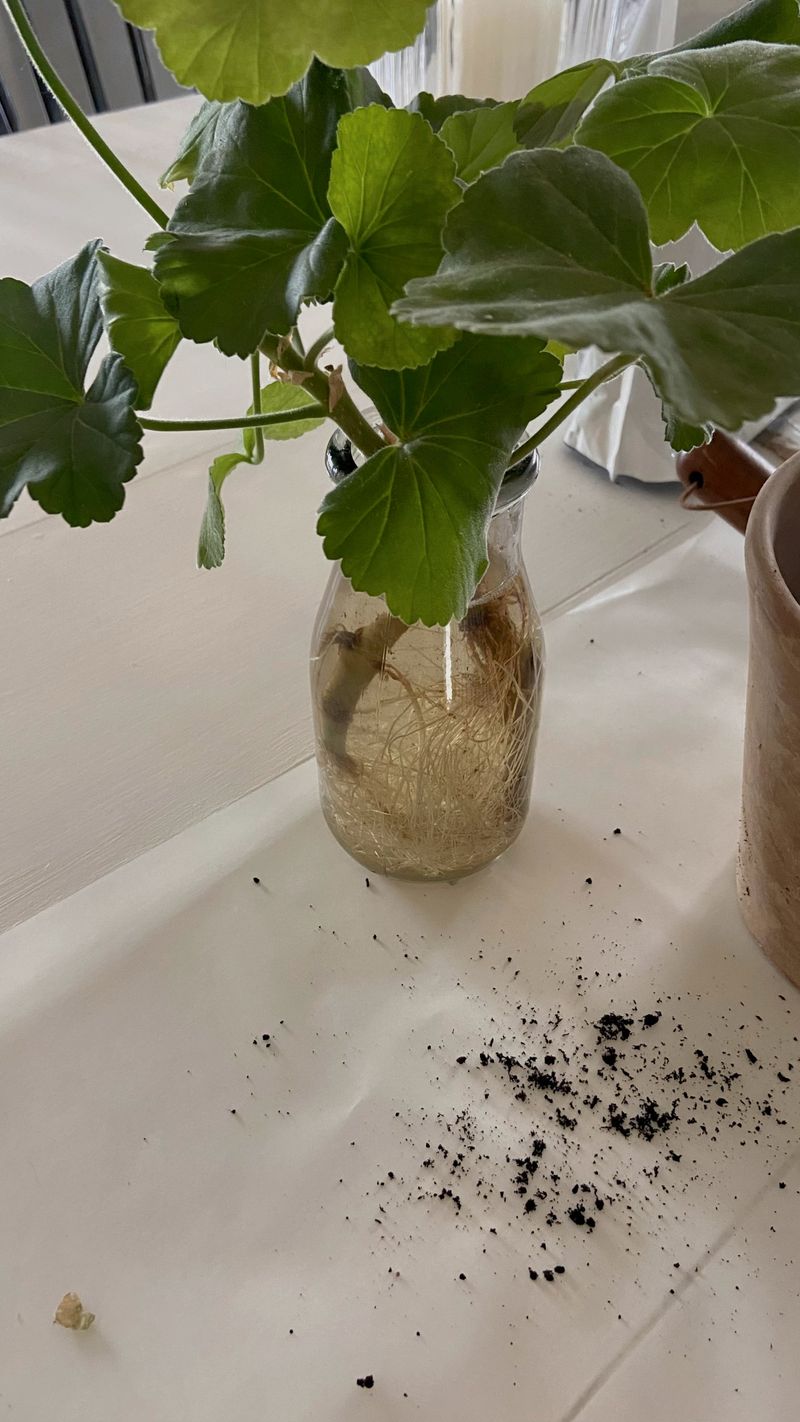
Not every geranium needs to bloom all winter to earn its keep. Sometimes the smartest move is keeping a little piece of it going.
Cuttings are my favorite backup plan. Take a three to four inch stem tip, strip the lower leaves, and let the cut end dry for a few hours. Then tuck it into moist potting mix in a bright spot. Roots usually form in a few weeks.
Small rooted cuttings take up less window space than big plants, and they often bloom nicely by spring.
Short on bright windows? Some gardeners store geraniums dormant instead. They shake soil from the roots and hang plants upside down in a cool basement, or tuck them into paper bags. Those plants will not flower, but many sprout again when potted up in late winter.
Whichever route you choose, overwintered plants give you a jump on the season. They are bigger than fresh nursery transplants and tend to bloom sooner outside.
Most of Michigan sits in USDA zones 5 and 6, with colder pockets up north, so wait until frost danger passes, often mid to late May, before moving plants back out. Harden them off gradually over a week. Your porch will thank you.