The Wheeled Hose Cart New York Gardeners Swear By Could Save Your Back, if You Avoid One Winter Mistake
Water swells by about 9 percent when it freezes, and that small push can split a metal pipe hidden inside your wall. The culprit is often a humble garden tool sitting right by the back door.
I once left my trusty rolling reel parked by the spigot until December, hose still screwed on tight. Looking back, I got lucky that a cold snap did not cost me a plumber’s visit.
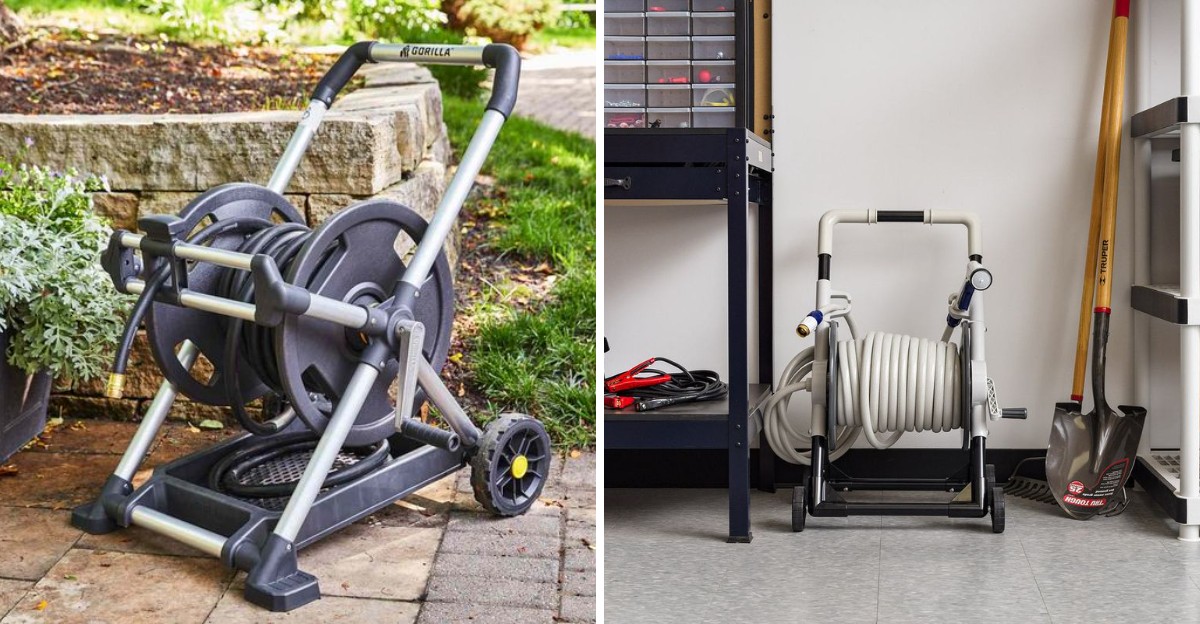
That rolling helper earns its keep from spring to fall across New York. It spares your shoulders, knees, and lower back from dragging a heavy, kinked hose across the yard. Between you and me, it might be the smartest garden purchase I ever made.
Yet one quick autumn habit decides whether it keeps helping or quietly causes trouble. So what exactly should you do before the first hard freeze arrives?
That Hose Still Screwed Onto the Spigot Is Hiding a Problem
Frost-free outdoor faucets sound like a promise of safety. Most work by shutting off water deep inside the warm part of your house, then letting the leftover water in the valve drain out.
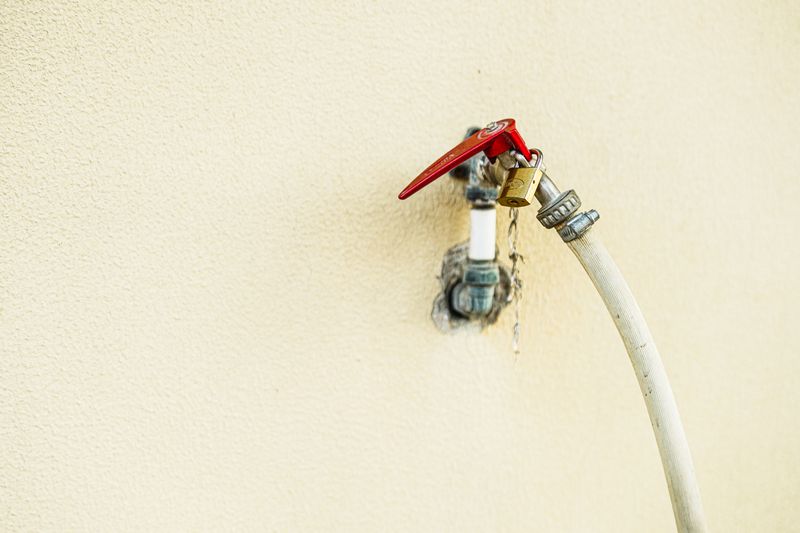
A connected hose blocks that drain. Water stays trapped in the faucet body and the pipe right behind it, sitting in the cold zone where it can freeze.
Plumbers and many home care guides point to attached hoses as a common reason outdoor faucets crack in winter. The tricky part is where the crack shows up.
It is often inside the wall or basement ceiling, out of sight.
Older homes across New York often have standard spigots, not frost-free ones. Those need even more care, usually an indoor shutoff valve closed for the season.
If you are not sure which type you own, look for a long stem faucet or check for a valve on the pipe inside your basement.
For what it is worth, I walk around my house every fall and touch each spigot. It takes two minutes.
That small ritual has saved me plenty of worry and probably a soggy basement or two.
Unscrew the Garden Hose Before the First Hard Freeze
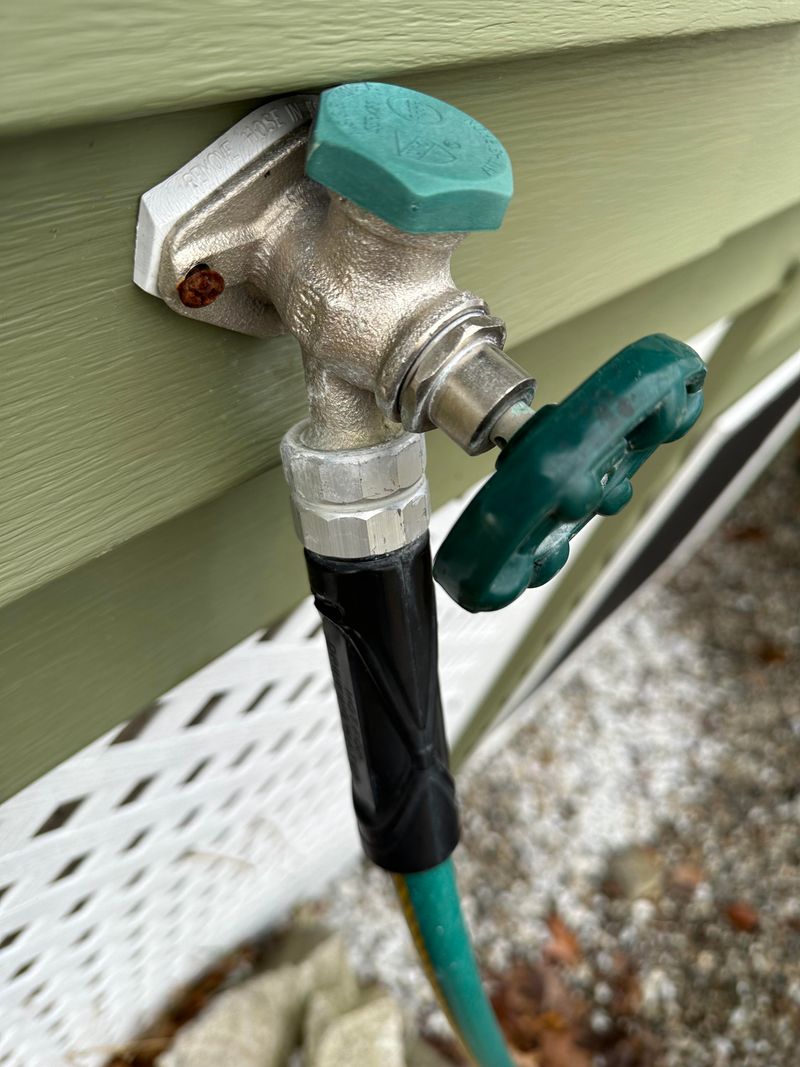
Here is the one winter mistake, plain and simple. Leaving the hose attached once nights drop below freezing invites trouble for your plumbing.
The fix takes less than a minute. Twist the coupling off the spigot, then open the faucet briefly to let any trapped water dribble out.
Timing matters in our state. Hard freezes can show up by late September or early October in the Adirondacks and North Country, while New York City and Long Island often stay milder into November.
Watch your local forecast rather than the calendar.
If you have a standard faucet, close its indoor shutoff valve first. Then open the outdoor tap to drain the line, and leave it open through winter so any remaining water has room to escape.
Many hardware stores sell foam faucet covers for a few dollars. They add an extra layer of protection, especially on exposed north-facing walls.
Take it from someone who procrastinated once. A warm October afternoon feels like plenty of time, then a surprise cold night arrives.
Make disconnecting part of the same weekend you pull spent tomatoes or rake leaves, and it will stick as a habit.
Drain Every Drop From the Hose Before Winding It on the Reel
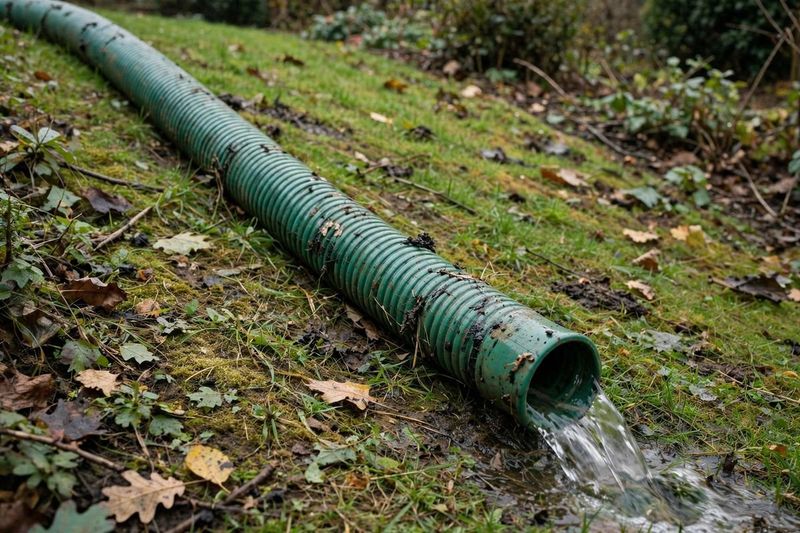
Water left inside a hose can freeze and expand, which stresses the inner lining. Over a few winters, that can lead to cracks, bulges, and annoying pinhole leaks.
Draining is easy with a little gravity. Stretch the hose out straight along a gentle slope, starting from the high end, and let the water run out the low end.
Got a flat yard? Lift the hose over your shoulder and walk it hand over hand toward one end.
Each lifted section pushes water forward like squeezing toothpaste.
Remember the extras too. Spray nozzles, wands, and splitters can trap water inside, so pull them off and let them dry separately.
Bring brass parts indoors, since frozen water can crack metal fittings.
Once the hose runs dry, wind it loosely onto the cart. A loose wrap is kinder to the rubber than a tight, strained coil in cold weather.
My garden taught me that this step pays off in April. A properly drained hose unrolls smoothly and sprays clean water, not a sputtering burst from a split seam.
Little effort now means fewer surprises when the daffodils pop up.
Rolling a Hose Reel Cart Is Easier on Your Back Than Hauling Coils
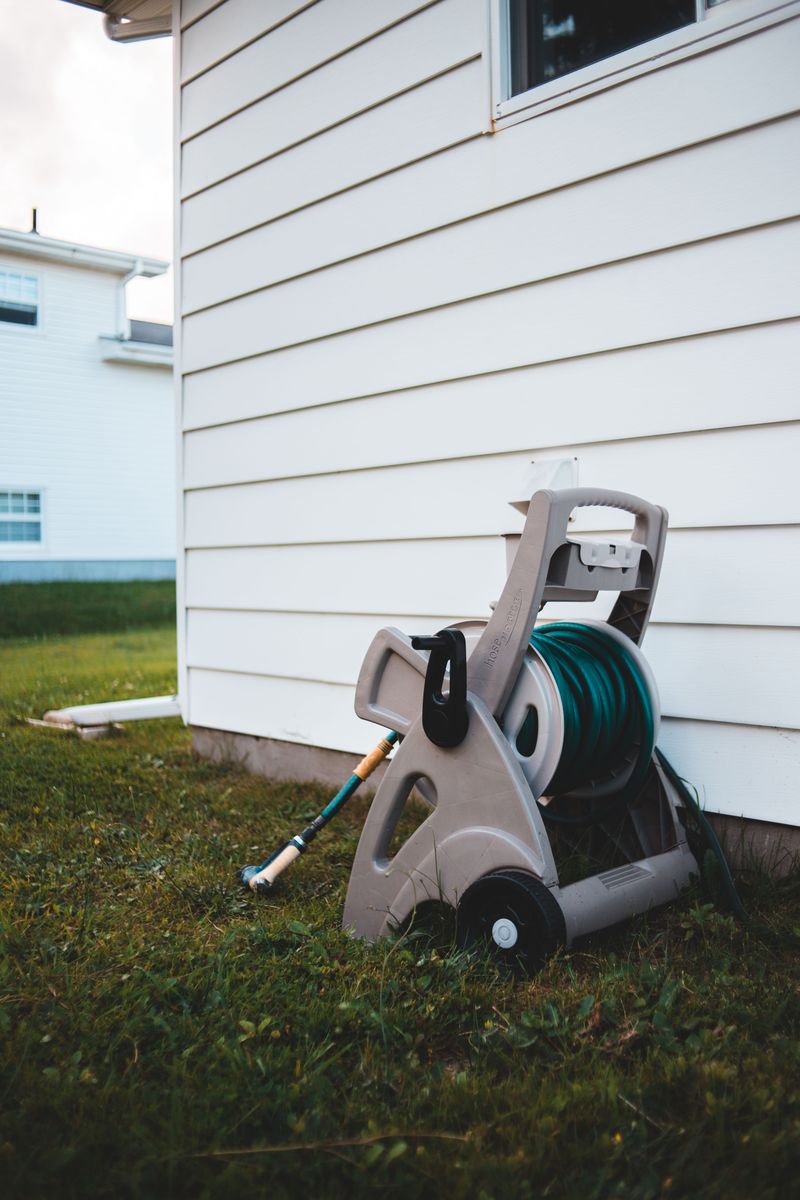
A 100-foot rubber hose can weigh well over 20 pounds when dry, and more when full of water. Hauling that mess across a lawn by hand is a recipe for a sore back.
Wheeled carts change the whole job. You roll the weight on two wheels instead of lifting and twisting with it.
The crank also matters. Winding the hose onto a drum keeps it neat, cuts down on kinks, and stops you from bending again and again to coil it by hand.
Fewer kinks also mean steadier water pressure for thirsty beds.
Many older gardeners love carts with a tall handle, since standing straight while pulling is gentler than stooping. Wide wheels help too, especially on bumpy lawns or gravel paths.
If you ask me, the biggest perk is mood. When watering feels easy, you actually do it more often during hot July spells.
For bigger properties, a cart lets you park the hose right by the garden instead of dragging it from the house every time. Your knees and shoulders will thank you by Labor Day.
That comfort is the main reason these carts win so many fans.
A Quick Cleanup Keeps Those Cart Wheels and Axles Turning
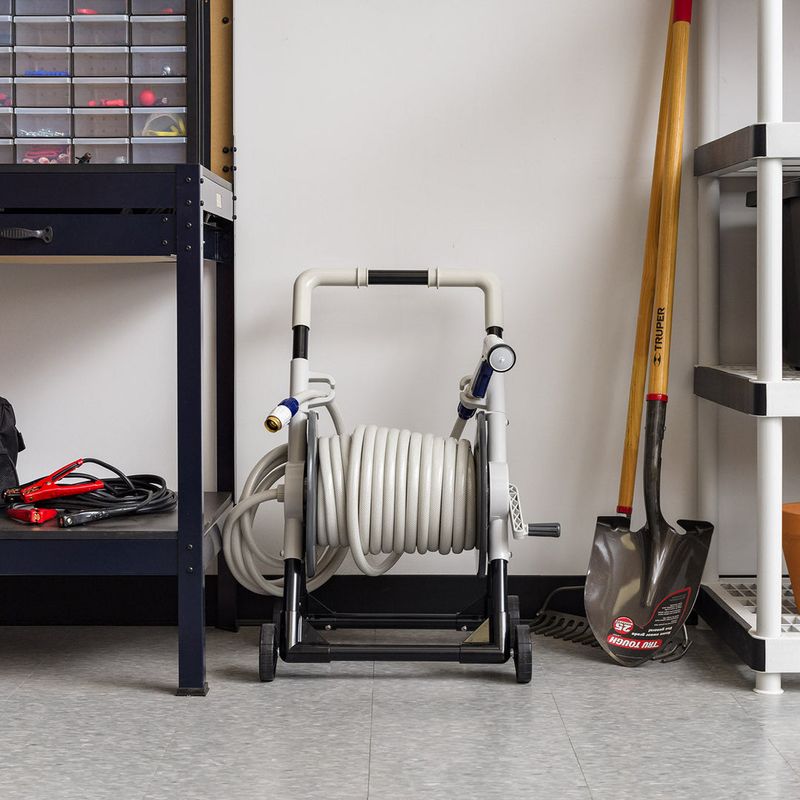
Mud is sneaky. It packs into wheel hubs, holds moisture against metal, and slowly encourages rust over a long winter.
Give the cart a quick bath before storage. A stiff brush and a garden spray take care of caked soil, grass clippings, and stray leaves.
Pay extra attention to the axle, crank handle, and the spot where the drum spins. These moving parts work hardest all summer and often collect the most grime.
Let everything dry in the sun or a breezy garage. Putting a damp cart away is a fast track to squeaky wheels next spring.
Afterward, add a few drops of light machine oil to pivot points and the crank. Wipe away the extra so it does not attract dust.
Plastic carts need less oiling, though their metal pins still benefit.
Check for loose bolts, cracked plastic, or a wobbly wheel while you are at it. Tightening a screw now is easier than discovering the problem in May.
Let’s just say a well-kept cart rolls like new for years. Mine is going on a decade, and it still glides across the yard without a single complaint.
Park the Hose Cart in a Garage or Shed for the Snowy Months
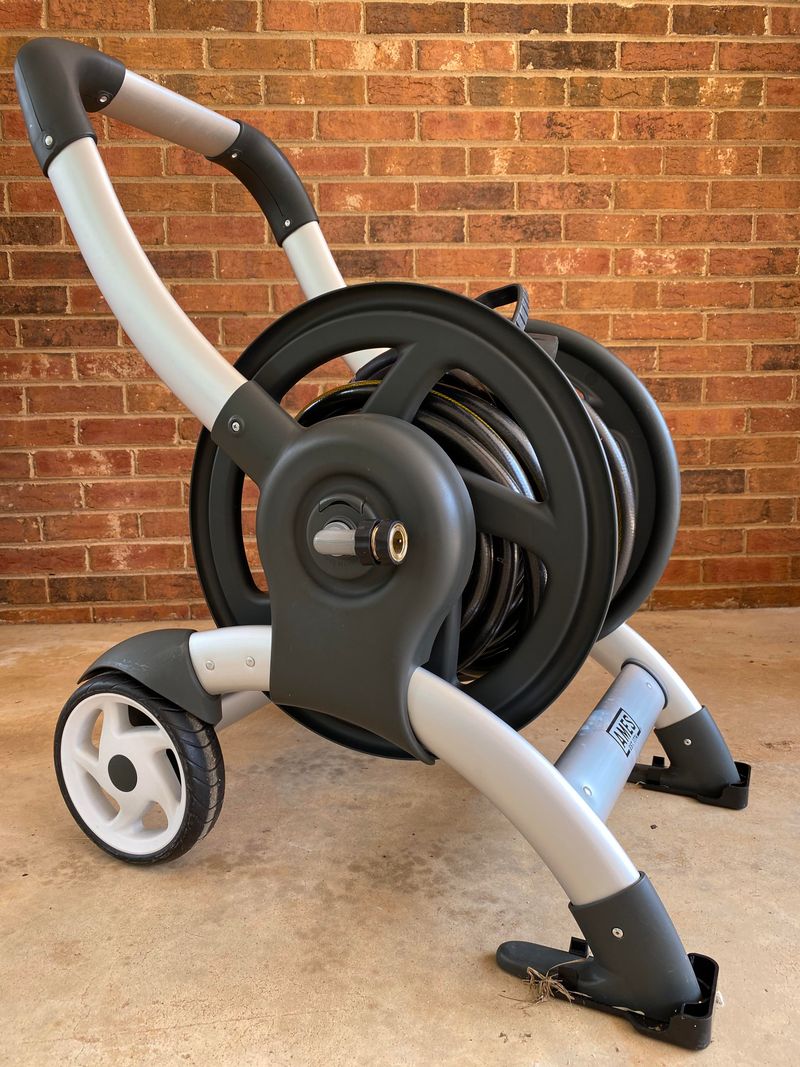
Sunlight, ice, and repeated freeze-thaw swings are tough on rubber and plastic. Winter storage indoors helps both the hose and the cart last longer.
A garage, shed, or basement corner works well. The space does not need heat, it just needs shelter from snow, sleet, and harsh UV rays.
New York covers a wide climate range. USDA zones run from about 3b and 4a in the coldest Adirondack spots to 7b in New York City and parts of Long Island.
Even the mild end sees plenty of freezing nights.
No indoor room to spare? Cover the cart with a breathable tarp and set it on boards or pavers so it is not sitting in wet soil.
A shaded spot near the house limits sun damage.
Keep the hose loosely wound and avoid stacking heavy items on it. Weight on cold rubber can leave flat spots that kink later.
Don’t make my mistake of tucking it behind the snowblower. I had to wiggle it out every week.
Store it somewhere sensible, and spring setup becomes a two-minute job instead of a frustrating puzzle.
Spring Startup Goes Smoother When You Check the Outdoor Faucet First
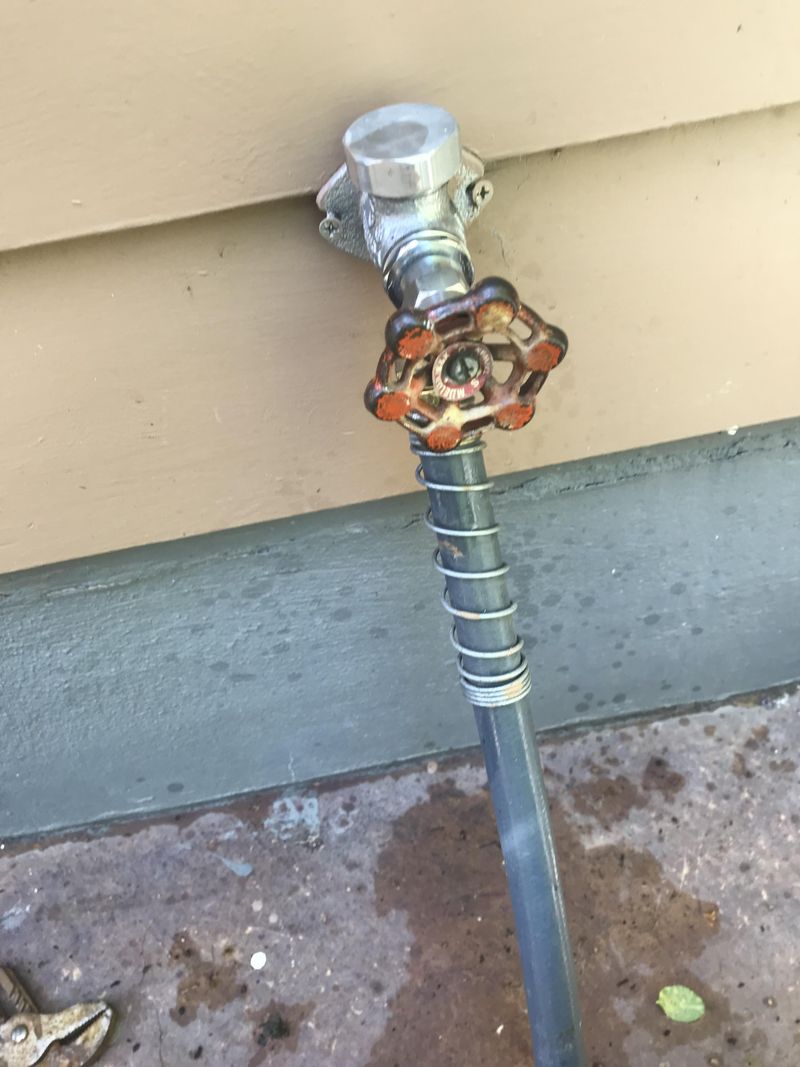
Crocuses popping up feel like a green light. Before you hook everything back up, though, take a few minutes to inspect your outdoor faucet.
Turn the water on slowly and watch closely. Then check inside your basement or crawlspace near that wall for drips, damp spots, or water stains.
Hidden leaks often show up only when water flows again. Catching one early saves you from soaked drywall and a much bigger repair bill.
Look over the hose next. Unroll it, run water through, and scan for bulges, cracks, or leaky couplings.
Swapping a worn washer costs pennies and stops that irritating spray at the connection.
Wait until nights stay above freezing before leaving the hose attached again. In much of upstate New York, that can mean holding off until late April or even May.
Fun fact for your next garden chat: modern rubber washers date back to the early days of pressurized plumbing, yet they still solve most hose drips today.
The takeaway is simple. Disconnect in fall, drain well, store smart, and inspect in spring.
Follow that rhythm, and your back-saving cart stays a helper rather than a headache.