9 Clear Signs A Raccoon Has Settled Under Your Deck
Some backyard mothers keep several spare dens and will carry their babies to a new one if bothered. The space under a deck works beautifully for that plan, since it stays dark and dry most nights.
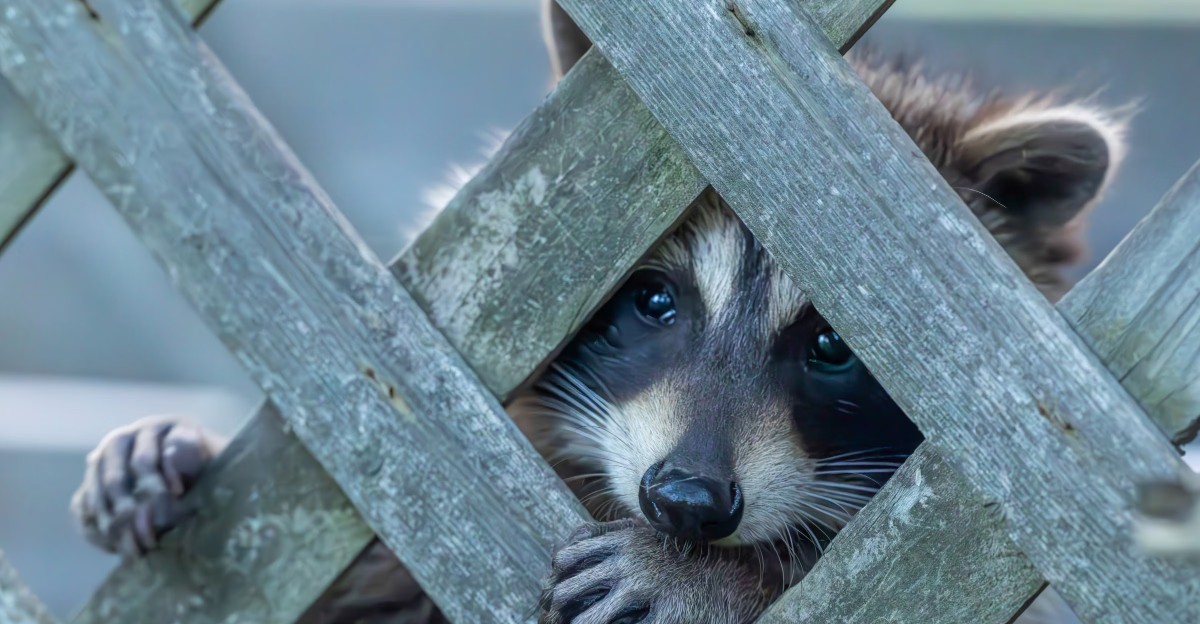
Those front paws are so nimble that their tracks resemble tiny human handprints pressed into soft mud. They can also pry loose skirting boards and lattice panels with patience that honestly impresses me a little.
I learned the hard way that a quiet deck can hide a busy household right beneath my coffee mug. You might notice odd clues for weeks before the full picture finally clicks into place for you.
Truth is, most of those clues are easy to spot once you know where to aim your flashlight. So what has been shuffling around under your boards while you sleep soundly upstairs each night?
1. Chittering And Growling Sounds Beneath The Deck Boards
Late one night, a soft chittering drifted up through my deck boards and stopped me mid-sip of tea. It sounded half bird and half grumpy cat, which honestly made it very hard to ignore.
Raccoons are mostly active after dark, so their noises usually start as daylight fades into evening. Adults can chitter, purr, growl, and hiss, depending on whether they feel calm or a bit threatened.
Purring and soft chittering often happen while a mother talks with her young or while animals feed. Growling or hissing works more like a warning, so treat those sounds as a clear request for space.
Movement noises matter just as much, since scratching and heavy thumps reveal a bigger body shifting around. A mouse makes tiny rustles, but a raccoon can weigh well over ten pounds and sounds like it.
Pay extra attention around dusk and dawn, when residents usually head out or return home from foraging. Deck boards muffle sounds, so they may come across as low thumps rather than clear calls.
I like to sit quietly near the deck for twenty minutes after sunset with the porch light off. Jot down what you hear and when, because patterns over several nights tell a much clearer story.
One odd noise could easily be a passing cat or a wandering opossum checking things out. Nightly repeats from the same spot, though, point strongly toward someone who has moved in for good.
2. Handlike Raccoon Tracks In Soft Soil Near The Deck
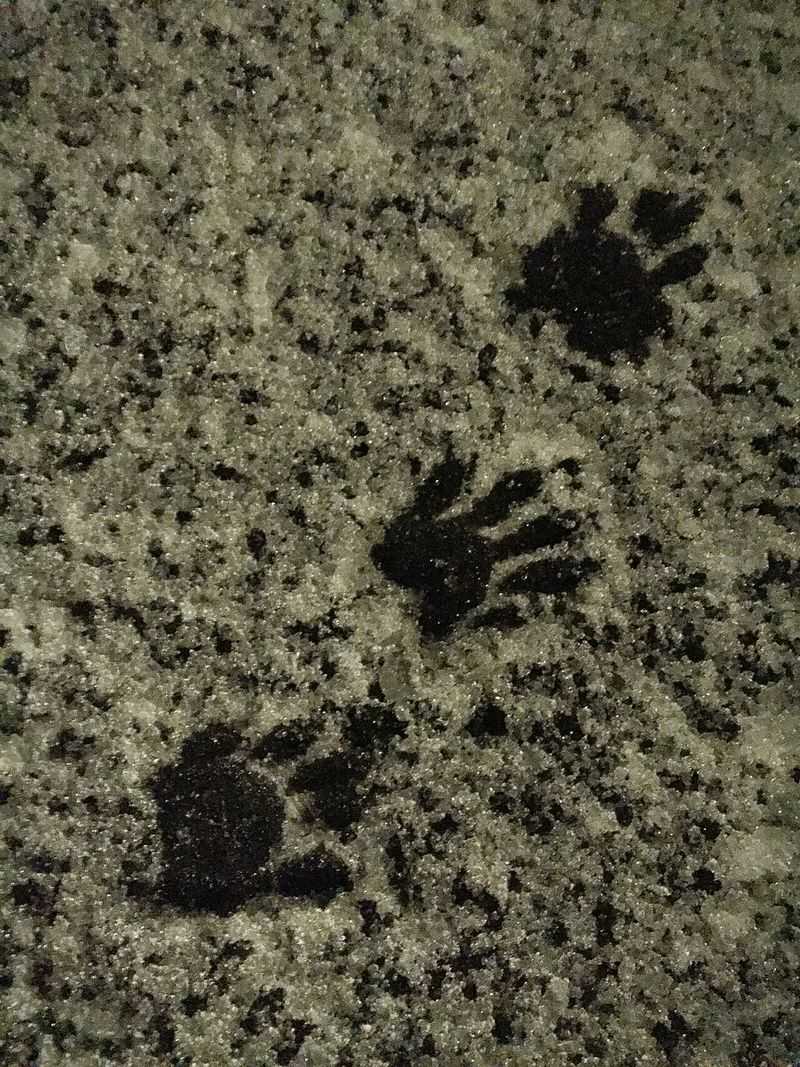
Few animal tracks look as eerie as a raccoon’s, which resemble little human hands pressed into the mud. The first time I spotted them by my tomato bed, I honestly did a double take.
Front prints show five long, slender toes and usually measure about two to three inches in length. Hind prints run a bit longer, often closer to four inches, with a heel that looks like a tiny foot.
Claw marks frequently appear as small dots just beyond each toe, depending on how firm the ground is. Soft mud records them nicely, while dry, packed soil may only show faint smudges near the deck edge.
Raccoons walk with a shuffling gait, so a front print often lands right beside the opposite hind print. That paired pattern is a handy clue that separates them from cats or dogs crossing your yard.
To test a hunch, sprinkle a thin layer of flour or fine sand near the suspected entry at dusk. Check it early the next morning, before wind or sprinklers smooth away the evidence you worked for.
Several sets of tracks in different sizes can suggest a mother with growing kits sharing the space. Tracks leading both in and out of one gap tell you which opening deserves the most attention.
Snap a photo with a coin beside the print so you can compare sizes later with a field guide. Local wildlife agencies and extension websites offer track charts that make the comparison much easier for beginners.
3. Raccoon Latrine Piles Near Deck Posts And Steps
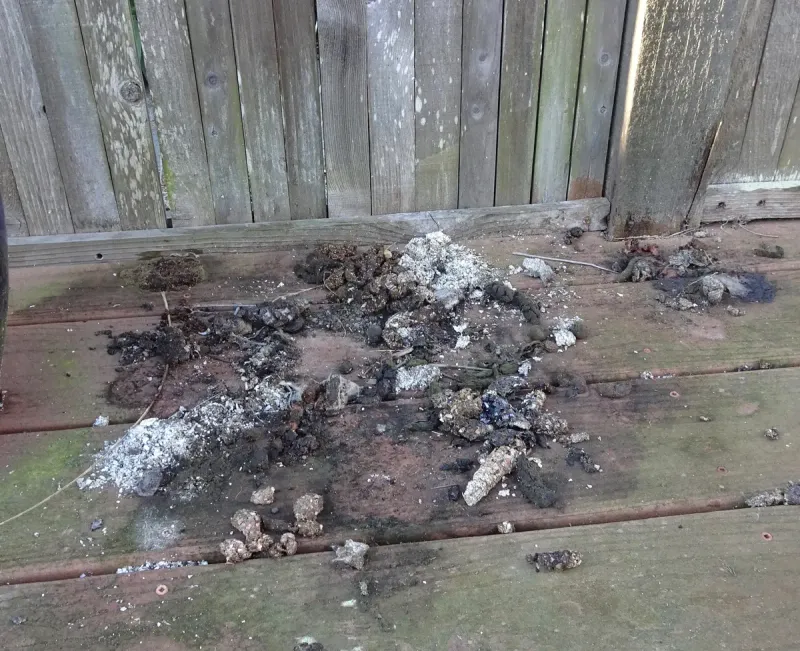
Raccoons pick a favorite bathroom spot and keep returning to it, which creates what experts call a latrine. These communal piles often show up at the base of deck posts or along nearby woodpiles.
Droppings are usually dark and tube shaped, roughly two to three inches long with blunt ends. Look closely and you may spot undigested seeds, berry skins, or bits of corn mixed right in.
Fresh piles look moist and dark, while older ones dry out and crumble into lighter brown chunks. Finding both ages in one place suggests a resident animal rather than a single passing visitor.
Fair warning, this sign deserves the most caution of anything on this list for one big reason. Raccoon latrines can contain eggs of raccoon roundworm, a parasite that can seriously harm people and pets.
Those eggs can survive in soil for years, and they become infectious after a few weeks outdoors. Keep kids and dogs away from the area until it has been cleaned up properly and safely.
If you clean it yourself, wear disposable gloves and a mask, then bag the droppings for the trash. Many extension services suggest pouring boiling water over the cleared spot to help reduce lingering eggs.
Honestly, I prefer calling a licensed wildlife professional when a latrine sits near play areas or gardens. Wash your hands well afterward, even if you only poked around with a long stick to look.
4. Torn Lattice And Pushed In Deck Skirting
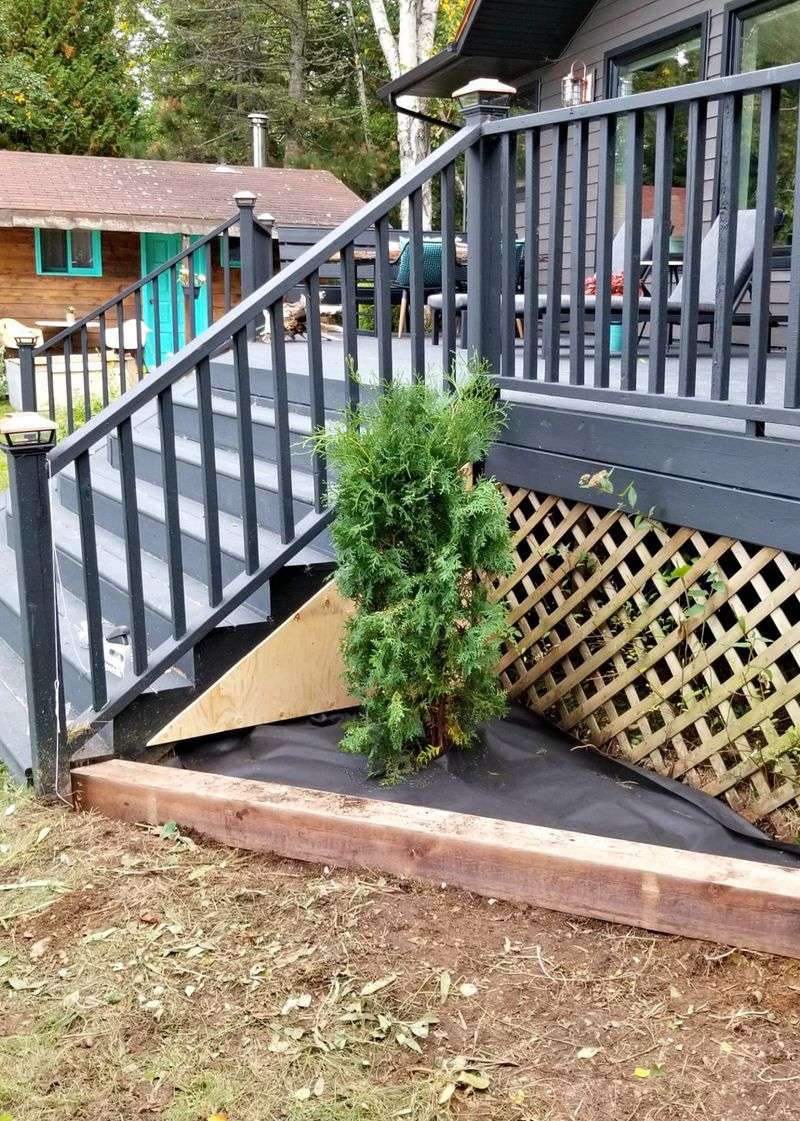
Strong, clever front paws let raccoons pull and pry at materials until a small weakness becomes a doorway. I once found a lattice panel bent inward like a little barn door left open overnight.
Raccoons can squeeze through gaps around four inches wide, so even modest damage deserves a close look. Once inside, they may widen the hole further, leaving ragged edges instead of neat, chewed circles.
Walk slowly around your deck and check the lower edges of skirting boards for fresh splinters. Pushed in corners and bent wire mesh both hint that something has been testing your defenses lately.
Repeated trips in and out can leave a smooth, rubbed gap at one spot along the bottom. Sometimes you will even notice grayish hairs snagged on rough wood or nails near the opening.
Decks appeal to raccoons because they mimic the shelter of a hollow tree, staying dry and sheltered from wind. Add a nearby bird feeder or pet bowl, and your yard becomes a pretty tempting address.
Resist the urge to seal any hole right away, since a mother and kits may still be inside. Loosely stuff the gap with newspaper and see whether it gets pushed aside over the next few nights.
Once you are sure everyone has left, install sturdy hardware cloth buried several inches below the soil line. An L-shaped footer bent outward along the ground helps stop future digging under your new barrier.
5. Dug Up Garden Beds And Rolled Back Sod
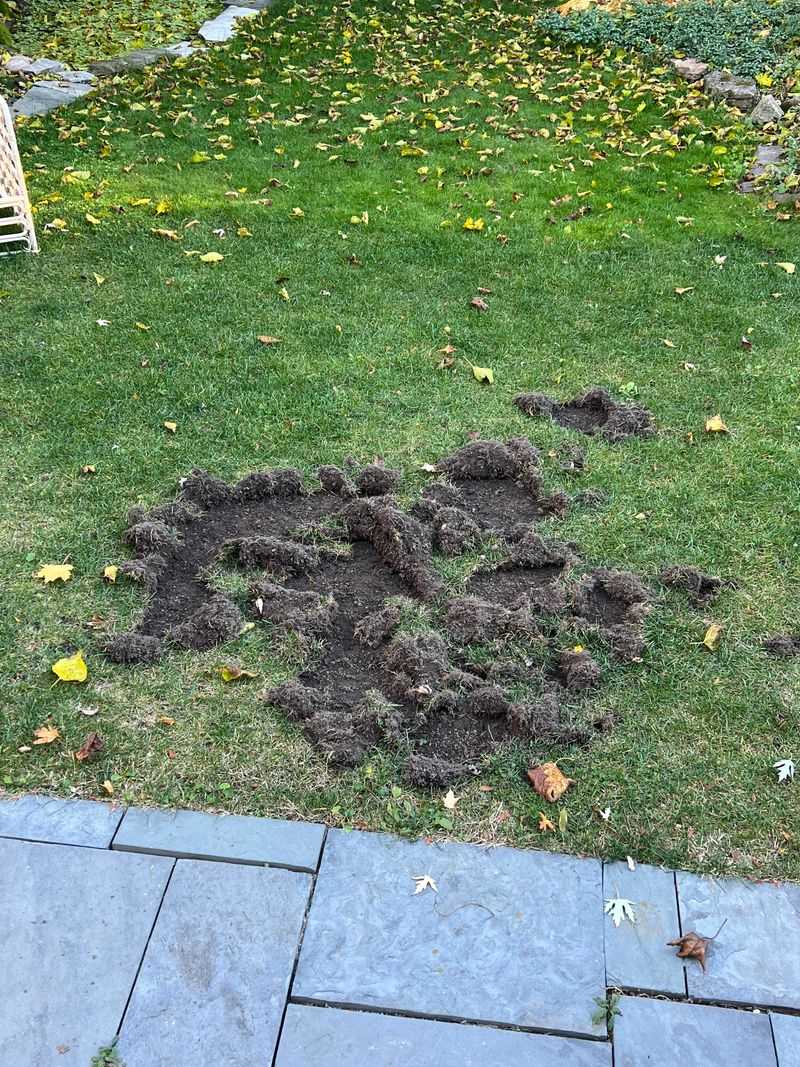
My petunia bed once looked like someone had searched it for buried treasure overnight, and I was baffled. The culprit was not a dog or a squirrel but a hungry raccoon hunting for grubs.
Raccoons use their sensitive front paws to probe the soil for beetle grubs, earthworms, and other crawling snacks. They often leave shallow, cone-shaped holes scattered across beds, plus kicked-up mulch around the nearby edges.
Lawns can suffer too, since raccoons are known for rolling back strips of fresh sod like carpet. Newly laid sod is especially tempting because the roots have not yet anchored the pieces to the soil.
Vegetable gardeners know the frustration well, especially when sweet corn ripens and raccoons strike the night before harvest. They often break stalks to reach the ears, then leave half-eaten cobs scattered on the ground.
Digging near your deck matters because it suggests the animal is foraging close to its daytime hideout. A raccoon that lives under the boards does not need to travel far for a midnight snack.
Reducing grub populations with help from your local extension office can make the lawn less appealing to them. For sod, pinning pieces down with landscape staples until roots take hold can discourage nighttime rolling.
Around corn, many gardeners succeed with a two-wire electric fence, strands set roughly six and twelve inches high. Check local rules first, and keep any fence away from areas where children or pets often play.
6. Tipped Trash Cans And Emptied Pet Bowls
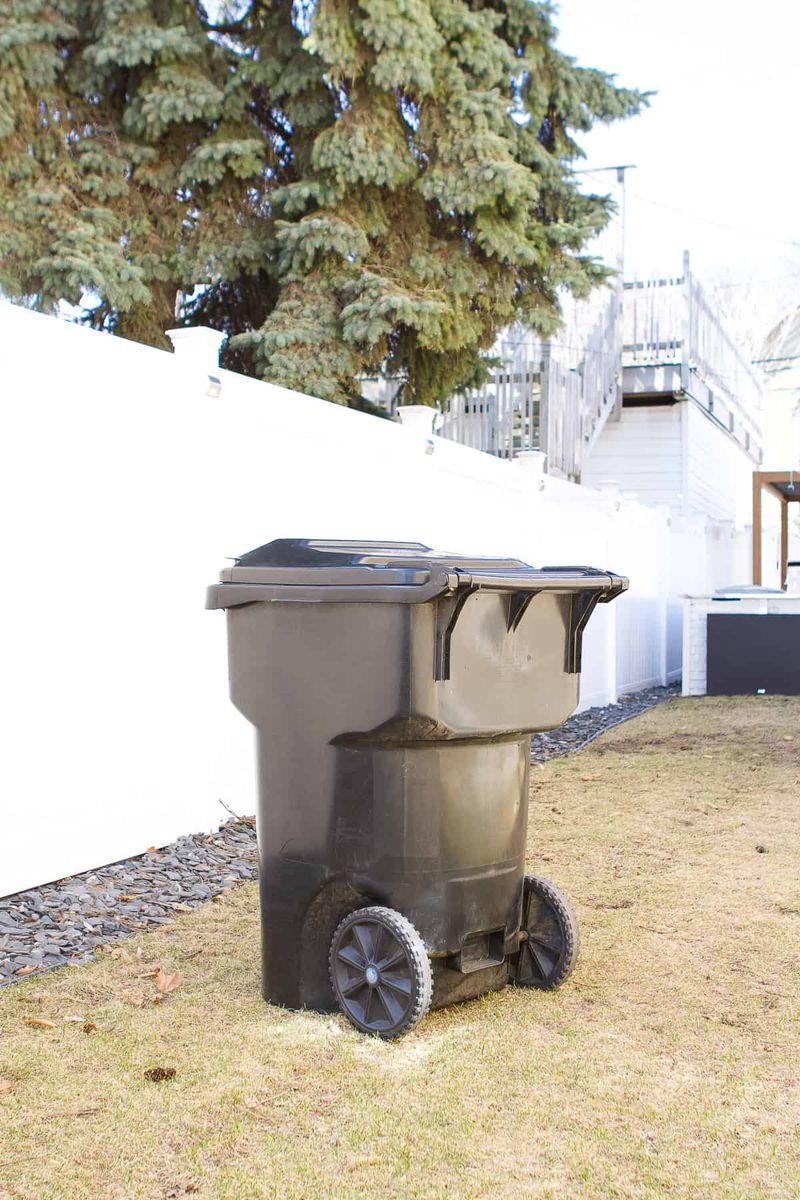
Nothing says good morning quite like coffee grounds and chicken bones scattered from the curb to the porch. I spent one memorable dawn chasing a wind-blown bread bag across the lawn in my slippers.
Raccoons are famous for raiding garbage, and their nimble paws can lift loose lids with surprising ease. Some even learn to tip cans over, then pick through the bags for anything that smells like dinner.
Repeated raids on the same nights suggest the animal lives nearby, perhaps right under your own deck. A raccoon that wanders through once rarely returns with such determination unless a den sits close.
Pet food left outdoors is another magnet, and an emptied bowl by morning tells a pretty clear tale. Spilled birdseed under feeders draws them in too, along with grease drippings left behind on the grill.
Securing these food sources is one of the most effective steps you can take to discourage a resident. Choose cans with locking lids, or strap the lids down tightly with sturdy bungee cords or clamps.
Store cans inside a garage or shed when possible, and put them out the morning of pickup. Bring pet bowls indoors at night, since even a few leftover kibbles keep curious visitors coming back.
Rinsing out smelly cans with soapy water now and then also reduces the tempting aroma that lingers. I know it feels like extra work, but a tidy yard makes your deck far less inviting.
7. Musky Odors Drifting From Under The Deck
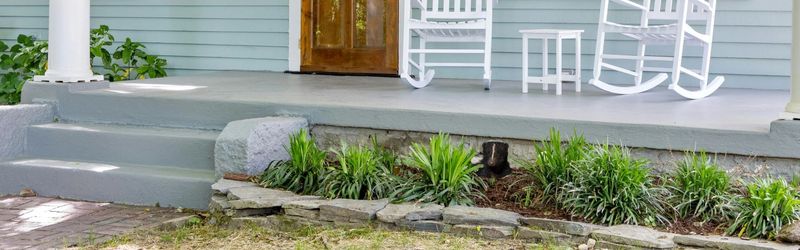
On humid evenings, your nose might catch this clue well before your eyes spot anything unusual at all. I once blamed a damp, earthy smell on rotting boards, only to find a raccoon latrine nearby.
A raccoon den often carries a musky scent, a blend of body oils and built-up waste. Urine collecting in one place can add a sharp, ammonia-like edge that lingers on warm, still days.
Smells tend to grow stronger over time, since raccoons keep returning to the same latrine and den. If your deck sits close to the house, odors can sometimes drift through nearby windows or vents.
A sudden sweet, sickening smell is different and may mean an animal has passed away under the deck. That situation calls for prompt removal, ideally handled by a wildlife professional with the right protective gear.
Odors rarely fade on their own, because soiled soil and nesting material keep releasing that scent. Cleanup usually involves removing contaminated debris, then treating the whole area with a good enzyme-based odor cleaner.
Wait until the animals have moved out before scrubbing, or they may simply relocate their bathroom a few feet. Wear gloves and a mask during cleanup, since droppings can carry roundworm eggs and other germs.
Pay attention to where the smell feels strongest, because it often points straight toward the den entrance. That one tip saved me plenty of time crawling around with a flashlight searching for the hideout.
8. Raccoon Spotted Slipping Under The Deck At Dusk
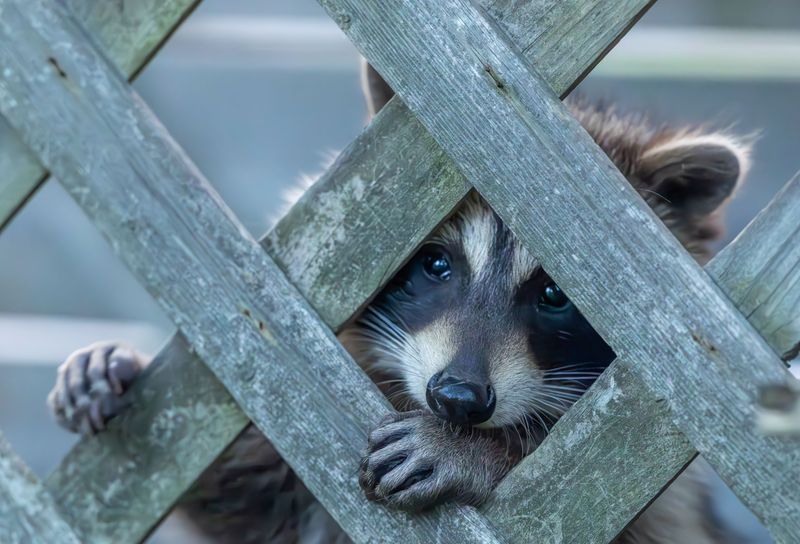
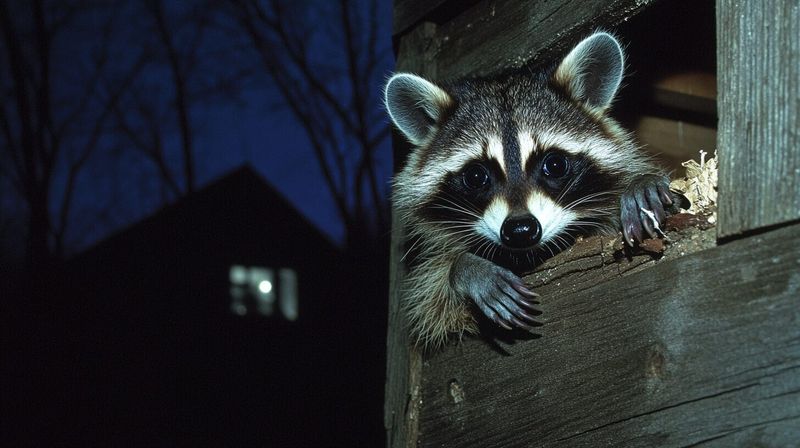
Catching a masked face peeking out from between your deck boards is about as clear as evidence gets. My heart skipped a beat the first time two shiny eyes stared back at my flashlight beam.
Raccoons mostly move around at night, so the best viewing windows are dusk and the hour before dawn. Sit quietly with a view of the suspected entry, and watch for a stocky gray shape with a ringed tail.
A trail camera makes this job much easier, since it records comings and goings while you sleep. Many affordable models offer infrared night vision, which captures clear footage without bothering or spooking the animals.
Seeing a raccoon in daylight can feel alarming, but it does not automatically mean the animal is sick. Nursing mothers sometimes forage during the day in spring and early summer to keep up with hungry kits.
Still, watch for warning signs like stumbling, circling, unusual tameness, or odd aggression toward people or pets. If you notice that behavior, contact your local animal control or state wildlife agency right away.
Raccoons are a major rabies carrier in parts of the eastern United States, so caution matters. Make sure your dogs and cats stay current on rabies vaccines, especially if wildlife visits your yard.
Give any raccoon plenty of room, and resist the temptation to corner it or offer it food. A respectful distance keeps everyone safer and helps the animal feel less pressured to defend itself.
9. Squeaky Baby Raccoon Kits Calling In Spring

Few sounds are as oddly sweet as a chorus of tiny chirps rising from beneath your deck. The first time I heard it, I went looking for a bird nest that simply was not there.
Baby raccoons, called kits, make high-pitched chirps, whimpers, and mews that can sound surprisingly like songbirds. Those calls usually mean they are hungry, cold, or asking their mother to come back home.
Most kits are born in spring, often around April or May, though timing varies a bit by region. A typical litter includes about three to five babies, so the chatter can get fairly lively at times.
Kits stay in the den for roughly eight to ten weeks before following their mother on nightly outings. During that stretch, a mother picks quiet, sheltered nurseries, and a deck often fits her wish list nicely.
Hearing these sounds changes your game plan, because sealing the entrance could trap helpless babies inside. Wait for the family to leave on its own, or ask a licensed professional for humane removal options.
Some experts suggest gentle harassment, like a radio or bright light near the den, to encourage moving out. Mother raccoons often keep backup dens and will usually carry kits to a new spot when bothered.
Check your state wildlife rules before trapping, since many areas restrict relocating raccoons or require special permits. Once the family is gone, seal the gaps properly, and enjoy a quieter deck for seasons ahead.