The Only Stinger-Tailed Hunter In Missouri Hides Under Rocks Across The Southern Half Of The State
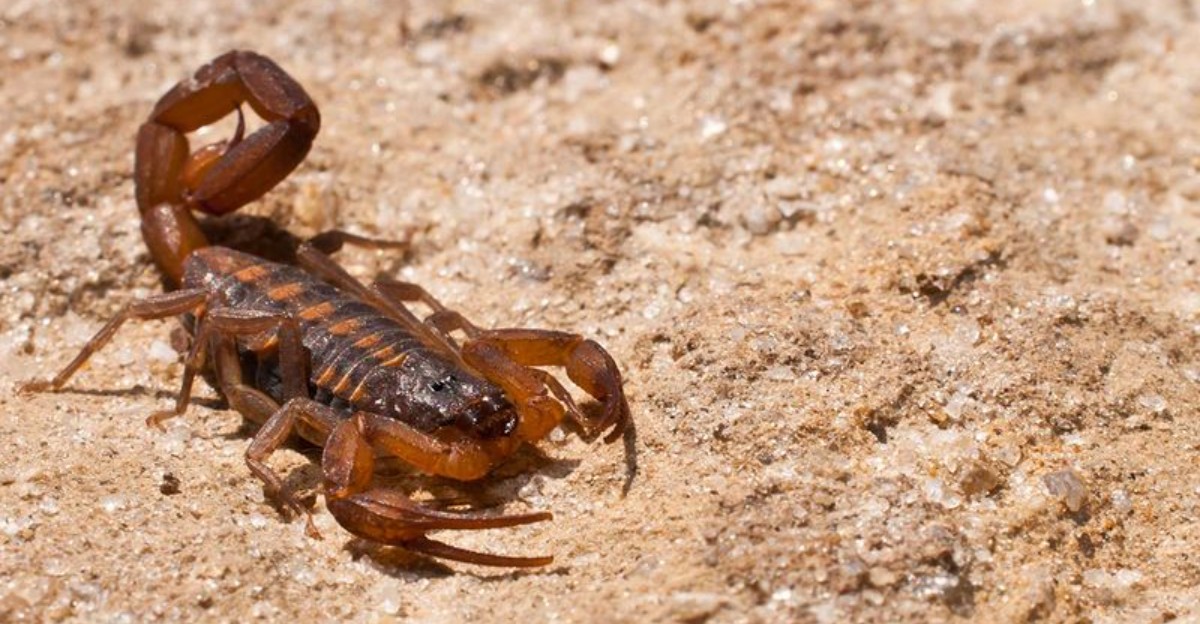
Flip the right flat rock on a sunny Ozark glade and something with a curled, needle-tipped tail might stare back at you. It glows blue under a blacklight, too.
I used to think creatures like this belonged in Arizona deserts. Then I learned that Missouri has exactly one native species, and it lives in rocky, dry pockets across the southern part of the state.
Here’s what gets me. Mothers carry their tiny white babies piled on their backs for days after birth, like a living backpack. It sounds like science fiction, yet it happens under stones not far from many vegetable beds.
Truth is, most gardeners will go years without a single sighting. The ones who do usually remember it forever. So what exactly is hiding under that rock, and should you be worried about it?
That Curled Tail Under Your Flat Garden Rock Belongs To A Native
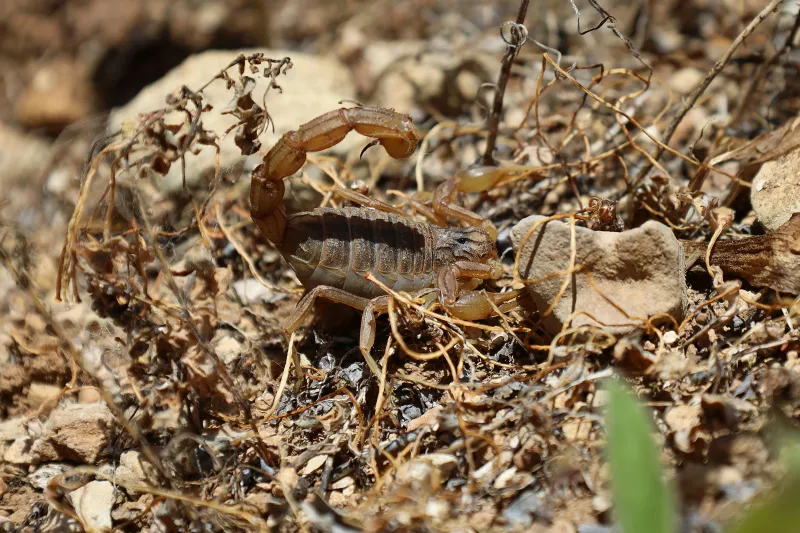
Lift a sun-warmed slab of limestone in the Ozarks and you might meet the striped bark scorpion, known to scientists as Centruroides vittatus. It is the only scorpion species found naturally in Missouri.
That fact surprises plenty of people. Most folks link scorpions with cactus country, not oak woods and river hills. Yet this little arachnid has lived here long before anyone built a garden shed.
The Missouri Department of Conservation reports that it sticks mainly to the southern half of the state. Its favorite places are glades, which are open, rocky patches of thin soil and bare bedrock. These spots bake in summer and drain quickly after rain.
Glades act like small pieces of the Southwest tucked into the Ozarks. Collared lizards, tarantulas, and prickly pear cactus share these same sunny slopes. The scorpion fits right into that dry, rocky crowd.
Spotting one is not a sign of a problem in your yard. It usually means you live near good natural habitat. If you garden near a glade, a rocky hillside, or a stone wall, your odds of a sighting go up.
Consider it a neighbor with a quiet lifestyle and a very unusual tail.
Two Dark Stripes Make This Ozark Scorpion Easy To Identify
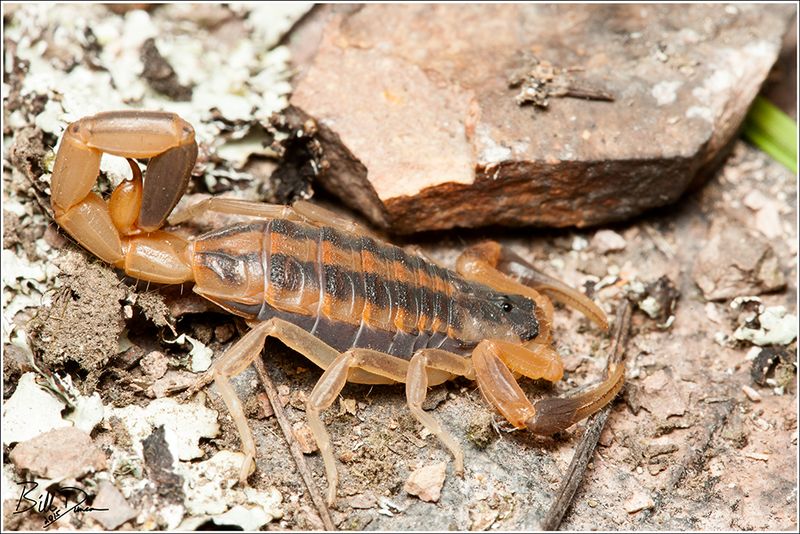
Once you know the stripes, you will not mix this creature up with anything else. The body is pale yellow to tan, with two dark bands running down the back.
Adults usually measure between 1 and 2.5 inches long, tail included. Females tend to be a bit stockier, while males have longer, skinnier tails. The pincers look thin and delicate compared with the chunky claws on desert species.
Those slim pincers tell you something useful. Scorpions with skinny claws often rely more on the stinger to subdue bigger prey. Still, this one is small, with most adults measuring only an inch or two long.
Some lookalikes cause confusion. Pseudoscorpions are tiny, under a quarter inch, and have no tail at all. Vinegaroons, also called whip scorpions, have a thin whip instead of a stinger and are not found in Missouri.
A quick tip for photos: keep your phone a foot away and use zoom. You will get a clear picture for identification without crowding the animal.
Sharing that photo with your local MDC office or a nature group can help confirm the sighting. Plenty of naturalists enjoy hearing about where these stripy hunters turn up.
After Dark, This Scorpion Hunts Spiders And Garden Insects
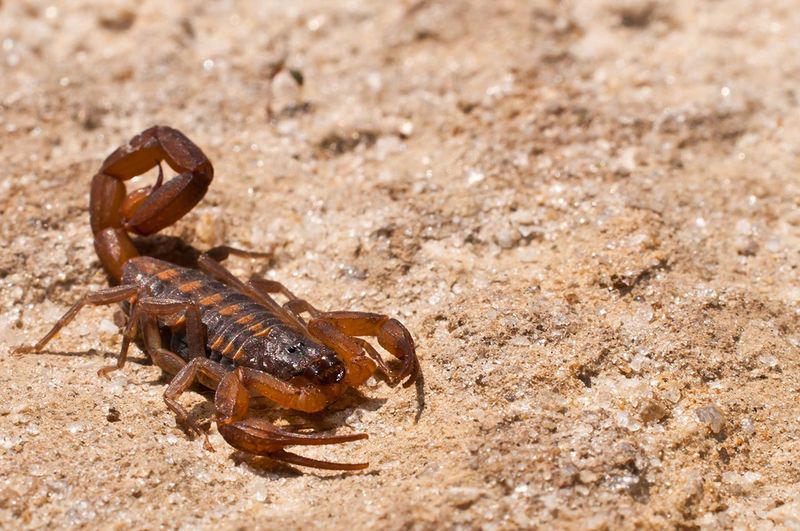
Sunset is when the real action begins. Striped bark scorpions are nocturnal, which means they spend daylight tucked away and come out to hunt at night.
They are ambush hunters more than chasers. A scorpion often sits still and senses vibrations through its legs, waiting for something to wander close. Then the pincers snap shut.
The menu includes small spiders, crickets, cockroaches, beetles, and other soft-bodied insects. Bigger meals may get a quick sting to calm them down. Smaller prey often gets eaten straight from the pincers.
Gardeners can appreciate that diet. Crickets and roaches that chew on seedlings or sneak into garages are fair game. A scorpion will not clear out a pest problem, but it does play a small part in keeping numbers balanced.
These hunters also become a meal themselves. Owls, bats, shrews, lizards, and even other scorpions eat them. That makes them a link in the busy food web of rocky Ozark slopes.
If you want to see them in action, a warm, humid summer night is your best bet. Walk slowly near rock piles with a flashlight and watch quietly. Patience pays off far more than poking around.
A Scorpion Sting Hurts, But Here’s How Serious It Really Gets
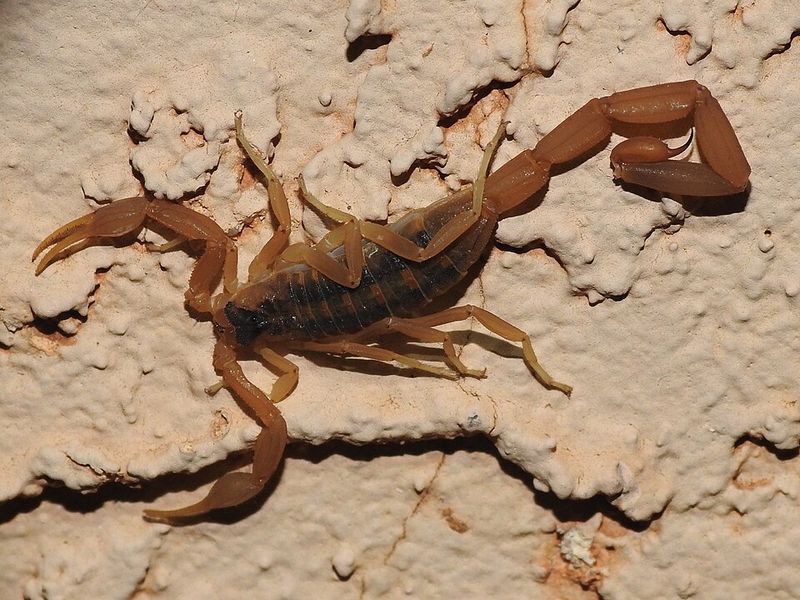
Fair warning, a sting from this scorpion is no joke. Most people describe a sharp, burning pain similar to a wasp or bee sting.
For healthy adults, the venom is generally not considered dangerous. The pain usually fades within an hour or so, though some swelling, tingling, or numbness can linger for a day or two. Washing the spot and using a cold pack often helps.
Some people react more strongly. Anyone with allergies to insect stings, young children, and older adults should be watched closely. Trouble breathing, swelling of the face, or widespread symptoms mean it is time to seek medical care right away.
Calling Poison Control at 1-800-222-1222 is a smart move if you are unsure. They can guide you on whether home care is enough.
These scorpions do not go looking for trouble. Stings mostly happen when a hand presses down on one or a bare foot steps on it. That is why gloves are a gardener’s best friend around rocks and wood.
Shake out shoes, gloves, and folded clothes that sat outdoors overnight. That one habit prevents many surprise encounters.
Loose Bark, Woodpiles, And Stone Walls Make Cozy Daytime Hideouts

Rocks get the headlines, but this arachnid is not picky about shelter. Despite its common name, it does not usually live on trees or bark and is more often found under rocks, logs, and other debris.
Dead logs, firewood stacks, landscape timbers, and dry stone walls all make fine hiding spots. Anything that offers a tight, shaded gap keeps the scorpion away from midday heat and hungry predators.
Unlike some desert scorpions, this species does not dig burrows. It borrows cracks and crevices instead. It is also a skilled climber that can scale walls, fences, and tree trunks with ease.
Climbing skill explains why people sometimes find one indoors in southern Missouri. Scorpions may slip into crawl spaces, basements, or attics, especially during hot, dry stretches of summer. They are usually searching for moisture or chasing insects that wandered inside first.
Spring and fall chores turn up the most sightings. Restacking firewood, pulling up old edging, or clearing brush can disturb a hidden resident.
A simple routine helps. Wear leather gloves, lift objects by tipping them away from you, and give any scorpion a moment to scoot off. Most will scramble for the nearest shadow rather than stand their ground.
Tidy Up Rock Piles And Firewood To Keep Scorpions At A Distance
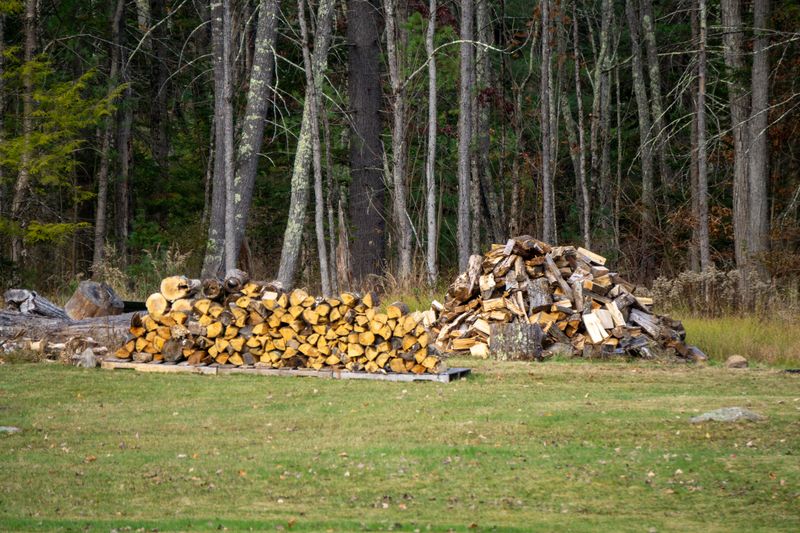
Call me practical, but a few easy chores beat any spray bottle. Reducing hiding places near your house does the most to cut down on scorpion encounters.
Start with firewood. Store it on a rack off the ground and at least several feet from the foundation. Move scattered boards, bricks, and spare stones away from doors and patios too.
Indoors, seal gaps around windows, doors, pipes, and utility lines. Weatherstripping and door sweeps are cheap fixes that keep out crickets as well. Fewer insects inside means less reason for a scorpion to follow.
Fixing leaky outdoor faucets and improving drainage near the house also helps. Damp spots draw the insects scorpions like to eat.
Insecticides are rarely needed for this species. Missouri Extension experts generally favor cleanup and exclusion first because scorpions shrug off many sprays. If problems persist indoors, a licensed pest professional can offer advice.
Rock gardens and stone walls do not have to go. Just keep them a little farther from the house and wear gloves when you work around them. You can enjoy natural stonework and still keep surprise guests outside where they belong.
A Blacklight Turns These Rock-Dwelling Scorpions Glowing Blue
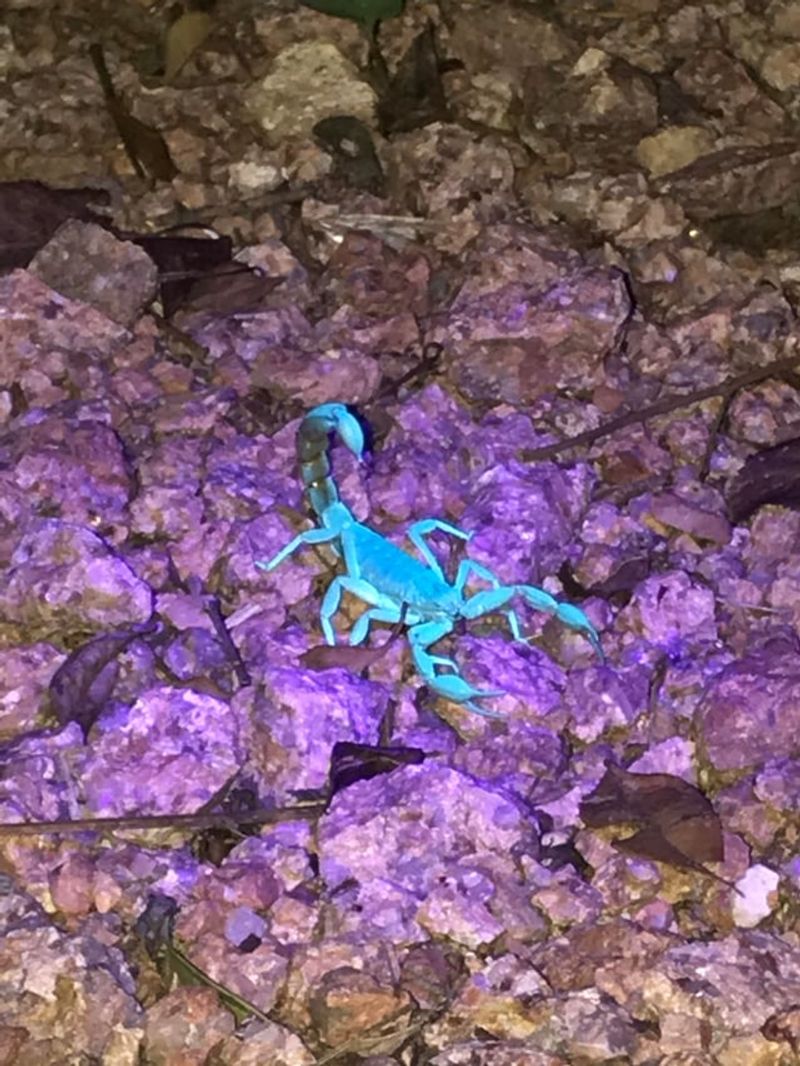
Grab a UV flashlight on a warm summer night and something magical happens. Scorpions glow a bright blue-green under ultraviolet light.
Scientists credit special compounds in the outer shell for this glow. Nobody knows for sure why scorpions evolved it. Some researchers think it helps them sense light and decide when to stay hidden.
For gardeners, the glow is a fun tool. A cheap blacklight flashlight lets you check rock walls, patios, and woodpiles after dark. You may be amazed how many show up in good habitat.
Kids especially love this activity. Treat it like a nature hunt with a firm rule to look but never touch. Bring closed-toe shoes and keep a respectful distance.
Here’s another fun bit. Females give birth to live young, and the babies ride on their mother’s back until their first molt. Spotting a mom with passengers is a rare treat.
Learning about this lone Missouri scorpion makes those rocky glades feel a little wilder and more interesting. A careful glance, sturdy gloves, and a bit of curiosity let you share your yard with one of the Ozarks’ most remarkable little hunters.