8 November Tweaks That Cover Your Christmas Cactus In Blooms By The Holidays
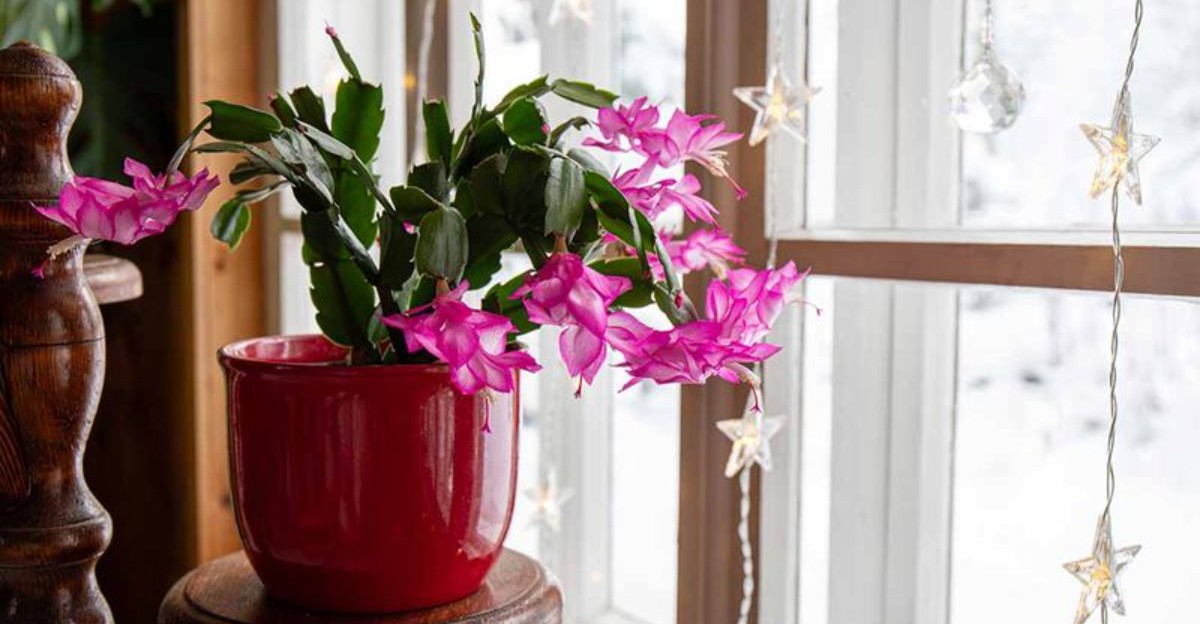
Many holiday plants sold with Christmas tags are actually a cousin species that naturally flowers closer to Thanksgiving. The two look alike at a glance, but their segment edges quietly give away which one you brought home.
Both plants come from cool, misty mountain forests in southeastern Brazil, where they grow on tree branches instead of sand. They set flower buds when nights turn long and chilly, much like the shortening days we see each autumn.
I used to think mine was just lazy, because it gave me three sad flowers one year. Truth is, I was keeping it in a bright, toasty living room with the lamp on until midnight.
Small changes made this month can still nudge a stubborn plant toward a much fuller holiday show. So what exactly does yours need from you before the decorations come out of the attic?
1. Give Your Christmas Cactus Long Dark Nights
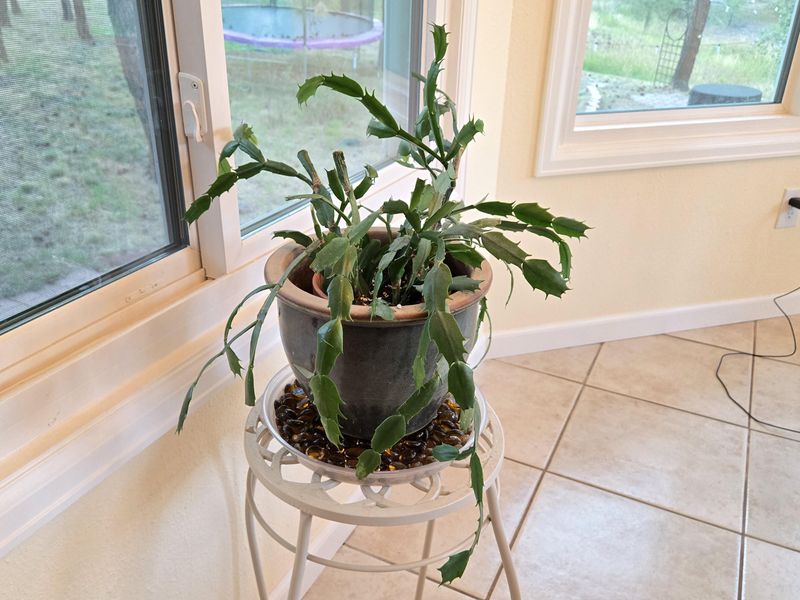
Your Christmas cactus reads the night like a calendar, counting hours of darkness to decide when flowering should begin. Botanists call it a short-day plant, though long-night plant describes its actual trigger much better, honestly.
University extension experts suggest giving the plant about 12 to 14 hours of steady darkness every single night. Keep this routine going for roughly six weeks, or until you clearly spot tiny buds forming at segment tips.
Not going to lie, my first attempt failed because a porch light shone through the window every evening. Even brief flashes from lamps or televisions can interrupt the signal and quietly delay your hoped-for holiday flowers.
A spare bedroom with closed blinds works well, especially if nobody flips the switch after sunset each night. Some gardeners slip a cardboard box over the plant at dusk, then lift it off again each morning.
Avoid plastic bags or black sheets resting on the stems, since trapped moisture can encourage rot and fungal trouble. A box or closet provides darkness while letting air move freely around those flattened green segments.
Bud set started in October gives the most dependable Christmas display, but November darkness still helps slower plants. Plants that started late may open around New Year instead, which still brightens a gray winter week.
Once buds reach about the size of a grain of rice, you can relax the strict darkness routine. Bring the plant back to a normal room, and let those swelling buds enjoy their regular daylight again.
2. Cool Nights Push Christmas Cactus Buds To Form
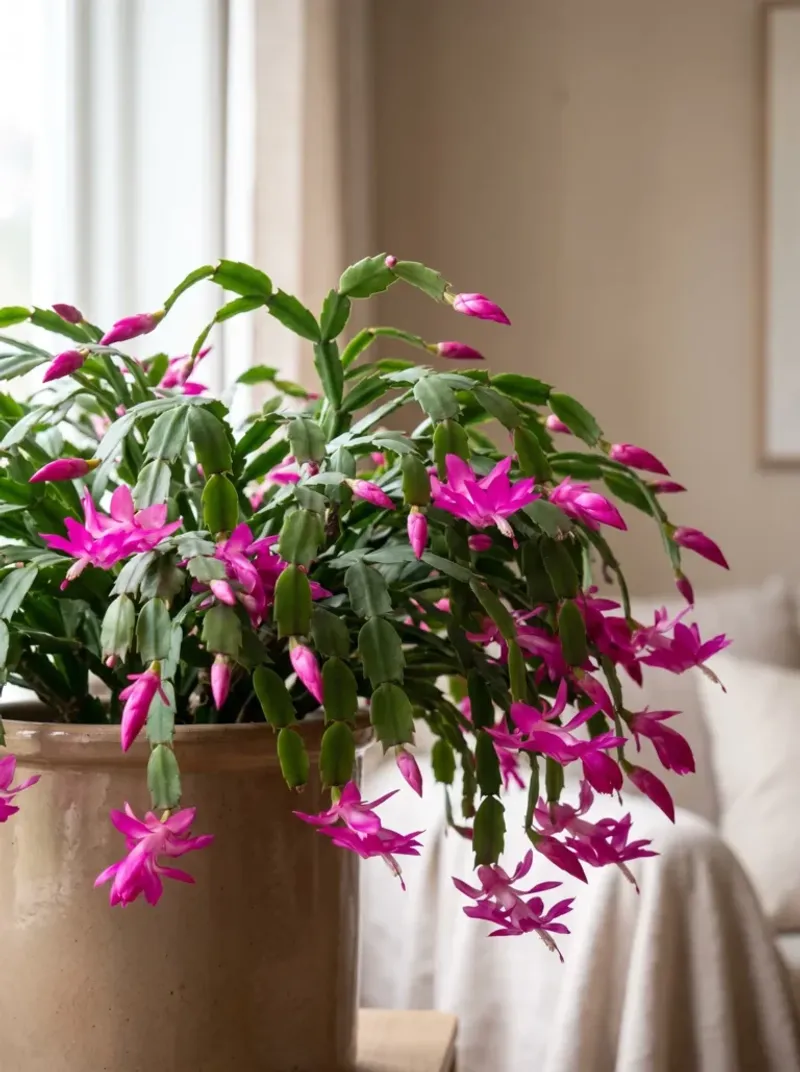
Cold air sounds like an odd gift for a tropical plant, yet chilly evenings are what spark the magic. In the Brazilian mountains, these epiphytes feel nights dip each autumn, and that drop tells them to bloom.
Research shared by extension services shows nights between 50 and 55 degrees can trigger buds regardless of day length. That means a cool room can sometimes do the work even if your darkness routine slips a little.
Nights closer to 60 to 65 degrees still help, but the plant then also needs those long dark hours. Warm rooms above roughly 70 degrees often keep stems growing green instead of setting any colorful flower buds.
I keep mine in an unheated guest room, where the thermometer usually reads the mid-fifties after dark. A cool enclosed porch or a bright basement window can also work if daytime light reaches the plant.
Watch the forecast if your plant still sits outdoors, because frost can harm those fleshy segments very quickly. Most guides recommend bringing it inside once nights fall toward 45 to 50 degrees in your area.
Keep pots away from heat vents and drafty doors, since sudden swings in temperature can stress forming buds. Daytime warmth around 65 to 70 degrees suits the plant nicely, as long as nights stay pleasantly cool.
Think of it as giving your cactus a crisp autumn mountain evening, minus the misty clouds and hummingbirds. That gentle chill costs nothing, and it may be the easiest tweak on this list to manage.
3. Water Your Christmas Cactus With A Lighter Hand
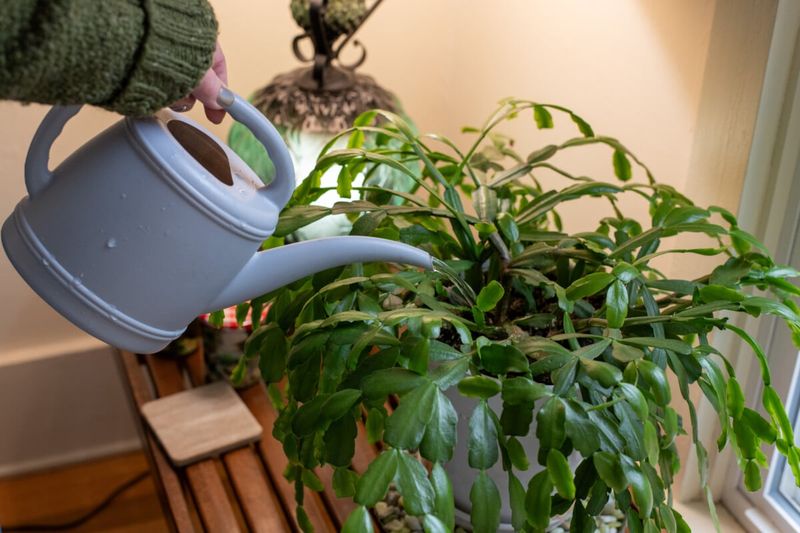
Soggy soil causes more holiday cactus trouble than almost anything else, and I say that as a reformed overwaterer. These plants store moisture in their flat stems, so they handle a short dry spell better than wet roots.
During bud set, let the top inch or so of potting mix dry before you reach for the watering can. Slightly drier conditions in autumn help many plants shift focus from leafy growth toward forming flowers instead.
Dry does not mean bone dry, though, because a parched plant may shrivel and drop its tiny buds. Poke a finger into the soil, and water thoroughly when it feels dry about one knuckle deep.
Once buds appear and start swelling, keep the mix lightly moist so the blooms have steady support while opening. Water until it drains from the bottom, then empty the saucer so roots are not left sitting in puddles.
Pots without drainage holes are a common trap, especially decorative ones wrapped in shiny holiday foil from stores. Poke holes in the foil or remove it when watering, then slip it back on once the drips stop.
Room temperature water is kinder than icy tap water, which can shock roots during an otherwise cozy season. Rainwater or water that sat out overnight both work nicely if your tap water tends to run very cold.
Trust me on this one, a light hand now pays off with blooms that last well into January. Your plant will tell you what it needs if you check the soil before watering, not the calendar.
4. Boost Humidity Around Your Christmas Cactus
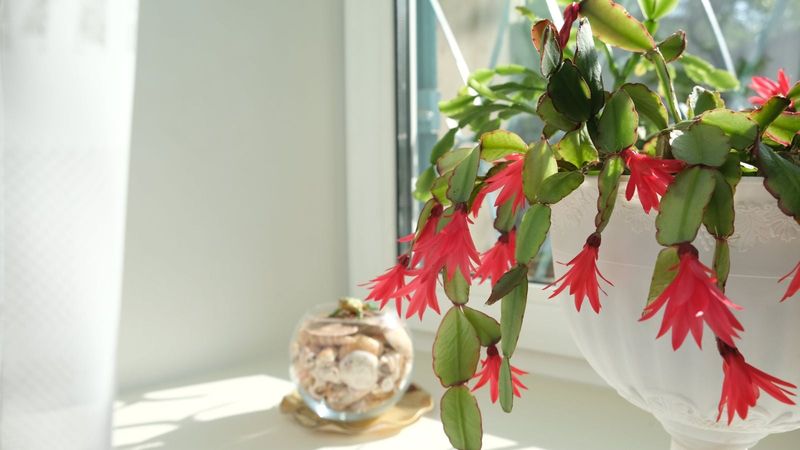
Out in Brazil, these plants cling to mossy tree branches where the air feels damp and soft most days. Your heated living room in late autumn often feels more like a desert, and the plant definitely notices.
Furnaces dry indoor air quickly, sometimes dropping humidity well below what tropical forest plants comfortably prefer indoors. Many growers aim for moderate humidity around 50 percent, which helps buds hold on until they finally open.
A pebble tray offers a cheap and easy fix that I have used for years on my windowsill. Fill a shallow tray with gravel, add water below the pebble tops, and set the pot on top.
As water evaporates, it creates a little pocket of moist air right around the hanging stems and buds. Just make sure the pot bottom stays above the waterline so the roots stay dry and healthy underneath.
Grouping houseplants together also raises humidity, because leaves release moisture that neighbors can share throughout the day. A small cool-mist humidifier in the room works even better if your home feels especially dry this winter.
Misting gets mixed reviews, since the effect fades within minutes and wet segments in cool rooms may invite fungus. I skip misting in favor of trays and humidifiers, which keep moisture steady without dampening the plant itself.
Crispy segment edges or buds that shrivel before opening can hint that the air feels too dry indoors. Adding moisture to the air will not fix everything, but it removes one common cause of disappointing bud drop.
5. Set The Fertilizer Bottle Aside For Now
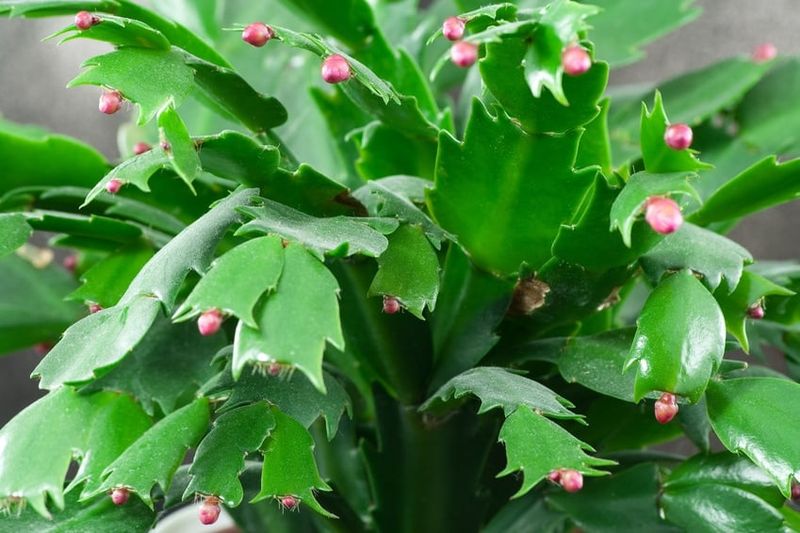
Guilty as charged, I once fed my cactus every week in autumn and wondered why it grew only stems. Fertilizer encourages leafy growth, which is lovely in summer but distracting when you want a plant full of flowers.
Most extension guides suggest feeding from spring through late summer, then tapering off as autumn bud set approaches. By November, your plant should be putting energy into buds rather than pushing out fresh green segments.
Hold off on feeding until flowering wraps up, and give the roots a quiet rest through the winter months. Resume with a balanced houseplant fertilizer at half strength once new growth appears again in early spring.
Some gardeners like a low-nitrogen, higher-phosphorus formula in early autumn, though results vary from plant to plant. Simply pausing feeding during bud set seems to work just as well for most home growers.
Extra fertilizer can also build up salts in the potting mix, which may burn tender roots over time. A white crust on the soil surface or pot rim often signals that salts have been accumulating there.
Flush the pot with plain water a few times if you spot that crusty buildup. Let excess water drain freely, then allow the mix to dry slightly before the next watering session begins.
Honestly, this tweak feels almost too easy, since it asks you to do less rather than more this month. Put the bottle on a high shelf and let your patient cactus focus on its holiday wardrobe instead.
6. Bright Indirect Light Keeps Christmas Cactus Buds Strong
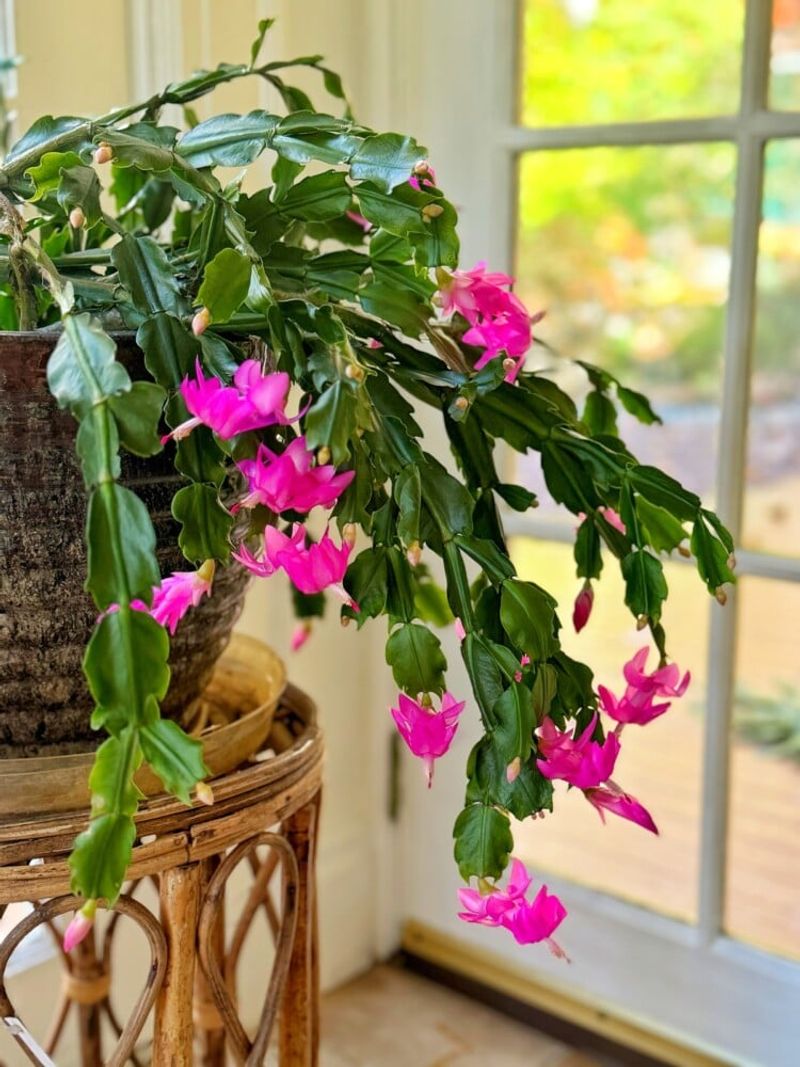
Darkness gets all the attention, but daytime light gives your cactus the energy it needs to open buds. A plant starved for sun may form buds and then drop them, simply because it ran short of fuel.
Bright indirect light suits these forest plants best, much like the dappled shade beneath a tropical tree canopy. An east-facing window offers gentle morning sun, while a sheer curtain softens harsher light from south-facing glass.
Strong direct afternoon sun can bleach or redden the segments, which signals stress rather than healthy color. Pale yellowish stems sometimes point to too much light, so shift the plant a few feet away if needed.
Winter days are short and the sun sits low, so most windows deliver softer light now than summer. Many plants can handle a brighter spot in late autumn than they could tolerate back in July.
Clean dusty windows and wipe segments gently with a damp cloth, since grime blocks more light than you’d expect. I was surprised how much brighter my kitchen window looked after one quick wash on a cloudy afternoon.
If you rely on a grow light, put it on a timer that turns off well before evening. Lights running late into the night can cancel the long-dark signal your plant depends on for bud formation.
Once you find a spot with good morning light and cool nights, consider it home for the season. Your plant will reward that steady routine with plumper buds and richer color than a dim corner allows.
7. Leave Your Budding Christmas Cactus In One Spot
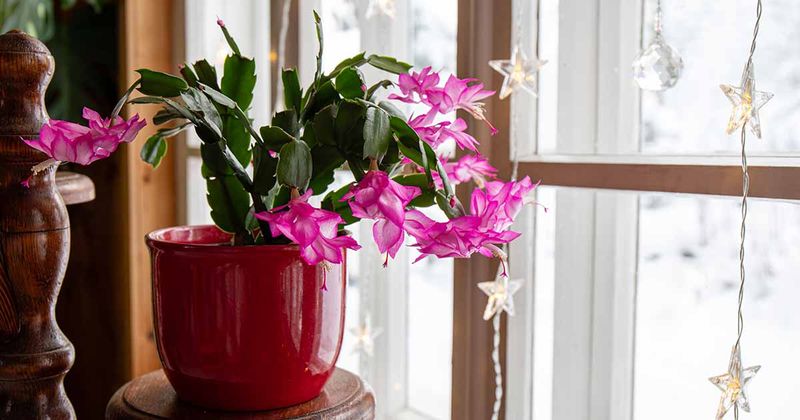
I’m not proud of this, but I once carried a budding cactus to my sister’s house and lost every bud. Within days, tiny pink buds were scattered across her tablecloth like confetti, and I felt terrible about it.
Bud drop is one of the most common complaints with holiday cacti, and sudden change is a frequent cause. Shifts in temperature or light can make the plant abandon buds it can no longer comfortably support.
Once buds appear, pick a good location and resist the urge to move the pot around the house. Even rotating the plant to face a new direction may encourage buds to twist toward light and sometimes fall.
Keep it clear of heat registers and busy doorways, where cold blasts and bumps can knock buds loose. A quiet side table near a bright window often makes the safest perch for the rest of the season.
When buying a blooming plant, ask the store to wrap it before you carry it into cold winter air. A short trip in freezing wind can trigger bud drop days later, long after you have forgotten the drive.
Give a new arrival time to adjust, and expect a few dropped buds while it settles into your home. Most plants calm down within a couple of weeks, then continue opening the remaining buds at a steady pace.
Stability may sound boring, yet it is really the quiet secret behind many of the fullest holiday displays. Let the plant stay put, and enjoy watching each bud swell a little more every morning with coffee.
8. Save Pruning And Repotting Your Christmas Cactus For Spring
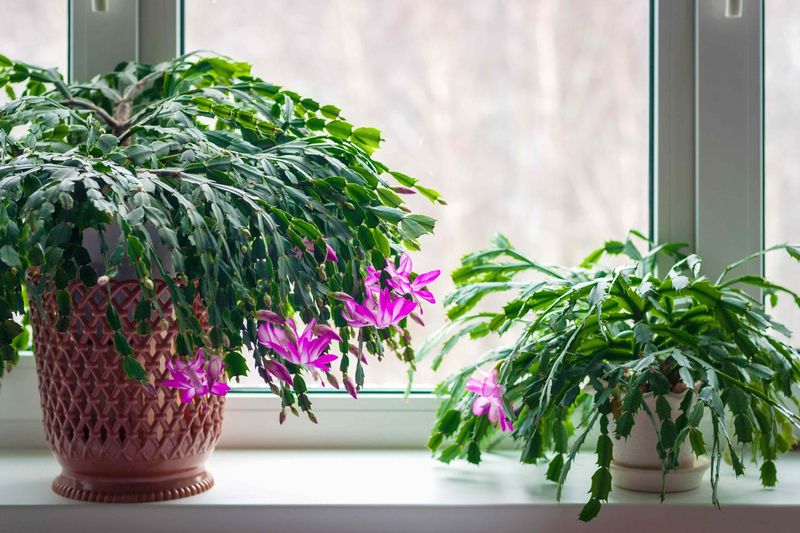
Grabbing the pruners in November feels productive, but your cactus would much rather you admire it from afar. Cutting stems now removes the very segment tips where flower buds form, so you lose blooms you could enjoy.
Late winter or spring, after flowering ends, is the better time to shape a leggy or lopsided plant. Twist off a few segments at the joints, and the plant will branch out and bloom more next year.
Fun fact: those pruned pieces root easily in moist potting mix, making great homegrown gifts for friends later. Many families pass these plants down for generations, sharing cuttings that grow into large, heavy-flowering baskets over time.
Repotting also waits until spring, since disturbing roots while buds develop can trigger stress and heavy bud drop. These plants actually bloom well when slightly root-bound, so a snug pot is nothing to worry about right now.
When spring arrives, move up only one pot size and choose a container with good drainage holes. A fast-draining mix, such as cactus soil blended with some peat or orchid bark, suits their epiphytic roots.
Repotting every few years is usually enough, unless roots are poking out the bottom or water runs straight through. Spring repotting gives the plant months to settle and grow before next autumn’s bud set begins once again.
For now, put the tools away and let your cactus spend its energy on color instead of recovery. Your patience this month sets up both a fuller holiday display and a healthier plant for many seasons ahead.