What To Do With Your Mums After They Finish Blooming In Pennsylvania
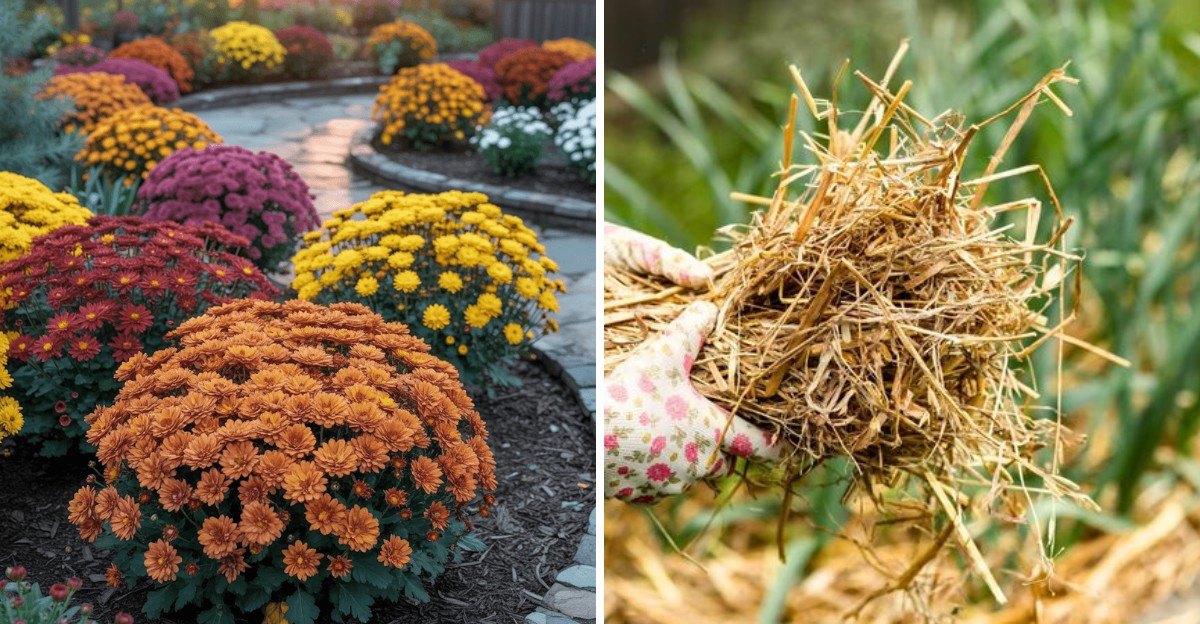
Those puffy fall plants on every porch are bred to bloom when nights grow long, not when it gets cold. They read darkness like a calendar.
I used to toss mine in the trash the day the petals browned. Nobody warned me that many of them could come back bigger the next year.
Here in Pennsylvania, winters swing from mild spells to hard freezes, and that swing is the real test. Roots that sit in soggy, heaving soil struggle long before spring. Roots that get a little help often push out fresh green shoots by April.
So which of your fading pots is worth saving? The answer might be sitting right on your front steps, and a few simple moves this fall could decide its fate.
1. Those Faded Chrysanthemum Pots Might Not All Be The Same Plant
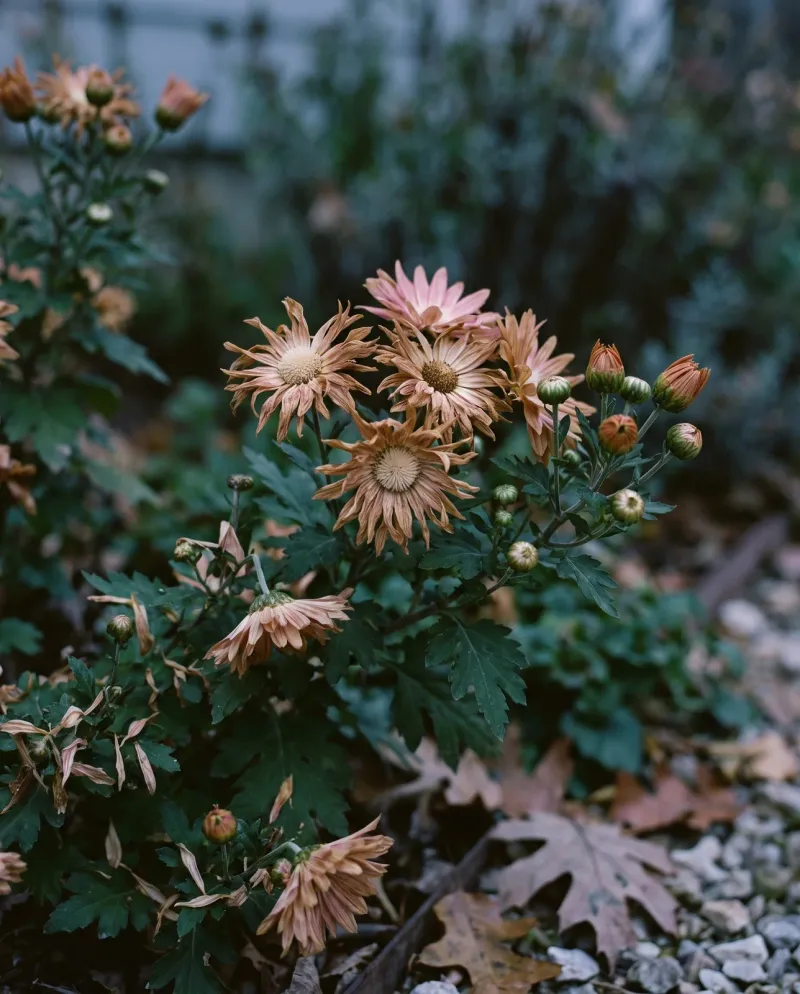
Take a closer look at the tag before you decide anything. Mums sold in fall come in two main types, and they behave very differently once the color fades.
Florist mums are often wrapped in foil and sold for indoor gifts. They were grown in greenhouses for one big show, and most lack the cold hardiness to handle a Pennsylvania winter.
Hardy garden mums, sometimes labeled as perennial or cold-hardy, are bred to build stronger roots and return year after year.
Fun fact for you. Mums bloom in response to shorter days, which is why growers can time them so perfectly for September sales. Cooler weather has little to do with it.
If your plant came without a tag, check a few clues. Garden mums usually feel sturdier, with thicker stems and roots that fill the pot. Florist types often have larger, showier flowers and softer growth.
Knowing which one you have saves you a lot of guesswork. A florist mum is usually best enjoyed and then composted.
A garden mum deserves a real shot at a second season, and the next few steps will show you exactly how to give it one before the ground freezes solid.
2. Get Garden Mums Into The Ground

Timing is the biggest secret to a mum that comes back. Roots need several weeks of growth in warm soil before the ground freezes, and late-planted mums often heave out of the soil and struggle.
Penn State Extension and many Pennsylvania growers suggest planting fall mums as early as you can, ideally by mid-September.
If yours are still in pots in October, plant them right away anyway. A late start beats no start, though survival odds drop the longer you wait.
Pick a spot with at least six hours of sun. Mums dislike wet feet, so choose ground that drains well after a heavy rain.
Raised beds or slightly mounded soil work nicely if your Pennsylvania yard holds water, which is common with clay soils in many parts of the state.
Loosen the root ball gently before planting, since nursery roots often circle the pot. Set the plant at the same depth it grew in its container. Then water deeply and keep the soil evenly moist until the ground freezes.
3. Leave Those Brown Mum Stems Standing Through Winter

Grab your pruners, then put them right back down. Those crispy brown stems look messy, but they do an important job over winter.
The old stems help shield the crown, which is the spot where roots meet shoots. They also trap leaves and snow, adding a natural layer of insulation.
University extension experts in colder regions often recommend waiting until spring to cut garden mums back for this reason.
Some Pennsylvania gardeners still prefer a tidier look. If that sounds like you, wait until a hard frost has browned the foliage, then trim stems to about four inches tall. Leaving some height gives the crown at least a bit of cover.
I like how this rule makes fall cleanup easier. One less chore in November means more time for raking and planting bulbs.
Watch for one exception. If leaves showed heavy disease spots or powdery mildew this season, remove that foliage and bag it so problems do not linger near the plant. Healthy stems can stay put.
Come spring, look for green shoots at the base. Once you spot them, snip the old stems near the ground and let the fresh growth take over.
4. A Thick Straw Mulch Blanket Keeps Mum Roots Snug
Freeze and thaw cycles are tough on shallow roots. One sunny January afternoon can soften the soil, and a frigid night can push the plant right up out of the ground.
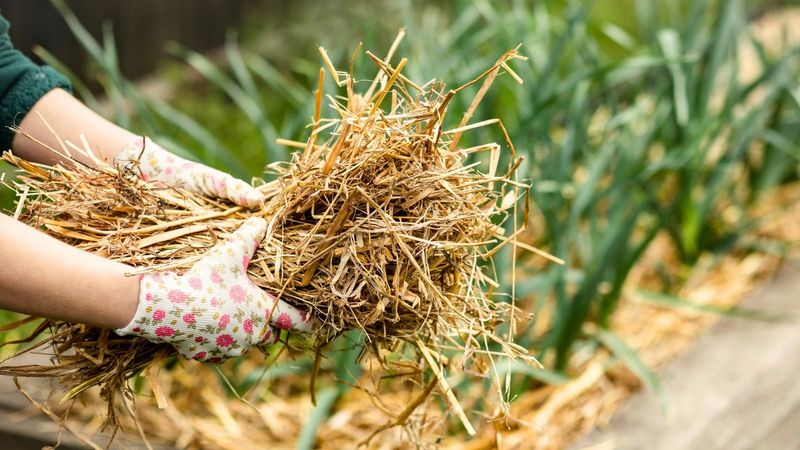
Mulch helps keep the soil temperature steadier. After the ground starts to freeze, usually late November or December in much of the state, spread three to four inches of loose material around and over the plant.
Straw, pine needles, chopped leaves, and evergreen boughs all work well. Skip heavy, wet mats of whole leaves. They can hold too much moisture and invite rot. Shredding leaves with a mower first makes them fluffier and more useful.
Gardeners near Erie or in the higher elevations of the north often see colder, longer winters than folks around Philadelphia. In those colder spots, a slightly deeper layer offers extra peace of mind.
Here is a simple habit worth adopting. Keep watering newly planted mums during dry fall spells until the ground freezes, but avoid soggy soil.
When spring warms up, pull the mulch back gradually. That lets new shoots find light while still giving a little cover on chilly April nights.
5. Potted Mums Can Snooze In An Unheated Garage
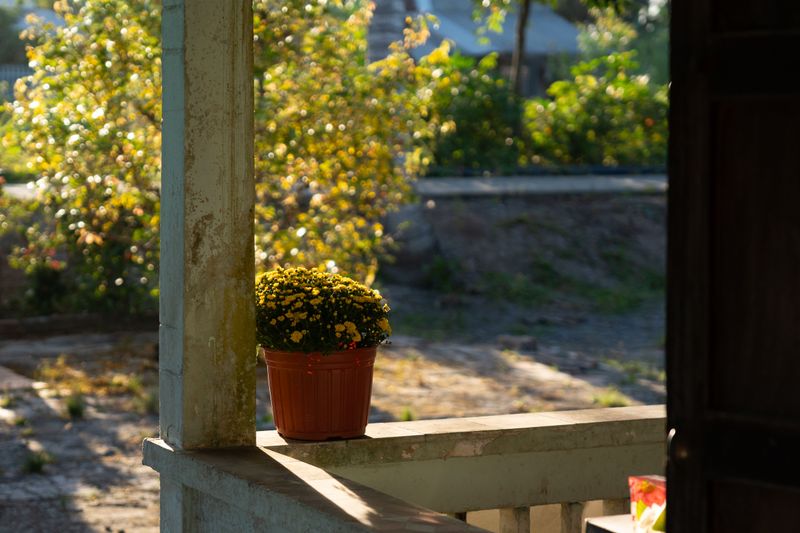
No room in the garden this year? You still have a decent option for hardy mums stuck in containers.
Pots freeze much faster than ground soil, so roots in a container left outside often suffer. Moving them to a cool, sheltered space can carry them through.
An unheated garage, cool basement, or enclosed porch can work, as long as temperatures stay roughly between 32 and 50 degrees.
Prep is easy. Trim stems back to a few inches after the plant has gone dormant, peel off any decorative foil, and check that the pot drains freely.
Water sparingly through winter, roughly once a month or whenever the soil feels dry an inch down. Too much water in a cold, dark spot leads to rot, so err on the dry side.
To my surprise, my first garage mum woke up with tiny green sprouts in March. It felt like finding a forgotten gift.
Move the pot outside gradually in spring once frost risk passes, usually around early to mid-May in many areas. Then plant it in the ground or repot it into fresh soil for another season of growth.
6. Spent Florist Mums Make Great Compost Pile Material
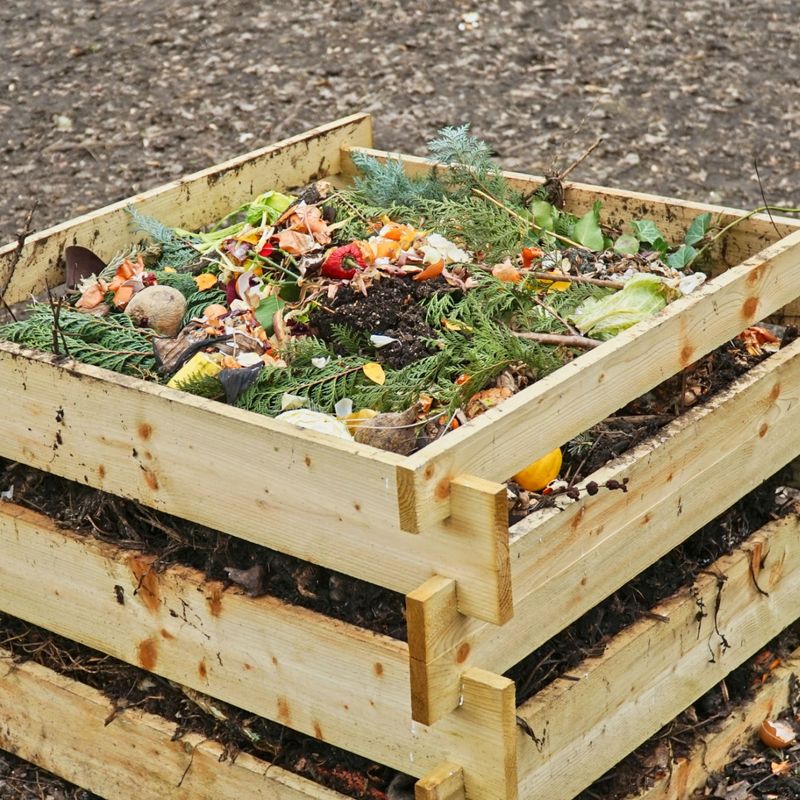
Not every mum needs a rescue mission. Florist types and worn-out plants still have one more useful job to do.
Spent flowers, leaves, and stems break down nicely in a backyard compost pile. They count as brown material once dried, which balances kitchen scraps and grass clippings. Chop stems into smaller pieces so they break down faster.
The soil and roots can go in too. Shake loose potting mix into your garden beds or add it to the pile for a little extra texture.
Be choosy, though. Plants with powdery mildew, leaf spots, or signs of pests are better off in the trash.
Many home piles do not get hot enough to reliably break down disease organisms, and you do not want to spread trouble next season.
Plastic nursery pots can often be reused for seedlings or returned to garden centers that accept them. Check with your local nursery, since many in the state run fall pot recycling programs.
I truly believe composting makes saying goodbye easier. That cheerful porch plant ends up feeding next year’s tomatoes and flowers, which feels like a pretty fair trade.
7. Pinch And Divide Mums In Spring For A Fuller Fall Show
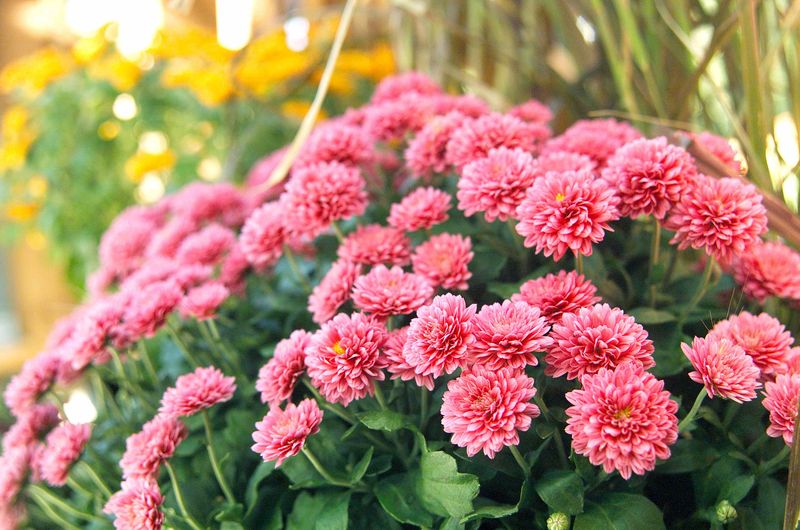
Spring is when the real payoff begins. Once green shoots appear, cut away any old stems still standing and pull back the remaining mulch.
Then start pinching. When shoots reach about six inches, snip off the top inch or so. Repeat every few weeks until around early July in Pennsylvania.
Each pinch makes the plant branch out, creating more stems and more flower buds later.
Stopping by midsummer matters. Pinching too late can remove the buds that form as days shorten, leaving you with fewer blooms in fall.
Older clumps benefit from a refresh too. Every two to three years, dig up the plant in spring and divide it into smaller sections. The center often gets woody and weak, while the outer pieces are young and vigorous, so replant those.
A light feeding of balanced fertilizer in spring and early summer supports steady growth. Stop feeding by late summer so the plant can toughen up before cold weather.
You will wonder why you did not try this sooner. A mum you saved last fall can turn into a bigger, bushier mound of color that outshines anything at the store.