Who’s Responsible When a Neighbor’s Fruit Tree Drops a Mess Into Your Ohio Yard?
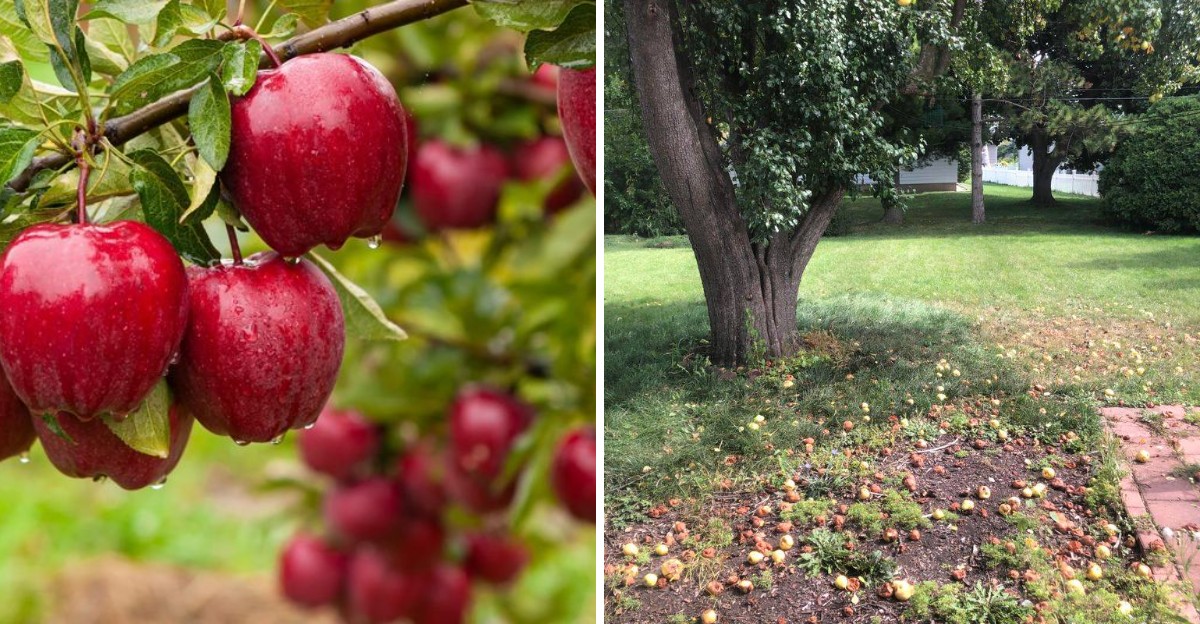
A single mature apple tree can drop hundreds of pounds of fruit in one season, and gravity does not check property lines.
I learned that the squishy way, barefoot, on a warm September morning. Yellowjackets had already claimed the leftovers, and they were not in a sharing mood.
Here in Ohio, plenty of gardeners assume the tree owner must come scoop up every soft pear and split plum. Personally, I assumed the same thing for years.
The law, along with a few old court cases, tells a different story.
You have real rights here, and some surprising limits too. A wrong snip with the loppers could cost far more than a bag of rotten fruit.
Who actually owns that sticky mess on your lawn, and what are you allowed to do about it?
Those Fallen Apples on Your Lawn Have a Surprising Owner
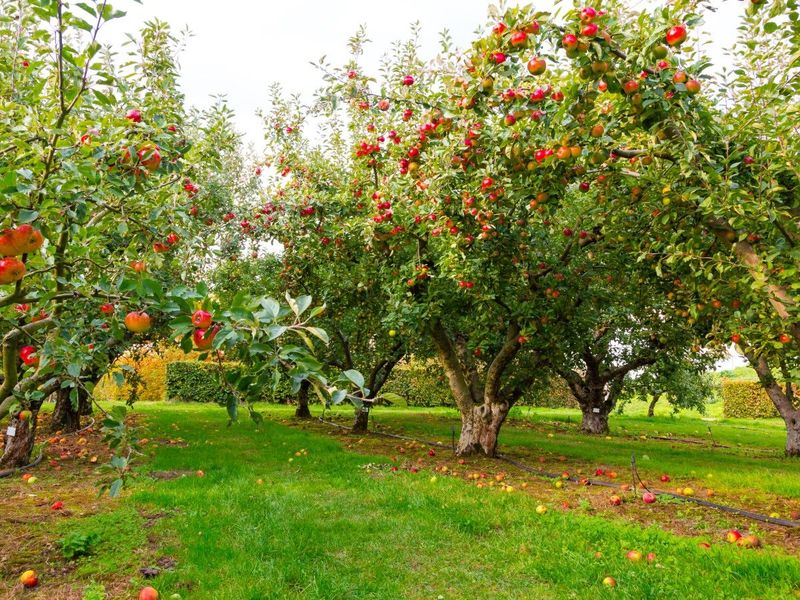
Ownership of fruit gets funny the moment it hits the ground. While apples hang on branches over your yard, most legal guides say they still belong to the tree owner, since the trunk sits on their land.
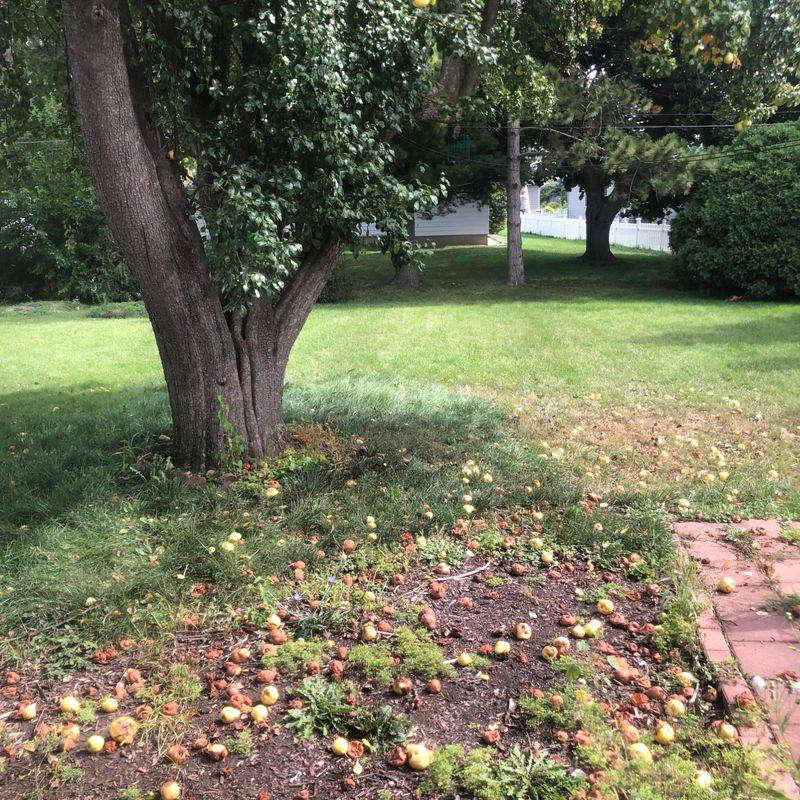
Once fruit falls naturally, though, the cleanup question flips. In Ohio, ordinary debris from a healthy tree, like leaves, twigs, acorns, and dropped fruit, is generally treated as a natural part of living next to trees.
Courts rarely make a neighbor pay for that kind of everyday mess.
That means the soft peaches near your patio are usually your chore to rake up. I know, it stings a little.
You did not plant the tree, yet you get the yard work.
The reasoning makes some sense, though. If every falling leaf could spark a lawsuit, courts would be buried in neighbor squabbles every October.
The law expects people to accept small natural nuisances from nearby plants.
Keep in mind that this covers normal dropping, not damage. A heavy limb crushing your shed is a separate question.
For plain fallen fruit from a healthy tree, a sturdy rake and a compost bin are your main tools.
Overhanging Fruit Tree Branches Can Be Trimmed Back to Your Line
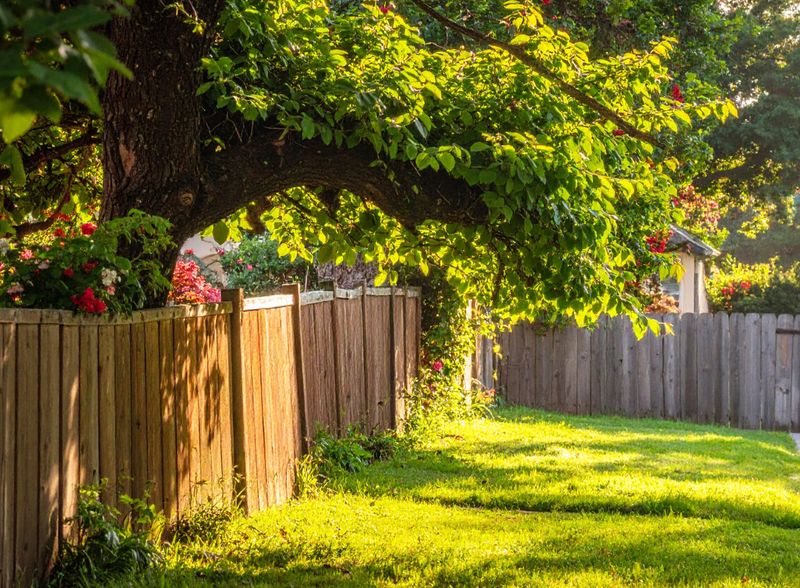
Ohio gives you a handy tool called the right of self-help. You can trim branches and roots from a neighbor’s tree that cross over your property line, at your own expense.
For fruit drop, this is your most practical fix. Fewer overhanging limbs means fewer pears plopping onto your driveway next season.
There are a few strict rules to follow:
You may only cut up to the property line, not one inch past it. You cannot step onto the neighbor’s land, climb their tree, or lean a ladder on their side without permission.
You also cannot harm the overall health of the tree.
If you are not sure where the line is, check your county auditor’s online property maps or your survey. Fences are not always set right on the boundary, so do not trust them blindly.
Timing matters too. Most fruit trees in our state handle pruning best in late winter, while they are dormant.
Cutting big limbs in summer heat can stress them and invite disease.
Personally, I would hire a certified arborist for anything thicker than your wrist. They know how to make clean cuts that keep the tree healthy and keep you out of trouble.
Heavy Pruning Cuts on a Neighbor’s Pear Tree Can Cost You Triple
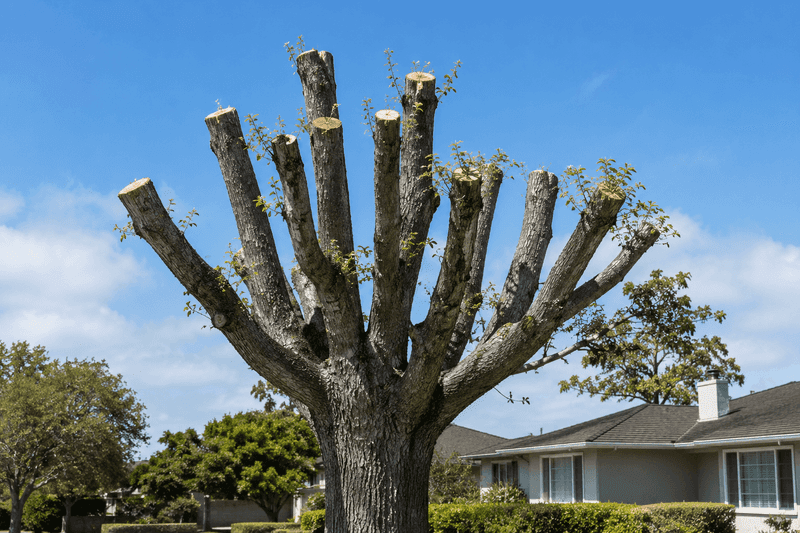
Ohio has a law with real teeth. Under Ohio Revised Code 901.51, anyone who recklessly cuts or injures a tree on another person’s land can owe treble damages, which means three times the value of the harm.
That is a big deal for fruit trees. A mature, productive apple or cherry tree can carry an appraised value in the thousands of dollars.
So what counts as going too far? Hacking off major limbs so the tree becomes lopsided, cutting large roots close to the trunk, or using herbicides that drift across the fence can all cause serious injury.
If the tree declines afterward, you could be held responsible.
Your self-help right does not shield you from this. Courts have treated careless trimming that badly harms a tree as a problem, even when the branches were technically over your side.
My advice is simple. Trim modestly, document what you cut with photos, and stay well away from the trunk.
When major roots or limbs are involved, get an arborist’s opinion in writing first.
A little caution now can save you from a costly courtroom surprise later.
A Neglected Cherry Tree Can Shift Responsibility Next Door

Responsibility does shift in certain cases. The state follows a negligence approach for tree trouble, which means the owner may be liable if they knew, or reasonably should have known, that their tree was dangerous.
Fallen fruit by itself rarely qualifies. Damage from a hazardous tree is a different story.
Say your neighbor’s old cherry tree has a split trunk and a limb hanging by a thread. You mention it, they shrug, and a month later the limb crushes your raised beds.
In that situation, the neighbor could be on the hook for repairs.
Compare that to a healthy tree that drops a branch in a sudden thunderstorm. Ohio courts often call that an act of nature, and the tree owner is usually not liable.
Your homeowners insurance typically handles damage to your own property in those cases.
Notice is the key ingredient. A friendly but clear written note, like an email or letter, creates a record that the owner was told about the problem.
I like keeping a simple file with dated photos of any worrying tree. If something ever goes wrong, that record shows the danger was visible and known, not a total surprise.
Cracked Trunks and Mushrooms at the Base Are Red Flags
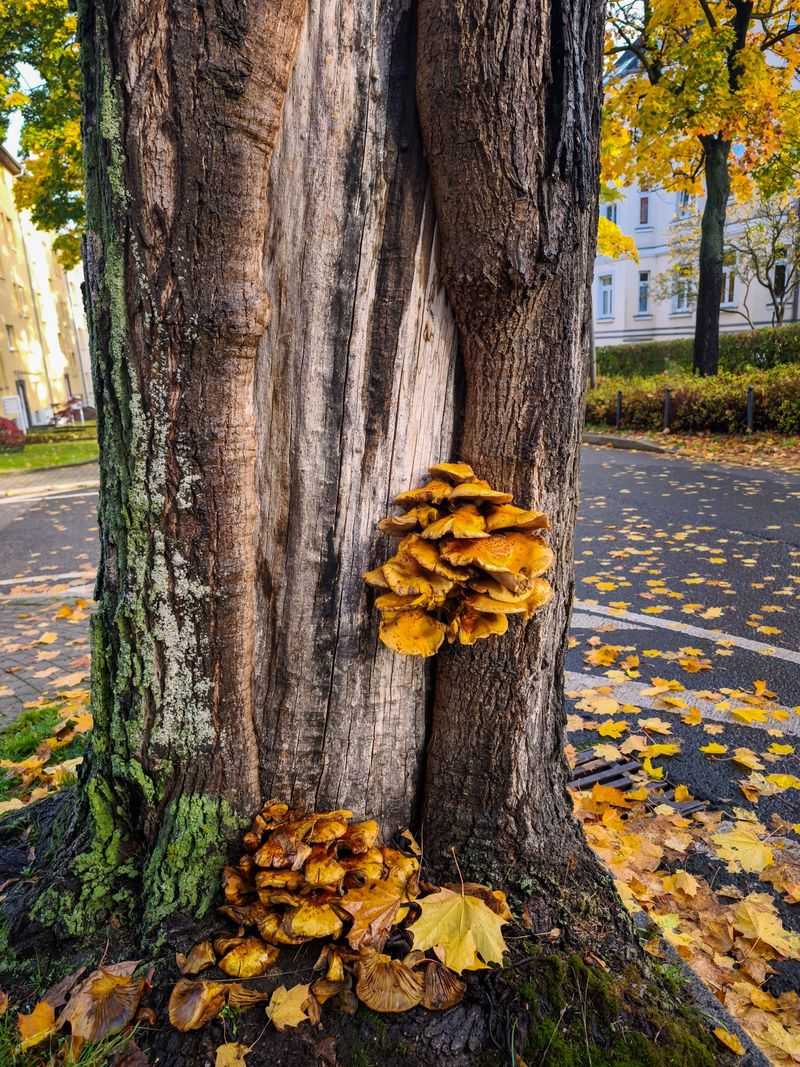
Trees often send signals before they fail, and you can learn to read them from your side of the fence. Arborists and extension specialists look for a handful of classic warning signs.
Watch for these clues:
Deep cracks running through the trunk or major branches. Mushrooms or shelf-like fungi growing at the base, which can point to internal decay.
Large hollow spots, oozing sap, or bark falling off in big patches.
Leaning is another one. A sudden new lean, especially with soil heaving up on one side, is far more worrying than a tree that has grown slanted for decades.
Fruit trees bring their own quirks. Old apple and pear trees often carry heavy crops on weak, narrow branch angles, and limbs can snap under a big harvest.
Fire blight, common in the state, causes blackened shoots that look scorched.
Spotting a problem is not the same as proving negligence, of course. Still, these signs justify a conversation and maybe a professional inspection.
Ohio State University Extension and the International Society of Arboriculture both offer guidance on finding certified arborists. One visit can tell you whether that scary-looking crack is a real hazard or just old character.
City Lots and Country Orchards Get Judged a Little Differently
Location changes expectations more than most people realize. The state courts have drawn a line between urban and rural landowners when it comes to inspecting trees.
In towns and suburbs, lots are smaller and trees sit close to homes, sidewalks, and cars. Owners there are generally expected to keep a reasonable eye on their trees and act on obvious hazards.
Rural owners may have acres of woods or old fencerow trees. Courts have been more forgiving, often holding that country landowners do not need to inspect every single tree.
They still cannot ignore a danger they actually know about, though.
For you, this matters if a neighbor’s tree causes real damage. A Columbus homeowner with one big apple tree beside a shared driveway may face a higher standard than a farmer with a forgotten orchard in Holmes County.
Local rules add another layer. Many Ohio cities have nuisance ordinances about weeds, rodents, or rotting debris, and some HOAs set their own yard upkeep standards.
A quick look at your city code or HOA covenants can reveal options you did not know you had. Sometimes a code officer, not a lawyer, is the right first phone call.
A Basket of Pears Opens Better Talks Than a Lawyer Letter
Honestly, the friendliest solution is often the fastest one. Most tree disputes start with frustration and end with a conversation that should have happened sooner.
Before you trim a single twig, knock on the door. Bring up the issue calmly, maybe on a nice afternoon instead of right after you slipped on a plum.
A few ideas can make the talk go smoother. Offer to share pruning costs, since a lighter canopy helps both yards.
Ask if they would like you to pick fruit hanging on your side, so it gets eaten instead of squashed. Suggest a shared cleanup day near harvest.
You might discover your neighbor did not even know about the mess. Some folks inherited the tree with the house and have no idea how to care for it.
If talks stall, Ohio has free or low-cost community mediation programs in many cities and counties. A neutral person helps you both reach an agreement without court fees.
I have seen grumpy fence-line feuds turn into jam-swapping friendships. Fruit trees are generous by nature, and that generosity can spread across the property line if you give it a chance.
Quick Fruit Cleanup Keeps Yellowjackets Away From Your Patio
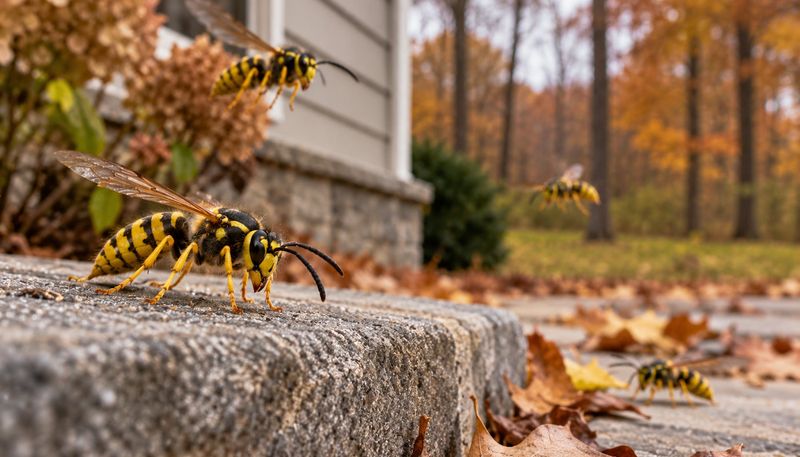
Late summer in our state turns fallen fruit into a buffet for yellowjackets. These wasps love sugary, overripe apples and plums, and they get more aggressive as fall approaches.
Since the cleanup usually lands on you, a smart routine makes life easier. Pick up dropped fruit every day or two during peak season, ideally in the cool morning when wasps are slow.
Wear gloves and closed shoes. Use a rake, a long-handled fruit picker, or a rolling nut gatherer, which works surprisingly well on small apples and crabapples.
Bag fruit that shows rot, worms, or disease and put it in the trash. Ohio State University Extension advises removing dropped fruit to help break pest and disease cycles like codling moth and brown rot.
Clean, healthy fruit can go into a hot compost pile if it is buried in the center. Leaving it on top just invites raccoons, opossums, and more wasps.
Your best takeaway is this. Clean up your side, trim only what is legal, document real hazards, and talk to your neighbor early.
Do those things, and that overhanging fruit tree becomes a manageable neighbor instead of a sticky headache.