How Texas Gardeners Turn Fallen Pecan and Oak Leaves Into Free Garden Gold
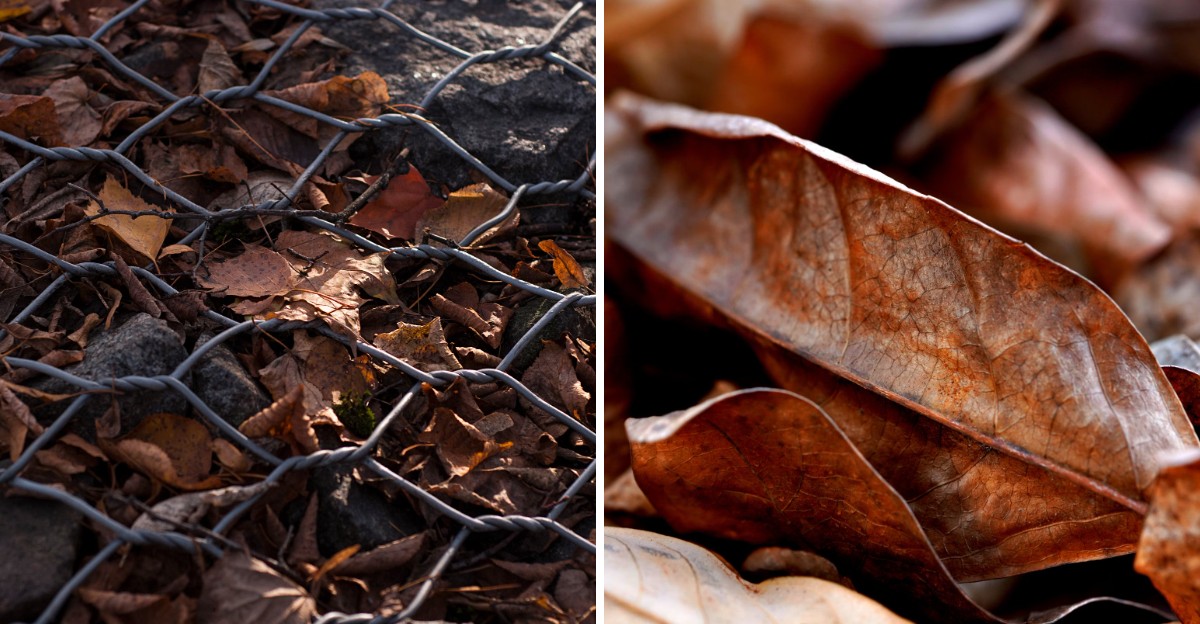
The official state tree of Texas drops a shower of leaves every fall that most folks bag and haul away. Our big evergreen shade trees are sneakier, dropping most of their old leaves in spring as new ones push out.
So a yard in Texas can collect two waves of free brown material in a single year. I used to rake every crunchy pile to the curb and grumble about the sore back afterward.
After I tested a few simple tricks, my clay beds turned darker and held water far longer. You might notice the same change once those leaves start feeding the worms instead of a landfill.
University experts in our region have backed many of these methods for decades with real field results. Which of these easy tricks will turn your messy yard into a pile of garden gold?
Mow Fallen Pecan Leaves Right Back Into Your Lawn
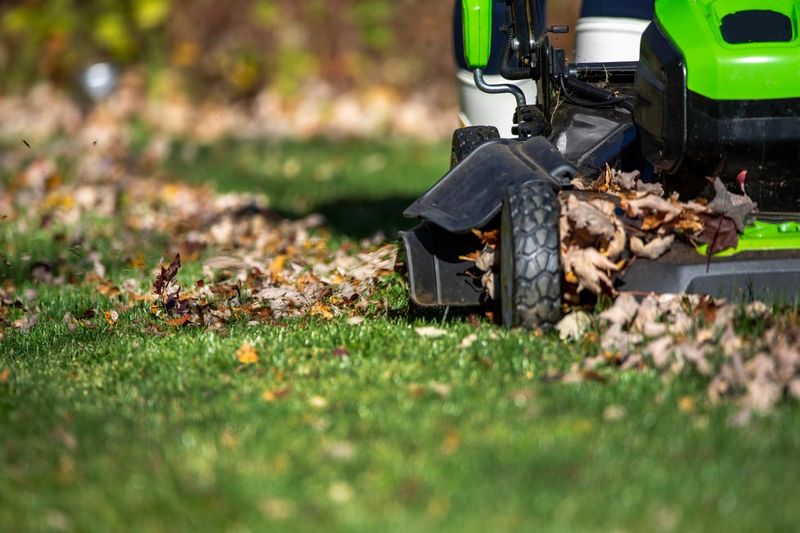
Your lawn mower might be the best leaf tool you already own, and it costs nothing extra to use. One slow pass turns a crunchy carpet of pecan leaves into confetti that slips between the grass blades, which is a big help in any Texas yard.
Research at Michigan State University found that mulching leaves into turf caused no harm to healthy lawns over several years. In fact, some plots even showed fewer dandelions in spring after a few seasons of mulched maple leaves.
I like to set the mower deck a little high and make two passes when the leaves are thick. Bits about the size of a dime work best, since they settle down fast and break apart quickly.
You should still see plenty of green grass peeking through after you finish mowing over the chopped pieces. If the ground looks buried under brown flakes, rake some extra into beds before the grass gets smothered.
Oak leaves are tougher than pecan leaves, so they may need one more pass to shrink them down. Dry leaves shred better than soggy ones, so wait for a sunny afternoon after a rain.
Warm-season grasses like St. Augustine and Bermuda, common across Texas lawns, slip into winter dormancy, yet they still benefit from added organic matter. Earthworms and soil microbes pull those tiny leaf bits underground and slowly turn them into food for roots.
My favorite part is skipping the stack of paper bags at the curb every weekend in late fall. Your back will thank you, and your lawn gets a free snack that keeps feeding it for months, all the way through a Texas winter.
Spread Shredded Oak Leaf Mulch Around Thirsty Shrubs
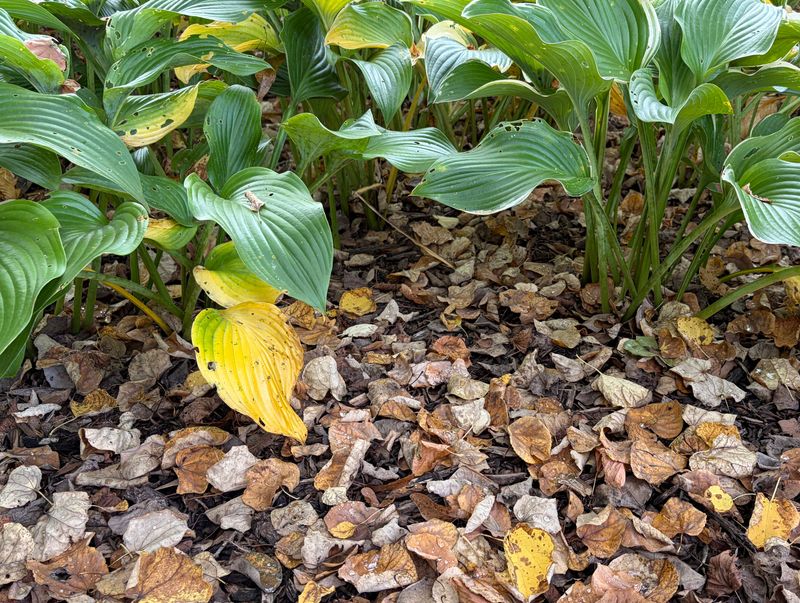
A crunchy brown blanket of oak leaves smells like a forest floor after rain, and your shrubs love it too. Shredded leaves make a mulch that costs nothing and looks right at home in a natural landscape.
Texas A&M AgriLife experts often suggest a layer of mulch about two to four inches deep around plants. That layer slows evaporation, so the soil stays moist longer during our hot and windy stretches.
Whole oak leaves can mat together like wet paper and shed water instead of letting it soak through. I run mine through a shredder or mower first, and the fluffy pieces knit together without forming a crust.
Keep the mulch a few inches away from trunks and shrub stems to discourage rot and hiding rodents. A little bare ring around each stem lets air move freely and keeps the bark healthy.
Many people worry that oak leaves will turn their soil sour, but research shows the effect is small. As the leaves break down they mostly end up close to neutral, so soil pH usually shifts very little.
Shredded oak leaves also shade the ground, which helps keep roots cooler during long summer afternoons in full sun. Weed seeds struggle to sprout in the dark under that layer, so you spend less time pulling weeds.
Because oak leaves are leathery, they last longer than many other leaves before they melt into the soil. I top up my beds once a year, and the old layer underneath slowly turns into rich, dark crumbs.
Brew Leaf Mold In A Simple Wire Bin
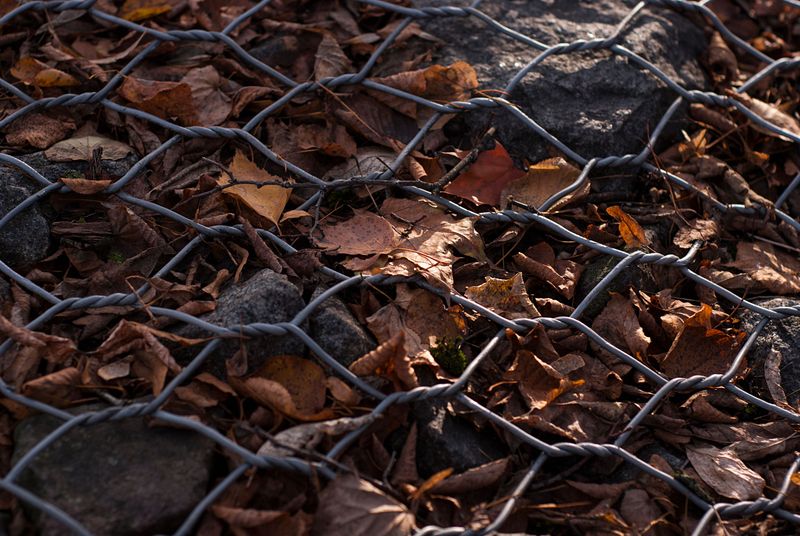
Leaf mold has a sweet, earthy smell that reminds me of hiking through a shady creek bottom in winter. It forms when fungi slowly break down a pile of leaves, with very little help from you.
Unlike regular compost, leaf mold depends mostly on fungi rather than the heat-loving bacteria found in hot piles. The process is cool and slow, so you can set it up and mostly forget about it.
A ring of chicken wire or hardware cloth about three or four feet wide makes an easy holding pen. Fill it with leaves and soak the pile well with a hose so every layer stays damp.
Whole leaves can take two or three years to finish, which tests the patience of most gardeners. Shredded leaves often turn into usable leaf mold in about a year, especially when the pile stays moist.
During dry spells in Texas, I water my leaf pile whenever the top feels like a crisp cracker. A shady corner helps too, because the sun bakes moisture out of an exposed pile very quickly.
Finished leaf mold is dark and crumbly, and gardeners often say it holds several times its weight in water. That sponge effect makes it a wonderful addition to sandy soil that dries out within hours.
You can mix it into potting soil for containers or sprinkle it over beds as a gentle top dressing. Earthworms seem to find it fast, and I love spotting them wriggling through the fresh layer.
Feed Your Compost Pile With Crunchy Brown Pecan Leaves
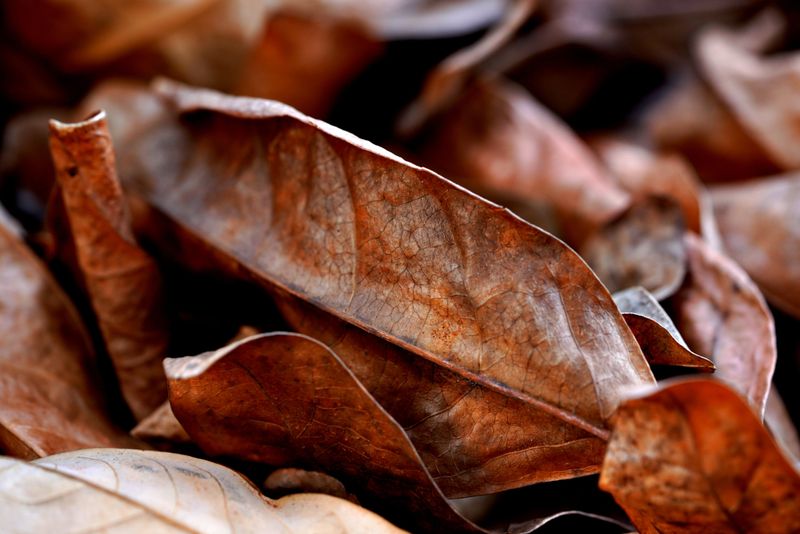
Crunchy pecan leaves are the carbon side of the compost recipe, and most piles run short on them by summer. Stashing a few bags now gives you a ready supply of browns long after the trees go bare.
Many extension guides suggest roughly two or three parts brown material to one part green material by volume. Greens include grass clippings and vegetable scraps, which supply the nitrogen that compost microbes need to grow.
Pecans are true hickories and cousins of walnuts, so some folks worry about juglone, a natural plant chemical. Pecan leaves contain much less of it, and research shows juglone breaks down during active composting.
Shred the leaves before adding them, because small pieces give microbes far more surface area to munch on. Whole leaves tend to form soggy sheets that block air and slow the whole pile down.
Aim for moisture that feels like a wrung-out sponge when you squeeze a handful from the middle. Too dry and nothing happens, while too wet leads to a sour smell that nobody enjoys.
Turning the pile every week or two adds oxygen and keeps the microbes busy and the center warm. I like using a pitchfork on cool mornings, when the steam rising from the pile feels like a reward.
A well-tended pile with shredded leaves can turn into finished compost in a few months during warm weather. The result smells like fresh earth and gives your spring vegetables a strong start in the garden.
Fill Black Trash Bags With Leaves For Easy Compost
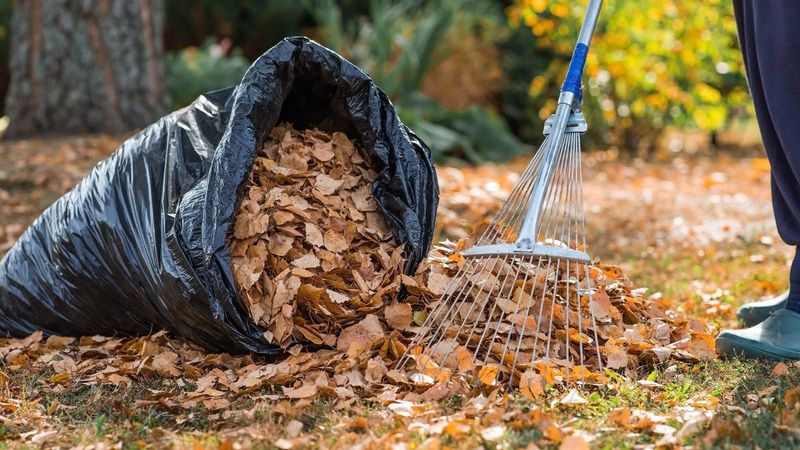
Black plastic trash bags look like the least magical thing in the garage, yet they can make spring compost. This lazy method suits small yards and busy gardeners who lack room for a large bin.
Start by filling a sturdy bag with shredded leaves, since chopped pieces break down much faster than whole ones. Toss in a shovel of garden soil, which brings along the microbes that kick off decomposition.
Leaves are low in nitrogen, so add a handful of fertilizer or a scoop of aged manure to each bag. That small boost helps the hungry microbes multiply and speeds up the breakdown of those tough leaves.
Pour in enough water to dampen everything, then tie the bag closed and shake it well to mix. I poke a dozen small holes with a screwdriver so a little air can reach the busy microbes.
Set the bags in a sunny spot, where the dark plastic soaks up warmth on mild winter afternoons. Every few weeks, roll each bag around the yard to tumble the contents and check the moisture.
If the leaves inside feel dry and papery, add a splash of water and retie the bag tightly. A strong rotten smell means things got too soggy, so open the bag and add more dry leaves.
By spring, many bags hold dark, crumbly material ready to spread on vegetable beds or around roses. You might find a few stubborn leaves left, and those can simply go into the next batch.
Tuck Shredded Leaves Around Tender Perennials Before A Freeze
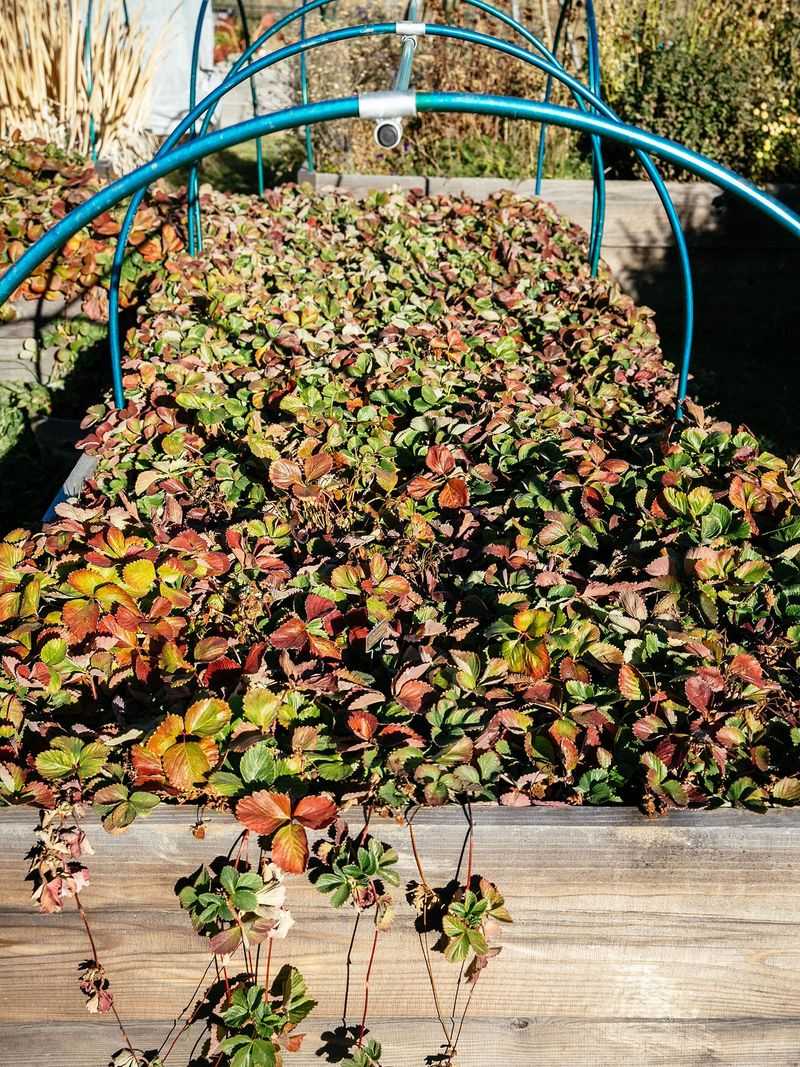
Blue northers can drop temperatures sharply within a few hours across much of the state on a winter afternoon. A fluffy layer of shredded leaves works like a down jacket for roots that dislike those sudden swings.
Plants that are root hardy but top tender, like esperanza and some salvias, benefit the most from this trick. Their stems may freeze back, yet protected roots often push out fresh growth when the weather warms.
Spread three to four inches of shredded leaves over the root zone once a hard freeze is in the forecast. I try to keep the layer loose, because packed leaves trap water and can cause soggy crowns.
A simple ring of chicken wire around a plant holds the leaves in place on windy days. Fill the ring loosely, and the wire stops your hard work from blowing into the neighbor’s driveway.
Timing matters a lot in a place where a freeze can come and go within a single week. Covering plants too early can keep the soil cool and soggy during the warm spells between cold fronts.
Watering the soil a day or two before a freeze helps, because moist ground holds heat better than dry ground. The leaf blanket then traps that stored warmth close to the roots through the coldest night.
Once spring arrives and new shoots appear, pull back the extra leaves so sunlight can warm the soil again. You can toss them straight into the compost pile, so nothing goes to waste after the cold passes.
Build A Lasagna Garden Bed With Layers Of Leaves
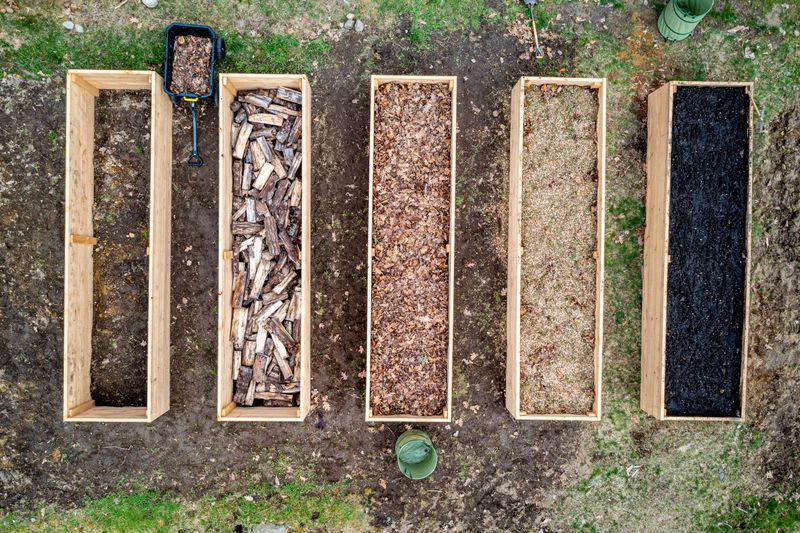
Lasagna gardening sounds like dinner, but it is really a no-dig way to build a bed on top of grass. You stack cardboard and organic layers, then let worms and microbes do the heavy lifting for you.
Fall is a perfect time to start, since leaves are piling up and the bed has months to settle. By spring planting season, much of the material has softened into a dark, spongy layer full of life.
Begin with plain brown cardboard laid over the grass, overlapping the edges so no light sneaks through the gaps. Soak it with a hose until it turns soft, which helps it smother the turf below.
Next comes a thick layer of shredded pecan and oak leaves, followed by a thinner layer of green material. Kitchen scraps or fresh grass clippings work well, and I repeat the pattern until the pile reaches knee height.
The pile will sink a lot over winter, sometimes shrinking to half its original height by spring. Top the stack with a few inches of compost or garden soil so you have something to plant into.
Heavy clay in places like Dallas and Houston can feel like concrete in August, and this method sidesteps that struggle. Roots grow in the loose layers above while worms slowly mix organic matter into the clay underneath.
I skipped the rototiller for my newest bed, and the tomatoes there grew better than in my old rows. You build your soil from the top down, just like a forest does with its own fallen leaves.
Collect Spring Live Oak Leaves For A Second Harvest
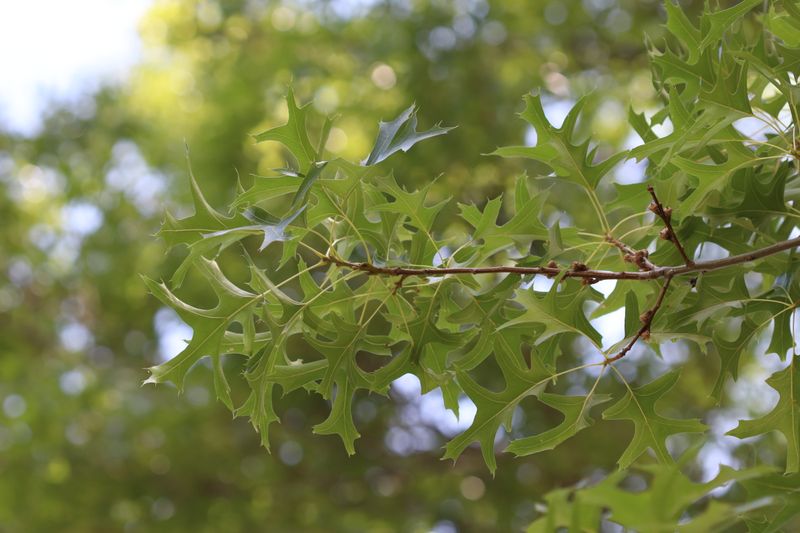
Southern live oaks pull a sneaky trick, holding their leaves through winter and then dropping them in spring. Gardeners in Central Texas know that March and April can bring a second rain of crunchy leaves.
The shedding happens as new leaves push out, so the trees stay mostly green even while the old ones fall. Quercus virginiana leaves are small and leathery, which makes them slow to break down when left whole.
That timing is a gift, because spring is when compost piles get hungry for brown material. Mixing these leaves with fresh grass clippings from your first mowing creates a balanced recipe right on time.
I run my mower with the bagger attached and collect a perfect blend of chopped leaves and grass together. That mix heats up quickly in a pile and usually needs very little extra nitrogen to get going.
Spring leaves also make handy mulch for vegetable beds right before the summer heat settles over the garden. A shredded layer around peppers and squash helps the soil hold moisture through those long, blazing afternoons.
One caution applies to oak wilt, a serious disease that affects many live oaks in this part of the country. Avoid pruning or wounding oaks from February through June, since that window carries the highest risk of spread.
Experts do not consider fallen leaves a major way the disease spreads, so gathering them is fine. I am surprised how few neighbors notice this bonus crop, and I happily grab the extra bags they leave out.