Where Box Tree Moth Caterpillars Hide in Ohio Boxwoods Over Winter (And How to Check)
A caterpillar smaller than a grain of rice can spend all winter inside a silk pouch and handle temperatures far below zero. It sleeps in there for months, then wakes up hungry the moment spring warms the shrub.
That tiny sleeper has been confirmed in parts of Ohio, mostly in the southwest corner near Cincinnati. Its favorite bed is tucked between two leaves of a plant you probably walk past every day.
I love a good garden mystery, and this one is sneaky. Your hedge can look perfectly tidy on the outside while guests rest quietly in the center.
I find that both creepy and a little fascinating.
The trick is knowing where to peek and what a hidden pouch looks like. Once you see one, you will spot them faster than you expect.
Are you brave enough to part those branches?
A Silk Pouch Between Two Boxwood Leaves Could Be Holding a Sleeper
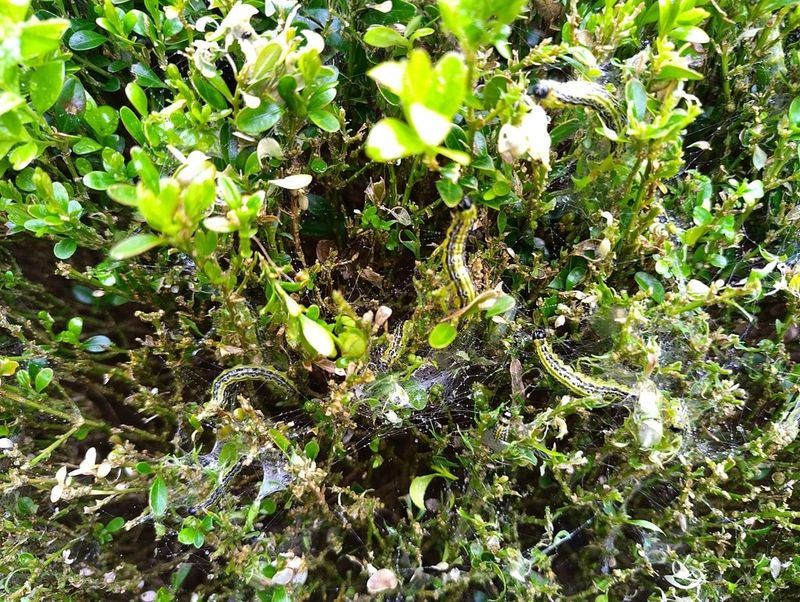
Gardeners in southwest Ohio have learned a strange lesson lately. The cozy center of a boxwood can double as a winter hotel for box tree moth caterpillars.
Young caterpillars spin a small silk shelter called a hibernaculum. Most often, they tuck it between two leaves that are pressed together, so the pouch looks like a tiny pillowcase.
Ohio State University Extension notes that these shelters sit deep in the shrub, away from wind and snow.
Inside, the caterpillars enter diapause, a resting state a bit like hibernation. They usually overwinter as third or fourth instars, though OSU researchers also found second instars in southwest Ohio during the winter of 2023 to 2024.
That means some winter sleepers are smaller than you might expect.
Their shelters help them survive very cold weather. European research shows they can handle temperatures well below zero, so an Ohio cold snap rarely slows them down.
I like to think of the hibernaculum as a sleeping bag with a built-in door. When spring arrives, the caterpillar simply crawls out and starts eating.
Knowing this hiding spot exists is your first step toward finding trouble before it grows.
Part the Boxwood Branches and Check the Inner Leaves First
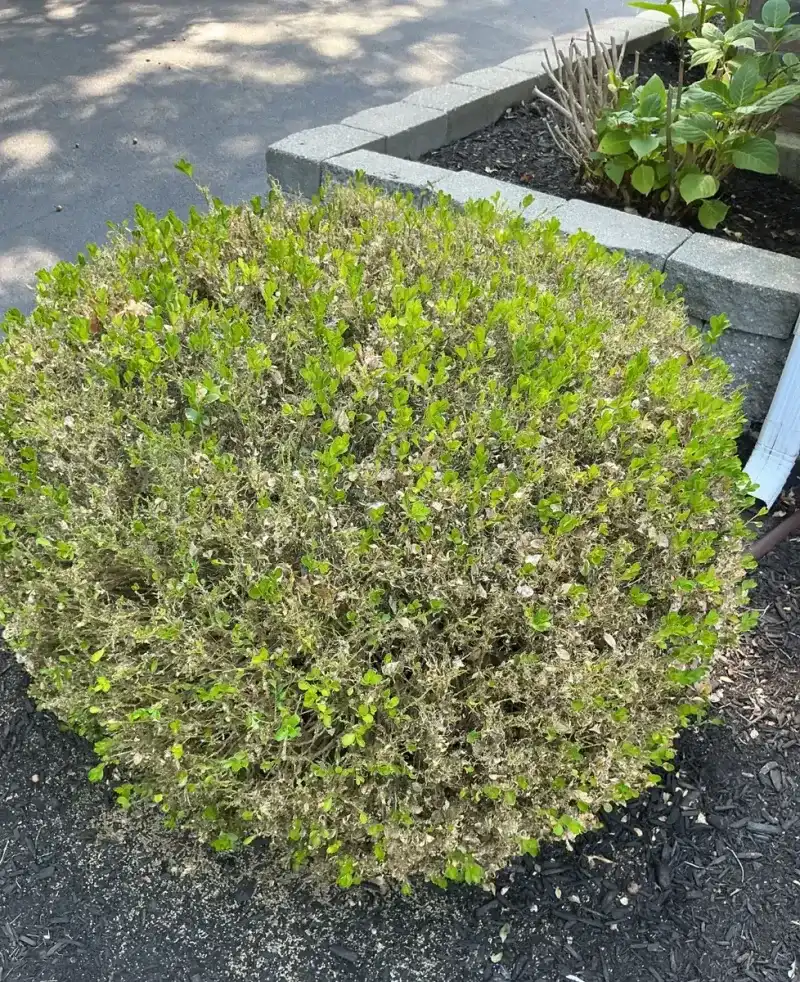
My favorite inspection trick costs nothing at all. You just need your two hands and a few patient minutes per shrub.
Start by gently spreading the branches apart near the middle of the plant. Box tree moth caterpillars favor the protected interior, not the shiny outer shell you see from the sidewalk.
Look closely at leaves that seem glued together in pairs or small clusters.
Next, focus on lower branches and the shady side of each shrub. These sheltered pockets often hold more webbing and shelters.
A small flashlight helps a lot on gray winter afternoons.
Work slowly and check several spots on every plant. A quick glance at the top usually misses everything that matters.
OSU Extension suggests careful, repeated looks rather than one rushed check.
If you find a suspicious pouch, peel the leaves apart with a fingernail. A tiny greenish caterpillar curled inside confirms your hunch.
Snap a clear photo before removing it so you can report it later.
Personally, I check hedges near driveways and walkways first. Those spots get the most attention from visitors, and an early find there can save the whole row.
Wispy Webbing and Green Frass Give Box Tree Moth Away
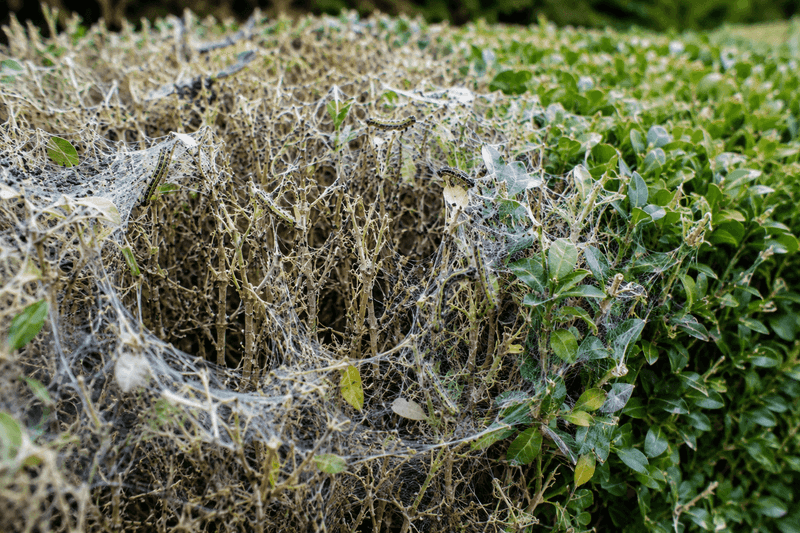
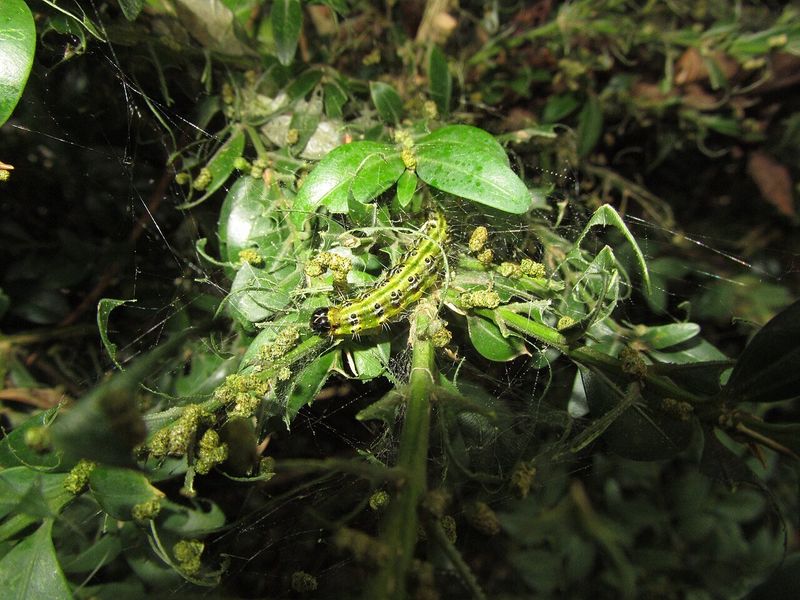
Silk is the loudest clue these quiet pests leave behind. Even in winter, threads of webbing can hang on inside the shrub.
Look for fine white strands that tie leaves and twigs together. Box tree moth caterpillars spin plenty of webbing while feeding, and old silk often lingers into cold months.
The webbing can trap bits of leaf, dust, and droppings.
Those droppings are called frass. They look like tiny green to greenish-brown pellets, a bit like crumbs of dried herbs.
Finding frass stuck in webbing or piled on lower leaves is a strong sign caterpillars fed there last season.
Here is a handy test. Hold a white sheet of paper under a branch and give it a gentle tap.
Frass and debris will drop onto the paper, where they are much easier to see.
Be aware that spiders also spin webs in boxwoods. Spider silk usually looks neater and lacks the frass-filled clumps.
Box tree moth webbing tends to be messy and packed with leaf scraps.
When you find both silk and frass together, take a closer look nearby for shelters.
Green Caterpillars With Black Stripes and Shiny Black Heads
Spotting the culprit itself feels like winning a tiny game of hide and seek. The challenge is that young box tree moth caterpillars blend right into boxwood green.
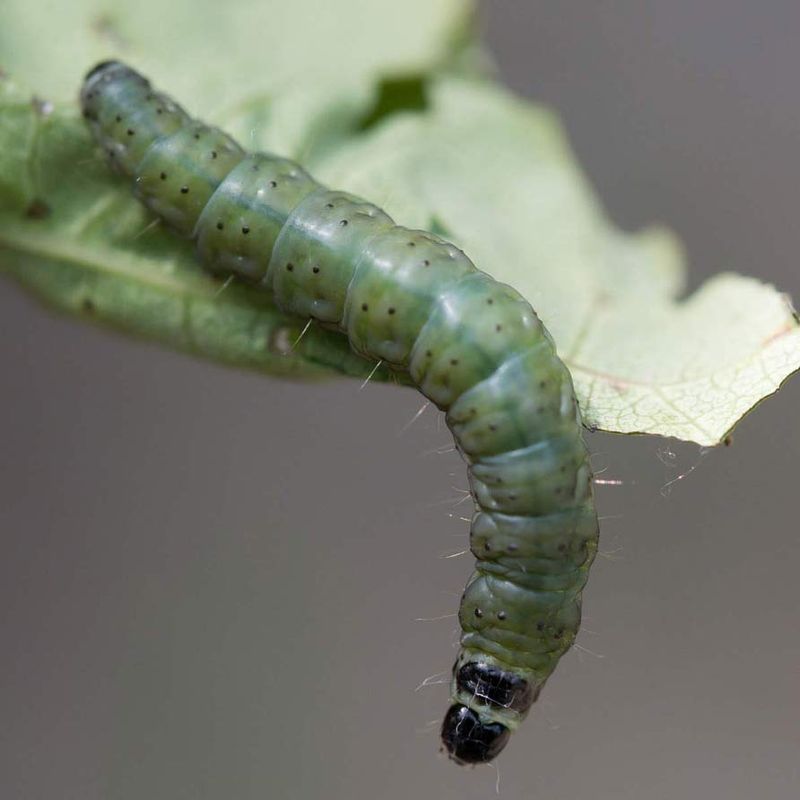
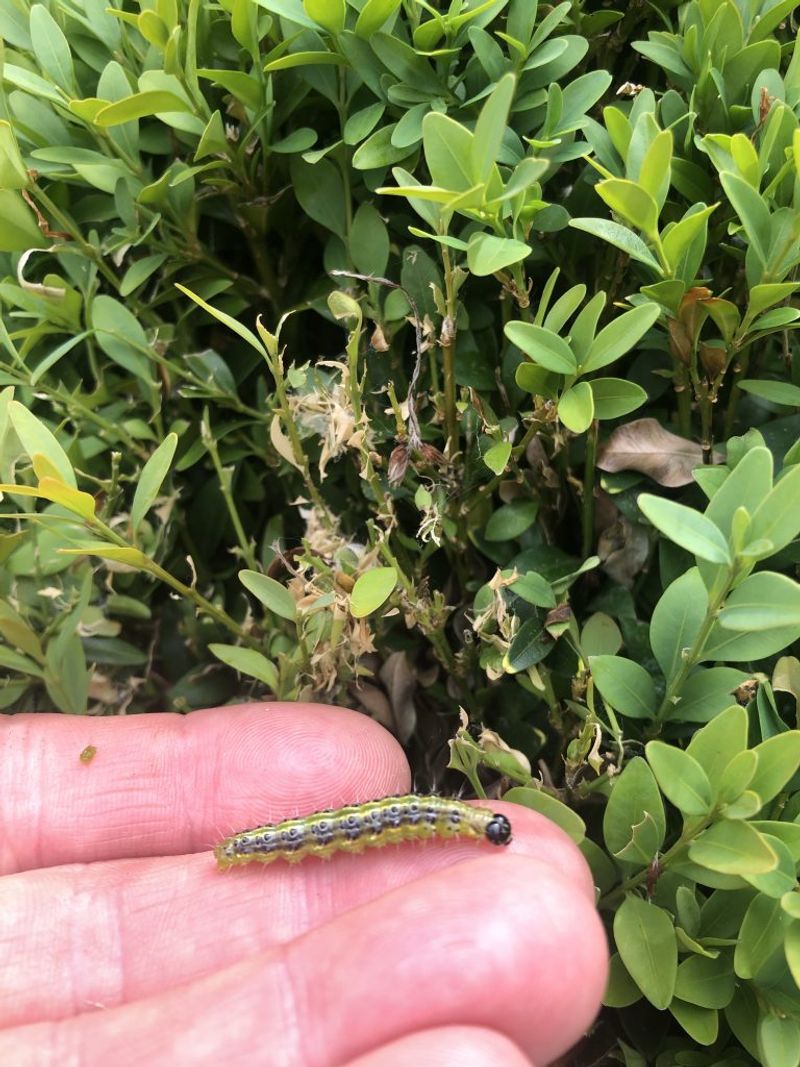
Fully grown larvae reach about one and a half inches long. They are green to greenish-yellow, with thick black stripes, thin white lines, and black dots along the body.
Their heads are shiny and black, which helps them stand out once you know to look.
Winter caterpillars are much smaller, often well under half an inch. They tend to look pale green and curl up tightly inside their silk shelters.
A magnifying glass makes identification easier.
Did you know? The adult moth has white wings with a brown border, though some moths are mostly brown.
You will not see adults in winter, since they fly during warm months.
If you think you found one, take a sharp photo next to a coin for scale. Ohio State and the Ohio Department of Agriculture both track this pest.
Your report helps experts map where it is spreading.
Avoid squishing a specimen before photographing it, because a clear picture matters more than speed.
Chewed and Skeletonized Boxwood Leaves Tell Last Summer’s Story
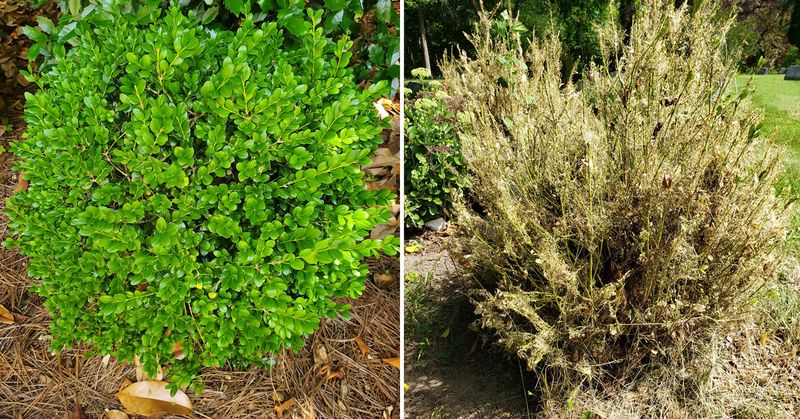
Old damage is like a diary the caterpillars forgot to hide. Even with feeding paused in winter, the leaves still show what happened months ago.
Young box tree moth caterpillars scrape the leaf surface, leaving thin, see-through patches. Older caterpillars eat more of the leaf, sometimes leaving only the edges or the center vein.
Gardeners call this skeletonized damage.
You might also notice small curled leftover bits of leaf that have turned tan or brown. These little curls are a common sign of box tree moth feeding.
Bark on green stems can be chewed too when food runs low.
Check the inside of the shrub where damage often starts. Outer leaves may look fine while inner branches appear thin and ragged.
That pattern lines up with where caterpillars like to hide.
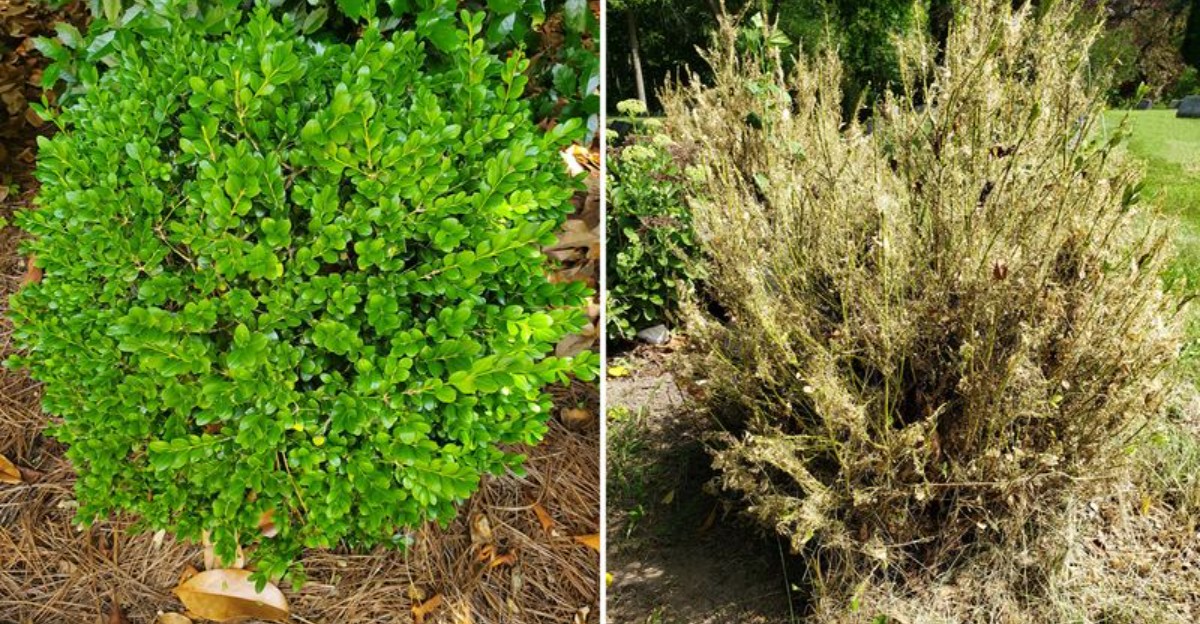
I find it helpful to compare a damaged shrub with a healthy one nearby. The difference in leaf thickness and fullness can be striking once you look side by side.
Any shrub with clear chewing deserves a careful winter search for silk shelters. Plants that hosted feeding last year often host sleepers this year.
Brown Winter Boxwoods Are Not Always a Moth Problem
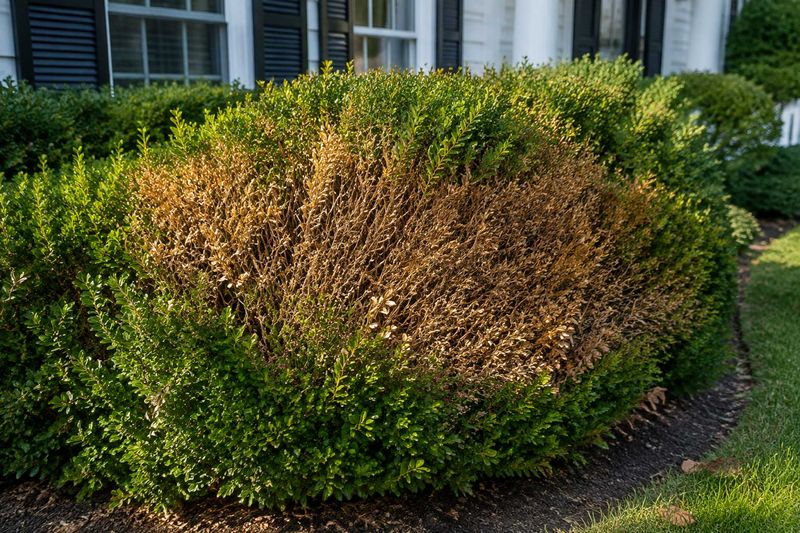
Plenty of panic starts with a brown hedge in January. Before blaming moths, take a breath, because winter weather causes much of this color change.
Boxwoods across Ohio often bronze or brown from winter injury. Cold, drying winds, and bright sun on frozen ground pull moisture from the leaves.
The result can look alarming, but the leaves stay whole and attached.
Box tree moth damage looks different. Caterpillars remove leaf tissue, so plants become thin and almost see-through.
OSU Extension points out that defoliated shrubs often show surprisingly little leaf litter underneath.
Here is a simple check. Pick a brown leaf and look closely at it.
If it is intact but discolored, winter burn is the likely cause. If it is chewed, holey, or missing, investigate further.
Other troubles exist too, such as boxwood leafminer, boxwood psyllid, and boxwood blight. Each one leaves its own clues, so careful observation pays off.
Winter-burned shrubs usually recover with spring growth. Light watering before the ground freezes and some wind protection can reduce future browning.
Save your pest worries for leaves that show real bites.
Pull Out Boxwood Silk Shelters by Hand Before Spring Warms Up
Winter gives you a quiet head start. Caterpillars are not moving or feeding, which makes them easier to remove than in July.
Once you find a silk shelter, pinch it out along with the attached leaves. Drop everything into a sealable plastic bag.
Seal it tightly and place it in the trash rather than the compost pile.
For shrubs with lots of webbing, prune out the heaviest clumps. Bag the clippings right away.
Moving infested branches to yard waste piles can spread caterpillars to new plants.
Avoid spraying insecticides in winter. Hidden larvae sit inside silk and are not feeding, so sprays rarely reach them.
Extension experts recommend waiting for spring activity before considering products such as Bt, which targets young caterpillars when they eat.
I keep a small kit by the door for checks. It holds gloves, zip bags, pruners, and a flashlight.
Write down which shrubs had shelters. That list becomes your spring watch list.
Those plants deserve the first close look once warm days return.
Mark Your Calendar for Box Tree Moth Wake-Up Time in Ohio
Spring is when these sleepers turn into eaters, so timing your checks matters a lot. A little planning now protects fresh new growth later.
Overwintered caterpillars wake when temperatures warm steadily, usually around 50 degrees Fahrenheit. In southwest Ohio, that often lines up with March or April.
Northern parts of the state may lag behind by a week or two.
Inspect shrubs every week or so once the weather warms. Look for fresh webbing, new frass, and chewed tips.
Young caterpillars are easiest to manage when caught early.
October is another key check window. Late-season caterpillars settle into shelters around then, so a fall inspection can catch them before winter.
Report new finds, especially outside known areas. The Ohio Department of Agriculture and OSU Extension track box tree moth, and regulations limit moving boxwoods from affected counties.
Buy plants from inspected, reputable nurseries.
If replacing struggling hedges, consider plants box tree moth does not favor, such as native inkberry holly. It gives a similar evergreen look without the risk.
Personally, I set phone reminders for spring and fall checks, and that habit keeps my hedges in great shape.