7 Tried-And-True Bulbs That Bloom Every May In Ohio
Ohio weather plays by nobody’s rules. One week feels like spring has finally committed, the next dumps sleet on your freshly mulched beds and laughs about it.
Most plants take that personally. Bulbs?
They couldn’t care less. That’s the quiet genius of planting bulbs in Ohio, they made a deal with the cold a long time ago, and they always hold up their end of the bargain.
Every May, without fail, without fuss, they punch straight up through the soil like they own the place. No coaxing, no crossing your fingers, no emergency trips to the nursery to replace what didn’t make it.
You plant them once in the fall, forget about them entirely, and May rewards you like clockwork. These bulbs have earned their reputation the hard way, through real Ohio springs, real Ohio winters, and real Ohio weather that bows down to nobody.
1. Alliums Bring Purple Fireworks To Late Spring Beds
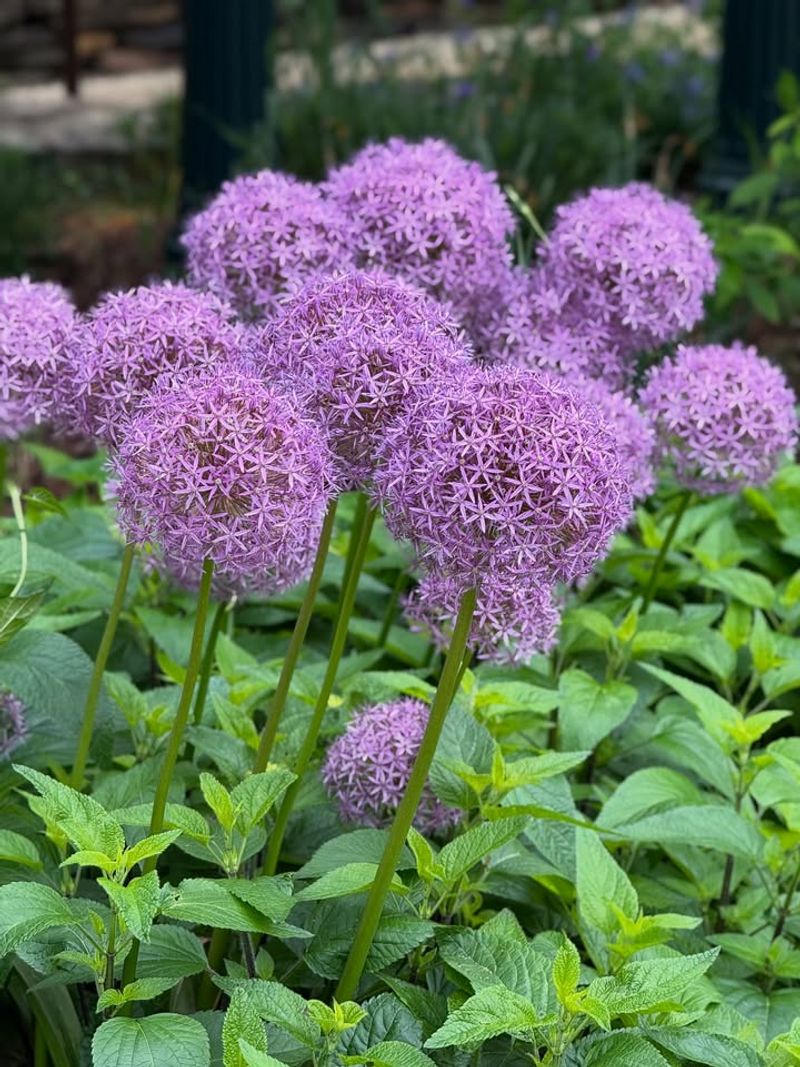
Picture a garden bed in mid-May where the tulips have just faded and something new takes over with bold, globe-shaped blooms floating above the greenery like purple fireworks frozen in place. That is exactly what ornamental alliums deliver.
Varieties like Allium hollandicum ‘Purple Sensation’ and the larger Allium giganteum are among the most dramatic late-spring performers an Ohio gardener can plant, and they tend to peak right when many other spring bulbs are winding down.
Alliums thrive in full sun and need well-draining soil to perform reliably year after year. This is especially worth noting in Ohio, where heavy clay can hold water around the bulb and lead to rot over wet winters.
Raised beds or beds amended with compost and coarse grit give alliums a real advantage in Ohio gardens. Plant bulbs in fall at a depth of about three times their diameter, typically four to six inches deep for medium-sized varieties and six to eight inches for larger ones.
One of the best things about alliums is their strong appeal to pollinators. Bees and butterflies flock to the flower heads, making them a smart choice for gardeners trying to support local pollinator populations.
Deer tend to leave them alone because of the mild onion scent the foliage carries. After bloom, the dried seed heads hold their shape for weeks and add structural interest to the garden even as summer begins.
Allow the foliage to fade naturally before removing it so the bulb can store energy for next year’s display. In northern Ohio, alliums may bloom a bit later than in central or southern parts of the state, sometimes pushing into early June in cooler springs.
2. Camassia Shines In Moist Ohio Spring Soil
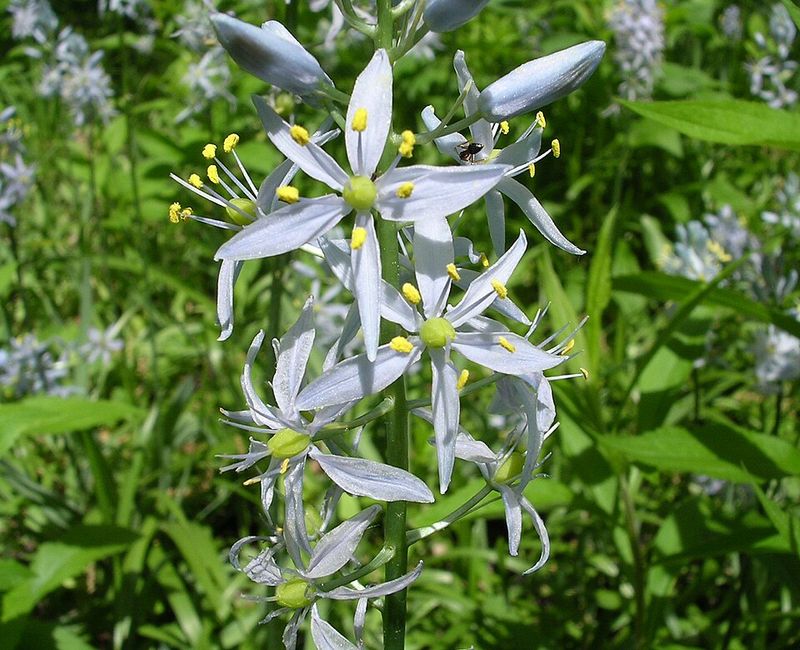
After a rainy Ohio April, most gardeners with heavier or wetter soil have given up on planting classic spring bulbs in those spots. Tulips rot, daffodils sulk, and hyacinths barely make it through a second season.
Camassia is the bulb that quietly solves this problem. Several Camassia species are native to North America, and some western species were historically used by Indigenous communities as a food source.
Your Ohio Garden Changes Every Week. Your Plan Should Too.
Gardening in Ohio changes quickly throughout the season. Every Friday you’ll receive a simple weekly plan showing exactly what to plant, prune, fertilize, harvest, and protect so you never miss the right timing.
In Ohio, camassia typically blooms in May, making it a valuable bridge between early spring bulbs and summer perennials. It performs best in full sun to part shade and actually prefers soil that stays moderately moist through spring, then dries slightly in summer.
This natural cycle matches Ohio’s spring rainfall patterns well, which is one reason camassia has earned a loyal following among Ohio native-plant enthusiasts and low-maintenance gardeners alike.
Plant camassia bulbs in fall at a depth of about three to four inches, spacing them four to six inches apart. They naturalize well over time, slowly forming larger clumps without becoming aggressive or invasive.
Camassia scilloides, also called wild hyacinth or Atlantic camas, is the Ohio-native species. Camassia quamash and Camassia leichtlinii are North American species often grown ornamentally, but they are not native to Ohio.
Allow the foliage to fade after bloom before cutting it back, just as you would with daffodils. In northern Ohio, the cooler Lake Erie-influenced springs can push bloom timing slightly later, sometimes into late May or even early June in colder years.
3. Poet’s Daffodils Bloom After Early Narcissus Fade
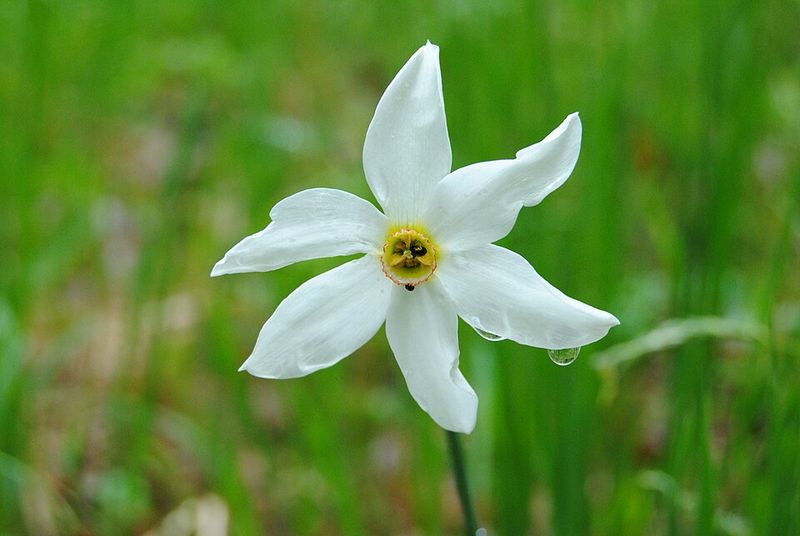
Most people think of daffodils as an early spring flower, and for many varieties that is true. But by the time mid to late May rolls around in Ohio, the early daffodils are long gone and the garden can feel like it is running out of steam.
Poet’s daffodils, known botanically as Narcissus poeticus, are the late bloomers of the daffodil world, and they arrive just in time to extend the season with their elegant white petals and small, fragrant cups edged in red or orange.
These daffodils have been grown in gardens for centuries and carry a timeless cottage-garden quality that few modern bulbs can match.
They are fully deer resistant, like all daffodils, and they tend to be reliable perennials in Ohio gardens when planted in a spot with decent drainage and full to partial sun.
Unlike some of the larger hybrid daffodils that may lose vigor after a few years, poeticus types often naturalize well and come back stronger season after season when conditions suit them.
Plant bulbs in fall at a depth of about six inches, pointed end up, in a location where the soil does not stay wet for extended periods. Heavy clay without any amendment can shorten the lifespan of any daffodil, so working in compost before planting is a worthwhile step.
After bloom, resist the urge to tidy up the foliage right away. Letting the leaves fade naturally over several weeks allows the bulb to rebuild energy for next year.
In southern Ohio, poet’s daffodils may bloom in early May, while northern Ohio gardens might see them peak closer to mid or late May depending on the season.
4. Late Tulips Stretch Spring Color Into May
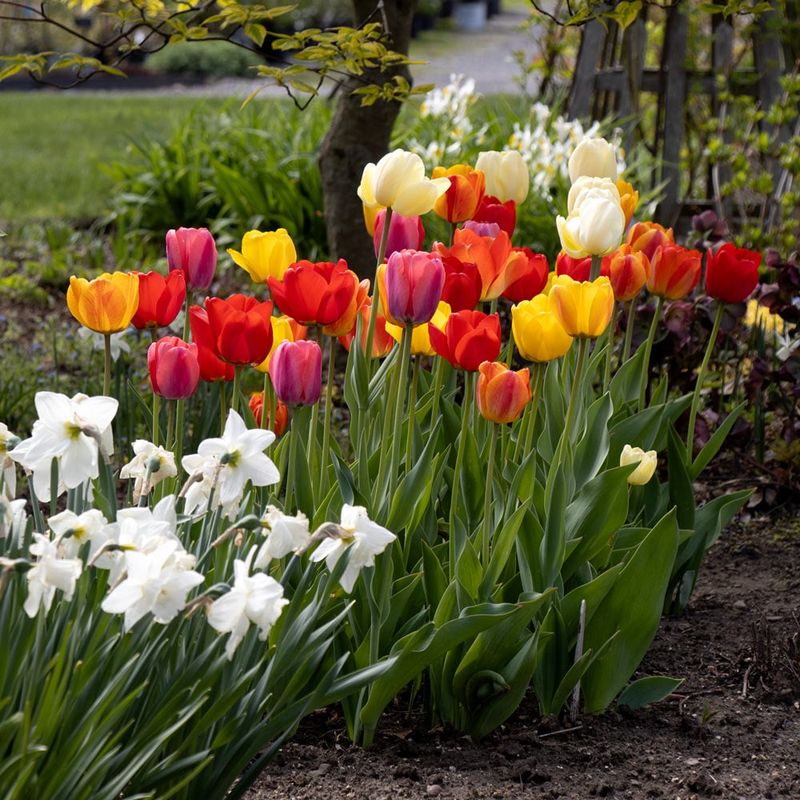
Tulips are the flower most people picture when they think of spring bulbs, but not all tulips bloom at the same time.
Early single and double tulips often peak in April in Ohio, while Darwin hybrid, lily-flowered, and parrot tulips tend to hold off until May, giving gardeners a longer window of color if they plant a thoughtful mix.
Darwin hybrids in particular are known for their large, sturdy blooms and slightly better perennial performance compared to some other tulip groups.
Honest advice for Ohio gardeners: tulips are not the most reliable long-term perennials in the state. Heavy clay, wet winters, and warm spring soil temperatures can reduce bloom quality after the first year or two.
That does not mean they are not worth planting, but it does mean setting realistic expectations. Many Ohio gardeners treat tulips as short-lived perennials or even annuals, replanting fresh bulbs each fall for the best display.
Sandy loam or raised beds with excellent drainage give tulips the best chance of returning for multiple seasons.
Plant tulip bulbs in fall, ideally after soil temperatures drop below 50 degrees Fahrenheit, usually in October or November in most of Ohio. A planting depth of six to eight inches is standard, and full sun is a must for strong stems and repeat blooming.
Allowing foliage to fade naturally after bloom is just as critical for tulips as it is for daffodils.
In northern Ohio near Lake Erie, the cooler spring air can push late tulip bloom into mid or even late May, which actually works in their favor by extending the color season well past what gardeners in warmer regions experience.
5. Dutch Iris Adds Elegant Color Before Summer Heat
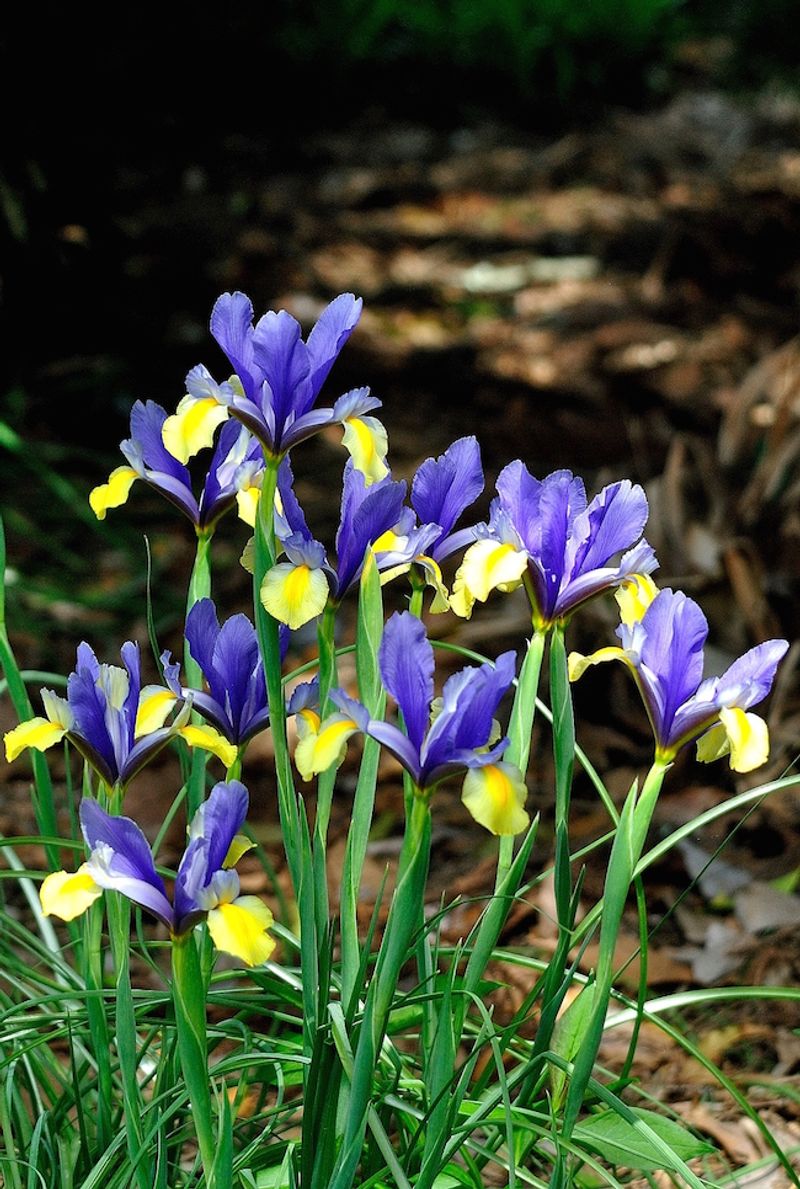
There is a certain elegance to Dutch iris that sets it apart from the rounder, softer shapes of most spring bulbs.
The upright stems, the crisp falls and standards, and the jewel-toned colors in shades of purple, blue, yellow, and white give Dutch iris the look of a florist flower growing right in the garden.
Blooming in May and into early June in Ohio, Dutch iris arrives at that sweet spot between late spring and early summer when the garden is transitioning and fresh color is especially welcome.
Dutch iris grows from small, rounded bulbs planted in fall at a depth of about three to four inches. Full sun and sharp drainage are non-negotiable for success.
In Ohio’s heavier clay soils, Dutch iris can struggle if water pools around the bulbs in winter or early spring. Raised beds, sloped sites, or beds amended with coarse sand and compost offer the best environment.
These bulbs are also excellent for cutting gardens because the stems hold up well in a vase and the flowers have a refined, almost architectural quality that works beautifully in arrangements.
Dutch iris may not be the longest-lived bulb in an Ohio garden. Wet winters and poorly drained soil are the most common reasons they fail to return.
Treating them as a two to three year perennial and refreshing the planting every few falls is a practical approach for Ohio gardeners who love the look but deal with heavy soil.
In southern Ohio, blooms may open in early to mid May, while northern Ohio gardens with Lake Erie influence might see Dutch iris peak closer to late May or even the first days of June in a cool spring.
6. Summer Snowflake Nods Gracefully Through Damp Beds
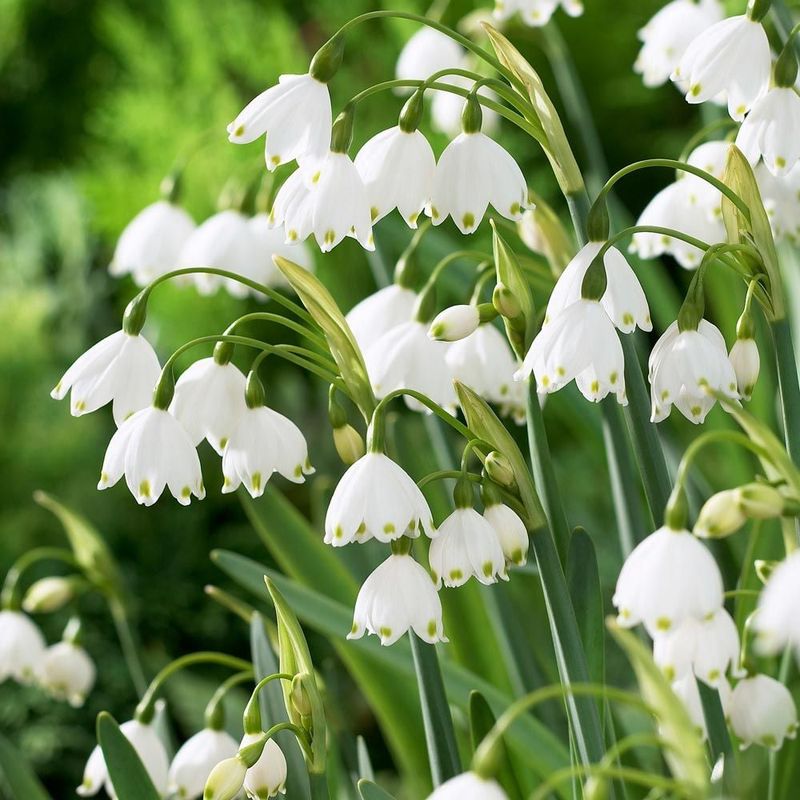
Along a shaded fence line or at the edge of a woodland garden where the soil stays damp well into May, most spring bulbs give up before they even get started. Summer snowflake is one of the rare exceptions.
Despite its name suggesting a summer flower, Leucojum aestivum blooms in late April through May in Ohio, producing clusters of small white bell-shaped flowers tipped with a tiny green dot on each petal.
The effect is delicate and charming in a way that feels right at home in a naturalized or cottage-style garden.
Summer snowflake tolerates moist soil far better than most classic bulbs and actually thrives in conditions that would cause tulips or Dutch iris to struggle.
It works well near downspouts, in rain gardens, or along stream edges where water moves through but does not stay stagnant for long.
Part shade to full sun suits it well, though it tends to naturalize most successfully in spots with at least a few hours of direct light each day.
In Ohio, this bulb often spreads slowly into attractive clumps over several years without becoming aggressive or crowding out neighboring plants.
Plant summer snowflake bulbs in fall at a depth of about three inches, spacing them four to five inches apart. They are low-maintenance once established and rarely need dividing unless the clumps become very crowded after many years.
The strap-like foliage is tidy and fades back on its own by early summer. Deer tend to leave summer snowflake alone, which is a welcome bonus for Ohio gardeners in suburban or rural areas where deer pressure is high.
Bloom timing may run slightly earlier in southern Ohio compared to the cooler northern regions of the state.
7. Checkered Lily Brings Quiet Charm To Cool Spots
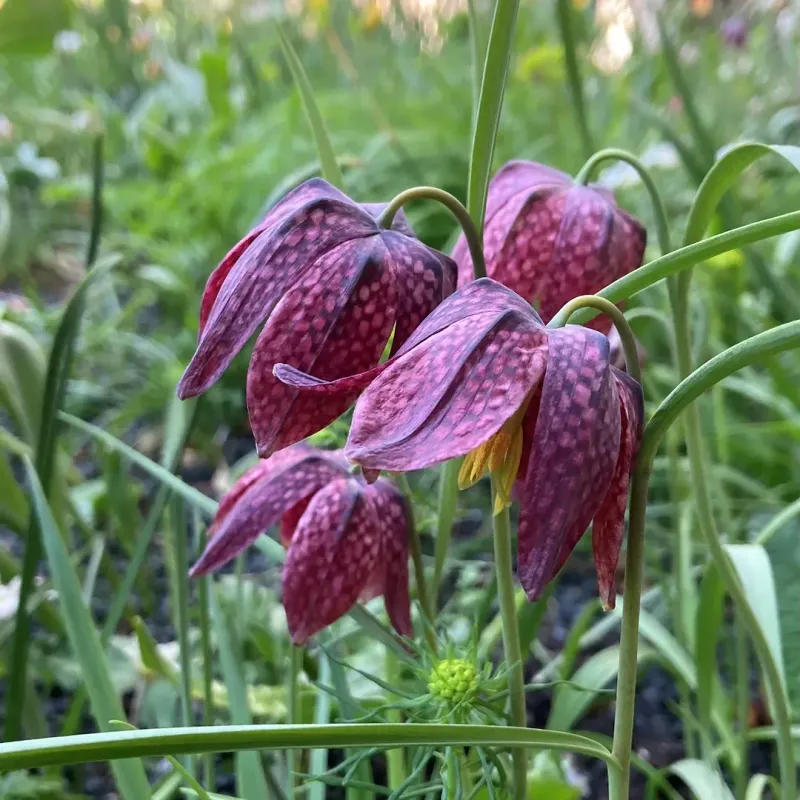
Not every spring bulb wants to show off. In a cool, sheltered corner of an Ohio garden where the soil holds a bit of moisture and the afternoon sun stays gentle, the checkered lily finds its ideal home.
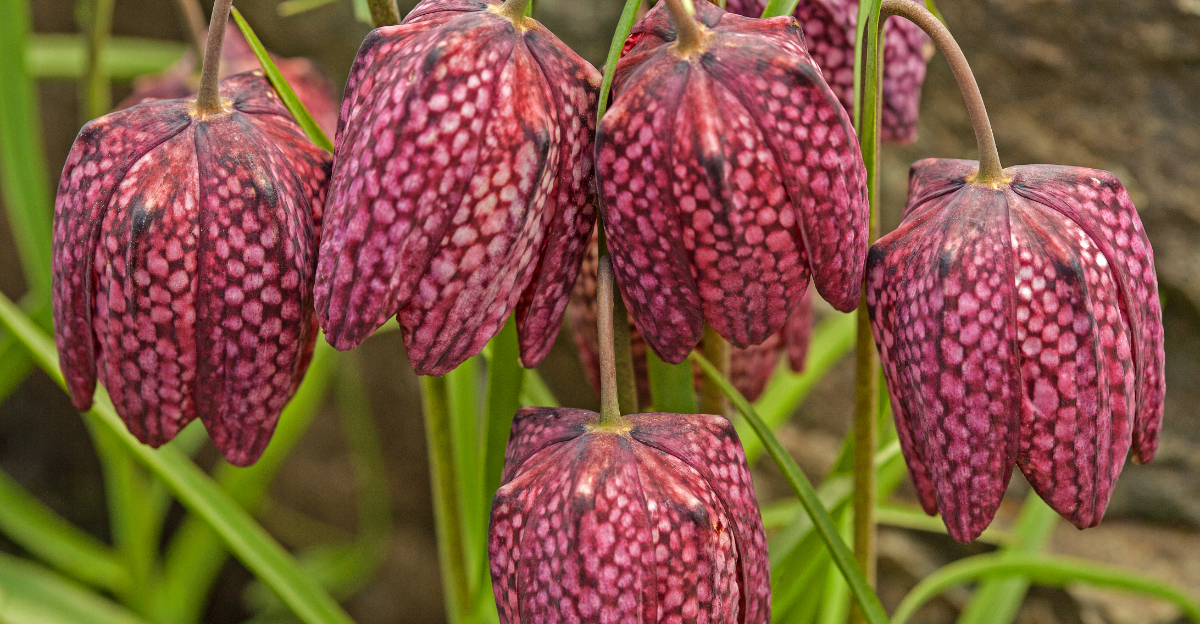
Fritillaria meleagris is one of those quietly beautiful plants that rewards close attention. The nodding, bell-shaped flowers are patterned in a distinctive checkerboard of deep purple and white or pale lilac, making them look almost hand-painted.
Once you notice them, it is hard to walk past without stopping for a second look.
Checkered lilies bloom in April to early May in Ohio, often lasting longer in cooler northern gardens. They prefer cool, moist conditions and do not perform well in hot, dry, or exposed sites.
A sheltered spot under deciduous trees, along a shaded border, or in a woodland garden suits them far better than a baking south-facing bed.
The bulbs are small and somewhat fragile, so handle them gently at planting time and get them in the ground promptly in fall to prevent them from drying out.
Plant checkered lily bulbs about three inches deep and three to four inches apart, in soil that drains reasonably well but retains some moisture through spring. They naturalize slowly in the right conditions and can form lovely small colonies over several years.
Deer and rodents generally avoid them, likely due to compounds in the bulb that make them unpalatable.
In northern Ohio, where cool spring air lingers longer near Lake Erie, checkered lilies may bloom slightly later and hold their flowers longer than in the warmer southern parts of the state.
Patience and the right site are the real keys to success with this understated gem.