Tiny Umbrellas Are Popping Up In Minnesota Yards, And Here’s What They Really Are
The most common poisonous look-alike in North America might be growing beside your mailbox. It sprouts overnight, stands tall like a parasol, and looks good enough to eat.
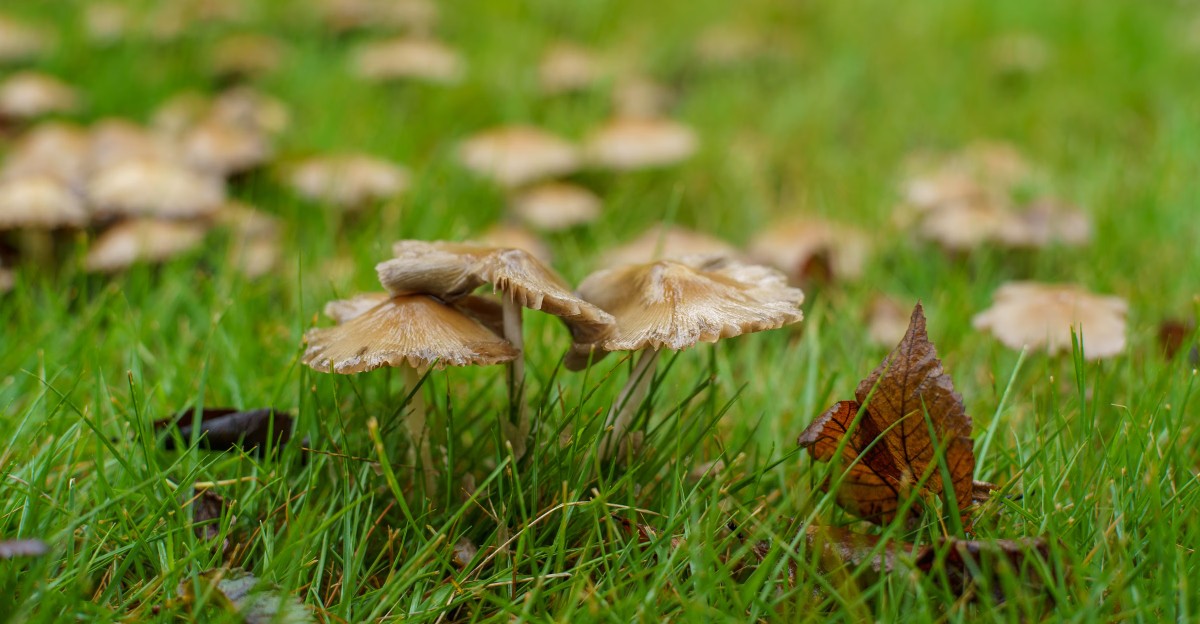
I spotted a ring of them after a soggy week in my Minnesota yard. One morning the grass was plain green. The next morning it held a little crowd of pale caps.
Minnesota’s warm, rainy stretches make this a familiar sight, and you might notice them after warm rains, often in arcs or near old stumps. Some stay smaller than a thumbnail. Others stretch wider than your hand.
Turns out they are only the tip of something much bigger hiding in the soil. A little digging into the science changed how I look at my lawn. Here is what is actually pushing up through your grass, and whether you should worry.
Those Little Lawn Parasols Are Just the Tip of Something Underground
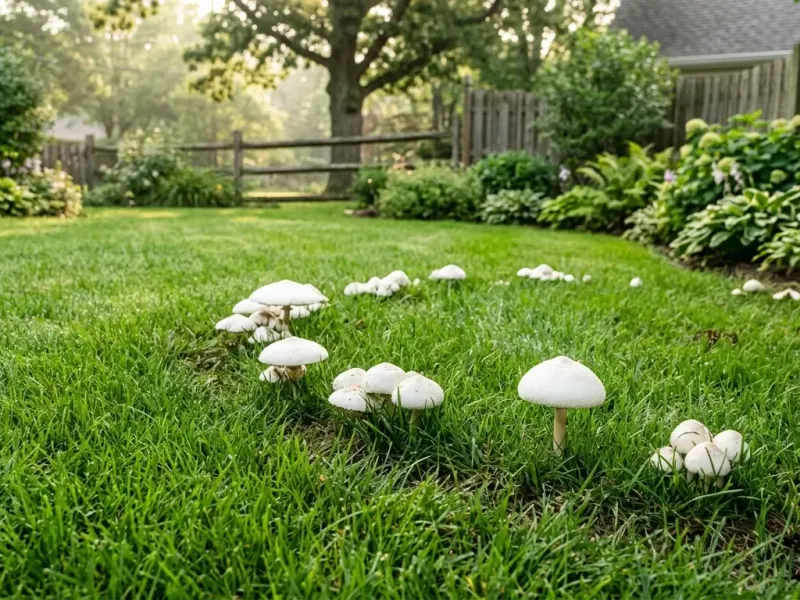
Every cap you see is a bit like an apple on a tree. The real organism is hidden below, a web of thin threads called mycelium spreading through the soil.
Those umbrella shapes are mushrooms, the fruiting bodies of fungi. Their job is simple. They release millions of tiny spores so the fungus can spread to new spots.
University of Minnesota Extension notes that most lawn mushrooms are saprotrophs. That means they feed on old organic material, not on your healthy grass.
The threads can live in the same patch for years without you noticing a thing. So why do caps suddenly appear? The underground network waits for the right mix of moisture and warmth.
When conditions click, it sends up mushrooms fast, sometimes in a single night. I find that part oddly charming. The fungus was there all along, quietly working while I mowed over it every weekend.
Fun fact for curious kids: some fungal networks are enormous. A famous honey mushroom in Oregon covers more than three square miles, making it one of the largest living things known.
Your yard version is far smaller, but the idea is the same. What you see is a short-lived flower of a much larger life.
The Big Shaggy-Capped Mushroom Deserves Your Full Respect
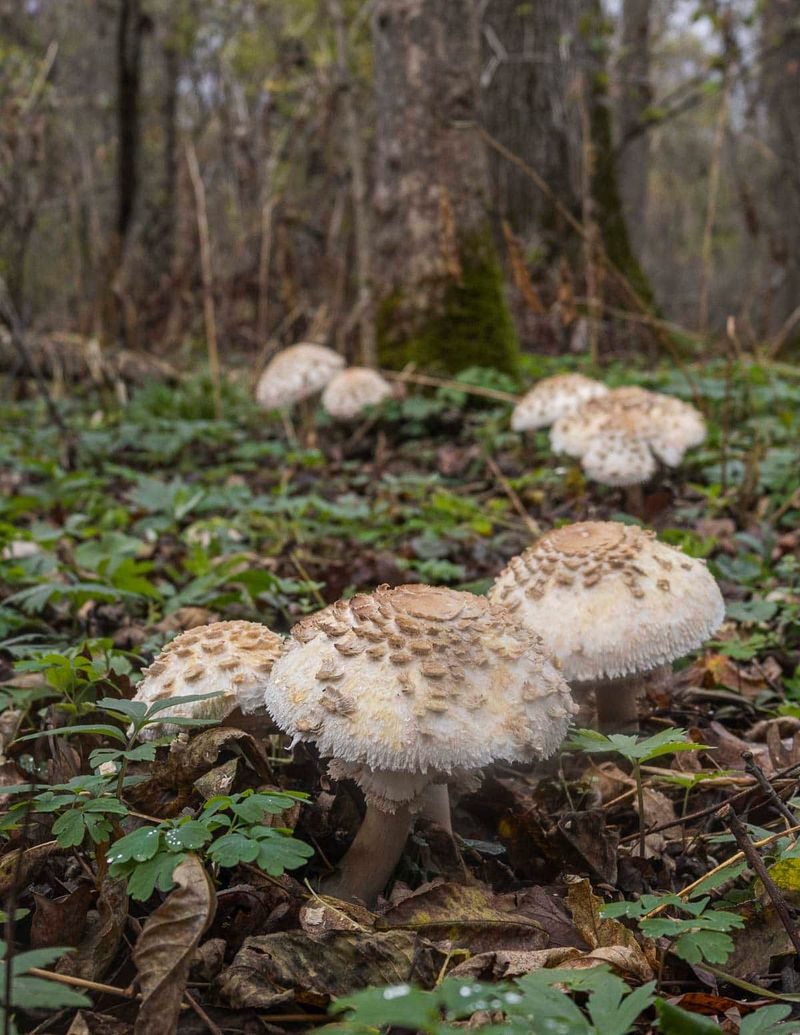
Meet the troublemaker of the bunch, though in a quiet way. The False Parasol, known to scientists as Chlorophyllum molybdites, is the mushroom most often eaten by mistake in North America.
It grows big and handsome. Caps can reach 4 to 12 inches across, starting as white balls and opening into flat umbrellas with tan or brown scales on top.
Here is the catch. It looks a lot like edible parasol and shaggy mushrooms, and people pick it thinking they found dinner.
Eating it causes severe stomach trouble. Vomiting, diarrhea, and cramps can hit within a few hours, and some people end up in the hospital.
The best clue is the gills under the cap. On mature mushrooms they turn grayish green, and the spore print is green too.
Young ones have white gills, which makes them tricky. My rule is plain and firm. I do not eat any yard mushroom unless an expert has confirmed it in person.
Photos online are not enough. If someone eats one, call Poison Control at 1-800-222-1222 right away and save a piece of the mushroom for identification.
Soggy Weeks and Buried Wood Bring Mushrooms Out in Force
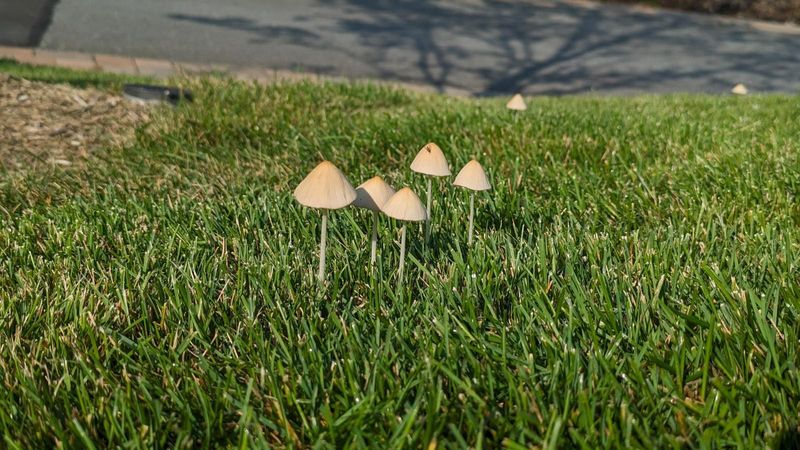
Rain is the starting pistol. After a run of wet days in Minnesota, fungi that have been resting in the soil finally have enough water to push up caps.
Food matters too. Fungi love old tree roots, buried stumps, thick thatch, scrap lumber from construction, and piles of grass clippings or leaves.
That explains a pattern I see often. Mushrooms show up in a line where a tree once stood, tracing roots that are slowly breaking down underground. Yards where old trees have been removed can hold buried roots that feed fungi for years.
Warm, humid stretches from midsummer into early fall are prime time across Minnesota. Shady spots that stay damp longer are favorites as well.
Heavy watering can do the same thing as rain. If your sprinklers run every evening, you may be giving fungi a steady drink.
A quick check helps you understand your own yard. Notice where the caps appear and ask what might be under that spot.
Is it low ground where puddles linger? Is there an old stump nearby? Is the thatch spongy when you step on it?
Answering those questions gives you a map of what the fungus is eating. It also points to the easiest fixes later on.
Fairy Rings Turn Your Grass Into a Living Circle
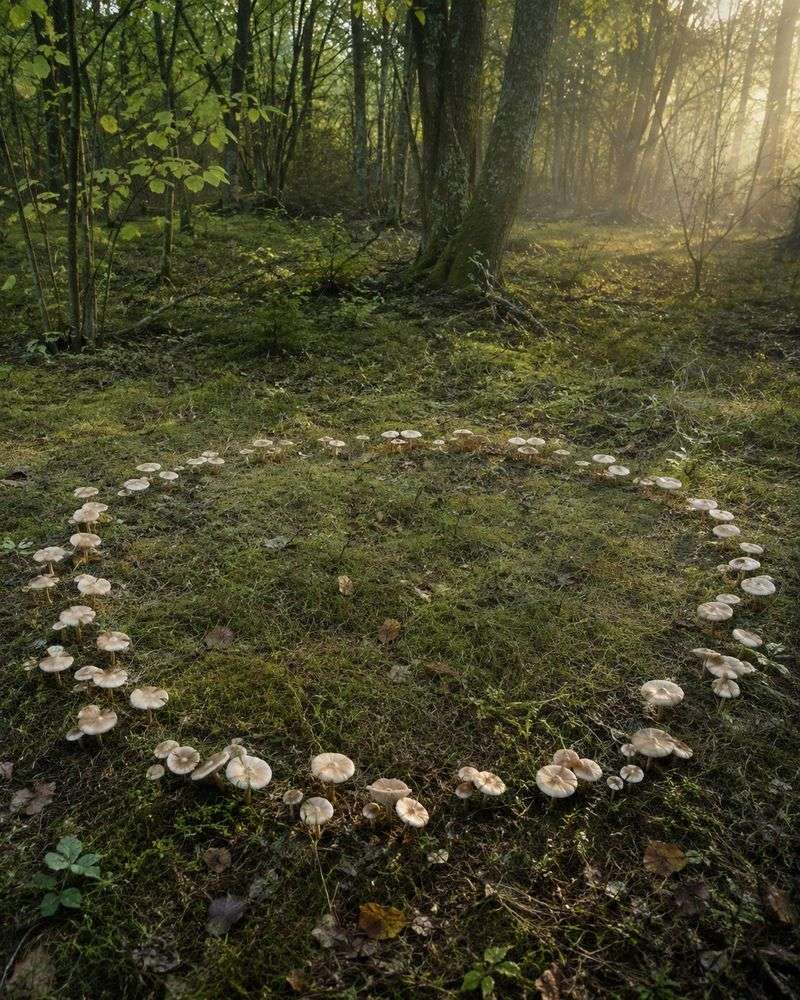
Folklore says fairies danced in circles at night and left mushrooms behind. The real story is just as neat, minus the tiny dancers.
A fairy ring starts when a fungus begins growing from one spot. It spreads outward evenly in all directions, like a ripple on a pond.
Mushrooms pop up along the outer edge, where the fungus is most active. Over time, the circle can grow wider year after year.
You may spot a ring of darker green grass even without mushrooms. The fungus releases nitrogen as it breaks down organic matter, and that extra boost feeds the turf.
Sometimes the opposite happens. A band of thin or brown grass can form when the thick fungal mat keeps water from soaking in.
For dry rings, core aeration and deep watering can help moisture reach the roots. Poking holes with a garden fork works for small spots.
Fungicides rarely fix fairy rings in home lawns, according to extension experts. The fungus sits too deep and spreads too wide.
Honestly, I have started enjoying the rings. They are a little piece of nature drawing shapes in my yard.
Bird’s Nest Fungi Look Like Tiny Cups Full of Eggs
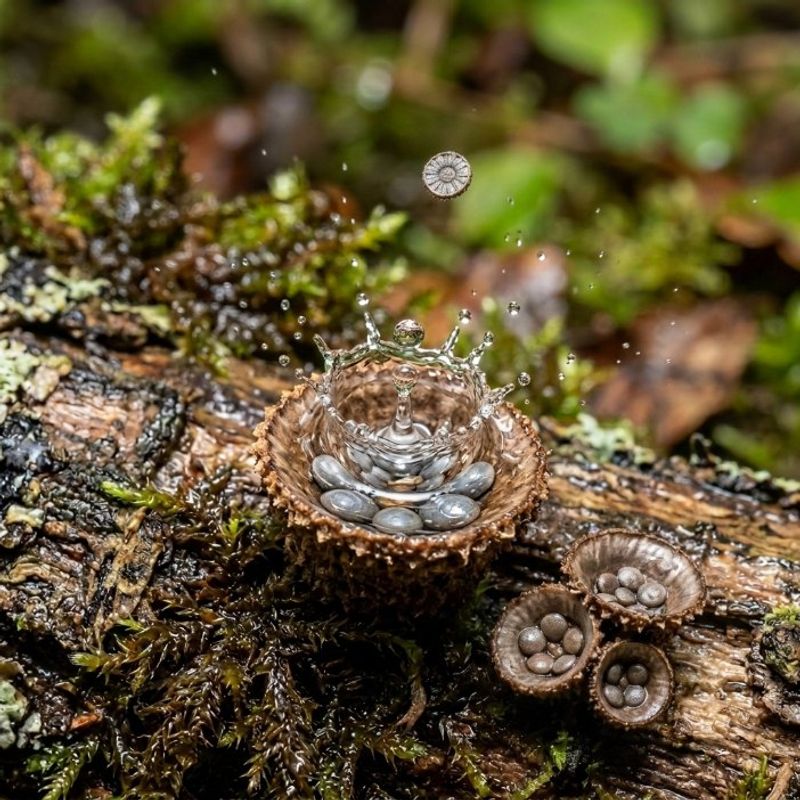
Kneel down near your mulch bed, and you might find something straight out of a storybook. Bird’s nest fungi form little cups, about a quarter inch wide, filled with tiny gray eggs.
Those eggs are not eggs at all. They are packets of spores called peridioles. The launch system is clever. When a raindrop lands in the cup, it splashes the packets out, sometimes several feet away.
I showed a patch to my nephew once, and he spent twenty minutes hunting for more. Kids love them, and they make a great backyard science lesson.
These fungi feed on wood mulch, twigs, and other plant bits. They do not harm your flowers or shrubs.
You will often find them in shady beds that stay moist. They show up in summer and fall after rain.
Some other mulch fungi may tag along, including artillery fungus. That one shoots sticky black dots onto siding and cars, which can be hard to clean.
Freshening mulch or using larger bark chunks can help reduce both. Stirring the mulch with a rake also helps it dry faster between rains.
Kids and Dogs Make Quick Mushroom Patrol a Smart Habit
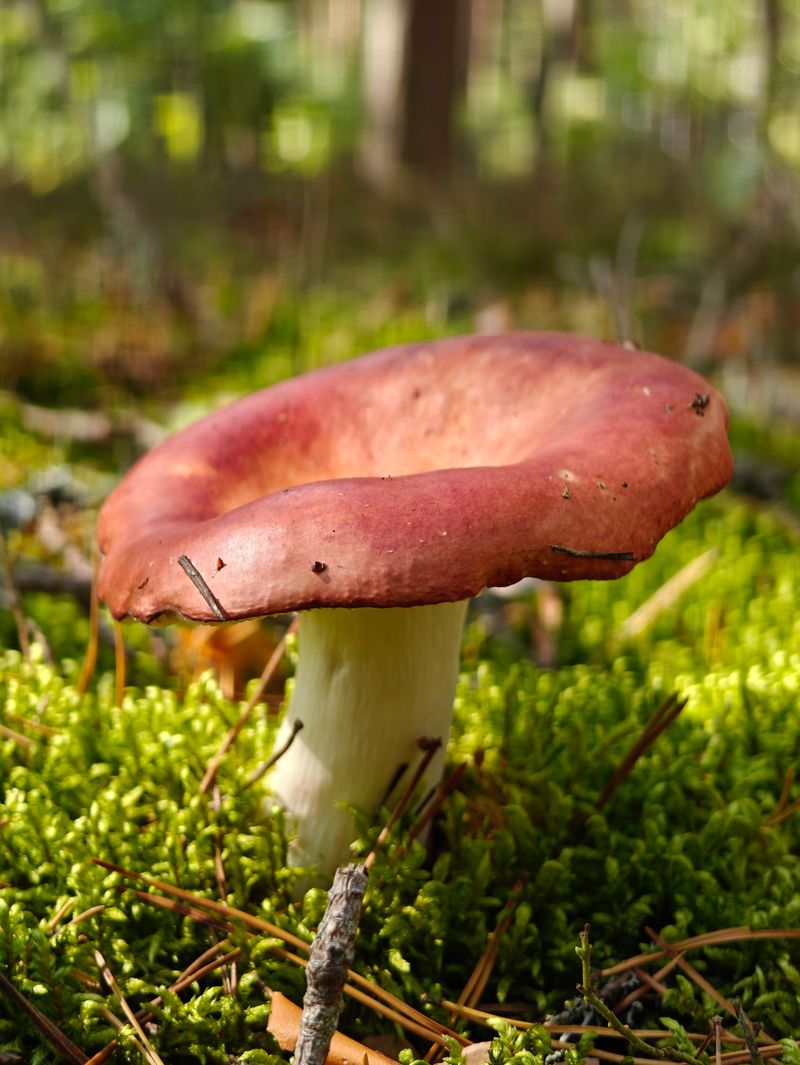
Dogs sniff everything, and toddlers taste everything. That combination makes mushroom season worth a little extra attention.
Touching a mushroom is generally fine. The real risk comes from eating one, and many yard mushrooms have never been tested for safety.
The ASPCA notes that some wild mushrooms can cause serious illness in pets. Signs include drooling, vomiting, wobbly walking, or unusual sleepiness.
My morning routine takes about two minutes. I walk the yard with a bag, pull any fresh caps, and toss them in the trash.
Wearing gloves keeps your hands clean and is a good habit. Then wash up afterward anyway.
Mowing breaks mushrooms apart, but it can leave chunks behind that a puppy might grab. Bagging clippings during mushroom season helps.
If you suspect your pet ate one, call your vet or the ASPCA Animal Poison Control Center at 888-426-4435. Bring a sample in a paper bag if you can.
For children, call Poison Control at 1-800-222-1222. Quick action matters most. Teach older kids a simple saying. Look with your eyes, not your mouth.
Better Drainage and Smarter Watering Mean Fewer Surprise Caps

Picking mushrooms feels satisfying, yet they often return after the next rain. The fungus underground stays put, so long-term control means changing the conditions it loves.
Start with water. Deep, less frequent watering lets the surface dry between sessions, and early morning is the best time to run sprinklers.
Compacted soil holds moisture near the top. Core aeration pulls out small plugs, letting air and water move down where roots can use them.
In Minnesota, late summer and early fall are good times to aerate cool-season grasses like Kentucky bluegrass. The turf recovers quickly in cooler weather.
Thatch thicker than half an inch can act like a sponge. Dethatching or aerating helps break it down.
Shade keeps soil damp for hours. Thinning a few low tree branches lets more sunlight and breeze reach the grass.
Got an old stump? Grinding it out removes a big food source, though leftover roots may feed mushrooms for a few more seasons.
Fill low spots with topsoil so puddles stop forming. Small fixes add up, and your lawn will thank you with stronger, healthier growth.
Your Mushroom-Dotted Lawn Is Probably Healthier Than You Think
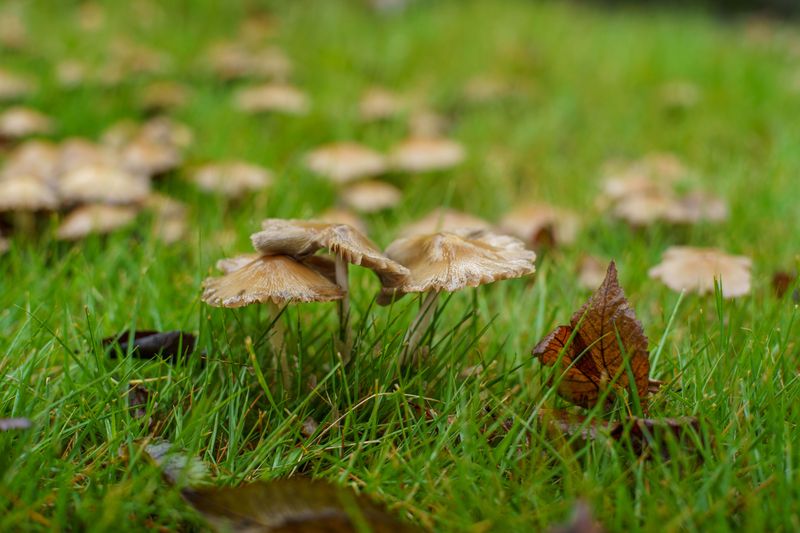
A yard full of mushrooms can look messy. Underneath, though, it often signals soil that is rich in life.
Fungi are nature’s recyclers. They turn old roots, leaves, and wood into nutrients that grass, trees, and garden plants can take up again.
Many fungi also team up with tree roots. These partnerships help trees gather water and minerals, a trade that has been going on for millions of years.
So I have made peace with my little umbrellas. I remove the ones near play areas and leave the rest alone in corners where no one wanders.
Want to learn more? The Minnesota Mycological Society runs forays and identification events where you can meet people who know fungi well.
Snapping photos and logging them on iNaturalist is another fun option. Experts and hobbyists often help with names, though that is not permission to eat anything.
Cold weather will end the show for the year once fall frosts arrive. The fungus simply rests until warm, wet days return.
Next time caps pop up overnight, take a closer look. You are seeing a small window into a busy world beneath your feet.