A Seasonal Check to Reduce Rodent Access in Arizona Garages and Sheds
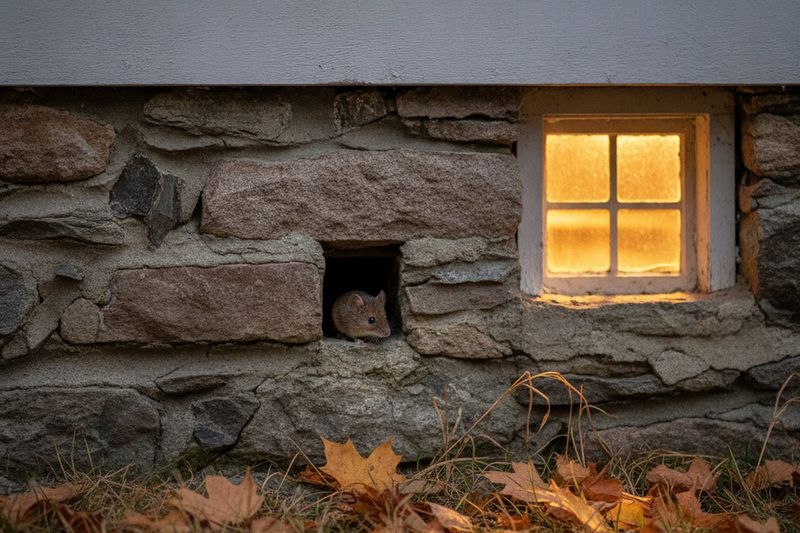
A gap the width of a pencil can be enough for a mouse to slip into your shed. That tiny fact surprised me when I first learned it.
Most of us picture a mouse door as something much bigger. A quick walk-around each autumn can show you what a mouse sees.
It takes a little time, a flashlight, and some patience, and it can make your storage spaces far less welcoming.
Why a Seasonal Check Makes Sense
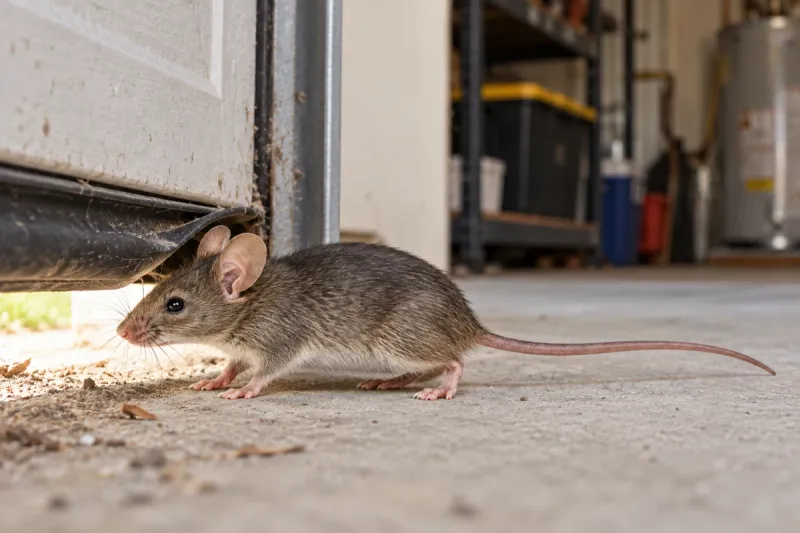
Cooler nights can nudge mice to look for shelter, which makes autumn a smart time for a garage check. UC Cooperative Extension describes house mice entering homes as nighttime temperatures drop.
That is a general pattern, though, and it does not mean every Arizona garage faces a winter surge.
No one has measured the risk by region, elevation, or building type here. A shed in Flagstaff and a garage in Yuma may face very different pressure.
So treat the check as routine upkeep, like changing a furnace filter, and not as a reason to worry.
House mice are common in houses and outbuildings, according to University of Arizona Cooperative Extension. They can also breed year-round when food and shelter are plentiful.
That is why a repeatable habit beats a one-time fix, and why no single inspection can promise a rodent-free space.
Inspect the Edges and Openings
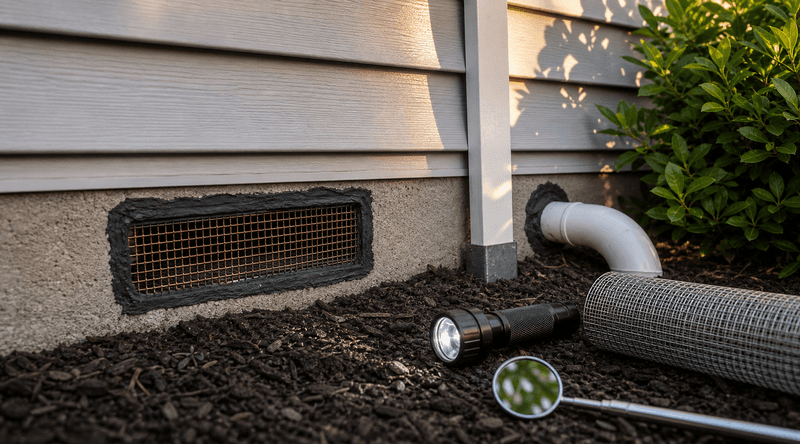
Grab a flashlight and walk the outside of your garage or shed slowly, like a detective with a bad pair of knees. Mice can squeeze through openings about a quarter inch across, according to CDC guidance.
That is roughly the width of a pencil, so small cracks count.
Start at the door. Check the edges and the threshold, and look for daylight showing through at the bottom corners.
Then look along the foundation for cracks and crumbling spots.
Next, find vents and every place a pipe, wire, or cable passes through a wall. Those holes are often cut a bit too big during installation.
The CDC includes garages and outbuildings in its advice, so do not skip the back shed behind the citrus tree.
Jot down each gap on your phone as you go. A short list turns a vague chore into a Saturday morning project.
Match the Repair to the Gap

Not every gap needs the same fix. For small holes, CDC suggests stuffing in steel wool and then securing it with caulk or spray foam.
Steel wool alone is not a permanent repair, because it can shift or rust over time.
Larger openings call for tougher stuff. The CDC seal-up page lists lath screen, hardware cloth, metal, and cement as durable choices.
Pick the material that fits the size and location of the hole.
Doors deserve special attention. Arizona Cooperative Extension recommends rodent-resistant door sweeps where gaps are a problem.
A worn rubber strip at the bottom of a garage door is a common weak spot.
Work through your gap list from the previous walk-around. Small plugs, then screens or metal patches, then the door sweep, makes a tidy order of operations.
Remove Food and Nesting Opportunities

A sealed shed still invites trouble if it holds an all-you-can-eat buffet. Mice go where food, water, and shelter are easy to find, which is why CDC advice starts with removing them.
Birdseed bags and pet food are prime targets.
Move seed, pet food, and fertilizer with food content into sturdy containers with tight lids. Metal or thick plastic bins work better than paper bags.
Sweep up spilled kibble right away, because a few crumbs can be enough to keep visitors coming back.
Then look at clutter. Stacks of cardboard boxes, old rags, and piles of pots give mice quiet corners for nests.
Arizona Extension also names shelter as a starting point for reducing house mouse numbers.
Shift boxes off the floor onto shelves, and leave a little space along the walls so you can spot trouble early.
Respond to Signs of Rodent Activity
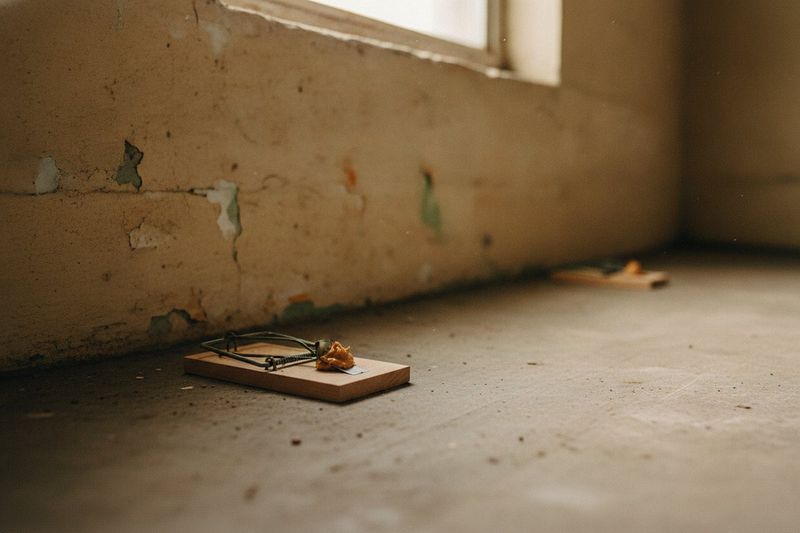
Sometimes the check turns up droppings, shredded nesting material, or gnaw marks. That is a sign someone has already moved in.
Sealing gaps alone will not remove animals that are already inside.
The CDC recommends snap traps as the household first step. Set them where you have seen rodents or found droppings, nesting material, or gnaw marks.
Place them along walls, since mice tend to travel close to edges.
Read the product instructions before setting anything. Keep traps well away from children and pets, and check them often.
Wear gloves when you handle them.
Trapping is a partner to prevention, not a replacement. Keep sealing gaps and removing food and shelter, or new animals may simply take the place of the old ones.
Clean Rodent Waste Carefully
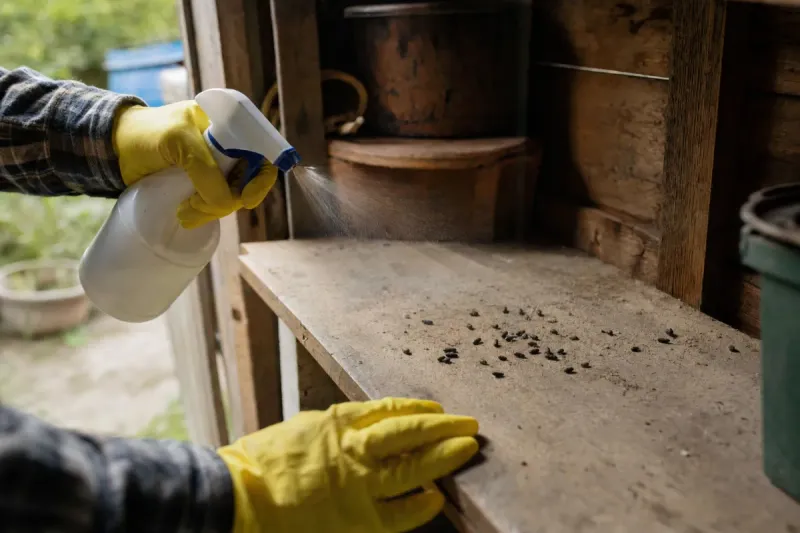
Cleanup is where a little patience protects your health. Before you start, open the shed doors and windows and let it air out for 30 minutes, as CDC cleanup steps advise.
Then put on rubber or plastic gloves.
Next, wet the droppings or nesting material with disinfectant before wiping it up. Do not sweep or vacuum waste or nests dry.
Dry cleanup can stir dust into the air.
The reason is hantavirus. Arizona Extension explains that people can be exposed by breathing contaminated dust after disturbing rodent waste or nests.
Several wild rodent species can carry the virus.
That is a reason for care, not alarm. Not every rodent or dropping carries the same risk, but careful habits cost you very little.
A Rodent Sighting May Not Mean a House Mouse
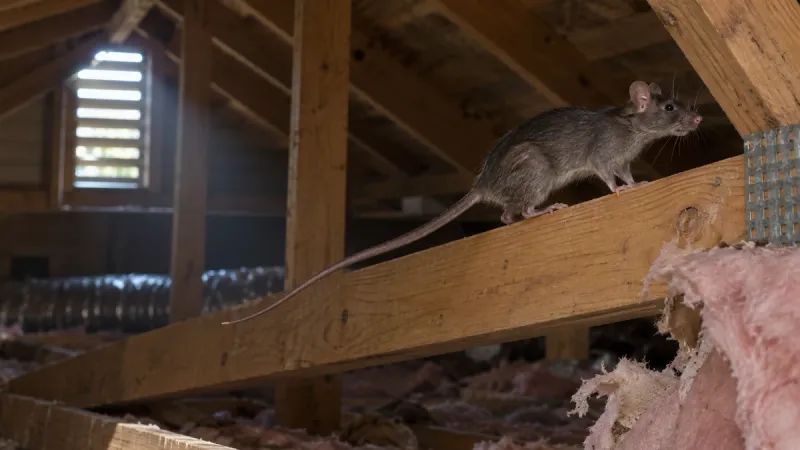
A scurry across the floor does not tell you which animal you saw. Arizona has several rodents, including roof rats, pack rats, deer mice, and woodrats.
Each one behaves a bit differently.
Young roof rats are a good example. University of Arizona Extension notes that they can be mistaken for house mice.
A small size does not guarantee a mouse.
The health picture is also broader than one species, since Arizona Extension says several wild rodents can carry hantavirus. So avoid species-specific assumptions when the evidence is unclear.
If you cannot tell what you are dealing with from the animal, droppings, or damage, ask a professional to identify it. A correct identification helps you choose the right steps.
Skip Repellent Shortcuts and Use Bait Carefully
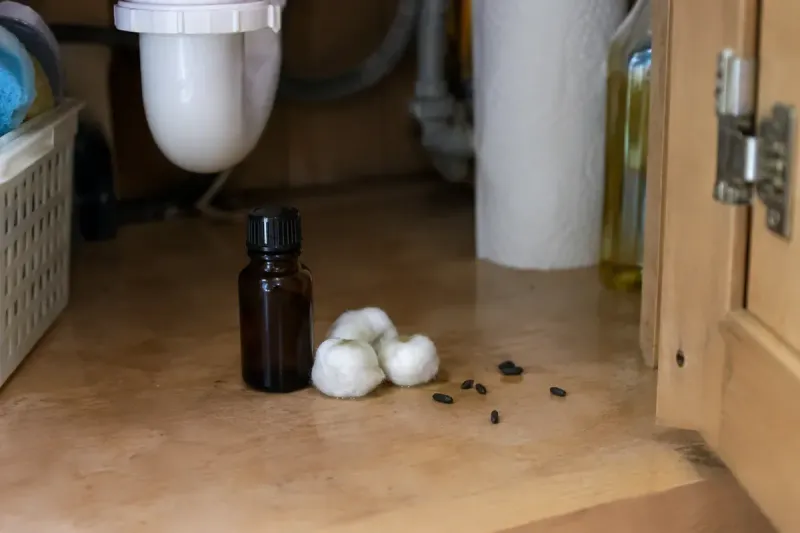
Peppermint oil, dryer sheets, and ultrasonic plug-ins sound easy, but they are not proven prevention. UC IPM says high-frequency electronic devices are ineffective.
UC pest-myth guidance says dryer sheets and similar remedies do not repel rodents reliably.
Mothballs are a poor idea too. EPA explains that using a pesticide in a way its label does not allow is unlawful.
Under EPA label rules, a moth product is not a mouse repellent. None of these shortcuts replace sealing gaps and removing food and shelter.
Rodent bait is a different matter, but it carries risks. CDC points to snap traps as the household first step and suggests bait stations only for persistent infestations.
EPA warns that misuse can harm people and pets, so follow the product label and keep bait out of reach.
Keep the Check Routine Simple
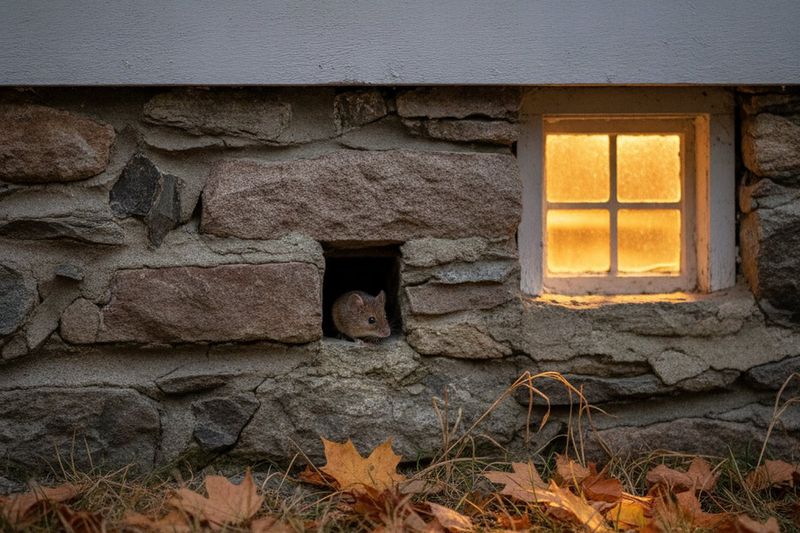
Put a fall reminder on your calendar and keep the list short. Inspect and repair gaps, store supplies in tight containers, trim clutter, and set snap traps if you find signs.
The CDC seal-up steps and its broader rodent-control guidance back this routine.
It lowers the odds without promising a rodent-free shed. Repeat it each season and your space stays less inviting.
A mouse will always take the easy door, so close it.