9 Ways to Keep a Live Christmas Tree From Drying Out in Dry California Air
A freshly cut six-foot evergreen can gulp close to a gallon of water during its very first day indoors. That thirst surprises plenty of families who expect their holiday centerpiece to sip politely like a houseplant.
California adds a twist, because Santa Ana winds and heated living rooms can pull moisture from needles surprisingly fast. Once a cut trunk goes without water for several hours, sticky sap seals it and drinking slows dramatically.
I find it fascinating how a few small habits decide whether those branches stay soft or turn crunchy. You might be surprised by how much of the work happens before the lights even go up.
My own living room in Southern California taught me these lessons the hard way, one dropped needle at a time.
Which simple tricks actually keep that fresh forest scent hanging around until the new year arrives?
1. Pick A Fresh Fir With Flexible Green Needles
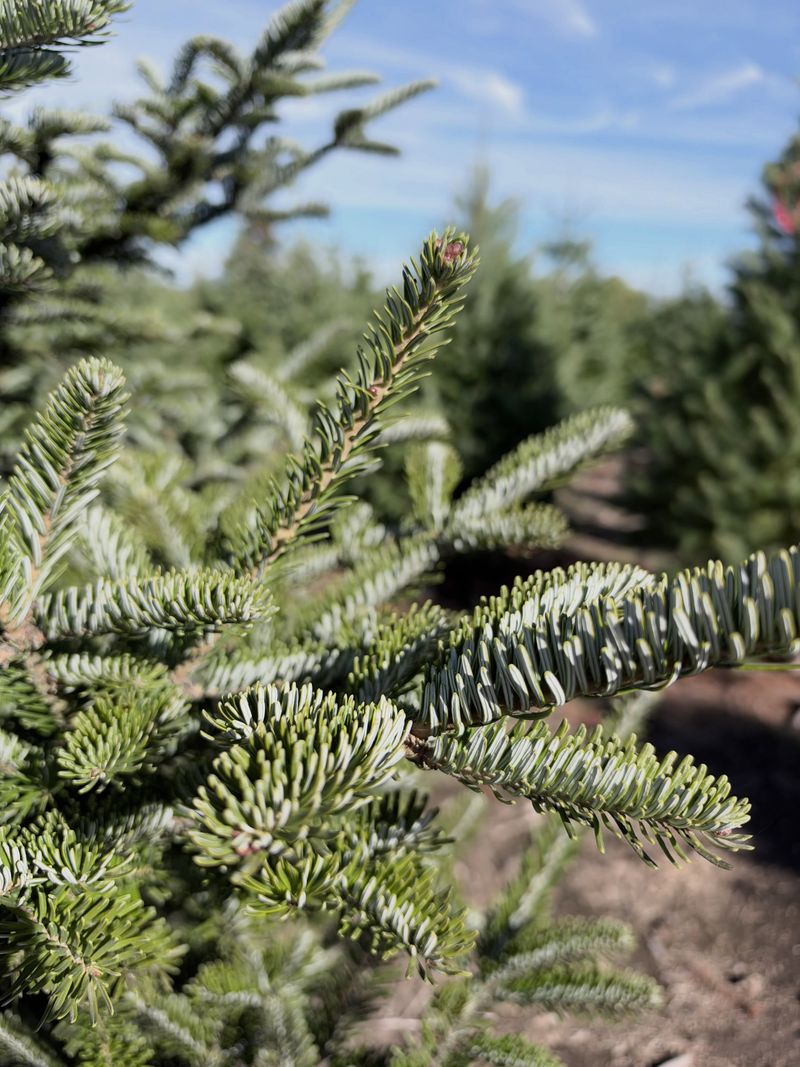
Fresh fir needles should bend like a soft pencil eraser instead of snapping like a dry pretzel stick. I run that little test on every lot I visit, and it rarely steers me wrong.
Grab a branch gently and slide your hand toward the tip, letting the needles pass between your fingers. Only a few green needles should come loose, while a shower of them hints the tree is already thirsty.
You can also lift the tree a few inches and tap the trunk base lightly against the ground. Some brown inner needles falling is normal, but loads of green ones dropping is a warning sign.
Here’s something worth knowing about California lots, since many trees travel south from farms in Oregon and Washington. That trip means your tree may have been cut days or even weeks before it reached the sidewalk.
Ask the seller when the trees arrived and whether they have been kept in water or shade. Trees stored in water buckets out of direct sun usually hold their moisture much better than dry stacks.
Species matters too, and Noble fir and Fraser fir both earn strong praise for holding needles well indoors. Nordmann fir is another dependable choice that many growers recommend for keeping its glossy needles through the holidays.
A local cut-your-own farm gives you the freshest possible start, since the tree heads home the same day. I love that option because the trunk is still damp and fragrant when it lands in the stand.
2. Saw A Fresh Straight Cut Off The Trunk Base
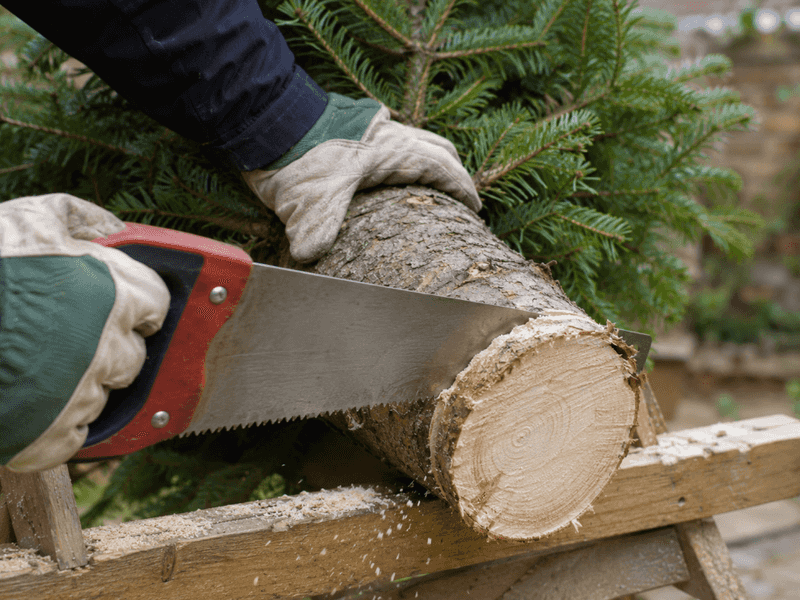
Sticky pine-scented sap is lovely on your fingers, but it acts like glue on a cut trunk. Within hours of harvest, resin starts sealing the exposed wood, and the tree struggles to pull up water.
Air bubbles can also creep into the water-conducting tissue, making that blockage even harder for the tree to overcome. Penn State and NC State extension experts both suggest a fresh cut right before the tree goes into water.
You only need to remove about half an inch to an inch from the bottom of the trunk. Make the cut straight across, not angled or V-shaped, so the base sits flat and drinks evenly.
Many tree lots will make this cut for you, which saves your arms and your living room carpet. If they do, ask for it right before you load up, then head home without extra errands.
Get the trunk into water as quickly as possible, ideally within a couple of hours after cutting. On a warm afternoon with dry winds blowing, I treat that drive home like a race with melting ice cream.
Drilling holes into the side of the trunk sounds clever, yet research shows it does not improve water uptake. A clean flat cut does the real work, so skip the gadgets and keep things simple.
If your tree sits outside for more than a day before decorating, store it upright in a bucket. Keep it shaded and give it another thin cut just before you set it into the stand.
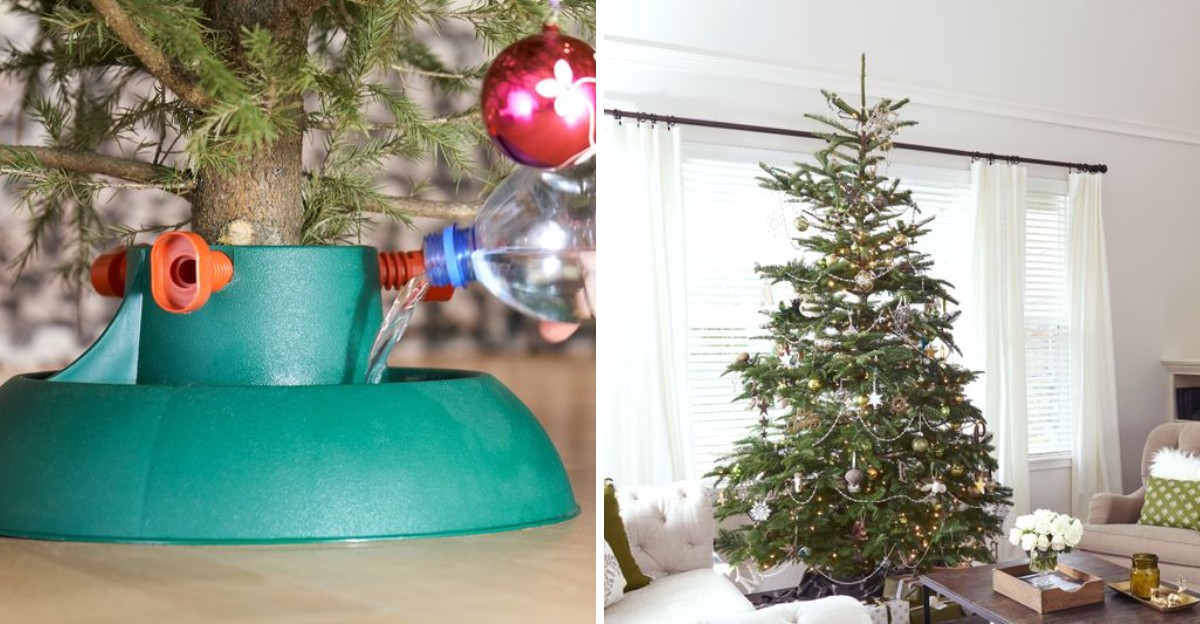
3. Choose A Roomy Tree Stand That Holds Plenty Of Water
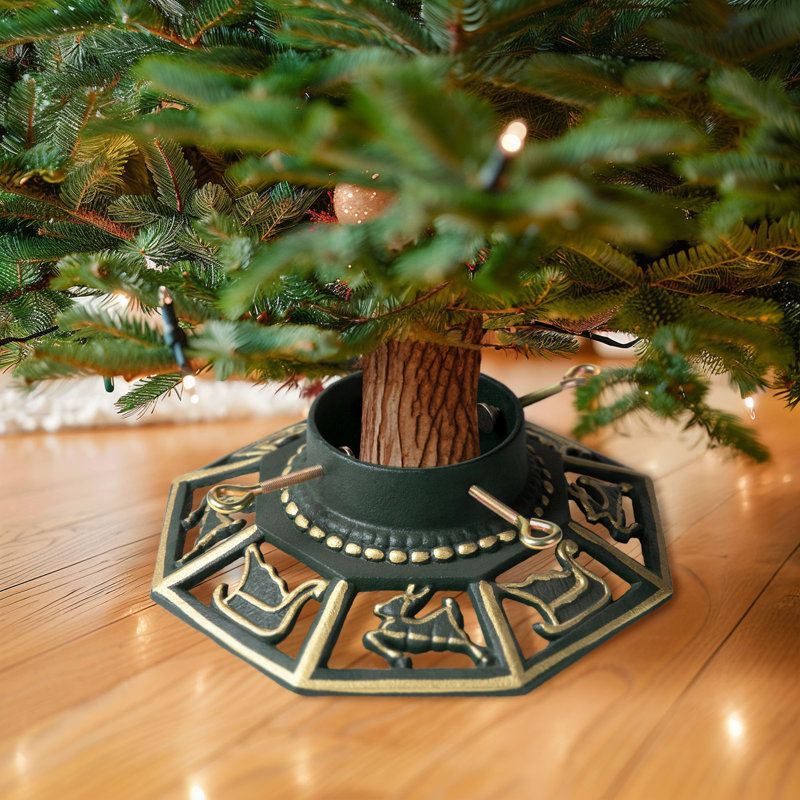
Your tree stand is basically a drinking fountain, and a tiny one can run dry before breakfast. I learned that lesson after squeezing a big fir into a cute stand that held barely a quart.
Extension specialists suggest a stand that holds about one quart of water for every inch of trunk diameter. A trunk measuring four inches across would need a reservoir of roughly one gallon to stay comfortable.
Freshly cut trees often drink the most during their first few days, then slowly settle into a steadier pace. A bigger reservoir gives you a safety cushion for busy mornings when refilling slips your mind.
You might want to think twice about shaving the bark to make the trunk fit a narrow stand. The outer layers of wood move the most water, so whittling them away cuts off the tree’s best plumbing.
Measure the trunk at the lot with a tape measure, or simply bring the stand along for a fit check. That quick step saves you from wrestling a bulky tree and a mismatched stand on your living room floor.
Stability matters as much as capacity, especially with curious pets or kids bumping into the branches. Look for a wide base and sturdy screws that grip the trunk firmly without any wobbling.
A stand with a visible water gauge or easy-fill spout also makes daily checks much less awkward. Crawling under low branches with a pitcher gets old fast, so convenience truly helps the tree stay hydrated.
4. Top Off The Tree Stand With Plain Water Every Day
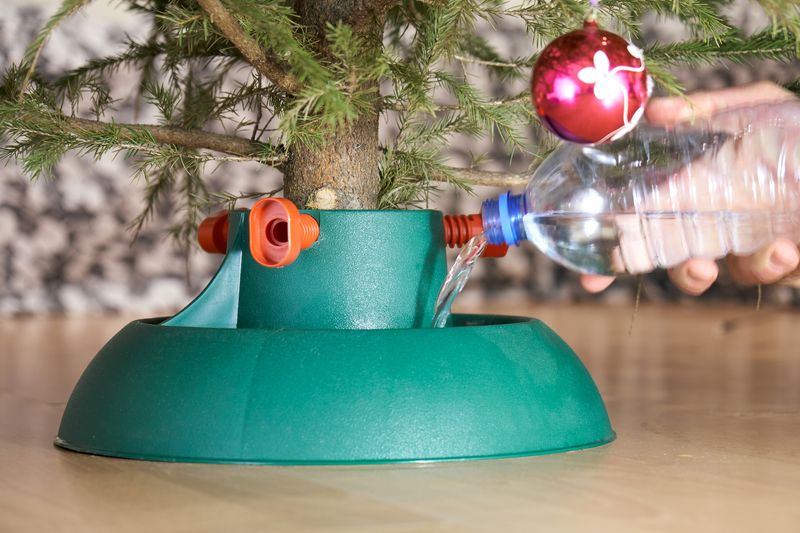
Plain tap water from your kitchen sink is all a cut tree really wants in its stand. You can skip the sugar, aspirin, soda, or bleach recipes that seem to resurface every December online.
University research has found these additives rarely help, and some can actually make the needles dry faster. Commercial preservatives have not shown clear benefits in studies either, so save your money for ornaments.
What does matter is keeping the water level above the base of the trunk at every moment. If the level drops below the cut, a fresh layer of sap may seal the wood again.
I check my stand each morning while the coffee brews, and again before bed during the first week. A small watering can with a long spout reaches under the branches without splashing presents or electrical cords.
Dry inland valleys in California can push a tree to drink faster than you expect on warm days. Don’t be surprised if the reservoir needs refilling twice daily when the heater runs or Santa Ana winds blow.
Water temperature does not seem to matter much, so cool tap water works just as well as warm water. Setting a phone reminder can help everyone in the household remember this simple chore during hectic weeks.
Kids often enjoy being the official tree waterer, and it gives them a cozy holiday job to own. Just keep an eye on their pouring so the floor beneath the tree stays dry and safe.
5. Keep The Tree Three Feet From Fireplaces And Heater Vents

A crackling fireplace makes the perfect holiday backdrop, but it is the worst neighbor your tree could have. Warm air rushing over branches pulls moisture from needles faster than the trunk can replace it.
Fire safety groups like the National Fire Protection Association recommend keeping trees at least three feet from heat sources. That includes fireplaces, radiators, space heaters, candles, and the floor vents that blow warm air across a room.
I find it helpful to stand where the tree will go and feel for drafts with my hand. If warm air brushes your palm, the tree will feel it too, and the needles will suffer first.
Sunny windows can act like a heat lamp, especially in Southern California where winter afternoons often feel mild. Closing the blinds during the brightest hours helps keep the branches cooler and less thirsty through the day.
Cooler rooms slow the drying process, which means the tree drinks less and holds its color longer. Nudging the thermostat down a couple of degrees can make a noticeable difference without making anyone shiver.
Safety is another reason to pay attention, because dry trees ignite much more easily than well-watered ones. Fire departments across the country share videos showing how quickly a parched evergreen can go up in flames.
A well-hydrated tree resists burning far better, so placement and watering really work as a team. Choose the cooler corner of the room and your tree will reward you with softer, greener branches.
6. Run A Humidifier Near The Tree During Dry Spells
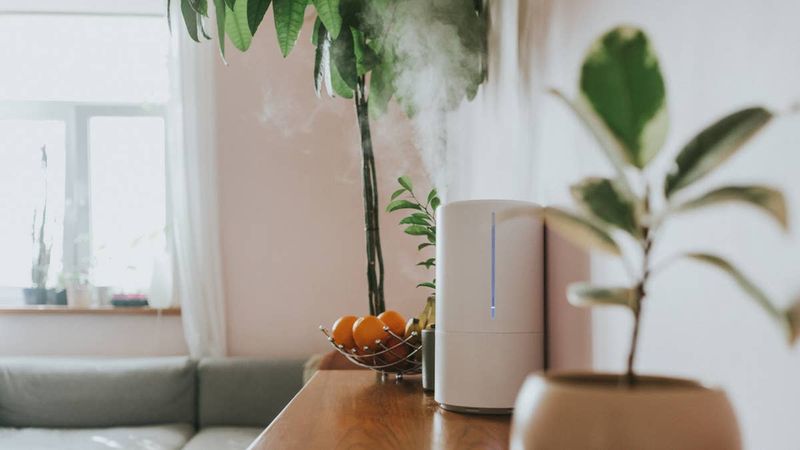
Winter indoor air can feel as dry as a cracker, and your tree notices that long before you do. Low humidity draws water out through the needles, adding to the work the trunk must do each day.
A small cool-mist humidifier placed in the same room can soften those dry conditions for both people and plants. Most homes feel comfortable somewhere between thirty and fifty percent humidity, which is a reasonable target range.
Keep the humidifier a few feet from the tree so moisture does not drip onto lights or cords. Water and electricity make poor roommates, so give the unit its own space on a stable surface.
I could be wrong about how much difference it makes, since research on humidity and cut trees is limited. Still, reducing dry air seems sensible, and you get easier breathing and fewer static shocks as a bonus.
You might find it hard to believe, but spraying needles with anti-transpirant products has not helped in studies. University research found these coatings did little to reduce moisture loss in cut trees kept indoors.
Misting branches with a spray bottle is also not worth much effort, and it can drip near electrical lights. Your energy is better spent on daily watering and keeping the room pleasantly cool and comfortable.
Clean the humidifier regularly according to its instructions, because standing water can grow mold and bacteria over time. A tidy machine keeps the air fresher, and it lets the scent of fir fill the room instead.
7. Swap Warm Bulbs For Cool LED Christmas Lights
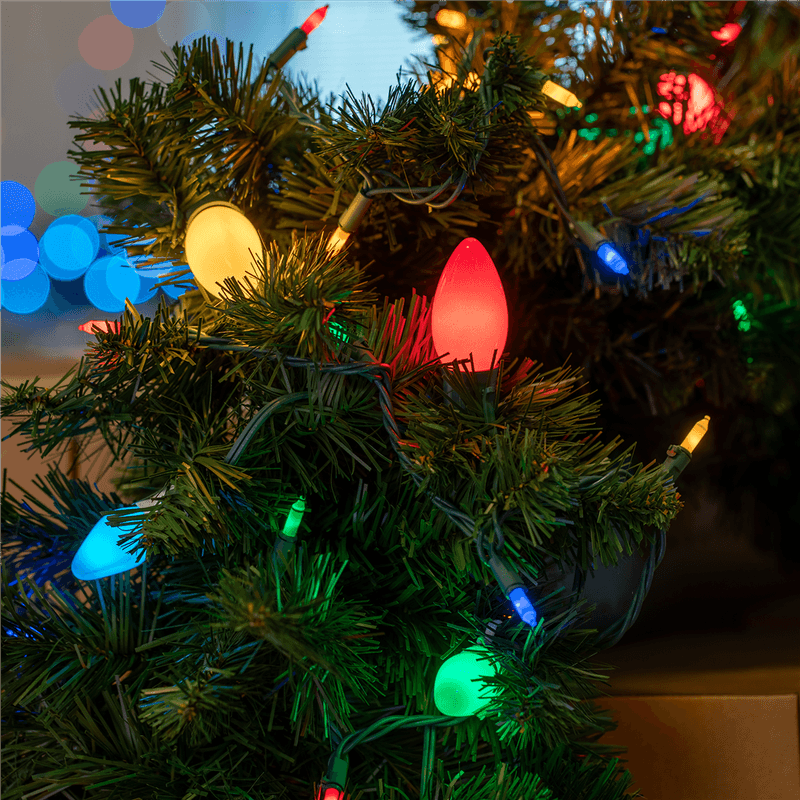
Old-fashioned incandescent bulbs glow with a warm, nostalgic charm, and they also give off noticeable heat. Wrapped around branches for hours each evening, that warmth can nudge needles toward drying out a bit sooner.
LED strands produce far less heat, so they are much gentler on a tree that is already working hard. I switched years ago and was surprised how cool the bulbs felt even after a full evening on.
LEDs also use much less electricity, which is a pleasant perk when winter utility bills start arriving. Many sets last for years, so the higher upfront price often pays for itself over several holiday seasons.
Before decorating, inspect every strand for cracked sockets, frayed wires, or loose connections that could spark a problem. Toss any damaged set rather than patching it with tape, since a quick fix can create a hidden hazard.
Look for a label from a recognized testing lab, such as UL, on the box or cord tag. Fire safety experts suggest following the manufacturer’s limit on how many strands you connect end to end.
Turn the lights off when you leave home or head to bed, even with cool LED bulbs. A simple plug-in timer handles this for you and gives the tree a nightly break from extra warmth.
What I find interesting is how many people blame the tree when the lights were quietly adding heat. Cooler bulbs paired with daily watering make a strong combination for keeping branches soft and fragrant.
8. Ease A Potted Living Tree Indoors Through A Cool Garage
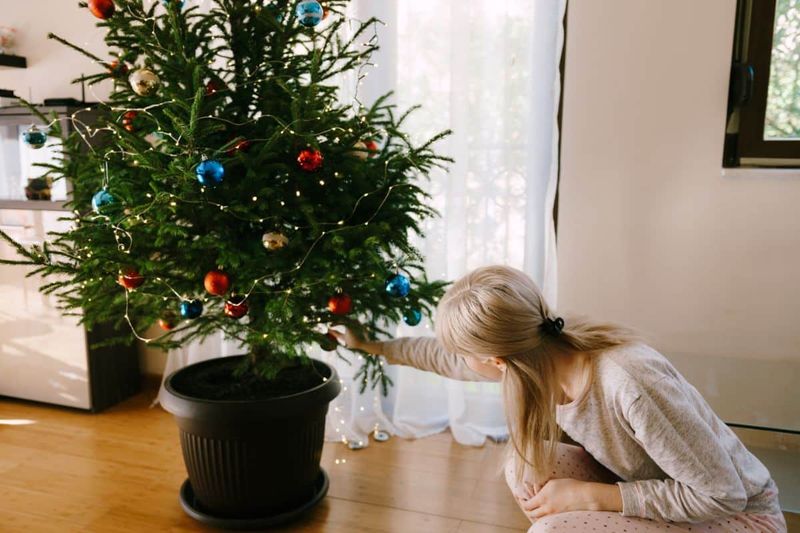
Potted living trees are a whole different adventure, since they need to stay healthy enough for planting later. Jumping straight from a chilly patio into a warm living room can confuse them into waking up early.
Many extension services suggest letting the tree adjust in a cool garage or covered porch for a few days. That middle step softens the shock before the tree enters your heated home for its holiday appearance.
Keep indoor display time short, usually around seven to ten days, so the tree does not break dormancy. Longer stays can trigger tender new growth that struggles once the tree heads back outside again.
Water the root ball whenever the top inch of soil feels dry, but avoid letting it sit soggy. Placing the pot in a large saucer or tub protects your floors and catches any extra drainage.
When the holidays end, reverse the process and give the tree a few days back in the garage. Then move it outdoors to a shady spot before planting, or keep it growing in its container.
Here’s what caught my attention: many classic Christmas tree species prefer cooler mountain climates than coastal or valley yards. Firs and spruces can struggle in hot lowland gardens, so check with your local nursery before choosing one.
Some nurseries offer drought-tolerant pines or native options better suited to warmer regions of the state. Asking a local nursery about these choices helps your living tree thrive for many years after the celebration.
9. Watch For Brittle Needles And Recycle The Tree On Time
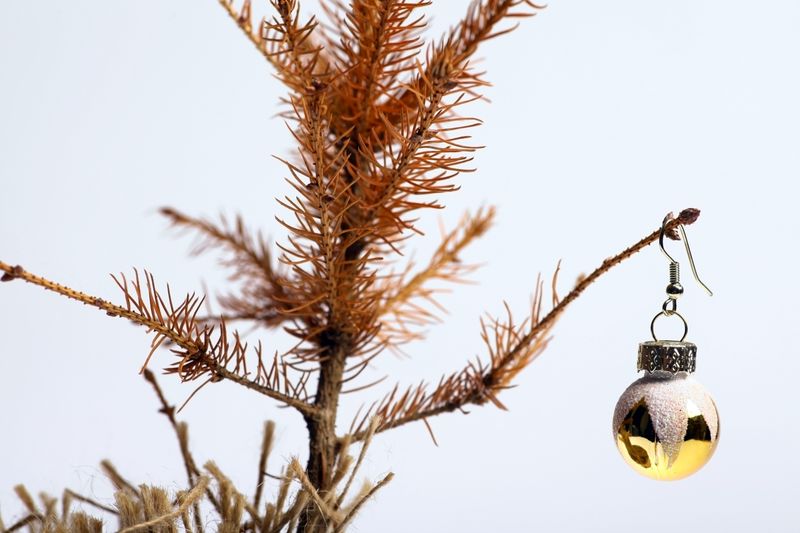
Crunchy needles underfoot are your tree’s way of waving a little flag that says it has had enough. Run your hand along a branch each week, and notice whether the needles feel soft or brittle.
Fresh needles bend easily, while dry ones snap or fall in a sprinkle of green across the floor. A sudden drop in water use can also signal that the trunk has sealed over and stopped drinking.
Many well-watered trees stay attractive for about four or five weeks indoors, depending on species and room conditions. Keep tracking how it looks, because a tree in a warm room may fade sooner than one kept cool.
Once a tree turns dry, it becomes a serious fire risk, and safety matters more than holiday sentiment. Fire departments urge families to remove dry trees promptly rather than leaving them up well into January.
I wouldn’t necessarily say you must take it down the moment the season ends, but watch it closely. Leaving lights off and keeping the stand full buys a little extra time if your plans run late.
Many California cities offer curbside pickup or drop-off sites that turn old trees into mulch or compost. Check your local waste hauler’s website, since many programs require removing all ornaments and lights first before pickup.
Flocked trees sometimes need special handling, so double-check the rules before setting one on the curb. Giving your tree a second life as garden mulch feels like a fitting thank-you for weeks of fragrant cheer.