Why California Pomegranate Trees Drop Fruit Before It Ripens
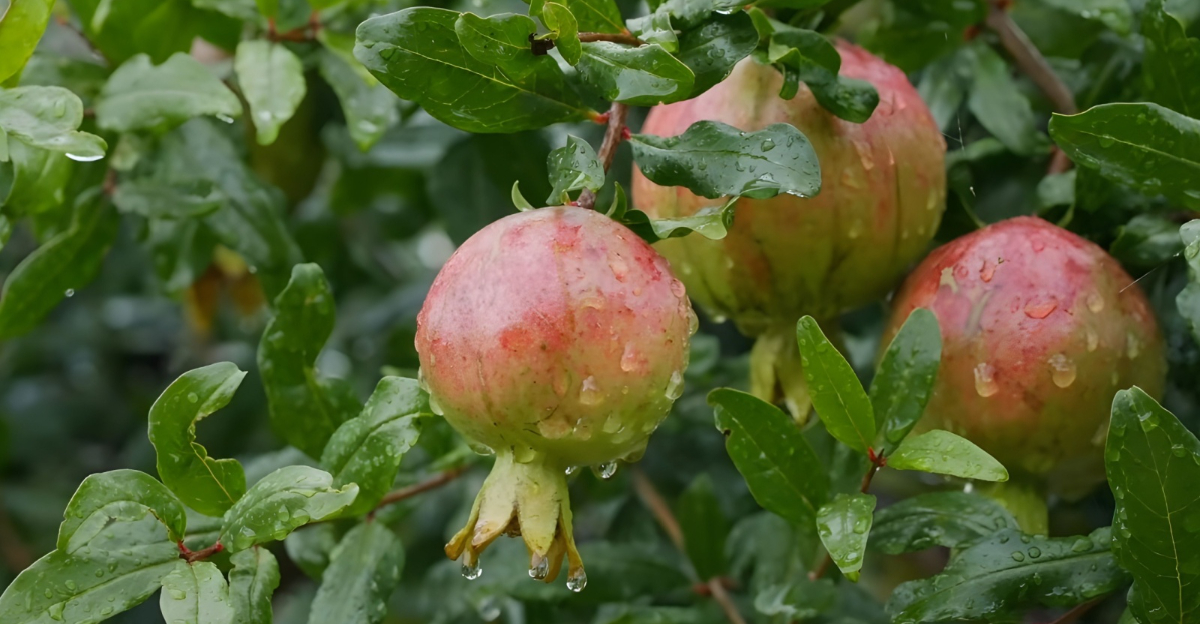
You walked outside expecting to admire your pomegranates and instead found a bunch of tiny green ones scattered across the ground like they just gave up. Frustrating does not quite cover it.
The thing is, pomegranate fruit drop in California is actually pretty common, and the tricky part is that it rarely comes down to just one cause.
Young trees, water stress, uneven irrigation, too much nitrogen, weak flowers, poor pollination, pest pressure, overloaded branches, the list of potential contributors is longer than most gardeners expect.
Pomegranates have a well-earned reputation for handling dry conditions once established, which is part of what makes them so popular in California yards.
But fruit production is a different story, and California’s hot, dry summers can quietly affect flowering and development in ways that show up later as fruit on the ground.
1. Young Trees Drop Fruit More Easily
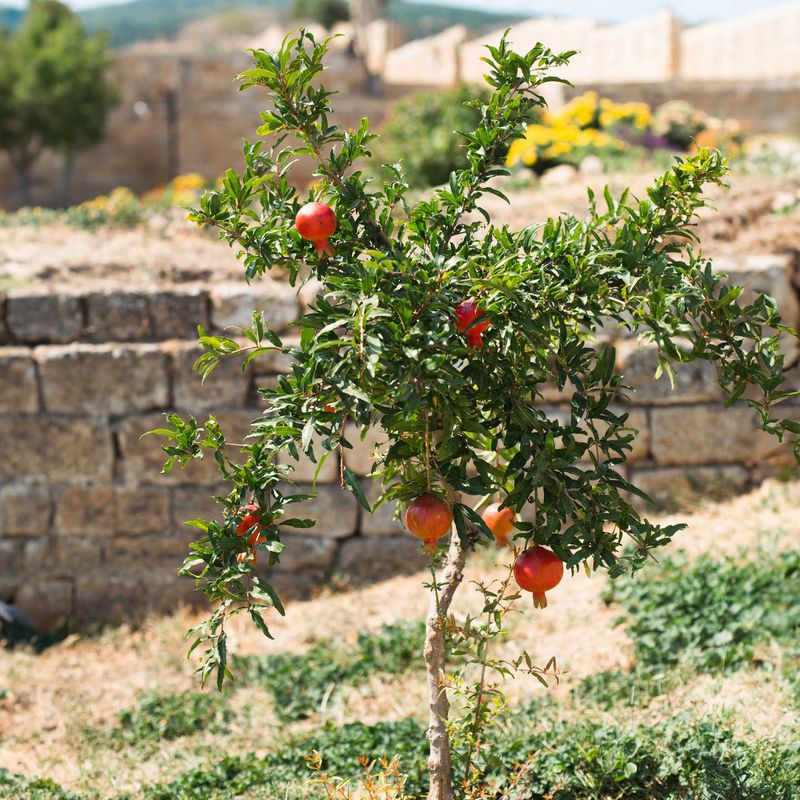
Small green fruitlets on the ground beneath a newly planted tree are one of the most common sights California pomegranate growers encounter during the first few years of growing.
Young pomegranate trees simply do not yet have the root system or stored energy needed to carry a full crop to maturity.
Their root development is still catching up to the demands of flowering, fruit set, and warm California summers.
A tree planted within the last two or three years may push out flowers and even set small fruit, but it often drops most of them before they have a chance to develop. This is not a sign that something is seriously wrong.
The tree is naturally prioritizing root growth and overall establishment over fruit production, which is actually a healthy response for a young tree adjusting to a new location.
In warm inland California gardens, this process can be more noticeable because heat puts additional demands on young trees during summer.
Giving a newly planted pomegranate consistent, appropriate moisture during its first few growing seasons can help reduce unnecessary stress.
Avoid pushing young trees with heavy fertilizer applications or expecting a full crop too soon.
Most California pomegranate trees begin producing more reliably after their third or fourth year in the ground, once they have developed a stronger root system and better overall energy reserves.
2. Natural Fruit Thinning Can Happen Early
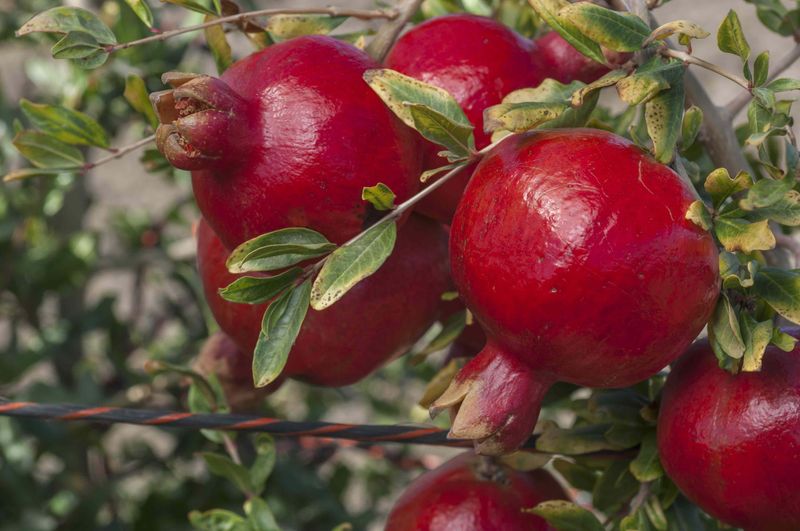
Dozens of tiny pomegranates dropping from a tree in early summer can look alarming, but in many cases the tree is simply doing what fruit trees naturally do.
Pomegranates, like many other fruiting plants, often set more fruit than they can realistically support through to harvest.
When the tree senses it has taken on more than it can carry, it begins dropping the weakest fruitlets on its own.
This process is sometimes called natural thinning, and it tends to happen in waves during the early weeks of fruit development.
California gardeners growing pomegranates in warm inland areas or drier foothill regions often notice this happening during late spring or early summer when temperatures start climbing.
The tree is essentially making a practical decision, holding onto the fruit it has the best chance of ripening and releasing the rest.
Your California Garden Changes Every Week. Your Plan Should Too.
Gardening in California changes quickly throughout the season. Every Friday you’ll receive a simple weekly plan showing exactly what to plant, prune, fertilize, harvest, and protect so you never miss the right timing.
The fruitlets that drop during natural thinning are usually very small, often no larger than a marble, and they may appear pale or slightly shriveled compared to the ones that stay on the branch. Gardeners do not need to intervene during this phase.
Watching the tree over the following few weeks usually reveals that the remaining fruit continues to develop steadily.
Providing consistent water during this period gives the tree a better chance of holding onto more of the fruit it has set, which can make a noticeable difference in final harvest size.
3. Too Little Water Stresses Developing Fruit
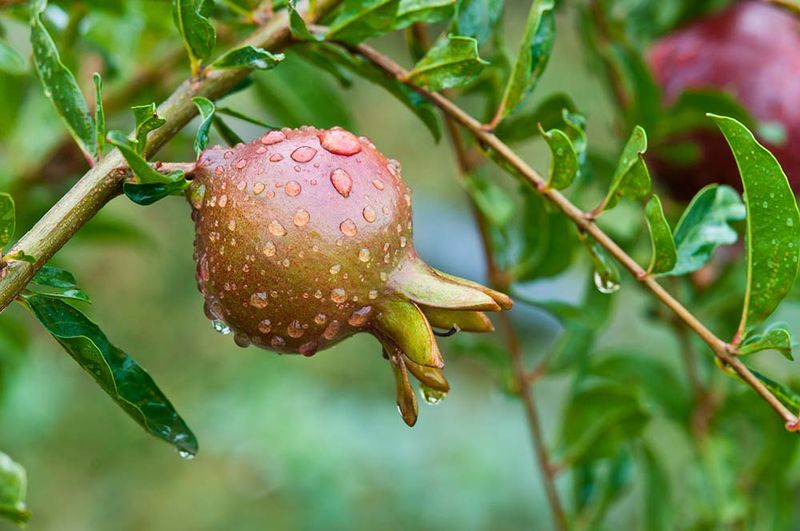
Cracked, dusty soil around the base of a pomegranate tree during California’s long dry summers is a clear sign that the tree may be working harder than it should to keep its fruit.
While pomegranates are genuinely more drought-tolerant than many other fruit trees once they are well established, that tolerance has limits, particularly when the tree is actively growing and trying to develop fruit at the same time.
Water stress during fruit development can cause the tree to drop fruit as a way of reducing its overall load. When soil moisture drops too low for extended periods, the tree shifts its energy away from fruit and toward its own survival.
This response makes sense from the tree’s perspective, but it is disappointing for the gardener expecting a harvest.
In hot inland California areas, where summer temperatures can remain high for weeks at a time, the risk of stress-related fruit drop increases significantly without appropriate irrigation.
Checking soil moisture a few inches below the surface is a practical way to monitor whether a pomegranate tree is getting enough water during the growing season. Soil should feel slightly moist at root depth, not soggy and not bone dry.
Deep, infrequent watering tends to encourage roots to grow deeper, which helps the tree access moisture more reliably during dry spells.
Mulching around the base of the tree can also help California gardeners retain soil moisture between watering sessions and moderate soil temperature during summer heat.
4. Uneven Irrigation Can Trigger Fruit Problems
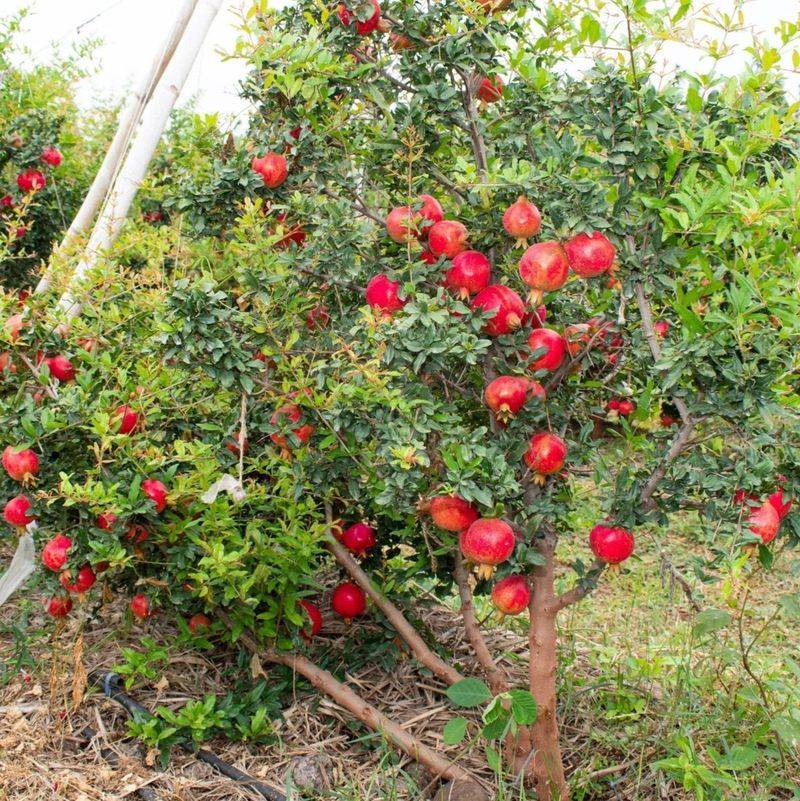
Watering a pomegranate tree on an irregular schedule, or using an irrigation system that delivers water unevenly, can create a cycle of wet and dry conditions that the tree finds difficult to manage during fruit development.
Inconsistent moisture levels put the tree under repeated stress, and one of the most visible results of that stress is fruit drop before harvest.
In California home gardens, drip systems are popular for fruit trees, but they can sometimes deliver water too close to the trunk or only to one side of the root zone.
When part of the root system receives adequate moisture while another part stays dry, the tree may struggle to support developing fruit evenly.
This kind of uneven delivery can be harder to spot than obvious underwatering because the soil surface near the emitters may look moist while the broader root zone remains dry.
Adjusting irrigation patterns so that water reaches a wider area around the tree, roughly out to the drip line or beyond, tends to support more consistent fruit development.
Checking emitters regularly for clogs or shifting positions is worth doing at the start of each growing season.
California gardeners dealing with sloped yards or sandy soils may find that water moves through the root zone faster than expected, requiring longer or more frequent irrigation sessions to maintain even soil moisture.
Making small adjustments to the system early in the season can help prevent fruit drop later in summer.
5. Too Much Nitrogen Pushes Leafy Growth
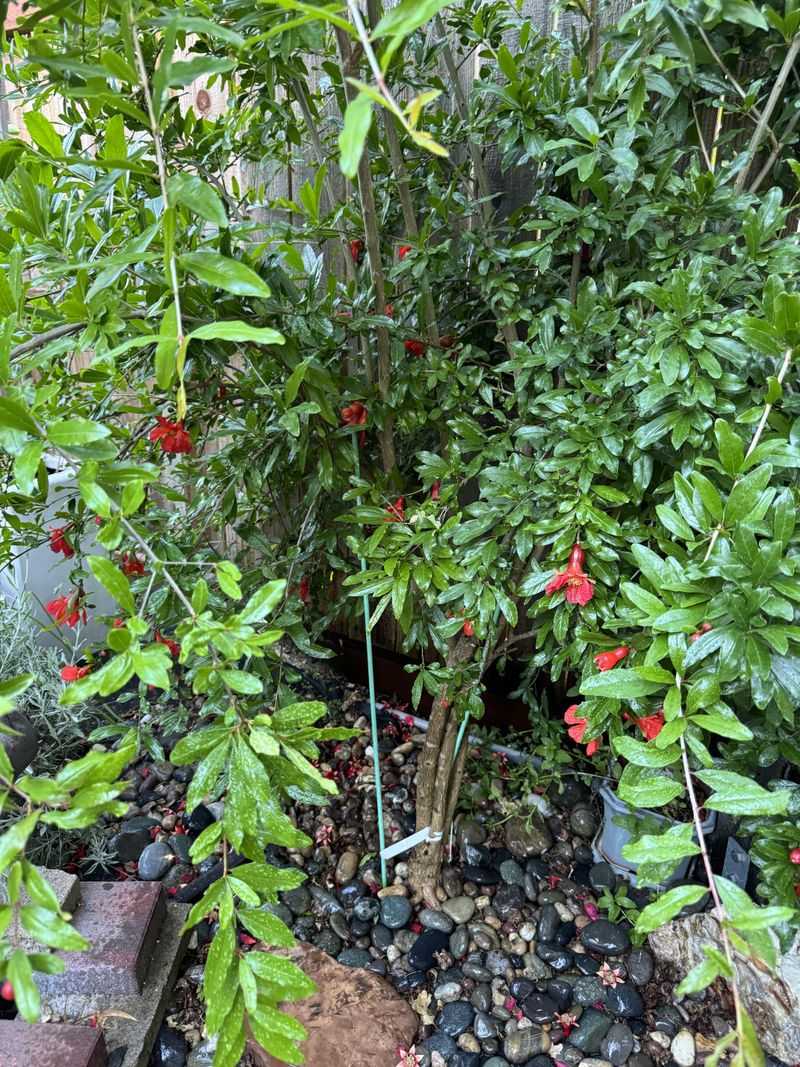
A pomegranate tree covered in thick, dark green leaves but holding very little fruit is sometimes the result of too much nitrogen in the soil.
Nitrogen is the nutrient most responsible for leafy, vegetative growth, and when it is available in excess, the tree tends to put its energy into producing shoots and foliage rather than supporting fruit development.
The result can be a beautiful-looking tree that drops its fruit early or simply fails to hold onto much fruit at all.
This situation comes up fairly often in California home gardens where well-meaning gardeners apply general-purpose fertilizers or use lawn fertilizer near fruit trees.
Many standard fertilizers have high nitrogen levels designed to push green growth, which works well for lawns but can work against fruit production on pomegranates.
Fruit trees generally benefit from a more balanced approach to fertilization, with less emphasis on nitrogen once the tree is established.
Soil that is already naturally fertile, which is common in some California garden beds amended with compost over several years, may not need additional nitrogen at all during the growing season.
Having soil tested before applying fertilizer can help gardeners understand what their soil actually needs.
Reducing or pausing nitrogen applications when a pomegranate tree is flowering and setting fruit gives the tree a better chance of directing its energy toward fruit development rather than producing more leaves and new shoots at the expense of the crop.
6. Weak Flowers Or Poor Pollination Limit Fruit Set
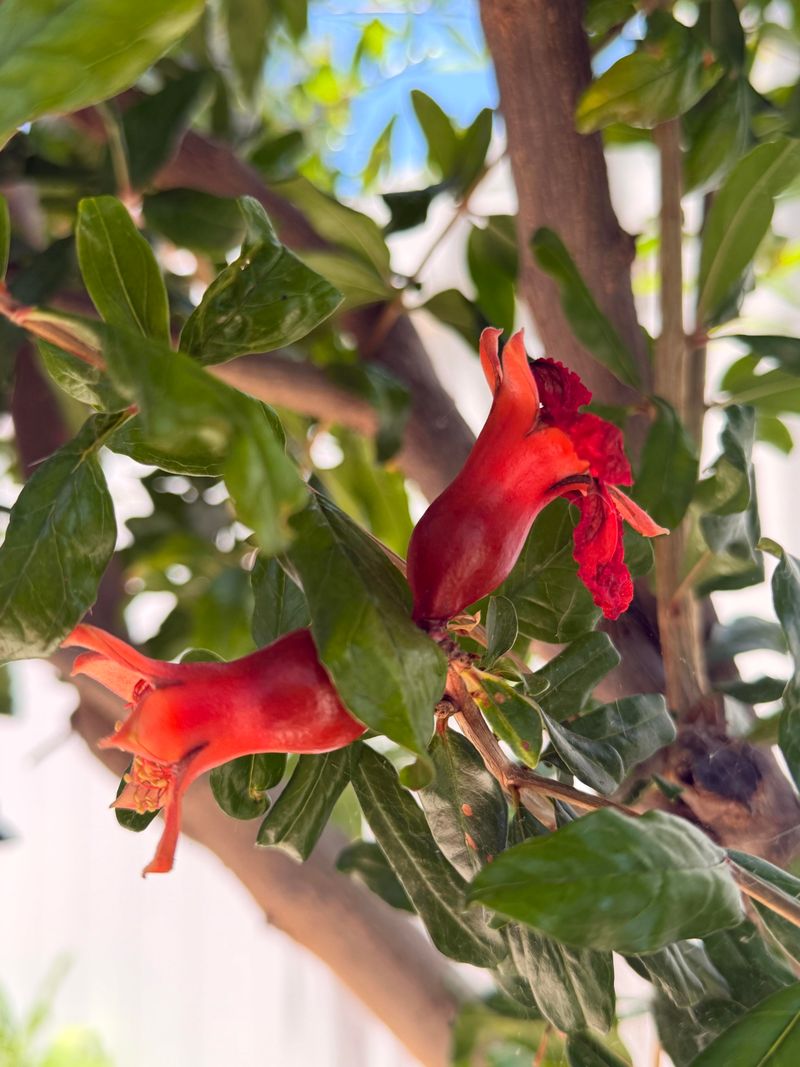
Not every flower a pomegranate tree produces is capable of developing into fruit. Pomegranate trees naturally produce two types of flowers: ones that have the ability to set fruit and others that are essentially sterile and will drop regardless of conditions.
Understanding this can help California gardeners feel less concerned when they notice a heavy flower drop that does not lead to an equally heavy fruit set.
Even among the flowers that are capable of producing fruit, pollination still needs to occur for development to continue.
Pomegranates are generally considered self-fertile, meaning a single tree can pollinate its own flowers, but fruit set tends to be more reliable when pollinators are actively visiting the flowers.
In California gardens where insecticide use is heavy or where flowering plants that attract bees are absent, pollinator activity can be lower than ideal, and fruit set may suffer as a result.
Hot, dry winds during the flowering period, which are common in California’s inland valleys during late spring, can also affect pollen viability and reduce successful pollination.
Flowers that open during an unusually warm or windy stretch may drop without setting any fruit at all.
Planting flowering companions nearby to attract bees, avoiding pesticide applications during bloom time, and giving the tree appropriate water during flowering can all support better pollination outcomes.
Mild California coastal gardens sometimes see more consistent pollinator activity than hot inland areas, which may partly explain differences in fruit set between locations.
7. Pests Can Damage Young Pomegranates
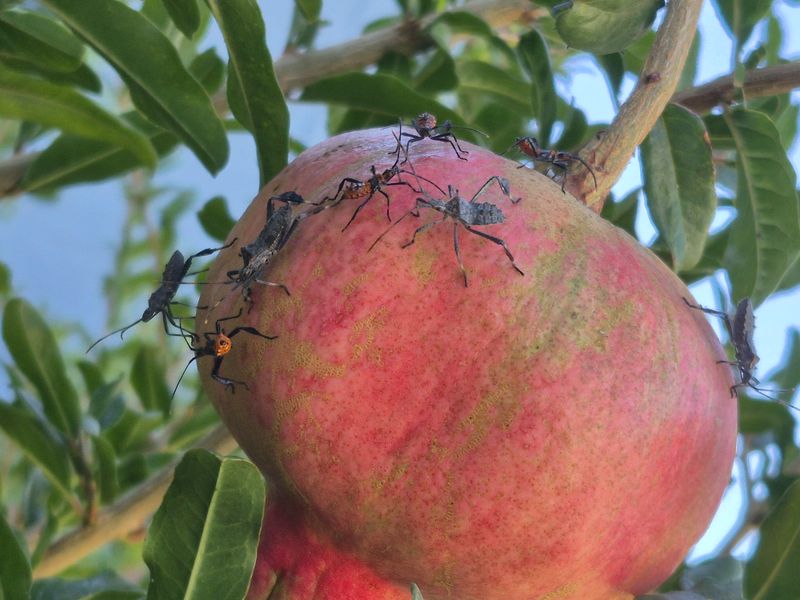
Finding tiny puncture marks or irregular discoloration on young pomegranate fruitlets is worth investigating, because pest feeding on developing fruit can weaken the attachment between the fruitlet and the branch, leading to early drop.
Several insects active in California gardens can affect pomegranates during the fruit development period, particularly during the warm months when pest populations tend to peak.
Leaf-footed bugs are among the more well-known pomegranate pests in California. These insects feed by piercing the skin of developing fruit and extracting juice from inside.
Even minor feeding damage can cause a fruitlet to drop before it has a chance to mature.
Thrips, mites, and other small insects can also create surface damage that stresses young fruit, particularly during hot, dry California summers when plant defenses may already be stretched.
Looking closely at dropped fruitlets for feeding marks, discoloration, or unusual softness can help identify whether pests are contributing to the problem.
Checking the undersides of leaves near developing fruit clusters is another useful habit, since many pest insects shelter there during the day.
Managing pest pressure through regular monitoring, encouraging beneficial insects, and avoiding broad-spectrum pesticides during bloom and early fruit development can help protect young pomegranates.
Removing dropped fruit from the ground promptly reduces habitat for insects that might otherwise cycle back to the tree and cause additional damage throughout the growing season in California yards.
8. Overloaded Branches May Shed Extra Fruit
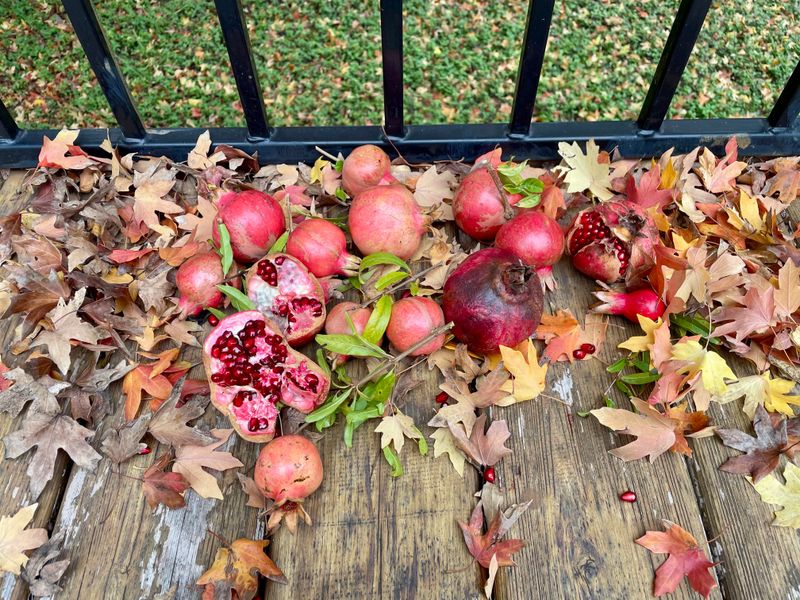
Heavy clusters of developing pomegranates hanging from a single branch can look like a sign of a great harvest ahead, but branches that are carrying more fruit than they can comfortably support sometimes respond by shedding some of the load on their own.
This kind of fruit drop is the tree’s way of balancing what it can realistically bring to maturity against the resources it has available.
Mature pomegranate trees in productive California yards can set impressive amounts of fruit in a good year, especially after a mild winter and a warm spring.
When a branch is holding more fruit than the tree can adequately supply with water, nutrients, and energy through the summer, the weakest or most poorly positioned fruit in the cluster tends to drop first.
This is a self-regulating process that the tree manages without any help from the gardener.
Gardeners who want to support better fruit size and reduce stress-related drop can consider thinning fruit clusters by hand during early summer.
Removing some of the smaller or more crowded fruitlets gives the remaining ones more room and resources to develop into full-sized fruit by harvest time.
Leaving two or three well-spaced fruit per cluster, rather than five or six tightly packed ones, often leads to larger and better-developed fruit at harvest time.
Consistent irrigation throughout the California summer growing season also helps the tree maintain enough internal resources to carry a reasonable crop without shedding fruit unnecessarily before ripening.