Why North Carolina Gardeners Should Clean Bird Feeders And Baths Before Winter Visitors Arrive
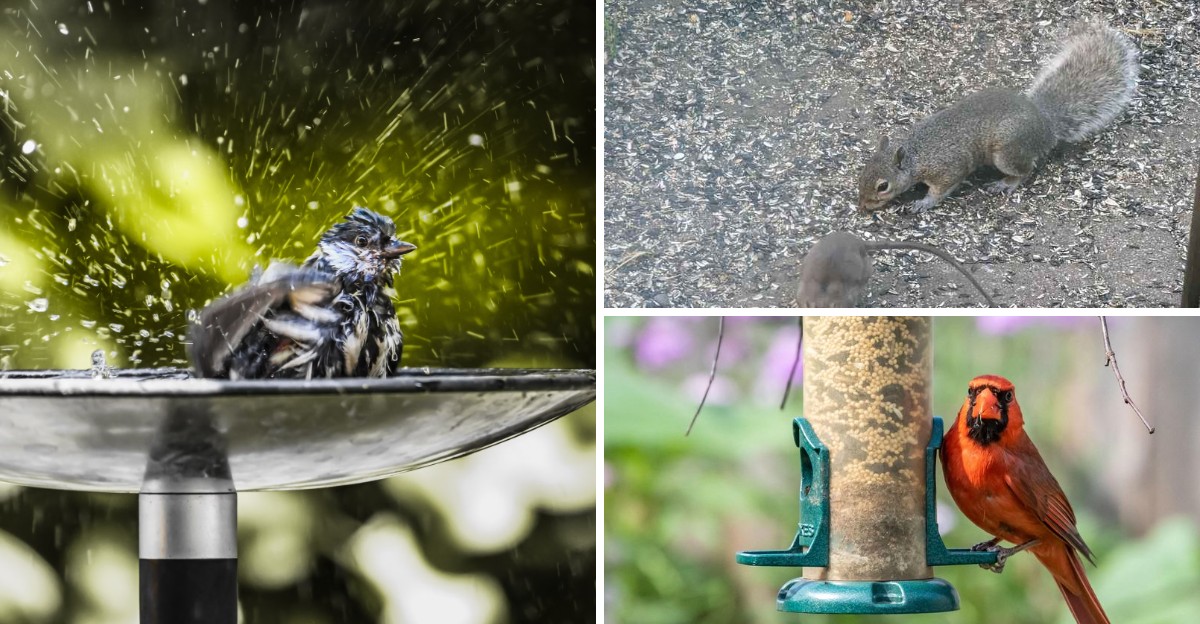
Back in the winter of 2021, wildlife officials asked North Carolina residents to take their feeders down for weeks. Tiny streaky finches called pine siskins had flooded backyards, and many were carrying a nasty salmonella infection.
Those little irruptive travelers don’t show up every year, but plenty of other winter guests arrive like clockwork. Dark-eyed juncos usually hop in from the north and mountains by late fall, hungry and happy to crowd together.
In my garden, the feeding station turns into a busy diner once the cold sets in across North Carolina. I love the action, but I’ve learned that a busy diner without a dishwasher can become a real problem.
The trouble often hides in plain sight, tucked into damp seed ports and cloudy water you barely notice. So what small chore could keep your favorite winter visitors healthier this year, and why does timing matter so much?
1. Dark-Eyed Juncos Arrive Hungry And Crowd Together
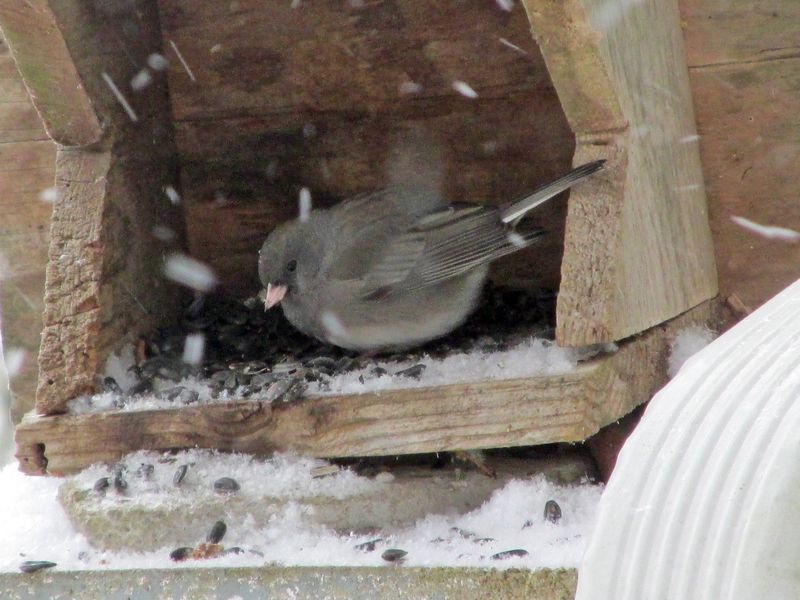
Few things brighten a gray morning like a flock of slate-colored juncos flashing their white tail feathers under the feeder. These sparrows are nicknamed snowbirds, and their arrival tells many of us that colder weather is settling in.
Juncos mostly feed on the ground, so they pick through whatever spills and gathers beneath your hanging feeders. When dozens show up at once, they share the same patch of scattered seed and droppings all day long.
Crowding is natural for flocking birds, but it gives germs an easy path from one beak to the next. A feeder that sat untouched all summer may already hold old hulls, mildew, or caked residue inside the tube.
The way I see it, the best time to scrub is before the winter crowd moves in for the season. Once the yard fills up, birds visit from dawn to dusk, and a quick wash becomes harder to schedule.
Start by emptying every port and tray, then tossing any clumped or discolored seed into the trash. Wash the feeder with hot soapy water and a bottle brush, reaching deep into corners where gunk collects.
Ground-feeding visitors benefit from a clean platform or tray too, since they rarely perch on narrow tube ports. I like scattering small amounts of millet each morning so leftovers don’t sit around and spoil overnight.
Your juncos will likely stay until early spring, giving you months of cheerful company outside the kitchen window. A tidy setup before they land means you can enjoy the show without worrying about what’s lurking inside.
2. Salmonella Spreads Through Seed Covered In Droppings
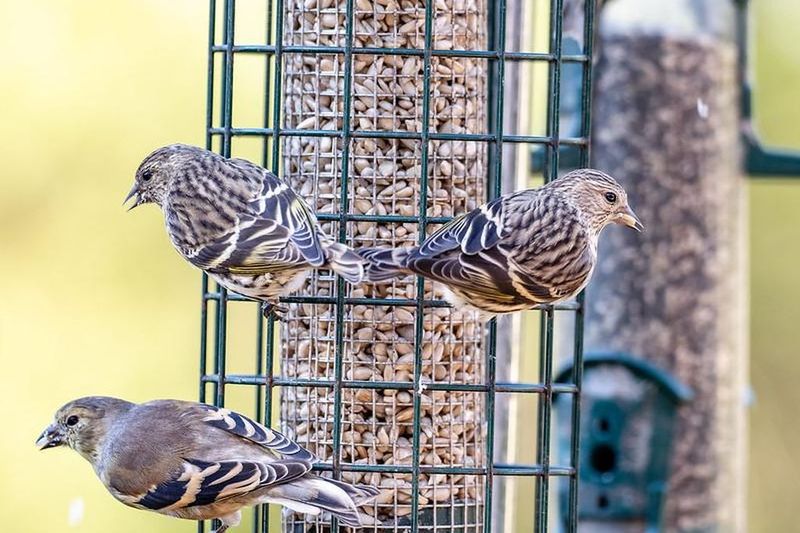
Salmonella sounds like a kitchen problem, yet songbirds can pass these bacteria around through droppings on feeders. Infected birds often look puffed up and sluggish, sitting quietly on a perch while others flit around them.
The bacteria spread when healthy birds eat seed or sip water that an infected bird has already contaminated. Platform feeders and crowded trays carry extra risk because birds stand directly in the food they are eating.
Finches and siskins seem especially vulnerable, and outbreaks tend to pop up during the cooler months of the year. Wildlife agencies across the Southeast have linked several winter outbreaks to busy, poorly cleaned backyard feeding stations.
People can catch salmonella too, so I wear rubber gloves whenever I handle feeders, baths, or spilled seed. Washing your hands well afterward is a simple habit that protects your family as much as the birds.
Keep cleaning tools separate from kitchen gear, and scrub feeders outside rather than in the sink where you prepare food. A dedicated bucket and brush stored in the garage makes the chore quicker and much safer for everyone.
Switching to tube feeders with small perches can help, since birds have fewer chances to step into the seed. Offer only what birds will finish in a day or two, so food doesn’t linger and collect droppings.
If you spot a sick-looking bird, wildlife experts suggest taking feeders down for a couple of weeks. Clean everything thoroughly before rehanging, and the healthy birds will scatter out and forage naturally in the meantime.
3. House Finches With Swollen Eyes Signal Trouble
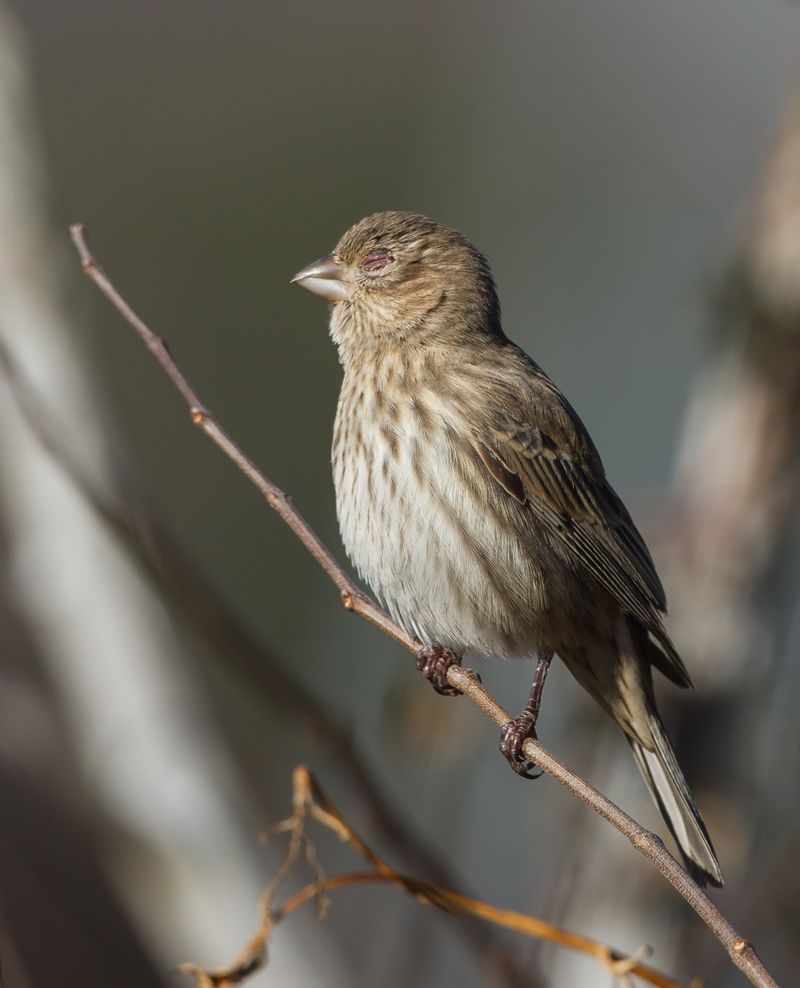
Male house finches wear a rosy red cap, but sometimes you’ll notice one with puffy, crusty eyes instead. That sad face usually points to mycoplasmal conjunctivitis, a bacterial illness first noticed in eastern finches in 1994.
Infected birds often struggle to see, so they may sit on the feeder longer and fumble for seed. Some recover with time, while others become easy targets for hawks or have trouble finding enough food.
Researchers believe the bacteria linger on feeder ports where sick birds rub their eyes while eating side by side. American goldfinches and purple finches can catch it too, which matters when mixed winter flocks gather together.
I’ve always felt that watching for this illness is part of being a responsible backyard bird host. A few minutes with binoculars each week can reveal swollen eyelids long before the problem spreads through the flock.
Feeder ports are the main trouble spot, so give them extra scrubbing with a narrow brush or old toothbrush. Plastic tubes scratch over time, and those tiny grooves can hold grime that resists a quick rinse.
Replacing badly scratched feeders with metal or glass models makes cleaning easier and leaves fewer hiding spots for germs. Cornell Lab of Ornithology’s Project FeederWatch even tracks reports of this disease, so your sightings can help scientists.
When you see an infected finch, remove feeders for several days and disinfect them before putting them back. Those cheerful red songsters will return quickly, and you’ll feel better knowing their dining spot is safer.
4. Moldy Sunflower Seed Can Hide Harmful Fungus
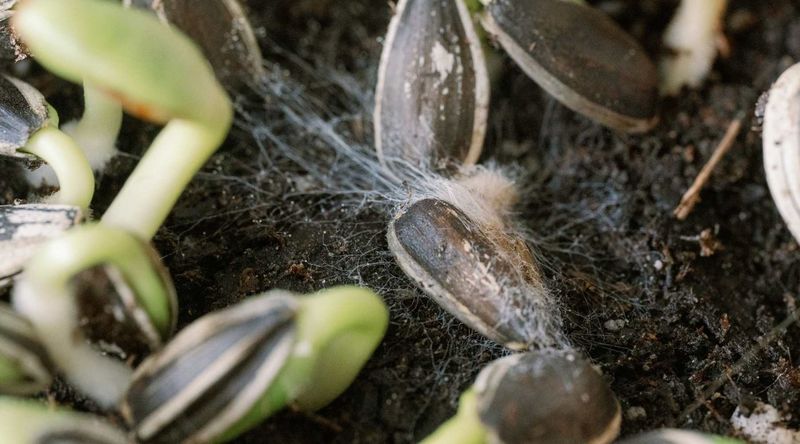
Give a handful of old feeder seed a sniff, and a musty smell might tell you more than your eyes. Damp weather in the Southeast can turn sunflower seed clumpy and fuzzy faster than many gardeners expect.
Moldy seed can harbor Aspergillus, a fungus whose spores cause a respiratory disease in birds called aspergillosis. Birds breathe in the spores while feeding, and infected birds may gasp or show labored breathing over time.
Some molds also produce aflatoxins, which can harm a bird’s liver even when the seed looks mostly fine. Cracked corn and peanuts are frequent culprits, so check them closely before pouring them into any feeder.
In my garden, a long rainy spell is my cue to inspect the bottom of every tube feeder. Wet seed tends to pack together near the base, where fresh seed from above hides the problem.
Feeders with drainage holes and covered roofs help a lot, and baffles above them shed some rain. Fill feeders with smaller amounts during wet weeks so seed gets eaten quickly and rarely sits soggy for days.
Toss any clumped or discolored seed into the trash rather than the compost pile or garden bed. Spreading moldy seed on the ground simply moves the problem to the ground feeders like sparrows and doves.
After washing, let feeders air-dry in the sun until every crevice feels bone dry to the touch. Refilling a damp feeder invites mold right back, which undoes all that careful scrubbing you just finished.
5. Soaking Feeders In A Bleach Solution Works Best
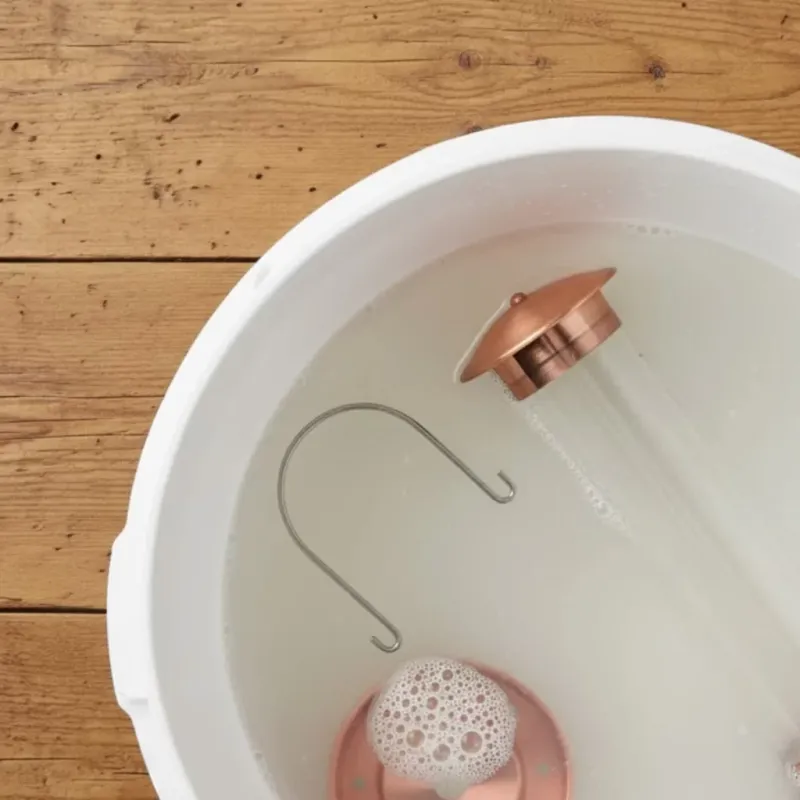
A plain jug of household bleach might be the most useful birding tool sitting in your laundry room. Experts from Audubon and university extension programs often recommend a diluted soak to disinfect feeders after scrubbing.
Mix one part bleach with nine parts water in a large bucket or utility tub outdoors. Soak feeders for about ten minutes after you’ve already removed old seed and scrubbed away visible grime.
Bleach works poorly on dirty surfaces, so washing first with soapy water makes the disinfecting step far more effective. I use a long bottle brush for tubes and a small scrub pad for trays and perches.
Rinse everything well under running water until the bleach smell fades and no residue remains on the plastic. Then set feeders in a sunny spot to dry fully, since moisture left inside encourages fresh mold growth.
Some gardeners prefer white vinegar, which is gentler but less powerful as a disinfectant against stubborn bacteria. Dishwasher-safe feeders can go through a hot cycle, which saves time during busy weeks before the holidays.
Plan to clean seed feeders about every two weeks, and more often during wet stretches or heavy traffic. Wooden feeders soak up bleach and moisture, so a stiff brush and hot water may suit them better.
Wear gloves and old clothes, because splashes can spot your favorite jeans before you even notice them. Keeping two sets of feeders lets you swap in clean ones while the dirty batch soaks and dries.
6. Scrubbing The Bird Bath Keeps Water Fresh
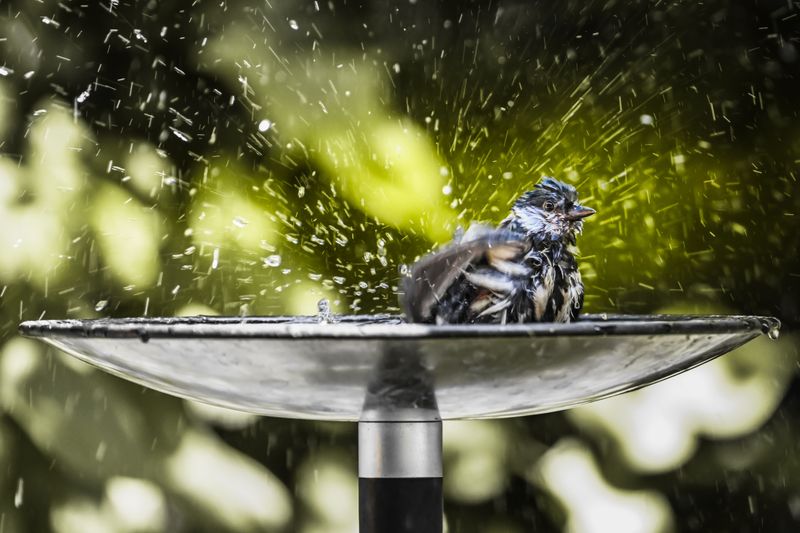
Birds still need water in winter, and a shallow bath can draw species that ignore seed feeders. Eastern bluebirds and yellow-rumped warblers often stop by for a sip even when frost coats the lawn.
Standing water quickly collects droppings, leaves, and algae, especially when several birds splash in it each day. Dump and refill the bath every day or two, rather than simply topping it off with fresh water.
Every week or so, scrub the basin with a stiff brush to remove the slick film on the surface. A nine-to-one water and bleach mix works here too, followed by a very thorough rinse.
I love watching robins line up for a bath on a mild January afternoon after a cold snap. Clean feathers trap air better, which helps birds stay warmer during chilly nights in the Piedmont and mountains.
Ice can be a challenge in higher elevations, where freezing nights are common through much of winter. A heated bird bath or a submersible deicer designed for birds keeps a small patch of water open.
Skip antifreeze, salt, or any chemical additives, since these can poison birds or damage their protective feathers. Concrete baths may crack when water freezes, so plastic or resin basins handle icy weather a bit better.
Place the bath near shrubs but not directly beside them, giving birds cover without hiding prowling cats. A little daily attention keeps your water station sparkling and makes it a favorite stop for winter visitors.
7. Raking Seed Hulls Under The Feeder Discourages Rodents
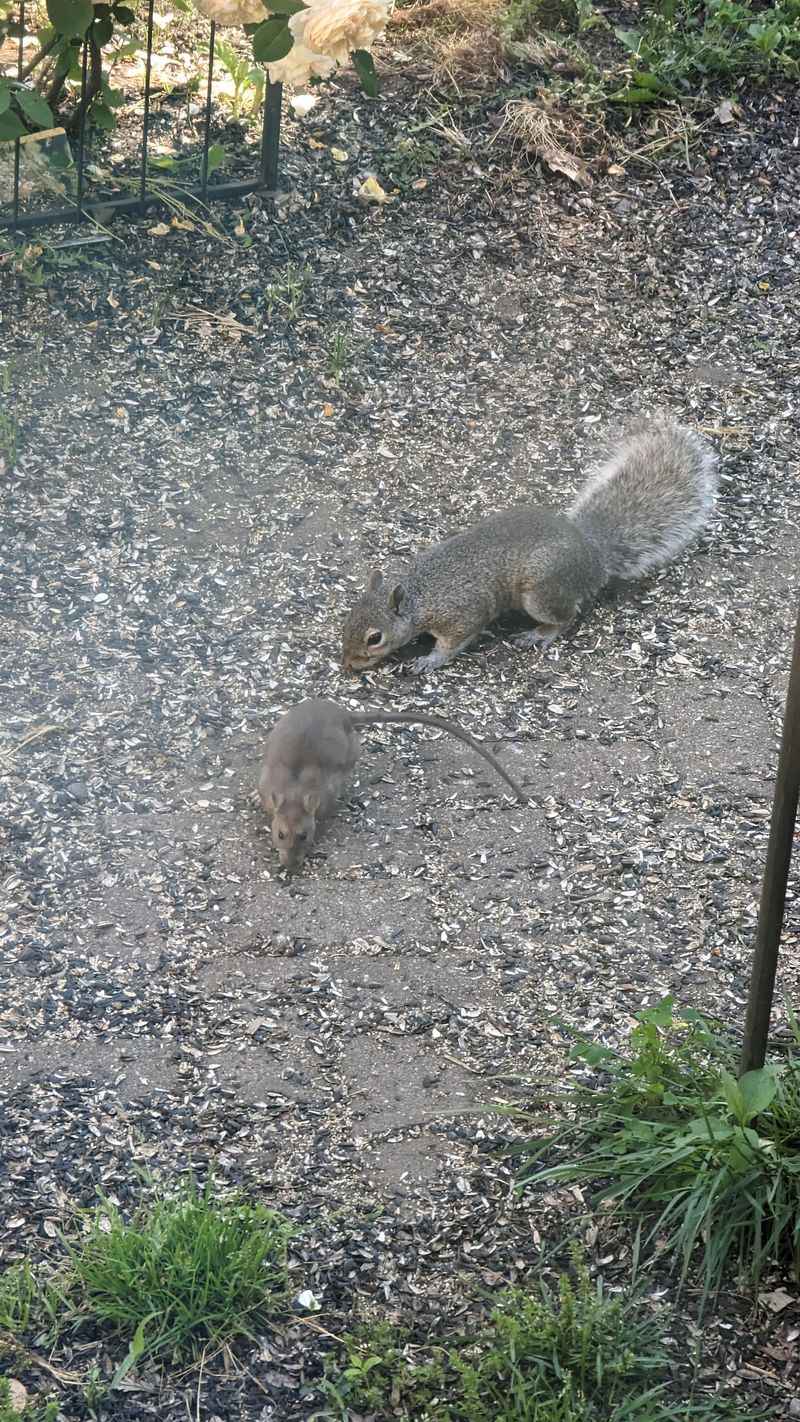
Peek beneath almost any busy feeder, and you’ll find a carpet of empty hulls mixed with droppings. That messy layer looks harmless, yet it can hold bacteria and mold long after the seed has gone.
Ground-feeding birds like mourning doves and white-throated sparrows forage right through this mess every single day. When the pile stays damp, it becomes a perfect spot for germs to build up and spread.
Spilled seed also attracts rats and mice, which can bring their own problems close to your house. I’ve seen squirrels and chipmunks treat that pile like a free buffet, especially after the first frost.
Raking up hulls every week or two keeps the area tidy and limits how much waste builds up. A shop vacuum or flat shovel works well on patios and decks sitting close to your feeders.
Moving feeders a few feet every so often gives the ground underneath a chance to recover and dry. Lawn areas can bounce back quickly when you shift the feeding station before grass gets smothered by debris.
Hulled sunflower chips create far less mess, since birds eat the whole thing without dropping shells below. Seed catcher trays attached under feeders also catch spills, though they need regular emptying and cleaning too.
Bag the waste and put it in the trash instead of tossing it into flower beds. Sunflower hulls contain compounds that can slow the growth of some plants, so keep them away from garden soil.
8. Spreading Feeders Apart Gives Cardinals Breathing Room
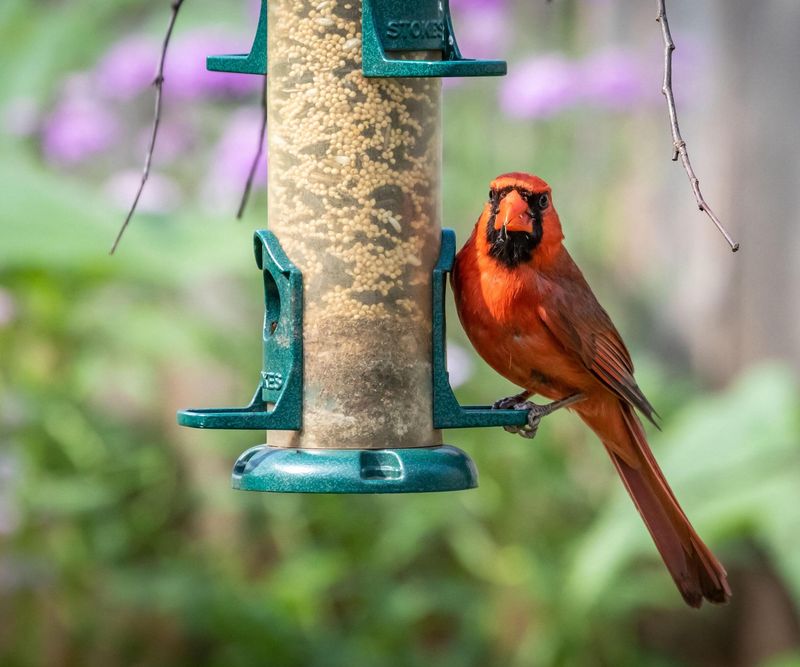
Northern cardinals have a polite streak, often waiting their turn while bolder birds hog the busiest feeder ports. Giving them extra feeding spots around the yard can make mealtime calmer for everyone with feathers.
Spreading out feeders reduces crowding, which lowers the chances that sick birds pass germs to healthy neighbors. Experts suggest grouping different feeder types in separate areas rather than clustering them on a single pole.
In my garden, the tube feeder hangs near the back fence while a hopper sits beside the holly. Cardinals favor the hopper, and the chickadees and titmice seem happy to claim the tube for themselves.
Place feeders within about ten feet of shrubs or evergreens so birds can dart to cover quickly. Native options like American holly and wax myrtle provide shelter, and holly berries add a bonus winter snack.
Keep feeders either closer than three feet or farther than thirty feet from windows to reduce collisions. Birds launching from very close range rarely build up enough speed to hurt themselves seriously on impact.
More feeders do mean more cleaning, so choose models that come apart easily for quick scrubbing sessions. A couple of well-placed feeders often serves birds better than six crowded ones you struggle to maintain.
Watch how birds behave after you spread things out, since squabbling usually drops noticeably within a few days. You may even spot shy visitors, like brown thrashers, that avoided the crowded feeding zone before.
9. Wintering Rufous Hummingbirds Need Fresh Nectar Too
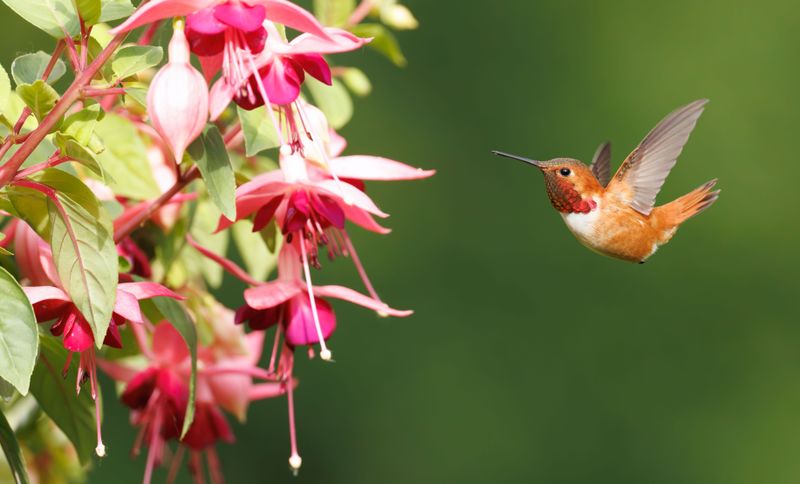
Most ruby-throated hummingbirds head south by late fall, yet a few western hummers spend winter in North Carolina. Rufous hummingbirds are the most common winter visitor, and banders have documented them in yards across the state.
Spotting one in December feels like finding a jewel in the frosty shrubs beside your porch. Leaving one nectar feeder up through winter can help these hardy travelers find a reliable food source.
Sugar water spoils fast, growing cloudy with mold and bacteria much sooner than most people would expect. Cooler temperatures slow that process, but you should still swap nectar at least once a week.
Mix one part white table sugar with four parts water, and skip honey, red dye, or artificial sweeteners. Boiling the water briefly helps the mixture stay fresh a bit longer, though cooling it first is essential.
Clean the feeder each time you refill it, using hot water and a small brush for the ports. Black specks or stringy growth inside mean the feeder needs a soak in diluted bleach or vinegar.
On freezing nights, some gardeners bring feeders indoors and rehang them at dawn when birds start feeding. Others clip a small incandescent bulb nearby, which gives off just enough warmth to keep nectar flowing.
If you spot a winter hummingbird, consider reporting it to state birding groups that track these rare guests. Your clean feeder could help researchers learn more about where these tiny visitors travel each year.
10. Sealed Metal Bins Keep Birdseed Dry And Safe
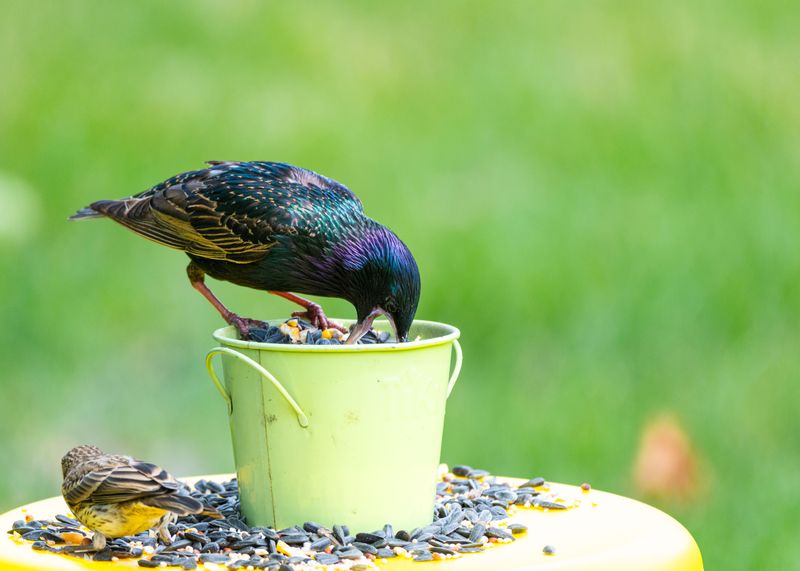
A torn birdseed bag on the garage floor is basically an invitation card for every mouse nearby. Rodents and pantry moths can sneak in surprisingly fast, leaving droppings and webbing that contaminate your birds’ food.
Galvanized metal cans with tight lids are my favorite storage choice, since chewing critters can’t break through. Plastic bins work in a pinch, though determined squirrels sometimes gnaw holes along the edges and corners.
Keep containers in a cool, dry spot off the ground to limit moisture and condensation inside. Humid Southern weather can make seed clump surprisingly quickly, even during the milder stretches of winter.
Buy only as much seed as your birds will likely eat within a month or two. Old seed loses nutritional value, and stale bags are more likely to harbor mold or tiny insects.
Black oil sunflower seed is a smart choice, because many winter birds love it and waste less. Cheap mixes often contain milo or red filler grains that birds kick aside onto the ground below.
Wash out storage bins between batches so crumbs and dust don’t spoil the next bag you pour in. Let the container dry before refilling, since even a little leftover moisture can encourage mold to form.
Suet cakes need care too, so store extras in the freezer and toss any that smell rancid. Clean food and clean feeders work together, and skipping one step can undermine all your other hard work.
11. Pine Siskin Flocks Show When To Pause Feeding
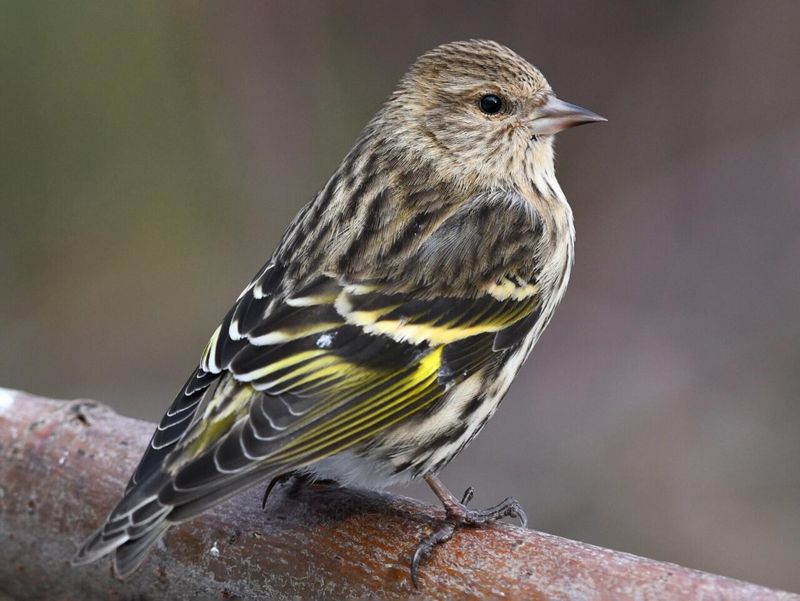
Pine siskins look like tiny streaky sparrows, but a flash of yellow on their wings gives them away. In some winters they pour south in big numbers, and in other years you won’t see a single one.
During the 2020 to 2021 irruption, siskins crowded feeders across the East, and salmonella spread rapidly among them.
The North Carolina Wildlife Resources Commission asked residents to take feeders down for a while to slow the outbreak.
That request surprised plenty of backyard birders, but it showed how much our feeding habits really matter. Wild birds can find natural food like seeds and berries, so a short pause rarely leaves them stranded.
Watch for sick birds that look fluffed up, lethargic, or unusually tame when you step close. Finding more than one ill bird is a solid signal to empty feeders and clean everything thoroughly.
Keep an eye on news releases from state wildlife agencies, since they often share alerts about disease outbreaks. Local Audubon chapters and extension offices also post helpful updates when problems pop up in your region.
Rehang feeders only after a week or two, once you’ve scrubbed, disinfected, and fully dried each one. Rake the ground below as well, because spilled seed there can keep spreading germs during the break.
I’ve come to see a clean feeder as a promise to the birds that visit my yard each winter. Keeping that promise is easy with a little routine, and the cheerful flocks outside make it worth every minute.