The One Thing You Must Do To North Carolina Compost Piles Before September Is Over
September in North Carolina smells like warm pine straw and the very last of the tomatoes. Out behind the shed, your compost pile has been quietly baking since June without much help from you.
Walk over and press a hand into the side of it. If the heap feels flat, cool, and a little sullen, it is trying to tell you something important.
One quick chore separates a pile that turns into rich, crumbly gold by spring from one that just sulks through winter looking soggy. It takes roughly twenty minutes and no fancy equipment at all.
The calendar is what catches most people off guard, since nights start cooling off faster than expected around here.
The Late Season Turn That Wakes Up A Sleeping Heap
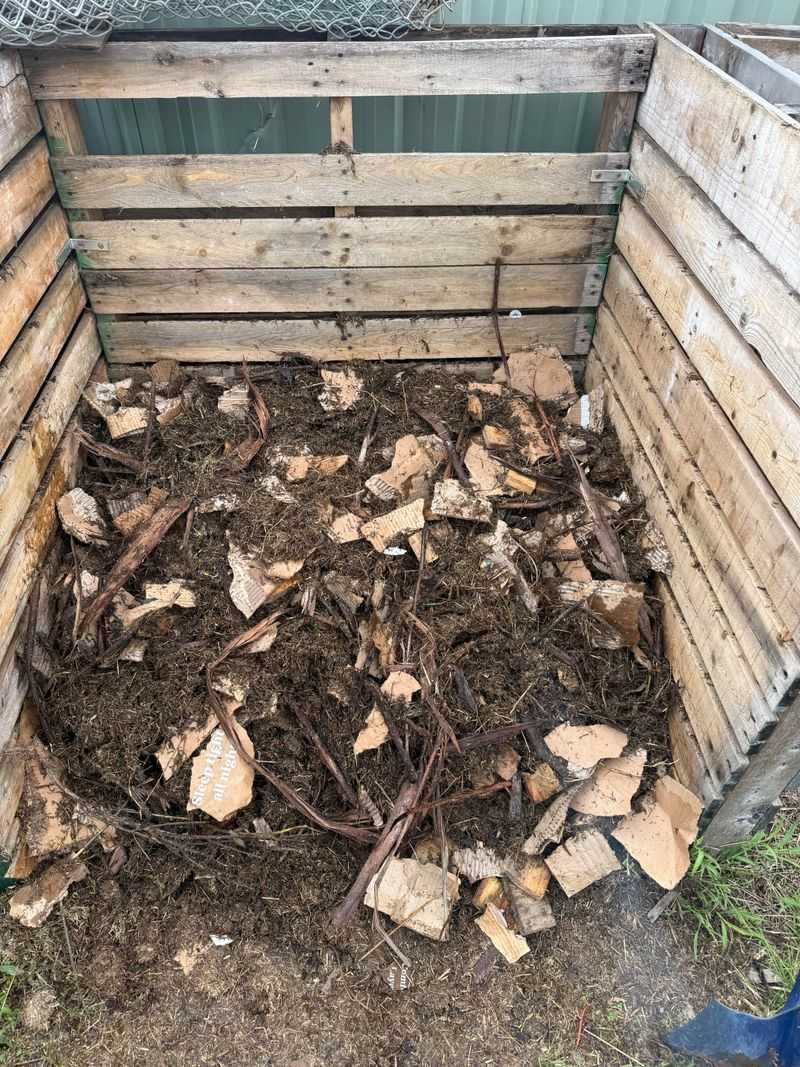
Grab a pitchfork, push it deep into the middle of the heap, and pull out a handful. Warm, steamy, and crumbly means the microbes are still clocking in. Cool, matted, and sour smelling means they have clocked out.
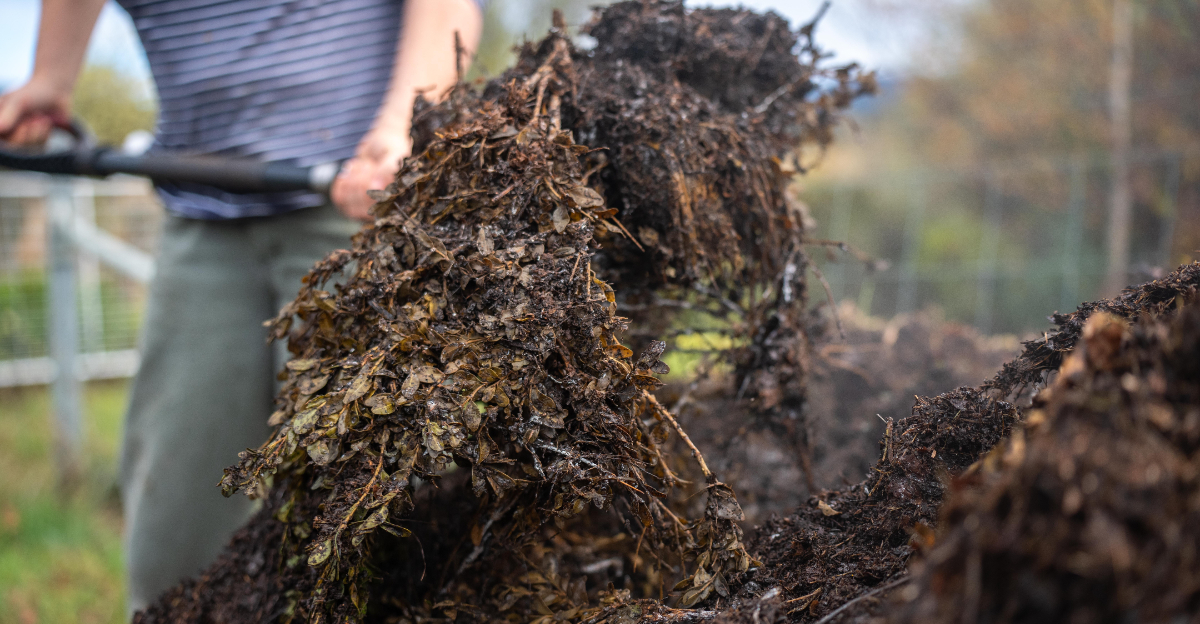
The single job worth doing before the calendar flips to October is a full turn, top to bottom, so the outside material trades places with the inside.
Summer piles in North Carolina settle into dense layers after weeks of heat and thunderstorms. Air gets squeezed out, and the tiny organisms doing the real work slow to a shuffle.
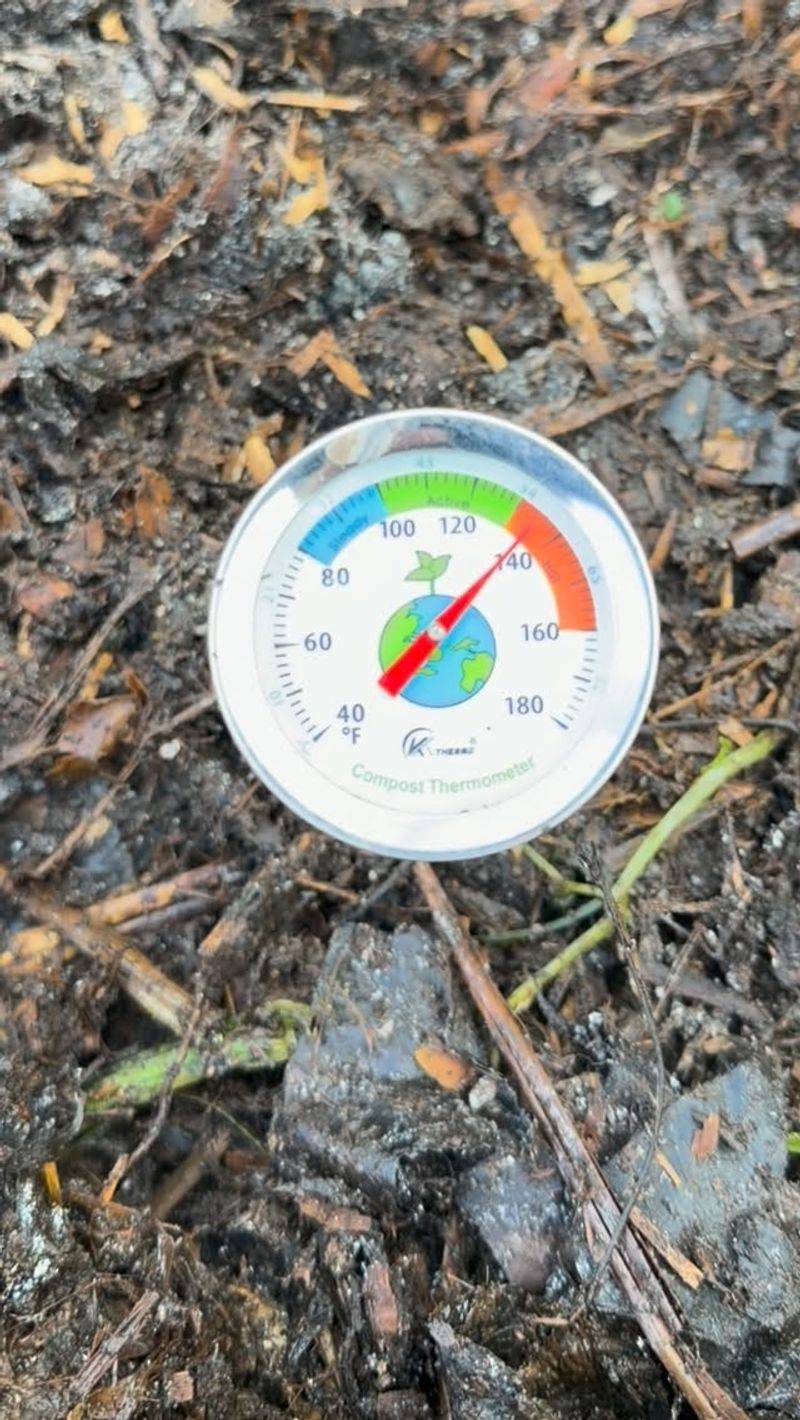
Turning breaks apart those packed pockets and folds oxygen back through the entire pile. Within a day or two, a well turned heap often climbs back to 120 or 130 degrees.
That burst of warmth chews through material that has been sitting half finished since July. Work from the outside in. Move the crusty edges into the center, where temperatures run highest, and let the older core spread toward the sides.
A garden fork beats a shovel here because it lifts and fluffs instead of slicing. Keep a hose within reach while you work.
If the material looks dusty as you fork it, sprinkle lightly as you go. If it clumps like wet red clay, mix in dry leaves or torn cardboard to loosen things up.
One thorough September turn accomplishes more than three halfhearted pokes in November ever could.
Carolina Weather And The Narrow Window It Leaves Behind
Our September is a bit of a trickster. Daytime highs in the Piedmont still flirt with the mid eighties, so the pile feels like it has all the time in the world.
Nighttime tells a different story. By the final week of the month, mountain towns can dip into the forties, Raleigh and Charlotte slide into the fifties, and even Wilmington cools off noticeably after dark.
Compost microbes turn sluggish once the core drops below roughly 50 degrees. They do not disappear, they simply work at a crawl, and a crawl means months rather than weeks.
A heap turned in mid September still holds enough stored warmth and daylight to spike hot one more time. That same heap turned in mid November mostly just sits and waits for spring to arrive.
Your North Carolina Garden Changes Every Week. Your Plan Should Too.
Gardening in North Carolina changes quickly throughout the season. Every Friday you’ll receive a simple weekly plan showing exactly what to plant, prune, fertilize, harvest, and protect so you never miss the right timing.
Hurricane season adds another wrinkle to the timing. Late summer storms can dump several inches on a pile in one afternoon, and a soaked pile sheds heat quickly.
Check the ten day forecast and pick a stretch with two or three dry days lined up. Turning right before a downpour wastes a good bit of your effort.
Gardeners near Boone or Asheville should move first, since their chilly nights show up earliest. Folks along the coast get a couple of extra weeks of grace, though the humidity down there brings soggy problems of its own.
Treat the last two weeks of September as a reminder bell rather than a hard deadline, and mark it on the kitchen calendar.
Moisture Balance After A Humid Summer And Storm Rain
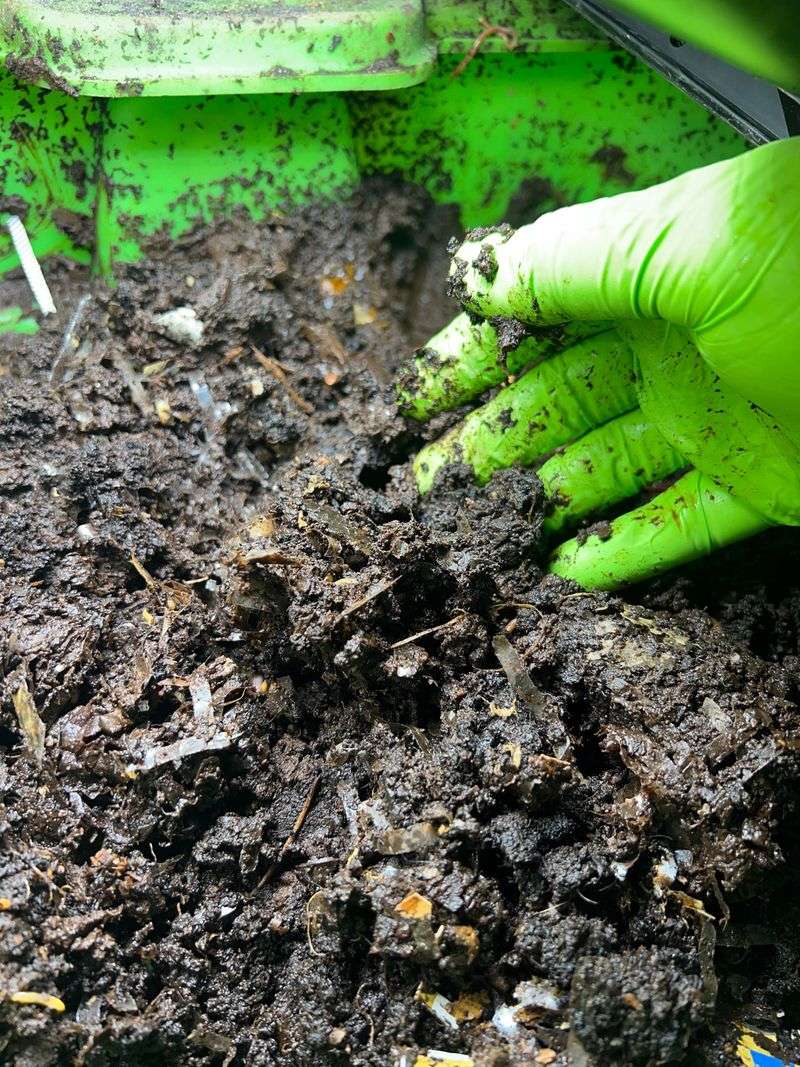
Squeeze a fistful. That simple test beats any gadget sold in a garden catalog. Properly damp compost feels like a sponge you already wrung out, holding together in a loose ball with maybe one drop of water sneaking between your fingers.
Streams of water running down your wrist mean the pile drank too much this summer. North Carolina hands compost piles a strange combination of muggy air, sudden gully washers, and stretches of drought in between.
A heap sitting directly on packed clay can hold water like a bathtub, and the bottom foot goes slimy without anyone noticing.
A sulfur or vinegar smell is the giveaway. That odor means oxygen ran short and the wrong sort of bacteria took over the neighborhood.
While you turn the pile, fold in generous handfuls of dry brown material such as shredded newspaper, straw, pine straw, or crushed leaves saved from last year. These soak up extra moisture and rebuild the air pockets your microbes need.
Shape the finished heap with a slightly rounded top so rain runs off instead of pooling in a crater. A loose tarp draped over the top during heavy storm weeks helps quite a bit.
The opposite problem shows up too. If your pile crumbled into gray dust during a dry September, water each layer as you rebuild it rather than blasting the surface with a hose.
Balanced moisture is the quiet ingredient behind every batch of compost that finishes on schedule.
The Green And Brown Mix That Fuels One More Heat Cycle
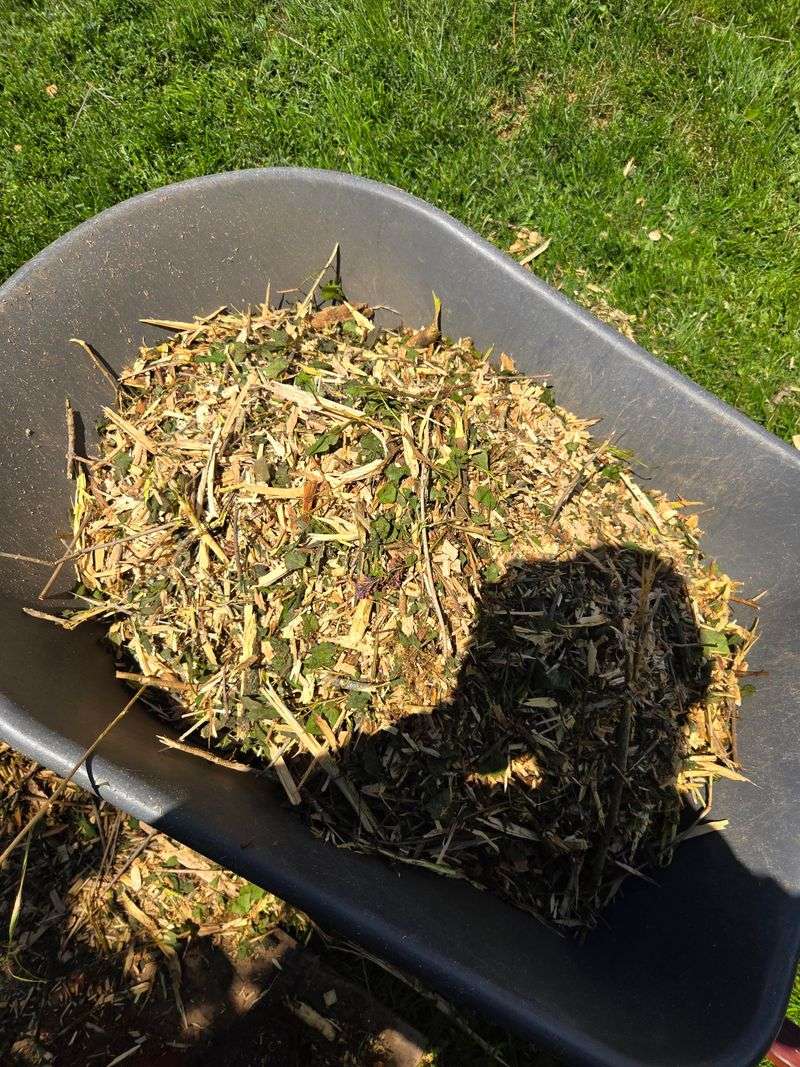
Microbes are hungry little things, and by September your pile has picked its plate clean. Fresh food gets the party going again.
Nitrogen rich greens are the fuel that drives temperature. Grass clippings from a late mow, coffee grounds from a neighborhood shop, kitchen scraps, spent bean and squash vines, and aged chicken or rabbit manure all qualify.
Carbon rich browns are the structure that keeps everything breathing. Dry leaves, pine straw, shredded cardboard, small wood chips, and chopped cornstalks fit the bill nicely.
Aim for two or three parts brown to one part green by volume. Your nose will tell you when it drifts. Ammonia means too many greens, no smell at all means the pile wants more.
Chop bulky material before it goes in. A quick pass with the lawnmower over leaves and old vegetable plants shortens finishing time by weeks, since smaller pieces give microbes more surface to work on.
Skip anything from tomato or squash plants that spent August covered in spots and mildew, which our humid summers encourage. Those spores can ride along into your garden beds next year.
Layer the fresh material as you turn instead of dumping it on top like frosting. Sandwich greens between browns so the whole heap heats evenly.
Do this well and you may see steam rising off the pile on a cool Carolina morning within forty eight hours.
The Waiting Game Most Gardeners Lose Every Autumn
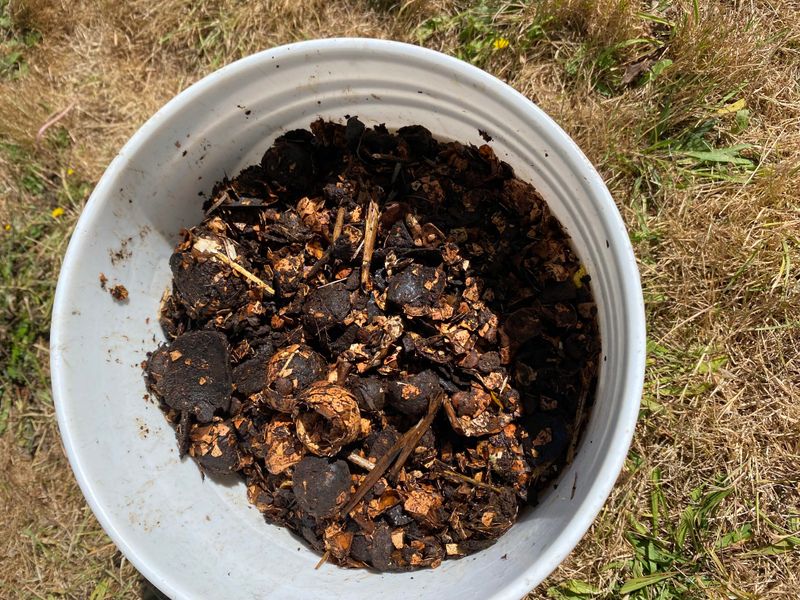
Here is the trap that catches thoughtful gardeners every single year. They know leaves are coming, so they decide to hold off and handle the pile all at once.
Trouble is, our oaks and maples take their sweet time. Across much of the state, the big leaf drop lands from late October into November, and by then the nights have gone cold enough to leave a fresh pile stalled at the starting line.
A cold pile built in November tends to sit untouched until March. Water seeps in, the layers pack down flat, and spring arrives with a heap of soggy brown leaves rather than finished compost.
Better plan: turn and feed what you already have in September, then treat autumn leaves as a separate project.
Rake leaves into a wire ring, a stack of bagged piles, or a simple corner heap and let them sit as a brown ingredient pantry. Pull from that stash all winter and into next summer whenever a pile needs drying out or loosening.
Another version of the same mistake involves adding a mountain of fresh grass clippings and calling it done. Without turning, that layer mats into a slick green pancake that blocks air.
Consistency wins here, not heroics. Fifteen minutes now, a quick turn in October, and a final check before Thanksgiving beats one exhausting Saturday spent wrestling a cold, wet pile in the drizzle.
The Rich Black Payoff Sitting Ready For Spring Planting
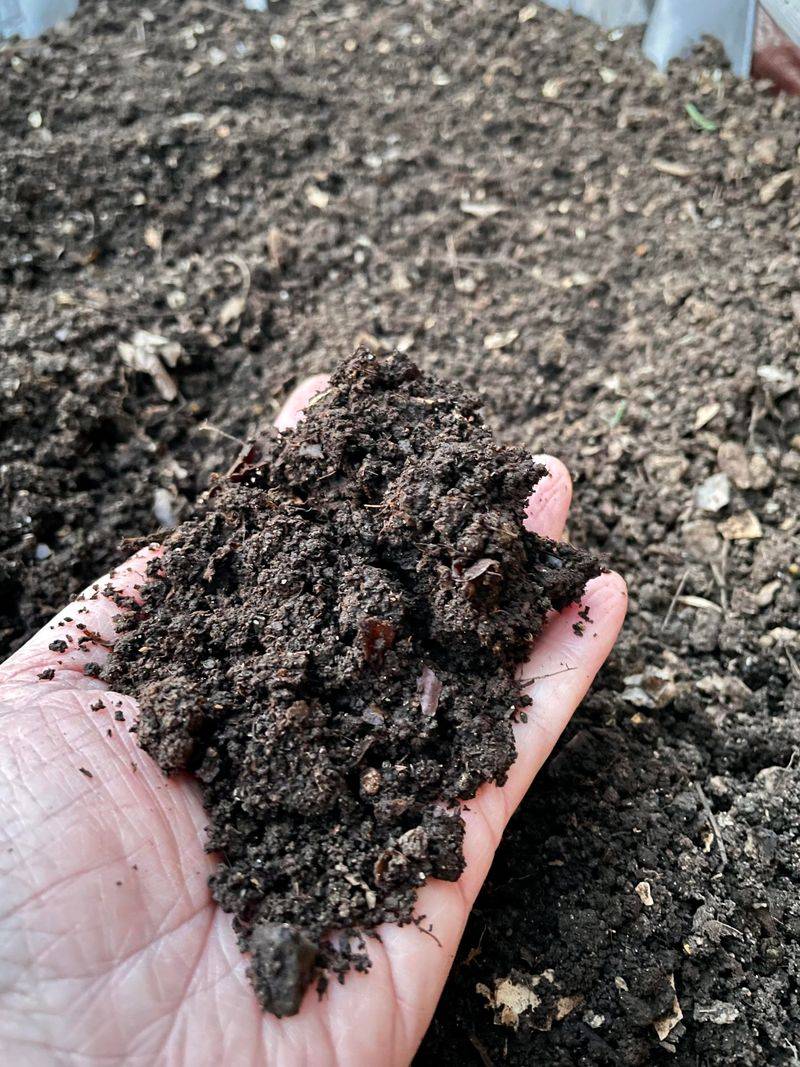
Picture a Saturday in early April. You lift the tarp off the pile and find dark, loose, sweet smelling crumbs that fall through your fingers like coffee grounds.
That is the reward for twenty minutes of forking around in September. A pile turned and fed at the right moment usually finishes over winter, even while it naps through the coldest weeks.
North Carolina red clay hungers for organic matter more than most soils in the country. Working two or three inches of homemade compost into a bed loosens that tight orange subsoil and helps water soak in instead of running off the surface.
Tomato and pepper transplants especially benefit, since compost feeds them slowly rather than in one big rush. Blueberries, collards, and flower borders appreciate a top dressing too.
Run the finished material through a piece of half inch hardware cloth stretched over a wooden frame if you want a fine texture for seed starting. Toss the chunky leftovers back into the new pile as a starter culture full of active microbes.
Keep the finished batch covered through winter so nutrients stay put rather than washing away in our rainy months. A tarp or a lidded bin handles that job.
Money saved is real too, since a few cubic yards of quality bagged compost adds up quickly at the garden center.
All of it traces back to one September afternoon and a garden fork you already own.