The Leggy Hopping Creatures In Maryland Basements Are Often Mistaken For Spiders
Some basement bugs have no ears, no chirp, and back legs strong enough to fling them several feet in one leap. I learned that the hard way while hauling a laundry basket down my stairs.
The culprit landed on my sock and then sprang off again. Truth is, I yelped loud enough to startle the cat upstairs.
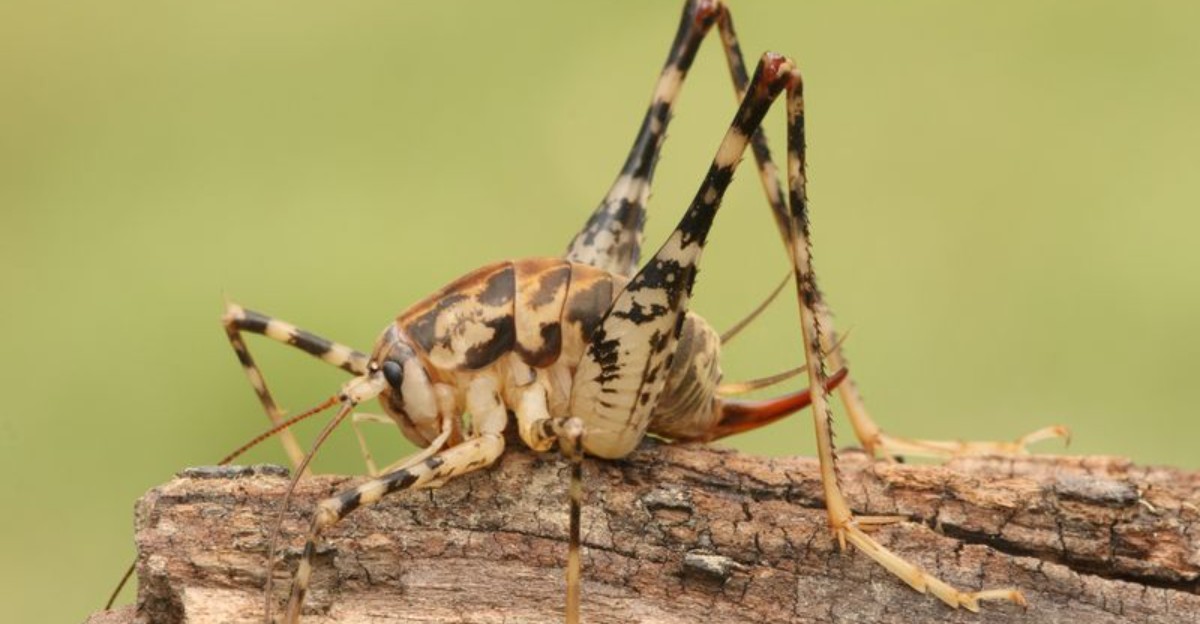
These hunched, long-legged jumpers show up in damp corners all over Maryland. They look like something stitched together from a spider and a grasshopper, and their antennae can stretch longer than their bodies.
I get it if your first move is reaching for a shoe. Before you swing, though, ask yourself a better question. What exactly is hopping around down there, and why does it love your basement so much?
That Humpbacked Jumper Has A Secret Identity
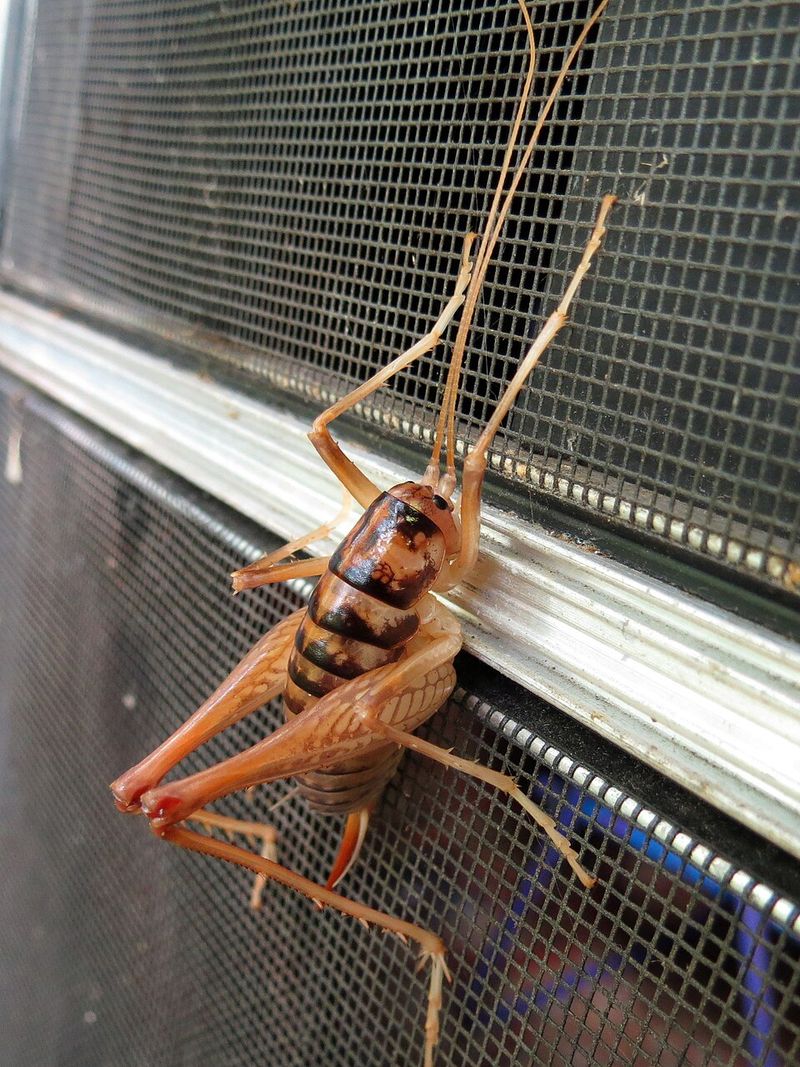
Count the legs before you panic. That leggy thing frozen next to your water heater has six legs, not eight, and that one detail changes everything.
You are looking at a camel cricket, an insect that belongs to the same broad group as grasshoppers and katydids. Some people jokingly call them sprickets because the long, bent legs give off strong spider vibes. Their curved, humped backs are where the camel part of the name comes from.
Spiders have two body sections and no antennae. Camel crickets have three body sections, a pair of whip-thin antennae that often stretch past their own body length, and huge back legs built like springs. Their color tends to be tan or brown with darker mottled bands, which helps them blend into cardboard boxes and dusty floors.
Not going to lie, I misjudged them for years. I assumed every jumping shadow in the basement was some sort of hunting spider.
Once you know the clues, spotting the difference takes seconds. Look for those long antennae and the humped shape. If you see both, relax a little, because you are dealing with a cricket that wants damp shelter, not a meal of you.
Camel Crickets Aren’t Known To Bite You Or Your Pets
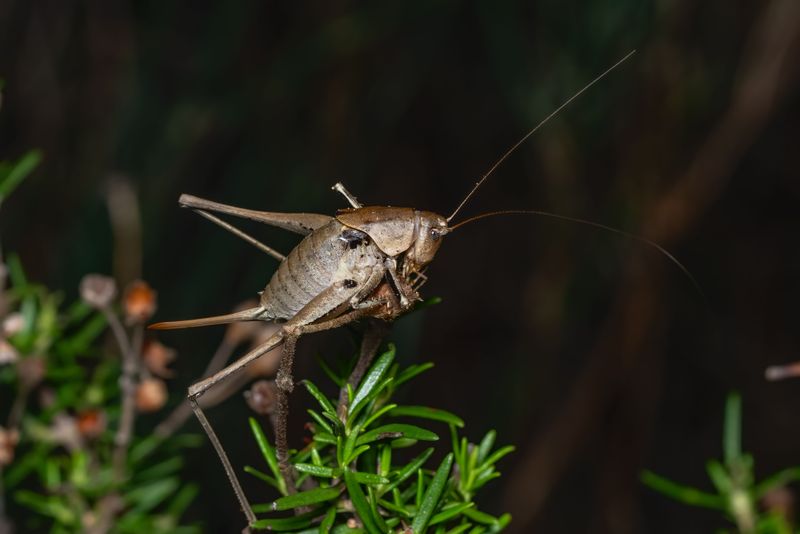
Breathe easy. Camel crickets have no venom, they do not sting, and they are not known to bite people or pets.
Extension entomologists, including those at Penn State and the University of Maryland, describe them as nuisance pests rather than health threats. They do not carry diseases the way some household pests do. Their mouthparts are made for chewing soft, decaying material, not for breaking human skin.
So why do they leap straight at you? That scary jump is mostly a panic move. Camel crickets have poor eyesight, and when something big looms over them, they launch in a random direction to escape. Sometimes that direction happens to be your ankle.
I’m the first to admit it still makes me jump too. Knowing the hop is pure fear on their part helps a lot, though.
Curious dogs and cats sometimes chase and eat these crickets. A crunchy snack like that usually causes no trouble for a healthy pet. If your pet seems unwell afterward, check with your vet, since sprayed pesticides are a bigger worry than the bug itself. That is one more reason to skip heavy chemical use in rooms your animals share.
Damp Basement Corners Are Basically A Cricket Resort
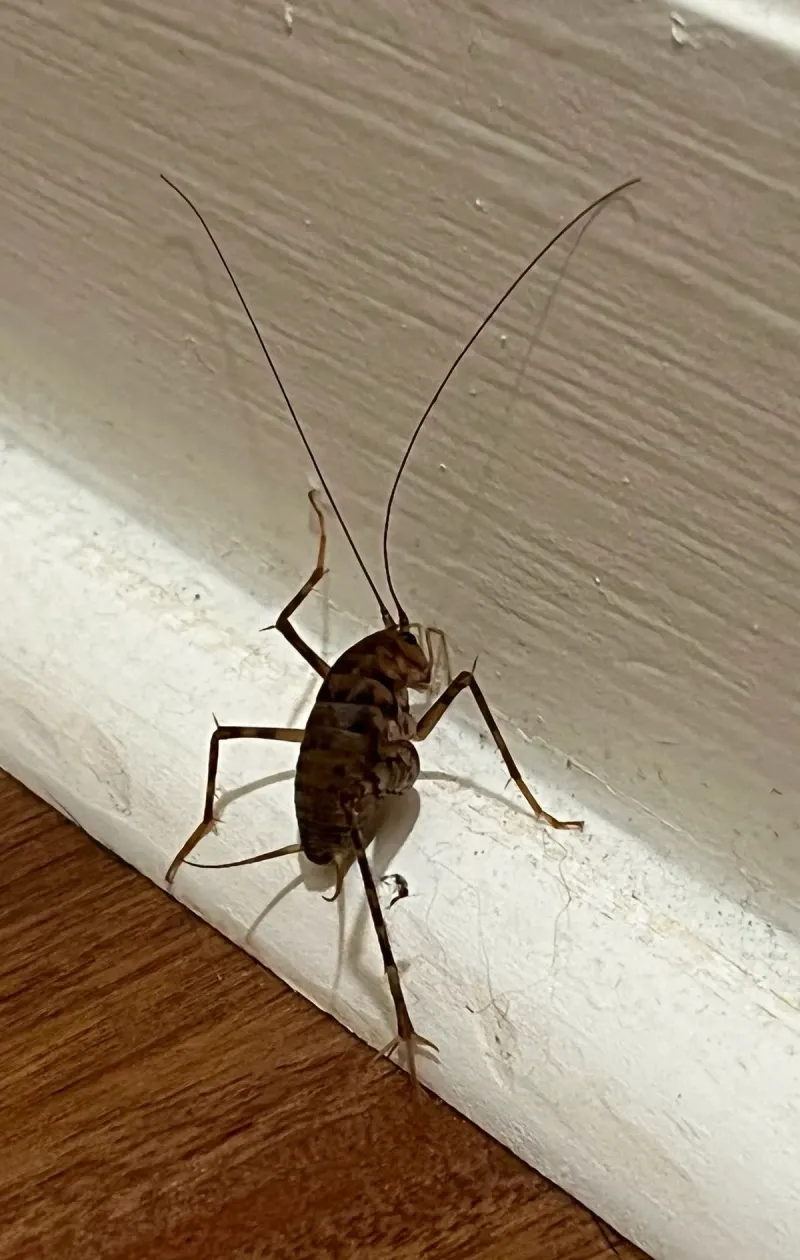
Moisture is the magnet. Camel crickets lose water easily through their bodies, so they hunt for cool, dark, humid spots where they will not dry out.
In the wild, they live in caves, hollow logs, rodent burrows, and under stones and leaf piles. That is why another common name is cave cricket. Your basement, crawl space, or garage copies those cave conditions surprisingly well.
Summer in Maryland brings sticky air and heavy storms. Below ground, concrete walls sweat, sump pits stay wet, and stored boxes soak up humidity. Late summer and early fall are when many homeowners notice the most activity, as crickets wander in looking for stable shelter.
Favorite hiding spots include:
Spaces behind water heaters and washing machines. Floor drains and sump pump areas. Piles of cardboard boxes or old carpet. Window wells packed with damp leaves.
Don’t laugh, but I once found a dozen of them clustered inside a rolled-up yoga mat. Anything soft, dark, and slightly damp counts as prime real estate. If you know where they gather, you know exactly where to start your cleanup.
No Chirping, Just Big Leaps And A Quiet Appetite
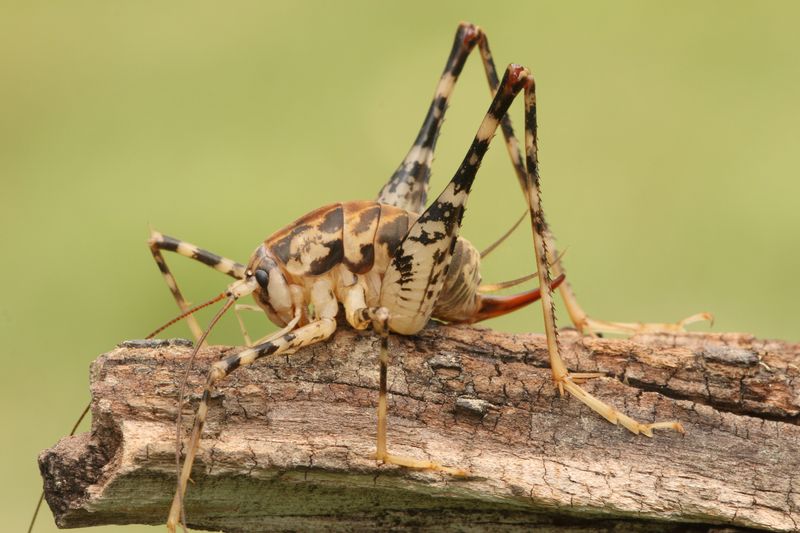
Ever notice how silent your basement stays, even with crickets around? Camel crickets have no wings, so they cannot rub wings together to make the classic summer chirp.
That silence is part of what makes them so sneaky. You rarely know they are there until a light flicks on and they scatter.
Their menu is broad. These scavengers nibble on fungi, mold, decaying plant matter, and other insects. Indoors, they may also chew on stored fabrics, paper, cardboard, and items that are already damp or dirty.
Fun fact for the gardeners out there. Outdoors, camel crickets help break down leaf litter and organic debris, acting like a tiny cleanup crew in mulch beds and woodpiles.
Indoors, their snacking rarely causes major damage. Large numbers, however, can leave chewed spots on cardboard boxes, old clothes, or curtains stored in damp corners.
A smart move is to store keepsakes in sealed plastic bins instead of cardboard. That one change protects your belongings and removes both a food source and a hiding place in a single step. I switched my holiday decorations over years ago and never looked back.
A Crowd Of Cave Crickets Means Moisture Needs Attention
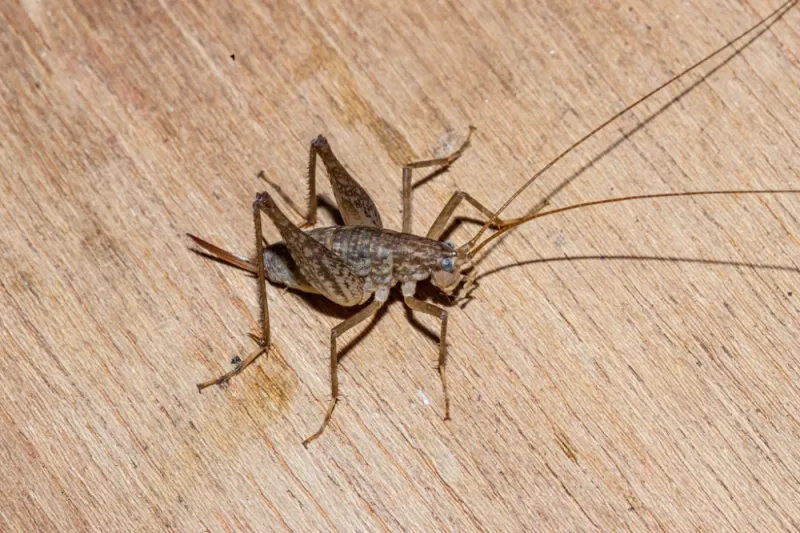
Spotting one cricket is no big deal. Spotting fifteen at once is your house waving a little flag.
Large camel cricket groups usually point to excess humidity, leaks, or poor drainage. In a way, they work like six-legged moisture meters.
Grab an inexpensive hygrometer from a hardware store and set it in your basement for a few days. Many experts suggest keeping indoor humidity below about 50 percent to discourage mold, dust mites, and moisture-loving insects. If your reading sits well above that, the crickets have a reason to stay.
Check a few likely trouble spots:
Gutters that overflow near the foundation. Downspouts that dump water against the house. Soil that slopes toward your walls instead of away. Leaky pipes or a sweating cold water line.
I learned the hard way that ignoring these clues costs more later. Damp basements invite mold, musty smells, and damage to stored items, not just crickets.
Treat the bugs as messengers. Fixing the water issue usually shrinks their numbers far better than any spray, and your basement ends up healthier for people too.
Run A Dehumidifier And Set Sticky Traps Along Basement Walls
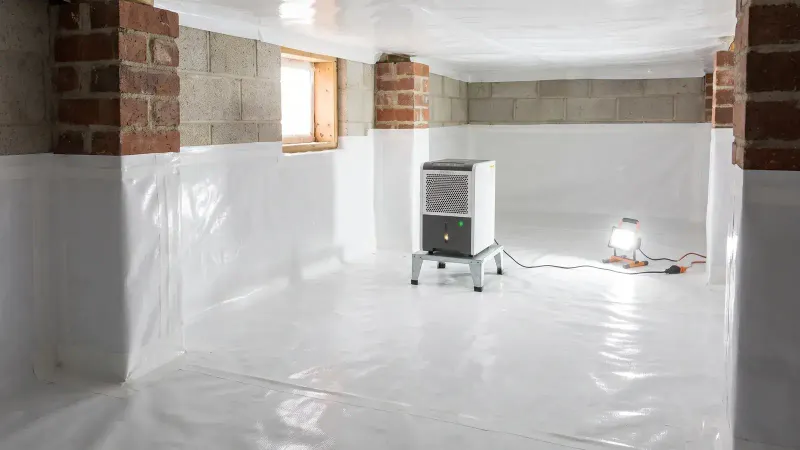
Ready for the practical part? Two simple tools handle most camel cricket problems, and neither involves dousing your home in chemicals.
First, a dehumidifier. Pick one sized for your basement square footage and empty it often, or connect a drain hose to a floor drain or sump pit. Drying the air makes your home far less inviting within a few weeks.
Second, sticky glue traps. Place them flat along walls, in corners, and near drains, since crickets travel along edges. Traps catch the ones already inside and show you where activity is heaviest.
Trust me on this one. Check traps weekly and swap them out when they fill up.
A few extra tips help:
Run fans to improve air flow in stuffy rooms. Clear clutter off the floor so crickets have fewer hideouts. Vacuum up visible crickets and empty the canister outdoors.
Chemical sprays are usually unnecessary in homes. If a heavy problem persists, a licensed pest professional can target outdoor entry areas. Keep pets and kids in mind before using any product, and follow label directions carefully if you do.
Tidy Foundation Beds And Sealed Cracks Keep Hoppers Outside

My garden habits turned out to be part of the problem. Thick mulch, piled leaves, and firewood stacked against the house created a cozy cricket highway straight into my basement.
Outdoors, aim to keep the zone next to your foundation drier and less cluttered. Pull mulch back a few inches from the siding, or swap a narrow strip for gravel. Rake leaves out of window wells, and stack firewood away from the house and off the ground.
Trim shrubs and groundcovers so they do not hug the walls. Better air flow helps soil dry faster after Maryland rainstorms.
Next, block the doors they use. Caulk cracks in the foundation, seal gaps around pipes and wires, and add weatherstripping or door sweeps to basement and garage doors. Screen any vents that are open to the outside.
Here’s what gets me. Many of these fixes also help with mice, ants, and drafts, so the effort pays off several ways.
Camel crickets play a useful role outdoors, breaking down debris in leaf litter. The goal is simple coexistence. Let them do their work in the woodpile, and keep your basement dry, sealed, and hop-free.