That’s Probably Not A Brown Recluse Hiding In Your South Carolina Home
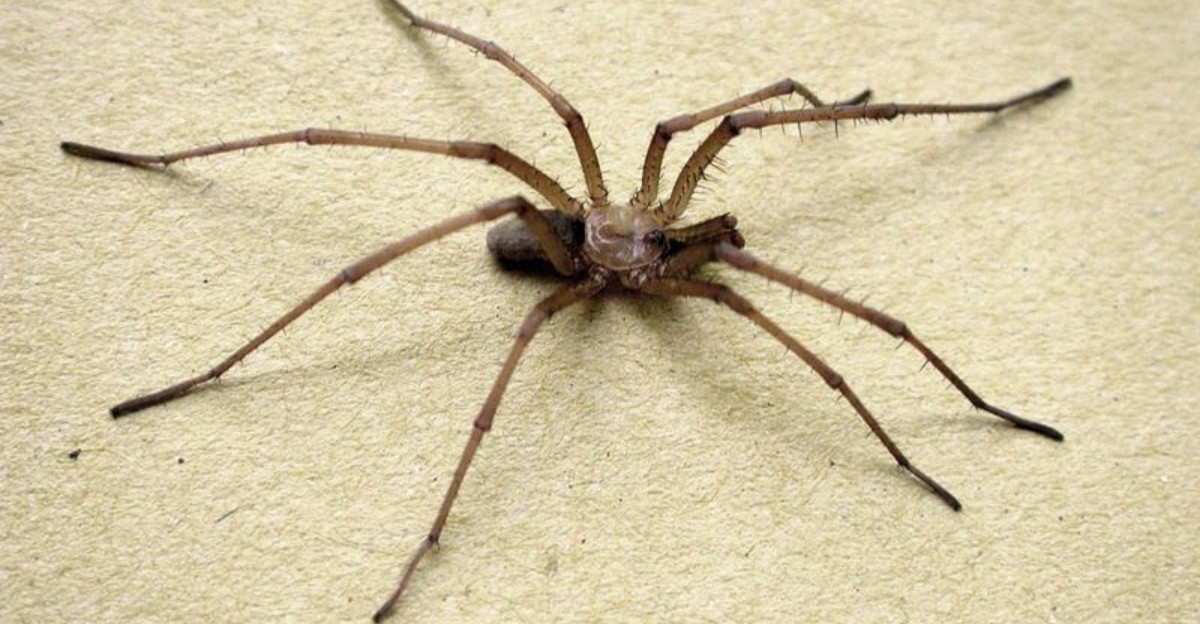
Clemson University’s plant and pest lab has confirmed only a tiny handful of these infamous spiders in South Carolina over many decades. Meanwhile, doctors and worried homeowners report “bites” from them all the time.
That gap made me laugh out loud the first time I read about it. Call me jumpy, but I once trapped a fuzzy brown spider under a jar and stared at it for an hour, convinced I had found the real deal.
Truth is, most of us have never been taught what to look for. We see brown legs, a long body, and a shadowy hiding spot, and our brains fill in the scary rest.
But what was really under my jar that night? And what are the odds that the one in your closet, garage, or potting shed has been mislabeled all along?
The Brown Spider In Your Closet Has A Long List Of Look-Alikes
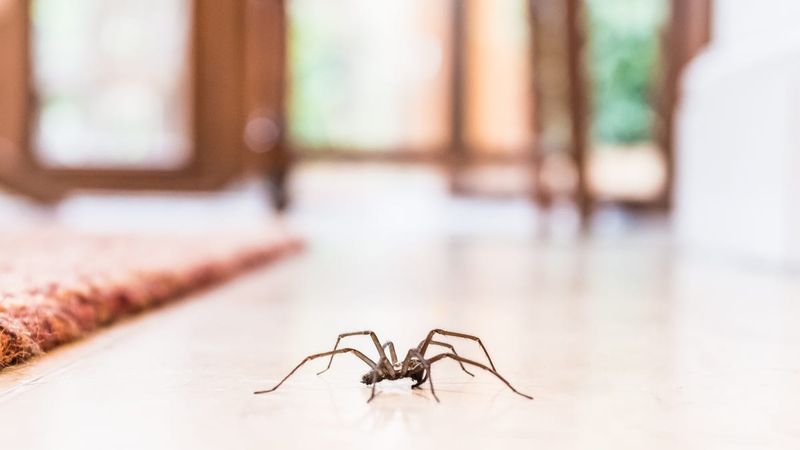
Brown spiders are everywhere in the South, and almost all of them get blamed for something they did not do. Spider experts at universities across the country say the same thing. Most spiders submitted as brown recluses turn out to be something else.
In South Carolina, the native range of the brown recluse barely reaches the state, if at all. The species lives mainly in the central Midwest and parts of the South, like Missouri, Kansas, Oklahoma, Tennessee, and Kentucky. The few recluses confirmed here were likely hitchhikers, carried in with furniture or boxes from other states.
So who is really scuttling across your bathroom floor? The usual suspects include southern house spiders, wolf spiders, fishing spiders, cellar spiders, and grass spiders. Each one is brown or tan, and each one can look alarming when it appears out of nowhere at midnight.
I find this reassuring in a funny way. Your home is not secretly crawling with dangerous spiders. It is more likely sharing space with ordinary hunters that eat flies, roaches, and other pests you did not want anyway.
Knowing the look-alikes is the first step. Once you can name them, the panic tends to fade fast.
Count The Eyes Before You Grab That Shoe
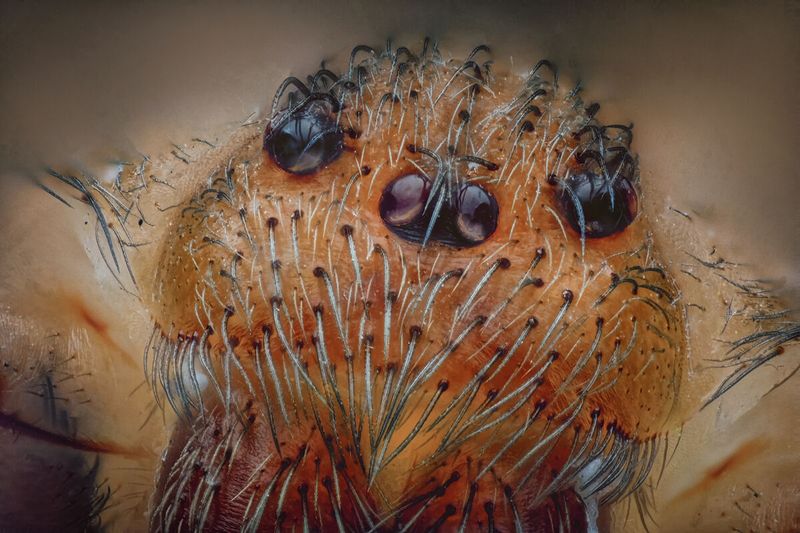
Six eyes. That one detail settles most arguments about brown recluses, and it is a far more reliable clue than the famous violin marking.
Brown recluses have six eyes arranged in three pairs, set in a gentle curve on the front of the head. Most other spiders you will meet indoors have eight eyes. Wolf spiders, house spiders, and fishing spiders all fall into that eight-eyed crowd.
You will need a magnifying glass or a phone camera with good zoom to check. Trap the spider under a clear cup, slide a card underneath, and take a close photo. Do not try to hold it in your hand.
A few other clues help too. A true recluse has a plain, evenly colored abdomen with no stripes or spots. Its legs are thin, the same color all the way down, and free of bands or heavy spines.
Size matters as well. The body is roughly a quarter inch to a half inch long, and with legs stretched out it is about the size of a quarter. Anything much larger, hairier, or more colorful is almost certainly not a recluse.
If you still are not sure, Clemson Extension can help with identification. A clear photo often does the trick.
Southern House Spider Males Fool Almost Everyone
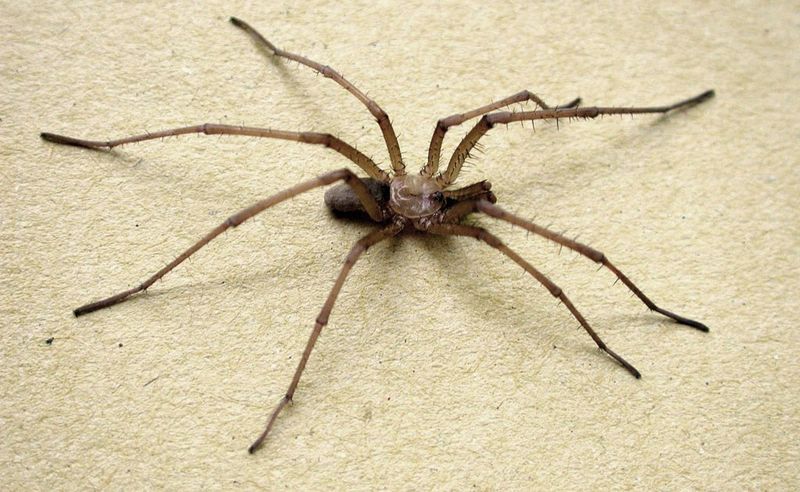
Long legs, a tan body, and a habit of wandering across floors at night. Sounds like a recluse, right? Meet the male southern house spider, one of the most common imposters in Southern homes.
Females of this species are dark, chunky, and mostly stay hidden in tangled webs around window frames and under eaves. The males look so different that people rarely connect the two. They are slimmer, lighter brown, and they roam around searching for mates.
Spider researchers note that these males are among the spiders most often mistaken for brown recluses in the Southeast. They even have a darker area on the front of the body that can resemble a violin if you squint.
Here is how to tell them apart. Southern house spiders have eight eyes clustered tightly together on a small bump. Their legs are often fuzzier, and their mouthparts stick out more noticeably.
Not going to lie, I used to swat them on sight. Now I usually scoop them into a cup and release them outside near the porch. They are harmless to people and help keep insect numbers down around doors and windows.
Wolf Spiders Are The Hairy Sprinters In Your Garden Beds
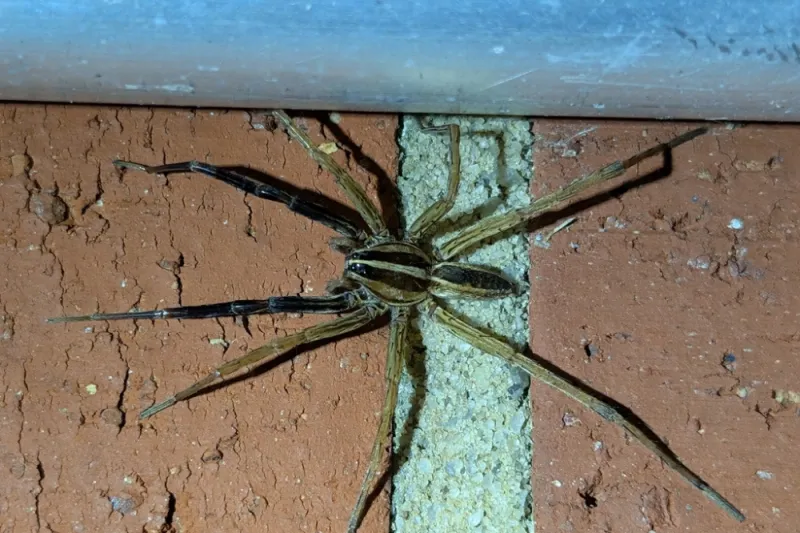
Anyone who has pulled back pine straw and watched a big brown spider bolt away has met a wolf spider. They are fast, bold, and a little startling, but they are garden allies.
Wolf spiders do not build webs to catch prey. They chase it down on the ground, hunting crickets, beetles, and other insects through mulch, leaf litter, and lawns. Sometimes they slip indoors through gaps under doors, especially when the weather shifts.
Telling them apart from a recluse is fairly easy once you look. Wolf spiders are usually larger, hairier, and marked with stripes or mottled patterns. They have eight eyes, including two big ones that reflect light, which is why they shine like tiny jewels if you walk the yard at night with a flashlight.
Mothers carry their egg sacs attached to their spinnerets. After hatching, the babies ride on her back for a while, which is a sight worth seeing.
A wolf spider can bite if handled roughly, but the bite is usually mild, similar to a bee sting. Leave them in your garden beds, and they will quietly patrol for pests all season.
That Violin Marking Is A Shaky Clue
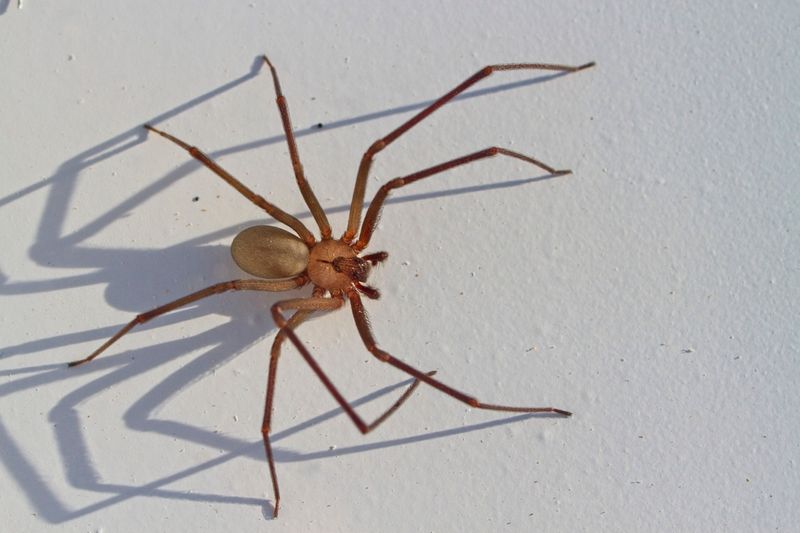
Ask most folks how to spot a brown recluse, and they will mention the violin. It is the most famous feature, and it is also one of the least reliable.
The dark fiddle-shaped mark sits on the front section of the body, with the neck of the violin pointing toward the rear. On some recluses it is crisp and clear. On younger spiders or certain individuals, it can be faint and hard to see.
The bigger problem is that many harmless spiders have dark markings in that same spot. Cellar spiders, house spiders, and several ground spiders can show patterns that look violin-ish to a nervous eye. Once you expect to see a violin, your brain tends to find one.
I learned the hard way that marking-hunting leads to false alarms. One evening I was sure I had a fiddleback in the laundry room. Under a magnifying glass, it had eight eyes and banded legs.
Use the violin as a supporting clue, not the main one. Check the eye count first, then confirm plain coloring on the legs and abdomen. Those features together give you a much clearer answer than any marking alone.
Plenty Of Spider Bite Diagnoses Are Something Else Entirely
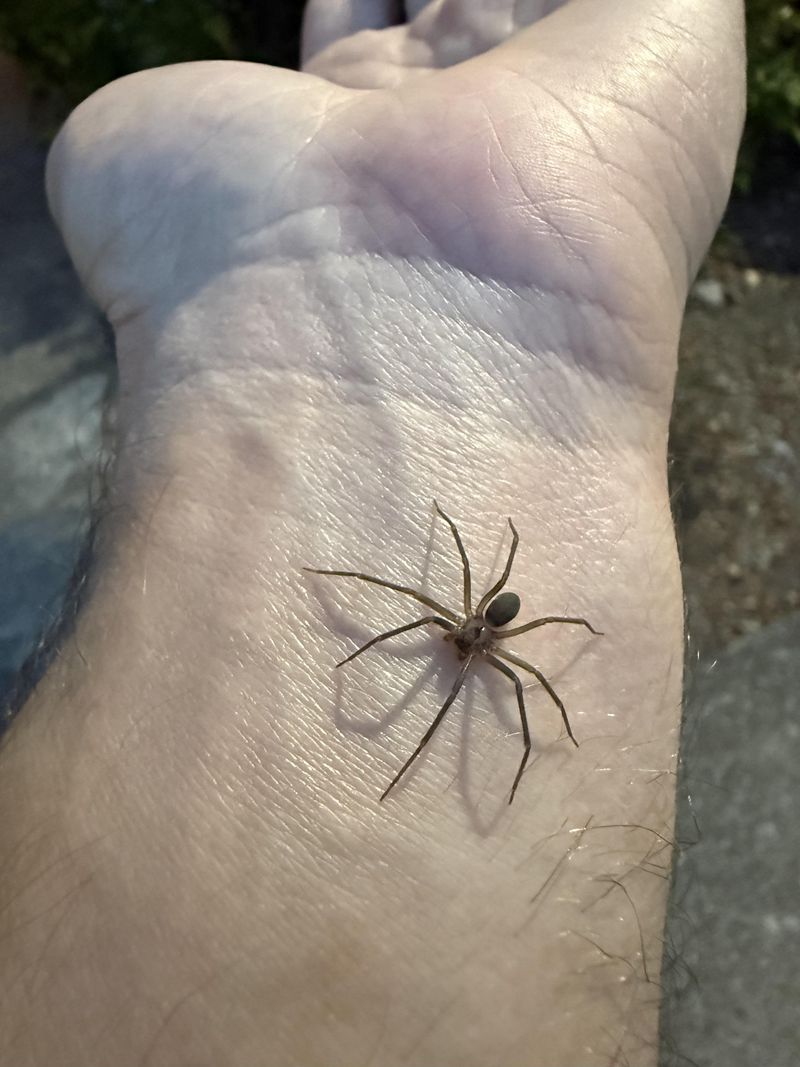
Red, swollen, painful spot on your leg? Many people blame a spider right away. Doctors and spider experts say that guess is often wrong.
Skin infections, especially MRSA, are among the most common conditions misdiagnosed as spider bites. Other causes include bites from fleas, bed bugs, ticks, or mosquitoes, plus allergic reactions, ingrown hairs, and certain skin conditions. Researchers have found that in areas with few or no recluses, reported recluse bites far outnumber the spiders actually found.
Even genuine brown recluse bites usually heal without serious problems. Only a small share lead to a slow-healing wound where skin tissue breaks down. Most cause minor redness and itching.
Trust me on this one. If a wound grows, spreads, oozes, or comes with fever, see a doctor promptly. An untreated infection can become a bigger issue than any spider would cause.
Bring the spider along if you actually saw it bite you, even if it is squashed. A sealed bag or small jar works well. Without the spider, a bite diagnosis is mostly guesswork, and the right treatment depends on knowing the real cause.
Cardboard Boxes And Garage Clutter Make Cozy Spider Hideouts
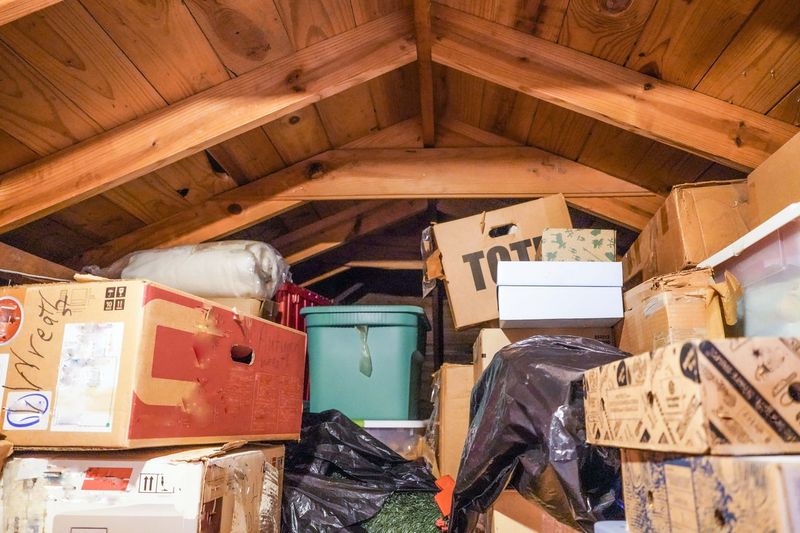
Spiders love the same spots we forget about. Think of the box of holiday decorations in the attic, the stack of old pots in the shed, or the pile of gardening gloves by the back door.
Brown recluses earned their name by preferring dark, quiet, undisturbed places. Many look-alike spiders do too. Cardboard is a favorite because it has folds and crevices that make great shelter.
Swapping cardboard for plastic bins with tight lids helps a lot. Keep stored items off the floor and away from walls where you can. Clear out clutter in closets, basements, and crawl spaces at least once or twice a year.
Gardeners should pay special attention to potting sheds and tool racks. Gloves, boots, and bags of potting mix can sit untouched for weeks. Give them a hard shake before use, and you will rarely get a surprise.
Outdoors, move woodpiles, bricks, and debris away from the foundation of your house. Trim shrubs so they do not touch siding. Fewer hiding places near the walls means fewer spiders and fewer insects for them to chase indoors in the first place.
A Sticky Trap And A Clear Photo Can Settle Your Spider Worries
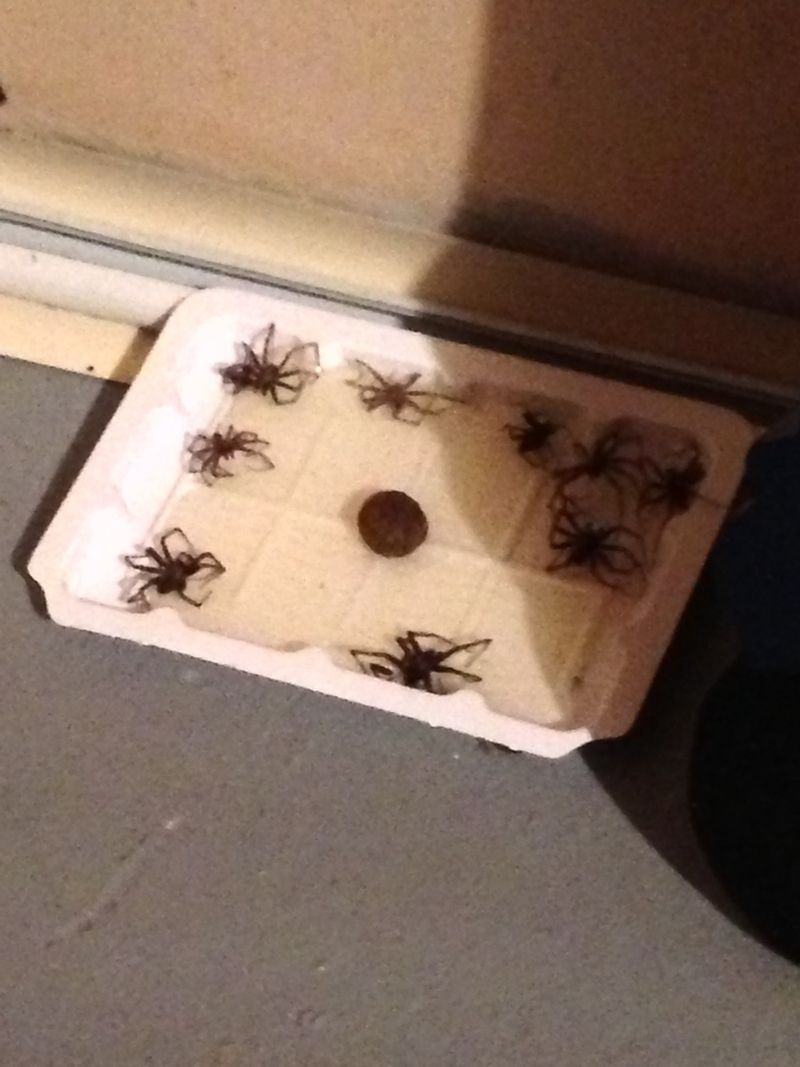
Peace of mind costs just a few dollars. Sticky glue traps, the flat cardboard kind sold at hardware stores, are one of the best ways to find out who is living in your home.
Place them along baseboards, behind furniture, in closets, and in the garage. Spiders tend to run along edges, so corners are prime real estate. Check the traps every week or two and see what turns up.
When you catch a brown spider, snap a sharp close-up photo. Focus on the eyes, the legs, and the abdomen. Then compare it with identification guides from Clemson Extension or another university program.
If you still think you have a real recluse, contact your county Extension office for help. Experts can confirm the species, which matters a lot, since recluses rarely show up in South Carolina. A confirmed find may call for a licensed pest professional.
For everyone else, the takeaway is simple. Tidy up, seal gaps around doors and windows, and let the harmless hunters do their jobs. That brown visitor is most likely a helpful neighbor, not the villain of your nightmares.