How California Gardeners Turn Fallen Leaves Into Free Mulch For Dry Soil
Crumbly, half-broken-down leaves can hold several times their own weight in water. Tucked over a garden bed, they soak up winter rain like a sponge and release it to thirsty roots.
I love how nature handles this job. Bare dirt bakes in the sun and can seal into a hard crust when raindrops pound it. A layer of shredded leaves shades the ground, slows evaporation, and helps storms trickle in gently instead of running off.
When the leaves start dropping in my yard, I reach for the lawn mower before the rake. A few passes turn a crunchy pile into confetti, and the bagger does the rest.
My mower gets more exercise in November than in May. Using leaves at home also saves them a long ride in a collection truck.
Some of the best garden gold lands in your yard for free, one rustling handful at a time.
That Pile of Raked Leaves Is Worth More Than It Looks
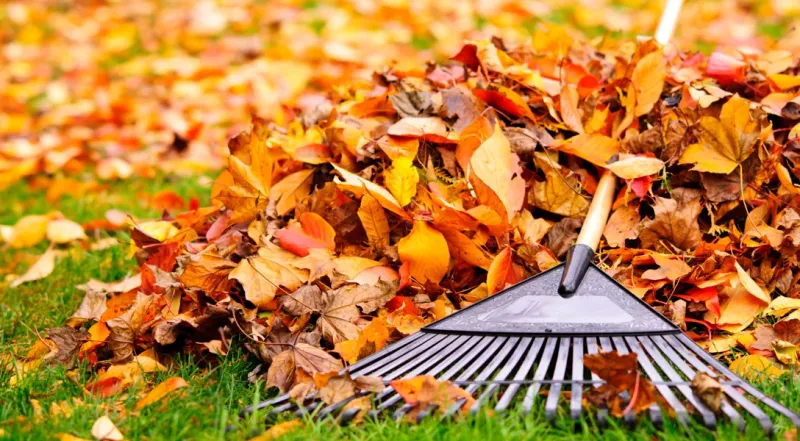
Every autumn, I watch neighbors fill bin after bin with leaves. Meanwhile, their garden beds sit bare and cracked, losing moisture to the sun and wind. Those two problems happen to solve each other.
Leaves are mostly carbon-rich organic matter. Trees pull nutrients from deep in the ground and store some of them in their foliage. When leaves land on soil and slowly break down, those minerals, including calcium, potassium, and magnesium, return to the earth where roots can reach them.
In forests, nobody rakes. The leaf layer builds into a spongy blanket that shades the soil, feeds earthworms, and soaks up rain. Gardeners who copy that system are borrowing a trick nature has used for millions of years.
University of California Master Gardeners often point out that mulching is one of the simplest ways to save water. Leaves do that job for free. You skip the trip to the store, the plastic bags, and the cost.
Many local cities also encourage keeping yard trimmings out of landfills. Under state law SB 1383, organic waste is being diverted to reduce methane. Using leaves right at home is the shortest trip any of them can take.
A Blanket of Shredded Leaves Keeps Dry Soil From Losing Water
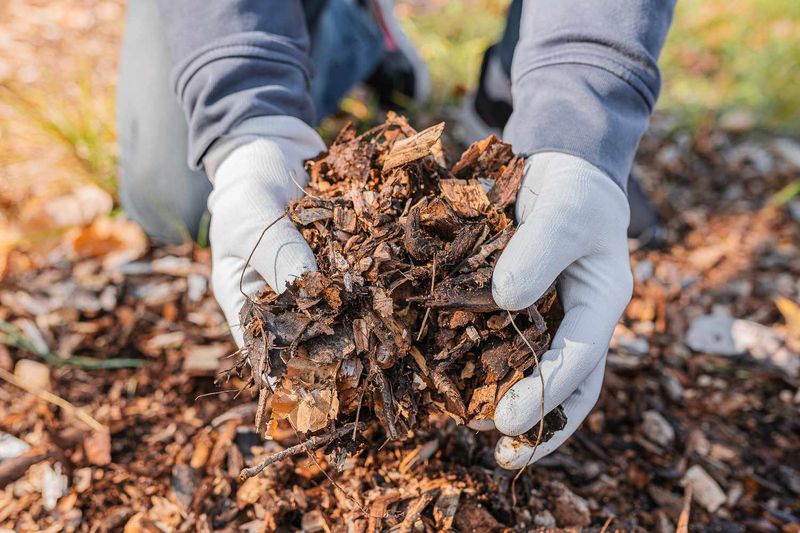
Bare soil in a hot, sunny yard can lose a surprising amount of water to evaporation. Cover it up, and the story changes fast. A layer of leaves works like a shade umbrella for the ground.
Mulch slows evaporation, keeps soil cooler on blazing afternoons, and helps rain soak in instead of running off. UC Agriculture and Natural Resources recommends organic mulch as a key part of water-wise gardening across the state. That matters in places where summer can go months without rain.
Leaves also soften the impact of heavy winter storms. Raindrops hitting bare dirt can seal the surface into a hard crust. With mulch on top, water trickles down gently and the soil stays loose.
I noticed the difference my first summer using leaves. Beds under mulch stayed dark and damp a day or two longer after watering. My tomatoes seemed far less grumpy during heat waves.
Weeds struggle too, since many seeds need light to sprout. Fewer weeds means less competition for every precious drop. That adds up to lower water bills and less time on your knees pulling invaders.
A cool root zone is a happy root zone, and leaves deliver it.
Run the Lawn Mower Over Those Leaves Before You Spread Them
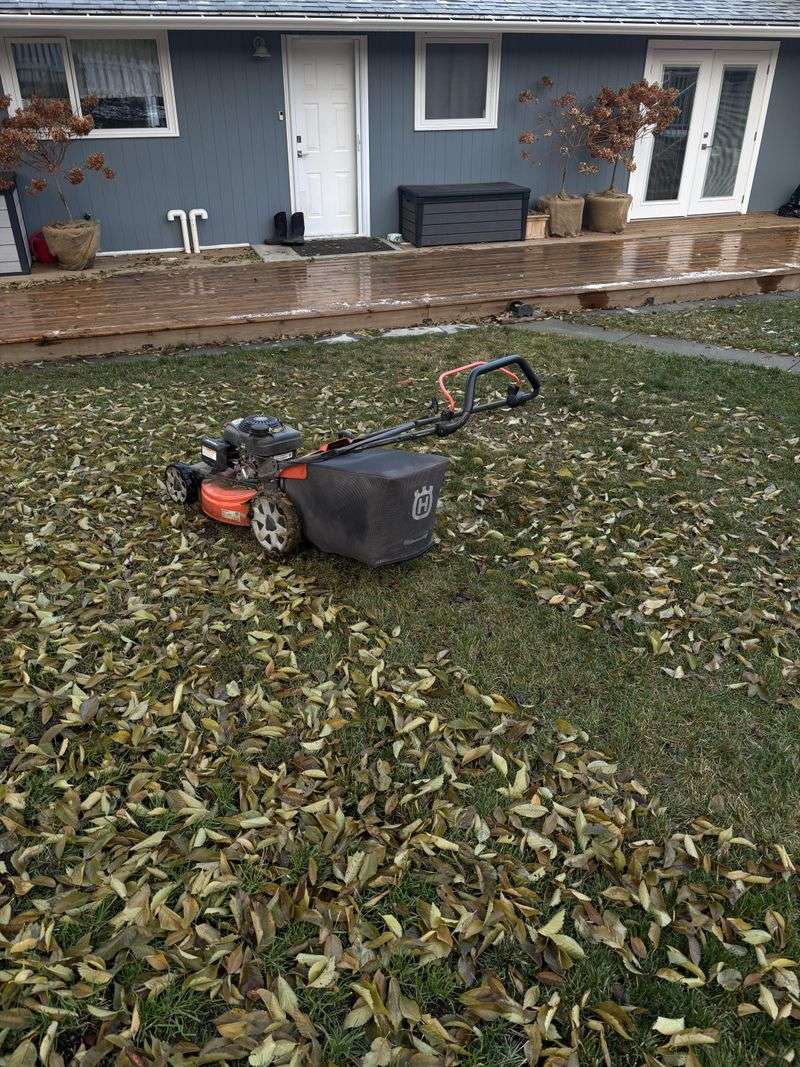
Whole leaves can be a little stubborn. Big, flat ones like sycamore or magnolia tend to stack and press into a soggy mat. That mat can block air and water from reaching the soil underneath.
Shredding fixes the problem. Smaller pieces break down faster because microbes and fungi have more surface to work on. They also knit together loosely, so they stay put on windy days instead of scattering across the patio.
The easiest method uses gear you probably own. Spread leaves on the lawn and run a mower over them a few times, ideally with the bag attached. You end up with a sack of fine, ready-to-use mulch.
Leaf shredders and leaf vacuums with a shred setting work well too. Some gardeners stuff leaves into a sturdy trash can and use a string trimmer like a giant blender. Wear eye protection and a dust mask for any of these tricks.
Dry leaves shred far more easily than wet ones. Try to tackle the job on a sunny afternoon after a few rain-free days. Your mower will thank you, and the finished mulch will look tidy enough to please even fussy neighbors.
Spread Leaf Mulch About Three Inches Deep Around Your Plants
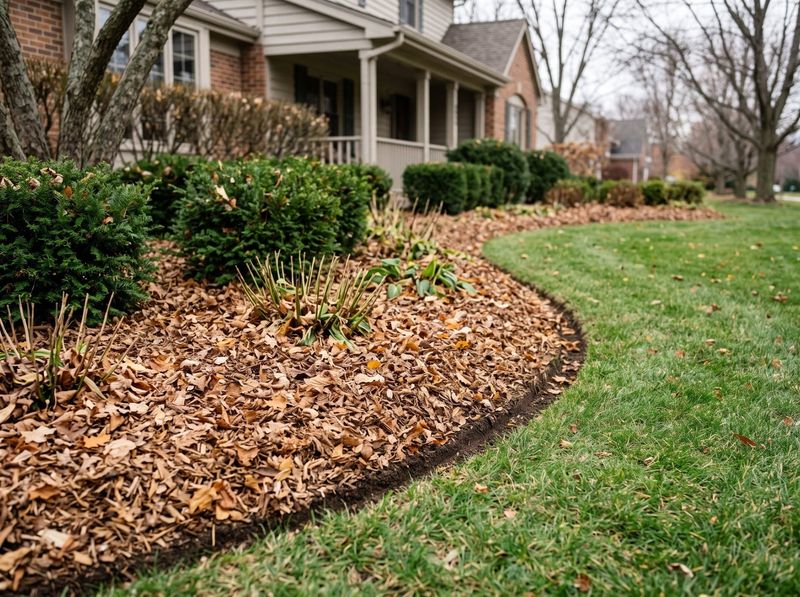
Depth is where many beginners go wrong. Too thin, and the sun bakes right through. Too thick, and water may struggle to reach the roots below.
For most beds, aim for 2 to 4 inches of shredded leaves. Around trees and shrubs, you can spread a wide ring that reaches toward the drip line. That broad circle protects the feeder roots that do most of the drinking.
Keep the mulch a few inches away from stems and trunks. Piling it up against bark traps moisture and invites rot, pests, and disease. Arborists have a nickname for that mistake, volcano mulching, and it shows up in yards everywhere.
Leaves settle as they break down, so a fresh 4-inch layer may shrink by half within a few months. Top it up once or twice a year. Fall and late winter are handy times, since that is when trees are dropping new supplies.
Water deeply before spreading mulch if your soil is bone dry. Mulch holds moisture in, but it won’t create it. Starting with damp ground gives your plants a real head start heading into the warmer months.
Let a Bin of Leaves Turn Into Crumbly Leaf Mold
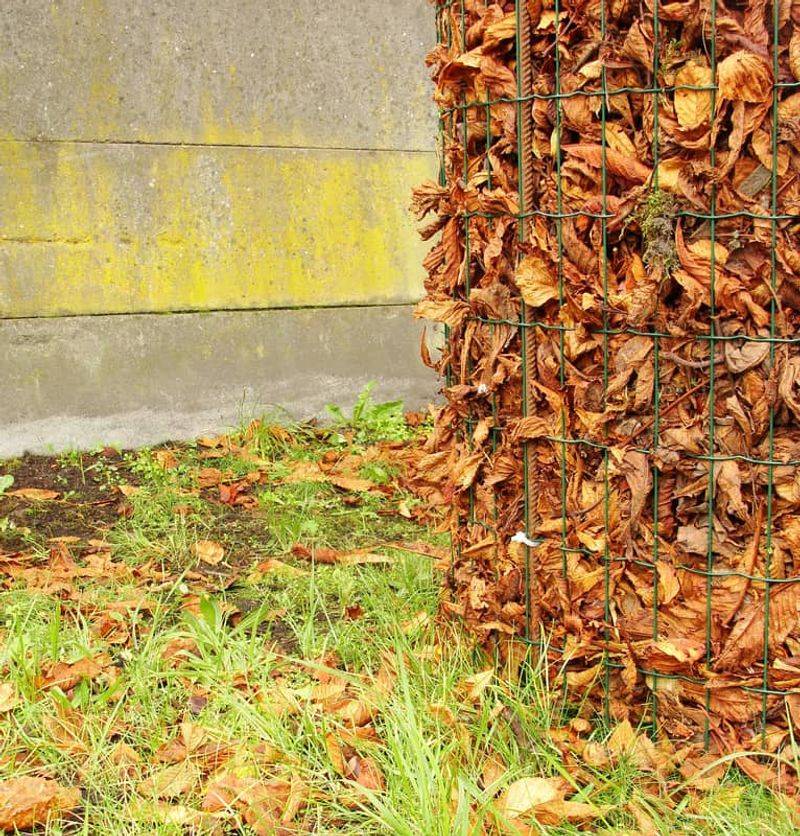
Old-time English gardeners treasured a dark, earthy material they called leaf mold. It smells like a forest floor after rain. Making it takes almost no work at all.
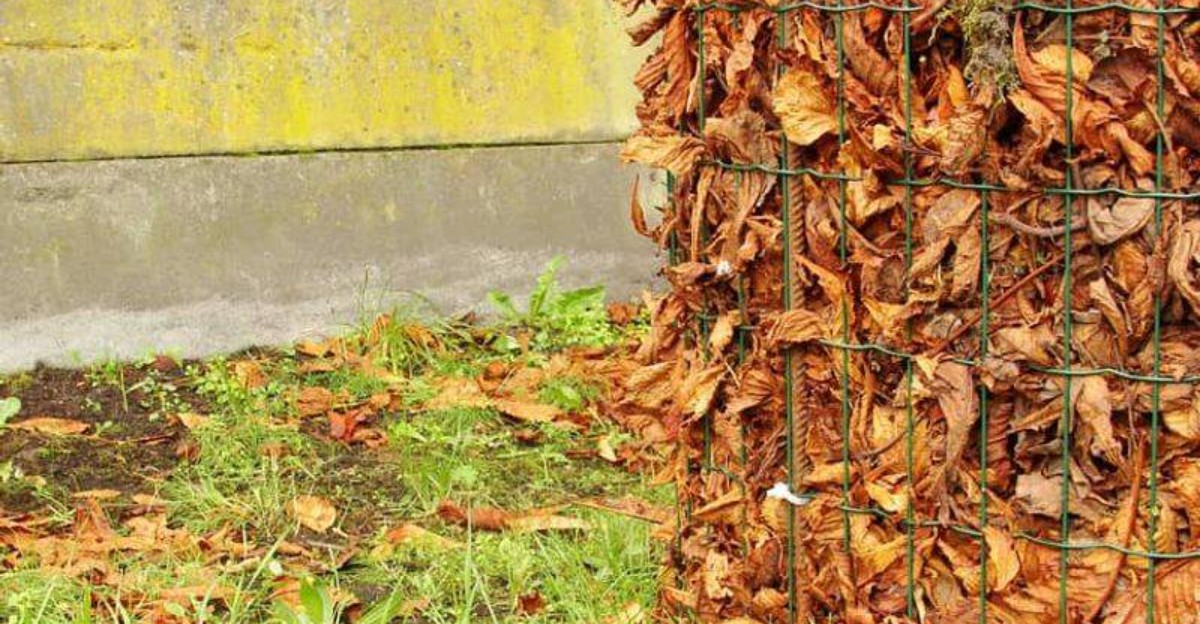
Leaf mold forms when leaves break down mostly through fungi rather than the hot bacteria that power regular compost. Just pile leaves in a corner or a simple wire cage, wet them well, and wait. In six months to two years, you get soft, crumbly brown material.
It isn’t especially high in nutrients. Its real strength is structure. Leaf mold can hold several times its weight in water, helping sandy soils stay moist and loosening heavy clay that drains poorly.
California’s dry summers can slow the process, so keep the pile damp, like a wrung-out sponge. Shredded leaves finish faster than whole ones. Shady spots help hold moisture too.
Some gardeners use big plastic bags with a few holes poked in them. Fill them with wet leaves, tie them shut, and tuck them behind the garage. By next fall, you may find a gift waiting inside.
Mix finished leaf mold into beds, use it as mulch, or add it to potting mixes for containers.
Skip Diseased Leaves and Watch Out for Black Walnut
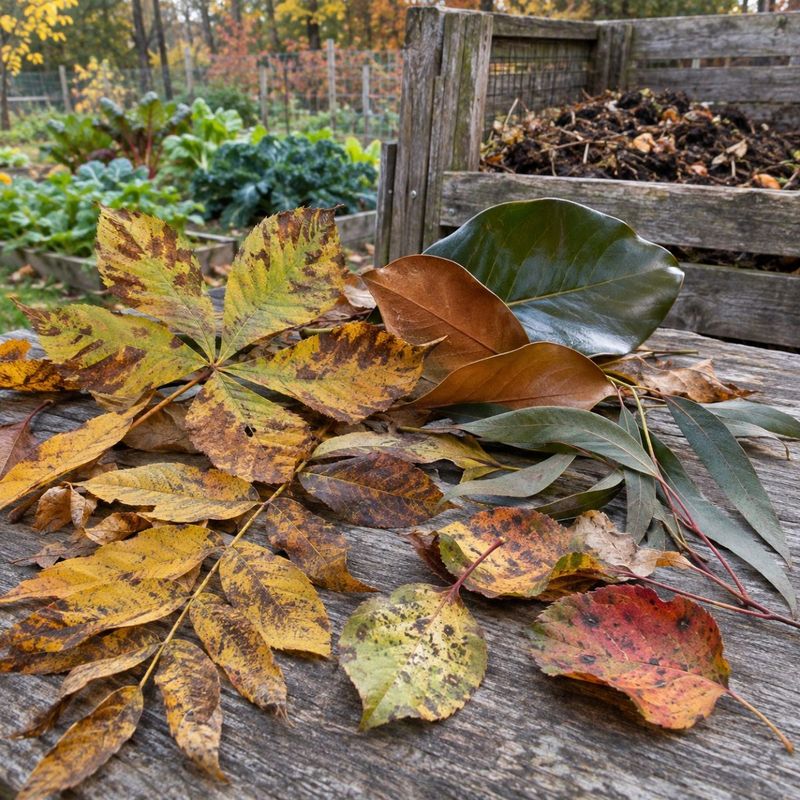
Not every leaf deserves a spot in your beds. A little sorting saves headaches later. Most healthy leaves from common shade trees are fine, but a few deserve a second look.
Black walnut leaves contain juglone, a natural compound that can harm tomatoes, peppers, and some other plants. Composting for several months helps break it down, but fresh walnut leaves are best kept away from vegetable beds. California black walnut grows in parts of the state, so check what’s overhead.
Leaves from trees with fungal problems like anthracnose, scab, or rust can spread spores back to the same plants. Backyard leaf piles rarely heat up enough to stop those organisms. Send infected leaves to the green bin instead.
Fallen leaves from eucalyptus and some oaks can be tough and slow to break down. They still work as mulch, especially under trees and shrubs. Eucalyptus may hold back seedlings, so keep it out of seed beds.
Skip leaves collected near busy roads or sprayed with pesticides. Fire-prone areas need extra care too. Cal Fire advises keeping the first 5 feet around homes mostly free of flammable mulch in wildfire zones.
Bare Soil Patches Help Ground-Nesting Bees Thrive
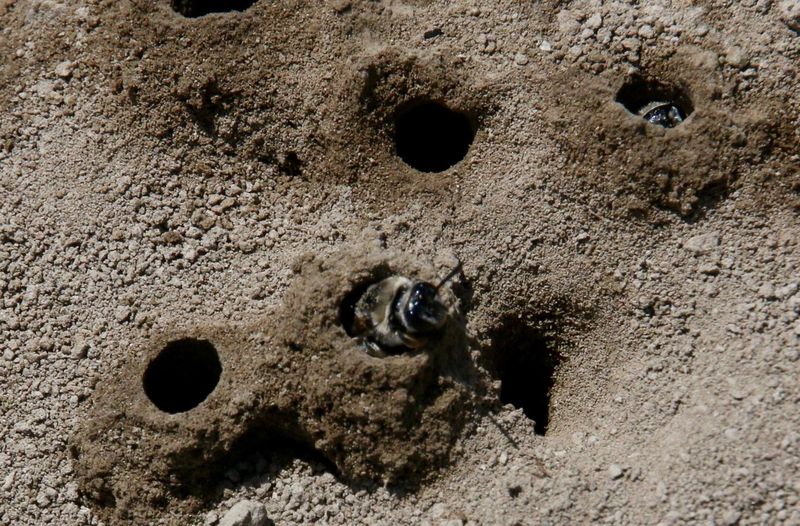
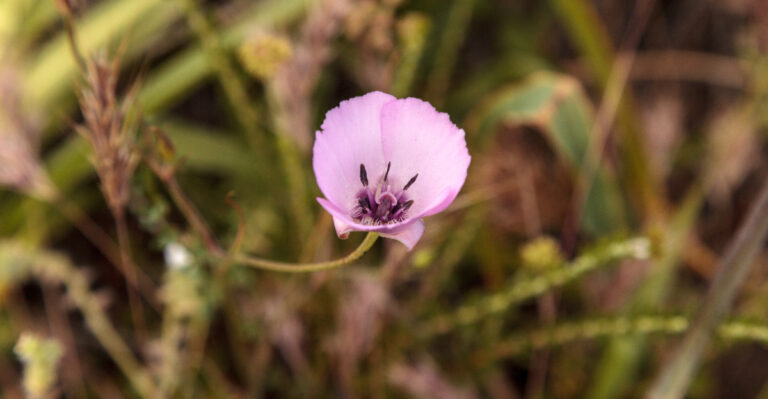
Here’s a twist few gardeners expect. Covering every inch of soil can push out some helpful neighbors. California hosts roughly 1,600 native bee species, and most of them nest underground.
Mining bees, sweat bees, and many others dig tiny tunnels in sunny, bare, well-drained ground. Thick mulch blocks their doors. The Xerces Society suggests leaving small open patches for these quiet pollinators.
A few square feet in a warm, sunny corner often does the trick. Pick a spot with little foot traffic and avoid watering it heavily. Look closely in spring, and you may spot little dirt mounds with holes in the center.
Leaves help other wildlife too. Beetles, spiders, and caterpillars shelter in the leaf layer, and birds love to scratch through it for snacks. Leaving some unshredded leaves under shrubs creates a cozy hideout.
Balance is the goal. Mulch most of your beds to save water, then leave a few bare spots and a few leafy corners for the critters. Your garden becomes a busier, buzzier place, and better pollination often means more fruit and vegetables at harvest time.
Gather Neighborhood Leaves This Fall and Feed Your Garden All Year
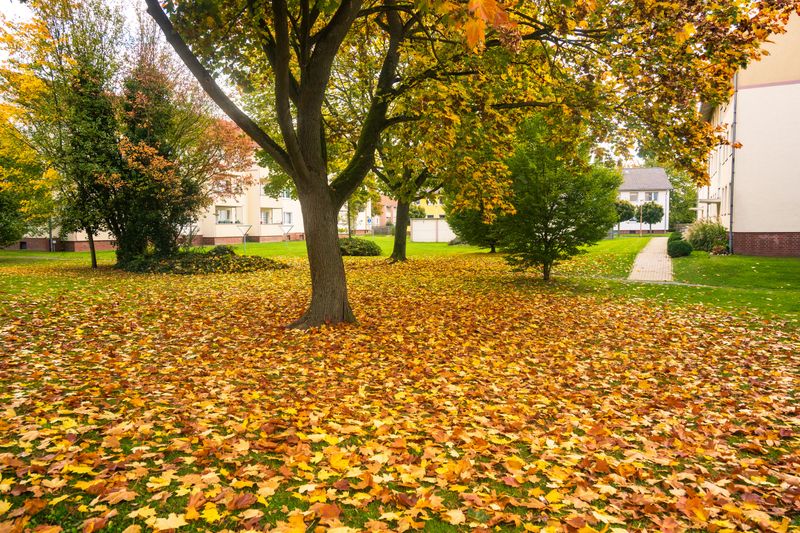
Once you catch the leaf bug, your own trees may not supply enough. That’s when the fun starts. Bagged leaves sitting on curbs become free treasure.
Ask neighbors if you can take their raked piles. Most are happy to share, and some will gladly drop bags at your door. Stick with leaves you know are free of pesticides and disease.
Store extras in a wire bin, a tarp-covered pile, or tied bags tucked out of sight. Dry leaves keep well for months. That stockpile lets you add mulch in late spring before the heat arrives.
Timing varies across the state. Coastal and Southern California trees may drop leaves well into winter, while mountain and northern areas see peak fall color earlier. Gather whenever your local trees let go.
Over a few seasons, the difference shows up underground. Soil turns darker, softer, and full of earthworms. Water soaks in faster and stays longer.
I like to think of every raked pile as a slow, steady deposit in a soil savings account. Start small with one bed this year. Next fall, you’ll probably be the one asking neighbors for their leaves.