Why Rain Doesn’t Soak In After a Drought: The Hard Truth About Virginia Clay Soil
Bone-dry clay can shed rainwater almost as fast as a paved driveway. That sounds backward, since thirsty ground should gulp every drop. Yet after a long dry spell, I have watched a summer storm race across my beds and straight into the street.
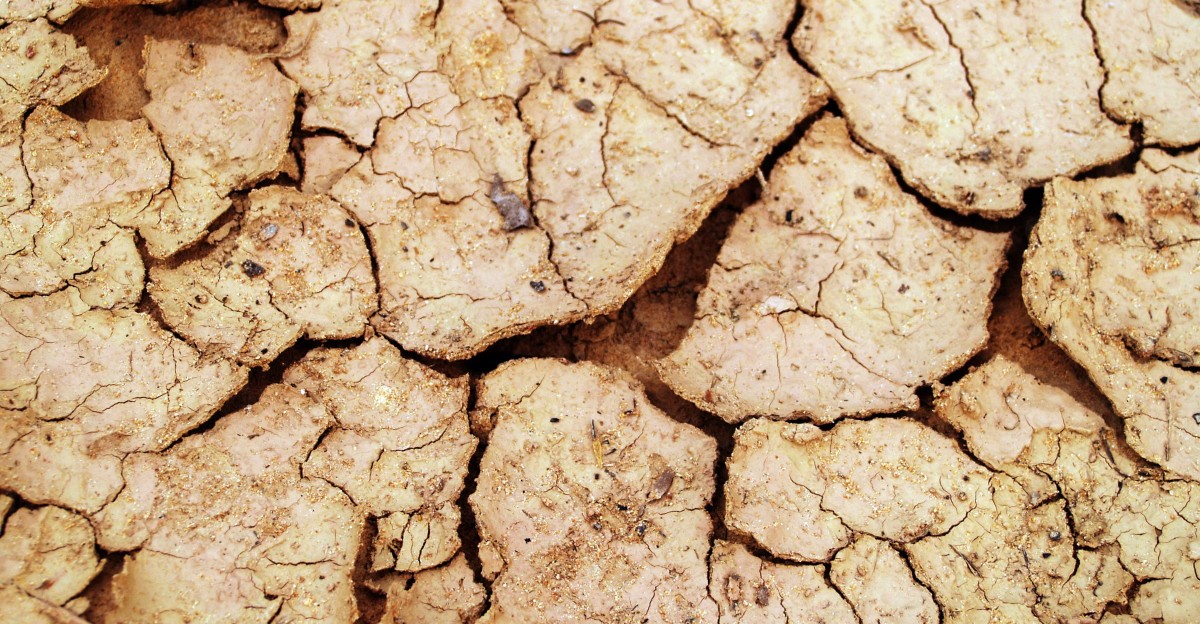
In my own yard, the red earth turns hard enough to ring when I tap it with a trowel. Wide cracks open across the lawn like a dried-up riverbed. Those cracks look like perfect drinking straws, but most of the water never reaches the roots.
I used to blame the storms for being too short. Then I learned the real story sits in the ground itself. Here in Virginia, the soil under many Piedmont yards is packed with tiny, flat particles that behave in surprising ways.
So why does the driest dirt refuse a drink when your plants need it most?
Those Tiny Clay Plates Pack Into a Hard Crust
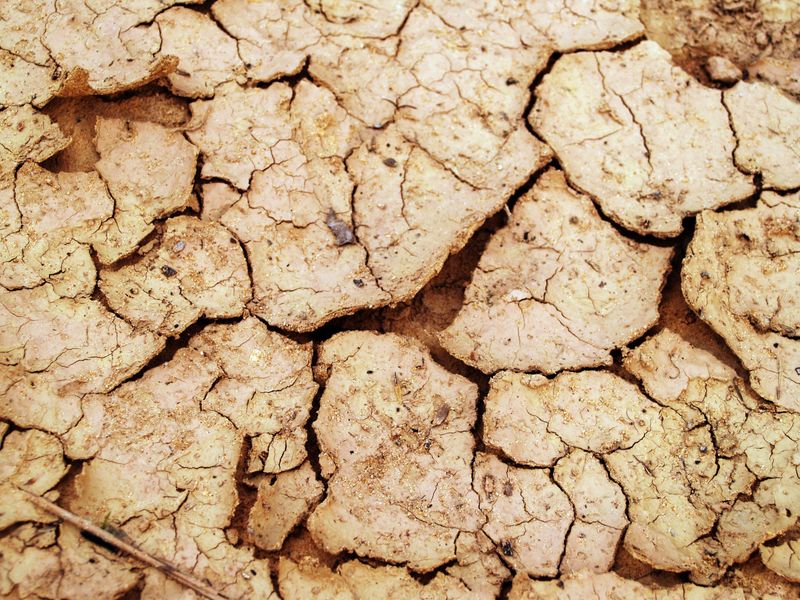
Clay particles are unbelievably small. Many are smaller than two microns, which means thousands could line up across the head of a pin.
Shape matters too. Clay bits are flat, like a scattered deck of cards.
When the soil dries out, those plates pull close together and lock into a dense layer with very few open spaces between them.
That tight packing is the heart of the problem. Water moves down through pores, the little gaps between soil grains.
Sandy soil has big pores, so rain slips right in. Clay has tiny pores, and drought squeezes them even smaller.
On top of that, the very surface often forms a crust. Raindrops hit bare clay, break apart loose crumbs, and wash fine particles into the remaining gaps.
When that layer dries, it seals like a thin sheet of pottery.
I noticed this first in a vegetable bed I left bare all August. The top inch felt like a dinner plate, while the soil two inches down was still loose.
So when a storm finally arrives, the crust slows the water at the door. Rain falls faster than the clay can accept it, and the extra simply runs downhill.
Knowing this helps you stop blaming the weather and start fixing the surface where the trouble begins.
Slow Soaker Hoses Beat a Fast Blast of Water
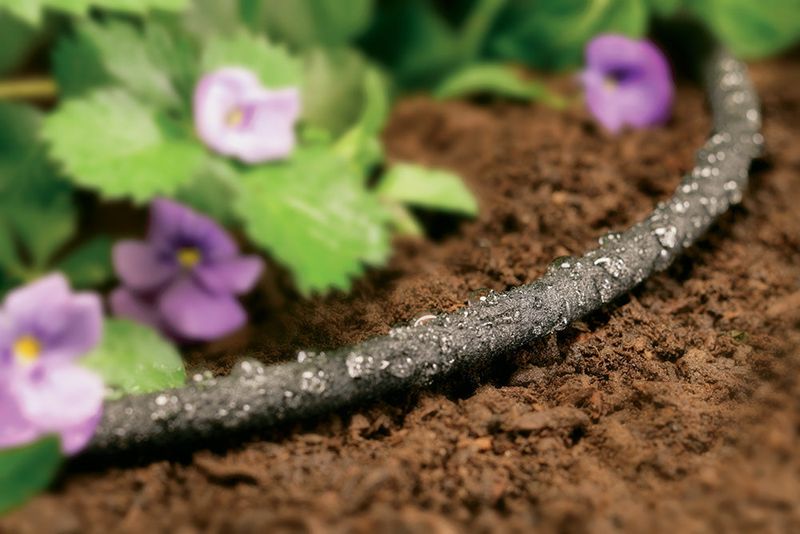
Patience is the secret weapon for dry clay. A hard blast from a hose mostly sheets off the surface, just like a heavy thunderstorm.
Clay soil often absorbs only a small fraction of an inch of water per hour once it is compacted. Anything faster than that becomes runoff.
That explains why a soaker hose or drip line works so well here. Both release water slowly, giving the soil time to keep up.
My favorite trick is cycle watering. Run the sprinkler for ten minutes, then pause for twenty or thirty.
Repeat two or three times. The first round softens the surface, and later rounds sink much deeper.
Many Virginia Cooperative Extension guides suggest about one inch of water per week for lawns and gardens during dry weather, applied deeply instead of in daily sprinkles. Shallow watering keeps roots near the top, where heat bakes them first.
Want to check your work? Push a long screwdriver into the soil an hour after watering.
If it slides in easily six inches down, you did great. If it stops at an inch, slow down next time.
Early morning is the best time to water. Less moisture is lost to evaporation, and leaves dry quickly, which helps reduce fungal problems.
Compost Opens Up Stubborn Red Clay Over Time
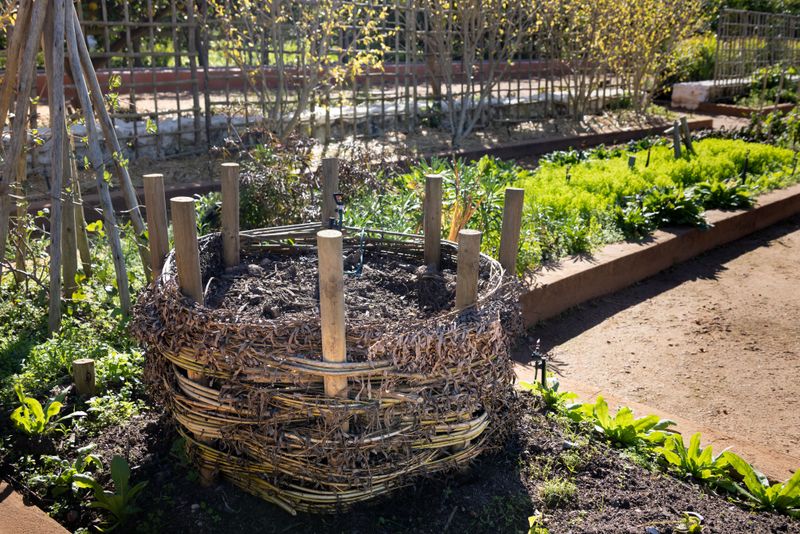
Ask any longtime gardener in the Piedmont what fixed their clay, and you will probably hear one word. Compost.
Organic matter does something clay cannot do alone. It glues tiny particles into larger crumbs called aggregates.
Those crumbs leave bigger spaces between them, so water and air can move downward instead of pooling on top.
Compost also feeds earthworms and soil microbes. Worms dig tunnels that act like little drainpipes, and microbes produce sticky substances that keep the crumbs stable.
You get a living sponge instead of a brick.
A common recommendation is to spread two to three inches of compost and work it into the top six to eight inches of a new bed. For existing plantings, simply topdress with an inch each year and let the worms do the mixing.
Here is a mistake I made early on. I tried adding sand to loosen my clay.
Unless you add a huge amount, sand and clay can blend into something closer to concrete. Extension specialists warn against it for that exact reason.
Shredded leaves, aged manure, and leaf mold all help too. Results are not instant, but every season the soil grows darker, softer, and far more willing to drink.
A Blanket of Wood Chip Mulch Softens Every Raindrop
Raindrops hit harder than most people realize. A fat summer drop can splash soil several inches into the air, breaking crumbs apart and sealing the surface.
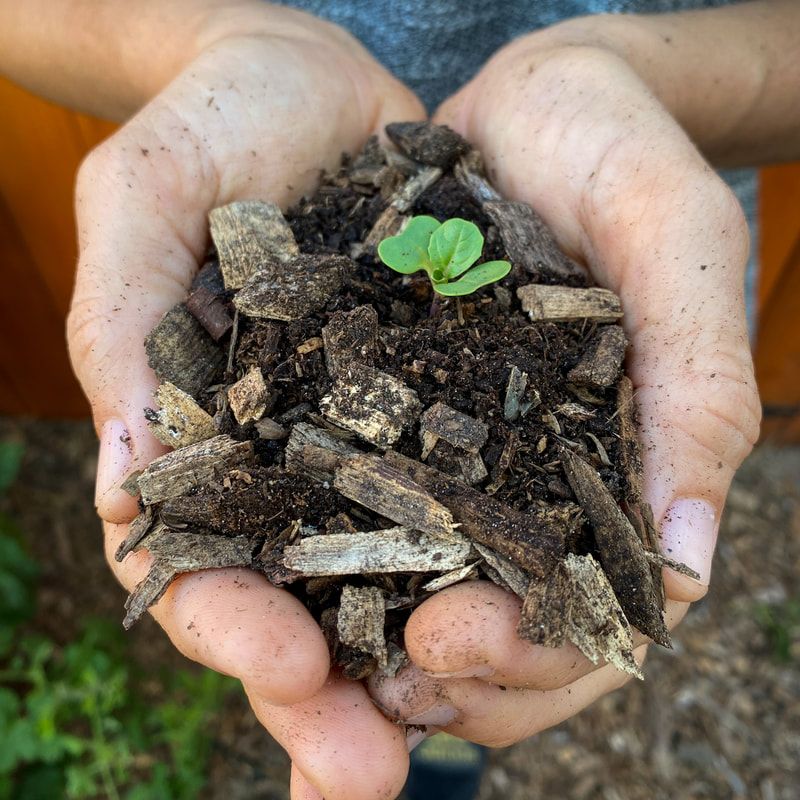
Mulch acts like a cushion. A two to three inch layer of shredded bark, wood chips, pine straw, or chopped leaves catches each drop and lets water trickle gently down.
That simple barrier keeps the crust from forming in the first place.
Funny thing is, mulch also helps during the dry weeks before the rain. It shades the soil, keeps it cooler, and slows evaporation.
Clay that stays a little moist shrinks and cracks less, so it accepts water much more easily later.
Over time, natural mulches break down and add organic matter, quietly improving the soil from the top. It is like composting without extra work.
A few rules keep mulch helpful. Pull it back a few inches from tree trunks and plant stems.
Piling it against bark, the dreaded mulch volcano, invites rot and pests. Also skip anything thicker than about three or four inches, since too much can block air.
If a storm is in the forecast after a dry spell, rake the old mulch lightly first. Loosened material lets water pass through instead of rolling off a matted top.
Footsteps and Lawn Mowers Squeeze the Air Out of Clay
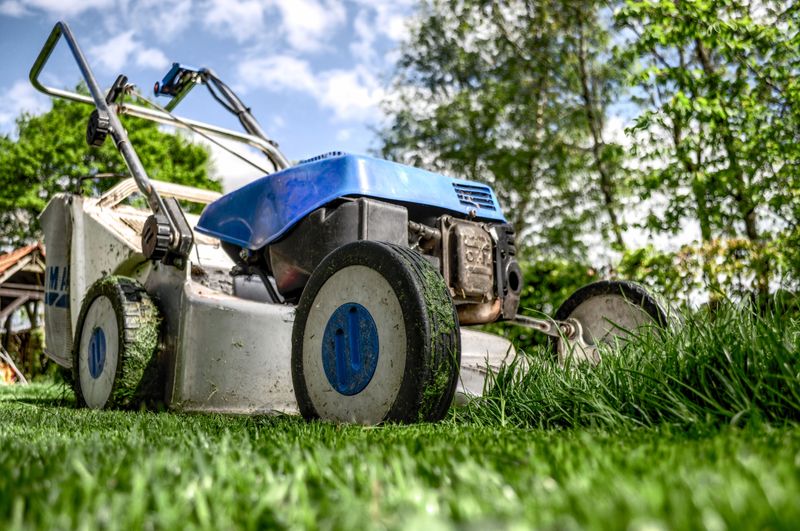
Every shortcut across the yard leaves a mark you cannot see. Feet, wheelbarrows, riding mowers, and parked cars all press clay particles closer together.
Compaction and drought make a tough pair. Dry clay is already tight, and pressure crushes the few pores that remain.
Even after the weather turns wet, those squeezed areas stay dense and shed water for months.
New neighborhoods often have it worst. Heavy construction equipment rolls over the subsoil, then a thin layer of topsoil gets spread on top.
Rain soaks that thin layer, hits the hard pan beneath, and runs sideways.
Wondering if you have a compacted spot? Look for puddles that linger, thin grass, moss, or bare paths.
A shovel that bounces back is another strong clue.
Prevention is easier than repair. Lay stepping stones along regular routes.
Keep heavy equipment off the lawn when soil is soggy, because wet clay compacts fastest of all. Raised beds with permanent walkways help gardeners avoid stepping where plants grow.
I finally gave up walking straight through my back bed to reach the hose. A simple path of flat stones solved it, and the soil beside that path became noticeably softer within a single season.
Small habits truly add up underground.
Core Aeration Punches Fresh Water Paths Into Your Lawn
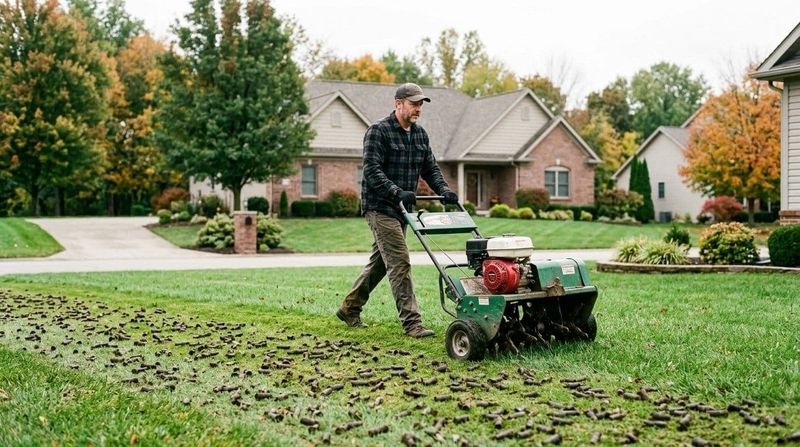
Those little soil plugs scattered across a lawn in autumn are not a mess. They are tiny gifts for thirsty roots.
Core aeration removes finger-sized cores of soil, leaving holes two to three inches deep. Each hole becomes a channel where rain and air can slip past the hard surface.
Spike aerators that simply poke holes are less helpful, since they can press the surrounding clay even tighter.
Timing matters a lot. Most Virginia lawns grow cool-season grasses like tall fescue, and those respond best to aeration in early fall, around September.
Warm-season grasses such as Bermuda and zoysia prefer late spring or early summer while they are actively growing.
One caution is worth repeating. Avoid aerating bone-dry clay.
The tines barely penetrate and the machine just bounces. Wait until a day or two after a good soaking rain, or water deeply beforehand.
For bonus points, rake a thin layer of compost over the lawn afterward. It drifts into the holes and gradually builds better structure deeper down.
Leave the plugs where they fall. They break down in a week or two after rain and mowing.
You can rent a core aerator at many hardware stores or hire a local lawn service for a reasonable price.
A Virginia Tech Soil Test Shows What Your Clay Needs Next
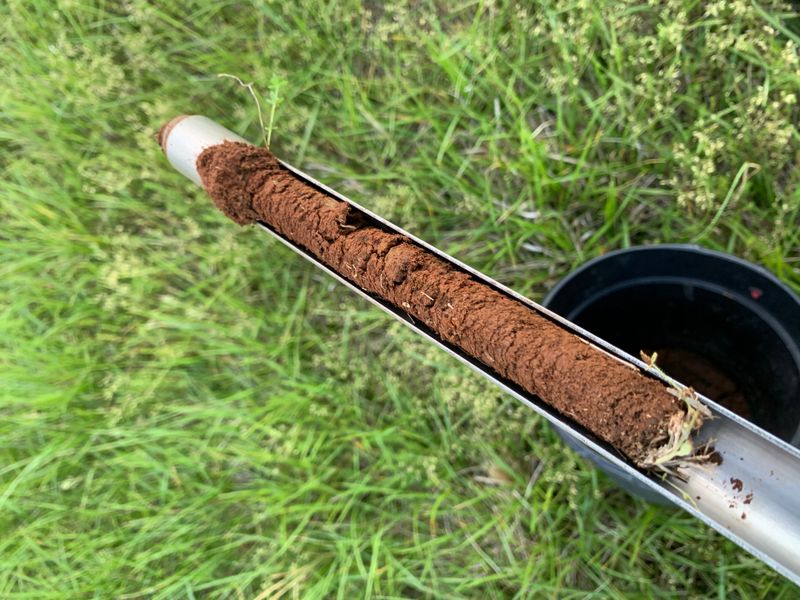
Guessing about soil is a bit like guessing about your health. A simple test removes the mystery and saves money on products you do not need.
Virginia Tech runs a soil testing lab through Virginia Cooperative Extension. You can pick up sample boxes at many local extension offices or order them online.
For a modest fee, you get results showing pH, phosphorus, potassium, and other nutrients, plus recommendations for lime or fertilizer.
Why does that matter for water? Healthy plants build deeper roots, and deep roots open channels in clay as they grow and later break down.
Many Piedmont soils are naturally acidic, and correcting pH helps grass and vegetables grow stronger.
To collect a good sample, take soil from several spots about four to six inches deep. Mix them in a clean bucket, let it dry, and fill the box.
Testing every two to three years is plenty for most yards.
Here is my takeaway after years of wrestling red clay. Rain refuses to soak in because dry, packed, crusted soil cannot open fast enough.
Feed it compost, cover it with mulch, water slowly, and stop stomping on it.
Give it a few seasons, and that stubborn ground will start drinking like a sponge.