Feathery-Green Crown On A Louisiana Porch Has A Prehistoric Past And A Secret Pet Owners Should Know
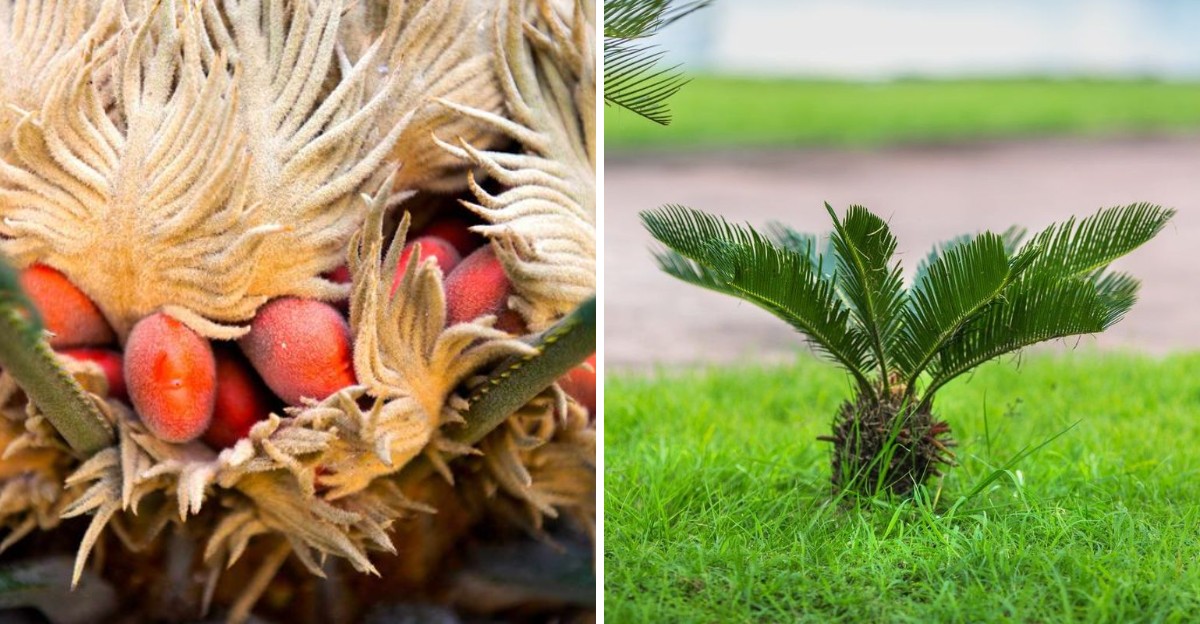
The plant guarding countless front steps belongs to a family older than the dinosaurs that once nibbled its relatives. Its family line stretches back more than 250 million years, and it still looks the part.
I walked past one on a Louisiana porch last week and stopped cold. That stiff, glossy crown of fronds looked like a prop from a Jurassic movie set.
Louisiana is full of them, and you might notice the same shape in your own neighborhood, tucked beside rocking chairs and ceramic pots.
Here is the twist that surprised me most. Garden centers often sell it right next to cheerful flowers, with no warning on the tag.
Many dog and cat owners bring one home without a clue about what sits inside those leaves and seeds.
I am not trying to scare anyone away from beautiful plants. Still, some facts deserve a spot on every pet lover’s radar. This ancient porch favorite hides a danger that no pet owner can afford to ignore.
That Spiky Porch Crown Is Hiding a Serious Pet Hazard
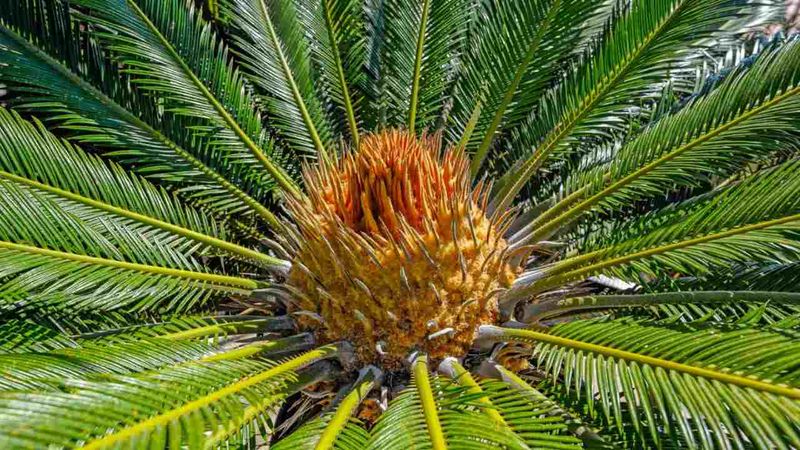
Veterinarians across the South see the same story play out every year. A playful dog chews on a plant by the steps, and within hours it is vomiting at the clinic. The plant is often a sago palm, Cycas revoluta.
Every part of this plant contains toxins. That includes the fronds, the trunk, the roots, and especially the seeds.
The main toxin is called cycasin, and it damages the liver. Another compound can affect the nervous system and cause wobbling or seizures.
Dogs get into trouble most often because they like to chew. Cats can be poisoned too, though they tend to be pickier eaters. Even a single seed can make a pet seriously ill.
Here is the sobering part. Veterinary sources report that only about half of poisoned dogs survive, even with treatment. That number makes it one of the most serious plant poisonings vets handle.
So the secret in the title is not a small one. That handsome green crown by your door can pose real danger to a curious pet.
Knowing this ahead of time lets you make smart choices about where the plant lives, or whether it belongs in your yard at all.
Bright Orange Sago Seeds Are the Most Toxic Part
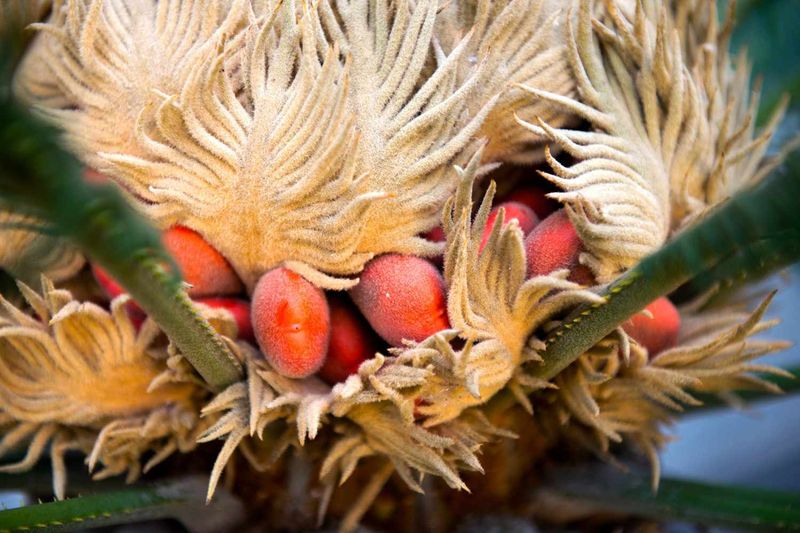
Those plump orange seeds look like candy to a bored puppy. Sadly, they carry the highest load of toxins on the entire plant. Many vets call them the single biggest risk.
Only female sago palms produce seeds. They form in a fuzzy, golden, rounded cluster right in the center of the crown. As they ripen, they turn bright orange or reddish and can loosen and fall to the ground.
Fallen seeds are where problems often begin. A dog nosing around the porch can find one and swallow it in seconds. Some pets also carry them around like toys before chewing.
If you own a female plant, check it often during late summer and fall. Wearing gloves, pluck the seed cluster before it fully ripens, or remove ripe seeds right away. Bag them and toss them in a closed trash bin, not the compost pile.
Male plants grow a tall, narrow cone instead of a round seed head. They do not make seeds, but their leaves and trunk are still toxic. So removing seeds lowers the risk without making any sago palm truly pet-safe.
Watch Your Dog Closely for These Warning Signs
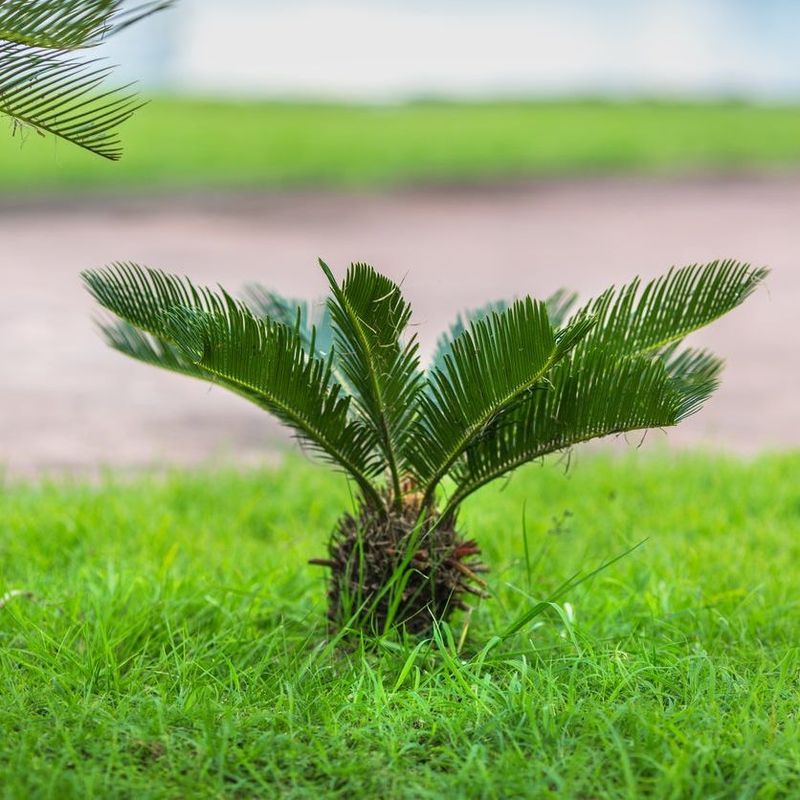
Speed matters more than anything once a pet takes a bite. Symptoms can show up as soon as 15 minutes after chewing, though some pets look fine for up to a full day.
The first signs usually involve the stomach. Watch for vomiting, drooling, diarrhea, and a sudden lack of energy. Vomit or stool may contain blood.
Over the next two or three days, liver damage can appear. Signs include yellowing of the eyes, gums, or skin, dark urine, a swollen belly, and extra thirst. Some pets also bruise easily or bleed because the liver stops making clotting proteins.
Nervous system signs can show up too. A pet may stumble, tremble, seem weak, or have seizures.
Please do not wait for symptoms if you suspect your pet chewed the plant. Call your vet or an emergency animal hospital right away.
You can also reach the ASPCA Animal Poison Control Center at 888-426-4435, which may charge a fee.
Bring a piece of the plant or a photo if you can. Early care, such as inducing vomiting and giving activated charcoal under a vet’s direction, gives your pet the best possible chance.
Dinosaurs Once Wandered Past This Cycad’s Ancient Relatives
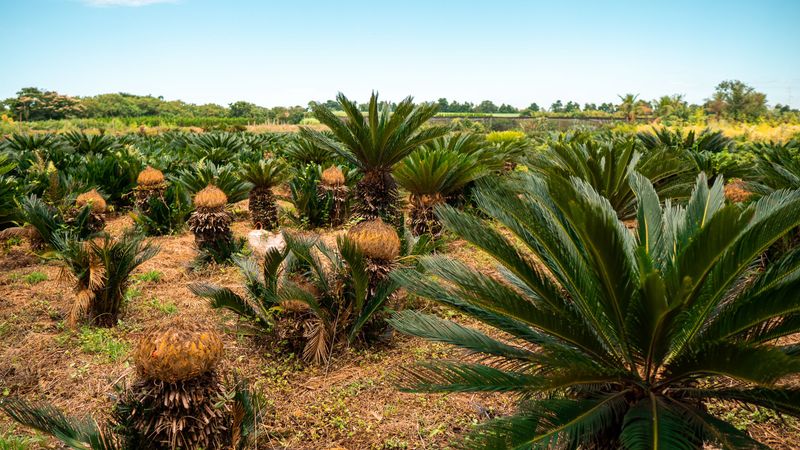
Talk about an old family tree. Cycads, the group that includes the sago palm, first appeared more than 250 million years ago. They grew widely during the Mesozoic Era, the age of dinosaurs.
Scientists often call cycads living fossils. Their basic shape has stayed remarkably similar for a very long stretch of time.
A stiff crown of fronds rising from a thick trunk would have looked familiar in that ancient world.
Despite the name, a sago palm is not a palm at all. True palms are flowering plants. Cycads are much older and make seeds in cones, more like pines than coconut trees.
The species name revoluta has a fun meaning. It refers to the edges of each leaflet, which curl backward slightly. Run a gloved finger along one and you can feel that rolled edge.
The plant is native to southern Japan, not Louisiana. It arrived here as an ornamental and became a Southern landscape staple.
I love that a porch plant can connect us to such deep history. Just remember that ancient does not mean harmless. Those toxins likely helped cycads survive hungry plant-eaters for ages.
A Few Smart Moves Make Sago Palms Safer Around Pets
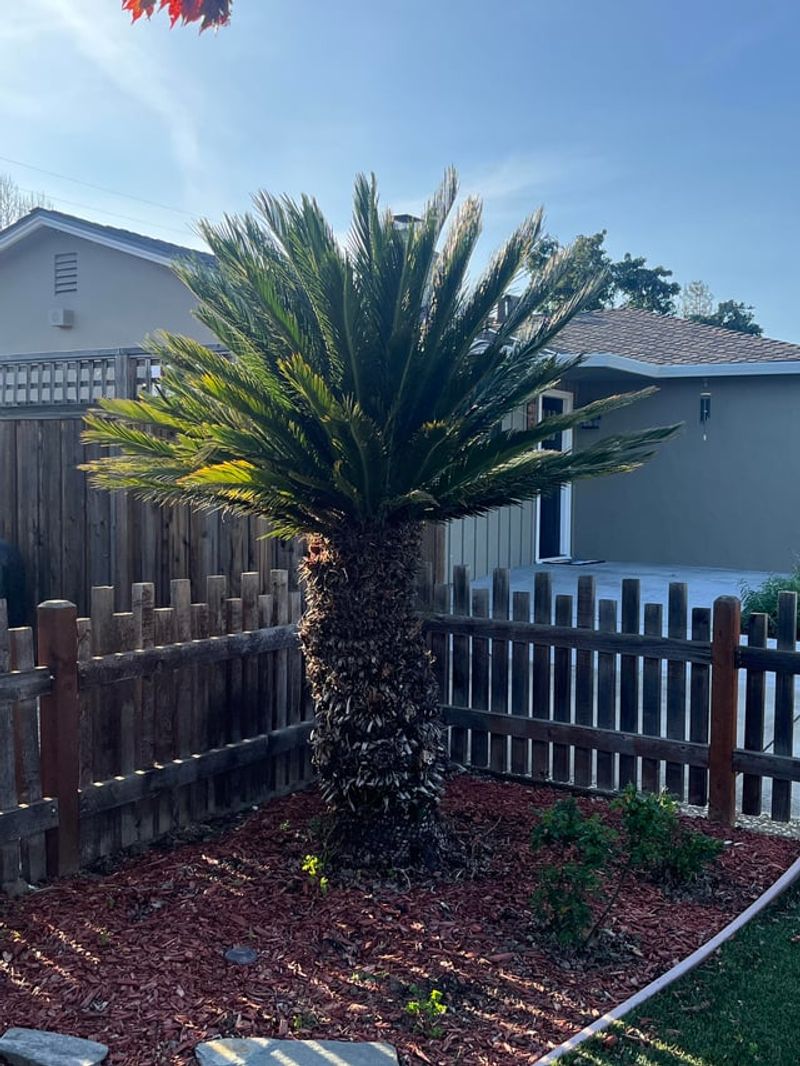
Plenty of people adore their sagos and want to keep them. That can work, but it takes some honest planning.
Start with location. Move potted plants to spots your pets cannot reach, like a fenced area of the yard they do not use.
A tall plant stand helps less than you might hope, since fallen leaves and seeds still drop to the floor.
Keep the ground clean. Pick up dropped fronds, seeds, and root pieces quickly. Dogs often find trouble in the leftovers, not the living plant.
Supervise pets outside, especially puppies and young dogs that chew everything. Teach a firm leave it command, and reward it often.
Talk with your household too. Visiting relatives, pet sitters, and kids should know the plant is off limits for pets.
Honestly, the safest choice for a home with a chewing dog is no sago palm at all. If your pet has a history of eating plants, consider giving the sago to a pet-free friend. That decision might feel tough, but your furry buddy will never know what it missed.
Too Much Water Turns Sago Palm Fronds Yellow Fast
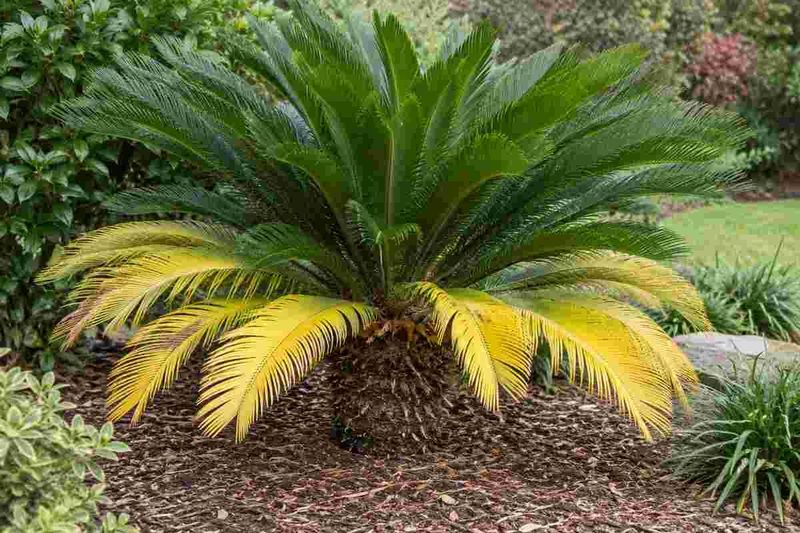
Louisiana humidity fools a lot of gardeners. Sago palms handle drought well once settled, and soggy roots bother them far more than dry spells.
Let the soil dry well between waterings. Stick your finger a couple of inches into the pot. If it still feels damp, wait a few more days.
Drainage is everything. Use a pot with holes and a sandy, fast-draining mix. In the ground, pick a spot that does not hold puddles after summer storms.
Light matters too. Bright, indirect light or gentle morning sun keeps fronds glossy. Harsh afternoon sun can scorch leaves, especially on porch pots against hot walls.
Feed lightly in spring and summer with a palm or slow-release fertilizer. Sagos can show yellowing from a lack of manganese, so a fertilizer with micronutrients helps.
One quirky habit catches people off guard. Sagos often push out a whole new flush of leaves at once, then rest for months.
Avoid touching tender new fronds while they unfurl, since they bend easily. Patience pays off with this slow grower.
Cold Snaps Can Brown Those Feathery Sago Fronds
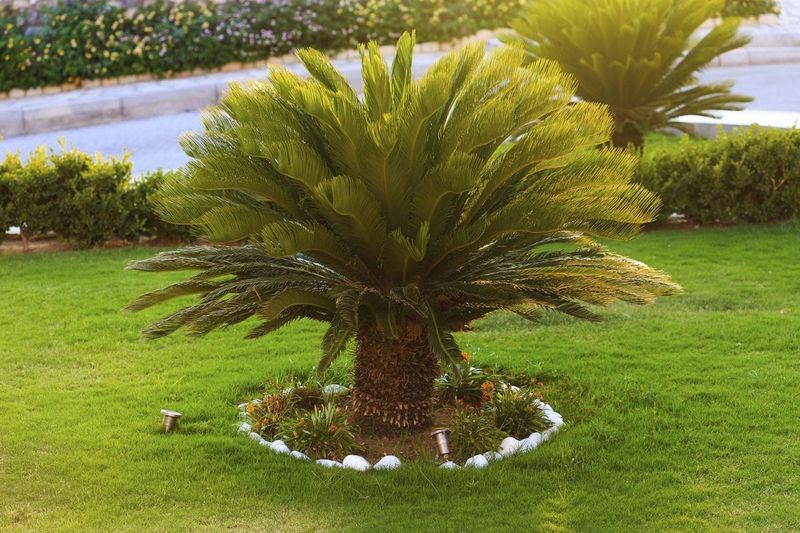
Winter weather in Louisiana can swing wildly. A mild week can turn into a hard freeze overnight, as recent cold snaps reminded many of us.
Sago palms are fairly tough. They can handle temperatures down to roughly 15 degrees Fahrenheit, though frost often browns the foliage at milder temps. North Louisiana sees colder nights than the coast, so plants up there need more attention.
When a freeze is forecast, cover in-ground plants with frost cloth or an old sheet that reaches the ground. Remove it once temperatures climb. Move potted sagos into a garage or against a sheltered wall.
Brown fronds after a freeze look alarming, but the trunk is usually fine. Wait until spring before trimming anything. Damaged leaves still offer some protection during later cold nights.
A healthy trunk often sends out a fresh flush of fronds when warm weather returns. If the center feels mushy or smells bad, though, rot may have set in.
Remember your pets during cleanup. Frost-damaged and withered fronds still contain toxins. Bag every trimmed piece right away so nothing ends up in a curious mouth.
Gloves On Before You Trim That Sago Palm or Swap It Out

Those leaflets end in sharp little points. Anyone who has trimmed a sago barehanded learns this lesson quickly.
Wear thick gloves, long sleeves, and eye protection. Cut only old, yellow, or brown fronds close to the trunk.
Leave healthy green leaves, since heavy pruning weakens the plant and slows new growth. Wash tools and gloves afterward. Then bag every scrap and toss it in a closed bin, away from pets and kids. Avoid composting sago debris.
Maybe you have decided a sago palm is not worth the worry. Plenty of good-looking, pet-friendly options can fill that porch spot. The ASPCA lists parlor palm, areca palm, and Boston fern as nontoxic to dogs and cats.
For a native touch in the ground, dwarf palmetto grows naturally in Louisiana and suits wet spots. Ask your local LSU AgCenter office about which choices fit your area best.
My takeaway is simple. Enjoy the ancient beauty of cycads with clear eyes. Whether you keep one, move it, or swap it, a little knowledge keeps your porch lovely and your pets safe.