Why Louisiana Yards And Ponds Are Being Affected By Large Rodents
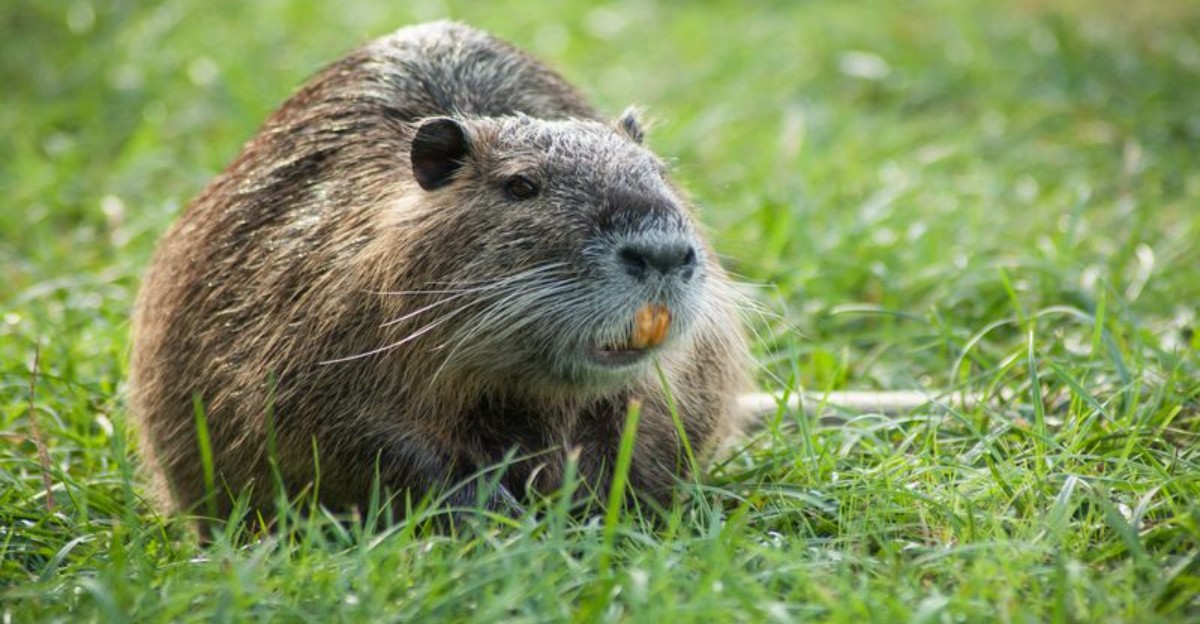
Strange tracks cut across your yard before dawn even breaks. Louisiana leaves you finding fresh damage close to open water. Wide, webbed footprints lead you straight into the reeds.
Bright orange teeth give away exactly what you’re dealing with. Ponds near your property lose their banks fast overnight. Garden rows you planted end up chewed down to nubs.
Cypress knees around your pond carry fresh, unmistakable scrapes. Weighing close to a housecat, this creature swims like an otter beside you. Nutria settle into Louisiana wetlands quicker than you might notice.
Erosion spreads once burrows weaken the soil under your feet. Erosion damage can eventually affect nearby property value. Understanding this pest changes how you protect your own land.
Damage like this rarely stays confined to any corner of your yard. Answers exist, though many articles skip details you actually need. You need what happens next before it returns.
1. A Fur Farm Escape That Never Ended
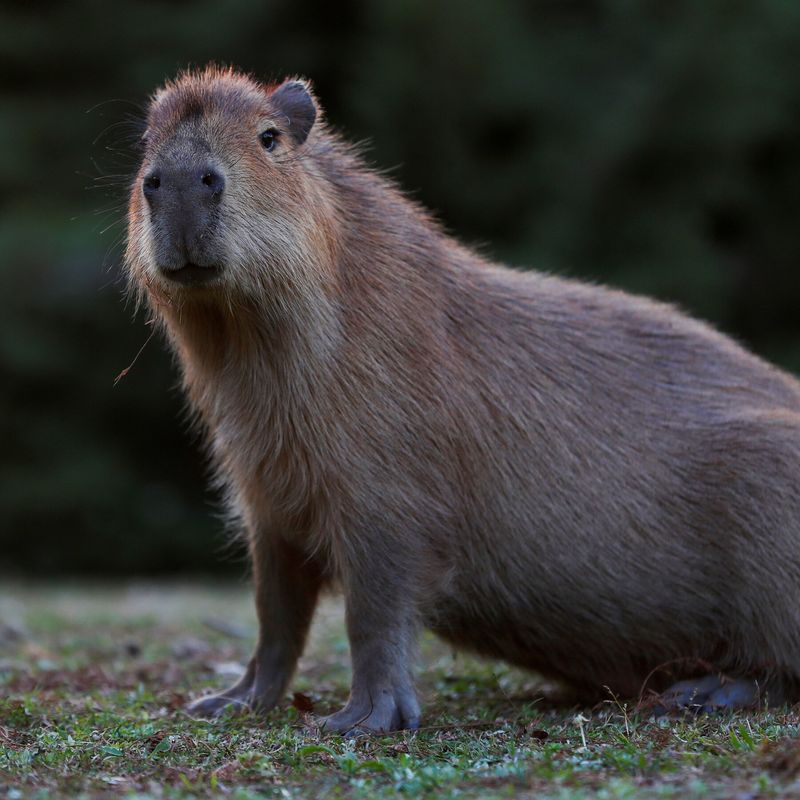
Back in the 1930s, Louisiana businessmen imported a South American rodent called the nutria, betting big on the fur trade. The animals were penned near bayous, close to the water they loved.
Storms, floods, and a few sloppy latches did the rest. By the 1940s, nutria had spread through marshes across south Louisiana, including areas around the Atchafalaya Basin.
The fur market held them in check for decades. Trappers harvested large numbers of pelts annually through the 1970s, at times exceeding a million a year.
Then fashion shifted. Fur prices collapsed in the late 1980s, trapping dropped off, and the rodent population climbed with almost no pressure holding it back.
Louisiana’s warm winters made the situation worse. A female can produce two or three litters a year, with four to six young each time, and those babies can swim within hours of birth.
Do the math over a few seasons and you understand why a single pair beside a farm pond becomes a colony by the following summer.
Understanding the history matters for homeowners because it explains the scale. Nobody is dealing with a random wandering critter.
Residents are dealing with descendants of an established, well-adapted population that treats backyard ponds as prime real estate.
That context shapes the response, too. Rather than expecting the problem to resolve on its own, property owners in south Louisiana plan for repeat visits and build defenses that hold up season after season.
2. Twenty Pounds Of Appetite With Orange Teeth
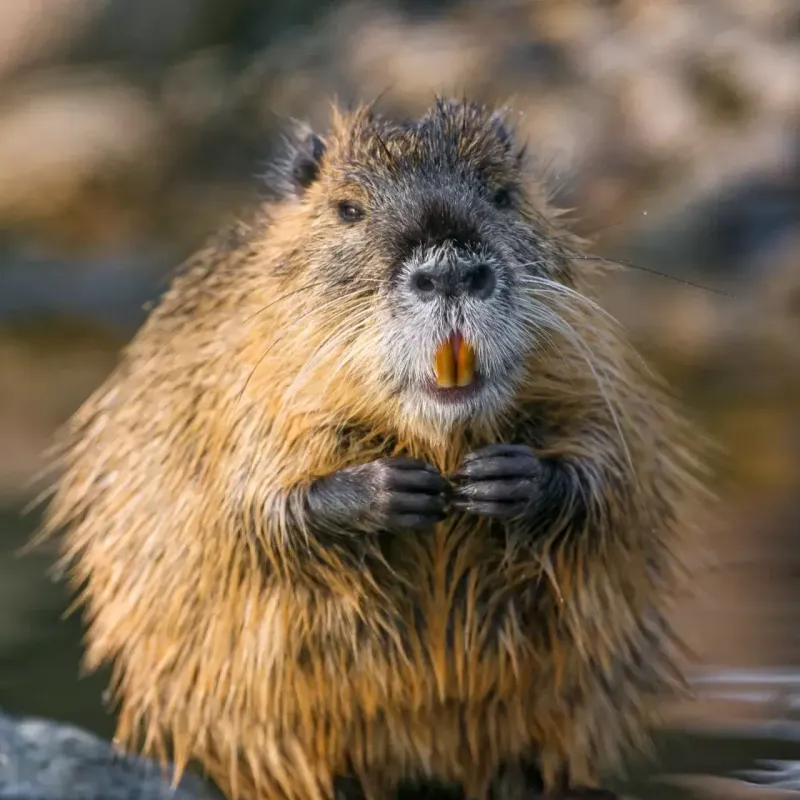
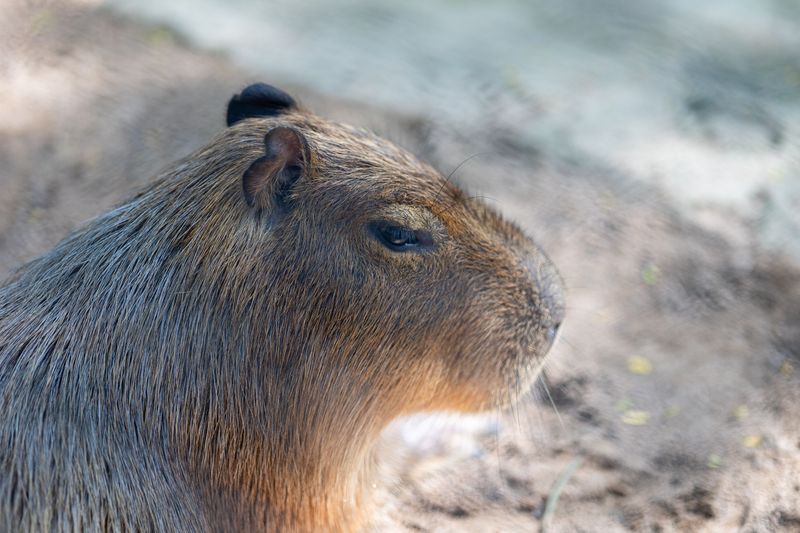
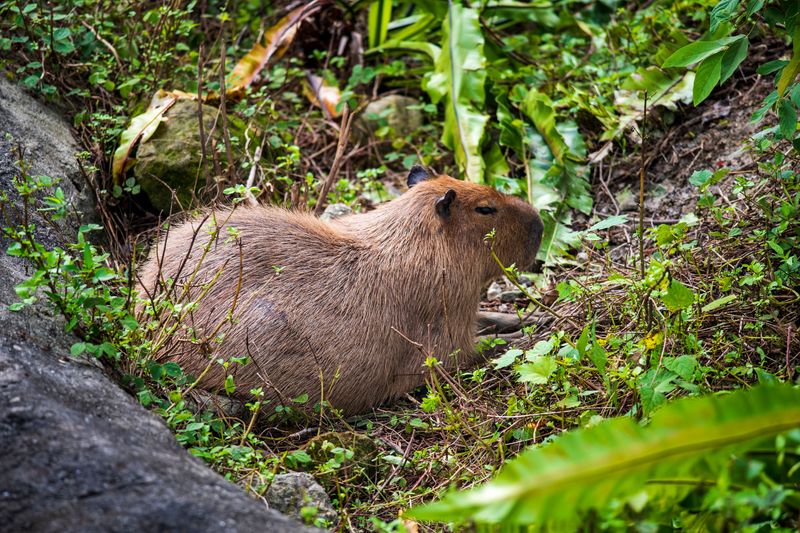
Picture a beaver that skipped the flat tail and got a rat’s instead. That’s roughly what stares back at you from the reeds.
Adults commonly hit 15 to 20 pounds and stretch two feet long before the tail even starts. The tail adds another foot or more.
Those famous orange incisors are not stained from anything unpleasant. Iron in the enamel gives them the color and makes them tough enough to shear through thick roots and stems.
Webbed hind feet turn them into strong swimmers, and they can stay submerged for extended periods while feeding underwater.
Your Louisiana Garden Changes Every Week. Your Plan Should Too.
Gardening in Louisiana changes quickly throughout the season. Every Friday you’ll receive a simple weekly plan showing exactly what to plant, prune, fertilize, harvest, and protect so you never miss the right timing.
Appetite is where the trouble really begins. A single nutria eats roughly a quarter of its body weight in vegetation daily, which is around four to five pounds of green material.
Worse, they waste far more than they swallow. Nutria clip stems, dig up rhizomes, and abandon piles of shredded plants that were perfectly good landscaping the day before.
Their eyes, ears, and nostrils sit high on the head, so they cruise a pond with only a small ripple showing. Homeowners often mistake them for turtles at dusk.
Recognizing the animal early saves money. Once you can tell a nutria from a muskrat by size and tail shape, you can react before the bank starts caving.
Muskrats have flattened, side-to-side tails and weigh under four pounds. Nutria are chunky, round-tailed, and unmistakably larger.
3. Pond Banks Weakened By Tunneling
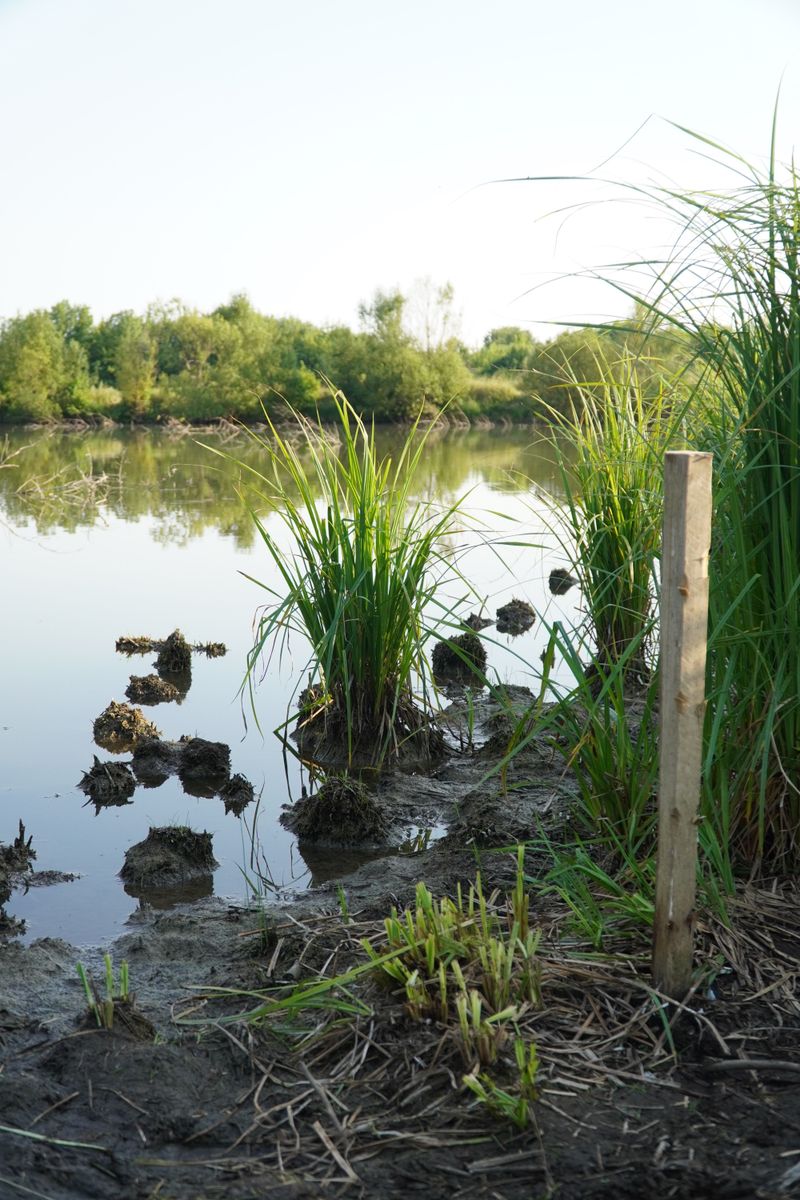
The chewing gets attention, but the digging causes the expensive damage. Nutria burrow into pond banks and levees, sometimes tunneling well over ten feet back into the soil.
Entrances usually sit right at or just below the waterline, so they hide from casual view until something gives way.
Louisiana soil is soft, saturated, and forgiving to a determined digger. Add a family group working the same stretch of bank and you get a honeycomb of tunnels under what looks like solid ground.
Then a heavy September rain arrives, water pushes through the voids, and a section of bank gives way after heavy rain.
Farm ponds, retention ponds, and drainage canals all face the same fate. Riding a mower along a tunneled edge is genuinely risky, since a wheel can drop through with no warning.
Levee districts in affected areas regularly budget for repairs related to this kind of erosion. Homeowners can spot early signs by walking the shoreline slowly and looking for slick mud slides, cantaloupe-sized holes, and grass that sinks underfoot.
Probing suspicious spots with a long rod tells you how far the void extends before you commit to a repair.
Fixing a burrowed bank usually means excavating the tunnel, packing clean clay in layers, and armoring the waterline with rock or heavy geotextile fabric. Skipping the armor often invites the diggers back.
4. When Marsh Grass Gradually Disappears
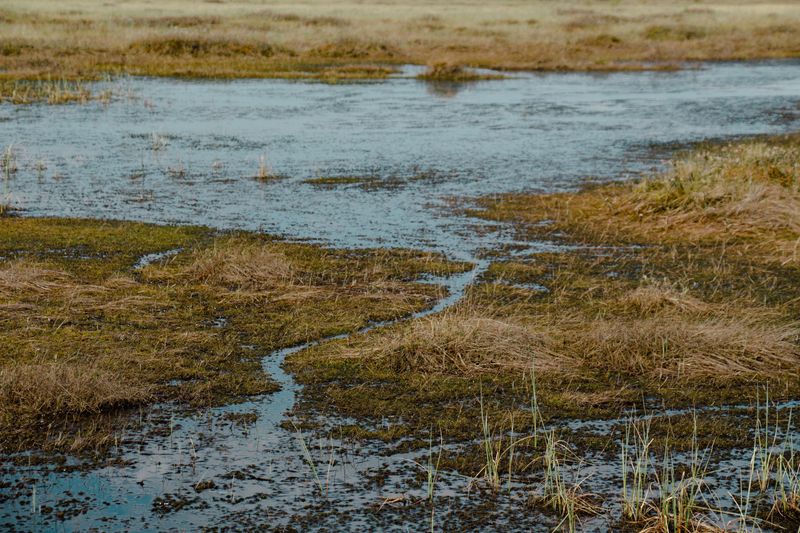
Coastal biologists have a blunt term for the worst nutria damage: an eat-out. It describes a patch of marsh stripped down to bare mud.
The rodents don’t just graze the tops of plants. They dig out the roots and rhizomes that hold marsh soil together.
Once those roots go, tides pull the loose sediment away and open water replaces what used to be solid ground.
At historical peaks, aerial surveys flagged tens of thousands of damaged marsh acres in a single year, though losses have declined significantly since the bounty program began.
Backyard versions of an eat-out show up on a smaller scale but follow the same script. Cattails, irises, and pickerelweed around a decorative pond disappear in patches.
What remains looks scalped, and the bare mud starts washing into the water during the next storm.
Replanting alone rarely holds. Fresh, tender plants are basically an invitation, and the animals return for the buffet within days.
Pairing new plantings with temporary fencing or wire cages over the root zone gives the vegetation a fighting chance to establish.
Native plants with tough, fibrous root mats tend to recover better than soft ornamentals. Bulltongue arrowhead and certain sedges bounce back once pressure eases.
Watching for the first bare patch and acting then is far cheaper than restoring a whole shoreline later in the year.
5. Vegetable Gardens Damaged Before Sunrise
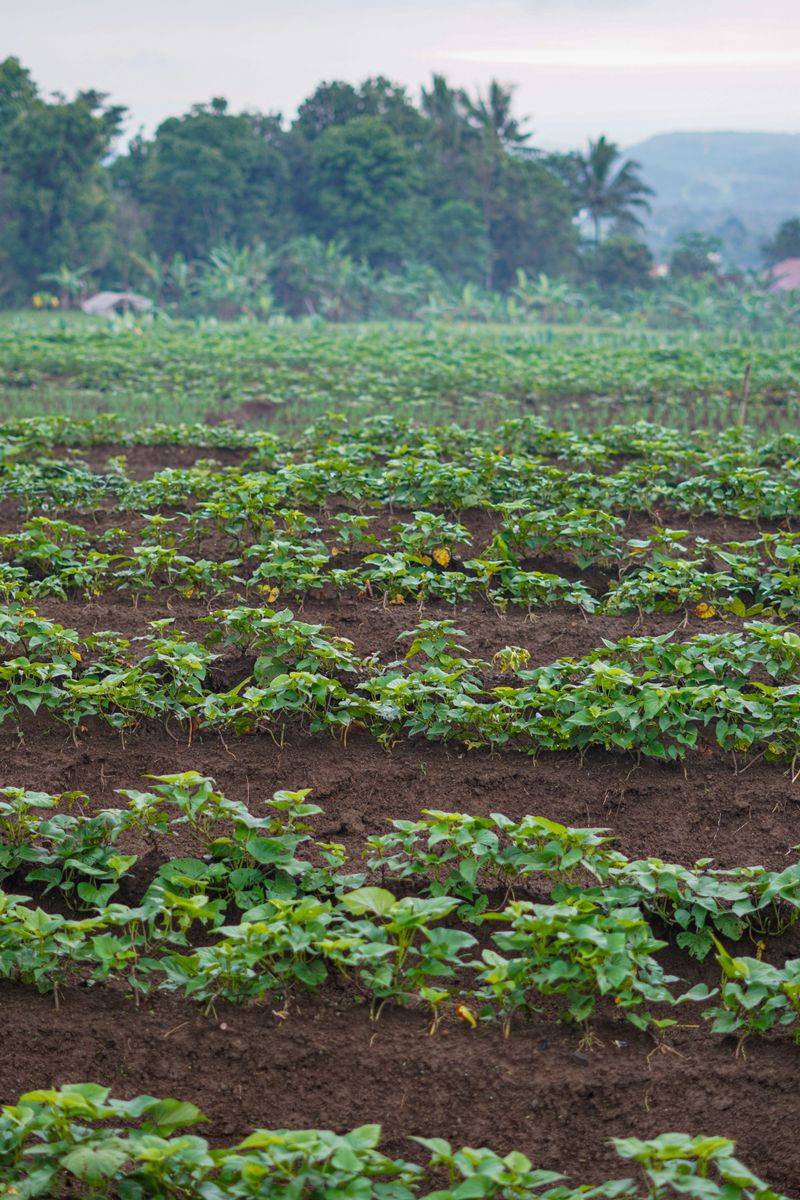
Gardeners in parishes near wetlands often report similar damage each fall. The sweet potato bed looked fine at dusk and looked chewed to stubs by breakfast.
Nutria are mostly active from dusk through dawn, which is why the damage seems to appear by magic.
Sweet potatoes, sugarcane shoots, collards, turnips, and young rice draw them in fast. Anything starchy and underground rates as a favorite.
They also nibble ornamental bulbs, tender bark on young fruit trees, and the soft base of banana plants.
Distance from water is the main clue about your risk. Properties within a couple hundred yards of a bayou, canal, or drainage ditch see the heaviest visits.
September is prime time here because summer crops finish while fall greens go in, and both look appealing to a hungry rodent.
Practical defense starts with a low, sturdy fence. A three-foot barrier of welded wire with the bottom eight inches buried and angled outward blocks most attempts.
Electric fencing works too, with one hot wire about six inches off the ground along the garden’s water-facing side.
Clearing brush piles and tall weeds between the garden and the waterline removes the cover they use to approach. Open ground makes them nervous.
Harvesting root crops promptly, rather than leaving them in the soil, takes the biggest prize off the table.
6. Health Risks Linked To Nutria
The unglamorous side of this problem involves what nutria leave behind. Their droppings and urine wash straight into ponds, ditches, and swimming areas.
Researchers have linked them to organisms that cause leptospirosis, giardia, and a skin irritation swimmers call nutria itch.
Nutria itch comes from a tiny parasite whose life cycle involves aquatic snails and semi-aquatic mammals. Humans who wade in contaminated water can end up with an itchy, bumpy rash. It clears up on its own, but nobody enjoys the week that follows.
Leptospirosis deserves more respect. The bacteria spread through urine-contaminated water and can affect people and pets, causing fever, muscle aches, and sometimes kidney problems.
Dogs that swim in nutria-heavy ponds face real exposure, which is why vets in south Louisiana push the lepto vaccine.
Sensible precautions go a long way. Rinse off after wading, cover cuts before entering pond water, and keep pets from drinking directly from stagnant ditches.
Gloves are smart when handling anything a nutria has touched, including chewed plants and trap equipment.
Also worth mentioning: cornered nutria bite hard with those heavy incisors. They usually flee, but a trapped or injured one defends itself. Keeping curious kids and dogs at a distance is the simplest safety rule of all.
7. The Bounty Program Paying Trappers By The Tail
Louisiana came up with an unusual answer in 2002: pay people per tail. The Coastwide Nutria Control Program pays trappers per tail, with the rate adjusted over the years.
Registered trappers turn in tails at collection sites during the November through March season.
Numbers tell the story of how big the population is. In strong years the program has recorded hundreds of thousands of tails, and the cumulative total runs into the millions.
Funding comes largely through coastal restoration dollars, since protecting marsh is cheaper than rebuilding it.
For homeowners, the program matters in two ways. It keeps regional pressure on the population, and it creates a network of licensed trappers who can be hired for private property work.
Parish extension offices and the Department of Wildlife and Fisheries can point you toward names.
Regulations still apply. Landowners generally may remove nuisance nutria on their own property year-round, but methods, firearm use, and local ordinances vary by parish and subdivision. A quick call before setting anything out saves headaches later.
Fun bit of trivia: chefs and pet food makers have both tried marketing nutria meat, which is lean and high in protein. It has never quite caught on with the public.
The fur, meanwhile, has seen small revivals through designers promoting it as an eco-conscious material.
8. Smart Defenses That Hold Through Storm Season
Ask anyone who has dealt with this problem and they’ll tell you that fences beat wishful thinking. Layered defenses hold up better than any single trick.
Start at the waterline, since that’s where the animals come ashore and where burrows begin.
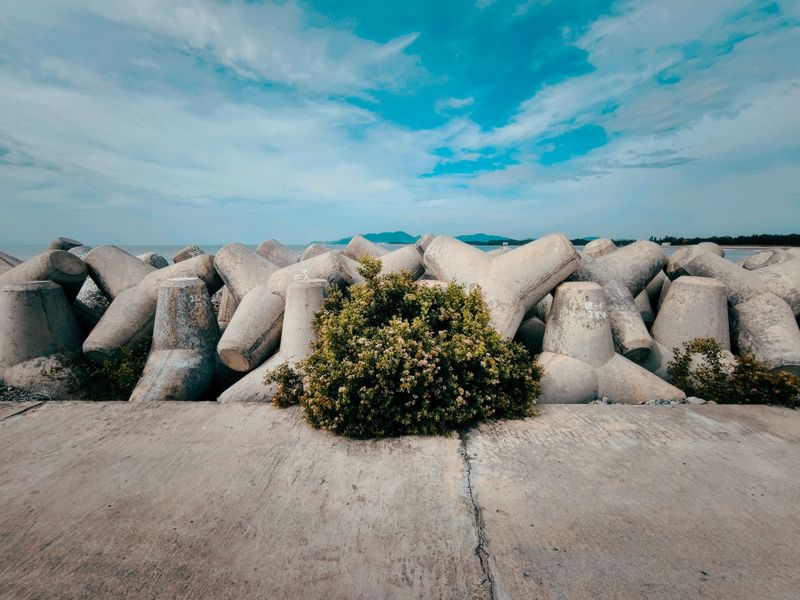
Riprap rock along the bank makes digging miserable and slows erosion at the same time. Heavy-gauge wire mesh laid flat and pinned under the rock adds another layer they dislike.
For smaller ponds, a two to three foot welded wire fence set a few feet back from the edge works well.
Habitat management matters just as much. Mowing bank vegetation short, trimming overhanging brush, and removing debris piles takes away cover and food in one pass. Nutria prefer thick cover close to water, so an open, tidy shoreline is far less appealing.
Water level changes help too, where you have control. Drawing a pond down during cooler months exposes burrow entrances and discourages new tunneling. Repacking those exposed holes with clay while the bank is dry gives a lasting fix.
Timing your work for early fall pays off. Storm season runs through November, and a reinforced bank handles heavy rain far better than a tunneled one.
Checking the shoreline monthly, especially after high water, catches small problems while they are still small.
Neighbors working together see the best results. A single protected yard just moves the animals next door, while a coordinated stretch of shoreline actually reduces pressure for everyone.