This Winter Blooming Rose Grows Surprisingly Well in Michigan Gardens
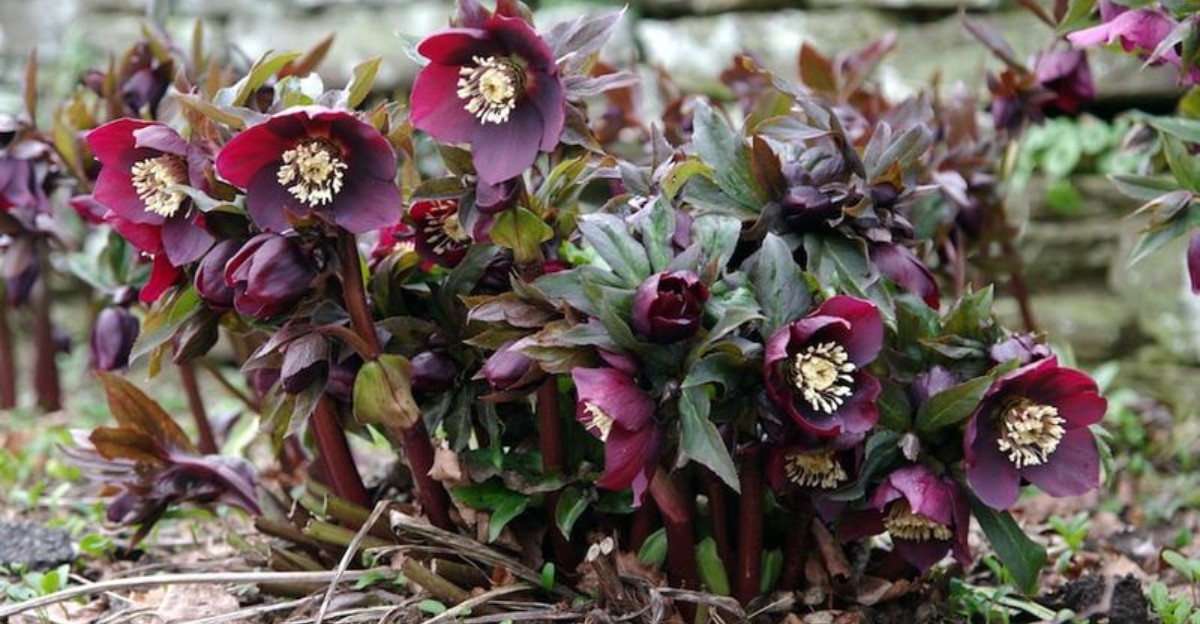
A flower that opens while snow still sits on the ground sounds like a myth. It isn’t. One cold-loving perennial pushes up nodding blooms in late winter, and some types can show buds as early as December.
What makes this plant so special is a clever trick. Those colorful petals are actually sepals, so they hang on for weeks and slowly fade to a soft green instead of dropping off. That means one plant can stay showy for two or three months.
I know how frustrating it can be when a Michigan winter drags on and the garden looks like plain brown mulch. Every gardener I know starts craving color by February.
Here’s something you might not expect from a bloom this pretty. It actually wants a long, freezing winter before it performs its best.
1. That Snow-Dusted Flower Isn’t Really a Rose at All
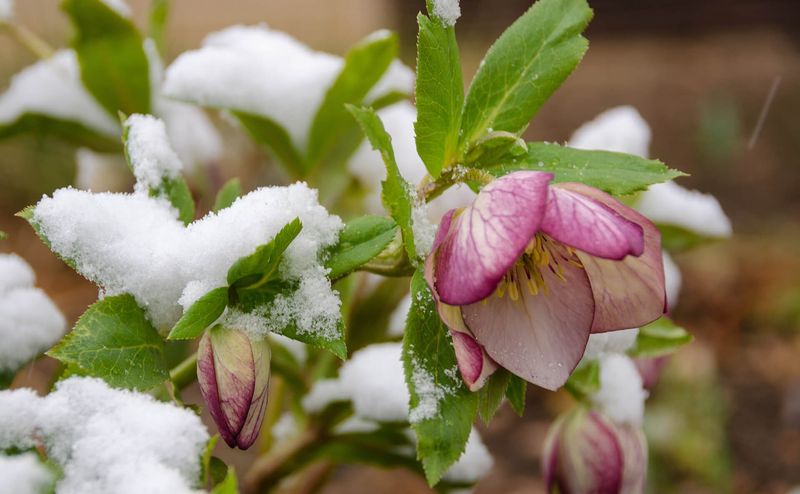
Hellebores carry nicknames like Lenten rose and Christmas rose, yet they belong to the buttercup family. The rose name comes from the open, cupped shape of the blooms, which look a lot like old-fashioned single roses.
Two main groups show up in garden centers. Lenten roses, mostly Helleborus x hybridus, usually flower in Michigan from March into May.
Christmas roses, Helleborus niger, can open much earlier, sometimes in December, and keep going through mid-winter when conditions allow.
The real magic sits in those petals. They are sepals, the tough outer parts that usually protect a bud. Because sepals are sturdy, they stay on the plant long after pollination and slowly shift toward green.
That long display is why many gardeners report 8 to 12 weeks of color from a single clump. Few perennials can match that, especially so early in the year.
One more surprise is how tough the flowers are. A hard frost may make stems flop for a day, but they often perk back up once temperatures rise. It feels a bit like watching a plant shrug off winter.
So when you spot one blooming beside a snowbank, you are seeing a cold-season specialist doing exactly what it was built for.
2. Michigan Winters Actually Help Hellebore Buds Form
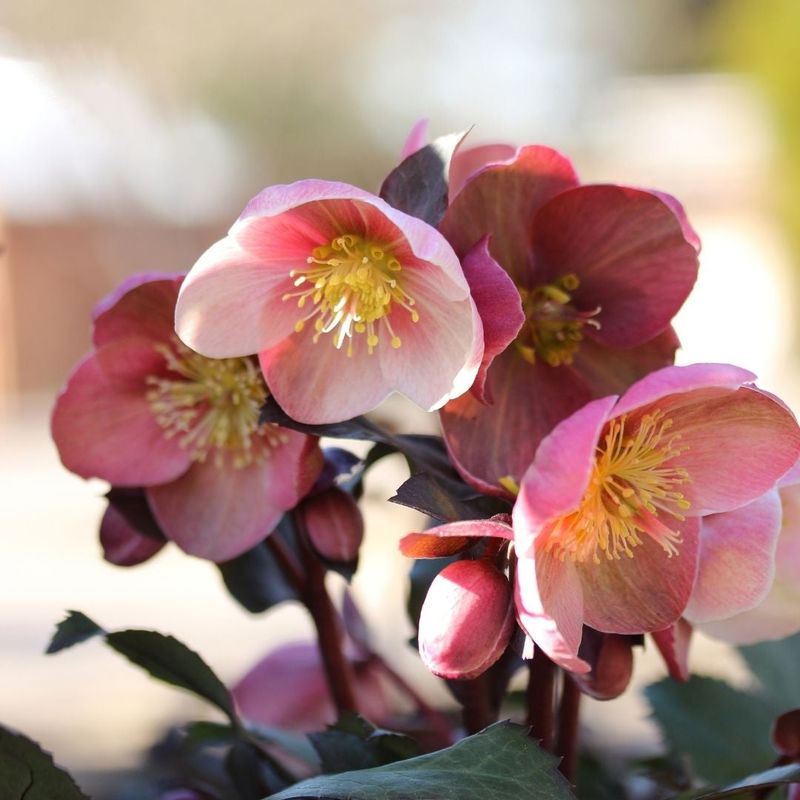
Cold is not the enemy here. Hellebores need roughly eight weeks of freezing temperatures to trigger strong growth and blooming, and Michigan winters deliver that with room to spare.
Michigan spans USDA zones 4a to 6b. Most Lenten rose hybrids are hardy in zones 4 through 9, which covers the Lower Peninsula and much of the north. Christmas roses handle zone 3, so they make a smart pick for chillier Upper Peninsula spots.
Freeze-thaw cycles can heave and stress many perennials. Hellebores tend to ride them out well, especially when they are planted in a sheltered spot with some mulch around, not on, the crown.
Snow cover is a helper too. A blanket of snow insulates roots and keeps soil temperatures steadier than bare, windblown ground.
Gardeners in the southwest corner near Lake Michigan may see flowers a bit earlier than folks around Gaylord or Marquette. Lake effect moderation and later snowmelt both shape timing, so expect a few weeks of difference across the state.
If your plant seems slow one spring, give it patience. A late, cold season usually just shifts the show back, and buds often appear once the ground softens.
3. Shady Spots Under Deciduous Trees Suit Hellebores Best
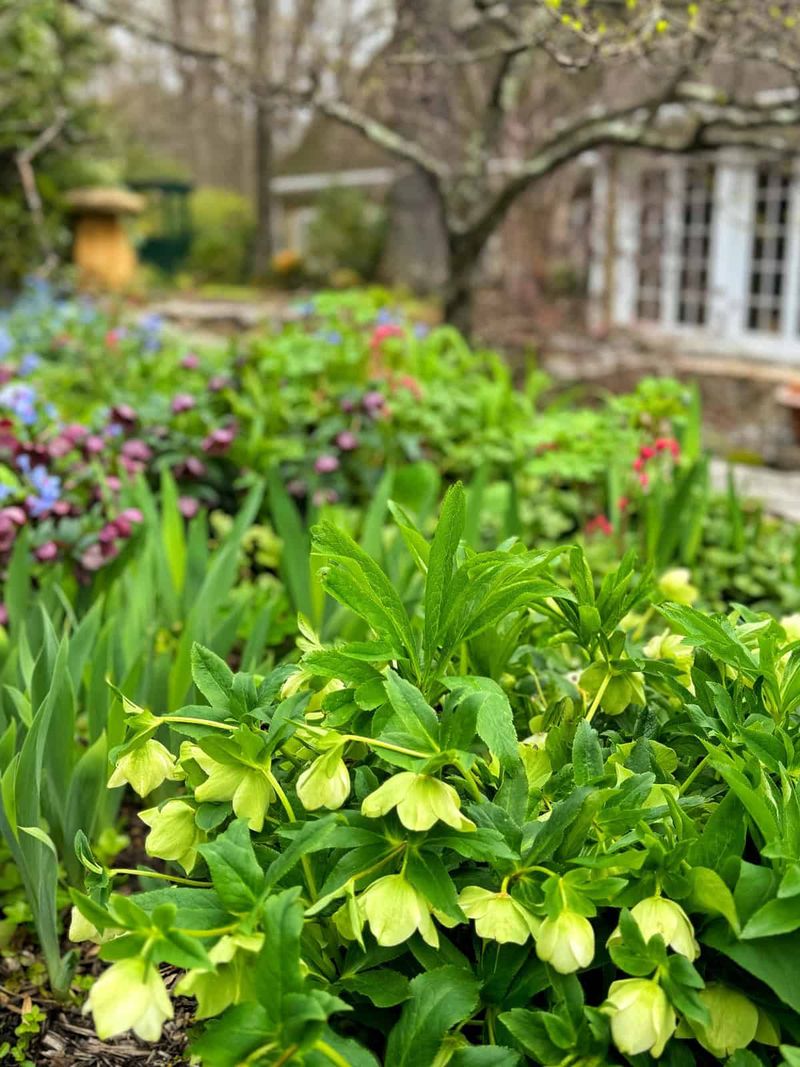
Some of the happiest hellebores I have seen grow under big maples and oaks. That setting gives them a seasonal deal that works almost perfectly.
In late winter and early spring, the branches are bare. Sunlight reaches the plants just when they are blooming and building energy. By summer, the tree leafs out and shades them from harsh afternoon heat.
Hellebores prefer partial to full shade. Strong afternoon sun in July can scorch their leaves and leave them looking crispy and tired.
A north or east side of the house can also work well. Morning light with afternoon shade is a sweet spot for many shade perennials, and hellebores fit right in.
Placement matters for you as well as the plant. Many flowers nod downward, so set them on a slope, near a raised bed edge, or along a path you walk often.
A spot visible from a kitchen or living room window is a real treat. You get to enjoy blooms from a warm chair while the yard is still waking up.
Avoid low corners where water pools, even if they are shady. Shade alone is not enough without decent drainage.
4. Heavy Clay Soil Needs a Little Help Before Planting Hellebores
Plenty of Michigan yards sit on dense clay. Hellebores can handle the neutral to slightly alkaline pH that clay often has, around 6.5 to 7.5, but they struggle when roots sit in soggy ground.
Loosen a wide area and blend in compost or fine pine bark. That organic matter opens up air pockets so water drains instead of lingering around the roots.
Planting depth is the biggest detail people miss. Set the crown, where stems meet the soil, at or slightly above ground level. Burying it too deep invites crown rot, especially during wet winters.
Fall and early spring are the best planting windows. Cool weather gives roots time to settle in before summer heat or a hard freeze arrives.
Water deeply after planting, then keep soil evenly moist but not waterlogged through the first season. Aim the hose at the base instead of the leaves.
A thin layer of shredded leaves or bark mulch keeps roots cool and soil moisture steady. Just pull it back an inch or two from the crown.
Once established, hellebores tolerate short dry spells. Extra water during summer droughts still helps them stay lush and ready for next year.
5. Snip Those Tattered Hellebore Leaves Right as Flower Stems Appear
By February, last year’s hellebore foliage often looks beat up. Michigan cold, wind, and snow load leave the leathery leaves torn, browned, or flattened.
Late winter or very early spring is the time to tidy up. Watch for new flower stems pushing from the center, then cut the old leaves off near the base with clean pruners.
That one chore pays off twice. Blooms show up much better without a messy skirt around them, and you remove leaves that may carry fungal spots.
Be careful around the crown. New flower buds and fresh leaves are tucked tight against it, and a careless snip can take out the best part of the show.
Gloves are a smart idea. Some people get mild skin irritation from the sap in hellebore leaves and stems.
Toss old foliage in yard waste instead of your compost pile if it shows dark blotches. That keeps disease from cycling back into your beds.
Feeding is simple after cleanup. Spread a light layer of compost or a small amount of slow-release balanced fertilizer around the plant, keeping it away from the crown. Fresh green leaves will fill in quickly as spring warms up.
6. Deer and Rabbits Usually Walk Right Past Hellebores
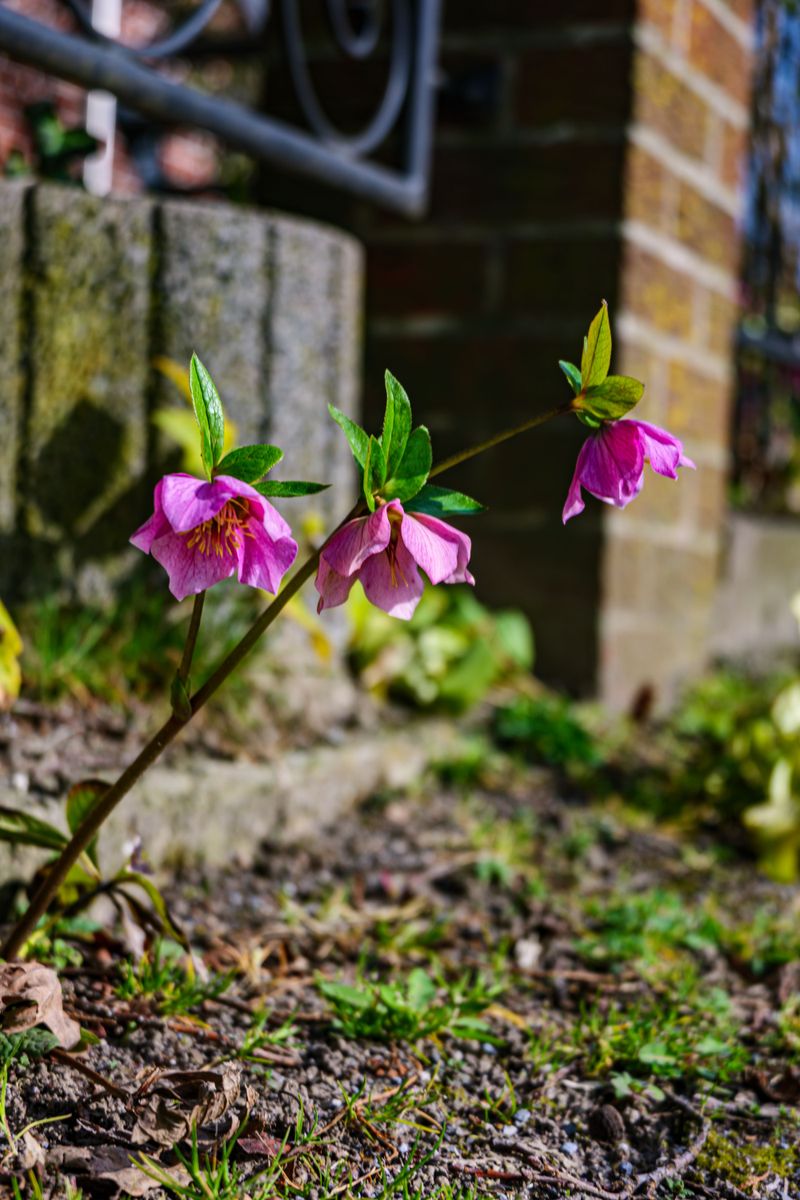
Ask any Michigan gardener about deer and you will probably get a long sigh. Hostas, tulips, and lilies can vanish overnight when hungry deer roam the neighborhood.
Hellebores rarely get that treatment. All parts of the plant are bitter and toxic, so deer and rabbits mostly leave them alone.
That makes them a strong choice for wooded lots, rural yards, and suburban spots near parks. You can plant them along the edge of a woodland and still expect flowers.
The same toxicity is a safety point for families. Hellebores are harmful if eaten by people, dogs, cats, horses, and other livestock. Keep curious pups from chewing leaves, and teach kids that these flowers are for looking only.
Slugs and snails may still nibble foliage in damp springs. Aphids can show up on new growth now and then, though a strong spray of water often knocks them back.
Planting hellebores near more tempting perennials will not guarantee protection for those neighbors. Still, it gives you at least one bed that stays standing when browsing pressure is high. For a gardener tired of fencing and sprays, that alone feels like a small victory.
7. Early Bees Find Hellebore Nectar When Little Else Is Blooming
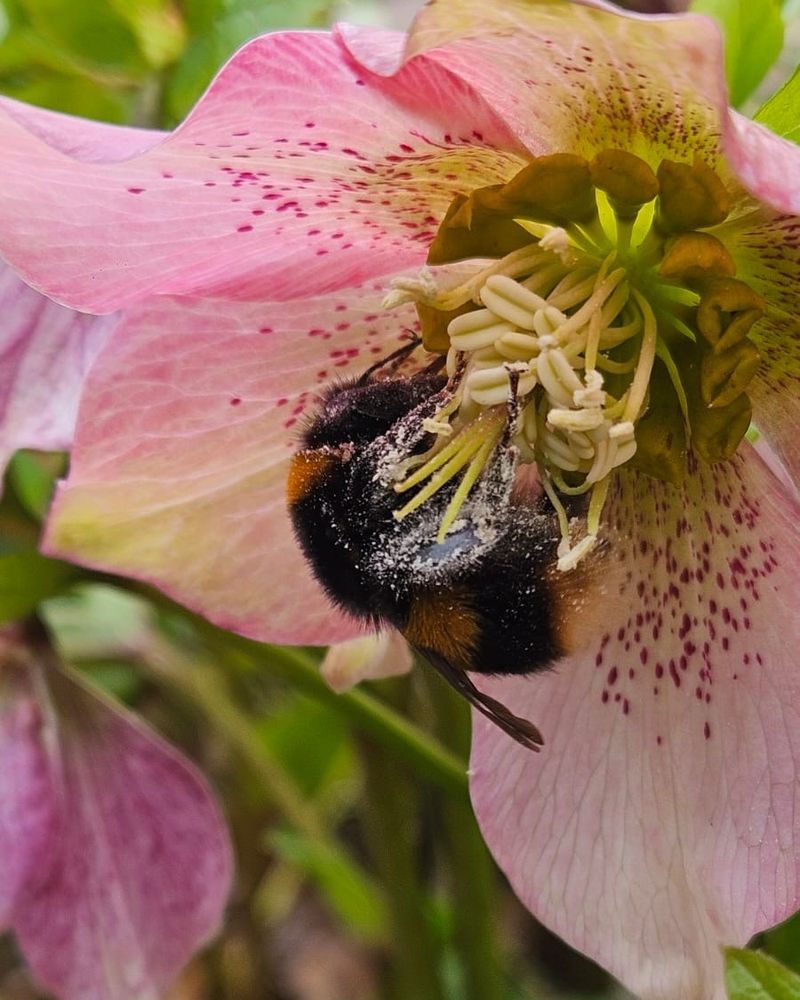
On a sunny March afternoon, you might hear a soft buzz near your hellebores. Early bees out on mild days are searching hard for food, and options are scarce.
Hellebores step in at exactly that moment. Their open flowers offer nectar and pollen when most perennials are still underground, giving early pollinators a valuable boost.
Pairing them with other early bloomers builds an even better buffet. Crocus, scilla, primrose, lungwort, and violas flower around the same time and like similar conditions.
Later in the season, hostas, ferns, and barrenwort make friendly neighbors. Their foliage fills in as hellebore flowers fade, keeping a shady bed lush all summer.
Skip pesticide sprays around blooming plants. Even a quick application can harm the very visitors you hoped to attract.
One fun bonus comes after pollination. Hellebores can drop seeds that sprout into small seedlings around the parent plant.
Over a few years, those babies may form a loose colony. Seedlings from hybrids can look different from the parent, so each one is a little surprise. Move them while small, or share extras with friends who need early color.
8. Plum, Speckled, and Nearly Black Hellebores Make Choosing Hard
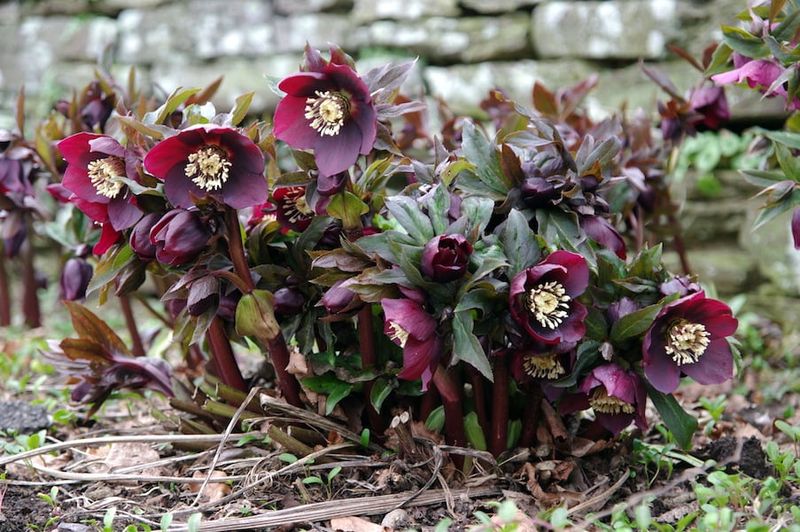
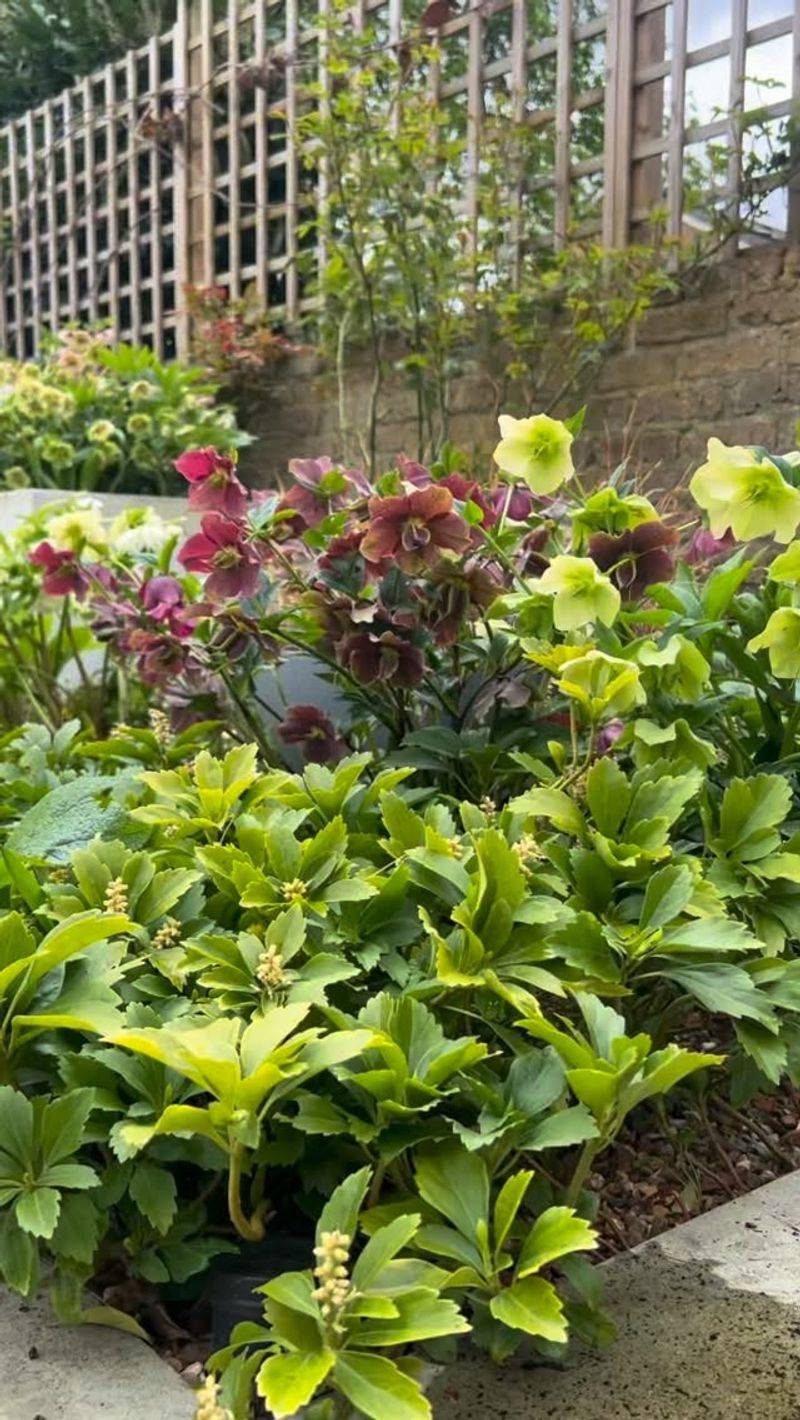
Walk into a nursery in spring and the hellebore table can feel like a candy shop. Breeders have created flowers in white, yellow, green, pink, rose, plum, and a moody shade close to black.
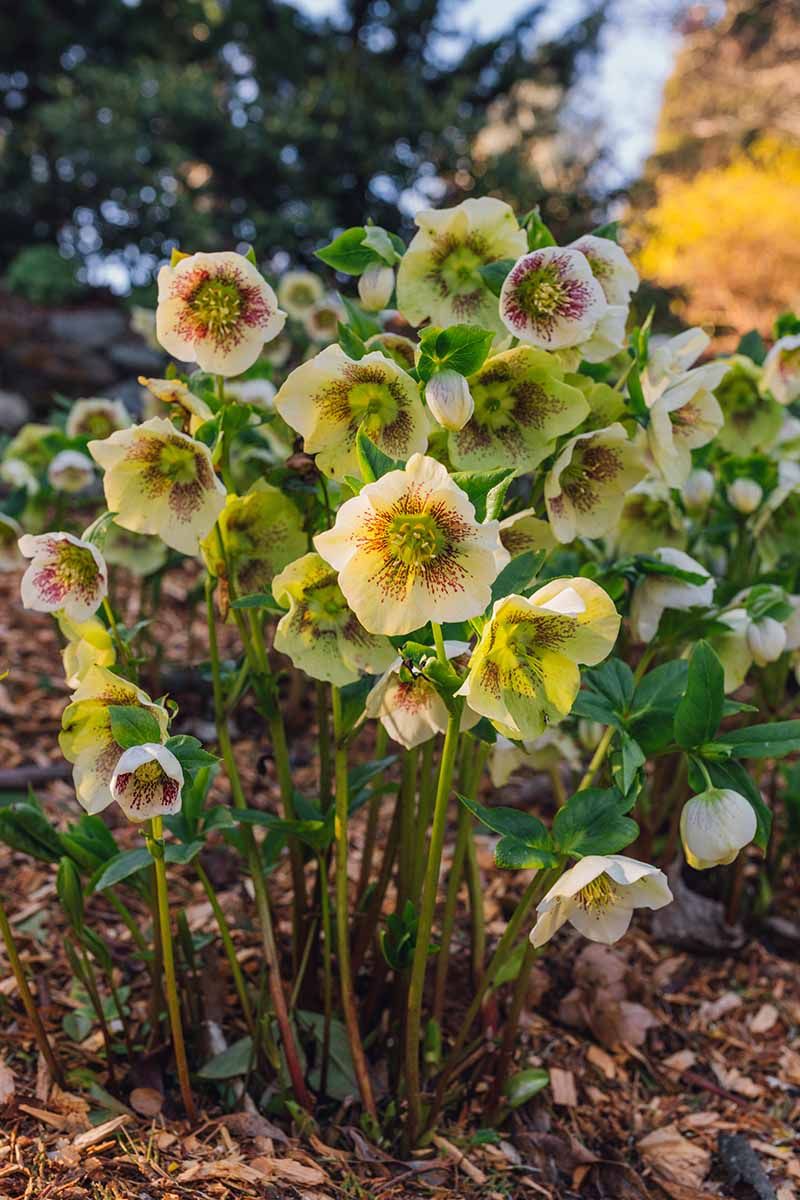
Patterns add even more charm. Some blooms carry freckles, others show fine veins or contrasting edges, and doubles look almost like tiny peonies.
Newer types often hold their flowers more upright. That small change matters, since you can enjoy the faces without kneeling in cold mud.
For colder parts of Michigan, check the tag for zone 3 or 4 hardiness. Christmas rose varieties are a safe bet for the north.
Buying in bloom lets you pick exact colors you love. Pots planted in spring can go straight into amended soil once the ground is workable.
Hellebores dislike being moved, so choose a lasting home. They are long-lived and often get fuller and showier every year when left alone.
If you ever want more plants, early fall is the time to divide carefully. Most gardeners simply let clumps grow. My advice is to start with three plants this year, then watch them become the first bright note of every winter to come.