Sesame-Seed-Sized Pest In Minnesota Is Still Out There, Even In November
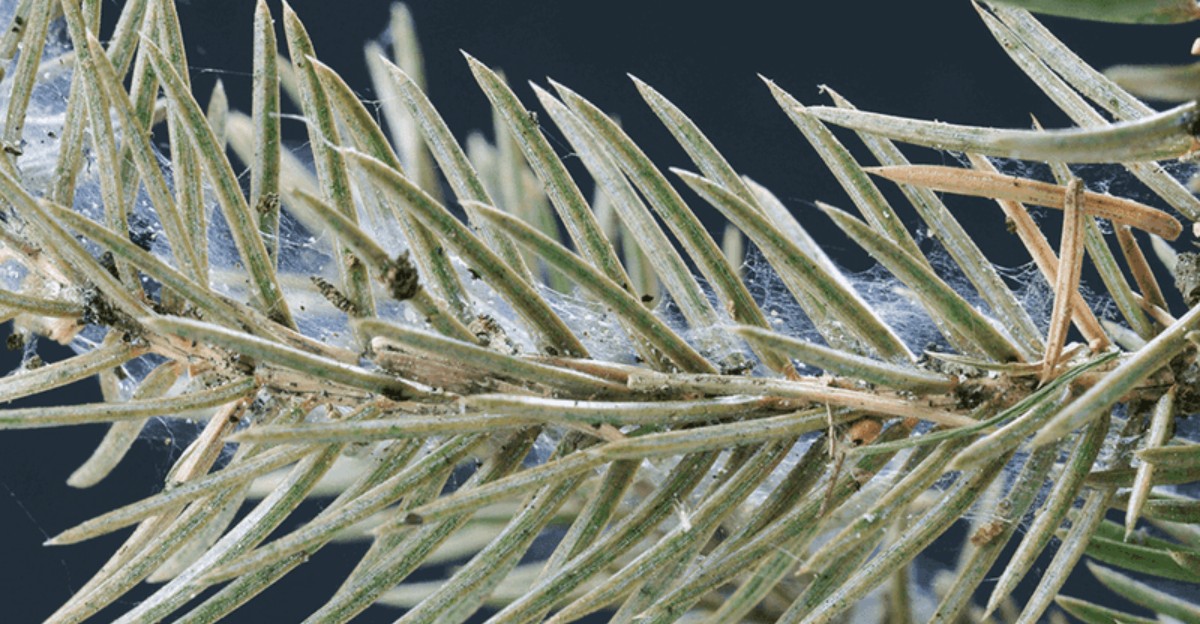
A creature smaller than a sesame seed can turn a blue spruce bronze, and it actually prefers chilly weather.
Most bugs hit the brakes when Minnesota frost arrives. This one speeds up when temperatures sit in the 50s and 60s, feeding hard in fall and spring.
I was surprised the first time I tapped a branch over white paper in late autumn. Dozens of tiny specks started crawling across the page like moving pepper.
You might notice faded, speckled needles on your favorite evergreen right now. Is that just autumn wear, or is something tiny still busy out there in Minnesota yards?
Those Tiny Specks on Your Spruce Needles Have a Story

A fading spruce in November often gets blamed on cold, dry weather. Sometimes that is true, but sometimes a much smaller culprit is involved.
University of Minnesota Extension identifies the spruce spider mite as a cool-season pest. Unlike most garden mites, it thrives in spring and fall when the air feels crisp.
The adults are about the size of a period at the end of a sentence, often smaller than a sesame seed.
These mites are not insects at all. They are arachnids, which makes them cousins of spiders and ticks. Adults look greenish black to dark brown, while young mites are paler.
Their favorite targets include spruce, arborvitae, juniper, hemlock, fir, and pine. Colorado blue spruce and dwarf Alberta spruce are especially common hosts in home landscapes.
I was startled to learn how much damage something so small can cause. Each mite pierces needle cells and sucks out the contents, leaving behind tiny pale dots.
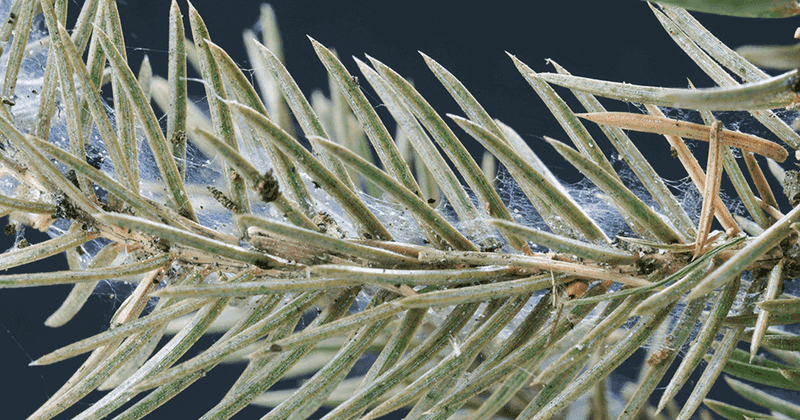
Hundreds of mites feeding together create a dull, dusty look across whole branches. Over time, the inner needles can turn yellow, bronze, or gray. That slow change is easy to miss until a tree looks noticeably tired.
A Sheet of White Paper Can Catch These Spruce Mites Red-Handed
My favorite pest test costs nothing and takes about thirty seconds. Grab a sheet of plain white paper or a light-colored clipboard and head outside.
Hold the paper under a branch that looks speckled or dull. Then give the branch a few firm taps with your hand or a stick.
Watch the paper closely for a minute. Spruce spider mites will look like moving specks of pepper, slowly wandering across the surface.
Extension experts suggest a rough guide. Ten or more mites per tap on several branches suggests a population worth managing.
Smear a speck with your finger, too. Plant-feeding mites usually leave a greenish or reddish streak, while helpful predatory mites move much faster and look paler.
Webbing offers another clue. Heavy infestations produce fine silk strands between needles, especially near the trunk and on lower branches.
Check several sides of the tree, because mites often cluster in sheltered spots. A hand lens makes the job easier and honestly a lot more fun.
Testing now, while the weather is cool, gives you a clear picture before winter. Write down which trees had mites so you can recheck them in April.
Cool Autumn Days Keep Spruce Spider Mites Busy on Evergreens
Most gardeners picture pests as summer troublemakers. Spruce spider mites flip that idea upside down.
They are most active when temperatures hover roughly between the 50s and 70s. Hot summer weather pushes them into a resting phase, and their numbers often drop until fall returns.
Once September and October cool things down, feeding picks back up. In many parts of Minnesota, mild November afternoons can keep them going a little longer.
As days shorten, females lay reddish-brown eggs on twigs and needle bases. Those eggs carry the population through winter and hatch in early spring, often in April.
That timing explains why fall damage matters. Needles injured now stay discolored through the long winter, and spring hatching adds fresh feeding.
Hard freezes eventually slow adults down, so activity varies by region. Northern areas usually wind down sooner than the Twin Cities or southern counties.
I love this quirky fact. A single season can include several generations, because each one develops in just a few weeks under ideal cool conditions.
Knowing their calendar helps you plan. Fall and early spring are the best windows to watch, test, and act.
A Strong Blast of Water Knocks Mites Off Evergreen Branches
Sometimes the simplest fix is sitting coiled up by your spigot. A forceful spray of water can dislodge many mites from needles.
Aim the hose into the interior of the tree and spray from several angles. Mites are slow and fragile, so many struggle to climb back up.
Choose a mild day above freezing for this job. Morning works well, giving branches time to dry before cold evening air settles in.
Repeat the spray a few times over a couple of weeks if testing still shows activity. Small evergreens like dwarf Alberta spruce respond especially well.
For heavier problems, horticultural oil is a common extension recommendation. Dormant-rate oil applied in early spring targets overwintering eggs.
Be careful with oil on blue spruce, though. It can strip the waxy coating and turn needles green rather than blue for a while.
Insecticidal soap is another lower-impact option during active feeding. Read every label, follow temperature limits, and test a small area first.
Skip broad-spectrum insecticides. They often reduce predatory mites and beneficial insects, which can let spider mites bounce back even faster afterward.
Patience matters here: repeat treatments gently, recheck with the paper test weekly, and stop once the specks finally disappear.
Thirsty Conifers Before Ground Freeze Fight Back Better
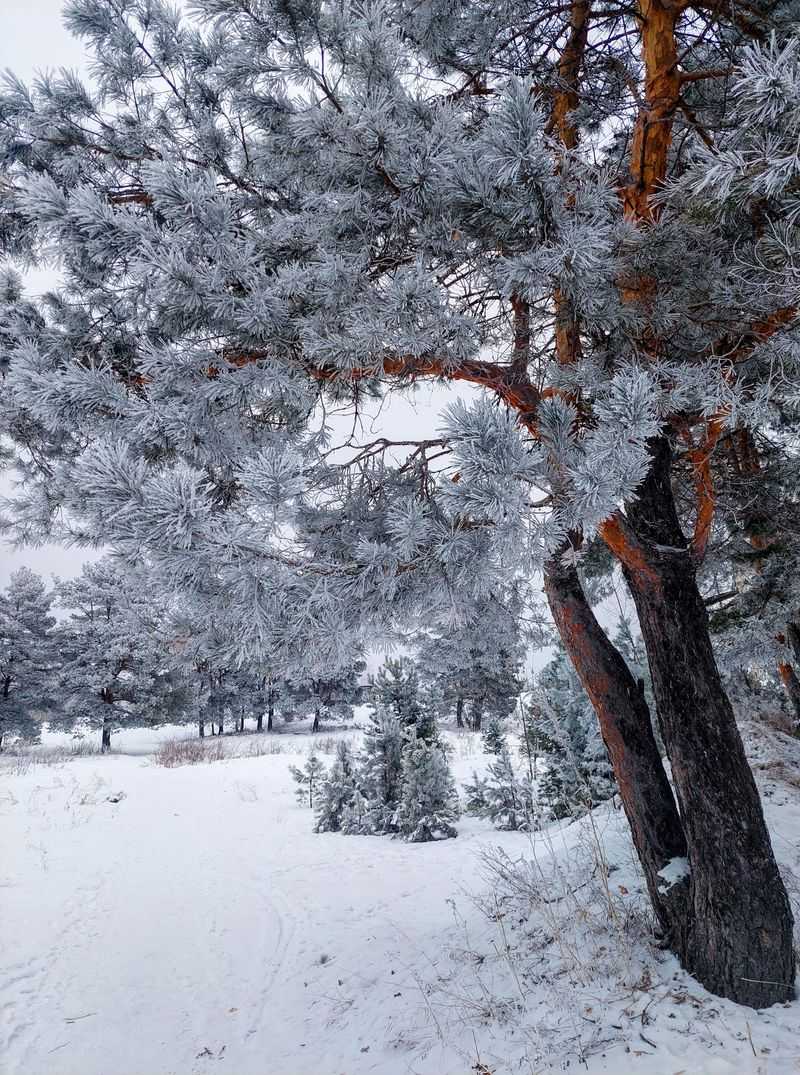
Drought-stressed evergreens seem to send out an open invitation to mites. Healthy, well-watered trees handle feeding pressure much better.
Minnesota winters are rough on conifers, because needles lose moisture all season long. Frozen soil prevents roots from replacing that water.
Extension advice is clear on this point. Keep watering evergreens through fall until the ground freezes, especially after a dry stretch.
A slow, deep soak works best. Let a hose trickle near the drip line, aiming to moisten soil about a foot down.
Newly planted trees and shrubs need extra attention. Their small root systems dry out faster than established ones.
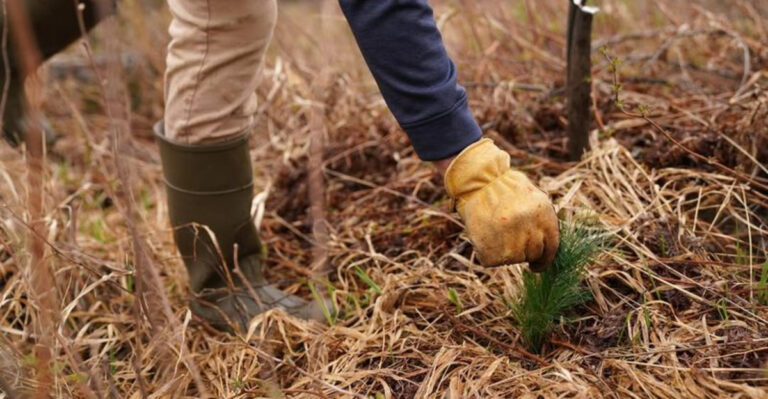
A ring of wood chip mulch helps hold that moisture in place. Spread two to four inches, keeping it a few inches away from the trunk.
Placement matters too. Evergreens tucked against hot, dry south walls or near reflective pavement often see more mite trouble.
I started watering my arborvitae in October after one sad, browned spring. The next year looked noticeably greener, and the mite counts dropped too. Healthy trees cannot block every pest, but they recover faster when trouble does show up.
Houseplants Coming Indoors Can Carry Twospotted Spider Mites
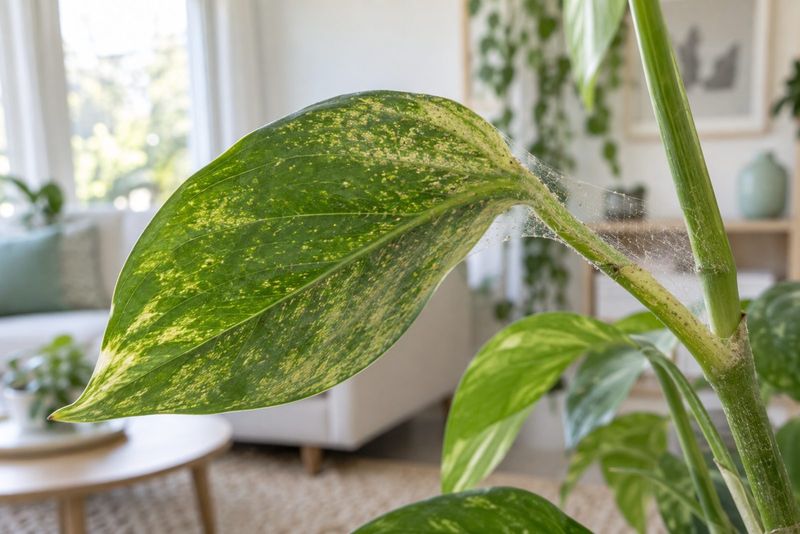
Spruce mites stay outdoors, but their cousins love a heated living room. The twospotted spider mite is a common indoor pest in fall and winter.
Warm, dry air from furnaces creates ideal conditions, and plants that spent summer on a patio can quietly carry mites inside.
Look under leaves for tiny pale dots and faint webbing. Damaged foliage often looks dusty, yellowed, or like drought stress.
Other small pests ride indoors too. Fungus gnats, about one-sixteenth to one-eighth inch long, flutter around soggy potting mix and annoy everyone at dinner.
A quarantine habit helps a lot. Keep returning plants in a separate room for two or three weeks and check them often.
Rinse leaves in the shower or sink to knock mites off. For smaller plants, wipe both leaf surfaces with a damp cloth.
Bump up humidity with pebble trays or by grouping plants together, since spider mites dislike moist air.
For fungus gnats, let the top inch of soil dry between waterings. Yellow sticky cards catch adults and show you whether the problem is fading.
Check the cards weekly; don’t panic if you spot a few stragglers. Consistency wins over perfection, and most households get the problem under control within a month.
Lady Beetles and Predatory Mites Are Your Spring Spruce Allies
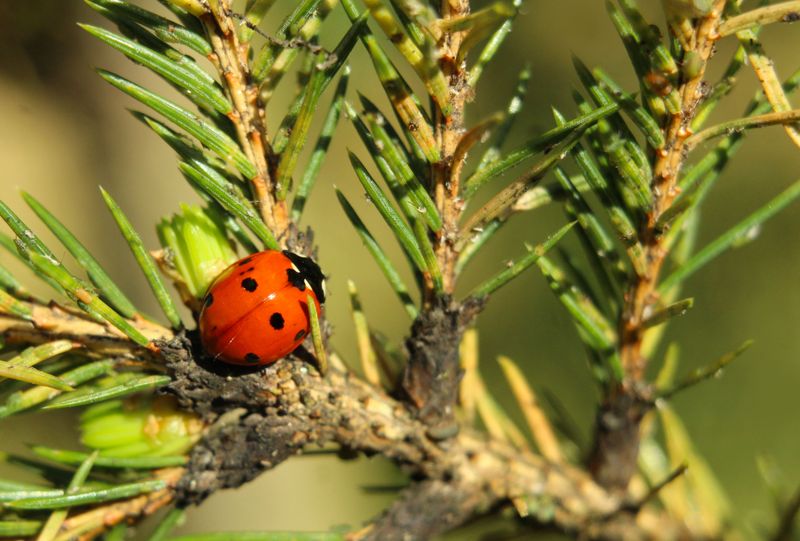
Nature already has a cleanup crew for spider mites. Your job is mostly to avoid chasing it away.
Predatory mites, lady beetles, minute pirate bugs, and lacewing larvae all feed on plant-eating mites. In balanced yards, they often keep numbers low.
Plant a mix of flowers that bloom from spring through fall. Native choices like wild bergamot, asters, and golden alexanders offer nectar and shelter.
Leaving some plant stems and leaf litter in garden beds gives helpful insects winter cover. Keep debris away from the base of mite-prone evergreens, though.
Mark your calendar for early spring. Repeat the paper tap test in April, when overwintering eggs hatch.
If counts are high, act early with water sprays or labeled oils. Recheck again in fall when the cool weather brings mites back.
Heavily damaged needles will not turn green again. New growth will look fresh, so patience pays off.
I find comfort in that slow comeback. A few easy habits now can mean healthier evergreens across Minnesota yards next year, and plenty of fun detective work with a white sheet of paper.