Worst Grass Types For Flooded North Carolina Yards And Those That Absolutely Thrive In Them
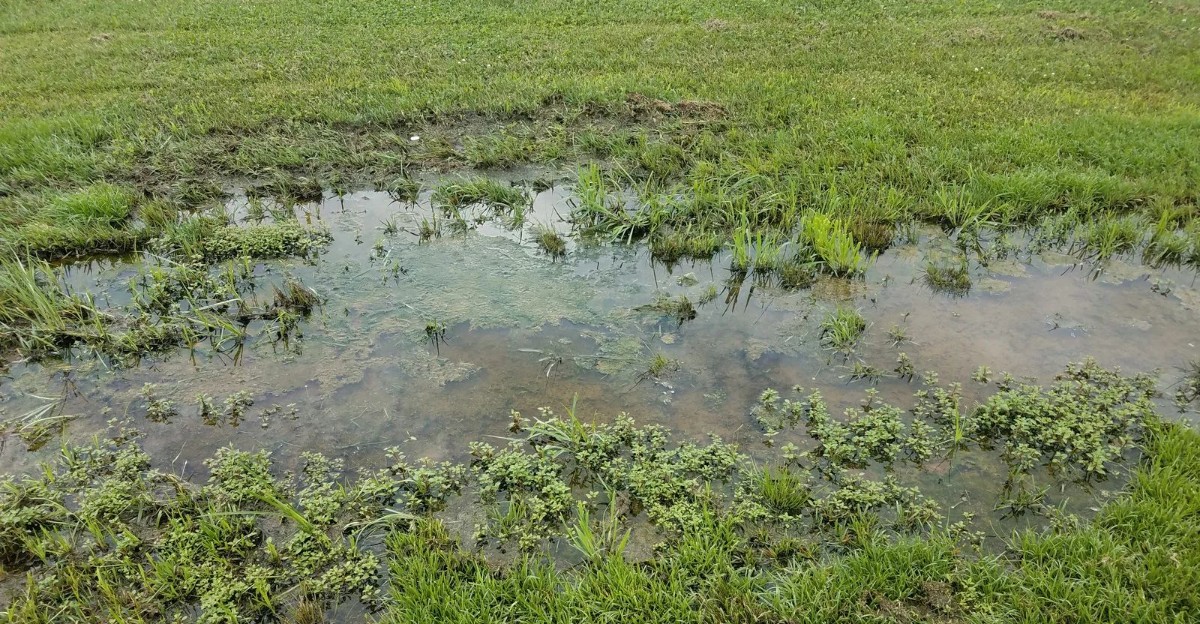
Hurricane Florence dumped nearly 36 inches of rain near Elizabethtown in 2018, setting a state record for one storm. Many lawns across North Carolina sat underwater for days, and plenty looked sad for months afterward.
What I find interesting is how two neighboring lawns can react so differently to the very same flood. One yard turns yellow and mushy, while the one next door shrugs off the water within a week.
I have slogged through soggy yards in rubber boots, and I learned that soil oxygen matters more than fertilizer. Roots need air to breathe, and standing water squeezes that air right out of the ground below.
North Carolina stretches from chilly mountain coves to sandy coastal plains, so the right choice depends on location.
So which grasses sink in soggy ground, and which ones seem to enjoy getting their feet wet?
1. Fine Fescue
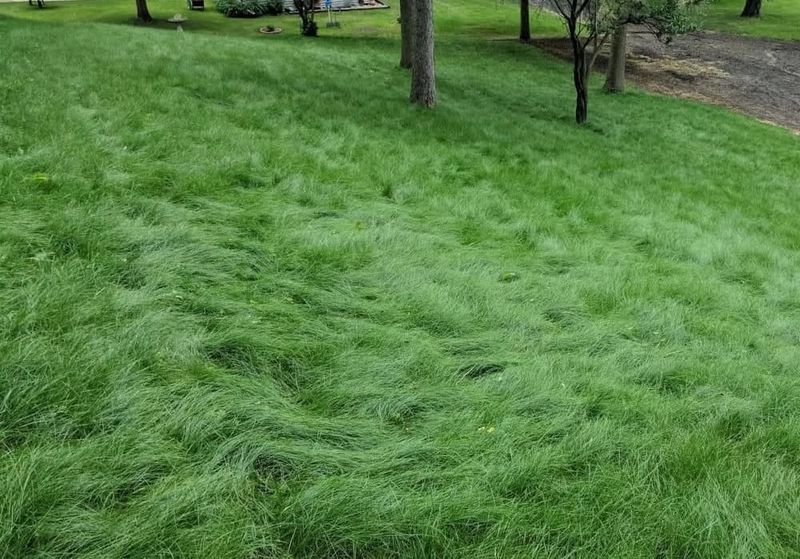
Fine fescue has blades so thin they look like green hair, and that delicate charm comes with real weaknesses. I adore it under shady oaks, but I wince whenever I see it planted in a low, puddly yard.
Several species fall under this name, including creeping red fescue, chewings fescue, and hard fescue from the Festuca genus. They earned fame for shade tolerance and low fertilizer needs, which makes them popular in cooler mountain yards.
Wet feet are where the trouble starts, because these grasses strongly prefer well drained, slightly dry soil. Extension turf specialists rate fine fescues poorly for waterlogged sites, and soggy roots quickly invite rot and thinning.
Hot, humid summers add more stress, since fungal diseases spread fast when warm air meets saturated ground. You may notice patchy brown circles appearing after a stormy week, especially in spots where water lingers longest.
Foot traffic is another sore point, because the fine blades bruise easily and recover slowly from damage. A muddy yard where kids and dogs run around after rain will wear these grasses down surprisingly fast.
My honest advice is to save fine fescue for dry, shady slopes where water drains away within hours. If your low corner holds puddles after storms, choose something tougher or consider a rain garden for that spot.
One fun detail is that many fine fescues are sold in mixes labeled for shade, so read labels carefully. A blend heavy on fine fescue might look lovely in spring but struggle badly after the first big summer soaking.
2. Kentucky Bluegrass
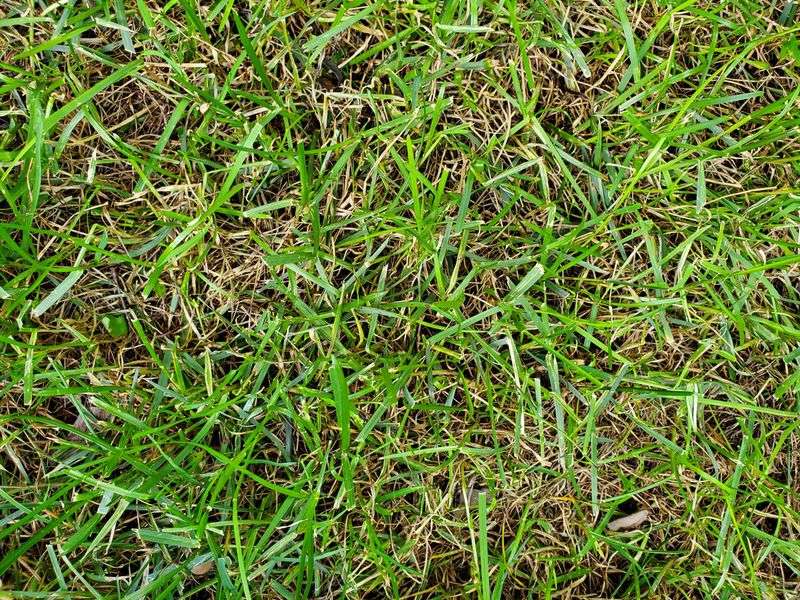
Kentucky bluegrass wears a gorgeous blue green coat that makes golf fans swoon, yet soggy soil humbles it quickly. Funny enough, the plant did not originate in Kentucky at all, since it arrived from Europe long ago.
Its scientific name is Poa pratensis, and it grows best when temperatures hover between roughly 60 and 75 degrees. That preference explains why it mostly shows up in the cooler mountains rather than the steamy coastal lowlands.
Fertile, well drained ground is what this grass craves, and saturated soil starves its roots of needed oxygen. After a few days underwater, you might see the lush carpet fade to tan and thin out noticeably.
Summer heat makes things worse, because bluegrass slips into stress mode when humid nights follow heavy afternoon thunderstorms. Diseases like summer patch can take advantage, leaving odd rings of brown grass scattered across your yard.
I could be wrong, but I think many homeowners plant it because seed packets show such dreamy, rich green photos. Those pictures rarely mention that the grass needs good drainage and steady care to look that polished.
If you already have bluegrass in a wet area, try core aeration in early fall to help water soak downward. Adding compost during that time can also improve soil structure, giving roots a better chance to breathe after storms.
For flood prone spots in the Piedmont or Coastal Plain, though, I would skip this grass entirely and save yourself frustration. It shines in cool, well drained mountain yards, which is honestly where it belongs and performs best.
3. Perennial Ryegrass
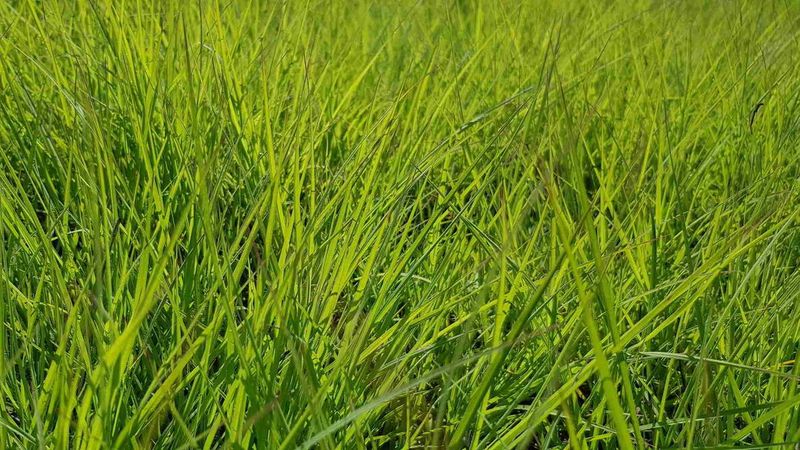
Perennial ryegrass sprouts so quickly that you can see green fuzz within a week, which feels almost like magic. Speed is wonderful, but this eager grass carries a shallow root system that hates sitting in water.
Known scientifically as Lolium perenne, it is a cool season grass often used to overseed dormant warm season lawns. Many southern homeowners sow it in fall for green winter color, then let it fade as summer heat arrives.
Shallow roots are the core problem in flooded yards, since they cannot reach deeper, drier soil when the surface floods. A long soaking smothers those roots, and patches can collapse into slimy, matted clumps rather quickly.
Heat is another weak point, because stretches above 90 degrees push ryegrass into steep decline during humid summers. Combine that heat with soggy ground, and diseases like pythium blight can spread across a lawn almost overnight.
I still like ryegrass for short term jobs, such as quick erosion cover on bare slopes after construction work. Just think of it as a temporary guest rather than a permanent resident in wet, low lying areas.
If you overseed with it, avoid watering heavily on top of already soggy soil, and mow only when ground firms up. Mowers sinking into wet turf leave ruts that hold even more water, which creates a frustrating cycle.
For year round lawns in flood prone parts of the Piedmont or coast, choose a deeper rooted option instead. Ryegrass works best as a seasonal helper, filling in color while sturdier grasses rest through the cooler months.
4. Tall Fescue
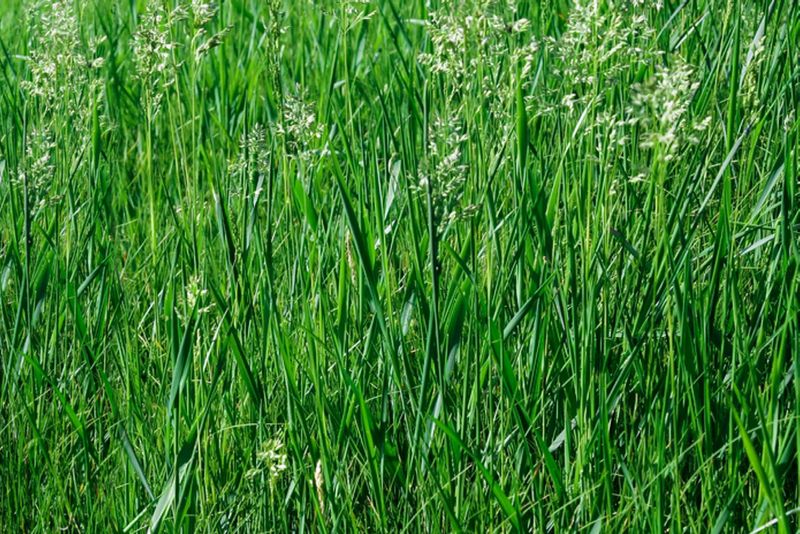
Tall fescue is the most widely planted cool season lawn grass in the state, so its flood troubles affect many yards. I have watched gorgeous fescue lawns turn blotchy within days of a muggy, rainy stretch in July.
Scientists call it Festuca arundinacea, though you may see a newer name, Schedonorus arundinaceus, on some university pages. It grows a deeper root system than most cool season grasses, which helps it handle short dry spells.
To be fair, tall fescue tolerates moist soil better than bluegrass or fine fescue, so it is not hopeless. The real headache comes when warm nights, standing water, and humid air team up during summer.
Brown patch is the fungal disease that loves those conditions, forming tan circles that can stretch several feet wide. Wet leaves overnight give the fungus a perfect launch pad, especially in lawns fed heavy nitrogen in summer.
You can reduce trouble by watering early in the morning so blades dry before evening arrives. Skip summer nitrogen feedings too, since extension experts recommend fertilizing tall fescue mainly in fall and late winter.
September through mid October is the ideal window for overseeding thin fescue, once soil temperatures cool down. Choosing improved turf type varieties with better disease resistance can make a noticeable difference in damp yards.
The way I see it, tall fescue belongs on this list mainly for low, poorly drained spots that flood repeatedly. On gentle slopes with decent drainage, it can still be a reliable and attractive choice for Piedmont lawns.
5. Bermudagrass
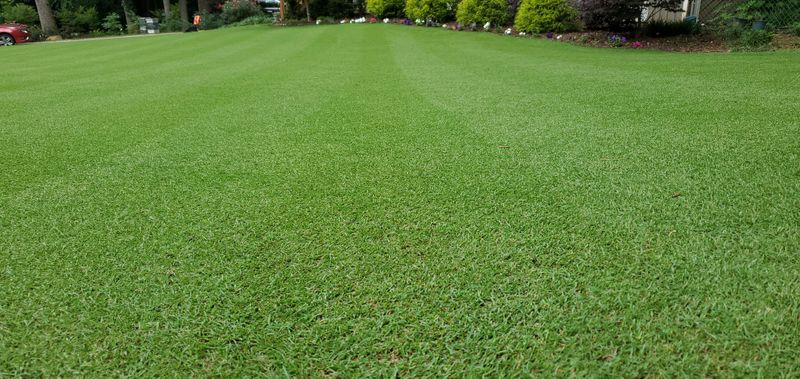
Bermudagrass can bounce back from heat, drought, and heavy cleats, so seeing it on a worst list may surprise you. Golf courses and ballfields love it, yet poorly drained yards tell a far less heroic story.
Cynodon dactylon spreads aggressively through both runners above ground and rhizomes below, knitting a dense, springy turf. Those runners help it recover from short floods, and research shows it handles brief submersion fairly well.
The trouble shows up when soil stays soggy for weeks rather than days, especially in shady, low lying corners. Extension guides note bermudagrass prefers well drained sites, and chronic wetness leaves it thin and weedy.
Shade makes matters worse, because this grass demands full sun for most of the day to stay thick. Wet spots under trees often combine both problems, which explains why bermuda patches there look so ragged.
I would not rip out a healthy bermuda lawn just because one corner floods during big storms. Instead, consider regrading that low area or adding a French drain to move water away from the turf.
Core aeration in early summer, when bermuda grows actively, can loosen compacted soil and help drainage noticeably. Avoid mowing or driving on it while ground is saturated, since tire ruts compact soil and trap more water.
Keep an eye on its sprawling habit, too, because bermuda happily creeps into flower beds and vegetable gardens. A firm edging strip saves hours of weeding, especially in yards where wet soil already keeps you busy.
6. Seashore Paspalum

Seashore paspalum grows naturally along salty beaches and marsh edges, where ocean water sometimes washes right over it. Few lawn grasses can handle a dunking in brackish water and still look bright green afterward.
Its scientific name is Paspalum vaginatum, and it is a warm season grass suited to the warmest coastal areas. Turf breeders developed improved varieties for golf courses, especially where only salty irrigation water was available.
What I find fascinating is how well it tolerates moist, poorly drained sandy soil that frustrates most lawn grasses. Low, damp spots near sounds and tidal creeks are exactly the places where this grass feels at home.
Salt tolerance gives coastal homeowners a real edge after storm surge, since many grasses brown out from salt exposure. Paspalum often recovers quickly once rain rinses excess salt out of the soil after a coastal storm.
Cold is the main limit, so this grass fits best in the southeastern coastal plain rather than mountain towns. Harsh winters can thin it out, which is why it rarely appears in Piedmont yards away from mild ocean air.
Mow it fairly low, around one to two inches, and give it modest fertilizer during the warm growing season. Overfeeding can create a spongy layer of thatch, so a light hand usually keeps it healthier and easier to maintain.
Sod or sprigs are the usual ways to plant it, and late spring through early summer works best. That timing gives roots warm soil and plenty of growing time before cooler fall weather slows everything down.
7. Switchgrass
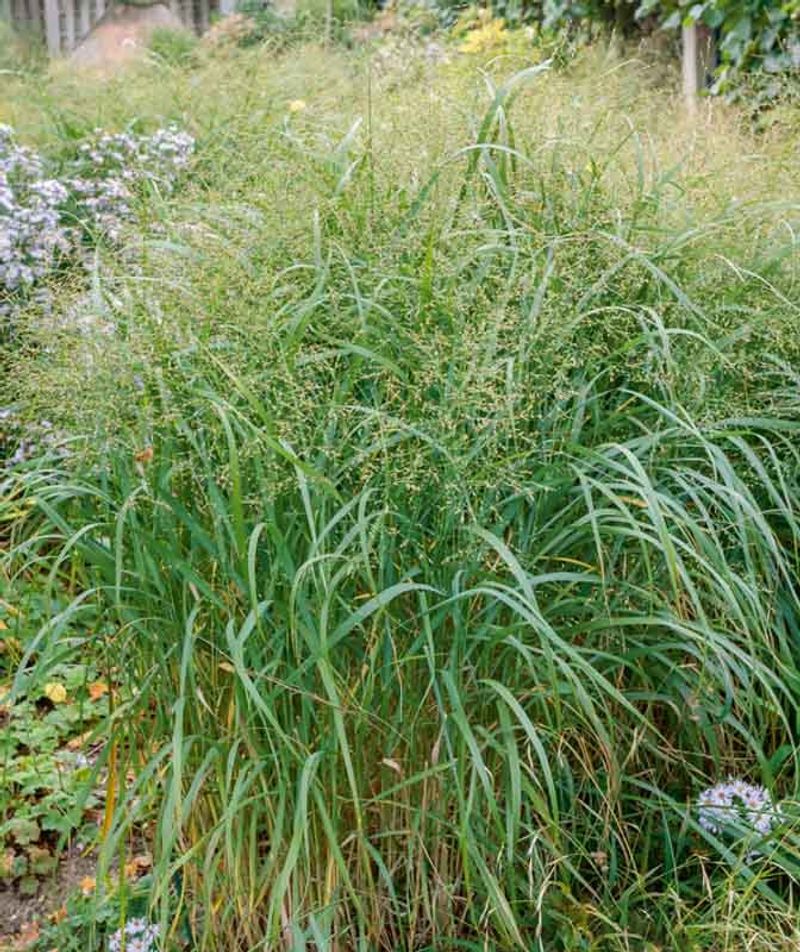
Switchgrass once covered huge stretches of American prairie, and some roots can reach ten feet deep into the soil. Those deep roots act like natural drain pipes, helping water soak down instead of pooling on top.
Panicum virgatum is a native warm season bunchgrass, so it fits right into local ecosystems and supports wildlife. Birds snack on its seeds through winter, while the clumps give shelter to small creatures during cold months.
Let me be clear that switchgrass is not a mowed lawn grass, since it grows three to six feet tall. Instead, it shines as a border, meadow patch, or rain garden plant in spots that flood regularly.
Research and extension sources agree it tolerates both wet and dry conditions, surviving periodic flooding surprisingly well. That flexibility makes it perfect for swales and soggy corners where regular turf keeps giving up.
I love the airy seed heads in late summer, which shimmer pink or purple when the light hits them. In fall, many varieties turn golden or reddish, adding cozy color long after flowers have finished blooming.
Plant it in spring once soil warms, giving each clump plenty of sunshine and room to spread slowly. Cut the old stems back to a few inches in late winter, before fresh green shoots begin pushing upward.
Compact cultivars such as Shenandoah or Northwind suit smaller yards nicely without overwhelming nearby beds. You can see why so many gardeners turn a troublesome wet corner into a lovely native grass meadow.
8. Bahiagrass
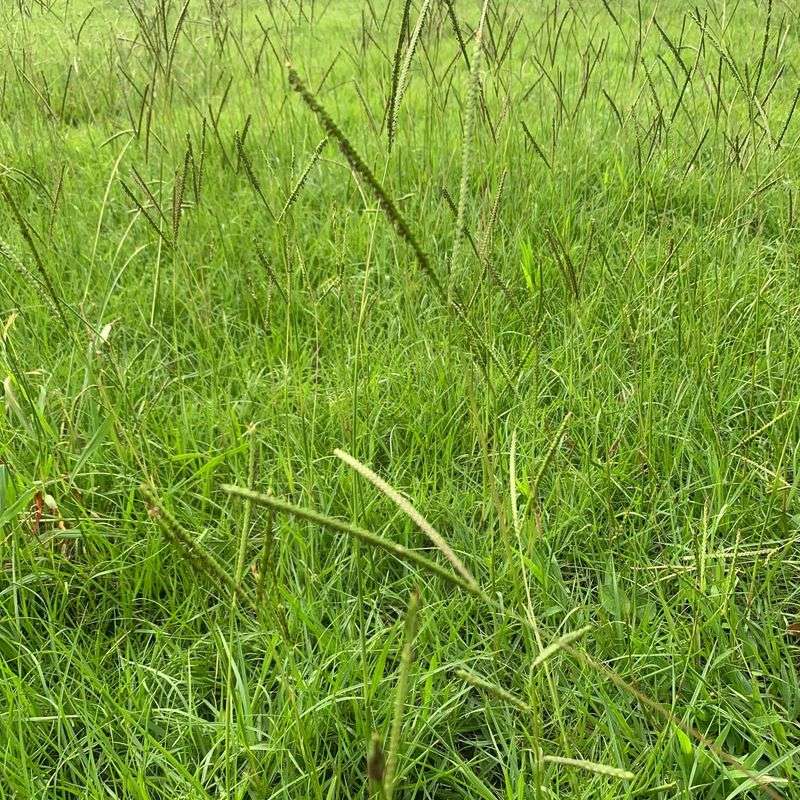
Bahiagrass sends up tall seed stalks shaped like a letter V, which some folks jokingly call little turkey feet. Those quirky heads annoy neat freaks, yet the tough roots beneath them earn plenty of respect from me.
Paspalum notatum came from South America and became a favorite for pastures and roadsides across the Southeast. The state transportation department even includes it in some roadside seed mixes because it holds soil reliably.
Its deep, extensive root system lets it handle sandy, acidic, low fertility soils that frustrate fussier grasses. It also copes with periods of moist ground fairly well, making it useful in damp coastal plain yards.
I wouldn’t necessarily call it a showpiece lawn, since the texture is coarse and the color looks lighter green. Still, for large, low maintenance areas that stay wet after storms, it often outperforms prettier options.
Frequent mowing keeps those seed stalks under control, especially during summer when they shoot up within days. Keep the blade sharp, because the tough stems tend to shred and leave ragged tips behind a dull mower.
Fertilizer needs are modest, and too much feeding mostly encourages more seed heads rather than thicker turf. Plant seed in late spring or early summer, once soil is warm enough for steady germination.
Be aware that bahiagrass can creep into neighboring turf, so think about borders before planting near other lawn types. Coastal plain and southern Piedmont areas suit it best, since harsh mountain winters often leave it thin.
9. Centipedegrass
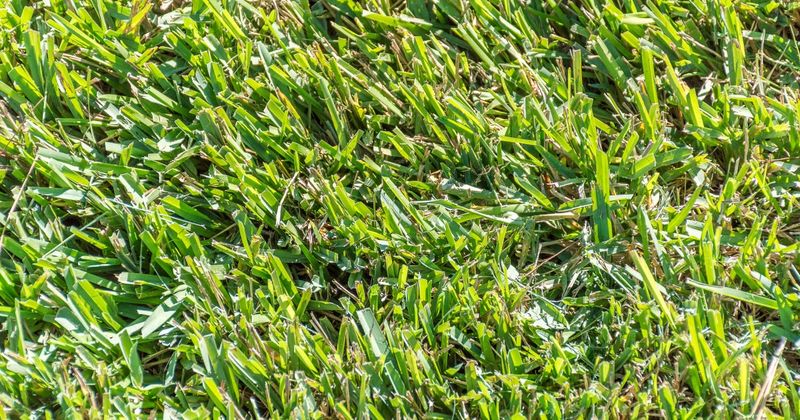
Centipedegrass earned the nickname lazy man’s grass, and honestly, I think that title deserves a little more respect. Its creeping stems look like tiny centipedes with leaves, which explains where the funny name came from.
Known as Eremochloa ophiuroides, it originally came from southeast Asia and spread across southern lawns during the last century. It grows slowly, needs little fertilizer, and handles the acidic, sandy soils common in coastal plain yards.
Moist ground suits it better than many homeowners expect, and it tolerates damp sites more gracefully than bermudagrass. Extended standing water can still cause trouble, so this grass fits soggy yards rather than spots that stay submerged.
You might be surprised that feeding it too much often causes more problems than feeding it too little. Extension experts recommend very light nitrogen, because heavy fertilizer can lead to a decline known as centipede decline.
Soil pH matters too, since centipede prefers acidic soil around 5.0 to 6.0 for healthy color. Adding lime without a soil test can push pH too high, leading to yellowing that looks like iron deficiency.
Mow at about one to one and a half inches, and avoid heavy foot traffic because it wears easily. Stepping stones across busy paths help protect the turf, especially when rain softens the ground underfoot.
Spring sodding, after the danger of frost passes, gives it a strong start in the eastern Piedmont and Coastal Plain. Over time, its dense mat crowds out many weeds, which makes damp yards look tidy with minimal effort.
10. Carpetgrass
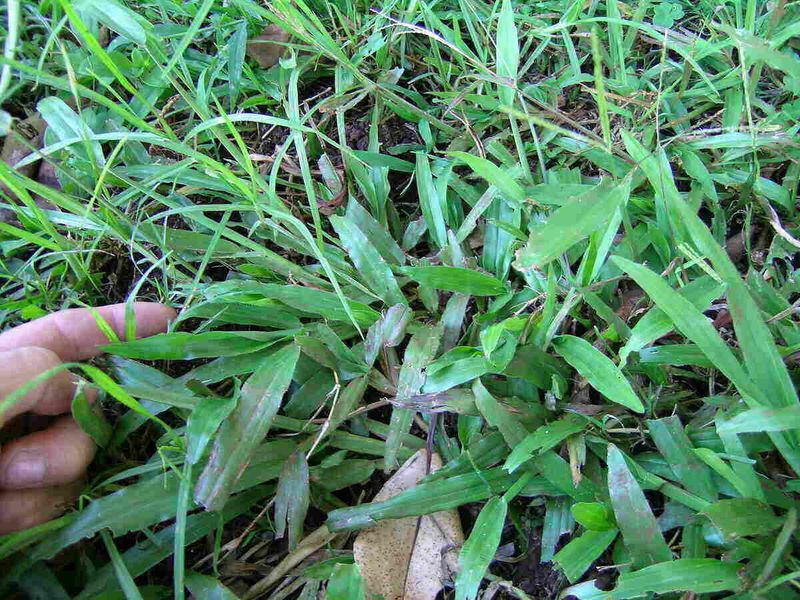
Carpetgrass seems to seek out the dampest spots in a yard, popping up in low places other grasses avoid. Plenty of coastal homeowners discover it growing on its own near ditches, which tells you something about its preferences.
Common carpetgrass goes by the scientific name Axonopus fissifolius, and it spreads through creeping stolons that root easily. Its blades are broad with rounded tips, giving the turf a soft, slightly coarse look under bare feet.
Extension sources describe it as well adapted to wet, acidic, low fertility soils in the southeastern coastal plain. Where water table levels stay high, carpetgrass often handles conditions that cause centipede or bermuda to struggle.
I find it charming in a humble, practical way, like an old work truck that just keeps running. It will not win lawn contests, but it covers soggy ground that might otherwise sit as bare mud.
Watch for its tall seed stalks in summer, which can make the lawn look shaggy between mowings. Regular mowing at about one to two inches keeps it neat, and those stalks become much less noticeable.
Fertilizer needs are low, and too much feeding only encourages faster growth without real benefit. Cold tolerance is limited, so it fits warmer eastern areas rather than mountain counties with harsh winters.
Seed or sprigs work well in late spring and early summer, once soil warms up for steady growth. If your low corner floods often, carpetgrass might be the friendly, easygoing answer you have been searching for.