Red Hourglass On A Shiny Black Belly Is Waiting In Louisiana Woodpiles Right Now
A single female spider can produce several silk egg sacs in one season, and each sac may hold a few hundred eggs. That fact made me pause the last time I reached for a log without gloves.
The glossy one I’m talking about is barely the size of a large pea. She hangs upside down in a messy, tangled web, and her brightest feature faces away from you.
Most people never see the warning sign until they flip her over or disturb her hiding spot. November in Louisiana feels like perfect fireplace weather to me.
You start hauling split oak to the porch, cleaning out the shed, and digging through old flower pots, and every one of those chores puts your hands near the quiet corners she loves most.
Across Louisiana, woodpiles and potting sheds make ideal winter hideaways for her. I started paying closer attention after one surprise in my kindling stack.
Check before you reach, because something small and venomous may already be living in your woodpile.
That Glossy Spider Under Your Firewood Wears a Famous Badge
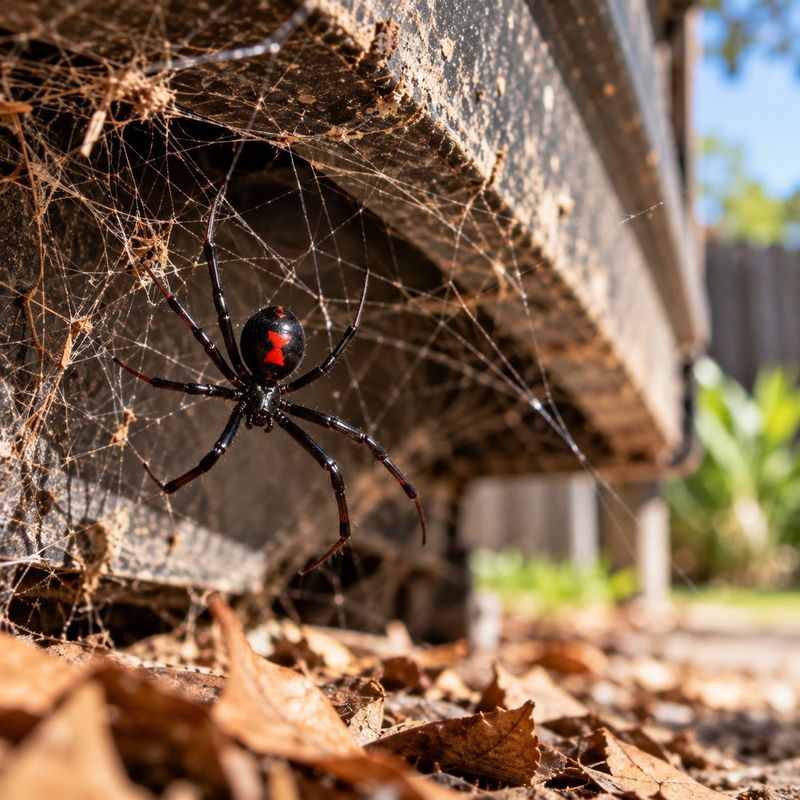
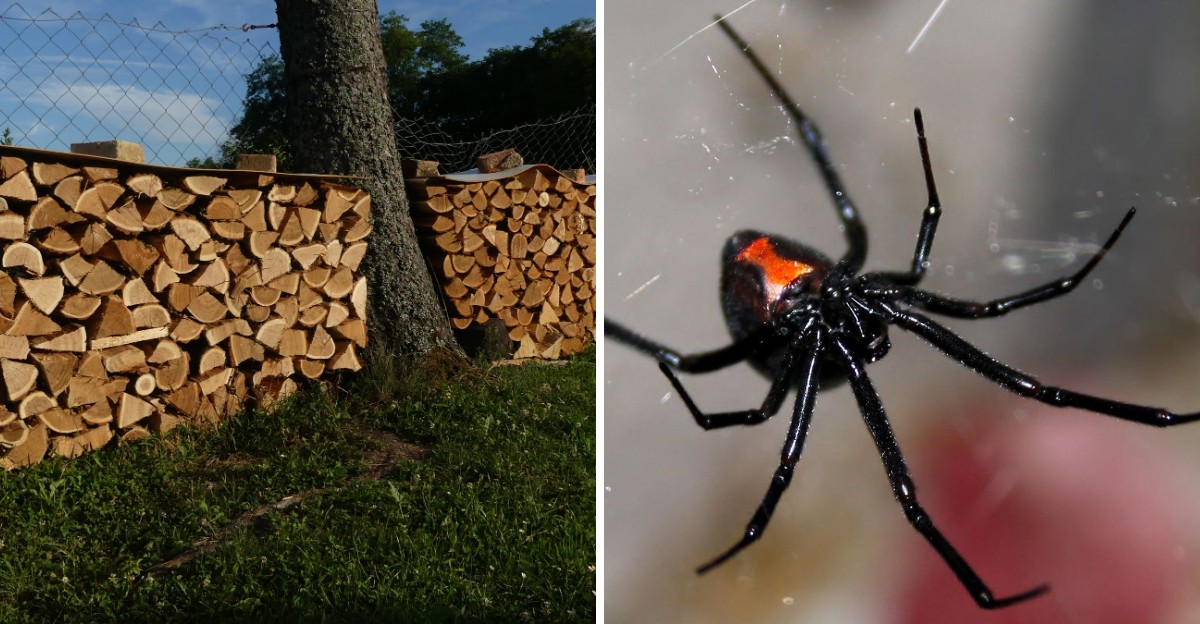
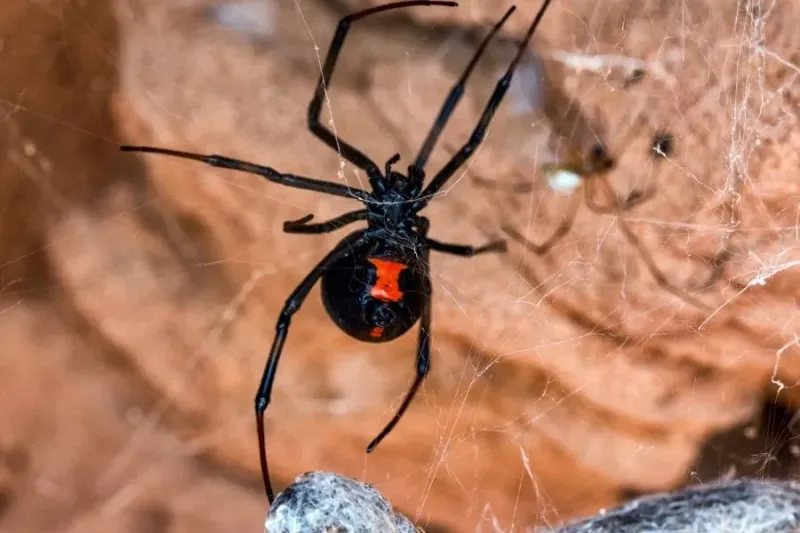
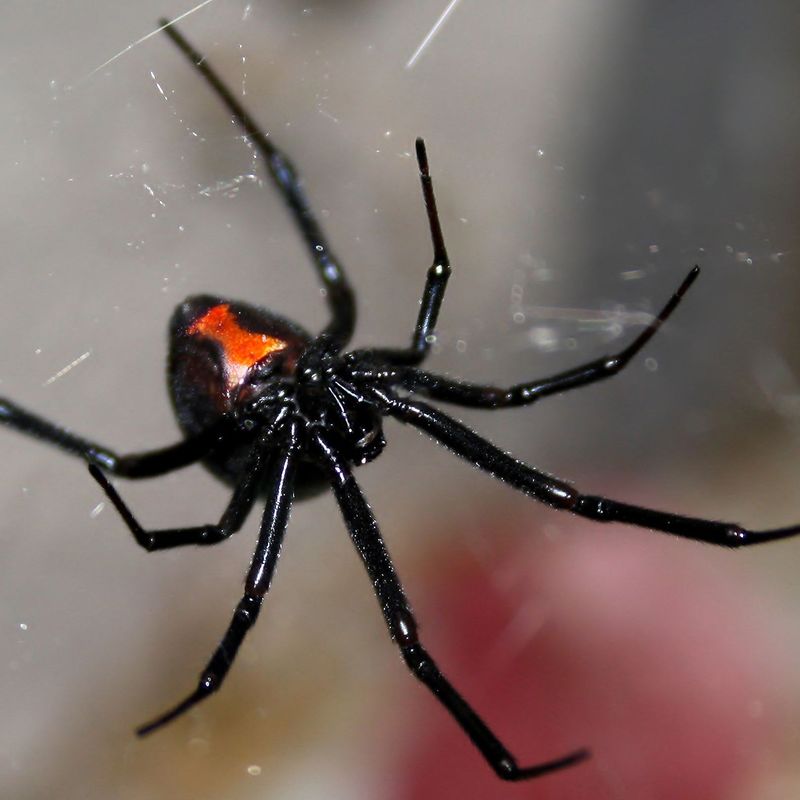
Flip her over, and the secret is out. The bright red hourglass on a shiny black belly belongs to the female black widow, one of the most recognizable spiders in North America.
Louisiana is home to two kinds. The southern black widow, Latrodectus mactans, usually shows a complete red hourglass on the underside of her round abdomen.
The northern black widow, Latrodectus variolus, is found in parts of the state too, and her hourglass is often split into two separate red marks.
Adult females measure roughly half an inch long in body length, with legs that make them look bigger. Their bodies have a polished, almost patent-leather shine. Some also carry small red spots along the top of the abdomen.
Males and young spiders look quite different. They are smaller and often show pale stripes or white, tan, and orange markings, so many people do not recognize them.
You might also spot the brown widow, a non-native cousin now common in southern states. She is tan or mottled brown with an orange hourglass, and her egg sacs look spiky, like little sandspurs. Knowing these differences helps you react calmly instead of guessing.
Stacked Logs Make a Five-Star Black Widow Hideout
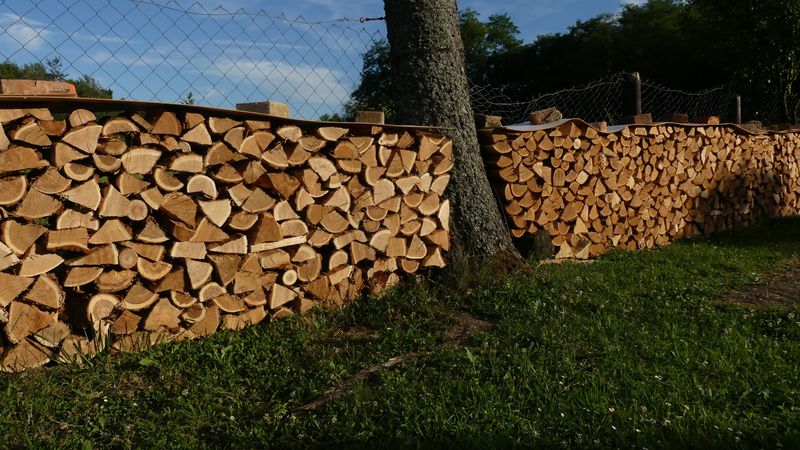
Ask any black widow about her dream home, and she would describe your Louisiana woodpile. Dark gaps, still air, and very little traffic make stacked logs a near-perfect retreat.
These spiders build low, irregular cobwebs that look messy and tough. The silk feels stronger than you expect, and it often stretches between logs or down to the ground. Insects crawling through the pile get caught, so the spider rarely needs to move.
Woodpiles are only one option. LSU AgCenter and other university sources list stone piles, hollow stumps, rodent burrows, water meter boxes, overturned pots, and the undersides of outdoor furniture as common spots.
Garages, sheds, and crawl spaces work just as well, and across Louisiana, these sheltered corners rarely stay empty for long.
Right now, fall chores send more hands into these places. Cooler mornings also slow spiders down, so they sit tight rather than scurry off.
I check the bottom few rows of my stack most carefully. In Louisiana’s damp climate, logs touching wet ground stay sheltered and attract more insects, which means more food for a waiting spider. That lower zone is where I keep my gloves on and my eyes open.
Heavy Gloves Beat Bare Hands at the Woodpile Every Time
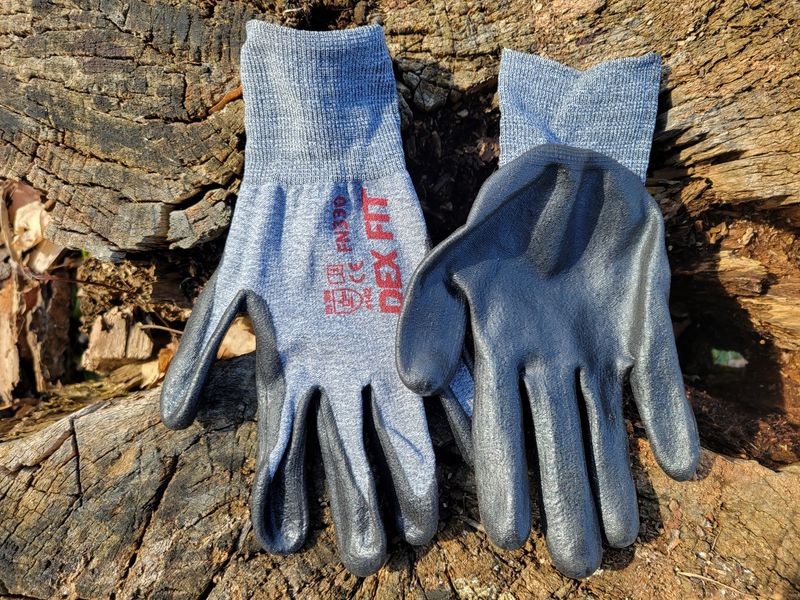
My favorite pair of leather gloves has saved me more worry than any spray. Thick gloves and long sleeves are the simplest protection when you handle firewood, bricks, or stored pots.
Most bites happen when someone presses a spider against skin without knowing it. That might be a hand grabbing a log or a foot sliding into a boot. Covering skin removes most of that risk.
Try these easy habits this season: Lift logs from the top and look before you grab. Carry wood with gloves, and knock each piece gently on the ground before bringing it inside.
Shake out shoes, gardening clogs, and gloves stored in the garage. Turn clothes left outdoors inside out before wearing them.
Use a flashlight when reaching into dark corners, meter boxes, or under deck steps. A quick look takes two seconds.
Bring in only what you will burn soon. Firewood that sits indoors for days gives hitchhiking spiders time to wander.
None of this needs fancy gear. It just turns a careless reach into a careful one, which is usually all it takes.
Black Widow Bites Are Rare, but Symptoms Deserve Respect
Let me be honest about the scary part first. Black widow venom affects the nervous system, but bites are uncommon, and most healthy adults recover with proper care.
The bite itself may feel like a small pinprick, or you might barely notice it. Within an hour or so, pain can spread from the bite to nearby muscles. Many people report cramping in the belly, back, or chest.
Other possible symptoms include sweating, nausea, headache, restlessness, and higher blood pressure. Children, older adults, and people with heart conditions face higher risk and should get help quickly.
If you suspect a bite, stay calm and wash the area with soap and water. Apply a cool compress to ease swelling, and keep the bitten limb still if you can.
Call Poison Control at 1-800-222-1222 for free advice, or seek medical care right away if symptoms spread or feel severe. If it is safe, capture the spider in a jar or take a photo for identification.
Doctors have effective pain treatments and, when needed, antivenom. Quick action matters far more than panic.
Those Shy Widows Would Rather Hide Than Bite
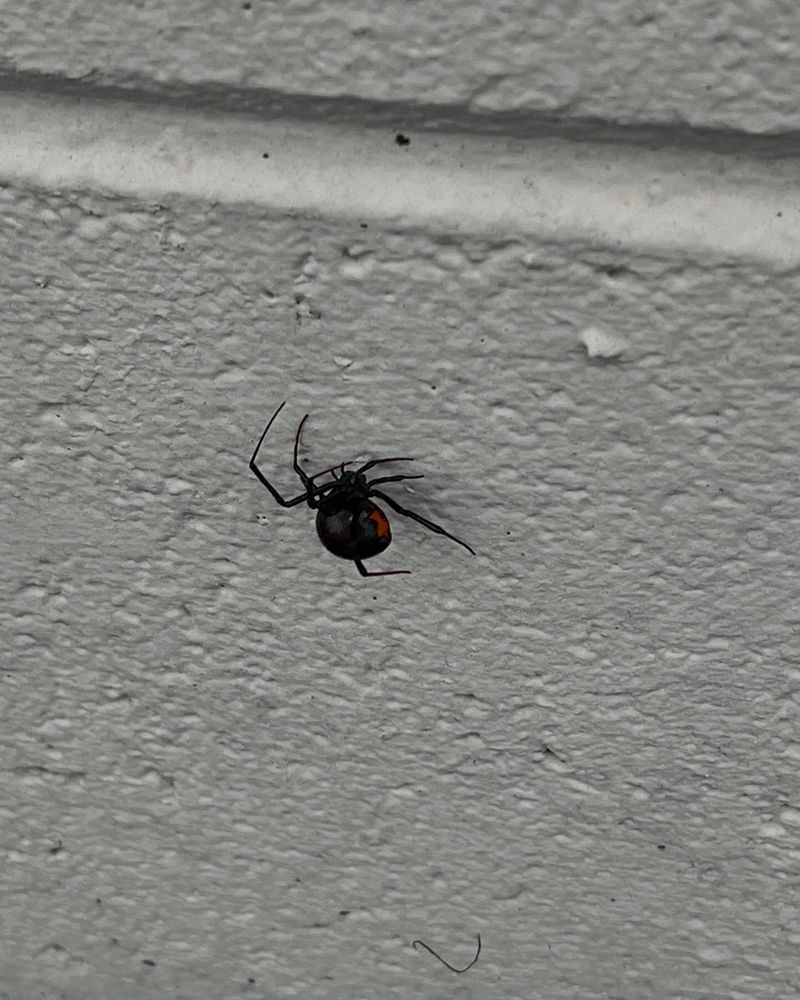
For a spider with such a bold reputation, she is surprisingly timid. Black widows have poor eyesight and spend most of their time hanging quietly in the web.
When disturbed, many will drop to the ground, curl their legs, and play possum. Others scramble into a crack to hide. Biting is usually a last resort when the spider is squeezed or trapped.
Females guarding egg sacs can be more defensive. The sacs are round, papery, and cream or tan, about the size of a pea. You may find several tucked into a single web.
The old story about females eating their mates? It does happen sometimes, but researchers note it is less common in the wild than the name suggests. Many males simply wander off afterward.
I find this behavior oddly reassuring. A spider that would rather freeze than fight gives you time to notice her and step back.
So if you spot one, there is no need to swat wildly. Move slowly, keep your hands clear, and decide calmly whether she can stay or should be removed.
Raise and Relocate Your Firewood Rack Away From the House
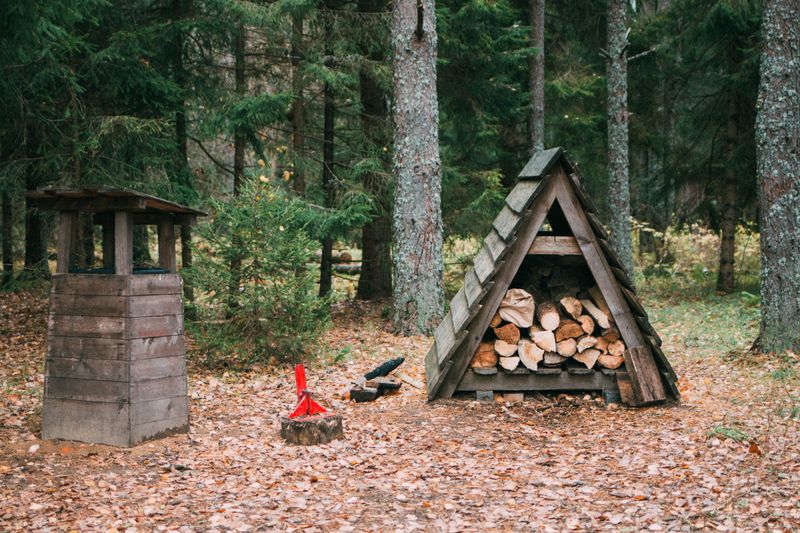
Where you stack your wood matters as much as how you handle it. A few changes can make your pile far less cozy for spiders.
Store firewood on a metal or wooden rack that lifts logs off the soil. Raised wood stays drier, draws fewer insects, and leaves fewer hidden gaps along the ground.
Keep the stack at least 20 feet from your house when space allows. Wood piled against walls or porches creates a short trip for spiders heading indoors as nights cool.
Many Louisiana extension tips also suggest stacking loosely in a single neat row. Tight, messy heaps trap moisture and darkness, while tidy rows let air and light reach the gaps.
Rotate your supply too. Burn older wood first so logs do not sit untouched for a year or more.
I moved my own rack to the back fence line last fall. Hauling wood takes a few more steps, but I find far fewer webs near the back door now, and the porch feels a lot friendlier.
Sealed Cracks and Tidy Sheds Keep Spiders From Moving In
Clutter is a welcome mat for black widows. Old boxes, stacked pots, and piles of lumber give them endless hiding places in sheds and garages.
Start by storing items in sealed plastic bins instead of cardboard. Keep things off the floor on shelves, and sweep away old webs with a long broom while wearing gloves.
Outside, clear rock piles, scrap wood, and leaf litter close to the foundation. Trim shrubs and ground covers back from walls so they do not form a shaded bridge to your home.
Then look for entry points. Caulk cracks in the foundation and around pipes, add door sweeps, and repair torn window screens.
Outdoor lights matter too. Bright bulbs near doors draw insects at night, and spiders follow the buffet. Yellow bug lights or motion-sensor lamps help reduce that crowd.
If you need a quick fix, a vacuum removes spiders, webs, and egg sacs safely. Seal the bag and toss it outside.
Broad pesticide sprays often do little against hidden spiders, so cleaning and sealing usually work better.
Your Garden Gets Free Pest Patrol From Black Widows
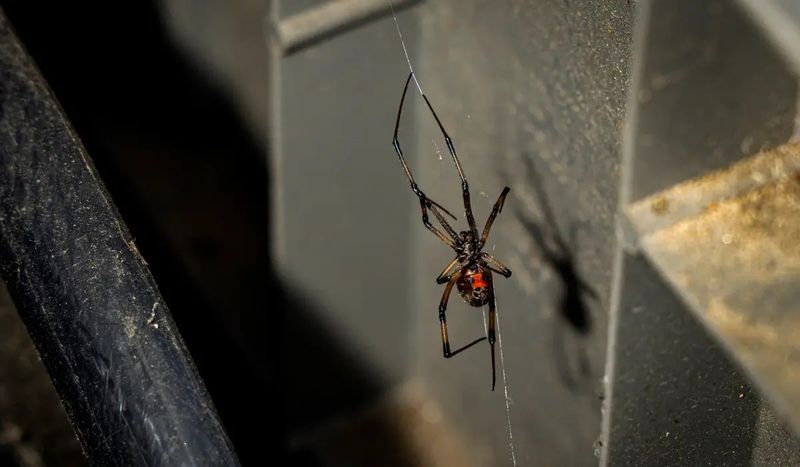
Here is a twist I did not expect. That feared spider in the woodpile is quietly helping your garden.
Black widows trap beetles, flies, mosquitoes, crickets, and even small caterpillars. Some research has noted they snag fire ants and roaches too, which few Louisiana gardeners would miss.
Out in a far corner of the yard, under a stone or a stump, a widow causes little trouble. The real goal is keeping her away from places where hands and feet go often.
So think in zones. Near doors, play areas, and frequently used tools, remove webs and clutter. In wild corners where nobody digs, you can let nature handle itself.
Birds, wasps, and lizards also eat these spiders, so a yard full of native plants supports a natural balance. Mud dauber wasps are especially fond of hunting them.
My takeaway after a season of watching closely is simple. Wear gloves, store wood smartly, and keep busy spaces tidy.
Then you can enjoy crackling fires and fall chores with respect, not fear, for the shiny neighbor in the logs.