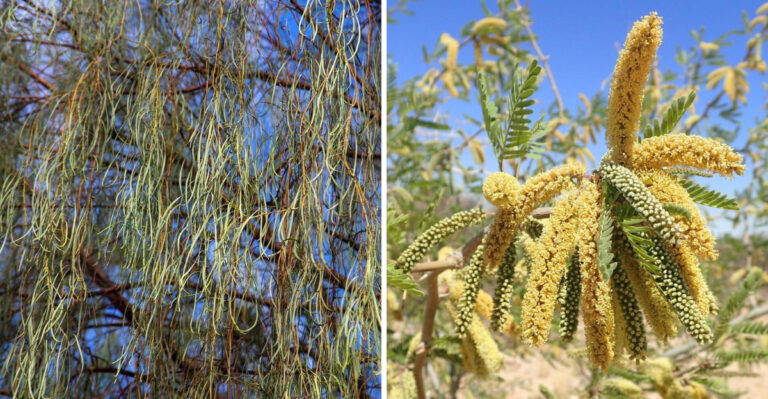
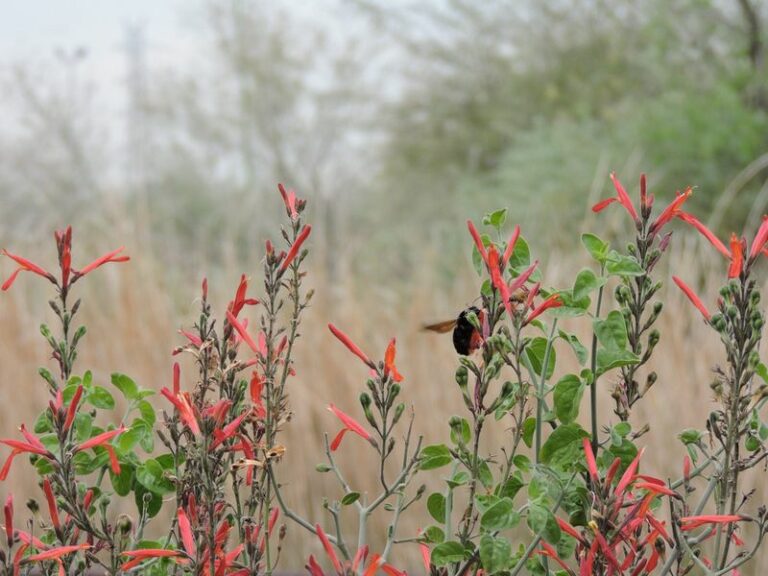
8 Native Plants Arizona Law Says You Can’t Remove Without a Permit
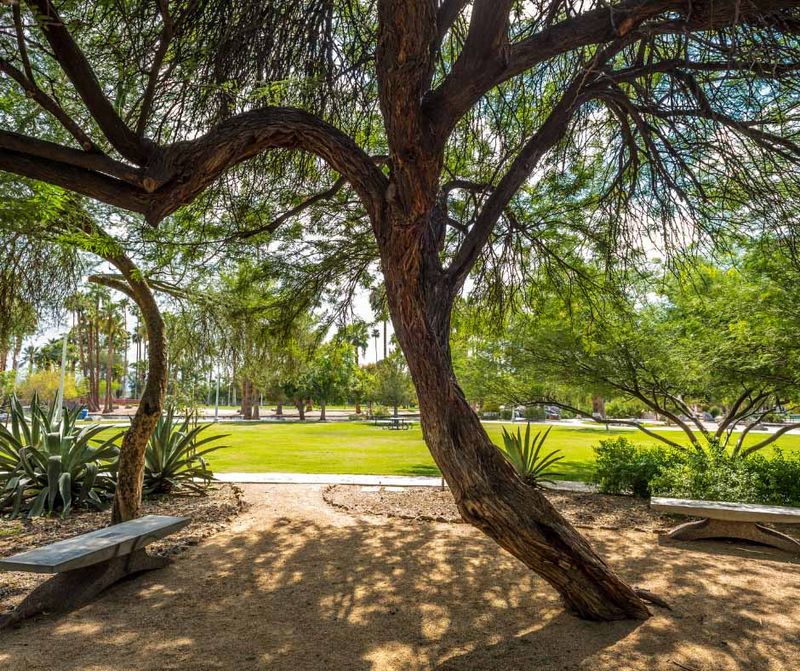
Digging up a cactus in your own Arizona backyard can legally require state paperwork and a small tag fee. I was honestly floored when I first read those rules tucked inside a law that dates back to 1929.
The Arizona Department of Agriculture enforces that Native Plant Law to stop careless removal and plant theft. Landowners often must file a notice before clearing land, and moving protected plants usually needs permits or tags.
I love how these rules quietly protect the wildlife habitat sitting right outside our patio doors. Birds nest in those prickly branches while lizards hunt scorpions and insects in the cool shade below.
October kicks off fall landscaping season, so learning the rules now can save you real headaches later. Which familiar backyard favorites made the protected list, and could one be growing beside your driveway right now?
1. Saguaro Cactus
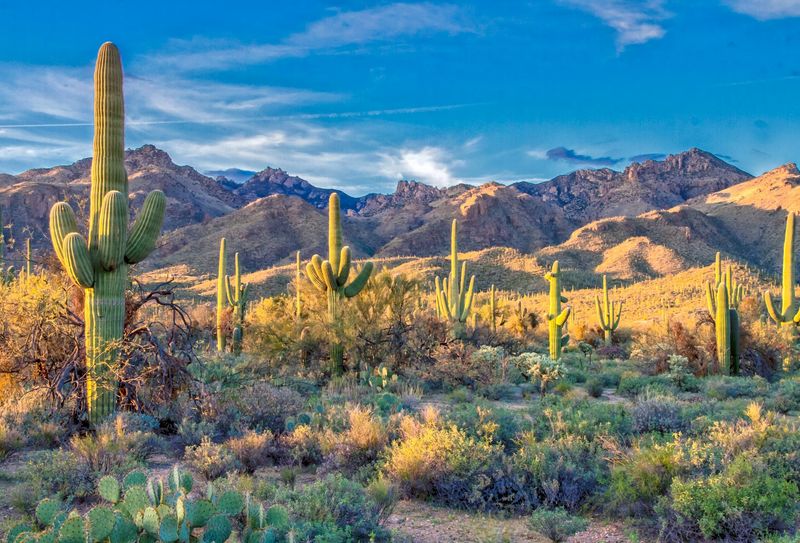
Few plants carry more legal muscle than the saguaro, and some sizable specimens can be worth thousands of dollars. Saguaro theft became such a problem that officials began tagging plants and even microchipping some protected giants.
I find it humbling that a saguaro may need fifty years or more before growing its very first arm. That slow pace explains why the Department of Agriculture wants a permit and tag before anyone moves one.
You might own the land, but the plant still falls under the Native Plant Law when you salvage or transport it. Many cities, including Tucson and Scottsdale, add their own native plant preservation rules on top of state requirements.
Wildlife leans on these giants more than most homeowners realize, especially during the hot months behind us. Gila woodpeckers carve nest cavities, and lesser long-nosed bats sip nectar from the waxy white flowers each late spring.
October is a smart month to check on any saguaro already growing in your yard after the monsoon season. Skip extra irrigation now, because soggy soil around the roots invites rot as nights cool across the desert.
2. Ocotillo
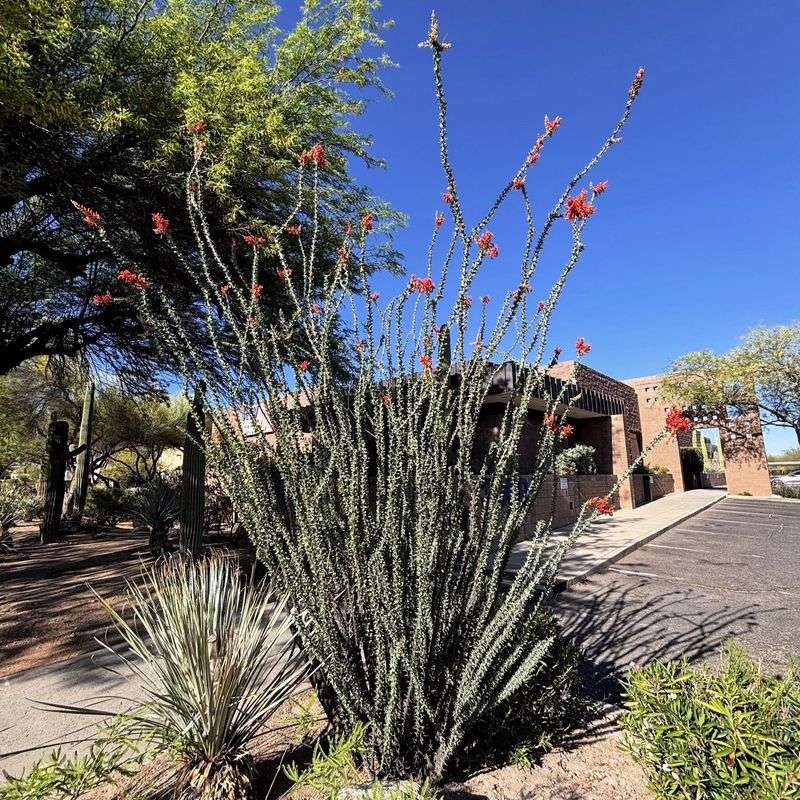
Ocotillo can sprout a full coat of tiny leaves within days after a good rain, then drop them during dry spells. I swear it looks like a bundle of gray sticks one week and a green fountain the next.
Plenty of folks assume it is a cactus, but ocotillo belongs to a separate family altogether. Its whip-like canes can stretch roughly ten to twenty feet tall, each one lined with sturdy, sharp spines.
The law protects ocotillo too, so digging one up or cutting canes for a living fence requires proper tags. Those cut canes often root and turn green again, which is a fun surprise when you build with them.
Hummingbirds adore the red tubular flowers that light up cane tips during spring, and migrating birds stop to refuel. Planting one gives you a natural hummingbird feeder that needs no sugar water or scrubbing.
Fall is a fine time to plant a legally tagged ocotillo, since cooler days ease transplant stress. Give it gritty, fast-draining soil, full sun, and occasional deep water until new leaves show it has settled in.
3. Foothill Palo Verde
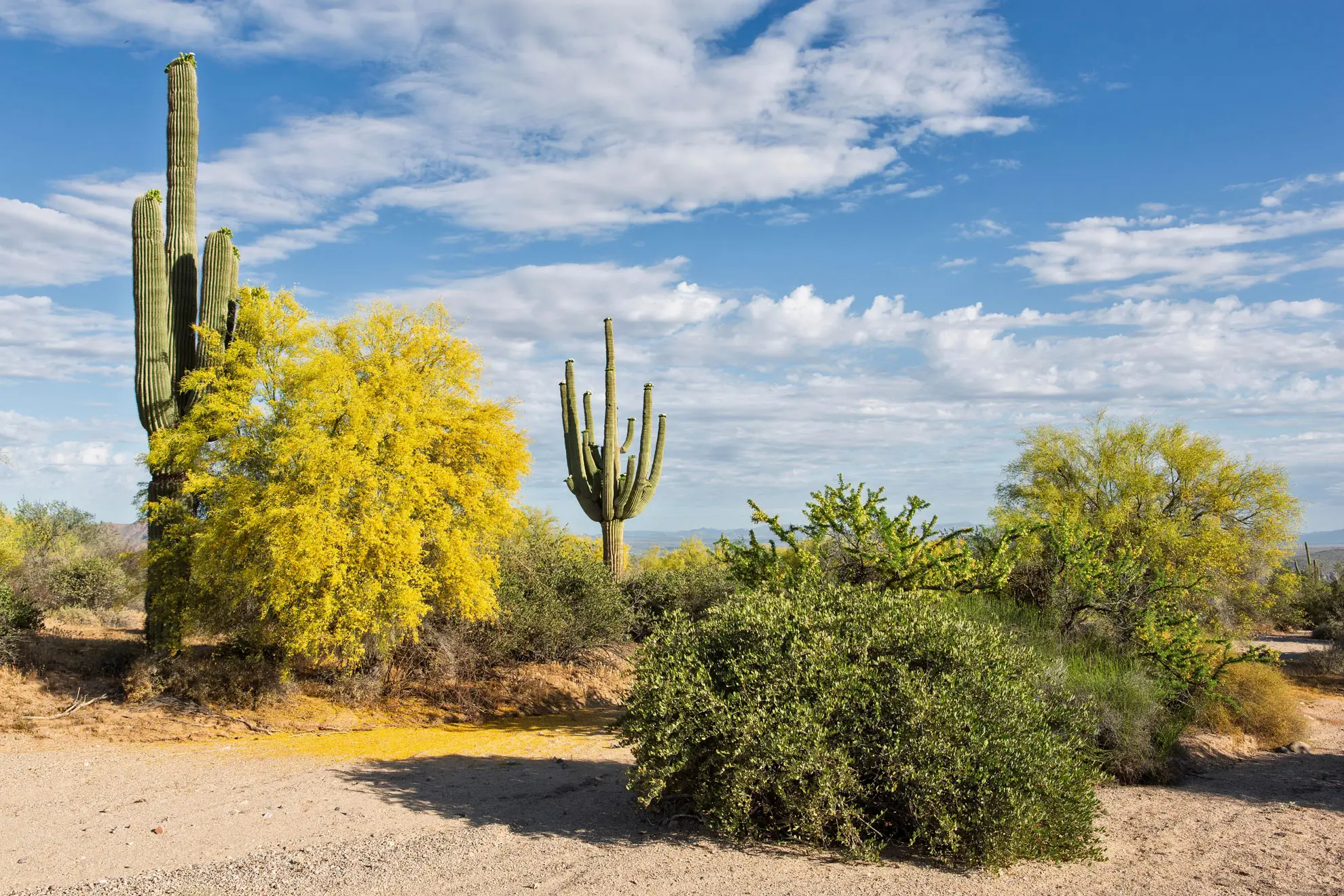
Green bark is the palo verde party trick, and it lets the tree photosynthesize even after shedding its tiny leaves. The name means green stick in Spanish, which fits perfectly once you notice those chartreuse branches.
Palo verde earned a spot as the official state tree in 1954, and native palo verdes fall under plant law protection. I think it deserves the honor, since spring turns the whole canopy into a cloud of yellow blossoms.
Foothill palo verde works as a classic nurse tree, shading baby saguaros through brutal summers and occasional frosty nights. Remove the tree carelessly, and the young cactus beneath it suddenly faces full sun without a protective umbrella.
Native bees buzz through the flowers, while doves, quail, and small mammals gather the seeds after pods ripen. That makes this tree a quiet wildlife magnet with very little effort from you once roots establish.
Early fall is a welcome window for light pruning, so trim crossing branches now rather than during summer heat. Water deeply but rarely, because overwatered palo verdes grow weak, floppy limbs that snap during windy storms.
4. Desert Ironwood
Ironwood is so dense that a chunk of its wood sinks in water instead of floating. I tested that claim once with a small fallen twig, and it really did plunge straight to the bottom.
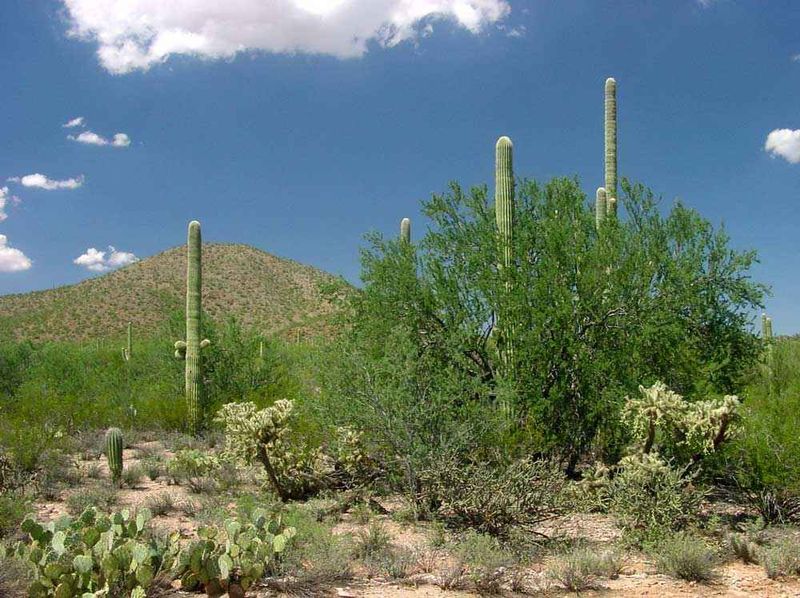
Desert ironwood can live for centuries, and scientists treat it as a keystone species of the Sonoran Desert. Researchers have linked hundreds of plant and animal species to these trees, including many nesting and foraging birds.
Because the wood is so prized, the law restricts removing or harvesting ironwood without proper permits and tags. That protection helps slow illegal cutting for firewood and carvings, which once threatened old stands along desert washes.
Late spring paints the canopy lavender, and pods later deliver seeds that some people roast like peanuts. Birds tuck nests among the thorny branches, while lizards and small mammals rest in the deep shade beneath.
If you already have one, October calls for patience rather than extra care or fertilizer. Ironwood handles frost to roughly twenty degrees, so gardeners in colder high-desert spots often grow it in protected warm corners.
5. Velvet Mesquite
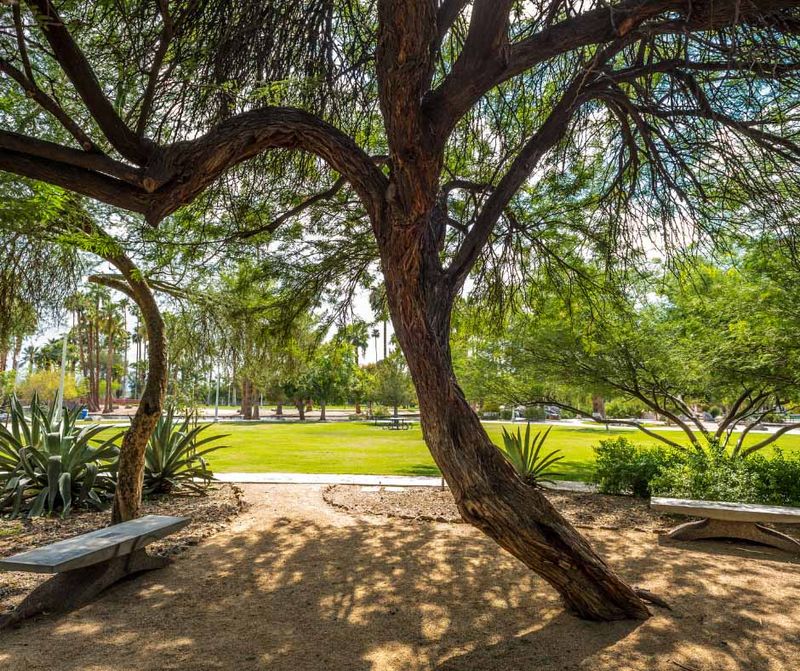
Mesquite roots can reportedly reach astonishing depths, with one famous record exceeding one hundred and fifty feet underground. Personally, I picture those roots sipping groundwater while my garden hose sits coiled and unused nearby.
Velvet mesquite gets its name from fuzzy leaves and twigs that feel surprisingly soft to the touch. The state treats native mesquite as a harvest restricted plant, so cutting wood for sale usually needs permits.
That surprises plenty of homeowners who assume mesquite is simply firewood waiting to happen in the backyard. Clearing a lot full of them generally starts with a notice to the Department of Agriculture before machines arrive.
Tan seed pods ripen during summer, and people have ground them into a sweet, nutty flour for generations. Quail, rabbits, and coyotes snack on fallen pods, while birds like phainopeplas feast on mistletoe berries.
Fall is a lovely time to prune lightly, opening the canopy so monsoon winds next year pass through easily. Skip frequent shallow watering, since deep and occasional soaking encourages roots to anchor the tree firmly.
6. Fishhook Barrel Cactus
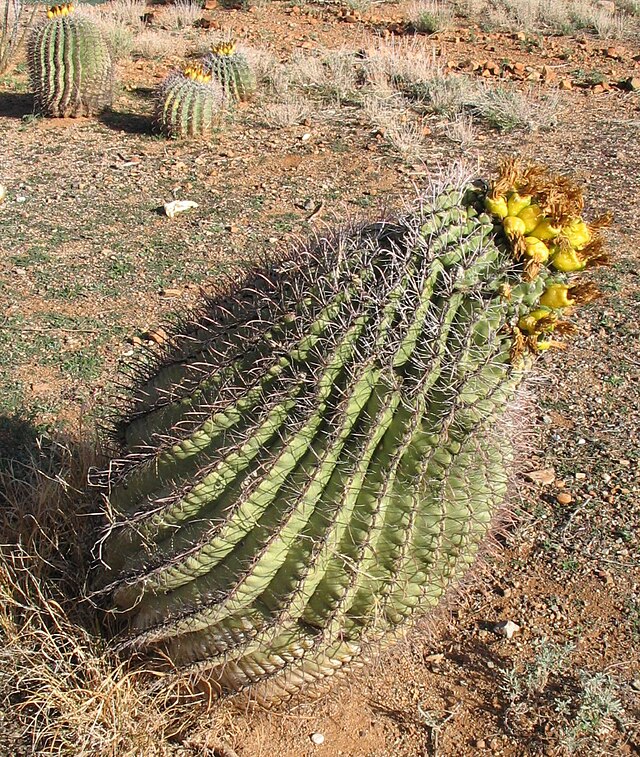
Old desert tales claim you can find south by checking which way a barrel cactus leans. Many do tilt southward, but I would trust a phone compass long before trusting a cactus in a pinch.
Those hooked central spines look like fishing gear, which explains the playful name gardeners love using. Barrel cacti fall under native plant protection, so relocating one legally means getting tags before you start digging.
Right now in October, many barrels wear a crown of pineapple-shaped yellow fruits left after summer flowers. Those fruits can hang on for months, feeding squirrels, birds, and javelinas when other food grows scarce.
You may hear that the pulp holds emergency drinking water, but that legend causes trouble for hikers. The juice contains compounds that can upset your stomach, so admire the plant rather than sampling its insides.
Give this cactus full sun and lean, rocky soil, then water sparingly as cooler weather settles in. It also works as a natural spiny barrier along walkways where you would rather visitors not wander.
7. Soaptree Yucca
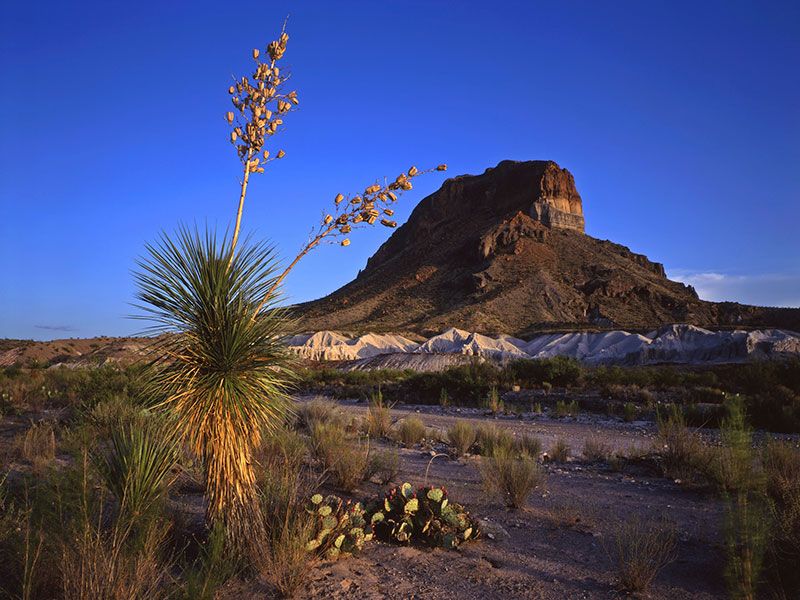
Soaptree yucca roots contain natural saponins that native peoples used to make a sudsy shampoo. I love that a spiky desert plant once doubled as a bathroom essential long before store-bought soap existed.
The plant grows into a shaggy, tree-like form with a skirt of dried leaves around its trunk. Those papery skirts shelter lizards and insects, so please resist the urge to strip them for neatness.
Native yuccas sit on the protected list, which means removal and transport usually require the right state tags. Collectors once dug wild yuccas heavily for landscaping, and the rules help slow that pressure on grasslands.
Its creamy flowers depend on the tiny yucca moth, a partnership that has fascinated scientists for well over a century. Each needs the other, since the moth lays eggs in the flower and also pollinates it.
October is a gentle season to plant a nursery-grown yucca, letting roots settle before cold nights arrive. It tolerates impressive cold, so high-desert gardeners can enjoy this architectural beauty without much winter worry.
8. Parry’s Agave
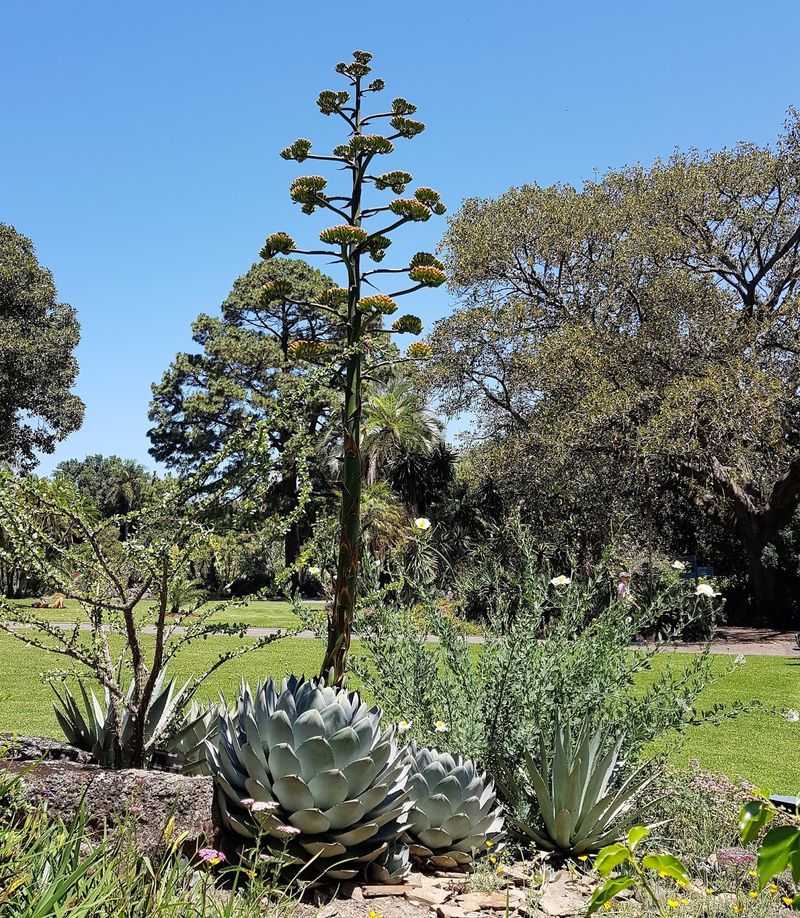
Parry’s agave can wait a decade or more before sending up one spectacular bloom stalk. After that grand finale the mother rosette declines, though pups around its base often carry the show forward.
Its compact blue-gray rosettes look almost sculpted, with dark spines tipping each chunky leaf like a pencil point. I have to admit this is my favorite agave for small yards and narrow side beds.
Native agaves land on the protected list, so digging wild plants requires permits and tags from the department. Buying from a reputable nursery is the easy route, and many sell healthy, legally propagated plants.
Bats and hummingbirds visit the tall flower stalks, which rise dramatically above the rosette during summer bloom. Watching nectar-loving bats visit at dusk reminds me how much these plants support the night shift of pollinators.
Fall is excellent planting season for agaves, with cooler soil easing root growth before winter rest. Choose a sunny spot with sharp drainage, and this cold-hardy species handles chilly high-desert nights better than most agaves.