8 Heat-Tolerant Vegetables To Plant In May In Arizona
May in Arizona changes everything in the garden fast, especially when temperatures start climbing and plants that looked fine earlier in the season begin struggling outdoors.
This is the point where choosing the right vegetables makes a real difference between steady growth and constant setbacks.
Heat tolerant crops handle these conditions in a completely different way. They keep producing even when the sun is intense, the soil dries out faster, and cooler season plants are already fading out.
A smart planting choice in May can keep vegetable gardens productive much longer through the Arizona heat.
1. Okra Keeps Growing During Brutal Summer Heat
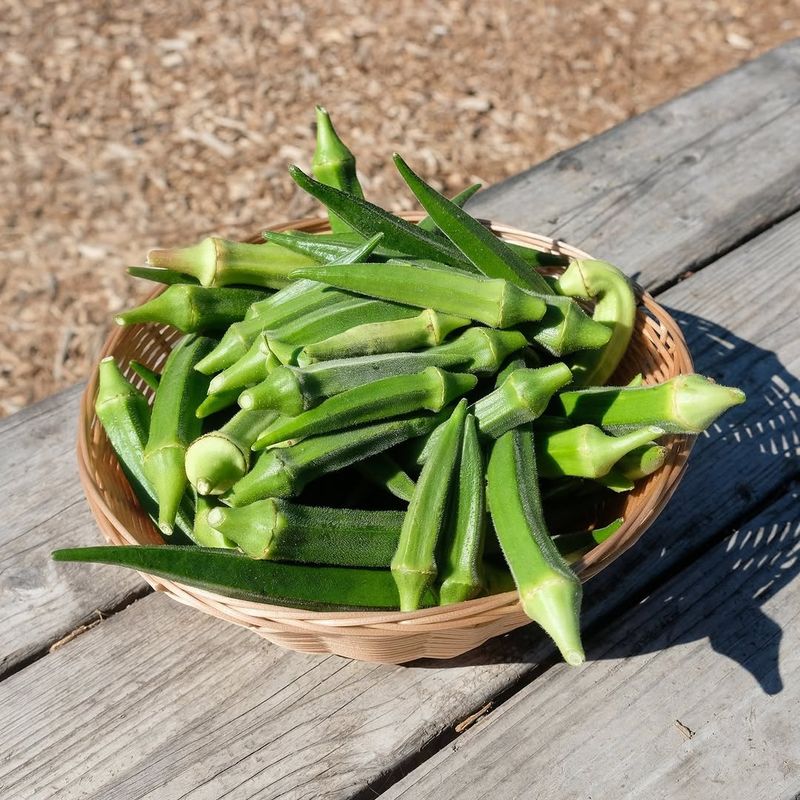
Okra was made for summers like Arizona throws at you. Originally from Africa, this plant evolved in scorching, dry conditions, which is exactly why it handles Phoenix or Yuma heat without missing a beat.
Plant seeds directly in the ground in May once soil temperatures are consistently above 65 degrees, and you will see germination within about a week.
Okra grows fast once it gets going. Plants can reach five or six feet tall by midsummer, and they produce pods almost continuously if you keep harvesting.
Let pods get too big and they turn tough and woody, so check your plants every two to three days during peak production.
Water deeply but less frequently rather than light daily watering. Okra roots go deep, and the plant handles short dry spells reasonably well once established.
In low desert Arizona gardens, raised beds with well-draining soil work especially well because okra strongly dislikes sitting in wet ground after monsoon rains arrive in July.
Full sun is non-negotiable for this crop. Afternoon shade might seem like a good idea in Arizona, but okra actually performs better with all-day direct sunlight.
Varieties like Clemson Spineless and Emerald are both reliable performers in Arizona’s summer conditions and widely available at local garden centers throughout the state.
Harvesting pods while they are still young also encourages the plant to keep producing new flowers and fresh okra through the hottest part of summer.
2. Armenian Cucumbers Produce Well In Hot Gardens
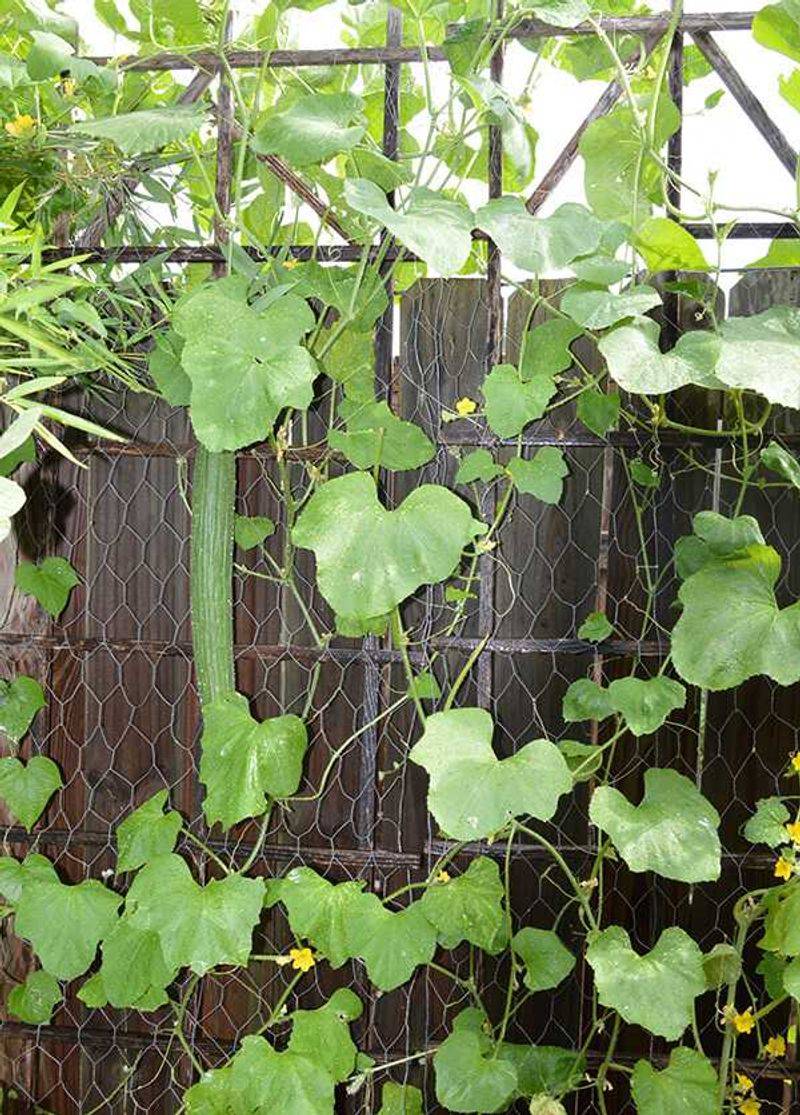
Regular cucumbers struggle once Arizona temperatures push past 100 degrees, but Armenian cucumbers are a completely different story.
Technically a melon despite the name, this vegetable handles extreme heat in ways that standard cucumber varieties simply cannot match.
Gardeners across Tucson and Phoenix have grown Armenian cucumbers successfully through June, July, and even August with the right setup.
Plant seeds directly in the ground in May, about one inch deep. They germinate quickly in warm desert soil and begin vining aggressively within a few weeks.
A sturdy trellis is worth the setup effort because vertical growing improves air circulation, keeps fruit off the hot ground, and makes harvesting much easier during the peak summer weeks.
Fruits grow long, sometimes reaching 24 to 30 inches, and have a mild, crisp flavor even in summer heat. Harvest them while still slender for the best texture.
Left on the vine too long, they become seedy and soft, which is a common mistake for first-time growers.
Your Arizona Garden Changes Every Week. Your Plan Should Too.
Gardening in Arizona changes quickly throughout the season. Every Friday you’ll receive a simple weekly plan showing exactly what to plant, prune, fertilize, harvest, and protect so you never miss the right timing.
Consistent watering matters most during fruit development. Arizona’s dry heat pulls moisture out of the soil quickly, so drip irrigation set to run every day or two during peak summer keeps production steady.
Mulching around the base of the plant also helps retain soil moisture and keeps root zones cooler on the hottest Arizona afternoons.
Unlike many traditional cucumbers, Armenian cucumbers also tend to stay less bitter during extreme heat, which makes them especially dependable for summer harvests in Arizona.
3. Sweet Potatoes Love Warm Desert Soil Conditions
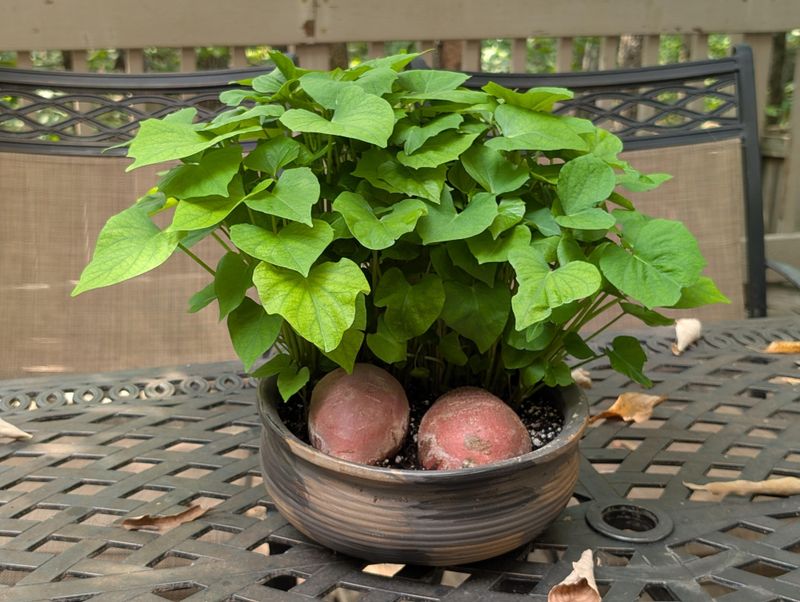
Warm soil is exactly what sweet potatoes need, and Arizona in May delivers that in abundance. Unlike regular potatoes that prefer cool ground, sweet potatoes are tropical plants that genuinely love heat.
Plant slips rather than seeds, pressing them into loose, well-draining soil about four inches deep with the growing tip pointing upward.
The vines spread quickly and can cover a lot of ground by midsummer. Some Arizona gardeners use this to their advantage, letting the foliage act as a living mulch that shades the soil and slows moisture evaporation.
In Phoenix and surrounding areas, plants establish fast when planted in May before the most intense summer heat arrives in June and July.
Sweet potatoes need about 90 to 120 days to mature, which works out well for a May planting in Arizona. You can expect harvest around late August or September, right around when temperatures finally start to ease off.
The long growing window fits perfectly into the low desert calendar.
Sandy loam soil produces the best-shaped roots. Heavy clay or rocky ground causes roots to fork or stay small.
If your Arizona garden soil is dense, amend it with compost before planting to improve texture and drainage. Avoid heavy nitrogen fertilizers once plants are established, as too much nitrogen pushes leafy growth at the expense of the underground tubers you are actually trying to grow.
4. Yardlong Beans Stay Productive Through Dry Weather
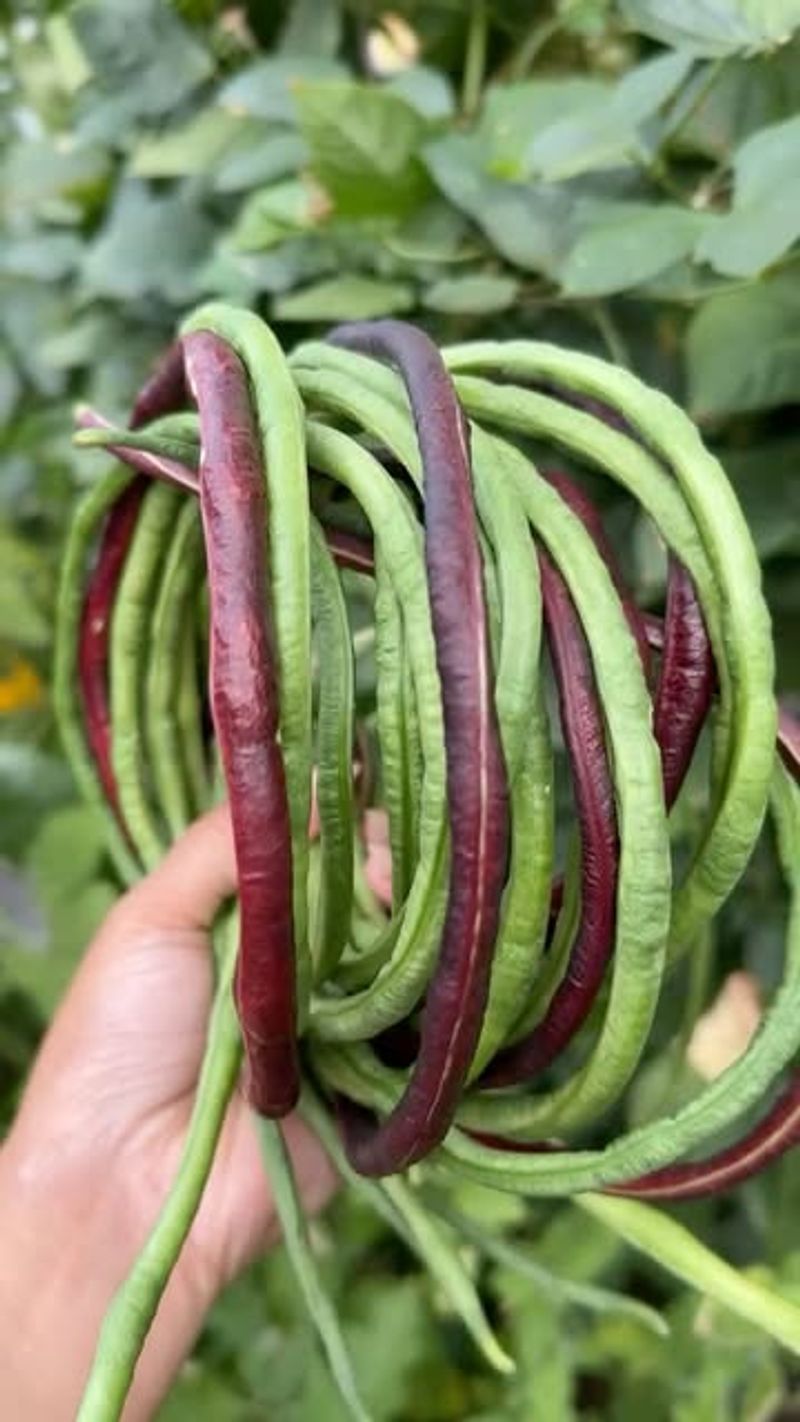
Yardlong beans, sometimes called asparagus beans, come from Southeast Asia where hot and humid conditions are the norm. Arizona summers are hot but much drier, and these beans adapt to that difference surprisingly well.
Plant seeds directly in May, pushing them about an inch into warm soil at the base of a trellis or fence where they can climb freely.
Pods develop quickly once plants start flowering, often reaching harvest size within 60 days of planting. The beans grow fast enough that checking vines every two days is a good habit.
Leave them too long and pods become stringy, though they are still edible if you catch them before they fully dry out on the vine.
Water requirements are moderate compared to other beans. Yardlong beans are more drought-tolerant than common green beans, making them a smart pick for Arizona gardeners dealing with water restrictions or sandy soil that drains fast.
Deep watering two to three times per week is usually enough during the hottest stretches of summer.
Full sun is where these plants perform best. Partial shade reduces flowering and overall pod production noticeably.
In Tucson and Phoenix, afternoon shade from a wall or fence can actually cut your harvest in half compared to plants in open, unshaded spots.
Give them full exposure and they reward you consistently right through the driest, hottest weeks Arizona throws at summer gardeners.
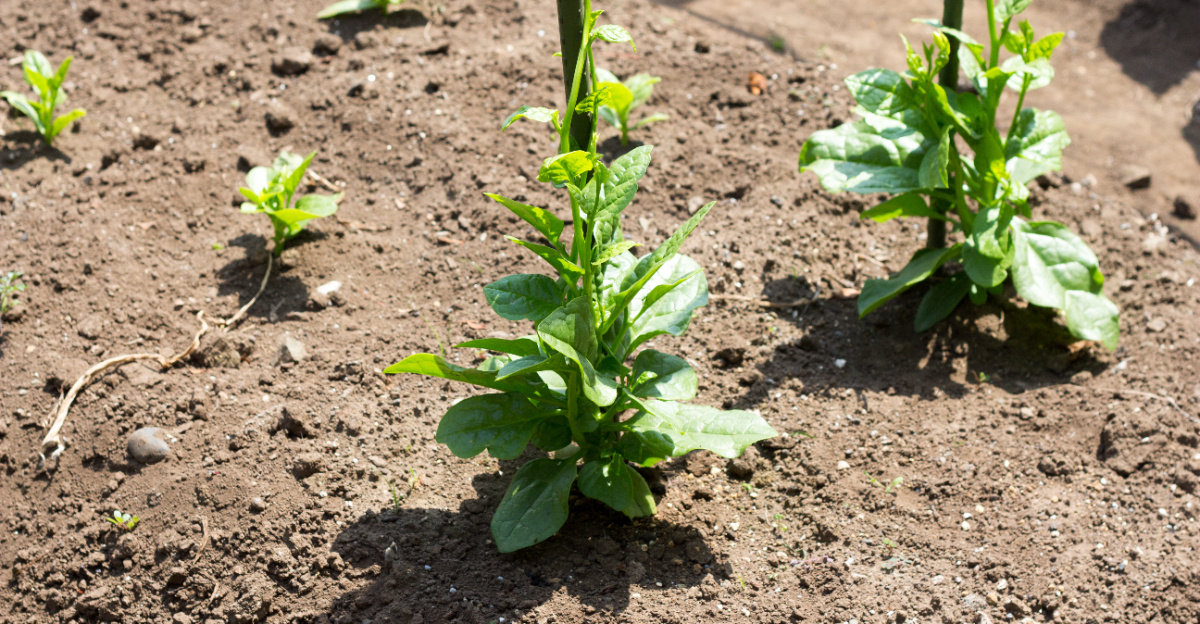
5. Malabar Spinach Keeps Growing Through Summer Heat
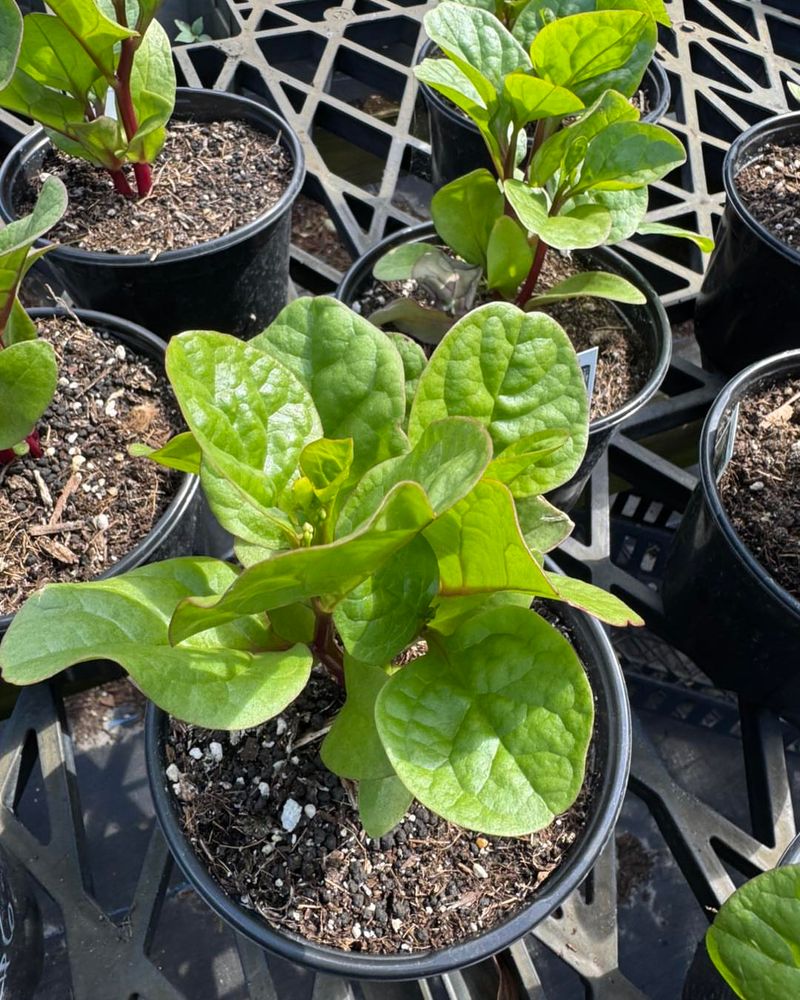
Regular spinach bolts and turns bitter the moment Arizona temperatures climb past 80 degrees. Malabar spinach plays by completely different rules.
Related to neither true spinach nor Swiss chard, this tropical vine produces thick, glossy leaves that stay tender and flavorful even when summer temperatures in Phoenix reach 110 degrees or higher.
Plant seeds or cuttings in May in full sun with a trellis or fence nearby. Malabar spinach is a vigorous climber and can reach ten feet or more by late summer.
The vines are attractive enough that some Arizona gardeners grow them along patio fences where they provide both food and a bit of natural shade for people sitting nearby.
Leaves have a mild, slightly mucilaginous texture when raw, similar to okra but much less noticeable when cooked. Stir-frying or adding to soups reduces that quality significantly.
Young leaves are more tender and less slippery, so harvesting early and often keeps the texture at its best throughout the growing season.
Watering needs are moderate once established. Malabar spinach handles short dry periods better than most leafy greens, but consistent moisture encourages faster growth and more tender leaves.
In Arizona’s low desert, mulching around the base of the plant makes a real difference in keeping roots cool and reducing how often you need to water through the peak summer heat.
6. Eggplant Handles High Temperatures Better Than Expected
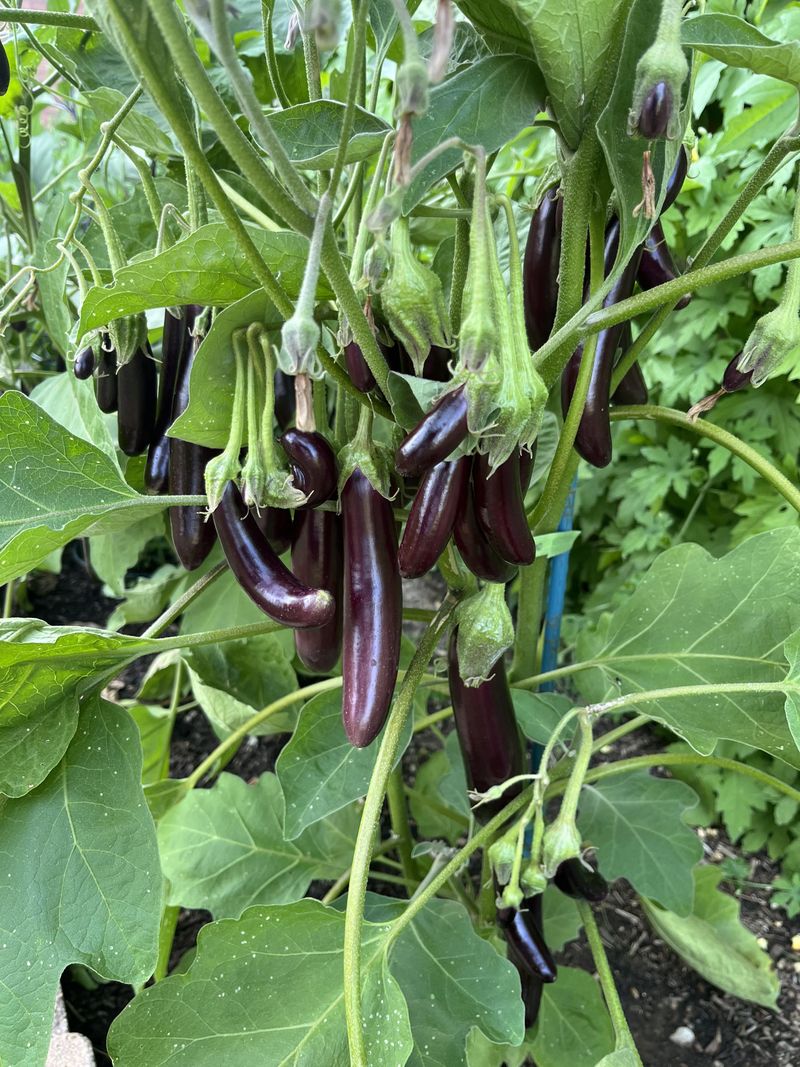
A lot of gardeners write off eggplant as too delicate for Arizona summers, and that reputation is not entirely fair. Eggplant is actually a tropical crop that prefers warm nights and hot days, conditions that Arizona delivers in full force from May through September.
The key is getting transplants in the ground early enough in May so plants establish before the sharpest heat of June arrives.
Start with transplants rather than seeds if possible. Nursery-grown starts in four-inch pots are widely available at Arizona garden centers in spring.
Set them out after any risk of cool nights has passed, spacing plants about 18 to 24 inches apart in full sun. Eggplant roots go deep, so loosening the soil to at least 12 inches before planting helps plants anchor well and access moisture more efficiently.
Varieties like Black Beauty, Ichiban, and Ping Tung Long all perform well in Arizona’s climate. Longer, thinner Asian varieties often handle heat stress better than large globe types, producing steadily even during the hottest weeks.
Flowers may drop temporarily during extreme heat spikes, but production usually resumes once temperatures dip slightly in the evening.
Consistent watering is the single most important factor for a good eggplant harvest in Arizona. Irregular moisture causes bitter fruit and blossom drop.
Drip irrigation on a regular schedule works better than hand watering, especially through July and August when the desert heat is at its most relentless across the state.
7. Tepary Beans Thrive In Tough Dry Conditions
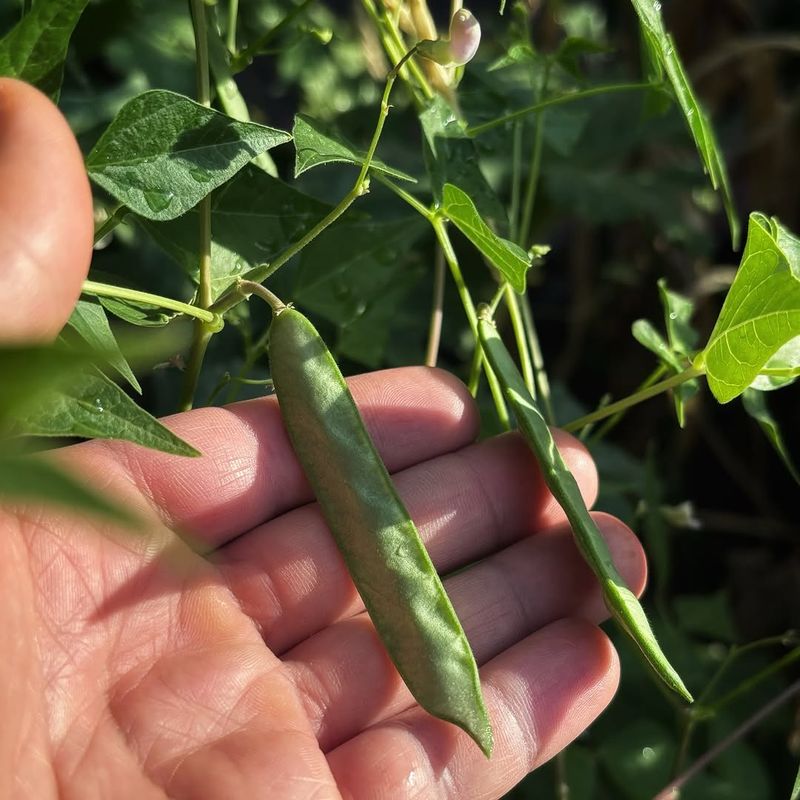
Tepary beans have been grown in the Sonoran Desert for thousands of years, long before modern irrigation made large-scale farming possible in Arizona.
Native communities in the region developed these beans specifically for hot, dry conditions, which makes them arguably the most naturally suited crop on this entire list for Arizona summer gardening.
No other common bean handles drought stress as well.
Plant seeds directly in the ground in May, about one inch deep and six inches apart. Germination happens quickly in warm desert soil, usually within five to seven days.
Plants stay relatively compact compared to other bean varieties, topping out around two feet tall, so they work well even in smaller Arizona garden spaces or raised beds with limited room.
Once established, tepary beans need very little supplemental water. In traditional desert farming, they were grown almost entirely on seasonal rainfall.
Modern Arizona gardeners typically water once or twice a week, which is far less than most summer vegetables require. Overwatering actually reduces production, so resist the urge to water heavily just because temperatures are high.
Pods mature in about 60 to 80 days and should be harvested when they turn papery and dry on the vine. Both white and brown varieties are available through seed companies that specialize in heirloom and desert-adapted crops.
Flavor is earthy and slightly nutty, holding up well in soups, stews, and traditional Southwestern dishes that showcase Arizona’s deep culinary roots.
8. Hot Peppers Continue Producing During Extreme Heat
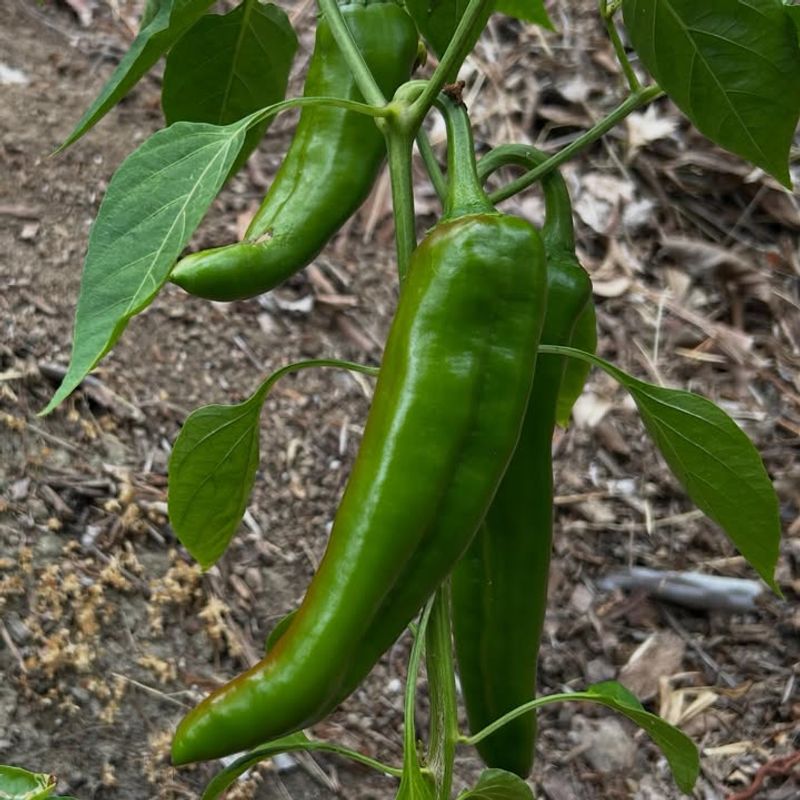
Hot peppers and Arizona summers are practically made for each other.
While tomatoes and bell peppers struggle and drop blossoms once temperatures climb past 95 degrees, hot pepper varieties like cayenne, serrano, jalapeno, and pequin keep right on producing with little fuss.
The heat seems to energize them rather than slow them down, especially varieties with smaller fruit.
Get transplants in the ground in early to mid-May in Arizona’s low desert. Plants need a few weeks to establish before the harshest summer heat arrives.
Space them about 18 inches apart in full sun with well-draining soil. Raised beds warm up fast in spring and drain well after monsoon rains, making them a solid choice for pepper growing across Arizona.
Smaller fruited varieties like Thai hot, pequin, and chiltepin tend to handle extreme Arizona heat better than larger types.
Chiltepin is actually native to the Sonoran Desert region and grows wild in parts of southern Arizona, which tells you everything you need to know about its heat tolerance.
Larger varieties like poblano and Anaheim also perform well but may slow production during the absolute peak of summer.
Peppers are relatively light feeders but benefit from a balanced fertilizer applied monthly during the growing season. Keep soil moisture consistent to prevent blossom drop and cracked fruit.
With good care, a single Arizona pepper plant can stay productive from May all the way through October, giving you months of harvests from one planting.