The Last Lawn Mow of the Year in Virginia and Why Height Matters More Than You Think
Grass blades are tiny solar panels, and they keep working on sunny winter days long after you park the mower. That surprised me the first time I read it.
I had treated my final fall mow like a quick chore before the holidays. Truth be told, I scalped my yard one November and paid for it with thin, patchy turf the next April.
Here in Virginia, most home lawns grow cool-season grasses that stay partly green through winter. They store sugars in their crowns and roots during these chilly months. How much leaf you leave behind affects how much fuel they can tuck away.
Too short invites cold stress and weeds. Too shaggy can mat down and hold moisture where fungi thrive. So where is the sweet spot, and when exactly should you stop?
That Final Pass With the Mower Is Doing More Than Tidying Grass
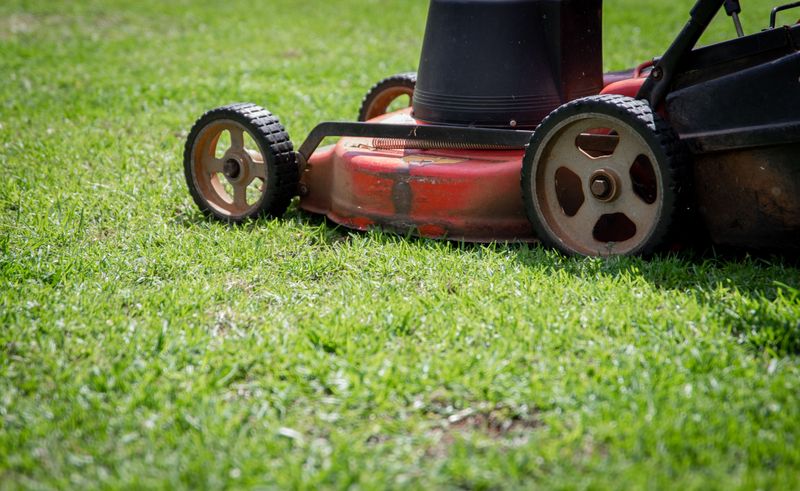
My old habit was simple. I figured one last short cut would make the yard look neat all winter and save me trouble later.
It turns out that last mow is more like packing a lunch for your lawn. Cool-season grasses such as tall fescue, Kentucky bluegrass, and perennial ryegrass keep photosynthesizing on mild winter days.
Every bit of green leaf left standing helps the plant make carbohydrates and store them in its crown and roots.
The crown is the small growing point sitting right at the soil line. Protect it, and new blades push up quickly in spring.
Expose it, and the plant spends winter under stress from cold wind and drying air.
Virginia Cooperative Extension turf guides point out that mowing height ranks among the most powerful tools a homeowner has. Cut too low and roots shrink to match.
Leave too much and the blades can flop over and trap dampness.
So the final cut is a balancing act. It shapes how well the lawn handles freezes, how many weeds sneak in, and how quickly it greens up in March.
If you ask me, it deserves as much attention as fall fertilizing or overseeding.
Your mower deck setting is the real decision here. The next step is choosing the right number.
Set Your Mower Deck Near Three Inches for Tall Fescue
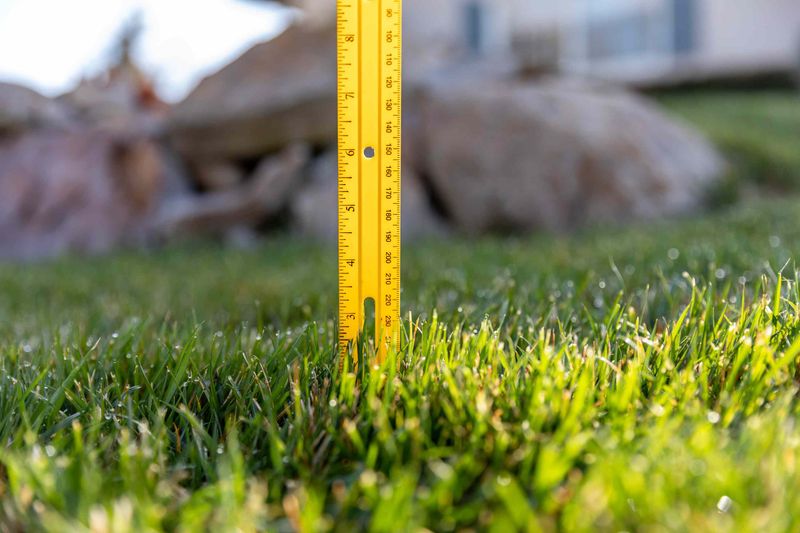
Grab a ruler and head to the garage, because this part is refreshingly specific. For tall fescue, the most common lawn grass across much of Virginia, extension specialists recommend a mowing height of about 3 to 4 inches during the season.
For the final mow, many experts suggest dropping slightly to around 3 inches, or 2.5 inches at the lowest. Kentucky bluegrass and perennial ryegrass sit in a similar range, roughly 2.5 to 3.5 inches.
That modest drop keeps blades from flopping under snow while still guarding the crown.
Warm-season lawns follow different numbers. Bermudagrass and zoysiagrass, common in southeastern Virginia and the Tidewater area, usually go dormant and brown by late fall.
Bermuda is often kept around 1 to 2 inches, and zoysia around 1 to 2.5 inches.
Here is my easy trick. Measure from a hard surface like your driveway to the blade bottom, because deck labels can be off by half an inch or more.
Also lower gradually over your last two or three mows instead of all at once. A sudden drop from 4 inches to 2 shocks the plant right when it should be storing energy.
Small steps keep everything calm and green.
Scalped Grass Crowns Struggle Through Freezing Wind
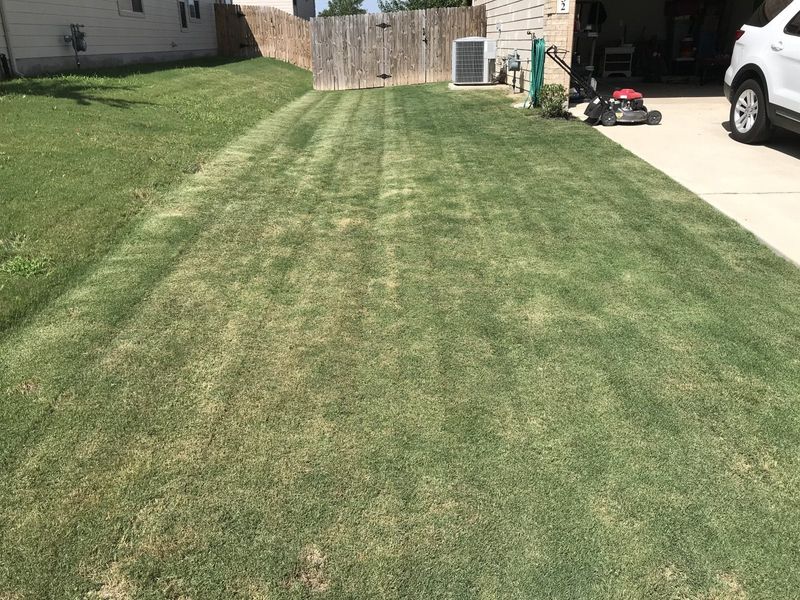
Funny thing is, the yards that look cleanest in December often look the roughest in April. Scalping, or cutting so low that you see brown stems and soil, leaves the grass with very little leaf to feed itself.
Short grass also has shorter roots. Turf research has shown for decades that root depth tends to follow mowing height.
A lawn shaved to an inch or so has a shallow root system that dries out faster during windy cold snaps.
Winter desiccation is a real issue in the colder parts of the state, like the Shenandoah Valley and southwest mountains. When soil freezes, roots cannot pull up water, yet wind keeps pulling moisture from exposed tissue.
Taller blades shade and shelter the crown from that drying effect.
Thin turf creates another headache. Bare spots let sunlight hit the soil, and that is an open invitation for weeds.
Henbit, chickweed, and crabgrass seeds love a sunny, open patch.
I learned this the hard way. After my scalping year, chickweed carpeted the thin spots by February.
So resist the urge for a buzz cut. A bit of height works like a cozy scarf for the grass plant.
Long Matted Blades Can Invite Snow Mold Patches
Too much of a good thing can backfire. Grass left at 4.5 inches or more heading into winter tends to lie down under heavy rain, leaves, or snow.
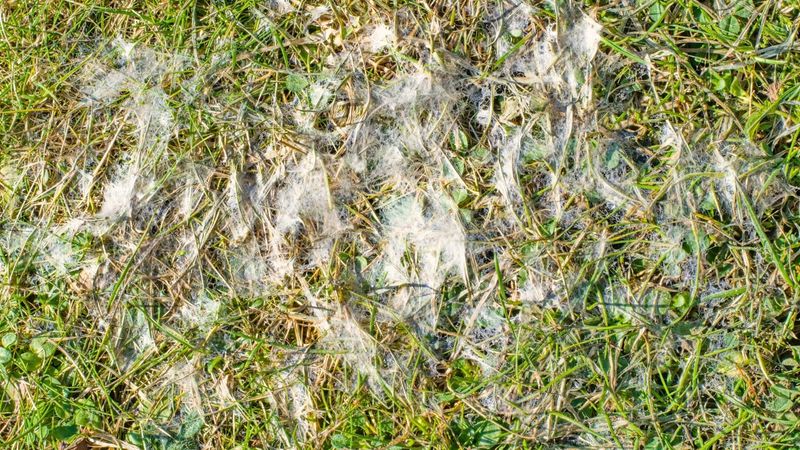
That flattened layer stays damp for long stretches. Cool, wet, matted turf is the favorite setting for diseases like gray snow mold and pink snow mold, also called Microdochium patch.
After a melt, you may spot circular tan, gray, or pinkish patches with crusty, matted blades.
Snow mold is more common in northern and higher-elevation parts of Virginia, where snow sits longer. Pink snow mold can even show up without snow during cool, rainy stretches.
Lawns in milder coastal areas see it less often.
Most snow mold damage is cosmetic and fades as grass resumes growth. Lightly raking the patches in spring helps them dry and recover.
Still, prevention is easier than repair.
A few habits reduce the risk:
Mow down to around 3 inches at the end of the season. Clear heavy leaf piles before winter.
Avoid big doses of quick-release nitrogen late in fall, which can produce soft, disease-prone growth.
Think of it this way. You want blades tall enough to protect, but short enough to stay upright and airy.
Cutting Only a Third of Each Grass Blade Keeps Roots Strong
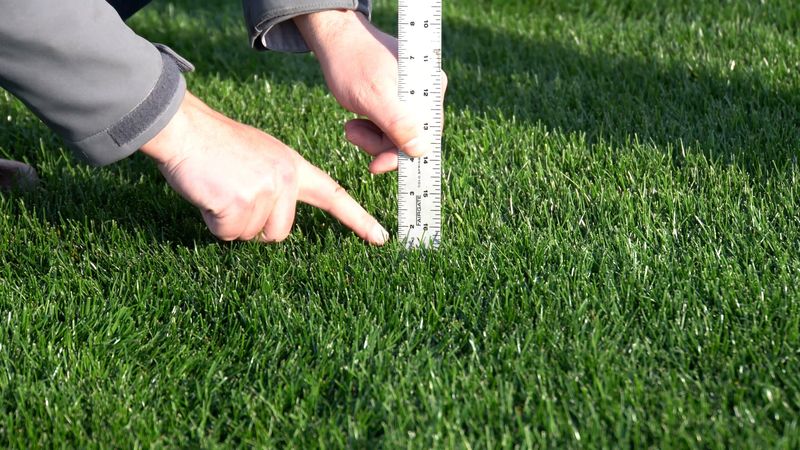
Old-school groundskeepers swear by the one-third rule, and the science backs them up. Remove no more than one-third of the blade length in a single mowing.
Here is the quick math. If you want to finish at 3 inches, mow when the grass hits about 4.5 inches.
Grass at 6 inches should come down in stages, not in one pass.
Why does it matter so much? Cutting off too much leaf forces the plant to pour stored energy into regrowing blades.
That energy comes from the roots, the very reserves it needs for winter.
Late fall growth slows, which makes this easier to follow. Your mowing gap can stretch to 10 days or two weeks.
Keep an eye on height rather than a fixed schedule.
Sharp blades deserve a quick mention too. Dull blades tear tips, leaving ragged brown edges that lose moisture and invite disease.
Sharpening once or twice a season makes a visible difference.
A little patience here pays off. I like to make my final two cuts about a week apart, trimming down step by step.
The lawn barely notices, and the roots keep their savings account full.
Watch Your Grass and Thermometer Before Parking the Mower
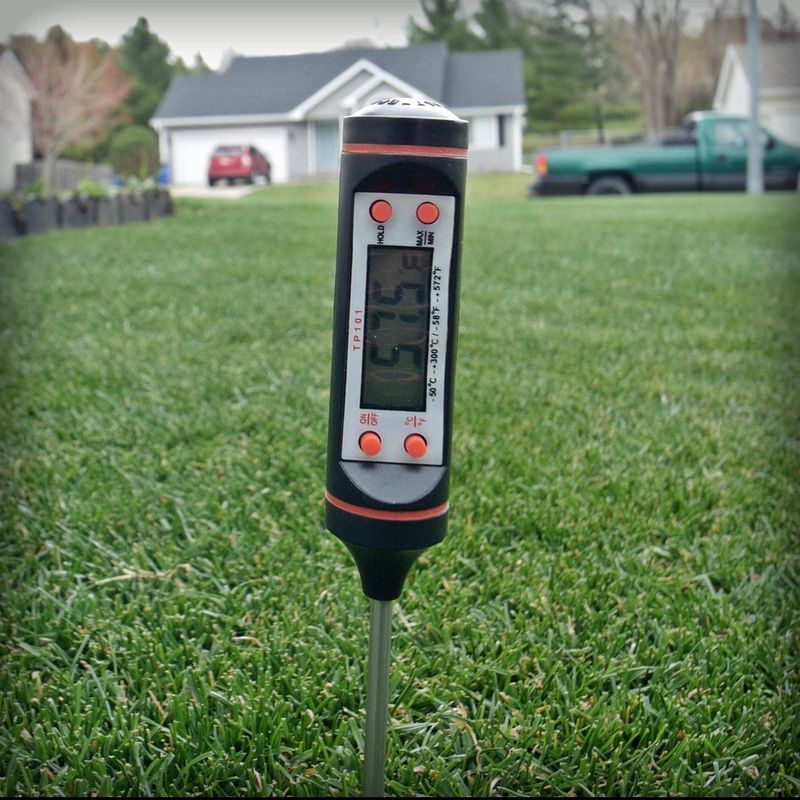
Calendars make lousy lawn advisors. Grass decides when it is finished, and it pays attention to temperature.
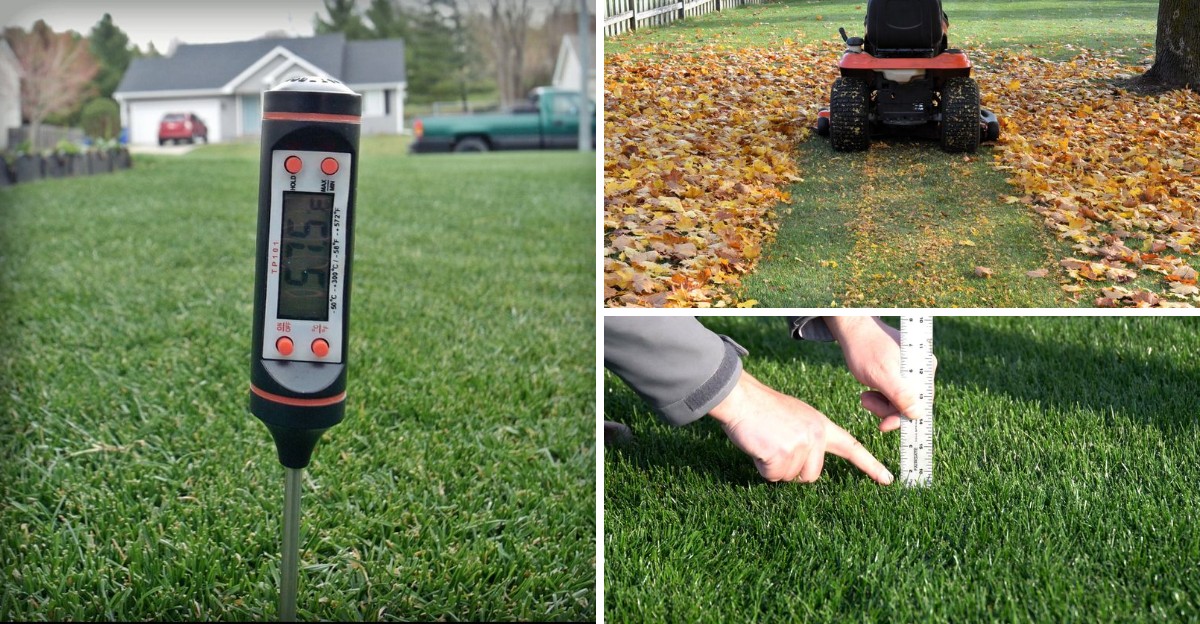
Cool-season grasses slow sharply when air temperatures hover around 50 degrees and soil cools into the 40s. Once growth basically stalls, your mowing season is over.
For many Northern Virginia and Piedmont lawns, that last cut falls in mid to late November.
Timing shifts across the state. Mountain areas in the southwest often wrap up earlier.
Hampton Roads and the Eastern Shore, with milder fall weather, may need a trim into early December.
So what are the signs? New growth barely shows between mows.
Clippings are sparse. Mornings bring regular frost.
One caution matters. Avoid mowing frosted grass, because frozen blades break and crush easily, leaving brown tracks.
Wait until the frost melts later in the day.
Wet grass is tricky too. Mowing soggy turf can rut the soil and clump clippings.
My personal rule is simple. When two weekends pass and the lawn looks the same height, I do one final tidy pass at around 3 inches.
Then the mower gets cleaned, the gas gets stabilized, and everyone rests until spring.
Shredded Oak Leaves Can Feed Your Lawn Instead of Smothering It
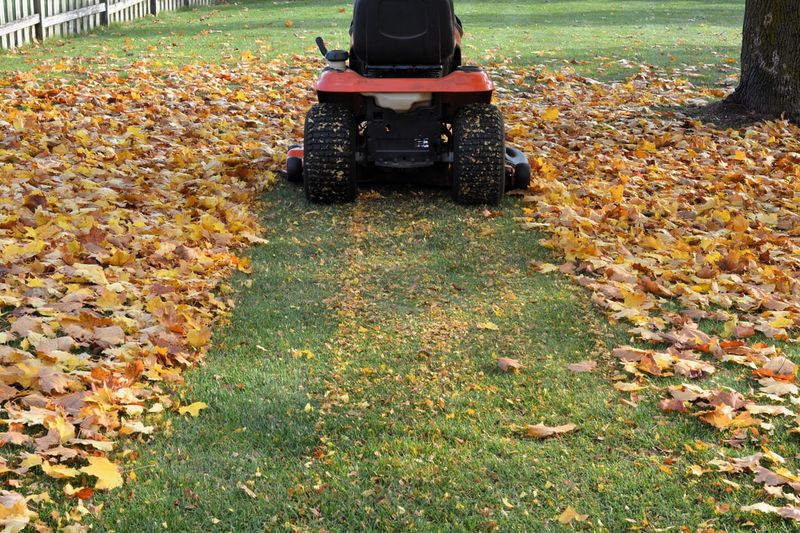
Raking piles of leaves is nobody’s favorite weekend plan. Thankfully, your mower can handle much of that job during the last few cuts.
Research from Michigan State University and other universities found that mulching leaves into turf does not harm the lawn. Finely chopped leaves settle between grass blades and break down over winter.
They add organic matter to the soil as they decay.
The goal is small pieces, roughly dime-sized. You should still see plenty of grass peeking through after a pass.
If leaves sit thick like a blanket, run over them twice or bag some for your garden beds.
Whole leaves left in a heavy mat do cause trouble. They block light, trap moisture, and can smother grass while encouraging disease.
That is one more reason to deal with them before winter sets in.
Extra leaves have great uses elsewhere:
Spread them as mulch around shrubs and perennials. Add them to a compost pile.
Leave a few in out-of-the-way corners where overwintering insects and pollinators shelter.
I started mulching leaves years ago, and my back thanks me every November. The lawn seems happy too, and the soil feels richer each spring.
A Healthy Green Lawn in Spring Starts With Smart Winter Habits
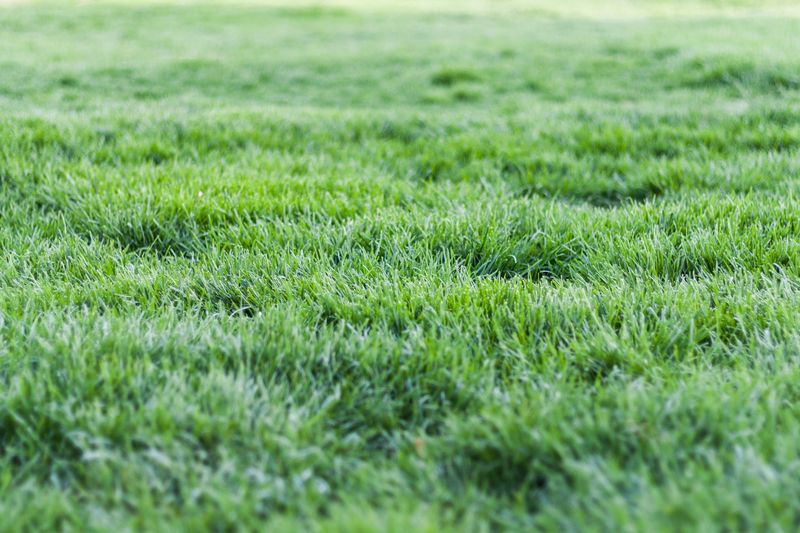
Spring lawns are built in November. That final mow wraps up a season of care, and a few extra habits help everything carry through winter.
Start by staying off frozen or soggy turf as much as possible. Foot traffic on frosted grass crushes blades, and heavy use on wet soil causes compaction.
A path of stepping stones can save a well-worn shortcut.
Next, look at fertilizer timing. Virginia Cooperative Extension recommends fertilizing cool-season lawns mostly in fall, especially September through November.
Skip feeding warm-season grasses once they go dormant.
Give your mower some care before storage. Sharpen the blade, clean the deck, and add fuel stabilizer or run the tank empty.
Your first spring mow will go much smoother.
Then make a quick note for next year. Jot down your final mowing date and height in a phone or notebook.
Patterns become clear after a couple of seasons.
My biggest takeaway is easy to remember. Lower gradually, finish near 3 inches for fescue, and keep leaves from piling up.
Those small choices add up. Come March, you might notice your yard waking up greener and thicker than the neighbors.
That first lush stripe of spring grass feels like a well-earned reward.