Why Your Virginia Lawn Is Full Of Mushrooms In November, And Whether They’re Safe For Pets
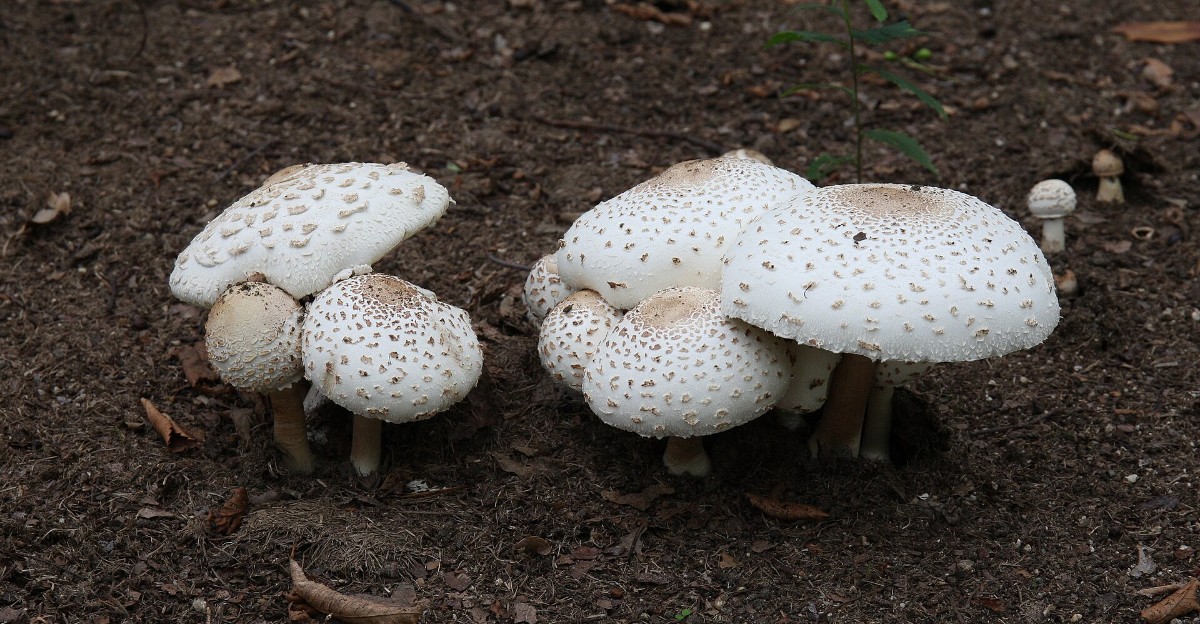
Some of the biggest living things in your yard are hidden underground, stretched out like invisible threads through the soil. You only see them for a few days a year, and they tend to show up right after a soaking rain.
One morning the grass looks tidy. The next morning, little caps and rings are scattered everywhere, some tan, some white, some oddly shaped like tiny umbrellas.
I love how fast they appear, but I also know that sudden crop makes many Virginia gardeners nervous.
I worry less about the turf and more about my dog’s curious nose. Pets sniff, lick, and sometimes gulp things before you can blink, and a few lawn visitors can make them very sick.
What is really going on under your feet each fall? And should you grab a bag and start picking before the next walk?
1. Those Mushroom Caps Are Just The Tip Of An Underground Network
Mushrooms work a lot like apples on a tree. The part you see is only the fruit, and the real organism stays hidden below the grass.
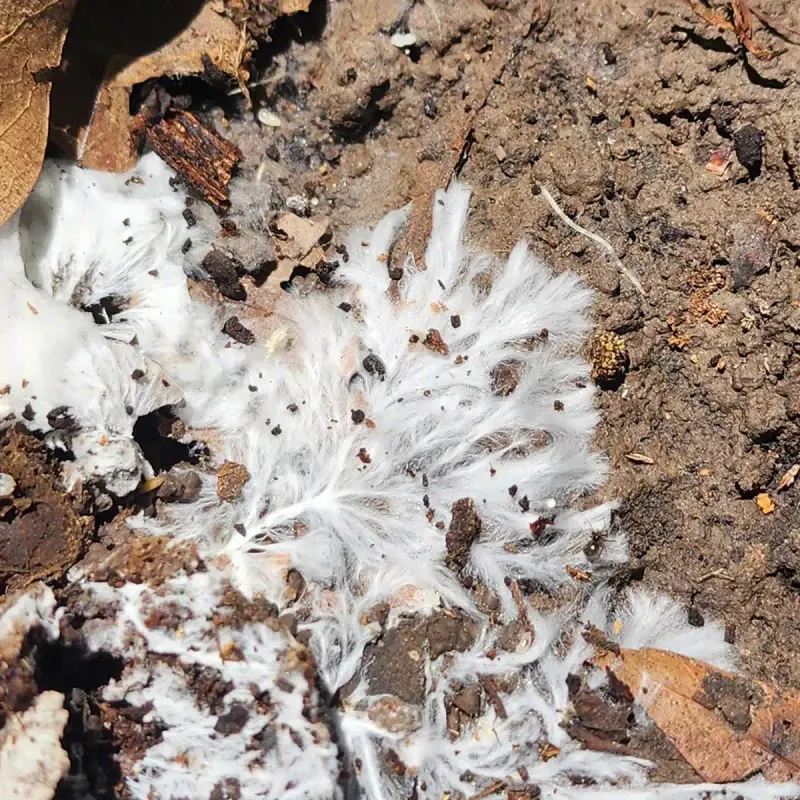
That hidden part is called mycelium. It is a web of thin white threads that spreads through soil, thatch, and buried wood.
You may have seen it as fuzzy white strands when you flipped over an old log or a pile of wet leaves.
Mycelium can live quietly in your yard for years. Most of the time it just feeds and grows without showing itself.
When moisture and temperature line up just right, it sends up mushrooms to release spores, which are like tiny seeds carried by wind and rain.
So a lawn full of caps does not mean something new moved in overnight. The fungus was already there.
It simply decided conditions were good enough to reproduce.
I find that oddly comforting. Those caps are a sign of normal soil life, not a sudden invasion.
Fun fact for your next backyard chat: the familiar fairy ring is caused by mycelium growing outward in a circle. As it spreads, mushrooms pop up along the outer edge, sometimes forming rings many feet wide.
2. Cool Rain And Fallen Leaves Turn November Lawns Into Mushroom Country
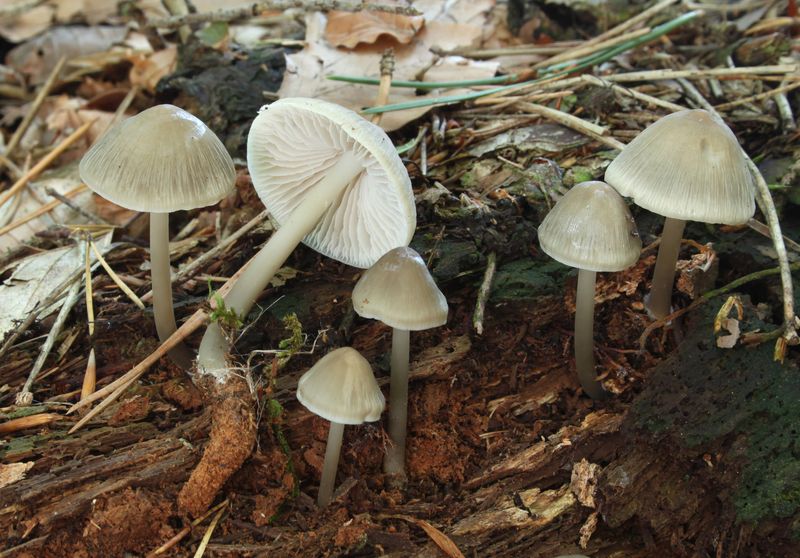
Fall weather in the Old Dominion hands fungi almost everything they want. Days turn mild, nights cool off, and rain soaks into soil that dries slowly under shorter daylight hours.
Mushrooms love steady moisture without scorching heat. A few warm, damp days after a good rain often trigger a flush that seems to appear overnight.
That is why you might spot a crop right after a wet weekend.
Your yard’s layout matters too. Shady corners under oaks and maples stay wet longer than sunny spots.
Low areas with poor drainage, packed clay soil, and thick thatch all hold extra water that fungi happily use.
Falling leaves add another layer to the story. They trap moisture on the surface and slowly break down into food for fungi over the season.
Conditions vary across the state. Coastal yards near Virginia Beach may see mushrooms later into the season, while mountain lawns in the southwest often slow down sooner once hard frosts arrive.
Once steady freezing weather sets in, most lawn mushrooms fade away. The mycelium simply rests underground until spring rains wake it up again.
3. Treat Every Wild Lawn Mushroom As A Risk To Your Dog Or Cat
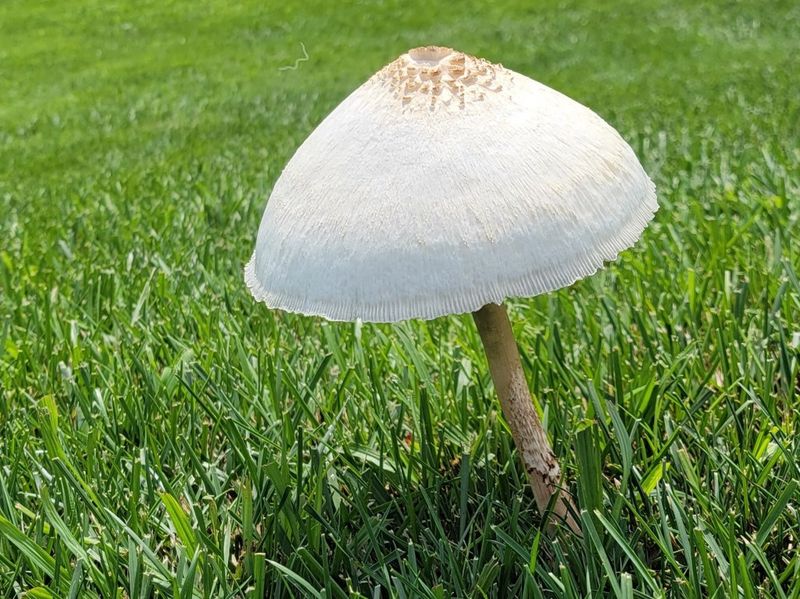
Mushroom experts with years of training still use spore prints, microscopes, and lab tests to name some species. That tells you a lot about how hard backyard identification can be.
Harmless and dangerous mushrooms can look strikingly alike. Color, size, and shape change with age and weather, and toxic types often grow right next to harmless ones.
A photo app guess is not a safe answer for your pet.
Veterinarians and the ASPCA Animal Poison Control Center give pet owners one simple rule. Assume any wild mushroom in your yard could be toxic and keep pets away from it.
Most lawn mushrooms are not seriously poisonous. The problem is that you rarely know which kind you have, and a few species can cause severe liver damage or even put a pet’s life at risk.
Dogs face the biggest danger because they eat first and ask questions later. Cats are pickier eaters, but kittens and playful indoor-outdoor cats can still chew on odd things.
Personally, I would rather spend two minutes picking caps than two days in a pet emergency room. That small habit gives real peace of mind.
4. Mushrooms Are Quietly Recycling Old Roots And Buried Wood
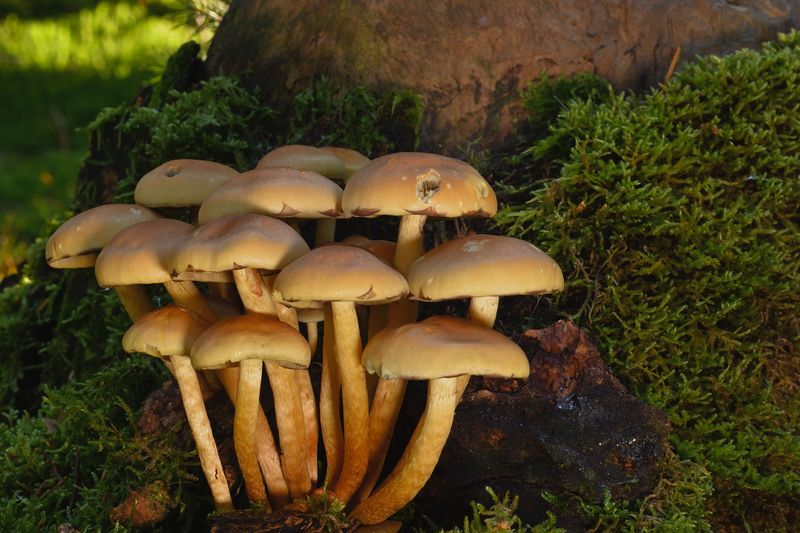
A yard full of mushrooms usually means busy soil, not sick grass. Fungi are nature’s cleanup crew, and they are hard at work below your feet.
Most lawn mushrooms feed on organic matter. Old tree roots, buried scrap lumber, stumps, wood chips, grass clippings, and thatch all make tasty meals.
As fungi break this material down, nutrients return to the soil where grass roots can use them.
That is a big reason many extension experts, including Virginia Cooperative Extension specialists, call lawn mushrooms mostly harmless to turf. They rarely attack healthy grass directly.
Patterns can give you clues. A line of mushrooms across the yard may trace an old root from a tree removed years ago.
A clump in one spot might sit over buried construction debris or a decaying stump.
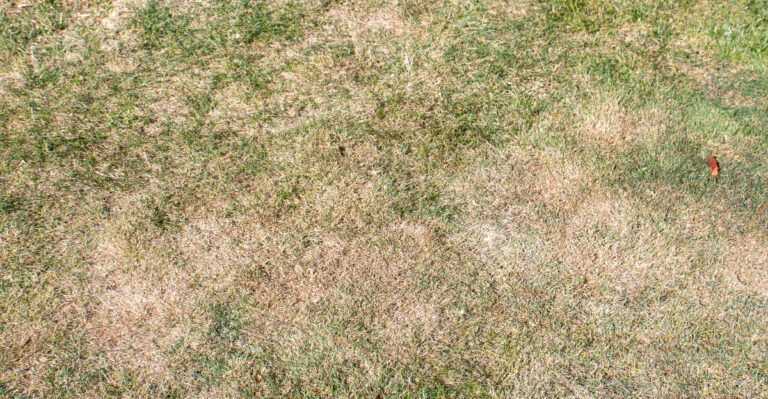
Fairy rings are the main exception worth watching. Some can leave rings of dark green grass, and a few create dry, water-repelling soil that causes brown patches.
If you see browning circles, aerating and deep watering that ring often helps. Otherwise, I like to think of these caps as free composting help I never had to schedule.
5. A Few Amanita And Galerina Mushrooms Deserve Extra Caution
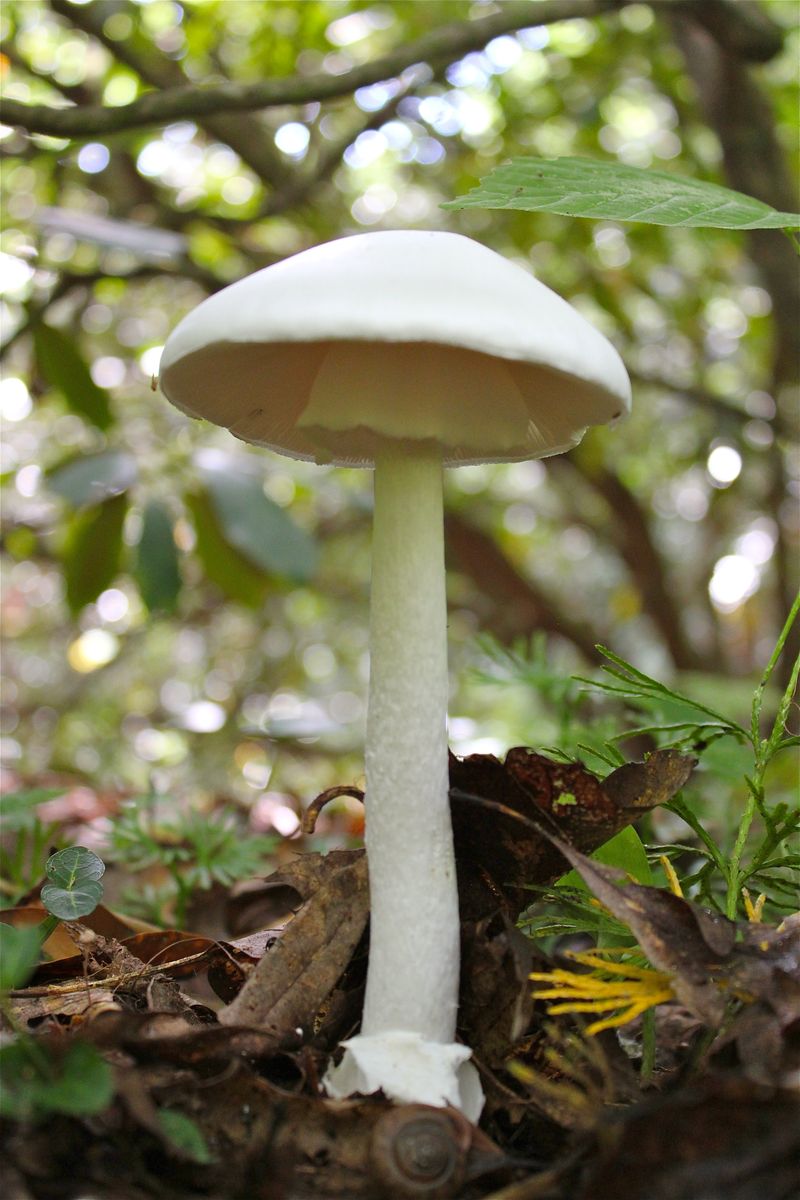
Some of the most dangerous mushrooms in North America look plain and innocent. Certain Amanita species, nicknamed destroying angels, are pure white and quite pretty.
Amanita, Galerina, and some small Lepiota species contain amatoxins. These toxins harm the liver and can be life-threatening for pets and people.
Amanitas often grow near oaks and other hardwoods, which are common in many Virginia neighborhoods.
Galerina mushrooms are small, brownish, and easy to overlook. They usually grow on rotting wood, mulch, or buried debris, so check around old stumps and landscape beds too.
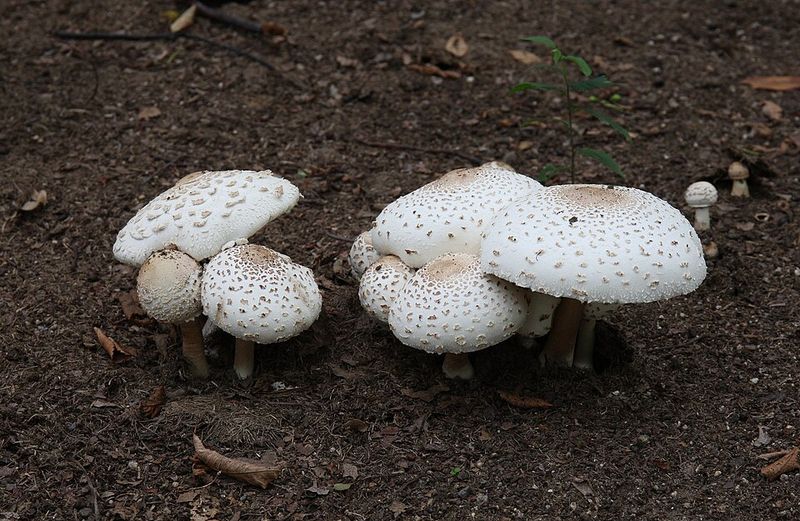
The green-spored parasol, Chlorophyllum molybdites, is one of the most common lawn mushrooms in the eastern U.S. It often forms large rings with big white caps.
It mainly causes intense vomiting and diarrhea, which can lead to dangerous dehydration in dogs.
Some mushrooms also have a fishy or earthy smell that seems to attract dogs. That scent may explain why certain pups go straight for them.
You do not need to become an expert. Just know that harmful types really do show up in ordinary lawns, so careful habits matter.
6. Call Your Vet Right Away If Your Pup Eats A Mushroom
Speed matters more than anything here. If you think your pet ate a wild mushroom, call your veterinarian or an animal poison hotline right away.
Two helpful numbers are the ASPCA Animal Poison Control Center at 888-426-4435 and the Pet Poison Helpline at 855-764-7661. A consultation fee may apply, but the expert guidance can be worth every penny.
Do not wait for symptoms. Some of the worst toxins take six to twelve hours or longer before signs show up, and early treatment gives your pet the best chance.
Also, do not try to make your pet vomit at home unless a vet tells you to. Home remedies can cause new problems.
If it is safe, gather a few mushrooms from the same spot. Wear gloves, place them in a paper bag, and take clear photos of the top, underside, and stem.
Bring everything to the clinic.
Watch for vomiting, diarrhea, drooling, wobbly walking, tremors, seizures, unusual tiredness, or yellow gums. Even if your dog seems fine, follow your vet’s advice and plan for monitoring.
7. A Quick Morning Mushroom Sweep Keeps Paws Safer
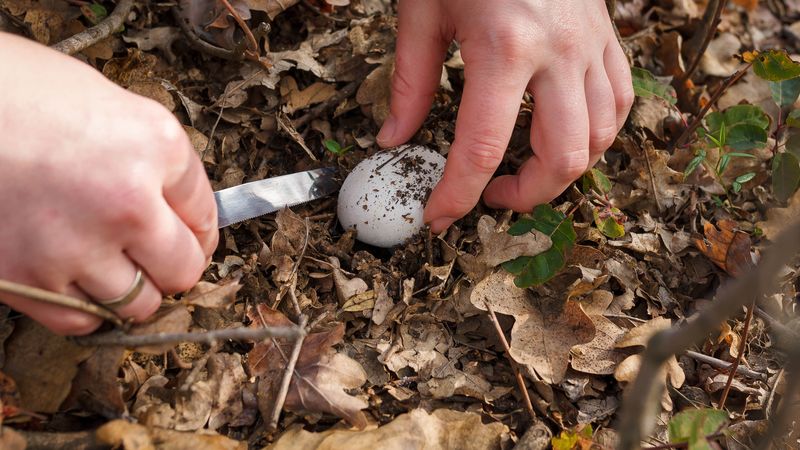
My favorite fall routine takes about five minutes and a pair of gloves. Before the dog heads out, I walk the yard and pick every mushroom I see.
Morning is the best time because many mushrooms pop up overnight after rain. Pull out the whole cap and stem, then drop them into a plastic bag.
Seal it and toss it in the trash, not the compost pile or the lawn.
Wash your hands afterward, even if you wore gloves. It is a simple habit that also helps with curious kids.
Mowing over mushrooms is not a great shortcut. It chops them into bits your pet can still eat and may spread spores across the yard.
Keep a leash on during walks through parks and wooded areas this time of year. Teaching a firm leave it command can make a huge difference too.
Check often during wet stretches. One sweep will not clear mushrooms for the season, since new ones can appear after every good rain.
Steady attention through late fall keeps your yard a safer play space.
8. Better Drainage And Less Thatch Mean Fewer Lawn Mushrooms Next Fall
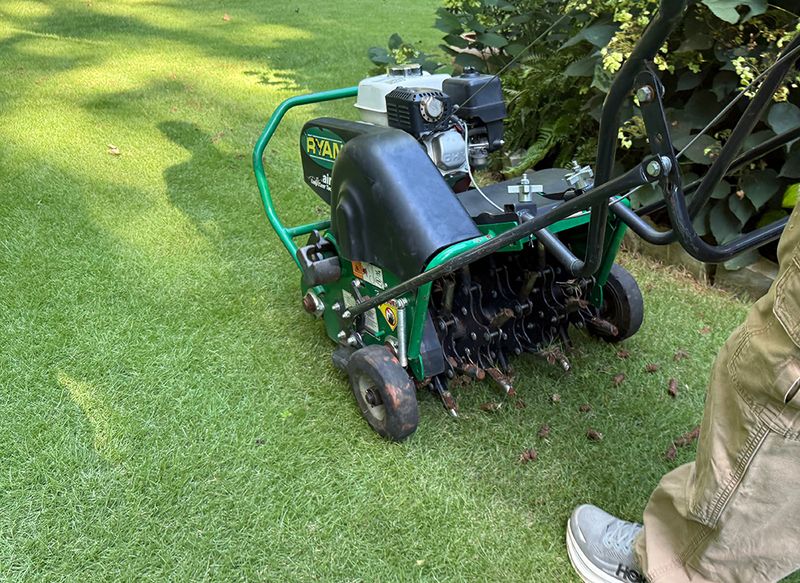
You cannot stop fungi forever, and honestly, you would not want to. Still, a few smart lawn habits can shrink next year’s mushroom crop.
Fungicides are not much help here. Lawn experts note they rarely reach the hidden mycelium, so your time and money work better on yard care.
Start with water. Avoid overwatering in fall, and water early in the day so grass dries before evening.
Fix low spots where puddles linger after storms.
Core aeration helps compacted soil drain and breathe. For cool-season grasses like tall fescue, common across much of the state, early fall is the best time to aerate.
Thatch thicker than about half an inch gives fungi a damp buffet. Dethatching and raking up heavy leaf layers can reduce that food supply.
Trimming low tree branches lets more sunlight reach shady corners. If a cluster keeps returning in the same place, dig a little to see if old roots or buried wood are feeding it.
Mushrooms are a natural part of a healthy yard. With some prevention and daily checks, your lawn and your pets can share the season safely.