9 Warning Signs a Snake Is Living in Your Arizona Yard
Some desert yard visitors leave behind a ghostly copy of their own body, including clear little caps from their eyes. I found one behind my agave last fall, and I stared at it longer than I care to admit.
Arizona yards give these quiet neighbors plenty of comfort, especially shaded rock piles and the burrows rodents leave behind. October is a busy month for them, since many start moving toward winter dens as nights turn cooler.
Personally, I would rather spot the clues early than meet the culprit face to face while pulling weeds. You might have noticed a few hints already without realizing what they meant for your garden beds.
What surprises me most is how many of these clues hide in plain sight around ordinary Arizona patios. So which of these sneaky signs have been sitting quietly in your own yard all season long?
1. Papery Shed Snake Skin Near Rocks
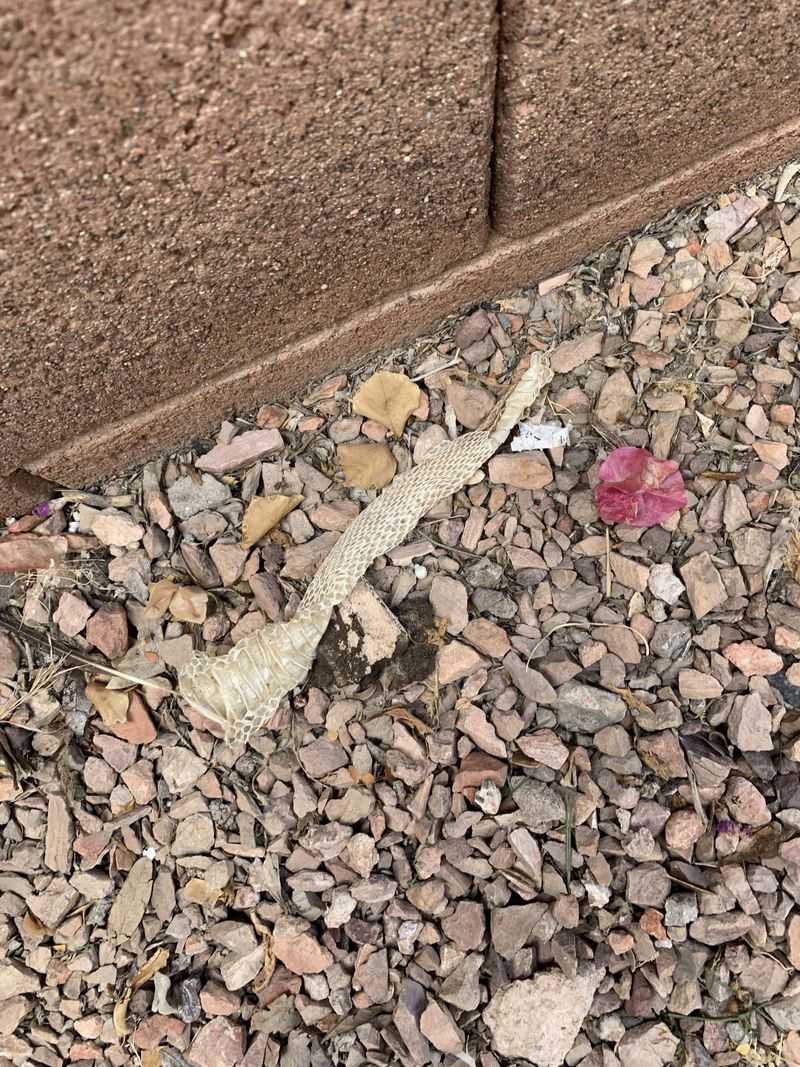
Few garden finds give me goosebumps quite like a crinkly, see-through tube of scales snagged on a rough rock. Snakes usually shed in one long piece, peeling it off inside out like a sock pulled from your foot.
That skin often includes tiny clear caps from the eyes, which still amaze me every single time I spot one. Snakes rub against rough edges to start the process, so check rocks, woodpiles, and spiny shrubs near shelter.
You can learn a little from the shed, though it stretches during removal and looks longer than the actual snake. Scale patterns and the shape of the tail end may help experts narrow down which species visited your garden.
A fresh shed feels soft and flexible, while an old one turns brittle and starts crumbling apart in the dry air. Finding a soft one suggests the owner passed through recently and may still be resting somewhere close by.
Wear gloves and use a stick if you want to collect it, since nearby crevices deserve a careful look first. I like snapping a quick photo for an identification group before tossing the skin into the trash bin.
2. Dark Snake Droppings With White Tips
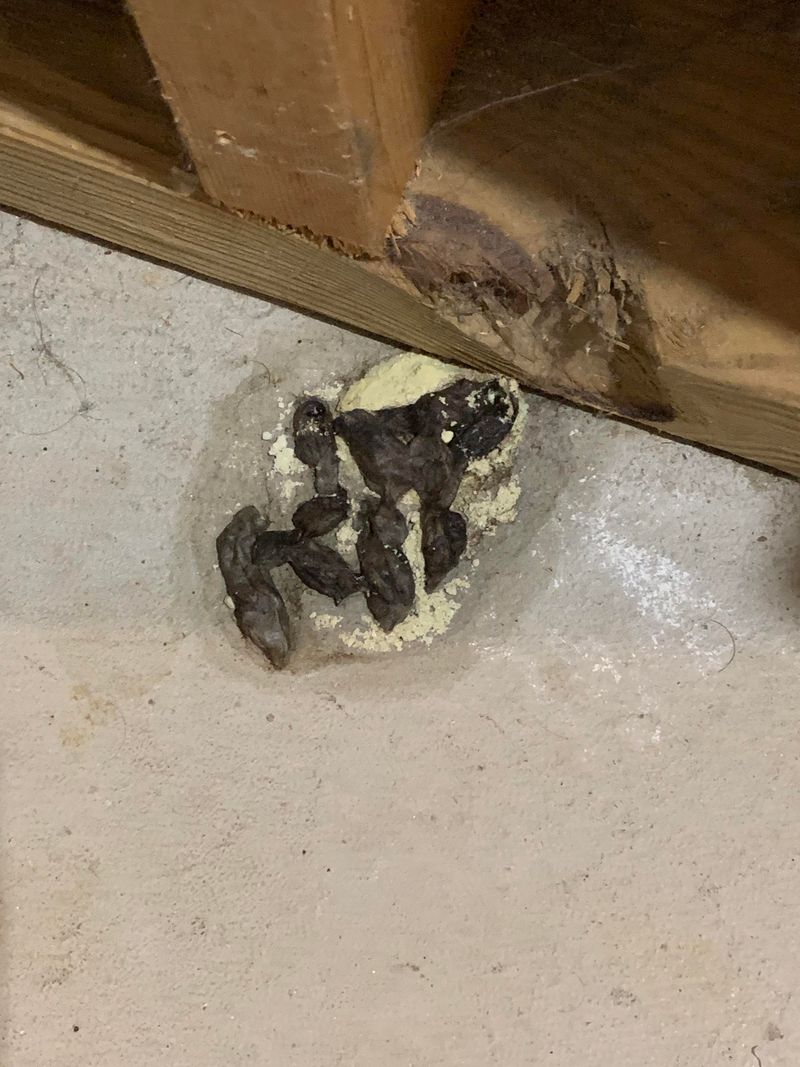
Nobody plans a garden morning around poop, yet snake droppings can tell a surprisingly detailed story about your yard. Look for dark, tube-shaped deposits capped with a chalky white blob that resembles a dab of dried paint.
That white portion is uric acid, which is how snakes and many reptiles get rid of waste without losing precious water. Desert animals conserve moisture carefully, so the system makes perfect sense for a creature living under the hot Arizona sun.
Bird droppings also contain white urates, but they usually look runny and splattered instead of long and log-shaped. Lizard droppings share the white tip too, though they are typically much smaller and show up on sunny walls.
Snake droppings sometimes contain bits of fur, tiny bones, or feathers, since snakes swallow prey whole and digest slowly. I have to admit that spotting mouse fur inside one made me appreciate the free rodent control happening outdoors.
Several droppings in one corner suggest a regular hangout rather than a single wandering visitor passing through quickly. Scoop them with a shovel, wash your hands well afterward, and keep an eye on nearby hiding spots.
3. Wavy Snake Tracks in Desert Sand
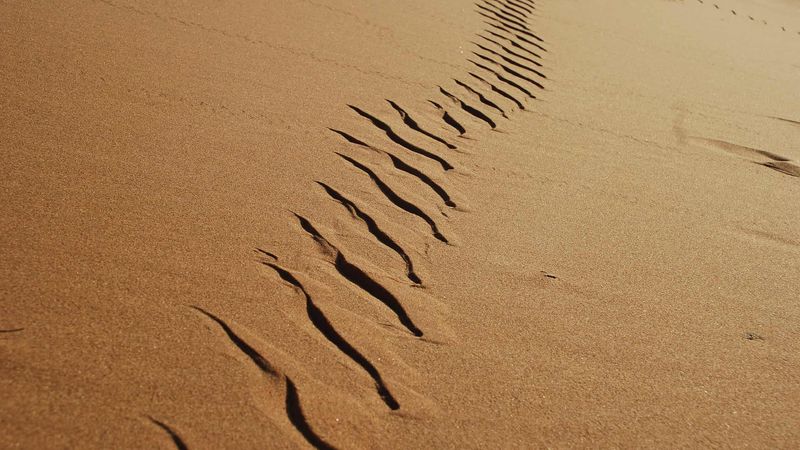
Early morning is my favorite time for track hunting, because low sunlight turns faint marks in the dust into sharp little shadows. Snakes leave smooth, wavy grooves across loose soil, and nothing else in the garden draws quite the same curvy line.
Most species create an S-shaped trail as they push off small bumps and pebbles while moving forward. Heavier snakes, including some large rattlesnakes, may creep in a fairly straight line that looks like a dragged garden hose.
Sidewinders leave the most unusual pattern of all, a series of separate J-shaped marks set at an angle. That looping motion keeps much of the body off hot sand, which helps in sandy desert areas of the state.
Crisp edges usually mean the tracks are fresh, while wind and irrigation blur older trails within a day or two. You might notice tracks along walls, since many snakes follow edges instead of crossing wide open ground.
Smoothing a patch of fine sand near a suspected hiding spot can reveal overnight traffic by the next morning. Personally, I find this trick oddly satisfying, almost like reading a newspaper written by the neighborhood wildlife.
4. Rodent Burrows Turned Into Snake Hideouts
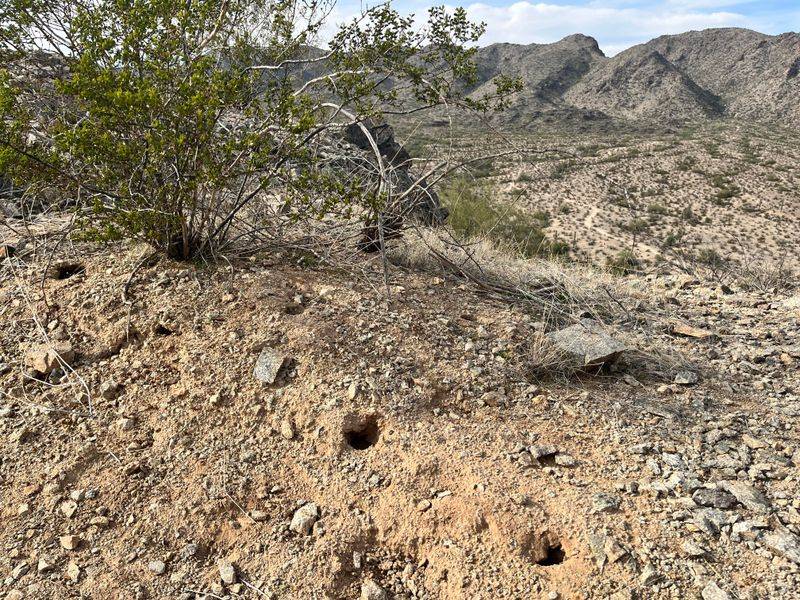
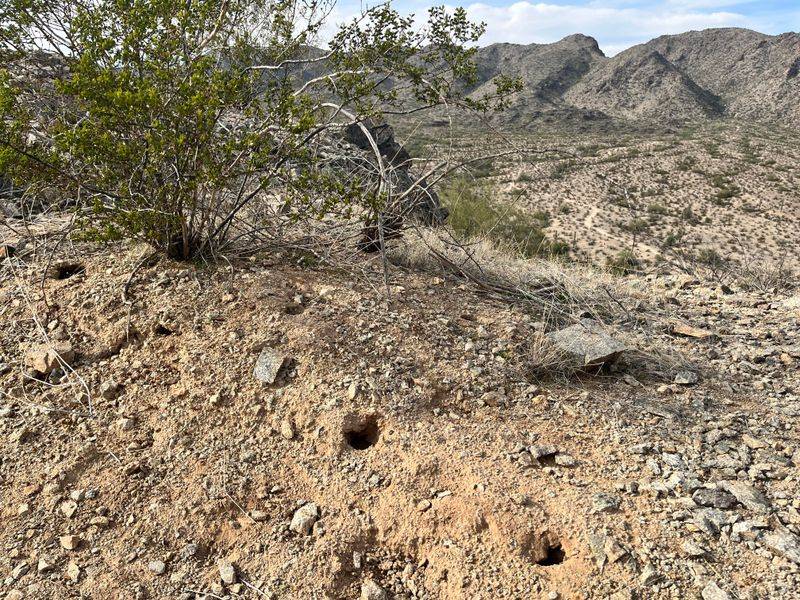
Snakes are terrible diggers, so they borrow homes built by ground squirrels, pack rats, and kangaroo rats instead. Those tidy round holes under shrubs can quietly change ownership while you are busy watering the tomatoes.
A burrow offers cooler temperatures during hot afternoons and steadier warmth on chilly fall nights in the desert. It also delivers meals right to the doorstep, which makes a rodent tunnel feel like a hotel with room service.
Clean, smooth entrances without fresh dirt piles may hint that a snake is using a burrow rather than its builder. Spiderwebs across the opening usually suggest nobody has been in or out recently, which is a helpful clue.
I believe the smartest move is avoiding reaching into any hole, because surprised residents tend to defend themselves. Keep pets away from active burrows too, especially curious dogs that love sticking their noses into dark places.
Reducing rodent food sources, like spilled birdseed and fallen fruit, makes burrows less likely to appear in the first place. Fewer rodents usually means fewer hungry snakes deciding that your backyard looks like the best buffet in town.
5. Rattling Or Hissing From Dense Shrubs
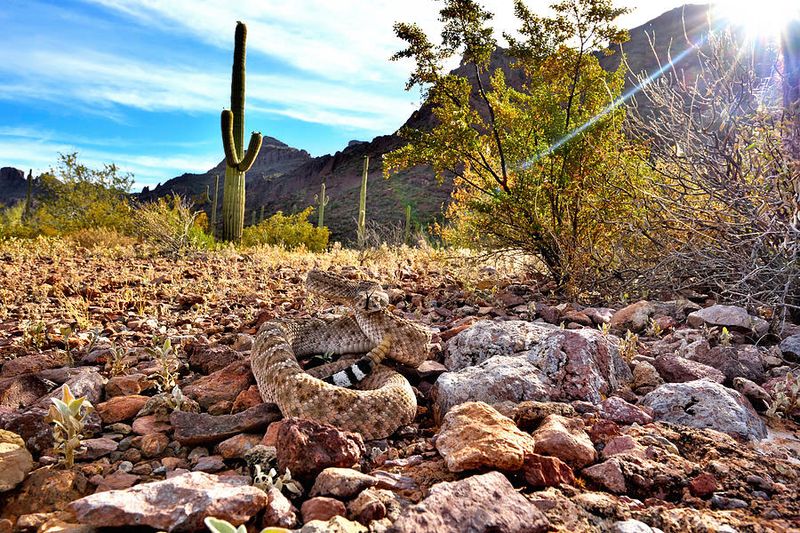
That dry buzzing sound from a bush stops gardeners in their tracks faster than any alarm clock ever could. Rattlesnakes use the warning to say they feel crowded, and backing away slowly is the polite response.
Western diamondbacks are among the most familiar rattlers in the low desert, and they often rest in shaded cover. Their rattle grows a new segment with each shed, so counting segments does not reveal the snake’s age.
Gopher snakes add a fun twist, because they hiss loudly and vibrate their tails against dry leaves when threatened. I love how convincing their performance sounds, even though these harmless snakes help control rodents around homes.
Soft rustling in leaf litter can also mean a snake is moving, though lizards and birds make similar noises. Pause, look around carefully, and give the area plenty of space before stepping closer to investigate the sound.
Stay at least several feet away, keep children and pets inside, and call a professional relocation service when needed. Many local fire departments and wildlife services also respond to calls about venomous snakes near homes in the state.
6. Fewer Mice Scurrying Around the Garden
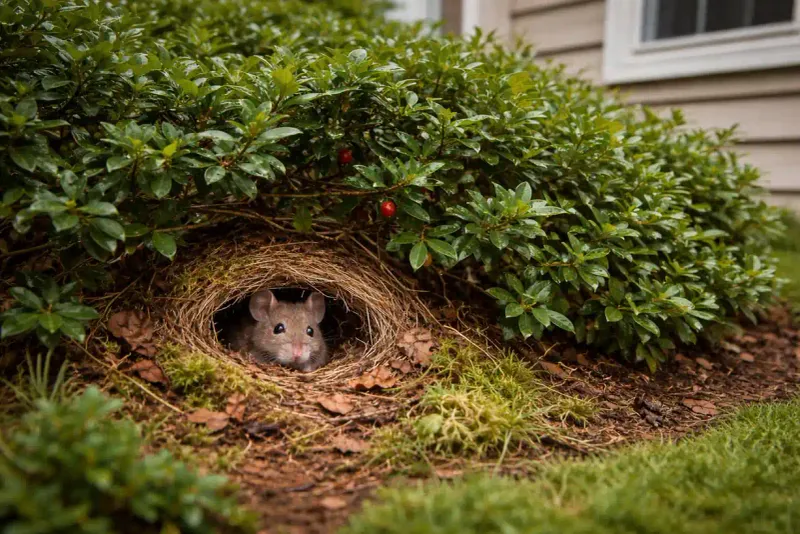
Sometimes the clue is not something you find, but something that suddenly goes missing from your evening routine. Mice that once raided your seed trays may quietly vanish, and a hungry snake could be part of the story.
Rodents make up a big share of the diet for gopher snakes and rattlesnakes alike across much of the desert Southwest. A single snake can eat many rodents over a season, which explains why gardeners often notice the change.
Still, I would treat this sign as a gentle hint rather than solid proof of a snake moving in nearby. Owls, hawks, bobcats, coyotes, roadrunners, and even cooler weather can reduce rodent activity around your yard too.
Combine this observation with other clues, like shed skins or tracks, before drawing any firm conclusions about your visitors. You might notice the drop most around compost bins, woodpiles, and bird feeders where rodents usually gather to snack.
Personally, I see a quieter rodent population as a small win, even if it hints at a scaly helper. Managing food sources keeps both groups from settling in too comfortably close to your doors and walkways.
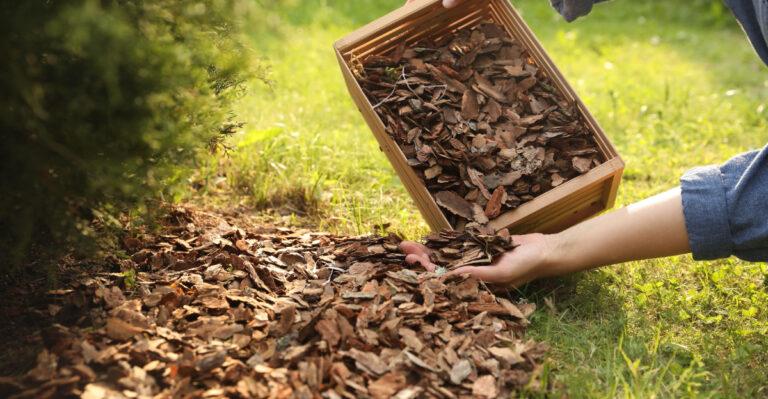
7. Woodpiles And Debris Stacked Against Walls
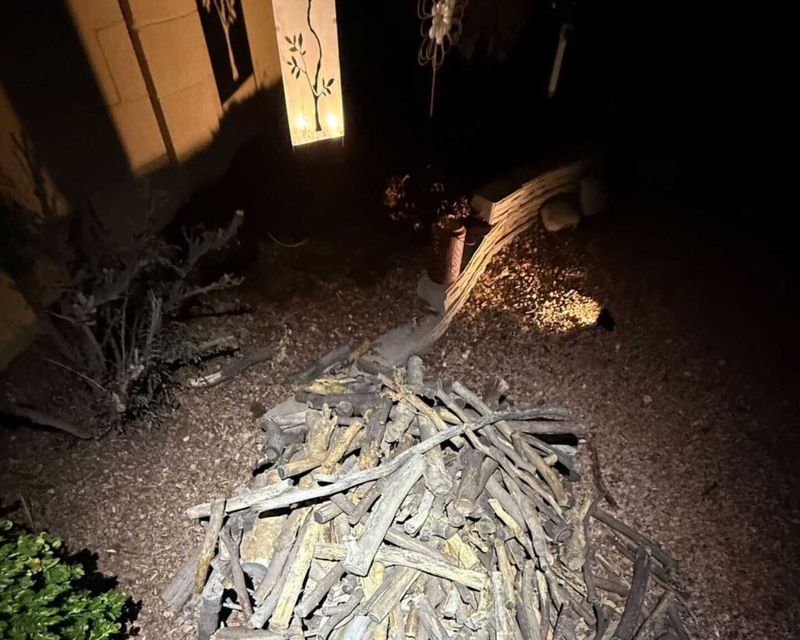
That forgotten stack of pavers behind the shed might be the coziest apartment on your entire property. Snakes love tight, shaded gaps where they can rest safely and stay out of reach from hawks and coyotes.
Firewood, old lumber, broken pots, and tarps all create cool pockets that buffer the strong desert heat nicely. Those same spots warm up slowly on fall mornings, giving snakes a comfortable place to adjust their body temperature.
Clutter attracts rodents and scorpions too, which turns a simple woodpile into a busy little food court for predators. I have to admit my own garden corner once hosted more wildlife than my hummingbird feeders ever did.
October offers great weather for tidying, since daytime temperatures in the low desert finally become pleasant again. Wear thick gloves and boots, and lift items toward you so anything underneath has an escape route away from your legs.
Stack firewood on a raised rack about a foot off the ground and away from house walls. Removing junk piles altogether is even better, because fewer hiding spots usually mean fewer surprise encounters when gardening.
8. Overgrown Shrubs And Tall Weedy Grass
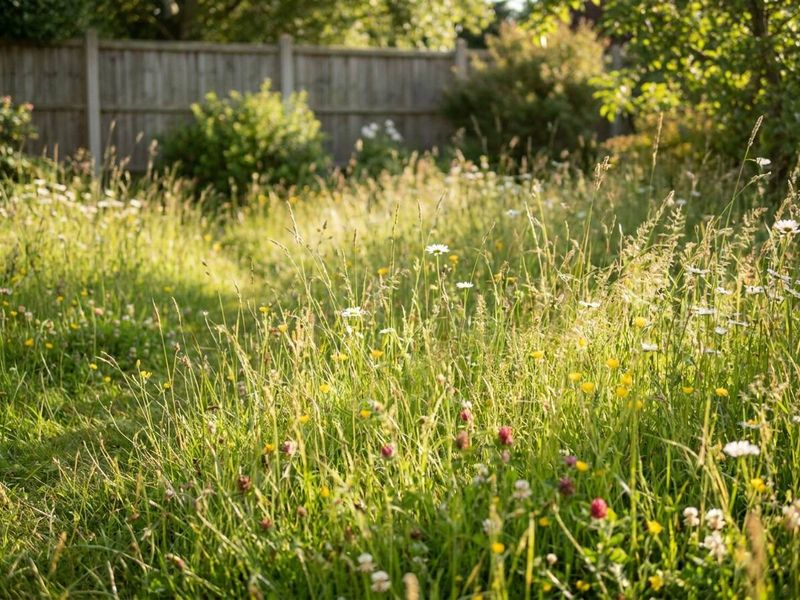
Lush growth after summer monsoon rains can turn tidy borders into tangled jungles almost overnight in the desert. Snakes appreciate that thick cover, slipping beneath low branches where they can hunt and rest without being noticed.
Dense ground cover creates hidden highways that let snakes travel across a yard while staying shaded and protected. Shrubs touching the ground are especially appealing, since they hide resting spots from curious birds and people walking by.
You need to look closely at plants growing right beside paths, patios, and doors where family members walk daily. Trimming lower branches up a foot or so makes it much easier to spot anything coiled underneath.
Native plants like brittlebush and desert marigold can still look lovely while kept airy and well spaced apart. I like leaving gaps of open gravel between plantings, because snakes generally feel exposed crossing bare ground.
Pull weeds and cut tall grass during cool morning hours, and keep your eyes on the ground ahead. A tidy, open layout lets you enjoy beneficial wildlife from a distance without unexpected surprises near your feet.
9. Leaky Drip Lines And Shallow Birdbaths
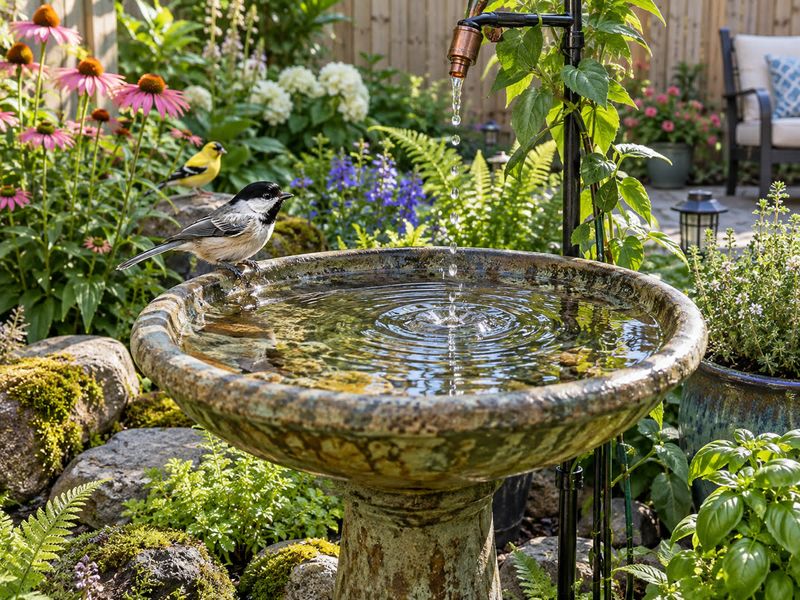
Water draws a crowd in the desert, and a dripping irrigation emitter can become the busiest spot in your yard. Birds, rodents, and toads gather around damp soil, and snakes often follow those animals to find an easy meal.
Snakes get much of their moisture from prey, though many will also drink from puddles and shallow containers. Cool, damp ground near a leak also offers relief during warm afternoons, which makes the spot doubly attractive.
Check drip lines for broken emitters and soggy patches, especially after summer heat cracked aging tubing. October is a smart time to adjust irrigation timers, since plants in this cooler season need noticeably less water.
Birdbaths and pet bowls are wonderful for wildlife, yet placing them away from doors and seating areas helps. I love keeping one shallow dish near native shrubs at the edge of the garden, far from busy walkways.
Empty and refill containers regularly so mosquitoes cannot breed, which keeps the whole setup healthier for everyone. A carefully managed water source still supports helpful wildlife while making your patio less tempting for scaly visitors.