9 Flowering Groundcovers to Use Instead of Gravel in Arizona Yards
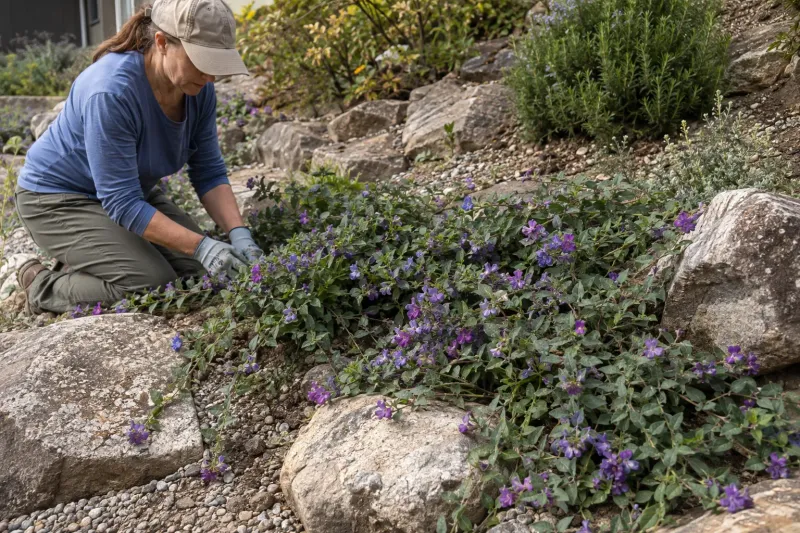
Sun-baked gravel in Phoenix can climb well past 150 degrees on a July afternoon, hotter than the air above it. That stored heat radiates back toward your house after sunset, and nearby shrubs feel every degree.
Living plants work differently because their leaves shade the soil and release moisture that cools the ground underneath them. Arizona landscapers also like how low flowering plants slow runoff and hold onto precious monsoon rain.
I have to admit, I once loved the tidy look of crushed granite across my whole front yard. Then I noticed hummingbirds zipping past my yard without a pause, and that small snub changed my mind.
October happens to be prime planting season in the desert, since cooler nights help new roots settle before summer returns. So which tough little bloomers actually deserve a spot where all that hot rock sits today?
1. Trailing Lantana
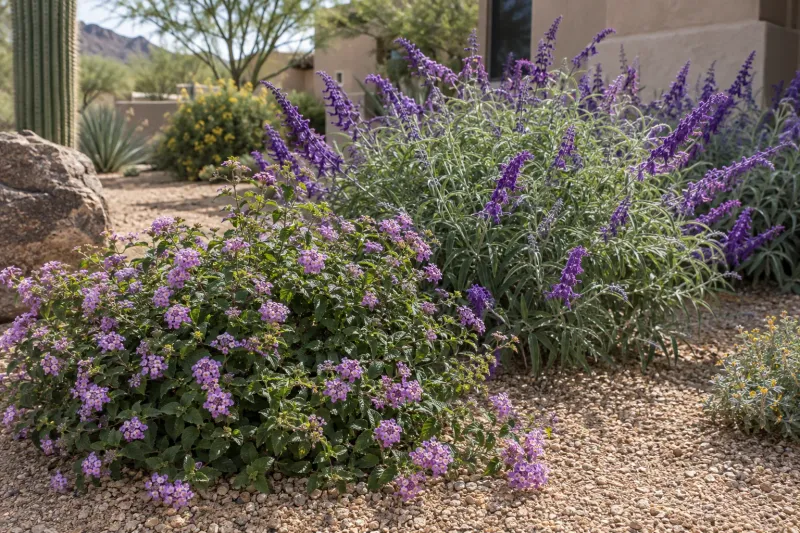
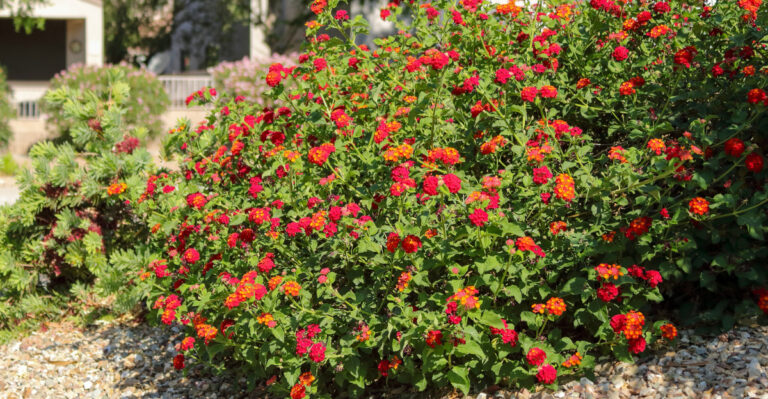
Few plants handle blazing reflected heat off a block wall quite like trailing lantana, and I love that stubborn streak. Its purple flower clusters keep spilling across the ground while tougher-looking shrubs sulk in the afternoon sun.
Botanists call it Lantana montevidensis, and it hails from South America rather than the desert Southwest. Each plant typically stretches three to six feet wide, so a few starts can cover a surprising patch of bare ground.
Butterflies and hummingbirds visit the blooms constantly, and you might notice bees working the flowers from spring through fall. Deer and javelinas mostly leave the strong-scented leaves alone, which feels like a small victory in many desert neighborhoods.
Plant it now in October so roots settle during mild weather, then water deeply about once a week until established. Afterward, a soak every week or two in summer usually keeps it blooming happily in full sun.
Keep curious pets and toddlers away, since the leaves and green berries are toxic if chewed or swallowed. Frost may brown the foliage in colder spots, but a firm trim in early spring brings fresh growth back quickly.
2. Goodding’s Verbena
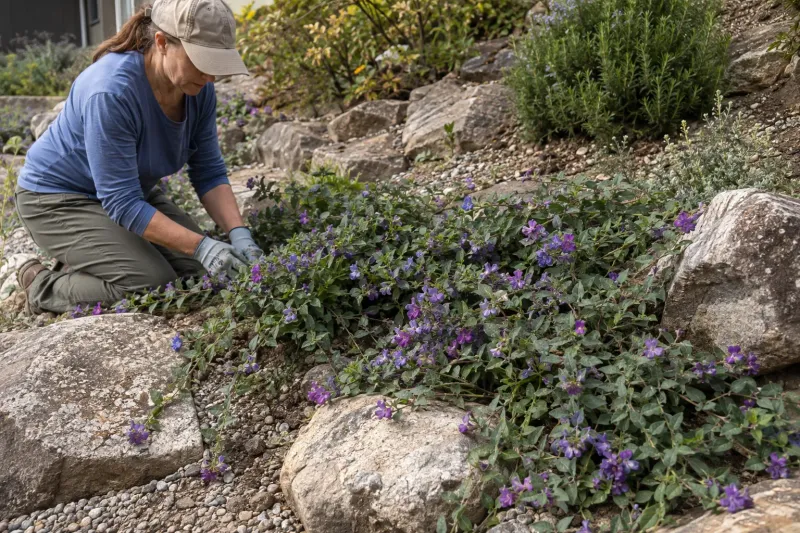
Sphinx moths hover over Goodding’s verbena at dusk like tiny hummingbirds, and watching them feels like a private garden show. The fragrant pink to lavender clusters draw butterflies all day, so the action rarely slows down.
Known as Glandularia gooddingii, this native wildflower grows wild across desert washes and rocky slopes throughout the Southwest. Plants usually stay about a foot tall and spread two to three feet, forming soft mounds of fuzzy gray-green leaves.
Personally, I appreciate how quickly it fills gaps between boulders and along walkways that once held nothing but rock. It blooms heaviest in spring, often returning in fall after summer heat or monsoon rain gives it a boost.
Full sun and sharp drainage keep it happiest, and established plants want only an occasional deep drink. October sowing or planting works beautifully here, since the seedlings use cool-season moisture to root before warmer weather returns.
Individual plants are often short-lived, typically lasting a few years, but they reseed freely without becoming a nuisance. Trim tired stems back in late summer, and fresh growth usually appears fast once temperatures begin to drop again.
3. Blackfoot Daisy
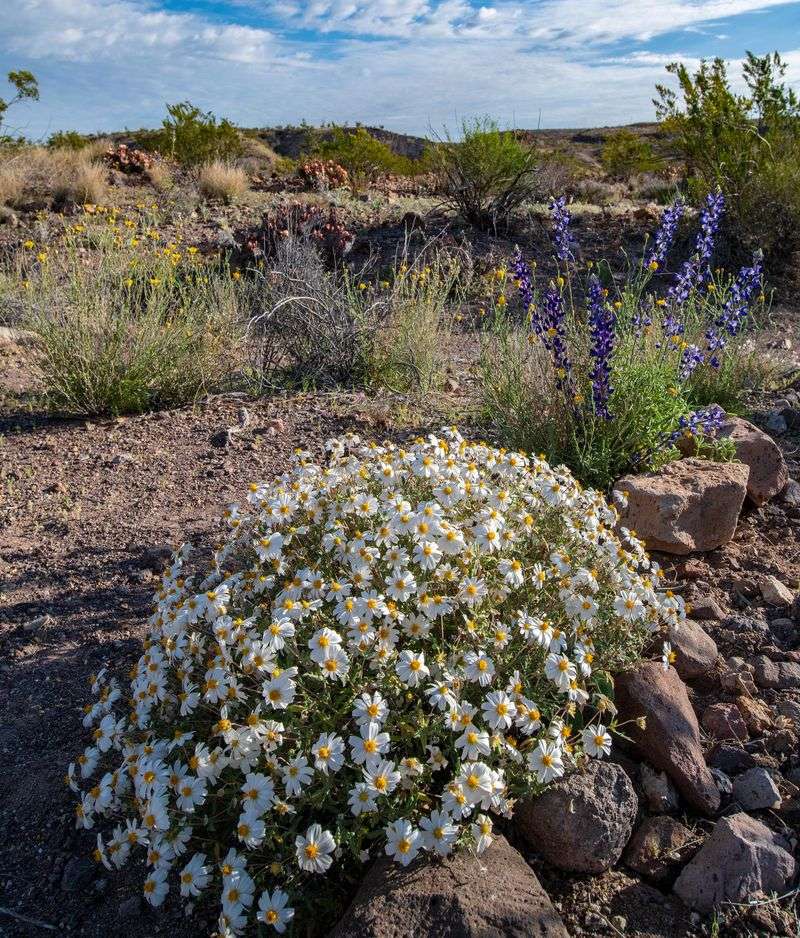
Crush a blackfoot daisy flower between your fingers and you might catch a faint honey scent on warm afternoons. That sweet fragrance comes from a tiny native that looks delicate yet laughs at desert sun and drought.
Melampodium leucanthum forms tidy mounds roughly a foot tall, smothered in white daisies with cheerful yellow centers. The common name refers to the dark bracts behind each flower head, which you can spot if you peek underneath.
I can’t imagine a better edging plant for sunny walkways, since it stays neat without much trimming at all. Blooms appear from spring into fall, giving bees and small butterflies a reliable meal across many months each year.
Overwatering is the real threat, so plant it on a gentle slope or in gritty soil that drains quickly. Skip rich compost and fertilizer, because this little native performs best in lean, rocky ground similar to its home.
Fall planting gives roots time to explore before summer, and a light trim in late winter keeps mounds dense. Plants may decline after several years, so letting a few seedlings grow nearby keeps your border nicely filled in.
4. Desert Zinnia
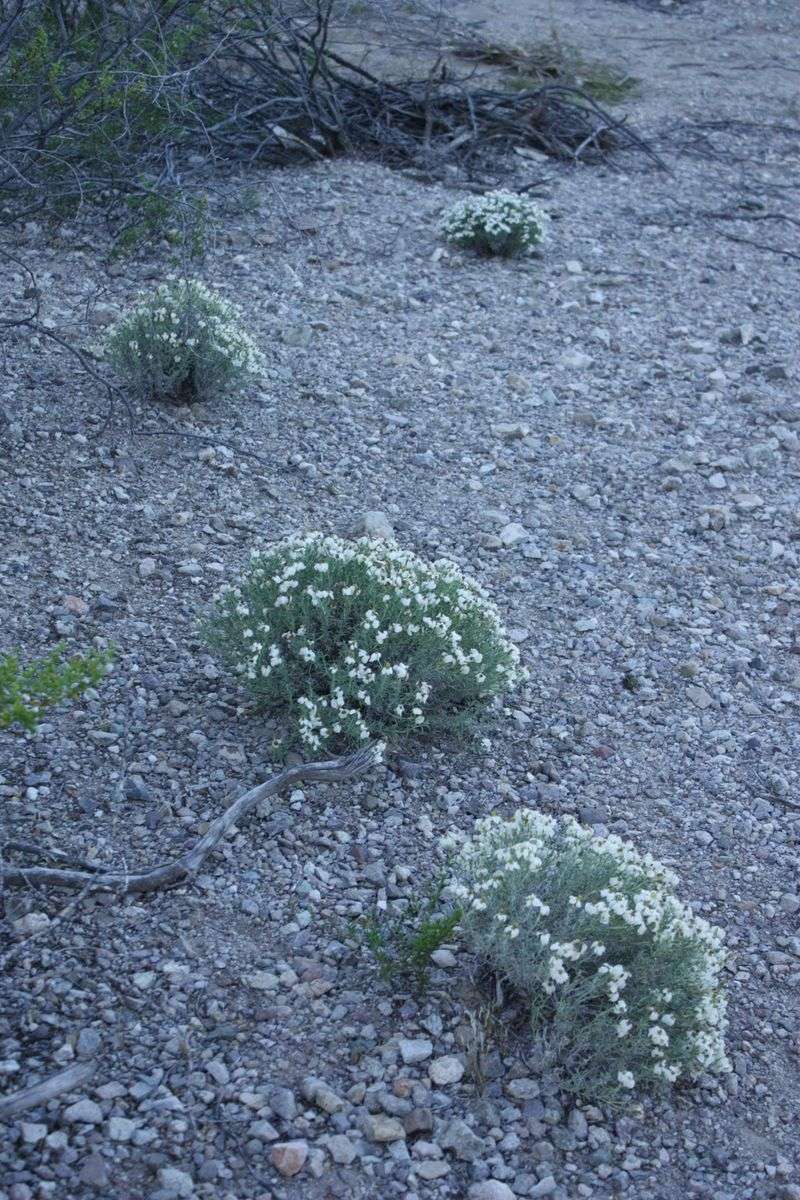
Most folks expect zinnias to be tall, bold annuals, so this low desert cousin often surprises first-time visitors. Its creamy white petals and golden centers sit atop a fine-textured mat that looks almost like soft moss.
Zinnia acerosa grows wild on rocky limestone slopes across parts of the Southwest and northern Mexico. Plants usually stay under eight inches tall, with needle-like gray-green leaves that hold up well during brutal summer stretches.
Small native bees and butterflies visit the flowers from late spring through fall, which keeps your yard humming quietly. Rabbits and deer usually ignore this plant, and I think that resistance alone earns it a place on the list.
Give it full sun and soil that drains fast, since soggy ground causes quick trouble for the roots. Once established, a deep watering every few weeks in summer often keeps the plant flowering without any fuss.
Group several plants about a foot apart, and they will knit together into a living mat over time. October planting is ideal, because mild weather lets new roots spread before next summer’s heat arrives in force.
5. Chocolate Flower
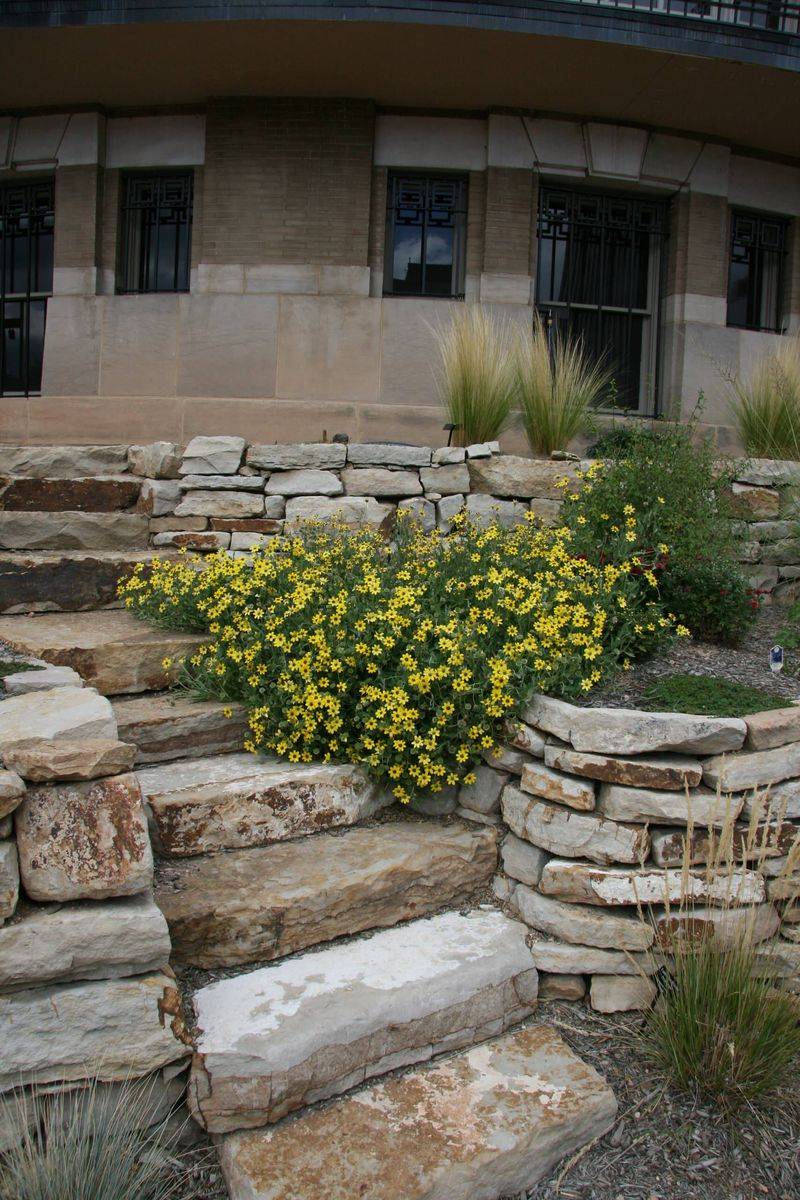
Walk past a chocolate flower on a cool morning and the air genuinely smells like cocoa powder drifting nearby. Kids especially love bending down for a sniff, and honestly, I still do it every time myself.
Berlandiera lyrata produces yellow daisies with maroon centers, and the scent tends to fade as the day warms up. After the petals drop, the green seed heads look like tiny plates, which adds a quirky texture afterward.
Plants form low rosettes about a foot wide and bloom mainly in spring and fall across the low desert. In cooler higher elevations, the flowers may continue through summer while bees and butterflies keep visiting the fragrant blooms.
Full sun works best, though filtered afternoon shade helps in the hottest spots around the low desert valleys. Water deeply but infrequently, and avoid heavy clay that stays wet, since soggy roots often lead to rot.
Plants can look scraggly during peak heat, so trimming the tired stems encourages a tidier rebound in fall. Seeds drop and sprout readily, giving you free plants to move into bare spots each new season.
6. Damianita
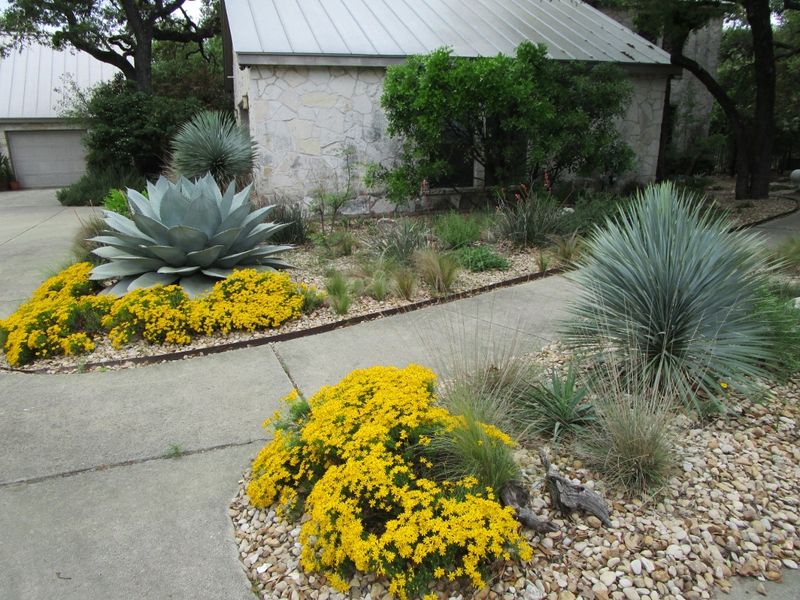
Brush your hand across damianita and a resinous, almost lemony scent rises from the tiny needle-like leaves. That aroma is one reason rabbits tend to pass it by, which makes it a lifesaver in many desert yards.
Chrysactinia mexicana forms evergreen mounds about a foot or two tall, staying green when other plants look bleached. In spring, golden daisies nearly hide the foliage, and lighter flushes often return after rain or cooler weather.
Native bees and butterflies flock to the flowers, turning a once barren corner into a busy little feeding station. I like using it along hot driveways, since it handles reflected heat from concrete far better than most perennials.
Sharp drainage matters more than anything, so rocky or sandy soil suits it perfectly while heavy watering causes decline. Established plants usually need only a deep soak every few weeks during summer, and much less during winter.
Shear lightly after the big spring bloom to keep mounds compact and encourage another round of flowers later. October planting gives roots a gentle head start, and the plant typically tolerates cold down to about zero degrees.
7. Angelita Daisy
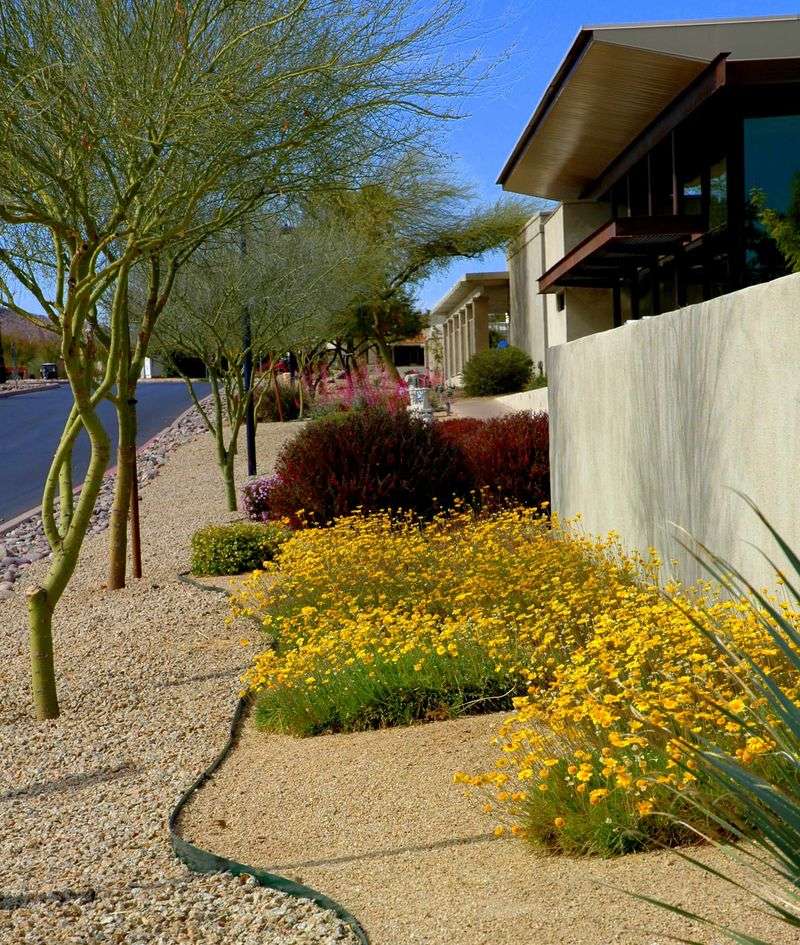
Ask a desert nursery for its most dependable little bloomer, and Angelita daisy often comes up first in conversation. Bright yellow flowers float above grassy tufts nearly year-round in milder areas, which feels like cheating in the best way.
Botanists list it as Tetraneuris acaulis, a native found across rocky plains and mountains of the western states. Each clump stays under a foot tall, so it fits neatly beside paths, patios, and small courtyard beds.
What surprises me most is how well it handles both scorching summers and frosty winter nights at higher elevations. Many sources rate it hardy to around zero degrees, which suits gardens from Tucson up into Prescott quite nicely.
Plant clumps about a foot apart in full sun, and water regularly until new roots take hold this fall. After that, occasional deep watering keeps flowers coming, while overly frequent sprinkling can rot the crowns over time.
Snip faded flower stalks occasionally if you prefer a tidy look, though small bees appreciate the lingering blooms. A few seedlings may pop up nearby, slowly giving your yard a relaxed, natural wildflower feel that gravel lacks.
8. Pineleaf Penstemon
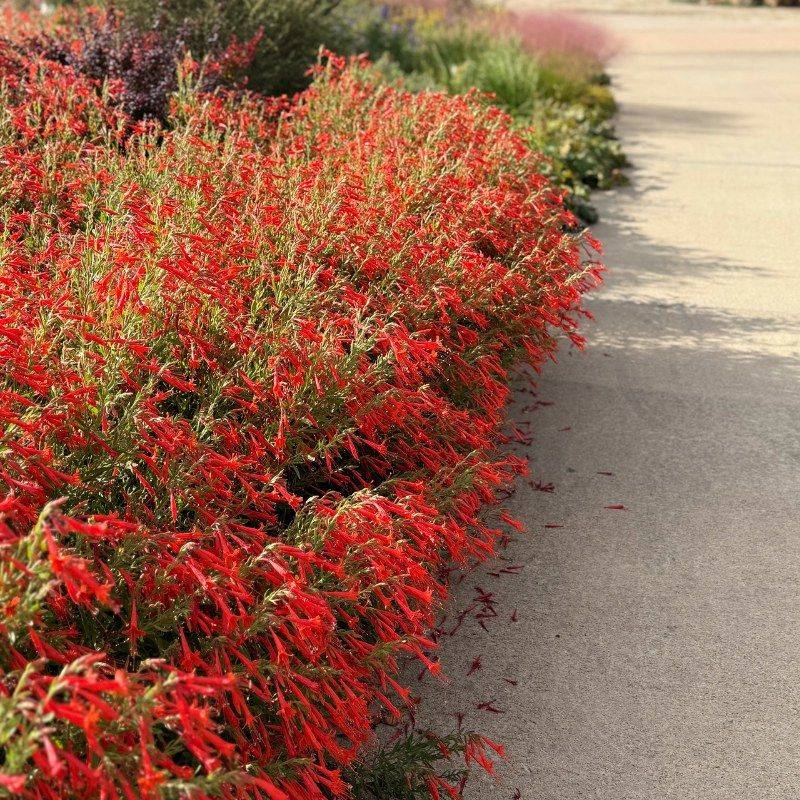
Hummingbirds seem to find pineleaf penstemon within days of planting, almost as if someone sent them an invitation. The tubular orange-red flowers fit their long bills perfectly, and the visits become a daily highlight from late spring onward.
Penstemon pinifolius comes from mountains in southwestern New Mexico, southeastern Arizona, and northern Mexico. Its needle-thin foliage really does resemble a miniature pine, staying bright green and forming low mats about a foot tall.
Flowering usually peaks in late spring into early summer, and the evergreen foliage keeps beds looking tidy afterward. I think it shines brightest in mid-elevation gardens, though low desert growers have success with a little afternoon shade.
Gritty, fast-draining soil is essential, since heavy clay holds water that causes root problems for this native. Water deeply and infrequently once established, and skip fertilizer because rich soil mostly encourages floppy growth instead.
Fall planting works well, giving roots several cool months to grow before hot weather arrives next year. Trim off spent flower stalks after blooming, and you might notice a lighter second flush appear later in summer.
9. Chuparosa
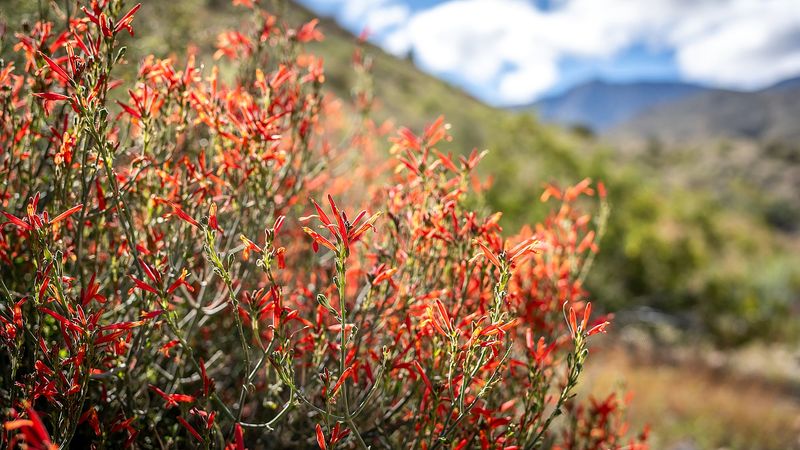
The name chuparosa roughly translates to rose sucker, a playful nod to the hummingbirds that crowd its blooms. Few desert plants feed them so reliably during late winter, when food sources run surprisingly thin in many areas.
Justicia californica is technically a sprawling shrub, so think of it as a big, loose groundcover for larger slopes. Plants reach roughly three to four feet tall and spread wider, filling space that gravel would otherwise heat up.
The small leaves often drop during drought, yet the green stems keep photosynthesizing and the plant carries on. Red tubular flowers appear mostly from late winter through spring, and verdins also enjoy nibbling the nectar at the base.
Give it full sun and well-drained soil, and it will shrug off the reflected heat from walls and pavement. Established plants manage with a deep soak every couple weeks in summer, while extra water mostly makes stems leggy.
Frost below the mid-twenties can damage tips, so wait until spring to prune any browned growth back. Avoid heavy fall pruning now, since tender new shoots can struggle when winter cold arrives in the coming months.