Why California Gardeners Should Leave Some Seed Heads Standing Through Winter
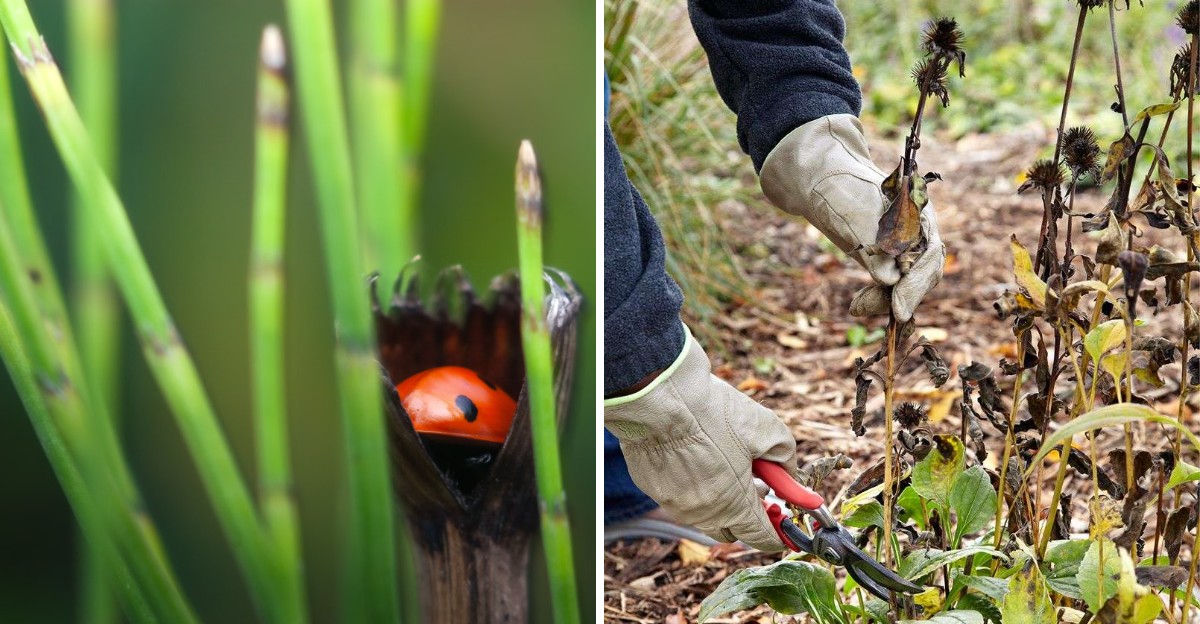
Some of the smallest bees in your yard raise their babies inside hollow plant stems all winter long. Those tidy brown stalks we love to chop down in fall can be a cozy nursery for them.
In California, finches and sparrows also go hunting for snacks while many gardens look bare after summer. Winter rains can pound unprotected soil too, and a little standing plant material softens the blow of every heavy drop.
I have to admit that my old fall routine involved sharp clippers and very little mercy for anything brown. You might notice the same urge every year when the borders start looking scruffy and tired.
Leaving a few things alone turned my sleepy California yard into the busiest spot on the block. So what exactly should you keep standing, and what truly deserves a trip to the green waste bin?
1. Lesser Goldfinches Feast On Dried Seed Heads
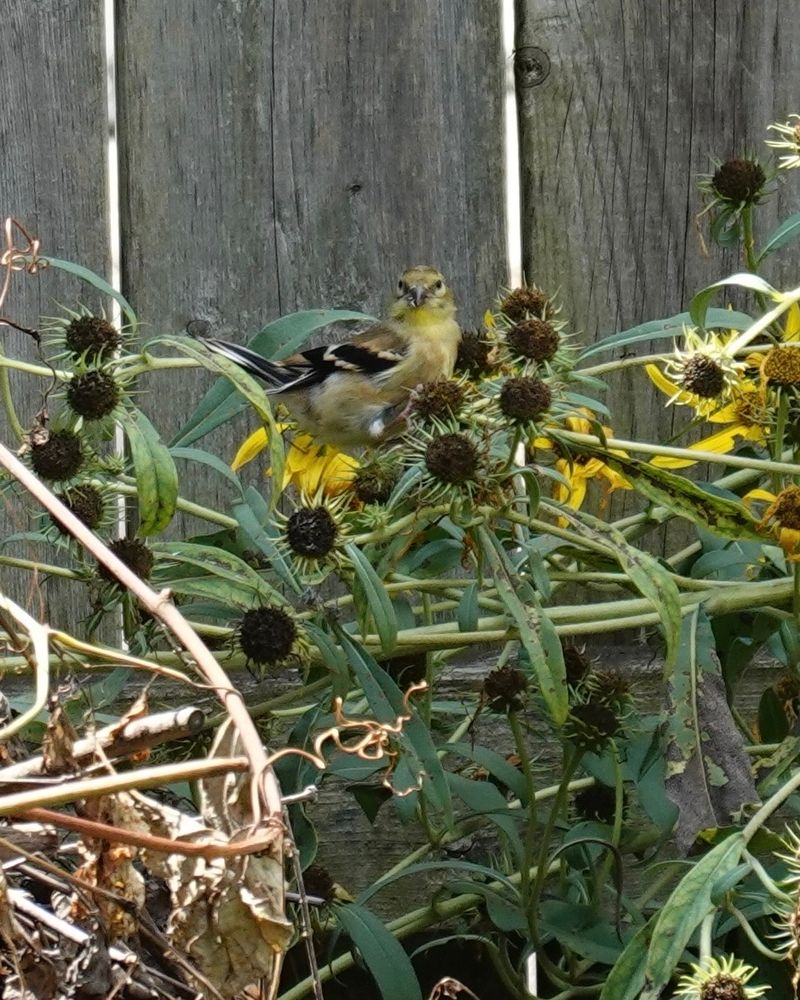
Nothing makes me grin like a flock of lesser goldfinches swinging upside down on a brown flower stalk. They look like tiny yellow acrobats, and they cling to wobbly seed heads with surprising skill.
Dried seed heads act like a free backyard bird feeder that needs no washing or refilling from you. Sparrows and juncos also stop by to pick through the seeds once summer food starts running low.
Black sage is one of my all-time favorite native plants for this job across much of Southern California. Its stacked, round seed clusters hang on through fall and winter, and goldfinches pick them over happily.
California buckwheat honestly earns a spot too, because its creamy flowers fade to a rusty brown color. Those rusty clusters hold seeds for weeks and look lovely against gray winter skies on chilly mornings.
Coneflowers are not native to the West, yet their sturdy cones still feed goldfinches in many gardens. I leave the tallest, strongest cones standing so the birds can perch while they pull out each seed.
You can boost the buffet by planting a mix of seed producers that ripen at different times. That way the birds find something to eat from late summer right through the cooler, wetter months.
Place a few seed plants near a window, and you get a front row seat to the show. Personally, I think watching those bright little birds beats any winter television program I could ever find.
2. Tiny Native Bees Sleep Inside Hollow Stems
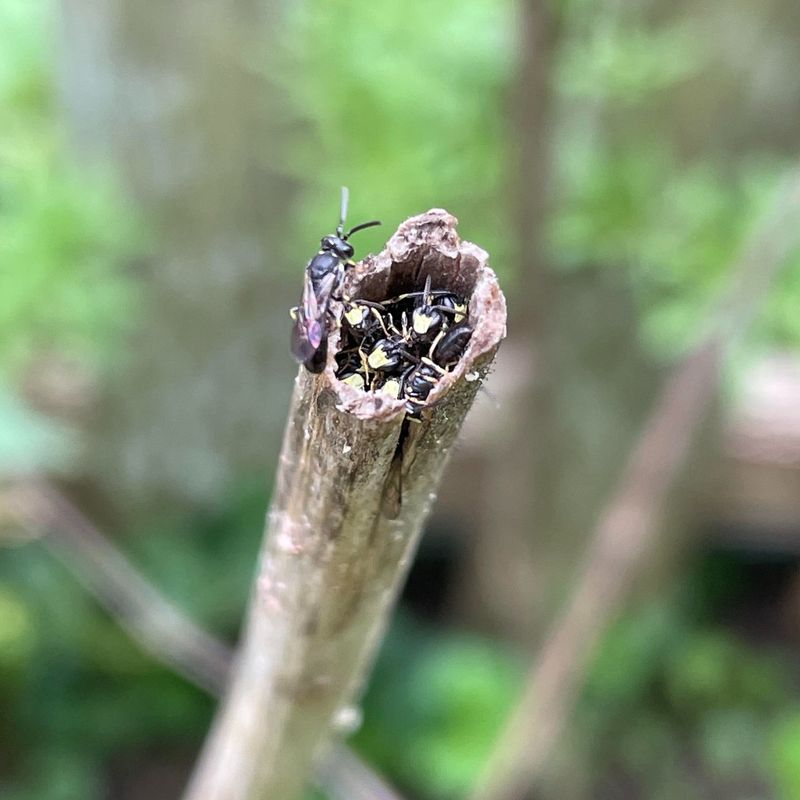
Peek into an old hollow flower stem in winter, and you might find a tiny bee tucked inside. Small carpenter bees often spend the cold months snug in pithy stems, waiting for warmer spring days.
They are nothing like the big black carpenter bees that chew into wooden fences and decks. Many are about the size of a grain of rice, and they rarely bother people working nearby or weeding.
Yellow-faced bees use hollow stems too, building little cells for their growing young inside the empty tubes. They line each cell with a clear, cellophane-like material, which I find wonderfully clever for such tiny insects.
Many stem-nesting bees prefer plants with soft pith or an open center they can easily crawl inside. Elderberry and native roses can work well, especially when last season’s stalks stay upright in the bed.
Xerces Society experts suggest cutting tall stems down to roughly eight to twenty-four inches in spring. New growth hides the stubs, and bees can move into those fresh cut ends the following nesting season.
I like how this trick keeps the garden looking neat without throwing away valuable bee housing. It feels like I am building a small apartment complex every year with a single pair of pruners.
Avoid shredding or bundling cut stems right away, since bees may still be resting inside them. Lay them loosely in a quiet corner until warm spring days give the sleepers a chance to leave.
3. Ladybugs And Lacewings Hide In Winter Stalks
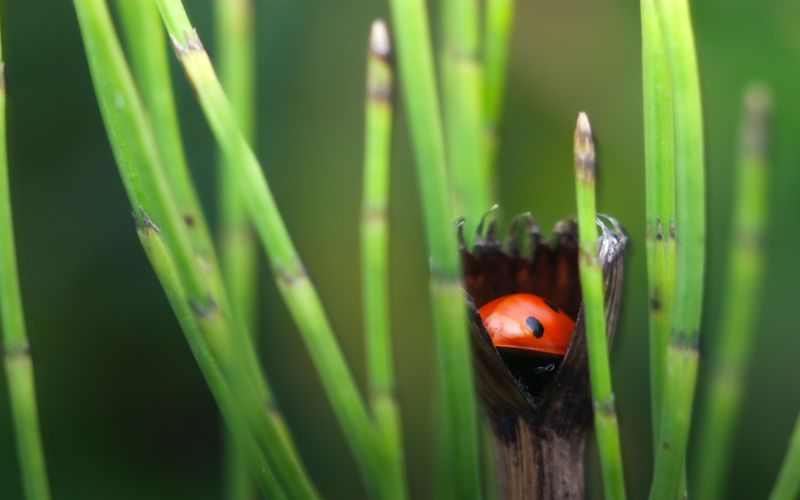
Ladybugs are tiny pest patrol officers, and plenty of them need a safe place to wait out winter. Old stems and curled leaves give these helpers a sheltered hiding spot when chilly nights roll in.
Lacewings and hoverflies also benefit from a garden that is not scraped bare and tidy every November. Their young eat aphids by the dozen, so keeping them around saves plenty of spraying and fussing later.
Yarrow is a superstar for this crowd, especially the white-flowered native forms many local nurseries now carry. Its flat flower tops draw in tiny parasitic wasps that keep hungry caterpillars and aphids in check.
Once the blooms fade, those flat seed heads stay up and add nice winter texture to the bed. Its feathery foliage often stays green through winter in mild areas, which gives insects extra cover.
Some gardeners worry that leaving plant debris invites pests, and that concern is fair enough to consider. A few pest insects do overwinter in old plants, yet so do the predators that eat them.
Personally, I would rather keep both groups and let nature balance things out over the whole season. Gardens with strong predator populations in spring often see fewer aphid outbreaks on tender new leaves and buds.
Leave a loose layer of leaves under shrubs, and keep some stalks standing near your vegetable beds. Those little shelters put your hungry helpers right where the aphids will probably show up next spring.
4. Standing Stems Slow Down Heavy Winter Rain
California storms tend to arrive in big bursts, and bare soil takes a real beating when they do. Raindrops hit like tiny hammers, knocking soil loose and sending it sliding toward the nearest drain.
Leaves and stems left in place break the force of those drops before they reach the ground. Standing plants also slow runoff, which gives water more time to soak in instead of rushing away.
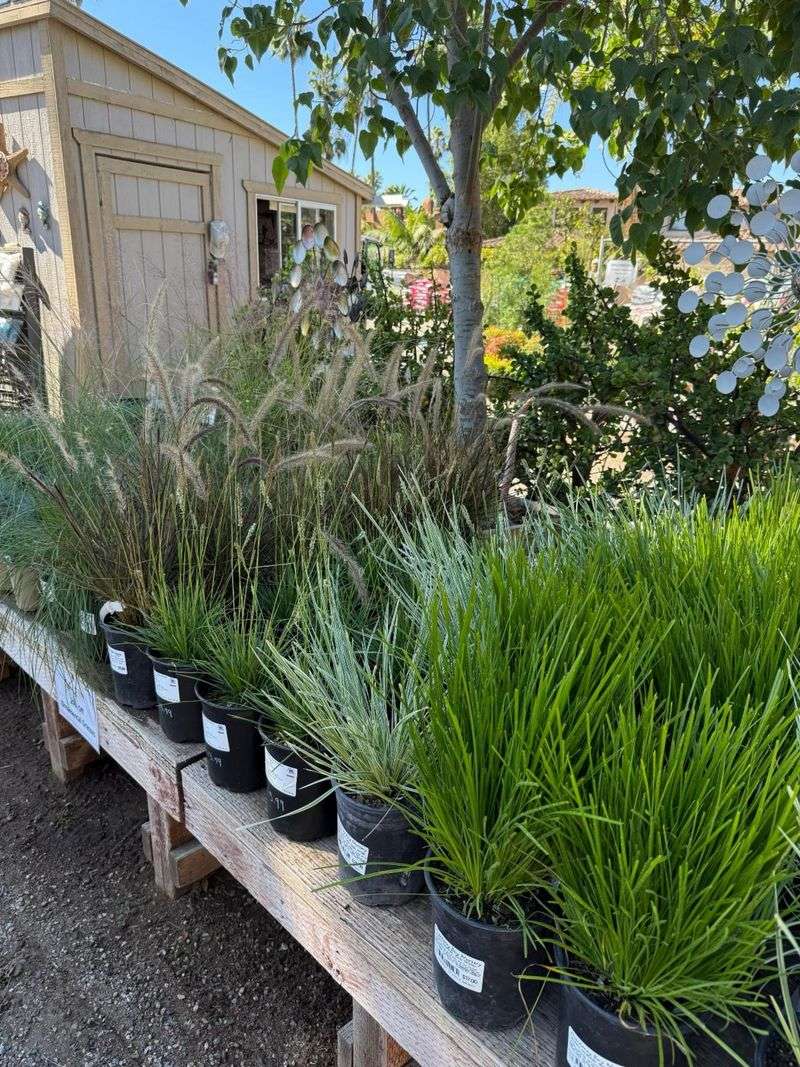
I love how deer grass handles this job with its big fountain of leaves and tall flower spikes. Its dense, fibrous roots grip slopes tightly, and the clumps stay handsome all through the rainy season.
California buckwheat is another slope hero, thanks to spreading roots that help bind loose soil together. Its faded seed clusters hang on for months, so you get erosion help plus some cozy winter color.
Over time, old leaves and stems break down and feed the soil with fresh organic matter. That slow process improves soil structure, so future rains soak in faster rather than puddling on top.
You need to pay extra attention on hillsides, where a tidy cleanup can leave soil exposed for months. Keeping a messy layer of growth there might save you from muddy gullies after the first big storm.
I think of my scruffy winter beds as a sponge that holds rain right where plants need it. It is a lazy approach, sure, but the soil and the creek downstream both seem to appreciate it.
5. Self-Sown Seedlings Pop Up For Free In Spring
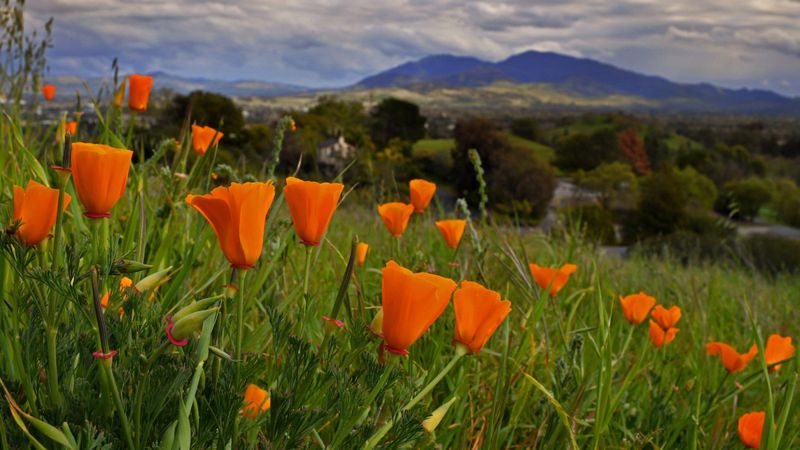
Free plants are the best kind, and leftover seed heads hand them out without asking for a single dollar. Seeds tumble into the soil over winter and wait patiently for the rains to wake them up.
Many native wildflowers sprout after cool season rain, which lines up nicely with the local weather pattern. California poppies and tidy tips are famous for popping up again in spots where they bloomed before.
You’re in for a big surprise when baby yarrow or buckwheat shows up in a crack nearby. I have moved dozens of these volunteers into empty spots, and they settle in like they own the place.
Learning to recognize seedlings matters, because baby wildflowers can look a whole lot like ordinary garden weeds. Snap a phone photo of each new sprout and compare it with the parent plant before pulling anything.
Not every plant should spread freely, so think carefully about which seed heads you leave behind. Clip off seed heads from invasive plants such as fountain grass before they can scatter into wild areas.
The Cal-IPC website lists problem plants by region, and it is worth a quick look each fall. Natives and well-behaved garden plants can keep their seed heads, while troublemakers get trimmed right away.
What surprises me most is how a garden filled with volunteers looks more natural than one I planned. Plants choose their own favorite spots, and they usually grow tougher because they started right there.
6. Frosty Seed Heads Add Winter Garden Texture
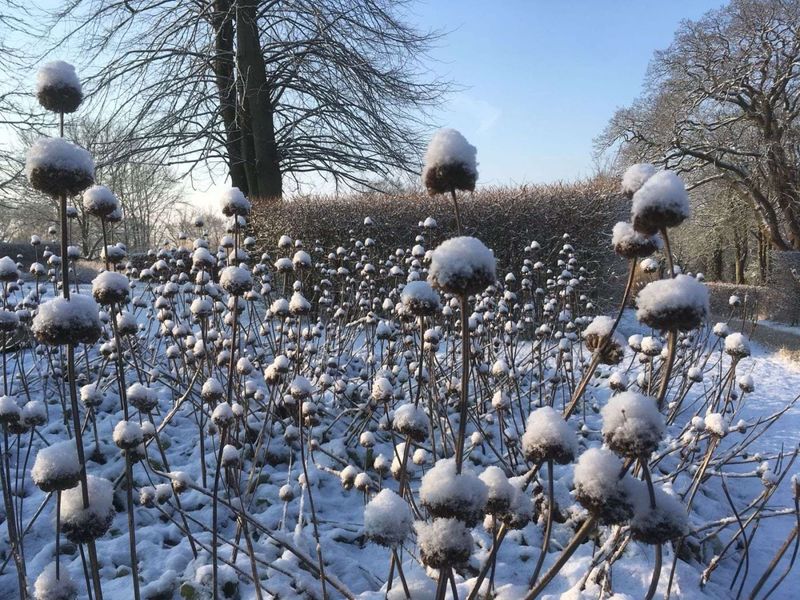
A frosty morning turns an ordinary coneflower cone into a sparkly little sculpture covered in ice crystals. I often step outside in my slippers just to admire the way light catches every frosty edge.
Frost is rare in coastal areas, yet morning dew can create a similar sparkle on seed heads. Inland valleys and foothill gardens see more frost, so the effect there can be truly stunning at sunrise.
Deer grass looks especially lovely in winter, when its tall tan flower spikes catch the low sunlight. A breeze sets the whole clump swaying, which adds gentle movement to an otherwise quiet winter garden.
Black sage holds its round seed whorls along the stems like a stack of tiny brown buttons. Those dark whorls stand out nicely against silvery shrubs or a pale stucco wall in the background.
Toyon is not a seed head plant, but its bright red berries deserve a mention here too. Cedar waxwings and robins feast on them in winter, adding even more color and life to the yard.
A garden with standing structure looks intentional when you keep edges crisp and paths neatly swept. Neighbors tend to read the look as a choice, not as a forgotten weekend chore left undone.
Try grouping seed heads in clusters rather than scattering them, since bold groups look far more deliberate. I believe a winter garden can be just as beautiful as summer, only in a softer and quieter way.
7. Clip Away Moldy Or Diseased Stems First
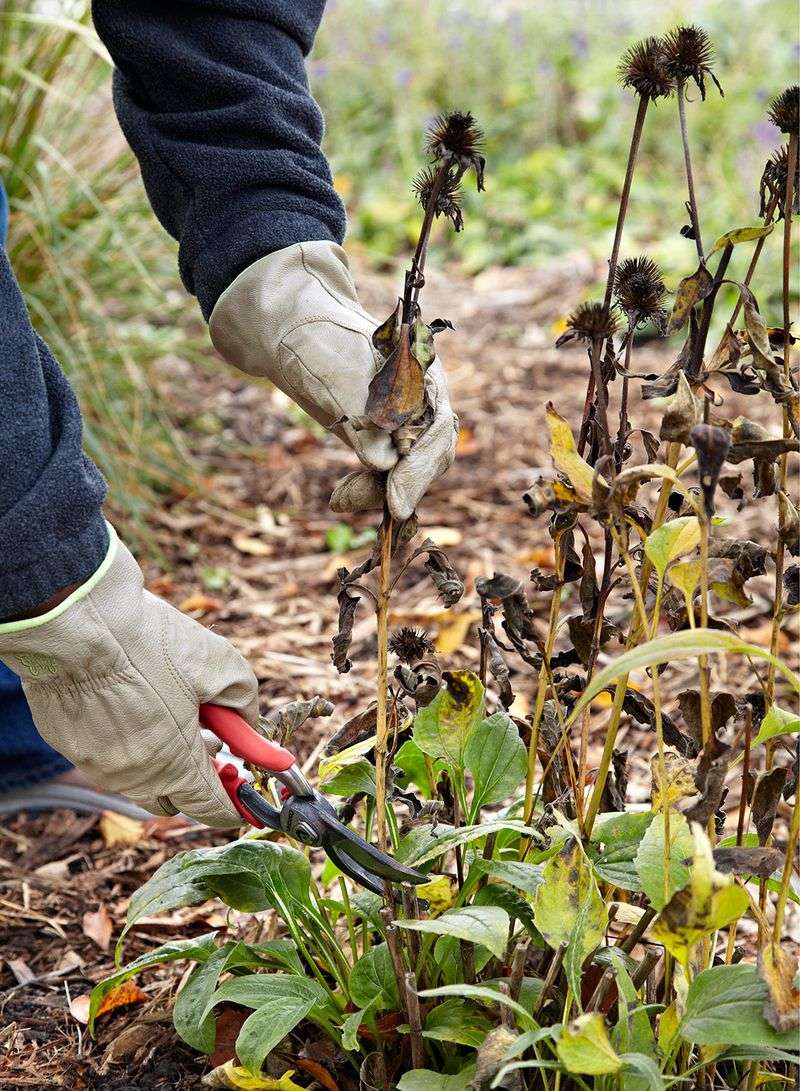
Leaving everything standing sounds dreamy, but a few plants really should leave the garden before winter. Anything covered in powdery mildew or rust spots belongs in the trash rather than the compost pile.
Disease spores can hang around on old leaves and stems, then splash onto new growth in spring. Squash vines and roses are common culprits, so I check them closely each fall before deciding what stays.
Healthy native perennials are a different story, and most of them can safely stay up until spring. Their seeds and stems feed and shelter wildlife, so those are the ones worth protecting this season.
Fire safety matters here too, especially if your home sits in a fire zone near brushy hillsides. Keep dry stalks out of the five feet closest to your house, following CAL FIRE defensible space guidance.
Timing your spring cleanup matters as much as what you leave standing in the first place. Many experts suggest waiting until daytime temperatures stay consistently near sixty degrees, so insects can wake up naturally.
Coastal and inland gardens warm up on different schedules, so pay attention to your own local weather. Fresh green shoots at the base of perennials are a handy sign that it is time to trim.
I can’t imagine returning to my old bare-ground cleanup now that my yard hums with life every winter. Start small with one bed this year, and you will probably notice the difference within a single season.